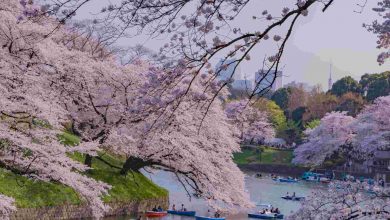
Best Places to See Fall Foliage in New England
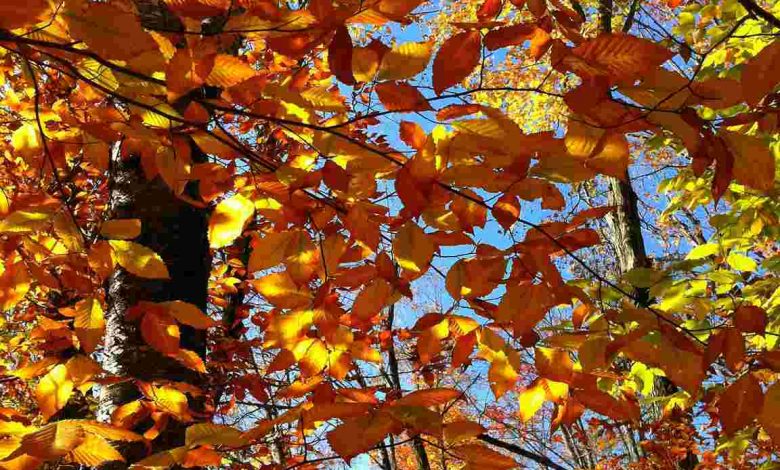
October in New England does something to you. I drove Route 100 through Vermont for the first time in early October a few years back — no agenda, just a tank of gas and a vague plan to end up in Stowe — and I pulled over six times in the first hour. Not because anything went wrong. Because every bend in the road looked like someone had set the hillside on fire. Sugar maples go full orange-red, birches turn this bright, almost electric yellow, and the whole thing sits against a blue sky that you'd call unrealistic in a painting. Fall foliage New England isn't a cliché. It earns its reputation, every year, without trying.
2026 is shaping up to be a "late but great" season, according to Jeff Foliage — one of the more reliable forecasters in the region. Forecasters expect peak to arrive slightly later than average, meaning the first two weeks of October will be the sweet spot for most of the region, rather than the last week of September. That's actually good news if you're planning. More lead time, and the window is longer. This guide covers where to go in Vermont and New Hampshire specifically, which drives to do, where to sleep, and what to bring. No generic advice — just the stuff that actually matters when you're trying to catch leaves at their peak.
Why Vermont Fall Colors Hit Different (and When to Go)
Vermont is the state people imagine when they picture fall foliage New England, and it's not wrong. The Northeast Kingdom — the cluster of towns in the state's upper-right corner, around St. Johnsbury and Burke — tends to go first. Expect peak there around September 25 to October 3 in 2026. Central Vermont, including the Mad River Valley and Woodstock, typically peaks October 5–12. Stowe, sitting at around 700 feet in elevation with the Green Mountains at its back, usually peaks right around Columbus Day weekend — October 10–13 in 2026.
The sugar maple is the star. Vermont has more sugar maples per acre than almost anywhere else on earth — it's why they make all that syrup — and in fall they turn a range from deep burgundy to almost neon orange. The further north you go and the higher the elevation, the earlier the color. That's why the Northeast Kingdom goes crimson in late September while Burlington is still half-green. For a first-timer, I'd aim for Woodstock or the Mad River Valley during that first week of October. It's reliably spectacular and less frenzied than Stowe on peak weekend.
The Route 100 Drive: Vermont's Best Kept Secret in Plain Sight
Route 100 runs 216 miles along the eastern edge of the Green Mountains, from the Massachusetts border all the way to the Canadian line. It's often called "Vermont's Main Street" and during peak foliage it becomes one of the most beautiful drives in North America. Full stop.
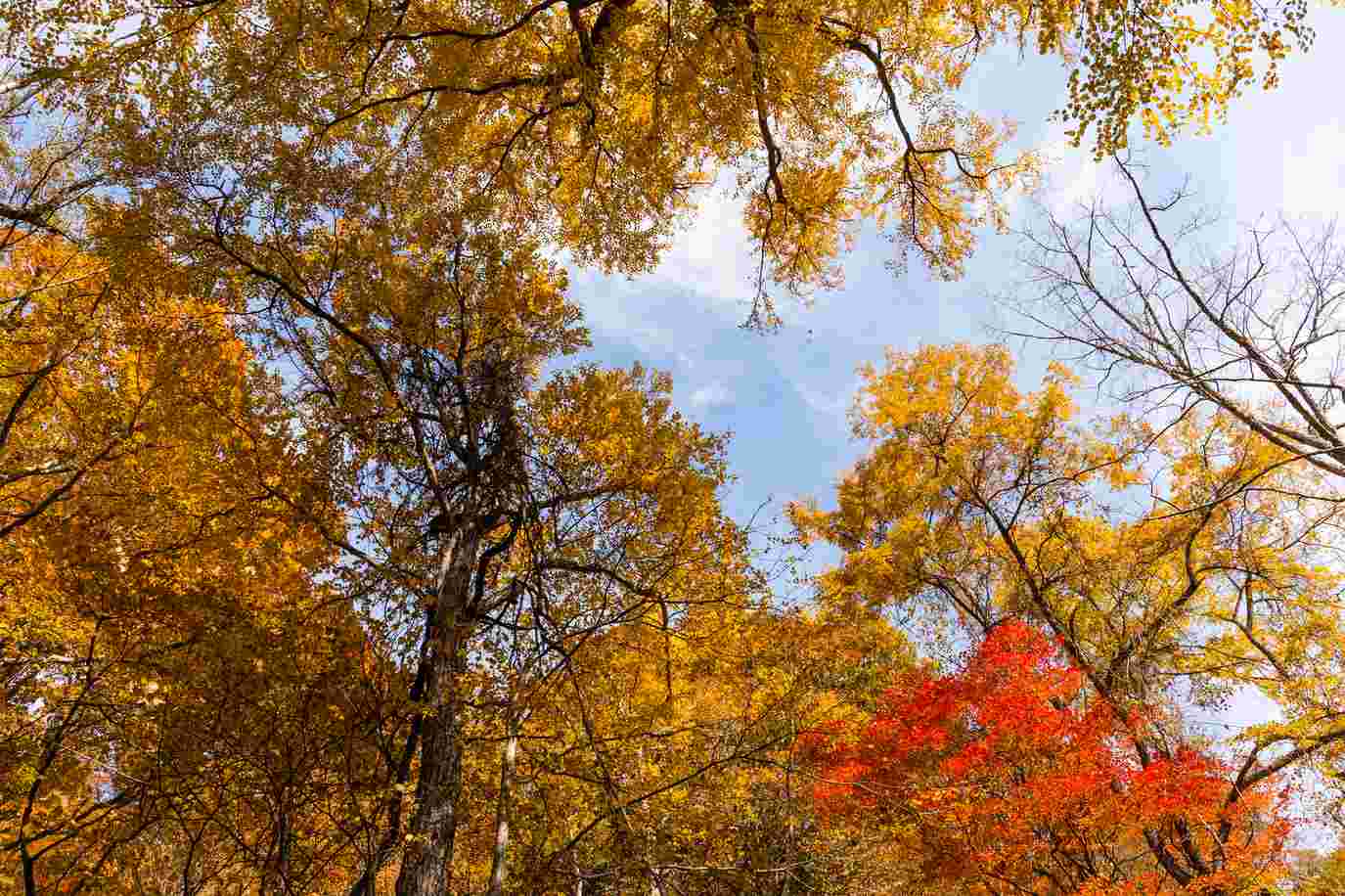
Start in Wilmington in the south — worth a coffee stop at Dot's Restaurant before you go anywhere — then work north through Weston, Ludlow, and into the Mad River Valley around Warren and Waitsfield. The stretch between Waitsfield and Morrisville is where Route 100 gets genuinely otherworldly. Hillside farms with silos, covered bridges, and maple trees right up to the road edge. Pull into Warren for lunch; the Warren Store on Main Street does a solid sandwich and you can eat on the bridge steps. Then push north through Stowe and finish the day near Morrisville or Hyde Park. Two days with overnight in Stowe is the right pace if you actually want to stop and not just drive.
New Hampshire Foliage: The Kancamagus Highway Is Not Optional
New Hampshire foliage doesn't get the same headline as Vermont, which means the crowds are thinner — especially mid-week — and the White Mountains are genuinely stunning. The Kancamagus Highway (Route 112) is the centerpiece. It runs 34 miles through the White Mountain National Forest between Conway and Lincoln, gaining serious elevation in the middle, and offers layered mountain views that Vermont's gentler terrain doesn't quite match.
Peak along the Kanc comes in two waves because of the elevation change: the upper pass (around 2,855 feet at Kancamagus Pass) typically peaks late September, while the river valleys at each end go full color a week to two weeks later — usually October 5–15 in 2026. Start in Conway early — the CL Graham Wangan Overlook at sunrise is worth setting an alarm for — then work west. Stop at Sabbaday Falls for a 20-minute walk to the cascade, then pull off at Lower Falls where the river runs through smooth granite channels. Finish in Lincoln and grab dinner at Woodstock Inn & Brewery (not the Vermont Woodstock — this one's in North Woodstock, NH, and the IPA is worth ordering). No gas stations on the highway itself, so fill up in Conway before you start.
Where to Stay for Fall Foliage New England (Places Worth Booking Now)
Book early. Seriously — I mean four to six months early for peak foliage weekends. October weekends in Vermont and New Hampshire fill up faster than ski season.
Vermont picks:
The Woodstock Inn & Resort in Woodstock is the classic choice — full spa, fine dining, walking distance to the village green and covered bridge. Rooms from around $350/night in October, worth it for a splurge. For something cozier, West Hill House Bed & Breakfast in Warren sits right in the Mad River Valley with a hot tub and farm-to-table breakfast included; it's $180–$220/night and the hosts know every good back road. The Field Guide Lodge in Stowe is a solid middle option — modern-rustic rooms, a fireplace lounge, heated outdoor pool, and a 10-minute walk to the town center. Around $260/night in peak foliage.
Airbnb option: Cady's Falls Cabin near Morrisville — 10 minutes from Stowe, sits above Kenfield Brook, and is in the top 1% of homes on Airbnb with consistent reviews for the fall season. Book it in May if you want any shot at an October weekend.
New Hampshire: Bear Ridge Lodge in the Franconia area puts you right at the edge of the National Forest with White Mountains trail access from the back door, close to Franconia Notch State Park. About $200–$280/night. For something with a view, the Mountain View Studio in North Conway — mountain views from a private deck, 10 minutes to the center of town, and priced around $150–$190/night — is one of the better value picks in the state.
The Northeast Kingdom: Vermont's Fall Foliage Best-Kept Zone
Most people drive to Stowe. Fewer make it up to the Northeast Kingdom (NEK), which is their loss. The area around St. Johnsbury, Craftsbury, and the towns surrounding Burke Mountain is genuinely remote — and genuinely beautiful. Colors peak here first, usually late September, and you'll share the roads with almost nobody.
Groton State Park is the specific target. It's about 25 miles southeast of Montpelier and covers 26,000 acres of forest with lakes, hiking trails, and elevated viewpoints that put you above the color canopy. Peacham, a tiny town just north of Groton, regularly shows up on "most photographed towns in Vermont" lists and earns it — white church steeple, old cemetery, farms rolling down toward forested hills. If you go NEK, stay in St. Johnsbury or Lyndonville. The Comfort Inn & Suites in St. Johnsbury is functional and reasonably priced (~$140/night) if you're using this as a base for hiking. Nothing fancy. But you're there for the outdoors, not the room.
What to Pack for an Autumn Road Trip New England
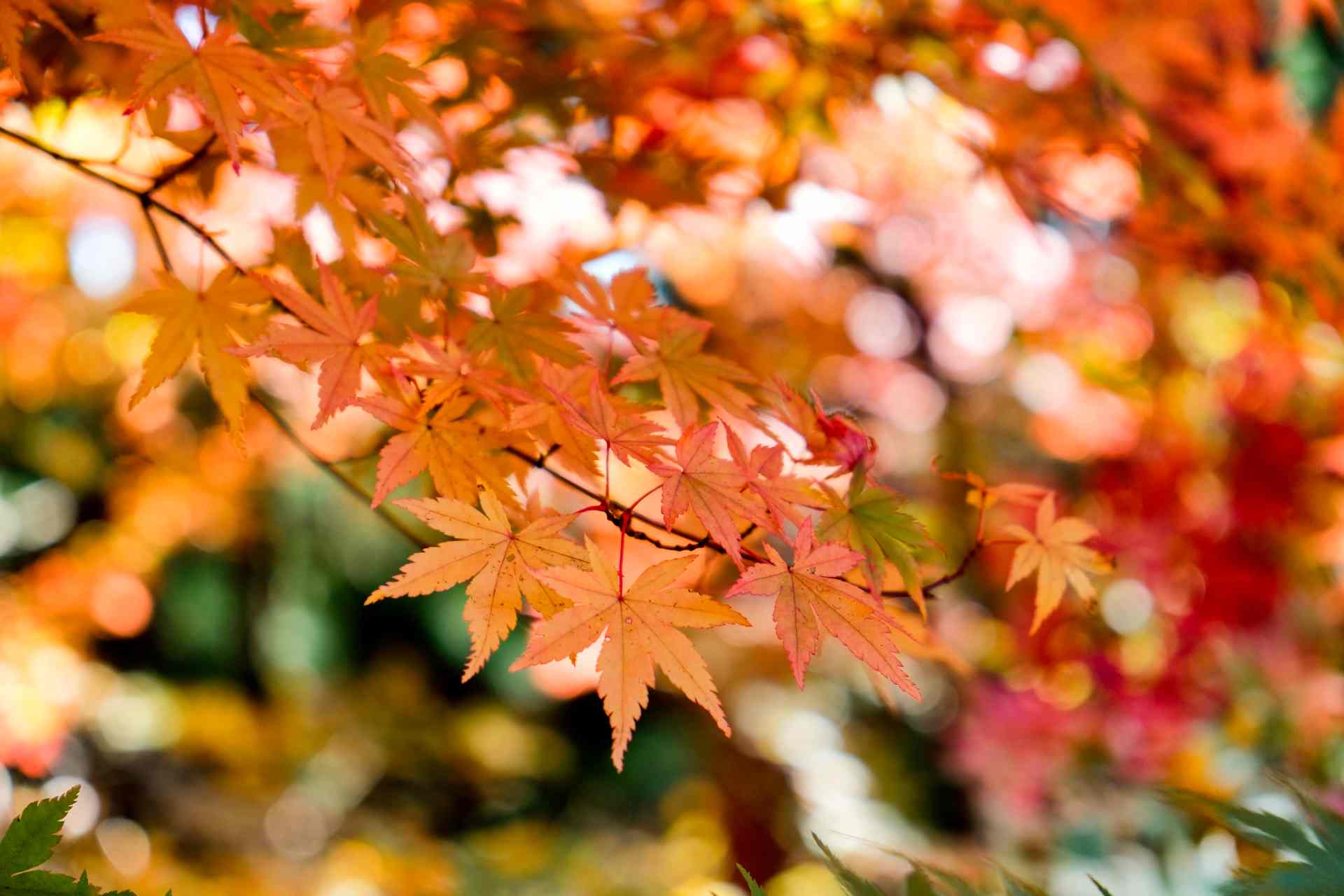
Layers are the only gear rule that really matters. Morning temperatures in Vermont in early October hover around 38–45°F; afternoons can hit 60°F. A Patagonia Nano Puff jacket weighs almost nothing and stuffs into a pocket — bring one even if it feels excessive at home. Waterproof trail runners or light hiking boots (Salomon X Ultra 4 GTX is the one I keep recommending) handle wet leaves on any trail without destroying your feet.
For photography, a polarizing filter on your lens cuts glare off the wet roads and saturates the color better than any post-processing edit. A good compact option: the Sony ZV-E10 with the kit 16–50mm lens is small enough to live in a daypack and shoots the kind of landscape photos that look like you know what you're doing. Osprey Daylite 13L daypack fits it all — camera, a layer, water bottle, snacks — without being cumbersome on a 2-mile trail walk. And charge your phone: cell service on the Kancamagus Highway is basically nonexistent, so download your Google Maps route offline the night before.
Timing Your Trip: The 2026 Peak Foliage Calendar
The foliage season moves south and down in elevation as October progresses. Here's the rough 2026 timeline:
- September 20–30: Northeast Kingdom VT, upper elevations White Mountains NH
- October 1–10: Mad River Valley VT, Woodstock VT, Kancamagus upper pass NH
- October 5–15: Stowe VT, Conway/Lincoln NH, Lakes Region NH
- October 10–20: Southern Vermont (Wilmington, Manchester), Coastal NH
The 2026 forecast skews a few days later than average due to a warmer September predicted. If you're locked into a specific weekend, the second full weekend of October (October 10–12) is the safest bet for a first-timer wanting peak fall foliage New England conditions across multiple states simultaneously. Mid-week travel in this window — Tuesday through Thursday — cuts crowd and price significantly.
Do's and Don'ts for Fall Foliage New England
| Do's | Don'ts |
|---|---|
| Book accommodation 4–6 months ahead for October weekends | Wait until September to start looking for peak-weekend rooms |
| Fill your gas tank before entering the Kancamagus Highway | Assume there are gas stations on Route 112 — there aren't |
| Download offline Google Maps for rural NH/VT routes | Rely on cell service in the White Mountains or NEK |
| Visit Peacham and the Northeast Kingdom for early color (late Sept) | Skip the NEK just because it's out of the way — worth it |
| Drive Route 100 from south to north over two days | Rush the full 216 miles in one day — you'll miss everything |
| Bring a polarizing lens filter for outdoor photography | Shoot foliage photos with your phone in direct midday sun |
| Travel mid-week for lower rates and thinner crowds | Plan a Columbus Day weekend trip without booking 5+ months out |
| Pack a waterproof jacket — October mornings are wet | Assume "fall" means mild — temperature swings are real |
| Check Jeff Foliage (jeff-foliage.com) for weekly foliage updates | Rely on generic forecasts from sites that aren't region-specific |
| Stay at least 2 nights in one base area rather than hotel-hopping | Drive to a new location every day — you'll spend more time in the car than in the leaves |
| Visit Sabbaday Falls on the Kancamagus for a proper trail stop | Speed through the Kanc without a single stop — you'd regret it |
FAQs
When is peak fall foliage in New England in 2026?
The 2026 season is forecast to run slightly later than average. Vermont's Northeast Kingdom peaks around September 25–October 3; central Vermont and New Hampshire's White Mountains peak October 1–15; and southern Vermont and coastal New England peak October 10–20. The safest window for a first-time trip targeting peak fall foliage New England across multiple states is October 8–14, 2026. That said, foliage isn't a single event — conditions shift by elevation, by weather, and by tree species — so check Jeff Foliage's weekly updates starting in mid-September for real-time accuracy.
What is the best fall foliage drive in New England?
The Kancamagus Highway in New Hampshire (Route 112, Conway to Lincoln, 34 miles) and Vermont's Route 100 (Wilmington to Stowe, roughly 150 miles of the best sections) are the two top drives. They're genuinely different in character: the Kanc is dramatic and mountainous with waterfalls and steep ridgelines; Route 100 is pastoral with farms, covered bridges, and small village centers. If you can only do one, Route 100 has more variety and flexibility for stopping. If you want raw, cinematic mountain color, the Kanc wins.
How far in advance should I book lodging for fall foliage in Vermont?
For Columbus Day weekend (October 10–12 in 2026) — the peak of peak — book by April or May at the latest. Popular inns like the Woodstock Inn & Resort and West Hill House B&B in Warren sell out months ahead for that specific weekend. If you're flexible on dates and can do mid-week (Tuesday–Thursday), you'll have more options and pay 15–25% less. For Airbnb cabins near Stowe, plan to search no later than June for any October weekend availability.
Is Vermont or New Hampshire better for fall foliage?
Depends on what you want. Vermont has more classic New England scenery — covered bridges, white church steeples, dairy farms — and Route 100 is one of the country's great scenic drives. New Hampshire has the White Mountains, which hit differently: raw, elevated, dramatic terrain with the Kancamagus Highway giving you views Vermont can't match. For a first-timer, Vermont is the easier introduction. For someone who's done Vermont a few times, New Hampshire feels fresher and less crowded.
What should I pack for a New England fall road trip?
Layers are non-negotiable. A packable down or synthetic jacket (Patagonia Nano Puff or Uniqlo Ultra Light Down), a waterproof outer layer, and merino base layers cover you from 38°F mornings to 62°F afternoons without bulk. Add waterproof trail runners or light hiking boots — wet fallen leaves are slippery on any surface. A daypack, offline maps, a portable battery pack, and a polarizing filter if you're serious about photography round it out. Leave the sandals at home; nobody regrets bringing an extra warm layer.
Are there good Airbnb options for fall foliage in Vermont and New Hampshire?
Yes, though you need to move fast. In Vermont, Cady's Falls Cabin near Morrisville (10 minutes from Stowe) consistently books out months ahead for October weekends — it's in the top 1% of Airbnb listings. In New Hampshire, Bear Ridge Lodge in the Franconia area offers National Forest trail access from the back door and is one of the better-reviewed cabin options in the White Mountains. Set an Airbnb alert and check in early May for October availability. Prices typically run $180–$320/night for cabins during peak foliage.
Can I do a New England fall foliage trip without a car?
Technically, but you'll see a fraction of what you're after. Boston is a good hub with Amtrak service to places like White River Junction, VT, and the Downeaster train runs from Boston to Portland, ME. But the best foliage — Route 100, the Kancamagus, Peacham, Groton State Park — requires a car. Rent one in Boston or Burlington (Burlington Airport has all major rental agencies) and give yourself at least 3 days. If you're determined to do it without a car, Stowe has some walkable scenery and the town runs a free shuttle — but the surrounding countryside is what actually makes the trip.
Does rain ruin a fall foliage trip?
Rain itself doesn't ruin it — wet leaves are actually more vivid than dry ones, and overcast light is often better for photography than direct sun. What hurts is a hard frost followed by wind, which strips the leaves off before they peak. The real risk is arriving a week early or late. Watch the foliage tracker and be prepared to adjust your itinerary by a few days if forecasts show an early frost event in September. For the autumn road trip New England experience, flexibility on dates is worth more than any specific plan.