Greece Honeymoon Guide: Best Islands and Romantic Experiences
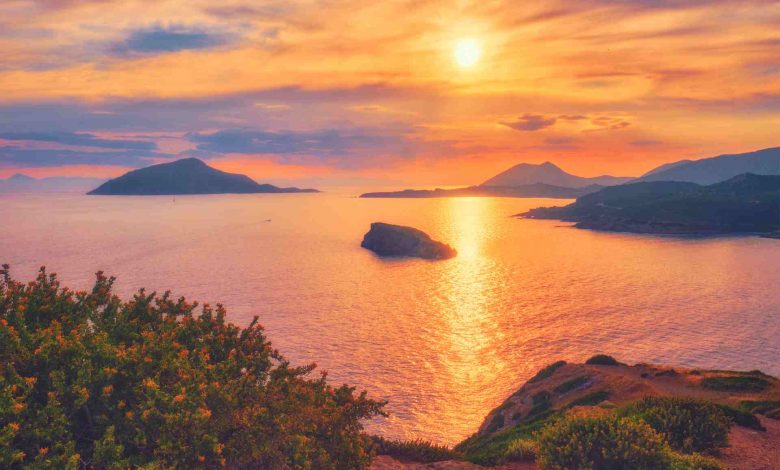
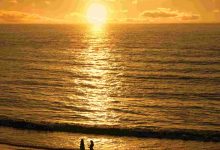
There's a reason couples have been booking a Greece honeymoon since long before Instagram made it look like a screensaver. I remember standing on the edge of Oia at dusk, watching the sun drop into the caldera while a table of honeymooners two seats over quietly clinked champagne glasses — nobody spoke for a full two minutes. The sky went orange, then pink, then a deep bruised purple. That moment costs nothing extra. It just takes showing up at the right island at the right time. Greece delivers that feeling reliably, which is honestly rare. Most destinations that look extraordinary in photos disappoint slightly in person. Greece does the opposite.
What makes a Greece honeymoon work is choosing your islands carefully. Santorini and Mykonos dominate the conversation, fairly so — but if you book without a plan, you'll spend half your trip fighting for a restaurant reservation and the other half dodging tour groups at the caldera. This guide covers four islands worth serious consideration for couples: Santorini for drama and romance, Mykonos for energy and luxury, Milos for raw beauty with far fewer crowds, and Corfu for lush green coastline that feels nothing like anywhere else in Greece. Where to stay, what to spend, and a few things nobody bothers warning you about.
Santorini: Where the Greece Honeymoon Fantasy Lives
Santorini earns the hype. Full stop. The caldera views from Oia are genuinely one of the most striking things you'll see on earth — volcanic cliffs dropping into deep blue water, whitewashed buildings stacked improbably on the edge, windmills in the distance. For a Greece honeymoon, base yourself in Oia rather than Fira if romance is the priority. Fira is busier, noisier, and more commercial. Oia has a narrower main alley and slightly quieter energy, especially after 10pm when the day trippers leave.
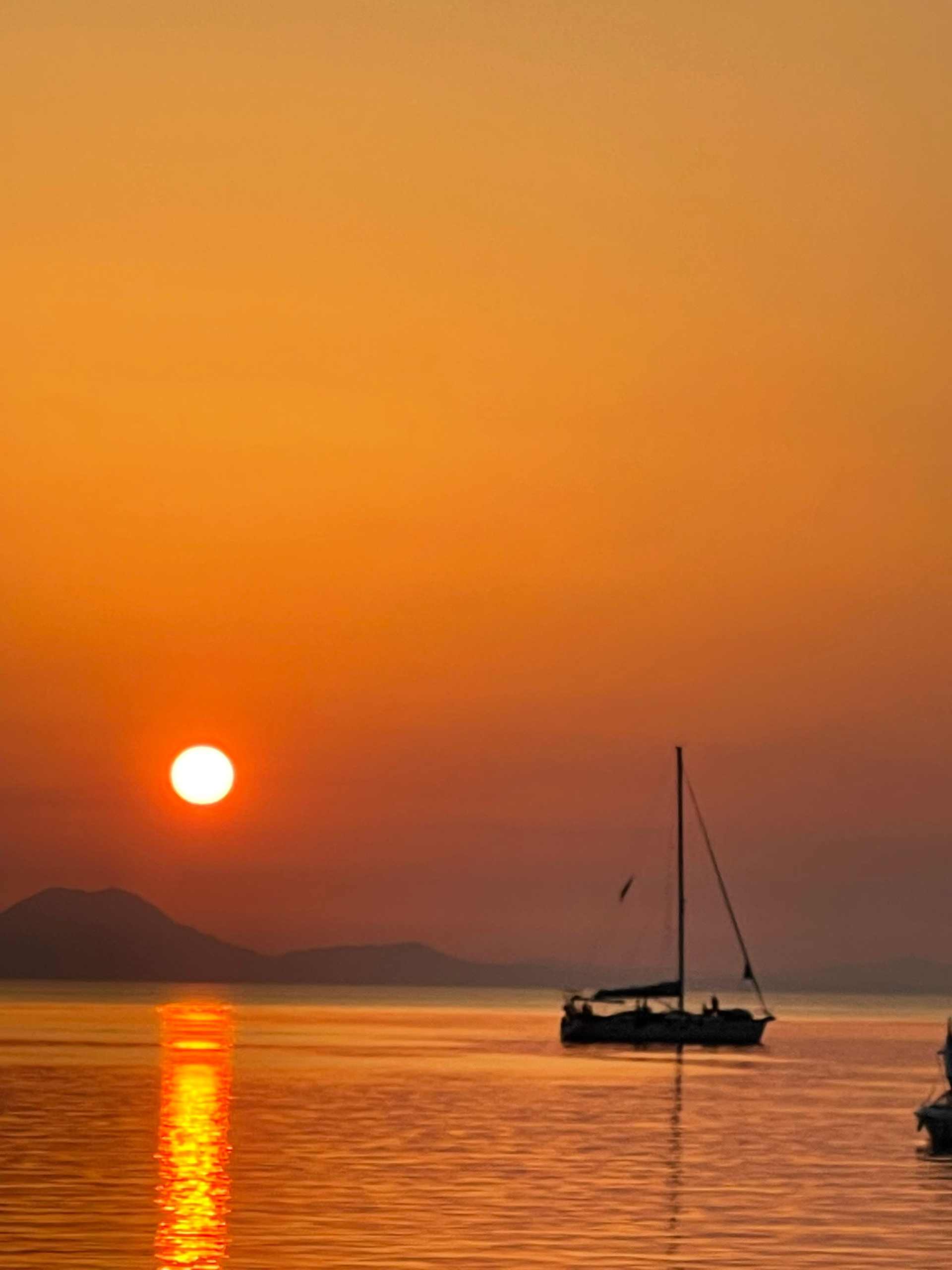
For hotels, Grace Santorini (Auberge Resorts Collection) is about as good as it gets. Suites start around EUR 700 in shoulder season (May, October) and climb past EUR 1,200 in July and August — the infinity pool seems to pour directly into the caldera, and the dining is legitimately excellent. A step down in price but not in quality: Canaves Oia Suites, which has private plunge pools and caldera views starting around $600/night in peak season, or considerably less in May. Book the Pool Suite, not the standard suite. The upgrade is worth every cent. For sunset dinner, Metaxy Mas in Exo Gonia does the best Santorini food I've had — it's inland, no caldera view, and still consistently ranked among the island's top tables. Reservations essential.
Mykonos: The Honeymoon That Doesn't Sleep
Mykonos is for couples who want luxury and something to do after dinner besides look at the sea. It's louder, more expensive, and more social than anywhere else in the Cyclades. Not a criticism — just what it is. Private infinity pool by day, serious restaurant by night. That's the formula.
Two hotels stand out for a Mykonos honeymoon. Bill & Coo Suites and Lounge in Megali Ammos is a three-minute walk from Mykonos Town — 32 sea-view suites, some with private plunge pools, and a fine dining restaurant called YEVO that's worth the splurge. Rates start around $357/night for a standard sea-view suite. Kivotos Mykonos sits on a private beach in Ornos Bay, starting around EUR 700 per night including breakfast, with fresh fruit and flowers delivered daily. Ornos Beach is sandier and calmer than the party beaches (Psarou, Paradise) — skip those entirely if you want a honeymoon, not a headache.
Milos: The Romantic Island Nobody Warned You About
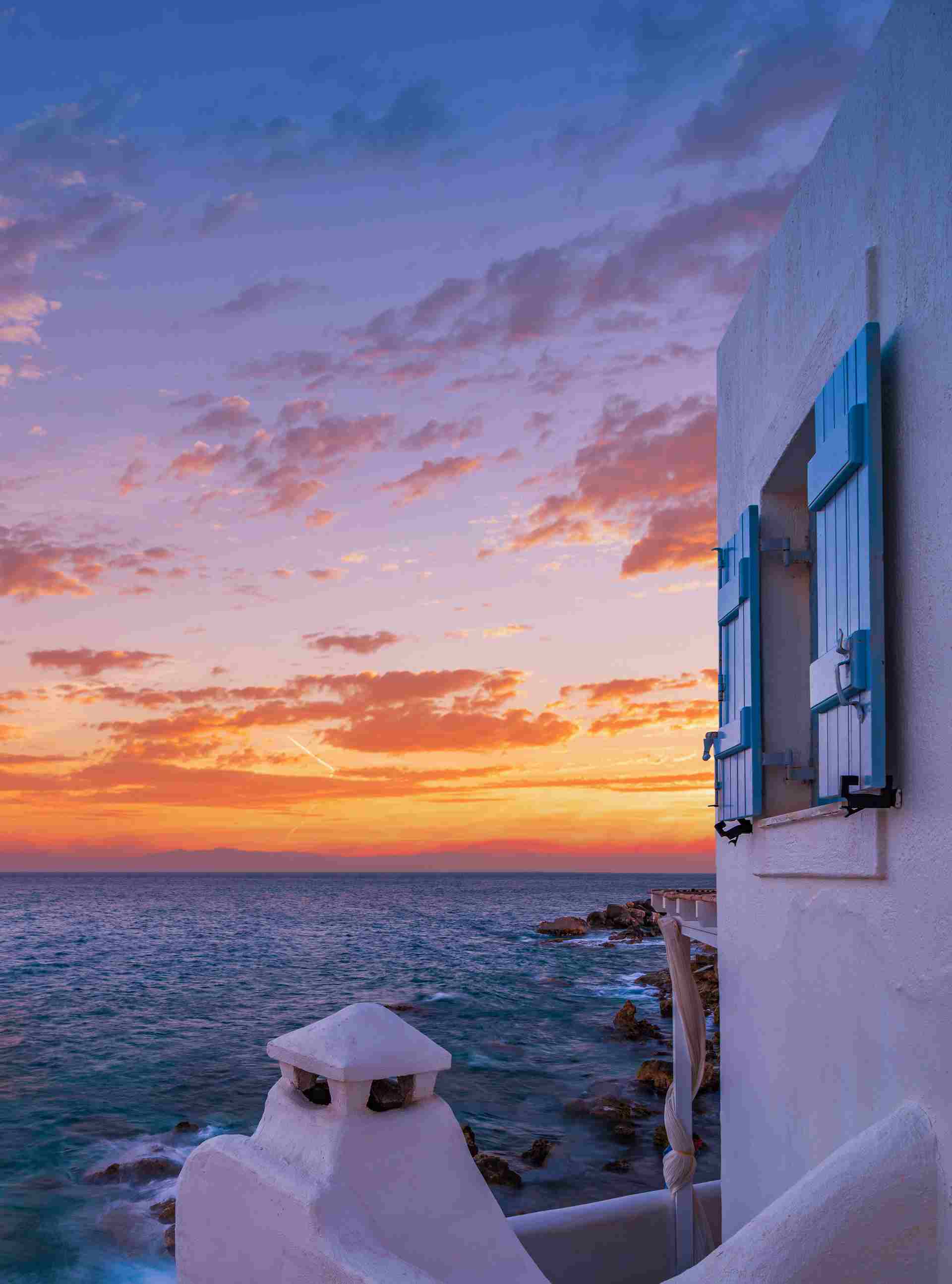
Milos is the most visually striking island in Greece for couples who don't need a five-star brand to feel like they're on a honeymoon. Volcanic, which means the beaches look like another planet. Sarakiniko is the one you'll see everywhere — white pumice rock formations eroded into curves and arches, water so turquoise it looks photoshopped. Get there before 9am or after 5pm. Otherwise you're sharing it with tour groups.
Domes White Coast Milos delivers minimalist luxury directly on Paliochori Beach. Skinopi Lodge is smaller and genuinely remote — one of those places where you lose track of what day it is. For something more flexible, Pollonia village is the best Airbnb base: seaside tavernas, a swimmable beach, and day-trip boats to Kleftiko's sea caves. Book Enalion in Pollonia for dinner — fresh seafood, sunset over the bay, prices that feel like 2018. Four-to-five months advance booking in summer. The island is small.
Corfu: Green, Lush, and Genuinely Underrated for Couples
Corfu doesn't look like the other Greek islands. It's Ionian, not Cycladic — hills covered in olive trees and cypress, Venetian architecture in Corfu Town, sand beaches on the west coast, pebbled coves on the east. It rains more than Santorini. It's also far greener and far less crowded, which makes it genuinely romantic for a couple who'd rather wander through olive groves than queue for a caldera photo.
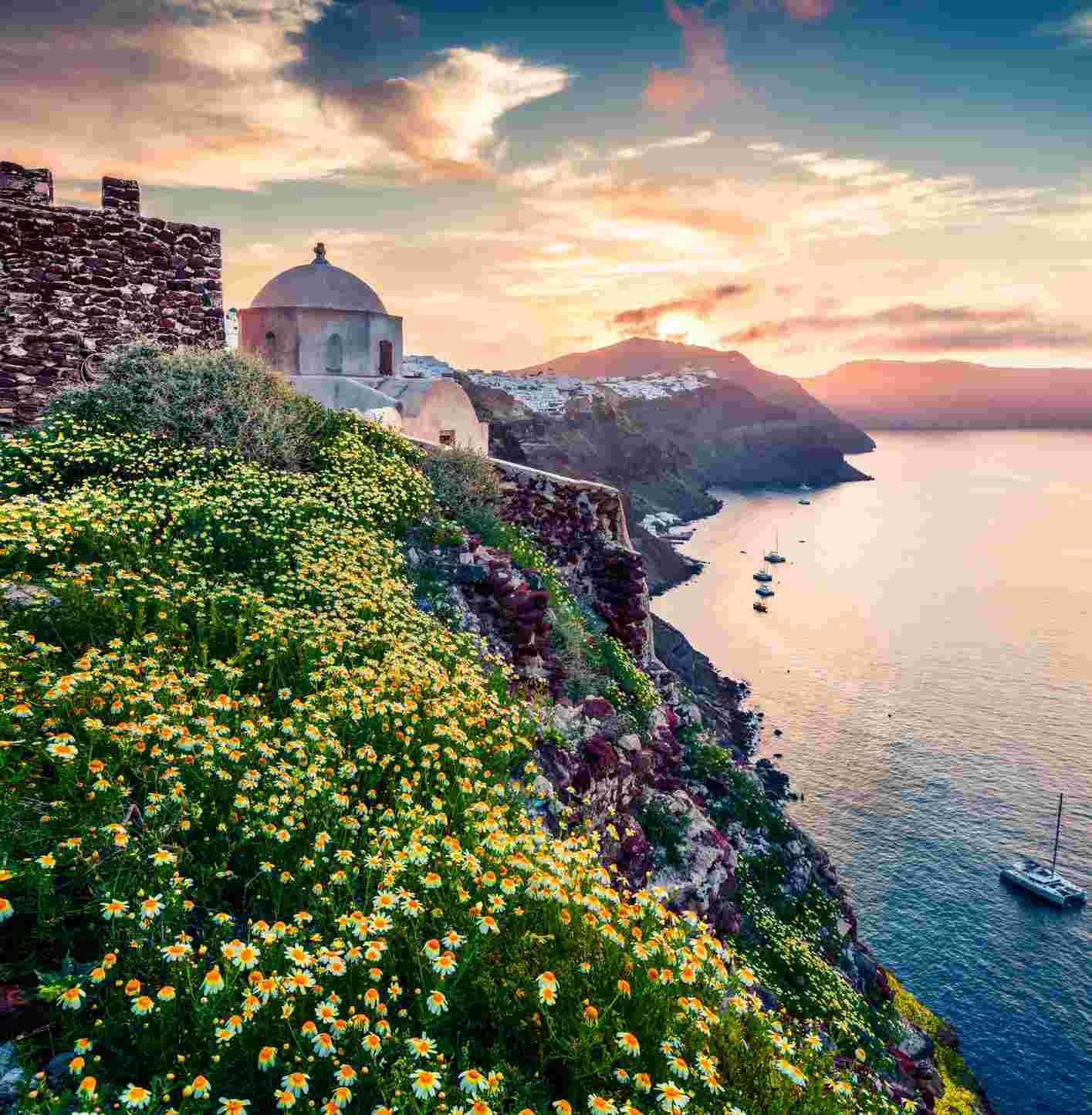
Ikos Odisia is the marquee resort for couples — luxury all-inclusive on a 60-acre private bay, 420 meters of sandy beach, 10 heated pools, and a spa by Anne Semonin Paris. You don't need to leave. Domes Miramare is adults-only and smaller, with authentic Corfu architectural details and a private pebbly beach — better if intimacy over volume is the priority. Angsana Corfu (Banyan Tree's first European property) has the island's largest infinity pool and a strong destination-spa feel. Away from the resort strip: Paleokastritsa on the west coast has water so blue-green it looks artificially lit, and the monastery on the headland is worth the uphill walk in the late afternoon.
Best Time for a Greek Islands Honeymoon
May and early June are the sweet spot. Temperatures sit in the low-to-mid 20s Celsius, crowds are manageable, and prices run 20-30% below July. Late September into early October is almost as good — the heat breaks, the Aegean stays warm, and restaurants are less booked out. July and August work if you've planned months ahead, but expect premium prices on everything, packed beaches, and ferry seats that go fast. Avoid same-day ferry bookings in peak season. Just avoid it.
Getting Between Islands: Ferries, Flights, and What to Know
Island hopping works well for a Greece honeymoon if you keep it to two islands. Santorini to Mykonos by fast ferry is about two hours on Seajets or Golden Star Ferries — book via Ferryhopper at least two to three weeks out in summer. Milos connects directly to Athens (Piraeus) in three to four hours by fast boat. Corfu is best reached by flying into CFU from Athens — no direct ferry from the Cyclades. The islands are not all connected, which surprises people. Flying through Athens to reach Corfu from Santorini is completely normal. Shoulder season roundtrip flights from the US to Athens run consistently under $900 on Aegean Airlines or Olympic Air.
Travel Gear Worth Packing for a Greece Honeymoon
Pack light. Cobblestone streets in Oia and Mykonos Town are not wheelie-suitcase friendly — bring a soft bag or the Osprey Farpoint 40, which fits in overhead bins on European budget carriers and skips checked baggage fees. The Pelican Marine Waterproof Pouch is essential for Milos and any boat day — it handles full submersion and the touchscreen still works through it. For photos, the Sony ZV-E10 II is compact enough for daily carry and handles golden hour on the caldera beautifully. Tilley's Airflo hat is worth the luggage space — Cyclades sun in July is genuinely unforgiving. A 20,000mAh Anker portable charger keeps two phones running through a full island day. Packing cubes (Peak Design makes good ones) mean island-hopping without repacking every two days. Simple list. Don't overthink it.
Do's and Don'ts for a Greece Honeymoon
| Do's | Don'ts |
|---|---|
| Book caldera-view rooms at least 4-5 months ahead for peak season | Don't show up at Santorini's sunset without a dinner reservation — lines at viewpoints are brutal |
| Use Ferryhopper to book inter-island ferry tickets in advance | Don't rent an ATV on Mykonos unless you're comfortable with aggressive local traffic |
| Arrive at Sarakiniko Beach in Milos before 9am or after 5pm | Don't rely on card payments everywhere — carry some cash for smaller tavernas |
| Try at least one inland restaurant (Metaxy Mas in Santorini, Enalion in Milos) | Don't overplan — leave at least one full unscheduled day per island |
| Check ferry schedules before booking accommodation locations | Don't book back-to-back islands without a buffer day in case of weather delays |
| Opt for adults-only properties if peace and quiet matters to you | Don't visit in August without iron-clad reservations everywhere |
| Pack reef-safe sunscreen — Greek waters are sensitive ecosystems | Don't bring rolling suitcases if you're staying in Oia — steep steps will destroy both the bag and your mood |
| Book a private sailing or catamaran trip for at least one day | Don't skip Corfu's Old Town — it's a UNESCO site and genuinely beautiful |
| Ask your hotel concierge for last-minute dinner reservations — they have pull | Don't fly directly to Santorini from overseas without checking stopover costs via Athens first |
| Visit Kleftiko in Milos by boat, not just on a map | Don't forget travel insurance — medical costs and missed ferries add up fast |
| Stay somewhere with a private plunge pool if budget allows — worth it | Don't skip the local wine — Santorini's Assyrtiko is one of the most distinctive whites in the world |
FAQs
What's the best Greek island for a Greece honeymoon in 2026?
It depends on what you want. Santorini delivers the caldera-and-sunset fantasy with almost no effort. Mykonos is better for couples who want luxury and vibrant social energy alongside romance. Milos is the choice for stunning landscapes with far fewer people — Sarakiniko and Kleftiko are extraordinary, and you won't be competing with tour groups. Corfu suits couples who want green hills, Venetian architecture, and high-end resort stays without Cycladic prices. Most couples do two islands in 10-14 days — Santorini paired with one of the others is the most common formula.
How much does a Greece honeymoon cost?
Budget $300-400/night for a decent sea-view hotel in Santorini during peak season, and $200-300 in shoulder season. Mykonos is similar. Milos and Corfu are less expensive — solid boutique stays from $150-250/night in shoulder season. Add $80-120/day per couple for meals and activities. A 10-day two-island Greece honeymoon for two, including flights from the US, typically runs $6,000-12,000. Accommodation is where the range is dramatic — meals and ferries rarely blow the budget.
When is the best time for a Greece honeymoon?
May, June, and September. You get warm weather, warm water, and significantly lower prices than peak season, plus restaurants are actually bookable. July and August are possible with advance planning, but busier and noticeably more expensive — 35°C+ heat in the Cyclades isn't unusual. October is still beautiful, though ferry frequency drops and some smaller restaurants close.
Is island hopping worth it on a Greece honeymoon?
Yes, with a caveat. Limit yourself to two, maybe three islands in 10-14 days. Every island switch costs half a day. More than three starts to feel like a logistics exercise rather than a honeymoon. Pair one slow island (Milos, Paros, or Corfu) with one livelier one (Santorini or Mykonos) — that combination works well for almost every couple.
Do you need a car on a Greece honeymoon?
On Santorini, yes — taxis are genuinely hard to get in peak season, and the island is too spread out. Book through a local rental agency rather than a big chain. On Milos, a car is essential — beaches are scattered and buses are infrequent. On Mykonos, the town is walkable but a car or moped helps. On Corfu, you'll want one to reach the quieter west coast beaches and villages.
What are the most romantic experiences in Greece for couples?
A private sunset catamaran from Ammoudi Bay below Oia is one of the best things you can do in Greece — it costs around $150-200/person for a half-day charter, stops at the caldera hot springs, and ends with a swim at sunset. In Milos, a boat trip to Kleftiko's sea caves is legitimately spectacular. In Corfu, a sunset walk through the Old Town followed by dinner in Anemomilos is quiet and lovely. In Mykonos, watch the windmills at golden hour from Little Venice, then walk ten minutes to YEVO at Bill & Coo for dinner.