Bali with Kids: Everything You Need to Know for a Family Trip

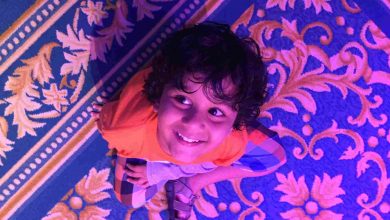
If someone had told me before my first trip to Bali with a four-year-old and a seven-year-old that we'd spend three hours at the Sacred Monkey Forest and nobody would cry — I wouldn't have believed them. But that's Bali. The island has this uncanny ability to hold kids' attention without you having to do anything particularly clever. There's something moving, something buzzing, something colorful at every corner. It's not a resort island that pretends to accommodate children while quietly hoping you keep them poolside. A Bali family vacation actually works — the culture is genuinely kid-friendly, the food is accessible, and the price point means you're not choosing between activities and a decent hotel room.
That said, walking in without a plan is how you end up in Kuta at noon with a sunburned toddler and a driver who doesn't know where the nearest pharmacy is. This guide is built on real trips, real resorts, and 2026-current details — not tourist board talking points. I'll cover where to stay, what's actually worth doing with kids in tow, how to move around without losing your mind, what to pack, and a few things most family guides politely skip. You'll also find specific resort names, real Airbnb villa options in Seminyak, and current entry prices so you're not guessing.

Which Part of Bali Actually Works for Families
Not all of Bali is equal with kids. Kuta is loud, congested, and built for 22-year-olds on their first trip. Skip it for families. Nusa Dua is the opposite — calm beaches, gated resort compounds, very safe. It's purpose-built for families and suits anyone who wants predictability. Sanur sits between the two extremes: a proper reef break keeps the beach calm, the streets are walkable, and the local food scene is far better than Nusa Dua's resort restaurants. Seminyak has a more sophisticated vibe and access to good villa rentals — it's a solid base if you're mixing beach time with some adult evenings.
Ubud is worth a 2-night detour, especially for kids aged six and up. The Padma Resort Ubud (starting around $184/night) has an on-site animal farm where kids can interact with otters, ducks, and goats — plus free archery sessions morning and afternoon. It's genuinely good. The rice terrace walks from Tegalalang are manageable for older kids and the cooking classes in Ubud are far more engaging than anything you'll find near the beach. Lobong Culinary Experience runs a market visit first, then a hands-on class — kids love the shopping chaos before the actual cooking.

The Best Family Resorts in Bali Right Now
Grand Hyatt Bali in Nusa Dua is probably the most complete family resort on the island. Five pools including a dedicated children's pool complex, Camp Hyatt programming with cooking, crafts, and Balinese cultural activities, and a beachfront position on one of Bali's calmest stretches. It doesn't feel small or cramped — the grounds are big enough that you don't constantly bump into other families. Rates in shoulder season (May, June) sit around $220-$280/night for a standard room.
Holiday Inn Resort Baruna Bali in Kuta runs the Rascals Kids' Club from 9am to 9pm — that's a long window, and parents who've used it aren't shy about saying it saved the trip. The resort is seven minutes from the airport, which matters when you've just done a long-haul flight with kids. Rooms have private balconies overlooking the Indian Ocean and the grounds are three hectares of gardens. Not luxury, but seriously practical.

Padma Resort Legian deserves its own paragraph. The family pool complex — a multi-level area with three waterslides, a shallow end, and a lazy river — keeps children occupied for full days while parents sit twenty meters away at the adult pool terrace with a drink. The Wolly Kids Club runs a structured daily programme. Family rooms in the dedicated Family Block come with two bathrooms and two bedrooms. Kids under 12 eat free at Bali Dynasty Resort (a neighbor property worth comparing if you're budget-conscious), which has a 56-metre flume and its own mini water park. Bali Dynasty is notably cheaper and works well for families who don't need the Padma polish.
Bali with Children: The Airbnb Villa Option
Private villas through Airbnb work extremely well for families — and in many cases they're the better call over resorts. You get a private pool the kids can use without navigating crowds, a kitchen for early morning breakfasts before the heat kicks in, and often a live-in staff member who can help with everything from laundry to arranging a driver.

Seminyak is the best area for villa stays. Villa Sanook (Airbnb listing) is a popular four-bedroom option with a private pool surrounded by Balinese trees, daily breakfast service, and 24-hour security. Teman Eden Villa offers four bedrooms on 400 square meters in Seminyak — it's built for families or groups and feels genuinely spacious rather than cramped. For larger families, a six-bedroom villa on the northern edge of Seminyak sleeping up to 16 guests has a 16-meter private pool and a dedicated kids' room — rates can drop 20% with last-minute deals. Most of these villas are walkable to Petitenget Beach and the better restaurants on Jalan Kayu Aya.
One practical note: book Seminyak villas at least 8-10 weeks ahead for the June-August peak. The good ones go fast and prices jump significantly in July.
Bali Kids Activities Worth Actually Doing
Waterbom Bali in Kuta is Asia's top-rated waterpark and it earns that. Twenty-two rides across the site, with proper lazy river options for younger kids and serious slides for older ones. Adult entry runs IDR 535,000 (about $34 USD); children aged 2-11 pay IDR 385,000 ($25 USD). Go early — the queue for popular slides doubles by 11am. They open at 9am.
Sacred Monkey Forest Sanctuary in Ubud is legitimately great for kids who are old enough to understand the rules (don't feed the monkeys, don't wave food around, keep bags closed). Entry is IDR 100,000 for adults and IDR 80,000 for children on weekdays. There are 700+ macaques and 186 species of trees across the forest — it's not a zoo, it's a working sanctuary with active Hindu temples inside. The monkeys are bold. Your kids will love it and you'll spend the whole time quietly terrified, which is fine.

Bali Bird Park near Gianyar has 250 species and is far less chaotic than the Monkey Forest. Good for younger kids. Uluwatu Temple at sunset with the Kecak fire dance is worth doing once — the performance starts around 6pm, costs around IDR 150,000, and the cliff views over the Indian Ocean turn the whole thing into something genuinely memorable. Keep a firm grip on sunglasses and phone; the Uluwatu monkeys are pickpockets.
Getting Around Bali with Kids
Don't mess around with public transport or ride apps if you have young children. Hire a private driver. A full day (8-10 hours with an air-conditioned vehicle) runs 500,000-800,000 IDR — roughly $32-$51 USD. Half-days cost 300,000-500,000 IDR. That's cheap for the convenience, and most drivers in Bali are genuinely warm with children — they're used to family trips and will suggest stops you haven't thought of. Most hotels and villa managers can recommend reliable drivers directly; you can also book through platforms like Klook or Get Your Guide, though direct hires are usually cheaper.

Avoid scooters with children under 12. I know it looks doable and everyone does it locally — but the traffic in Seminyak and Kuta is genuinely unpredictable and the roads are narrow. Not worth it.
Health, Safety, and What to Pack
Vaccinations first. None are required for entry, but Hepatitis A, Typhoid, and Dengue vaccination are all recommended for Bali. Rabies is worth discussing with your GP if your kids are the type to pet every animal they see — and in Bali, they will be. Don't drink tap water. Don't eat ice cubes from small warungs (street food stalls). At resorts and known restaurants, ice is filtered and you're fine.

Bali in the dry season (April to October) sits at 27-30°C daily with high humidity. Pack lightweight breathable clothes, swimwear, solid reef-safe sunscreen, and industrial-strength insect repellent — dengue is a real risk during wetter months. Bring a soft carrier or compact stroller if you have a child under three; Ubud's streets are uneven and not pram-friendly.
Temple visits require a sarong covering shoulders and knees for everyone — including kids. Most temples loan sarongs at the entrance for IDR 10,000-20,000. Worth having your own to avoid the queue.

Travel gadgets that genuinely help on a Bali trip: a Kindle Paperwhite loaded with kids' books for long drives, a portable UV water sterilizer (SteriPen Aqua UV is compact and works well), a universal travel adapter (Indonesia uses Type C/F), and a foldable insulated cooler bag for snacks and airport runs.
Do's and Don'ts for a Bali Family Vacation
| Do's | Don'ts |
|---|---|
| Hire a private driver for full days — $40-50 USD covers the whole family | Book a hotel in Kuta as your main base — it's loud and chaotic with kids |
| Stay in a Seminyak villa with a private pool (Villa Sanook, Teman Eden) for more space and flexibility | Rely on Grab or Gojek taxis with car seats — most don't have them |
| Book Waterbom Bali tickets online in advance to skip the entry queue | Visit Uluwatu Temple between 10am-4pm — the heat and crowds peak then |
| Use Camp Hyatt at Grand Hyatt Bali for structured kids programming while you decompress | Feed or provoke the monkeys at the Sacred Monkey Forest — they bite |
| Do a cooking class in Ubud — Lobong Culinary Experience is brilliant for kids aged 6+ | Drink tap water or use ice cubes from small warungs |
| Pack reef-safe sunscreen — regular sunscreen is harmful to coral and frowned upon at many beaches | Rent a scooter to navigate Kuta or Seminyak with young children — the traffic is genuinely dangerous |
| Apply DEET-based insect repellent at dusk, especially in Ubud and garden villas | Skip travel insurance — medical evacuation coverage is essential, not optional |
| Visit Bali Bird Park with kids under six — more manageable than the Monkey Forest | Overschedule — two activities per day is the sweet spot; three is where meltdowns start |
| Book Seminyak villas 8-10 weeks ahead for June-August — good ones go fast | Underestimate the humidity — it's 85%+ and kids dehydrate faster than adults |
| Take a sarong for each family member to temple visits — saves IDR 20,000 per person at the entrance | Plan long drives around midday — book them for early morning when kids are fresh and traffic lighter |
FAQs
Is Bali safe for young children?
Yes, genuinely. Bali has a low crime rate by Southeast Asian standards, and the local culture is warm toward children — you'll find Balinese people genuinely delighted by kids, not merely tolerating them. The main health risks are stomach bugs from food hygiene (stick to cooked food at known places), dengue mosquitoes (use repellent at dusk), and sun exposure. Nusa Dua and Sanur have calm, reef-protected beaches that are safe for toddlers and young swimmers. Avoid open-ocean beaches like Echo Beach in Canggu with children under 10 — the surf break is powerful.
What age is best for a Bali family vacation?
Honestly, four and up is when Bali starts to really click. Under four, the heat is hard on small bodies and the distances between activities are tiring. From four onwards, kids can handle the Monkey Forest rules, enjoy Waterbom Bali, sit through a cooking class, and engage with temple ceremonies. Ages 7-12 is probably the sweet spot — old enough to absorb some of the culture, young enough that everything still feels magical. Teens who travel well tend to enjoy Bali too, particularly surfing lessons at Kuta Beach (about $25 USD/lesson with a board) and the beach club scene in Seminyak.
Which area is best for a Bali family vacation?
Nusa Dua if you want maximum safety and calm beaches with resort infrastructure. Sanur if you want a quieter, more local feel with good beach access and walkable streets. Seminyak if you're mixing family time with some adult dining and nightlife, and you're happy staying in a villa. Ubud for a two-night cultural detour. Most families end up doing a split stay — three nights in a Seminyak villa, then three nights at a Nusa Dua resort — which is genuinely a good formula.
How many days should we spend in Bali with kids?
Seven to ten days is the right window. Less than seven and you'll feel rushed; more than ten and the heat and humidity start to grind on young kids. A typical week works like this: two nights Ubud, five nights Seminyak or Nusa Dua. That covers rice terraces, a cooking class, the Monkey Forest, beach days, Waterbom Bali, and a few resort pool days without anyone burning out.
What's the best time of year for a Bali family vacation?
May, June, and September are ideal. The dry season runs April through October, but July and August are peak-peak with Australian school holidays driving prices up 30-40% and crowds visibly higher. May and early June offer great weather (27-30°C, mostly sunny) with far more breathing room. Avoid the wet season months of January and February if you have young children — heavy afternoon downpours can disrupt activities and increase mosquito density.
Do we need travel insurance for Bali with kids?
Non-negotiable. Medical evacuation from Bali to Singapore or Australia — where serious pediatric care is available — costs tens of thousands of dollars without insurance. Get comprehensive family travel insurance that explicitly includes medical evacuation. World Nomads and Allianz both offer solid family plans at around $80-120 USD for a ten-day trip.
Are kids' clubs at Bali resorts any good?
Some are excellent, some are glorified babysitting. The standouts: Camp Hyatt at Grand Hyatt Bali (cooking, crafts, Balinese cultural activities), the Rascals Kids' Club at Holiday Inn Resort Baruna Bali (runs 9am-9pm, one of the longest hours on the island), and the Wolly Kids Club at Padma Resort Legian (structured daily programme with real activities). The Four Seasons at Jimbaran Bay runs the Umah Rare Kids' Club with locally sourced materials and plastic-free furnishings — it's thoughtful and children genuinely engage with it. Book kids' club sessions in advance if you're arriving in July; they fill up.
What travel gadgets are actually useful for a Bali family vacation?
A SteriPen Aqua UV water sterilizer weighs almost nothing and eliminates the need to buy bottled water constantly ($40 on Amazon). A Kindle Paperwhite loaded with books for long drives. A compact travel-size first-aid kit with rehydration sachets — dehydration catches kids fast in Bali's heat. A waterproof phone case or small dry bag for beach and water park days. And a portable Bluetooth speaker for villa evenings; it's the kind of thing that makes a week in a Seminyak villa feel properly relaxed.