Best Places to Visit in Summer 2026: Where to Go When Everyone Travels
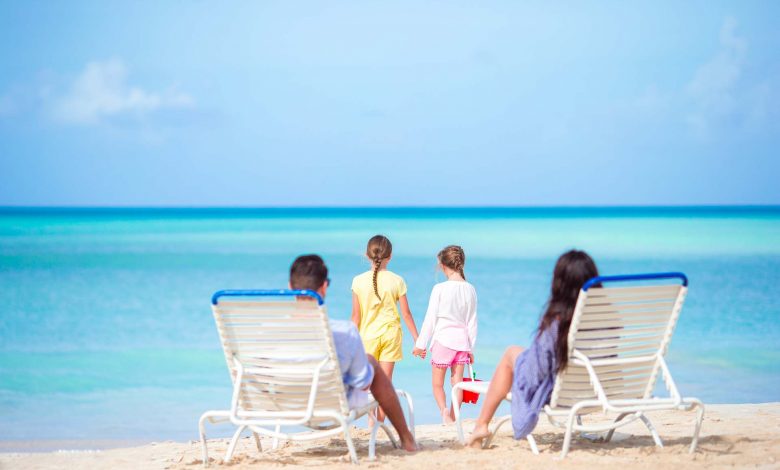
Summer 2026 is shaping up to be a monster travel year. The FIFA World Cup rolls through North America, airports are packed, and hotel inventory is thin if you wait. Finding the best places to visit in summer isn't just about picking somewhere pretty — it's about picking somewhere that holds up against the heat, the crowds, and the price surge that turns a $150/night room into a $350/night panic booking. According to Tripadvisor's 2026 data, Cancun tops international searches for the third year running. Iceland is surging on the "coolcation" trend — travelers choosing northern latitudes over baking Mediterranean heat. Portugal's Algarve keeps quietly delivering while everyone argues about whether Santorini is worth it in August. It isn't.
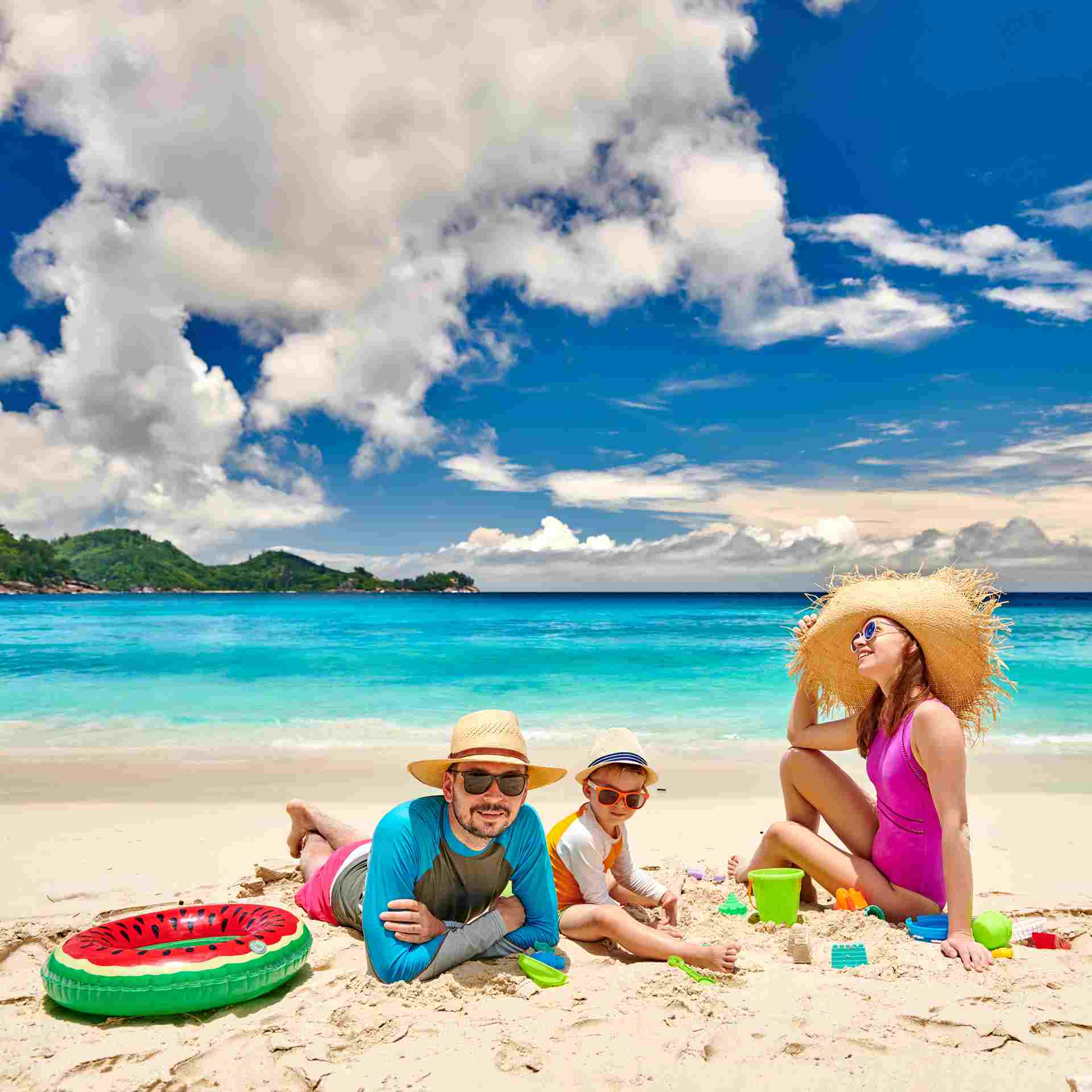
This guide covers five destinations worth serious consideration this summer — Cancun, Iceland, Portugal's Algarve, Croatia's Dalmatian Coast, and Japan — each with specific hotel names, honest pricing, and the kind of details that actually affect your trip. I've cross-referenced 2026 booking data, talked to people who've been recently, and ignored the press releases. What you get here: real tradeoffs, not cheerleader tourism copy. If a destination is overpriced and overrun in July, I'll say so. If there's a smarter version of the same trip one ferry-hop away, I'll say that too. The goal is one thing — you leave better equipped to pick the right place for the kind of summer you actually want.
Cancun and the Riviera Maya: Still the Top Pick for a Reason
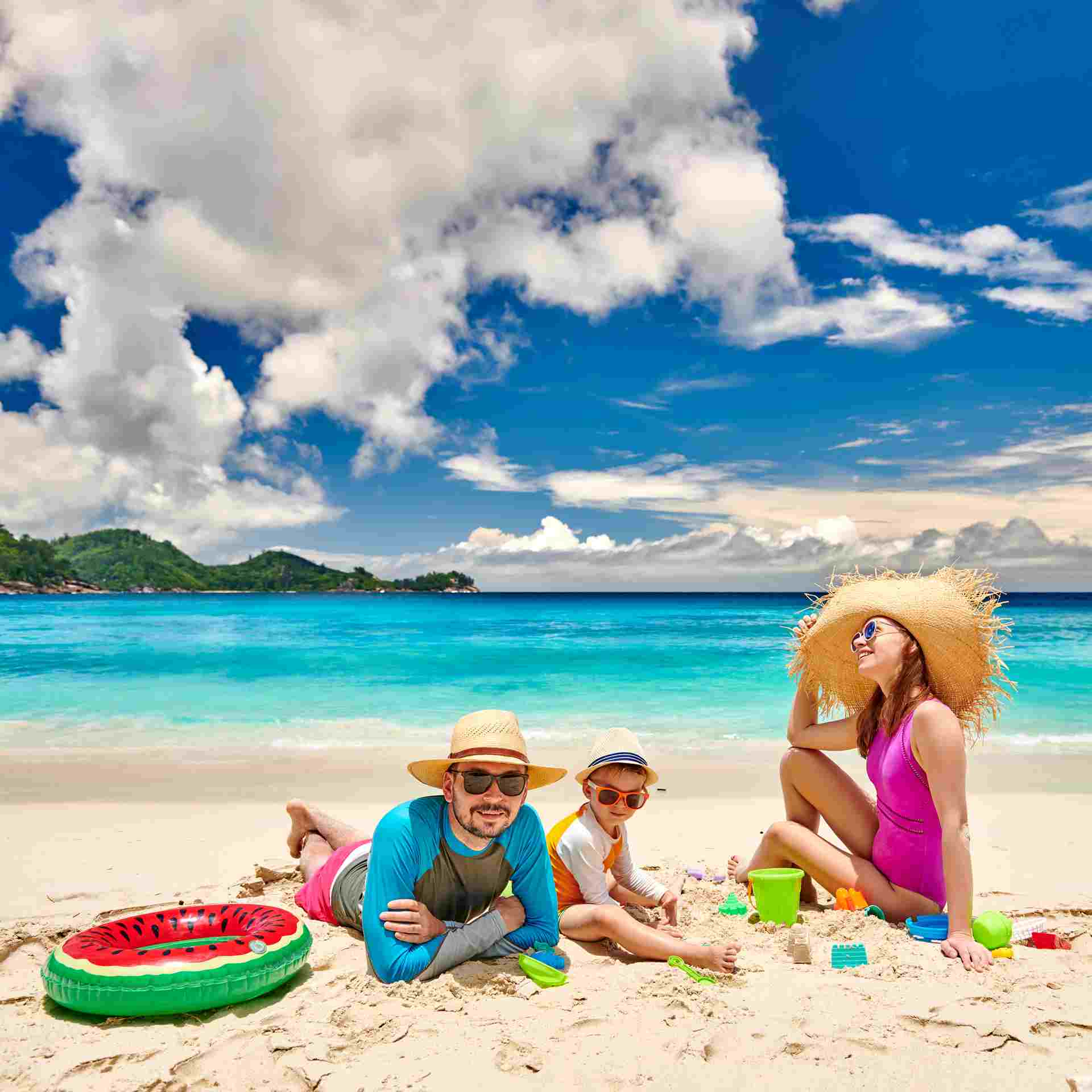
Cancun leads summer 2026 search data, and the destination earns it. The Riviera Maya delivers what most summer travelers actually want: warm Caribbean water, all-inclusive convenience, and proximity to impressive ruins. Chichen Itza is two hours by bus. The cenotes at Dos Ojos — an underground cave snorkeling system — are 45 minutes down Highway 307 and most resort guests never bother. That's their loss.
Hotel Zone runs $80–400/night. Royalton CHIC Cancun is the sweet spot: beachfront, strong butler service, a steakhouse worth eating at, around $200–280/night in peak summer. Sunscape Cancun by Hyatt is the budget all-inclusive at $120–160/night including a free water park. Finest Playa Mujeres by The Excellence Collection is the splurge — private beach, 10 outdoor pools, north of the tourist strip so it actually feels calm. July and August are rainy season on the Caribbean coast. Afternoon thunderstorms nearly guaranteed. Mornings fine.
Iceland: The Best Places to Visit in Summer If You Hate the Heat
Average July high in Reykjavik: 13°C. Entirely the point. While southern Europe bakes past 40°C, Iceland gives you nearly 24 hours of daylight, puffins on the cliffs near Látrabjarg, and whale watching boats departing Old Harbour every two hours. I spent time there in late June and the midnight sun is genuinely disorienting — you close blackout curtains at 11 PM and it's still full afternoon light outside.

Mid-range hotels run $150–250/night in summer. Canopy by Hilton Reykjavik City Centre is a solid pick at $180–220/night, near Hallgrímskirkja and the Laugavegur dining strip. Apotek Hotel in the old town has boutique character and a good ground-floor bar. The real expense is food — dinner for two hits $80–120 easily. Rent an apartment with a kitchen, shop at Bónus supermarket for breakfast and lunch, and save for one dinner at Grillmarkaðurinn where the Icelandic lamb is genuinely excellent. Book two months out minimum.
Portugal's Algarve: Europe's Best Beach Value Right Now
Ponta da Piedade. Praia da Marinha. Sea-carved rock formations that look like a cathedral dropped into the ocean — real, and still crowd-manageable if you arrive before 9 AM. Hotel prices spike in August: €200–320/night for mid-range Algarve properties. Vila Vita Parc in Porches is the splurge — two Michelin stars at its Ocean restaurant, seven pools, cliffside above a private beach. Worth it once. The Lake Resort near Vilamoura runs €150–190/night in early June and back to reasonable by late September.
Rent a car. Public transit here is bad and the best beaches aren't near bus stops. Drive to Sagres — the southwestern tip of Europe — eat grilled sardines at Restaurante Sagres with a cold beer while the Atlantic wind does its thing. For the Lisbon leg, traditional tascas serve three-course lunch (soup, main, dessert plus a drink) for €8–12. That ratio doesn't exist many other places in Western Europe anymore.

Croatia's Dalmatian Coast: Dubrovnik Plus the Parts Worth Going To
Dubrovnik is real — the city walls, the view from Mount Srđ, the medieval old town are genuinely impressive. But July means 34°C, cruise passengers everywhere, and officially no rolling suitcases in the old town. Worth knowing before you pack. Smarter move: two nights in Dubrovnik, then island-hop. Hvar has nightlife. Korčula is medieval, quieter, half as crowded. Vis — military-base past kept development minimal — has the clearest water and no mega-resorts. Just stone villages and sea.
Hotel Excelsior sits just outside the old town with direct sea access at €250–350/night peak. Hotel Kompas runs €130–180/night near Lapad Beach with ferry connections to the islands. On Hvar, Boutique Hotel Stari Grad has 12 rooms in a 16th-century building — books out fast. Pack an Anker 65W USB-C universal adapter (covers EU, UK, US, AU plugs) and an Apple AirTag in your checked bag. Multiple ferry transfers make luggage tracking genuinely useful here.
Japan in Summer: Hotter Than You Expect, More Vivid Than You Remember
Japan in summer is not Japan in spring. The sakura crowds are gone, traded for 34°C heat and 80% humidity in Tokyo and Kyoto. Not comfortable. Also some of the most vivid travel available — Gion Matsuri runs all July in Kyoto, with the main procession on July 17th drawing massive crowds in traditional yukata. Unlike anything I've seen elsewhere. Obon in mid-August transforms local neighborhoods entirely: lanterns, communal dancing, a quieter cultural pulse.
Hotel Granvia Kyoto sits directly above Kyoto Station — precisely as useful as it sounds after a long shinkansen ride. ¥18,000–28,000/night ($120–185). Solaria Nishitetsu Kyoto Premier is the couples pick: Japanese zen aesthetic at a fraction of the Ritz-Carlton price. In Tokyo, Shinjuku Granbell Hotel runs ¥15,000–20,000/night near great transport and Shinjuku Gyoen park. Always carry ¥10,000–20,000 cash — countless places are still cash-only, and 7-Eleven ATMs accept most international cards.
Do's and Don'ts for Best Summer Travel 2026
| Do's | Don'ts |
|---|---|
| Book flights by May — summer 2026 fares are 15-20% higher than last year | Don't book Cancun for early September — Atlantic hurricane season peaks then |
| Put an Apple AirTag in every checked bag on multi-ferry Croatia trips | Don't rent a car in Lisbon — parking is a nightmare; taxis are cheap |
| Carry ¥10,000–20,000 cash at all times in Japan | Don't roll luggage through Dubrovnik's old town — officially banned |
| Eat at Lisbon tascas for lunch — three courses plus drink for €8–12 | Don't visit Fushimi Inari between 10 AM and 3 PM in July |
| Rent a car in Portugal's Algarve — best beaches aren't near bus stops | Don't assume Iceland is cheap — food alone runs $80–120 per dinner |
| Use a TESSAN 65W USB-C adapter — covers EU, UK, US, AU plugs in one | Don't book Mexico City hotels for summer without confirming — World Cup demand |
| Book Reykjavik hotels 2 months out for June–August | Don't visit Dubrovnik's old town mid-day in July without water and patience |
| Pack an AOKIYURI foldable fan for queues in Japan and Mexico | Don't skip the early morning slot at Algarve's Praia da Marinha |
| Get an e-SIM through Airalo before departure — $8–15 and activates pre-landing | Don't use regular sunscreen in Mexican cenotes — reef-safe required and enforced |
| Book Croatia island ferry tickets in advance — Hvar queues in August are long | Don't skip Japan's 7-Eleven ATMs — they accept most international cards without fees |
FAQs
What are the best places to visit in summer 2026 for families?
Cancun tops the list, specifically because all-inclusive resorts like Sunscape Cancun by Hyatt and Finest Playa Mujeres handle all logistics upfront — food, beach access, and kids' clubs are prepaid and contained. Portugal's Algarve is the European alternative: calm, shallow beaches like Praia da Rocha work well for younger children, and The Lake Resort near Vilamoura has proper family room configurations. Avoid Japan with young children in peak July–August unless you've prepared for the heat, the walking distances, and the cash-only situations.
Is summer too crowded for Europe?
Depends on where. Dubrovnik, Paris, and Santorini in July are genuinely packed — can't-walk-straight packed. But Portugal's Algarve, Croatia's Vis island, and Greece's Paros offer the same appeal at a fraction of the crowd. Paros has everything Mykonos does at maybe 40% of the people. The rough rule: if you've seen it on Instagram more than 20 times, it's annoying in summer. Go early morning, plan off-peak timing, or pick the island one ferry-hop away.
How far ahead should I book summer 2026 travel?
For July and August, flights by March–April and hotels by May. Iceland's better guesthouses sold out for June weekends before February. Hotel Excelsior in Dubrovnik fills the moment school holiday calendars drop. Japan has more last-minute flexibility, but Kyoto ryokans go early. Cancun all-inclusives are most forgiving, but oceanview suites at Royalton CHIC are gone by May.
What travel gadgets are worth packing for summer 2026?
The Anker 733 MagSafe 10,000 mAh power bank snaps onto iPhones magnetically and charges via USB-C simultaneously. TESSAN 65W universal adapter covers US, UK, EU, and AU plugs in one device. Apple AirTag in your checked bag — basic sense for multi-leg trips. An e-SIM through Airalo costs $8–15 and activates before you land. The AOKIYURI foldable fan fits in a daypack and earns its keep in Japan and Mexico heat. None of these are luxury items anymore — they're just what experienced travelers pack.
What's Mexico like for summer 2026 given the FIFA World Cup?
Matches run June 11–July 19 in Mexico City, Guadalajara, and Monterrey. Book accommodation in those cities immediately — it's tight and expensive. Cancun and the Riviera Maya are unaffected. Oaxaca is completely untouched — genuinely one of the best places to visit in summer for anyone who wants food, ruins, and mezcal tastings at El Rey Zapoteco without beach-resort noise. The energy across Mexico during the World Cup will be electric regardless of where you land.
What are the best under-the-radar summer destinations for 2026?
Paros over Mykonos. Korčula or Vis over Dubrovnik's main drag. Oaxaca over Cancun if beaches aren't the goal. Madeira, Portugal is an increasingly strong pick — subtropical, far less crowded than the Algarve in August, and Reid's Palace (a Belmond Hotel) is one of the finest properties in the Atlantic. None of these are compromises. Most of the best summer trips are one island or one town over from where everyone else is going.