Sri Lanka with Kids: A Family Adventure Itinerary
We almost didn't go. My husband kept pulling up articles about long drives, questionable road conditions, and whether kids would cope with the heat. Three weeks later we were standing on the platform at Kandy station, two kids bouncing beside us, waiting for what turned out to be one of the greatest train rides any of us had ever taken. Sri Lanka with kids is genuinely brilliant — messy, sweaty, chaotic in all the right ways — but you have to plan it properly or it becomes a slog of overly long days and hangry meltdowns before you've reached the good stuff. The island is smaller than most people expect, which means you can cover colonial forts, elephant encounters, leopard safaris, and tea country without marathon travel days separating each stop. That matters enormously when you're travelling with children who max out at about 90 minutes before asking if you're nearly there.
This isn't a generic pep talk about why Sri Lanka is family-friendly. I'm going to give you a real 10-day route — specific hotels, actual entry prices, the train class worth booking, and which activities are worth every rupee versus which ones you can comfortably skip. The kids on this trip were 6 and 9, so pacing here is built around that window — old enough to hike, young enough to still need afternoon downtime. I've already fallen into the planning rabbit hole; you don't have to.
Start in Negombo: Don't Overthink the Arrival Day
Most flights into Sri Lanka land at Bandaranaike International Airport, right outside Negombo — so stay here your first night instead of immediately pushing south to Colombo. The Jetwing Blue in Negombo runs about $110/night and has a pool that kids completely lose their minds over after a long-haul flight. The beach is murky and not really for swimming, but you won't care on arrival night. Grab dinner at Lords Restaurant on the lagoon — the crab curry is excellent and portions are ridiculous. Kids menus exist. Sleep. That's it. Don't plan anything else for day one.
Pinnawala Elephant Orphanage: Sri Lanka Elephant Orphanage Done Right
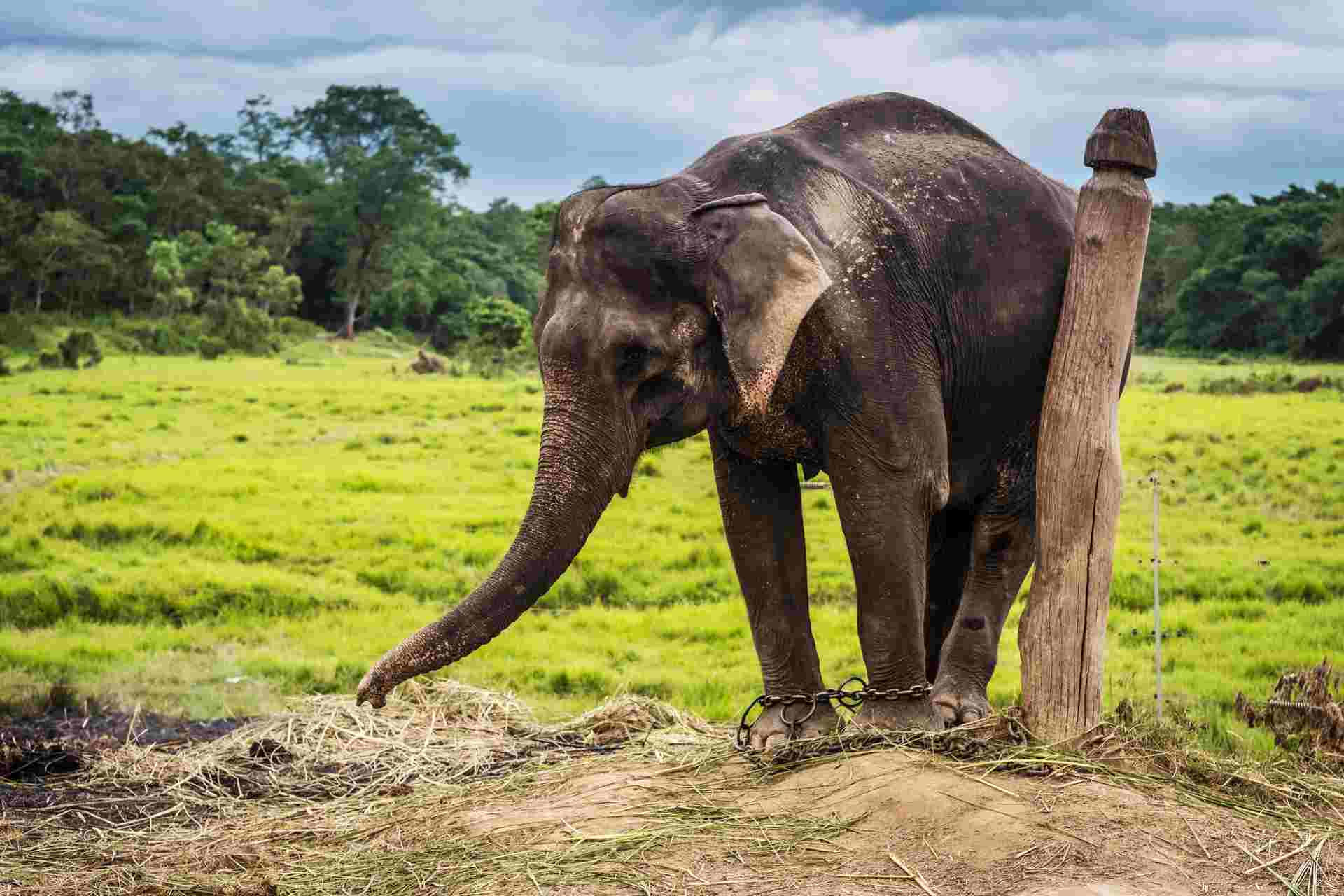
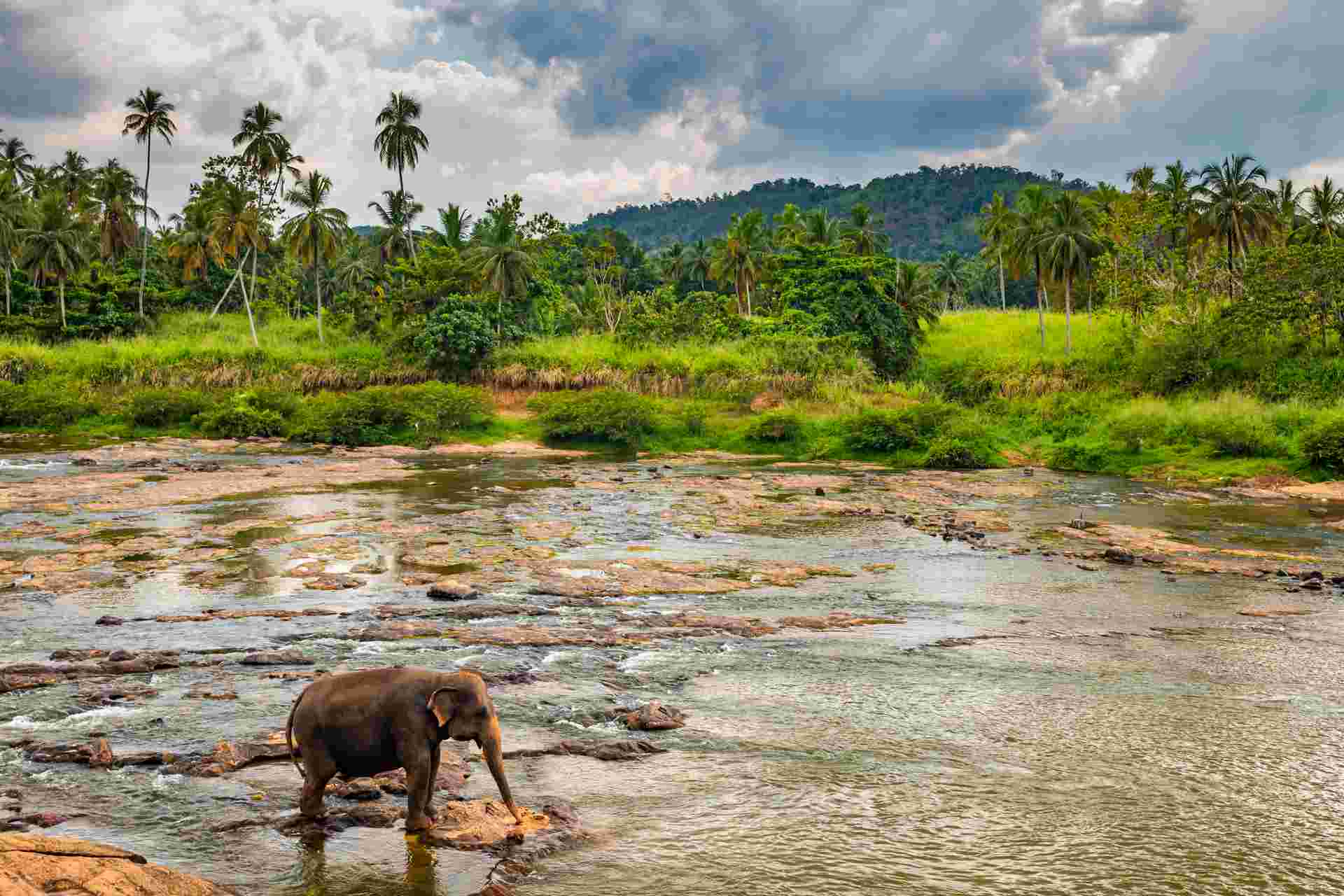
About two hours from Negombo, Pinnawala is one of those places that polarises travellers. My take: worth going, especially with kids, but arrive before 9 AM to beat the tour bus rush. Entry for non-SAARC foreign adults is 3,000 LKR (around $10 USD), children 3–12 pay 1,500 LKR, and under-3s are free. The herd walks to the river for a bath at 10 AM and again at 2 PM — aim for the morning one. It's loud, chaotic, and completely captivating. My six-year-old watched an elephant blow water from its trunk for five solid minutes and refused to move. What I'd skip: the elephant painting show. It's not what the brochure implies, and you'll feel worse about it afterward.
Kandy: Two Days, Not One
Most itineraries rush Kandy in a single day. Mistake. The Cinnamon Citadel Kandy is a reliable family choice at around $85/night, with Mahaweli River views and a pool. First afternoon: walk the Kandy Lake, eat kottu roti from a streetside cart on Dalada Veediya for about 350 LKR, and do nothing else. Day two is for Peradeniya Royal Botanical Gardens — 147 acres of bamboo forest, orchid houses, and a massive ancient fig tree with roots like something from a fantasy novel. Kids can run free for three hours. Entry is about $10 USD for adults, usually free for children under 12. The Temple of the Tooth puja ceremony at 6:30 PM is worth fitting in, though manage expectations — it's crowded and the inner sanctum is hard to see clearly.
The Kandy to Ella Train: Book Second Class, Book 30 Days Ahead
This is the train ride Sri Lanka families talk about for years afterward. The Podi Menike (Train 1005) departs Kandy at 8:47 AM and rolls into Ella 6–7 hours later through tea plantations, mountain mist, and waterfalls. Book exactly 30 days in advance through 12go.asia or Bookaway — popular departures sell out in minutes. Second class reserved is the right call for families: assigned seats, openable windows with fans, and a calmer vibe than third class, which is standing-room-only chaos. First class is air-conditioned but the windows don't open, which defeats the entire point. Keep kids away from the open doors during the journey — they stay open the whole ride and the drops are genuinely steep. Pack your own food; the dining car keeps unpredictable hours.
Ella: Little Adam's Peak Over the Nine Arch Bridge
Get off at Ella station, not Demodara — an easy mistake. In town, 98 Acres Resort & Spa (from $120/night) has valley views that stop conversations and staff who actually seem to enjoy their jobs. Little Adam's Peak is a one-hour hike through tea estates accessible for kids from about age 5 — start at 6:30 AM before the heat builds. The Nine Arch Bridge? Beautiful, but mobbed. You'll catch a decent glimpse from the trail anyway, which is enough. For dinner, Café Chill on the main strip does wood-fired pizza that kids actually eat — sometimes after three days of rice and curry, that's exactly what you need.
Yala National Park: Leopards and Family Safaris
No Sri Lanka family trip feels complete without a Yala safari. Yala has the highest density of leopards of any national park in the world — and that single fact makes even reluctant kids care about wildlife. Book a private jeep (up to 6 people) for a half-day morning safari: around $60–80 USD for the jeep, plus park entrance of roughly $42 USD for adults and $20 USD for children 6–12 (under-6 free). February through July gives the best leopard sightings; elephants are year-round. Wild Coast Tented Lodge is the splurge option at $350+/night with elephants literally wandering past tented rooms. Cinnamon Wild Yala ($180/night) is the budget-down version and has solid family rooms. Book your guide through the hotel — they know which operators are worth their fees.
Galle Fort and the South Coast: Wind Down Here
After the cultural circuit and safari, the south coast is where everything slows down. Galle Fort — a UNESCO World Heritage site — is walkable with kids in about two hours. The Dutch Reformed Church dates to 1755; the lighthouse is photogenic without requiring a climb. Pedlar's Inn Café inside the fort does excellent wood-fired pizza while kids roam the open grounds. Jetwing Lighthouse just outside (from $140/night) is the pick for families — large pool, spacious family rooms, and ocean views at breakfast. From Galle, Mirissa is 45 minutes east: whale watching season runs November through April, tours depart at 6 AM from Mirissa Harbour and cost $25–40 USD per person. The Weligama Bay Marriott Resort & Spa (from $180/night) between Mirissa and Weligama is one of the south coast's strongest family options — five restaurants, a kids' club, direct beach access, and calm water at low tide.
Do's and Don'ts for Sri Lanka with Kids
| Do's | Don'ts |
|---|---|
| Book the Kandy–Ella train exactly 30 days ahead on 12go.asia — it sells out in minutes | Don't book third class on the Ella train — standing room only for 6+ hours with children |
| Hire a private driver for the full trip ($50–70 USD/day all-in) | Don't rely on public buses between sights with young kids — roads are rough and schedules are loose |
| Arrive at Pinnawala Elephant Orphanage before 9 AM to beat tour groups | Don't book the elephant painting show — skip it entirely |
| Pack DEET mosquito repellent — essential on the south coast at dusk | Don't underpack sun protection — SPF 50+ is mandatory in tropical Sri Lankan heat |
| Stay two nights in Kandy, not one | Don't attempt Sigiriya Rock with children under 5 — the final section is near-vertical iron ladders |
| Book Yala safari for early morning (5:30–6 AM) for cooler temps and active wildlife | Don't book peak-season evening safaris — congested, and animals have already retreated |
| Carry small rupees for street food — kottu roti runs 300–400 LKR roadside | Don't exchange money at the airport — ATM in Negombo gives far better rates |
| Bring a portable power bank — long safari days and train rides drain phones fast | Don't plan more than one major activity per day — heat and driving compound fatigue quickly |
| Get a Dialog SIM at Colombo airport — solid 4G, costs $5–8 USD | Don't expect AC everywhere outside major hotels — a small handheld fan earns its weight |
| Try a cooking class in Galle — family-friendly sessions run $20–30 per person | Don't drink tap water anywhere; bottled water is 60–80 LKR and universally available |
| Visit Peradeniya Botanical Gardens for a low-key half day — 147 acres, kids run free | Don't skip travel insurance — medical evacuation coverage matters in remote areas |
FAQs
Is Sri Lanka safe for families with young children?
Yes, genuinely. The main watchpoints are road traffic (always hire a driver rather than self-driving), food hygiene in the first few days (stick to busy spots and well-cooked food), and sun exposure. Tourism infrastructure has recovered well since 2022. Colombo hospitals are modern; smaller towns have clinics. Travel insurance with medical evacuation cover is worth having.
What age is the Kandy to Ella train suitable for?
From about 4 years old. Toddlers are manageable but the journey is 6–7 hours — bring snacks, downloads, and set expectations accordingly. Kids 7 and up tend to love every minute of it. The train moves slowly enough through the mountain scenery that most children stay glued to the window for the first two hours without any intervention from you.
How much does a Sri Lanka family trip cost per day?
Budget $150–200 USD/day for a family of four at mid-range — hotel ($80–120/night), private driver ($50–70/day), meals ($20–30/day), and entry fees. Safari days spike higher. Airbnb options like the Elephant Lake Family Treehouse near Sigiriya (around $80–100/night for the whole property) are worth looking at for budget-conscious nights that are still memorable.
When is the best time to visit Sri Lanka with kids?
December to March is the sweet spot for the south and west coasts — dry and hot. Hill Country (Ella, Nuwara Eliya) is cooler year-round but rainy May through August. For a circuit covering Kandy, Ella, Yala, and Galle, November through February is close to ideal.
Is the Pinnawala Elephant Orphanage ethical?
It's a fair question. Pinnawala houses orphaned or injured elephants that can't survive in the wild — many have lived there for decades. Government-run, and the herd roams relatively freely. Not a circus. The Udawalawe Elephant Transit Home operates as a pure rehabilitation-and-release facility if you want a more wildlife-focused alternative, though Pinnawala is more accessible on a standard itinerary.
Do kids need vaccinations for Sri Lanka?
Standard travel vaccines: Hepatitis A and B, Typhoid, and up-to-date childhood vaccinations. Some areas carry low malaria and dengue risk — DEET handles most of the dengue exposure, and your GP can advise on malaria prophylaxis for specific regions you plan to visit.
What's the best way to get around Sri Lanka with a family?
Hire a private driver. Full stop. Around $50–70 USD/day gets you an air-conditioned Toyota van, a driver who handles navigation and parking, and the freedom to stop whenever someone needs a snack or a bathroom. Trains are great for the Kandy–Ella leg specifically. Everything else, stick with the driver.