Best Things to Do in Morocco: From Marrakech to the Sahara
Morocco does something to people. You land in Casablanca or touch down in Marrakech, step outside, and within twenty minutes you're completely overwhelmed — in the best possible way. A guy on a moped nearly clips your elbow. Someone's frying kefta two feet from your face. The call to prayer hits from three different directions at once. I've been traveling for years and I've never landed somewhere that throws you in quite like that. But here's the thing: once you stop fighting the chaos and lean into it, Morocco becomes one of the most rewarding countries you can visit. The things to do in Morocco span ancient medieval cities, mountains that turn green in spring, a coastline that nobody talks about enough, and yes — those ridiculous orange-and-gold Sahara dunes at Erg Chebbi that really do look like a screensaver. It's all real.
What makes Morocco work as a trip is the density of it. In roughly two weeks, you can move from one radically different environment to another without burning yourself out on transport. Marrakech to Fes is a day by train or a few hours by private transfer. Fes to Chefchaouen is two hours by bus. The Sahara takes a 3-day overland trip from Marrakech, but that road itself — through the High Atlas, past Ouarzazate, across the Draa Valley — is half the point. This Morocco travel guide focuses on what actually matters: where to spend your time, what things cost in 2026, and which corners of the country are worth protecting on a tight itinerary.
Marrakech Guide: The Medina, the Souks, and Djemaa el-Fna
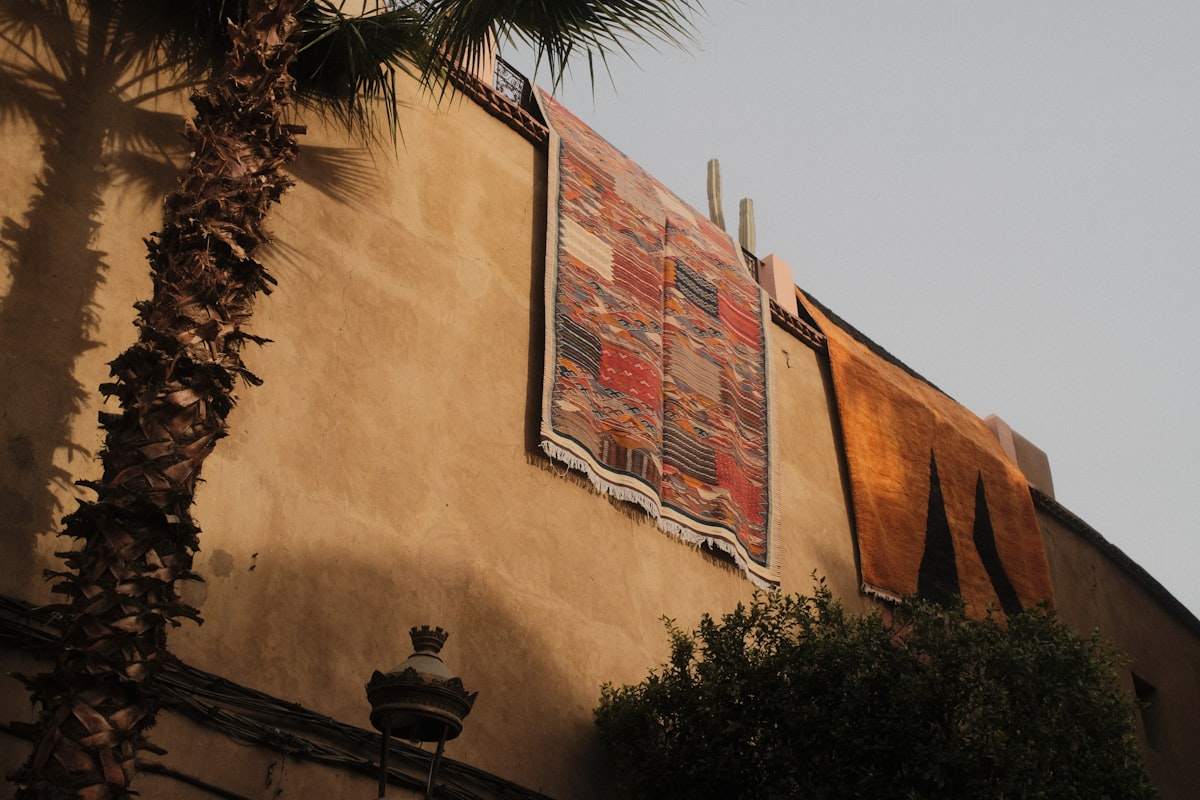
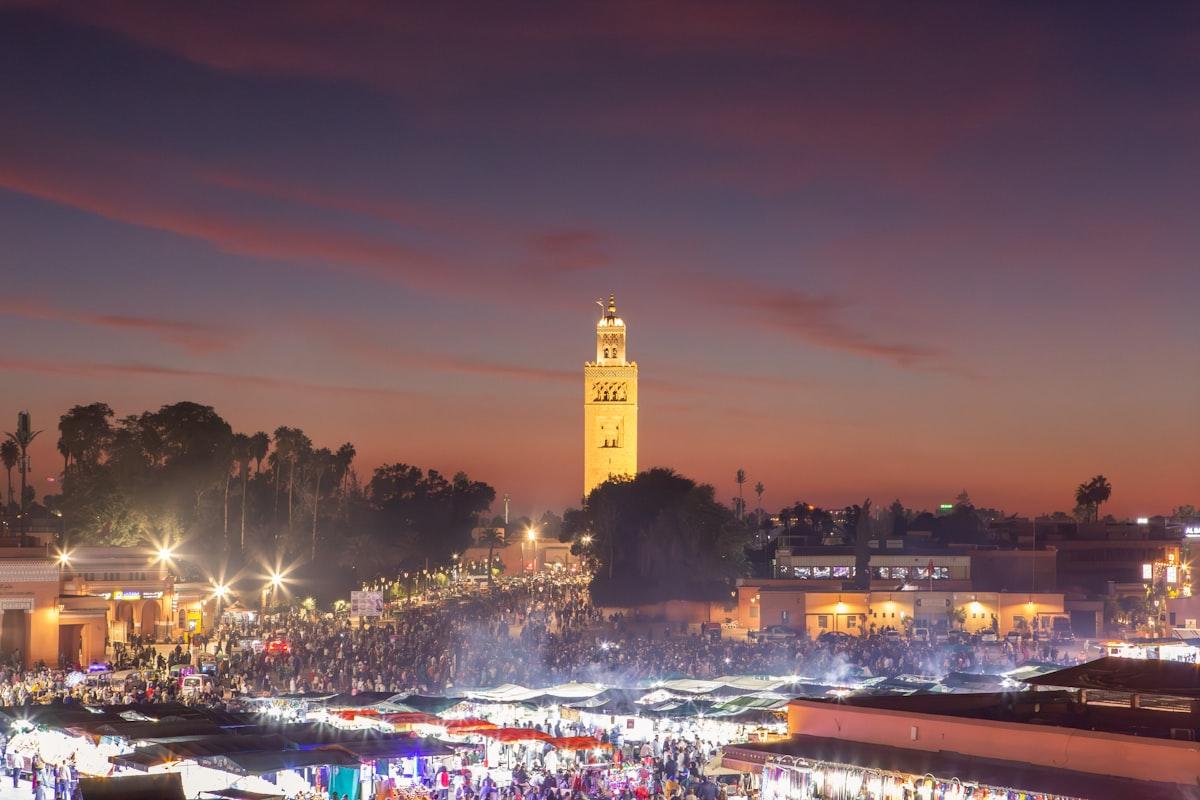
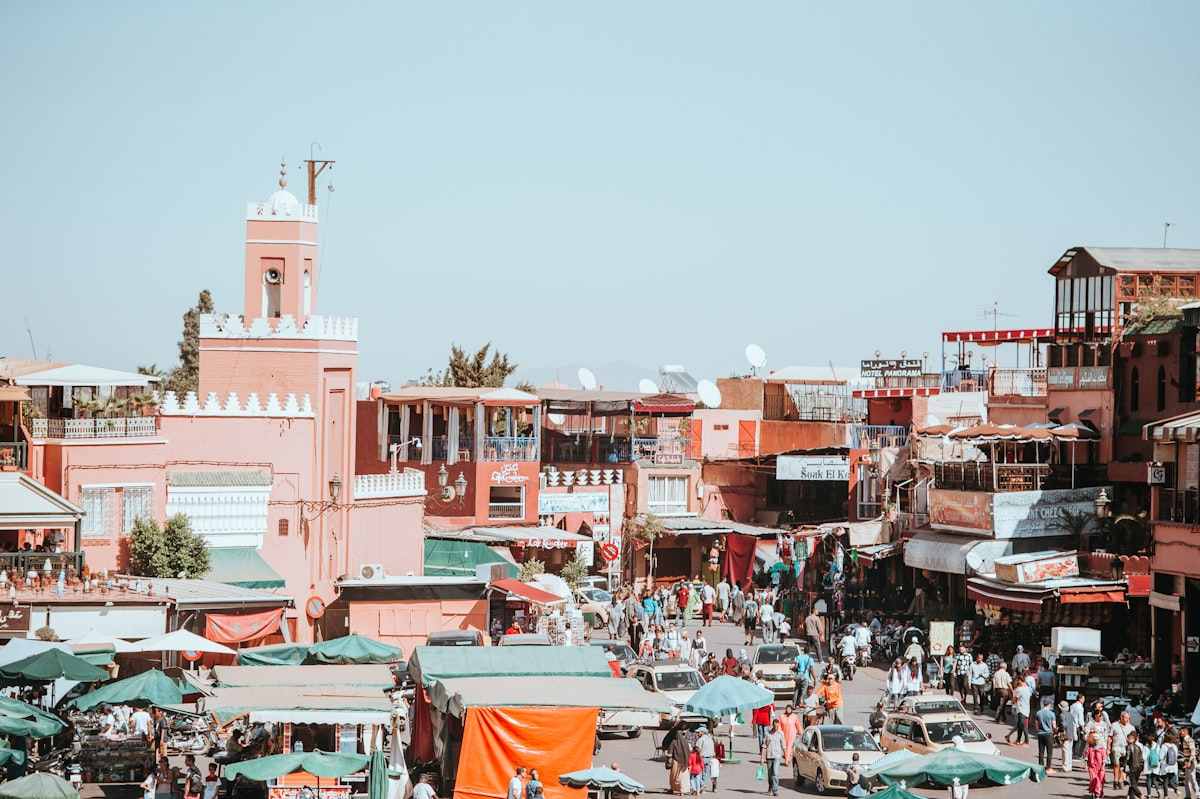
Start in Marrakech. Almost everyone does, and for good reason — it's the most disorienting city in Morocco and also the most electric. The medina is a UNESCO World Heritage Site but it doesn't feel like a museum; it feels alive and loud and occasionally maddening. The center of everything is Djemaa el-Fna, the main square, which transforms completely depending on the hour. In the morning it's orange juice vendors and a few snake charmers. By evening it's 200 food stalls, acrobats, storytellers, and a crowd so thick you have to commit to a direction. I always ate at the Mechoui Alley stalls just off the square — whole lamb slow-roasted in clay pits, served by the kilo for around 100 MAD (about $10 USD). Don't let anyone seat you at the expensive terrace restaurants overlooking the square unless you want to pay €15 for a tea with a view.
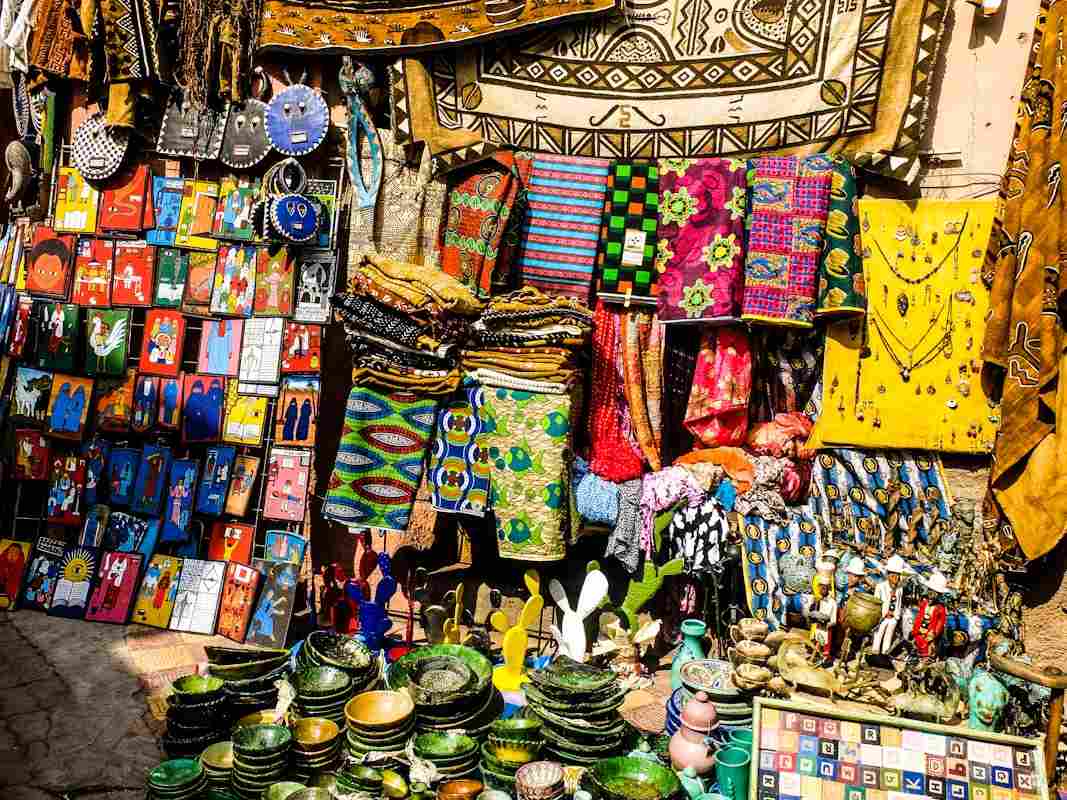
The souks radiate north from Djemaa el-Fna through Souk Semmarine and branch off into leather, spices, lanterns, and pottery — each with its own little quarter. Go deep, lose yourself, ignore the GPS, and accept that you will get turned around. That's fine. The medina is not actually that large, and you'll always find your way back to a main street or a mosque courtyard. Haggling is expected but not aggressive; start at about 40% of the asking price and meet somewhere around 60%. Don't buy carpets the first day — sellers know you're fresh off a flight and price accordingly.
Fes: The World's Oldest Living Medina
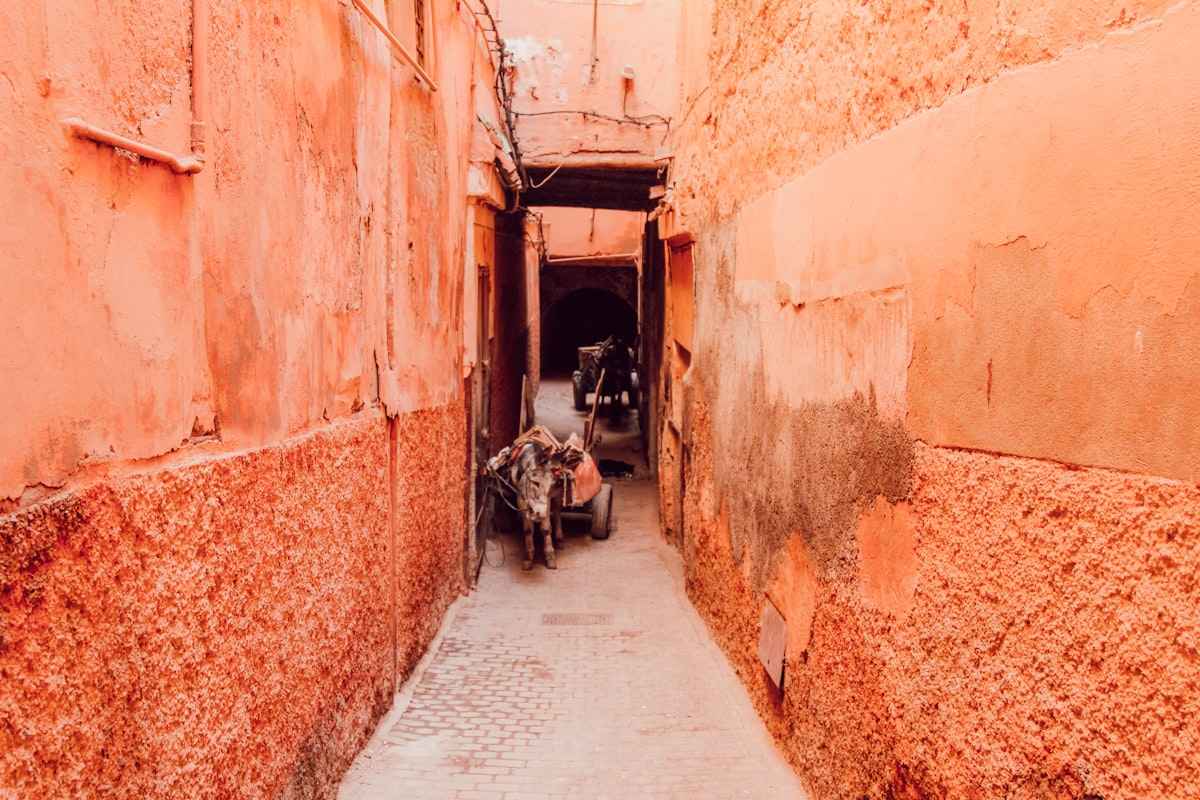
Fes el-Bali is probably the most stunning urban environment I've walked through anywhere. It's older than most European capitals, and some of the lanes are so narrow that neighbors on opposite sides can shake hands through their windows. The medina has roughly 9,400 streets and alleys. Nine thousand. Getting lost here is not a risk — it's the entire experience. Hire a licensed guide through your riad for around 250–350 MAD for a half-day; they'll actually take you to places beyond the main tourist drag.
The Chouara Tannery is the unavoidable highlight — the oldest leather tannery in the world, a riot of dye vats in saffron yellow, poppy red, and pigeon-white spread across a rooftop courtyard. Watch from the surrounding leather shops (all the good vantage points require you to walk through one). They'll hand you fresh mint to hold under your nose; take it, because the smell of raw leather and pigeon dung is genuinely intense. Guides and touts will try to charge you 200 MAD for a private look, but the view from the shop balconies is free if you're willing to browse a bit. The Bou Inania Madrasa nearby is worth 20 MAD entry — 14th-century carved cedar and zellige tilework that stops you mid-step.
Sahara Desert Tour: Erg Chebbi and the Merzouga Dunes
The standard Morocco Sahara desert tour runs 3 days from Marrakech to Merzouga and back, with most of the route through the High Atlas and the Draa Valley. Shared group tours start at around €95–120 per person; private 4×4 tours run €250–400 depending on the operator and how many of you there are. The dunes at Erg Chebbi near Merzouga are the real deal — some peaks hit 150 meters, and the light at golden hour turns the whole landscape a deep amber that photos don't fully capture.
Camel treks to the dunes cost 500 MAD per person for a one-night trip, which includes the ride out, dinner, campfire Berber music, breakfast, and the ride back. Luxury camps with proper beds and en-suite bathrooms run $150–300/night. Skip those unless you specifically want that. The mid-range bivouac camps with proper sleeping tents, good food, and a generator for charging phones are genuinely comfortable and much cheaper — around $50–80/person all-in. Go in October or March: summer temperatures in Merzouga regularly crack 45°C (113°F), which is not a vibe unless you enjoy sitting very still and sweating.
Chefchaouen: Morocco's Blue Medina in the Rif Mountains
Chefchaouen sits in the Rif Mountains about two hours from Fes by bus (roughly 35 MAD on CTM) and feels like a different country from the desert south. The entire medina is painted in shades of blue — not one blue but maybe thirty, from pale sky to deep indigo — and the effect is genuinely surreal in morning light when the lanes are quiet. Come early. By 10 AM, the Instagram crowds arrive and every staircase has a photo queue.
The thing most guides don't stress enough: Chefchaouen is walkable in a single long day, but staying overnight changes it completely. After the day-trippers leave, the main square — Place Outa el Hammam — fills with locals drinking mint tea and kids kicking footballs around the Kasbah walls. That's the version worth experiencing. Hike up to the Spanish Mosque for the panoramic view over the blue rooftops and valley below; it's a 30-minute uphill walk and totally worth it, especially at sunset. One friend who lives in Fes told me it's her favorite hour in all of Morocco. I believe her.
The Coastal Detour: Essaouira and the Atlantic
Most itineraries skip Essaouira, which is a mistake. It's three hours by bus from Marrakech (around 80 MAD, CTM or Supratours), and it operates at a completely different speed — whitewashed walls, a wind-battered rampart walk, fresh seafood grilled on the port for 60–100 MAD a plate, and a medina that actually lets you breathe. The wind is constant and can be brutal (the Portuguese built it as a trading port in the 16th century specifically for the reliable Atlantic winds), but it keeps temperatures cool even in summer.
The old fortified port, Scala du Port, is free to walk and gives you a clear view of the Atlantic waves crashing against the ramparts. The woodworking souks in Essaouira are among the best in Morocco — artisans carve thuya wood into intricate boxes, frames, and furniture, and prices are fair without heavy haggling pressure. It's a decent overnight before heading back to Marrakech for a flight.
Atlas Mountains Day Trips and the Valleys Beyond
You don't need a full Sahara tour to get out of the city. The Ourika Valley is 40 minutes from Marrakech's Djemaa el-Fna (shared grand taxi from Bab Rob, around 25 MAD) and heads into green Berber villages with terraced gardens and a waterfall at the top — Setti Fatma, seven cascades, about 4km of hiking. In spring it's genuinely lush. The Toubkal National Park, also accessible from Marrakech, is where you'd start a trek up Jbel Toubkal — at 4,167m the highest peak in North Africa. A guided two-day ascent costs around €80–120 including a mountain hut overnight.
Alternatively, the road south from Marrakech over the Tizi n'Tichka pass (2,260m) and down into the palmeries and kasbahs of the Draa Valley is one of the best drives in the country. Ksar Aït Benhaddou — the fortified village that served as a backdrop in Gladiator, Lawrence of Arabia, and roughly half of Game of Thrones — sits right on that route, about 30km from Ouarzazate. Entry is 20 MAD and it's less crowded before 9 AM.
When to Go and How to Get Around
The sweet spot for a Morocco travel guide in 2026 is April–May or October–November. Both windows offer mild temperatures across all regions, with prices running 20–30% lower than peak December–March. One important note for 2026 specifically: Morocco is co-hosting the FIFA World Cup in 2030, and accommodation prices in Marrakech and Casablanca have already climbed 15–20% since 2024. They'll keep rising. This year is genuinely still affordable.
For getting around, the CTM and Supratours bus networks cover most major routes reliably and cheaply. Trains run between Casablanca, Rabat, Fes, and Marrakech with comfortable first-class seats for under $15. For the Sahara and Atlas routes, you'll want either a private car (rental starts at $30/day, cheaper to hire a driver-guide at €60–80/day) or book through a tour operator. Don't try to reach Merzouga by public bus in a single stretch from Marrakech — it exists, but it takes 10+ hours across two or three connections and arrives at odd hours.
Do's and Don'ts for Things to Do in Morocco
| Do's | Don'ts |
|---|---|
| Hire a licensed guide for the Fes medina — the difference is real | Don't follow strangers who offer to take you "somewhere special" for free |
| Carry cash in MAD; many riads and small restaurants don't take cards | Don't exchange money with street touts — rates are terrible and sometimes counterfeit |
| Dress modestly outside beach towns — loose pants and covered shoulders | Don't wear tank tops or shorts in medinas, mosques, or rural areas |
| Book Sahara desert camps directly with local operators (30–50% cheaper) | Don't book through hotel concierges who add large commissions |
| Visit Djemaa el-Fna at dusk, not midday, for the real spectacle | Don't eat from the square food stalls if they're not busy — look for the crowded ones |
| Use CTM and Supratours buses for intercity travel — safe and on schedule | Don't take unlicensed "private taxis" between cities for solo travel |
| Learn five words of Darija — Shukran (thank you), Bslama (goodbye) — people love it | Don't assume everyone speaks French; Darija and Tamazight are the first languages |
| Negotiate price before getting into a petit taxi — always | Don't photograph people, especially women, without asking first |
| Pack layers even in summer — mornings in the Atlas and desert are cold | Don't overpack for a Sahara overnight; you only need one change of clothes |
| Book riads with rooftop terraces — breakfast up there on a clear morning is worth the upgrade | Don't stay in chain hotels in medina areas; you lose most of what Morocco actually is |
| Go slow on your first day in Marrakech — adjust before navigating the souks | Don't visit Morocco during Ramadan without planning around adjusted hours |
FAQs
How many days do you need to see the best things to do in Morocco?
Two weeks is the comfortable window for a solid circuit hitting Marrakech, Fes, Chefchaouen, the Sahara, and the coast. Ten days is doable if you're efficient and don't mind moving every two to three days. A week is tight but works if you pick two or three destinations and go deep rather than skimming everything. The biggest mistake is trying to cram Marrakech, Fes, Chefchaouen, Merzouga, and Essaouira into seven days — you'll spend more time in transit than anywhere else and arrive everywhere exhausted.
How much does a Morocco travel trip cost in 2026?
Budget travelers who stay in hostels or cheap riads (from $15/night), eat at medina food stalls (under $10/day), and use public buses can manage $35–50 per day. Mid-range travel — a private riad room, restaurant meals, and one or two tours — runs $80–120/day. A 3-day private Sahara tour from Marrakech costs €250–400 per person depending on your group size. The overall trip cost for two weeks comes to roughly $700–1,000 budget or $1,500–2,200 mid-range, flights aside.
Is it safe to travel in Morocco solo?
Yes, and it's one of the better solo destinations in North Africa. The medinas in Marrakech and Fes are full of tourists year-round and well-policed. Solo women travelers report more persistent attention from touts and street vendors than men do, but aggressive harassment is not the norm. The usual precautions apply: don't walk unfamiliar areas very late at night, keep valuables distributed, and be confident and direct when declining "guides." A firm "La, shukran" (No, thank you) goes a long way.
What's the best way to do a Sahara desert tour from Marrakech?
The most popular route is 3 days overland through the High Atlas, Ouarzazate, Draa Valley, and Dades Gorge to Merzouga. Shared group tours start at €95 per person; private tours start around €250 for two people. The overnight camel trek to the dunes and back costs 500 MAD/person extra. Book directly with a licensed operator — not through your hotel — and check that your camp has actual tents and not just a photo of tents on a website. The best dunes are at Erg Chebbi, specifically around Merzouga — not the smaller Zagora dunes, which take less time but feel more like a day trip.
What is Chefchaouen Morocco actually like to visit?
It's more photogenic than any photo prepares you for, and it's genuinely small. The entire medina is walkable in three or four hours, and the famous blue lanes are concentrated in maybe a 600-meter radius from Place Outa el Hammam. Staying overnight is what separates it from just another day-trip photo op. The guesthouses — Dar Echchaouen near the main square runs about $45/night for a double — are quiet, personal, and usually serve good breakfasts. The hike to the Spanish Mosque takes 30 minutes and the view from the top is the best in town.
Can non-Muslims enter mosques in Morocco?
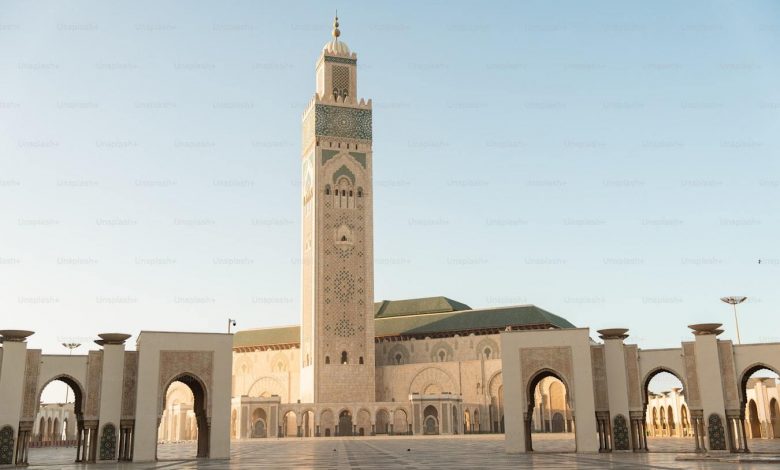
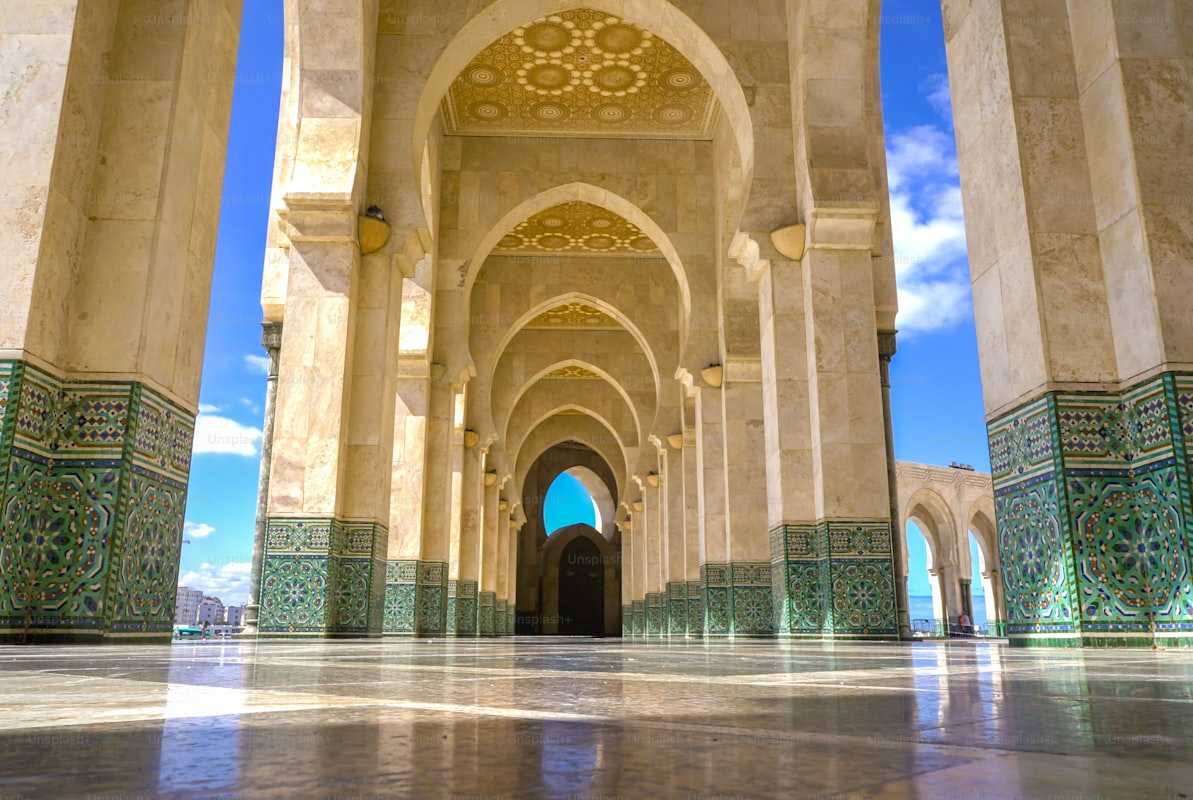
With one significant exception: non-Muslims cannot enter most mosques in Morocco. The main exception is the Hassan II Mosque in Casablanca — the third-largest mosque in the world — which runs guided tours for non-Muslims at specific times (around 120 MAD per person). For everywhere else, you can admire the exteriors and courtyards freely, and it's worth noting that the main prayer hall views through ornate doors are often visible from outside. The Koutoubia Mosque in Marrakech is worth circling from the outside, particularly in the evening.
What should I eat in Morocco?
Start with tagine — slow-cooked lamb with preserved lemon and olives, or chicken with apricots and almonds — and understand that the best versions are not in tourist restaurants. A riad breakfast spread of msemen (flatbread), beghrir (semolina pancakes), honey, argan oil, and mint tea is a full event. In Fes, try pastilla — the flaky pigeon and almond pie dusted in cinnamon and sugar, which sounds wrong and tastes extraordinary. In Essaouira, eat grilled fish straight off the port for under $8. Harira soup is everywhere, especially during Ramadan, and it's a full meal for about 15 MAD.
Do I need a visa to visit Morocco in 2026?
Citizens from the US, UK, EU, Canada, and Australia can enter Morocco visa-free for up to 90 days. No application needed in advance — just show up with a valid passport. Your passport needs at least six months' validity from your date of entry. There's no formal requirement to show proof of onward travel, though immigration officers occasionally ask. Health requirements as of 2026 are standard — no mandatory vaccinations, though a Hepatitis A shot is a reasonable precaution if you plan to eat widely at street stalls.