Best 5-Star Hotels in Dubai: Ultimate Guide to Luxury UAE
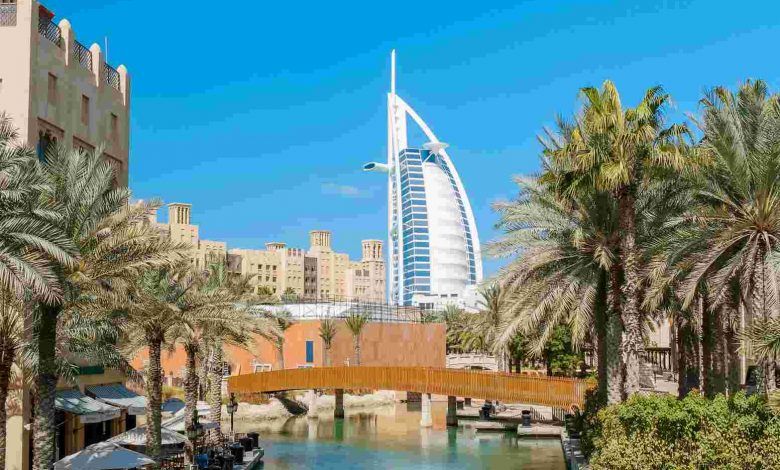
Dubai doesn't do "nice." It does outrageous. I landed at Terminal 3 on my first trip expecting something polished — what I got was a city where the airport has a hotel inside it, the taxis are clean enough to eat off, and the skyline looks like someone gave an architecture student unlimited budget and zero restrictions. The 5-star hotels Dubai puts out are in a category of their own — not just luxurious, but genuinely theatrical. Burj Al Arab rises from its own artificial island like a sail made of glass and ambition. Atlantis The Royal on Palm Jumeirah opened in early 2023 with a Beyoncé concert and a $100,000-a-night penthouse, which tells you everything about the vibe. These aren't places where you check in, sleep, and check out. They're the experience. If you're planning a Dubai luxury stay and wondering which property actually delivers on the hype — and which ones you can skip — this is the breakdown you need.
I've gone deep on the real numbers, the room categories that actually make sense to book, and the honest tradeoffs between each of Dubai's headline properties. Yes, the Burj Al Arab costs from around $1,600 per night for a duplex suite. Yes, that's real money. But for what you get — a personal butler from check-in, a Rolls-Royce transfer from the airport, and a room designed like a sheikh's holiday apartment — it's a different kind of math. This guide covers six properties: Burj Al Arab, Atlantis The Royal, One&Only The Palm, Armani Hotel, Address Downtown, and Jumeirah Al Naseem. Each one serves a slightly different type of traveler. By the end, you'll know exactly which one's yours.
Burj Al Arab: The One Everyone Knows (For Good Reason)
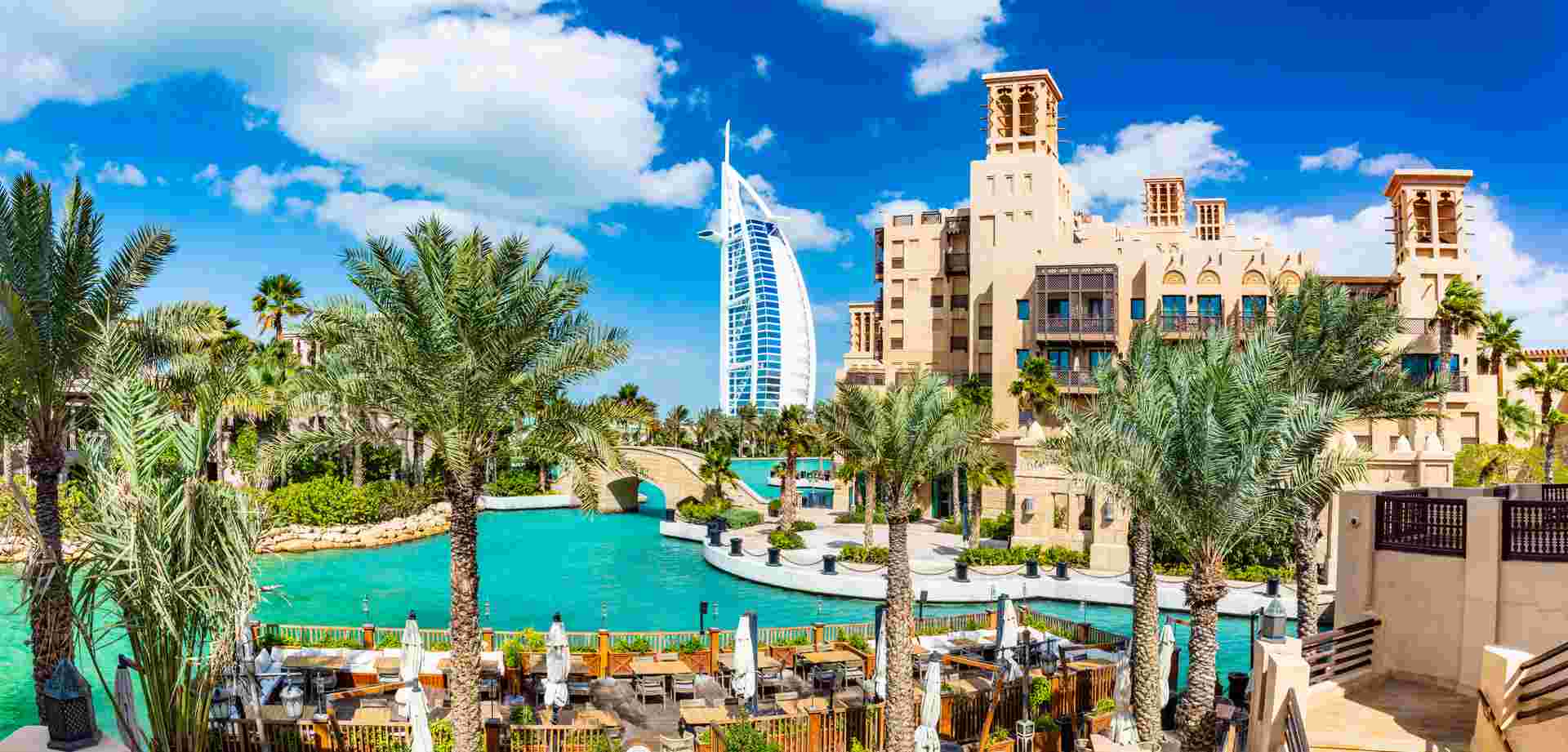
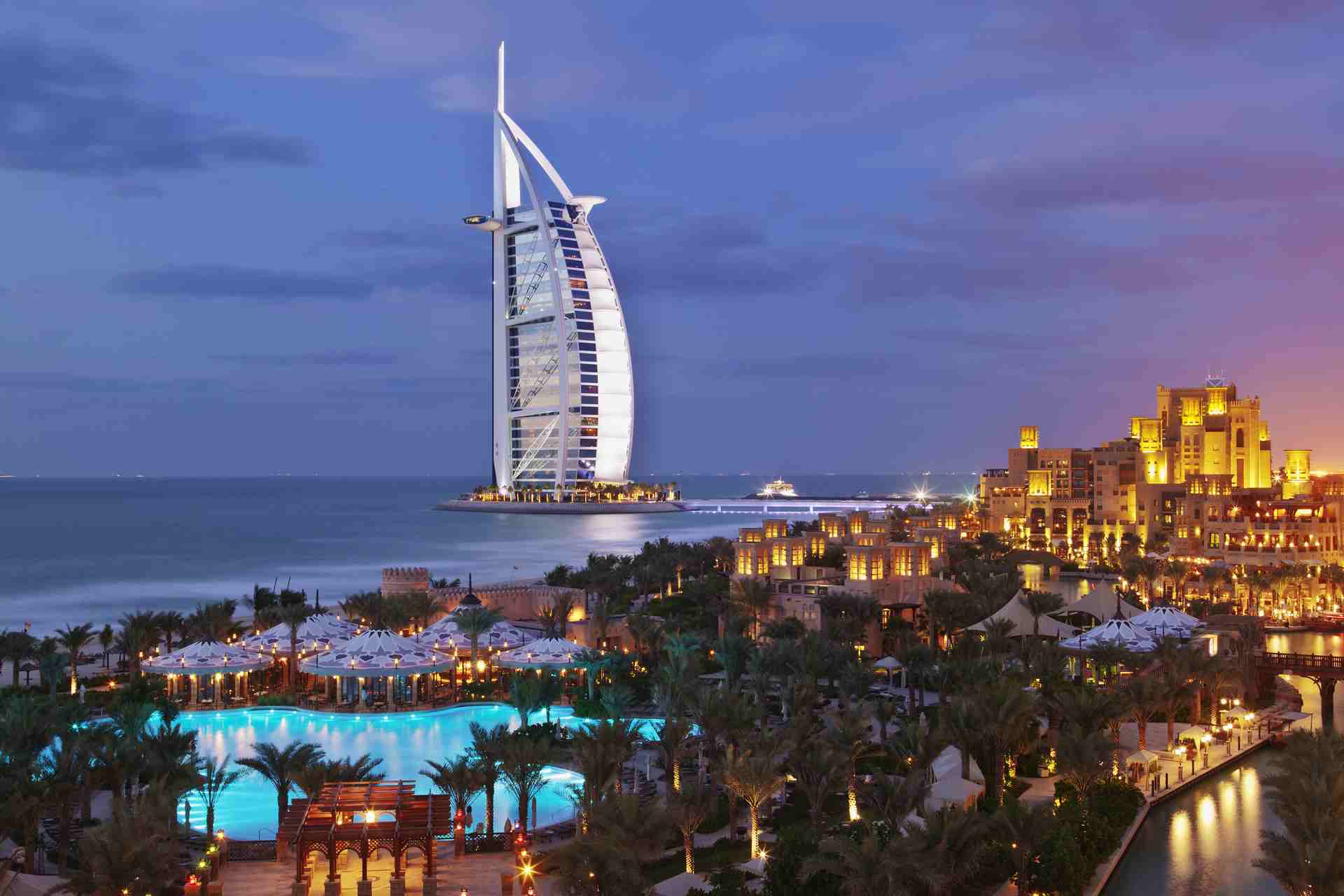
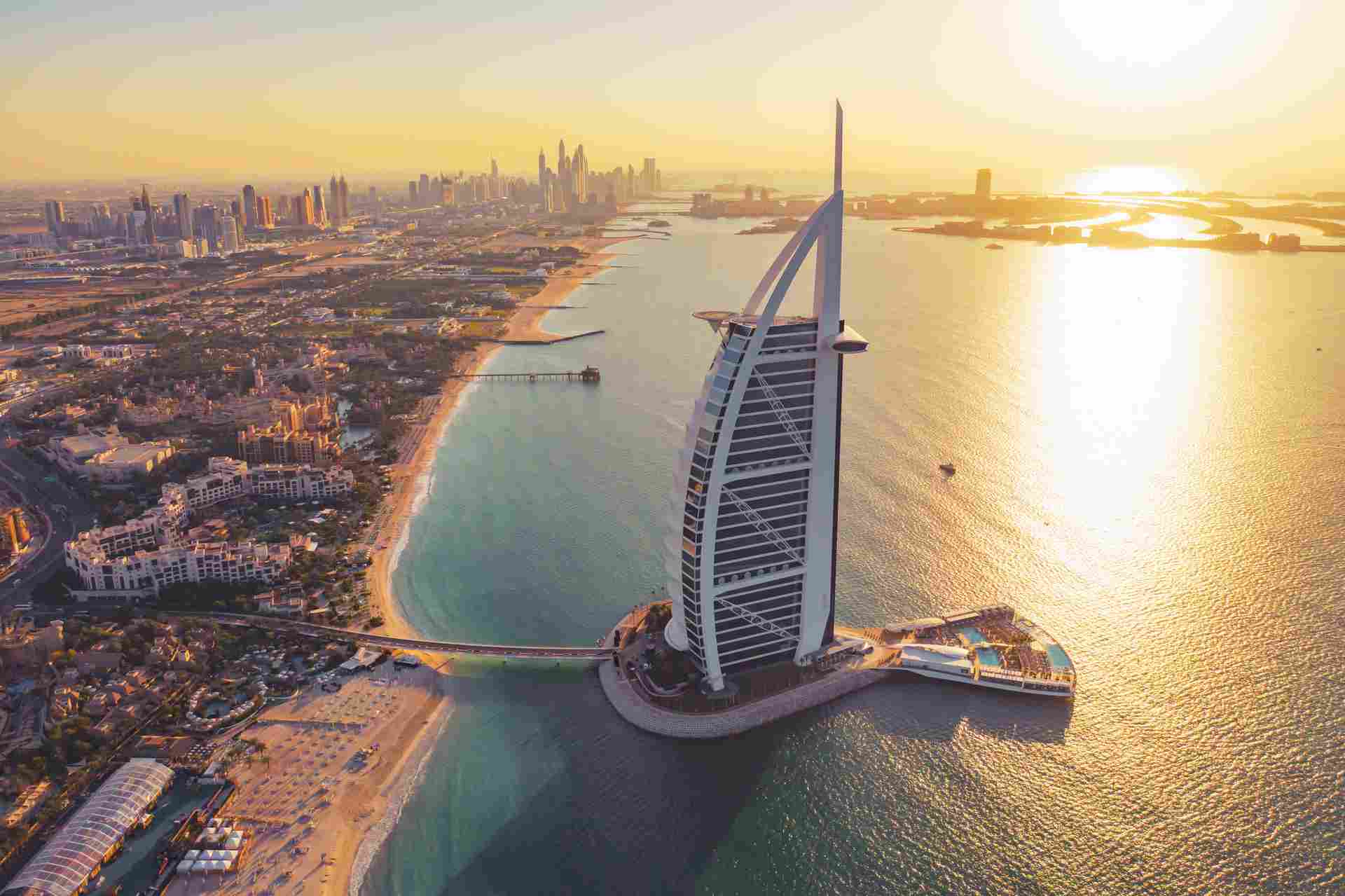
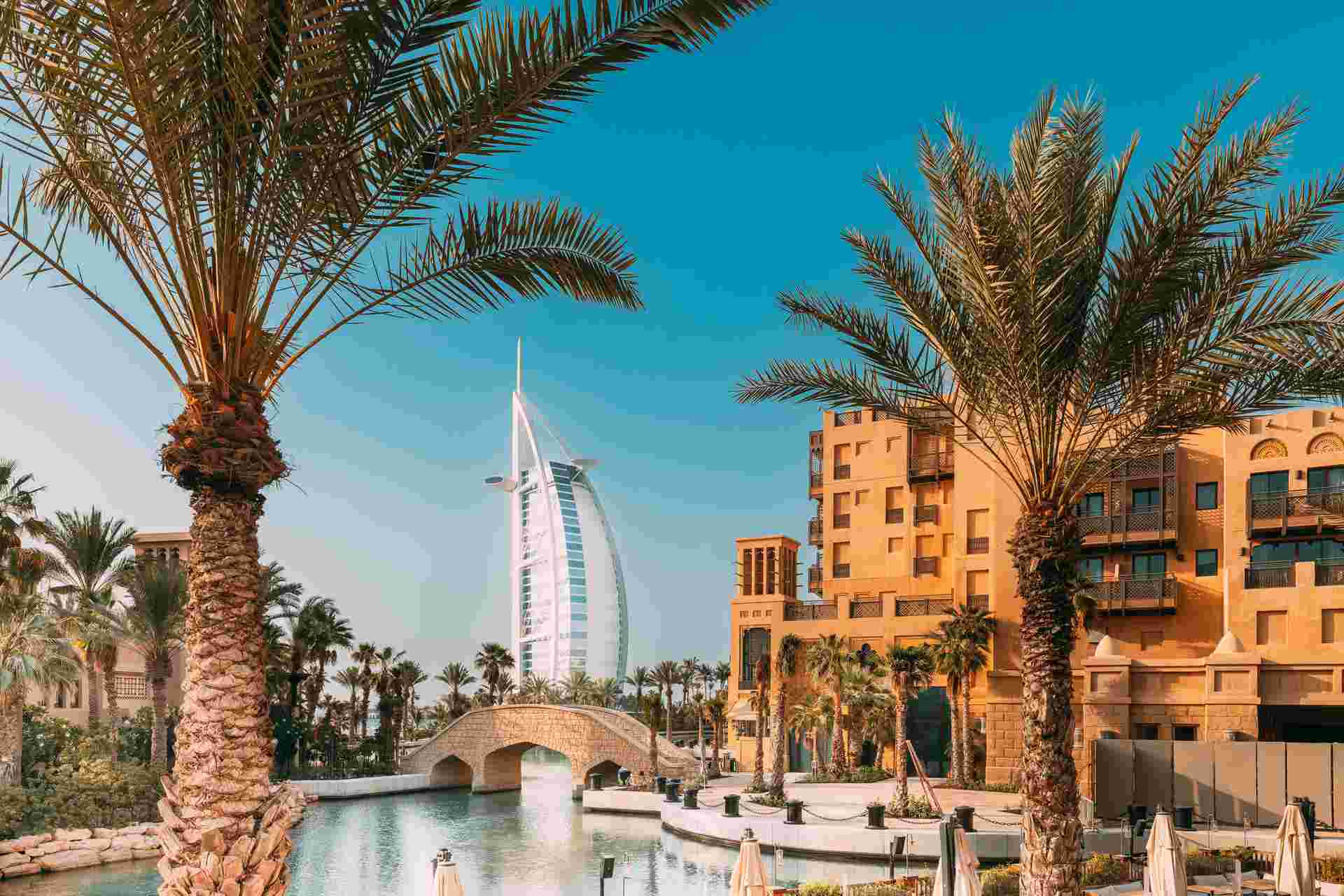
There's no other building in the world that does what the Burj Al Arab does for a city's image. It's on mugs, screensavers, and airline safety cards. Standing on its own island off Jumeirah Beach Road, the hotel is connected to the mainland by a 280-meter private bridge — and yes, they check your reservation before you cross it. The cheapest room you'll find in 2026 starts around $1,600 per night (rates hit $889 in very off-peak windows but expect $1,500+ for any realistic stay). All 202 rooms are two-floor duplex suites. The entry-level One Bedroom Deluxe Suite runs roughly 170 square meters. That's bigger than most Dubai apartments.
Every guest gets a dedicated butler — not a floor butler, your personal one. The gold-plated iPad in the room to control everything is a touch extra, sure. But the Rolls-Royce airport transfer? Legitimately excellent. Breakfast at Al Iwan on the 18th floor is worth attending even if you're staying somewhere else (you can book it as a non-resident dining experience for around $120/person). The pool deck is adults-only and genuinely calm, which is rare in Dubai. Skip the underwater restaurant Al Mahara if you're budget-conscious — it's spectacular but $300 per person before wine. The gold-fleck toiletries in the bathroom are sent home with you. Completely unnecessary. Still delightful.
Atlantis The Royal: Palm Jumeirah's Showstopper
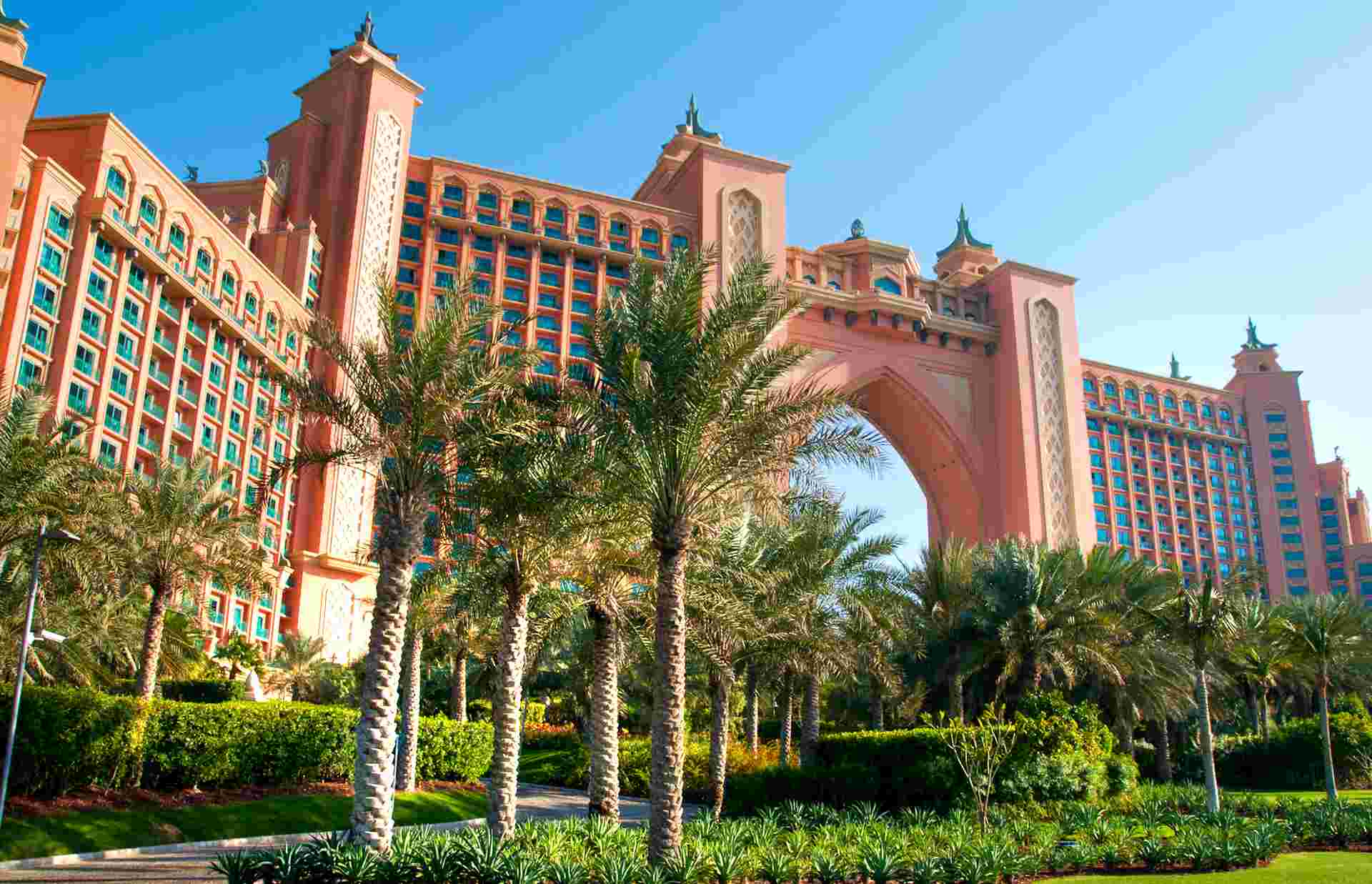
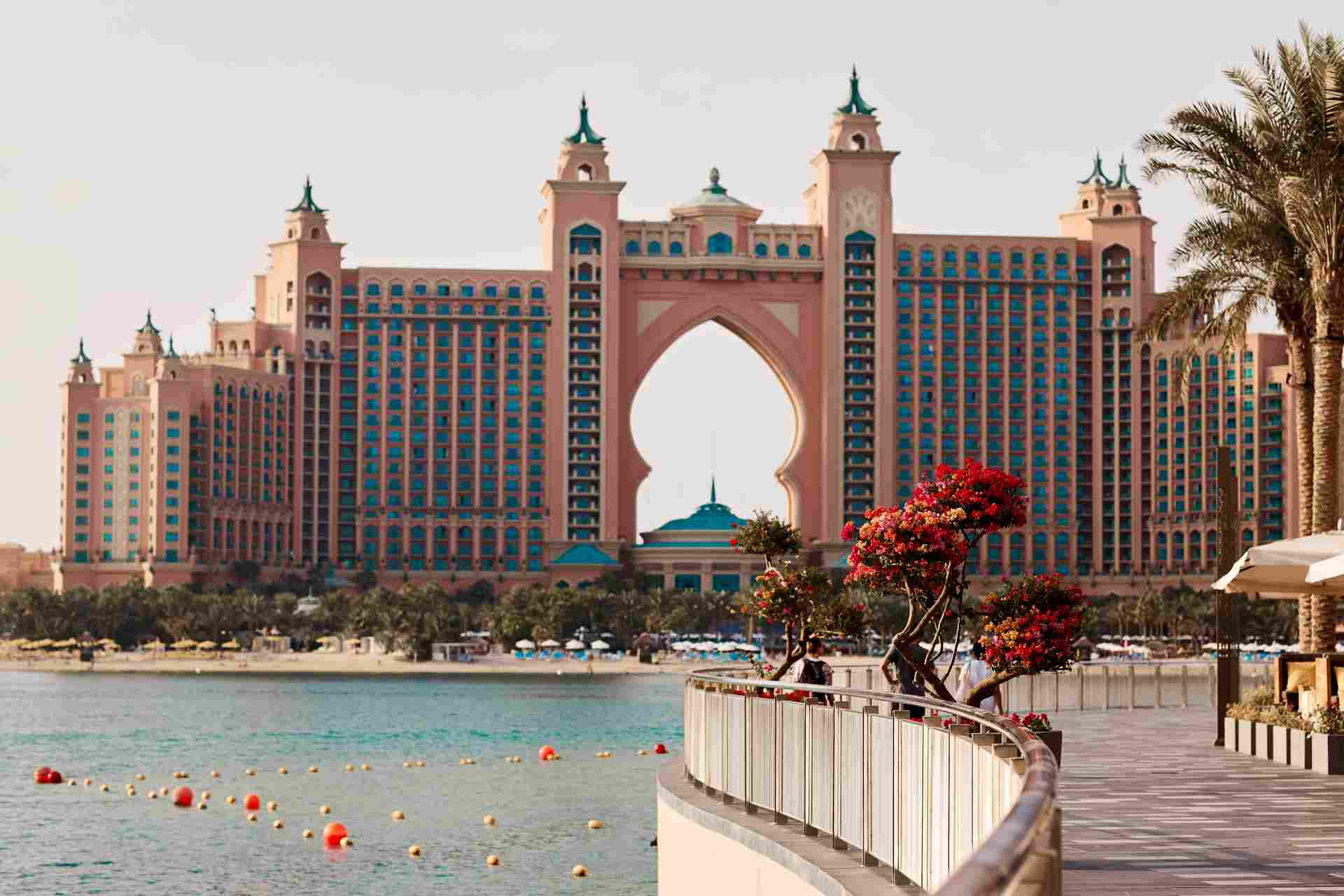
Atlantis The Royal opened in January 2023 and immediately became the most-photographed building on Palm Jumeirah — no small feat on an island full of show-offs. The design is a curving tower with a sky bridge and an infinity pool hanging 90 meters above sea level that you'll recognize from about 10,000 Instagram posts. Rooms start from around $980 per night for a base Superior King, though booking in shoulder season (June–July) can get you closer to $500. The Royal Bridge Suite — spanning the sky bridge — starts at around $25,000 a night. The Royal Mansion Penthouse goes up to $100,000. Not for most people. But worth knowing exists.
The real draw here is the dining lineup. Nobu Dubai is inside the hotel. So is Dinner by Heston Blumenthal — two-Michelin-star territory, booking required months in advance. There are 17 restaurants and bars on property, which sounds excessive until you're stuck in 42°C heat and can't face leaving. The Aquaventure Waterpark is free for hotel guests (usually $120 for day visitors), which adds real value if you're traveling with teenagers or just want to do the Master Blaster slide at 8am with no queue. The spa runs 95 treatment rooms and the largest thermal suite in the UAE. One legitimate complaint: the lobby is cavernous and can feel impersonal. The Burj Al Arab still wins on intimacy despite being smaller.
One&Only The Palm: The Quiet One That Overdelivers
If Atlantis The Royal is the party, One&Only The Palm is the quiet house at the end of the cul-de-sac that everybody secretly wants. 94 rooms. That's it. Exclusive without trying. Located on the western crescent of Palm Jumeirah with a private beach and views across the water toward the Dubai skyline, the property is genuinely tranquil in a city that rarely is. Rates start around $570/night for a Deluxe Garden View room; recent KAYAK bookings in 2026 have ranged from $945–$986 per night, so budget around $900–$1,100 for a standard stay.
The dining is where One&Only The Palm quietly humiliates its competition. STAY by Yannick Alléno holds two Michelin stars — this is serious French fine dining, the kind where the bread course alone takes 20 minutes. The Mediterranean seafood at 101 Dining Lounge is better than most standalone Dubai restaurants. I had a friend who stayed here for a honeymoon and said they barely left the property for four days. When I asked her to explain why, she said: "it just felt like we had a private villa with a staff of 40." That's the pitch. The beach club setup — private sun loungers, your own towel service, no scramble for chairs — is something the larger properties can't replicate at scale.
Address Downtown: The Business Stay That's Actually Comfortable
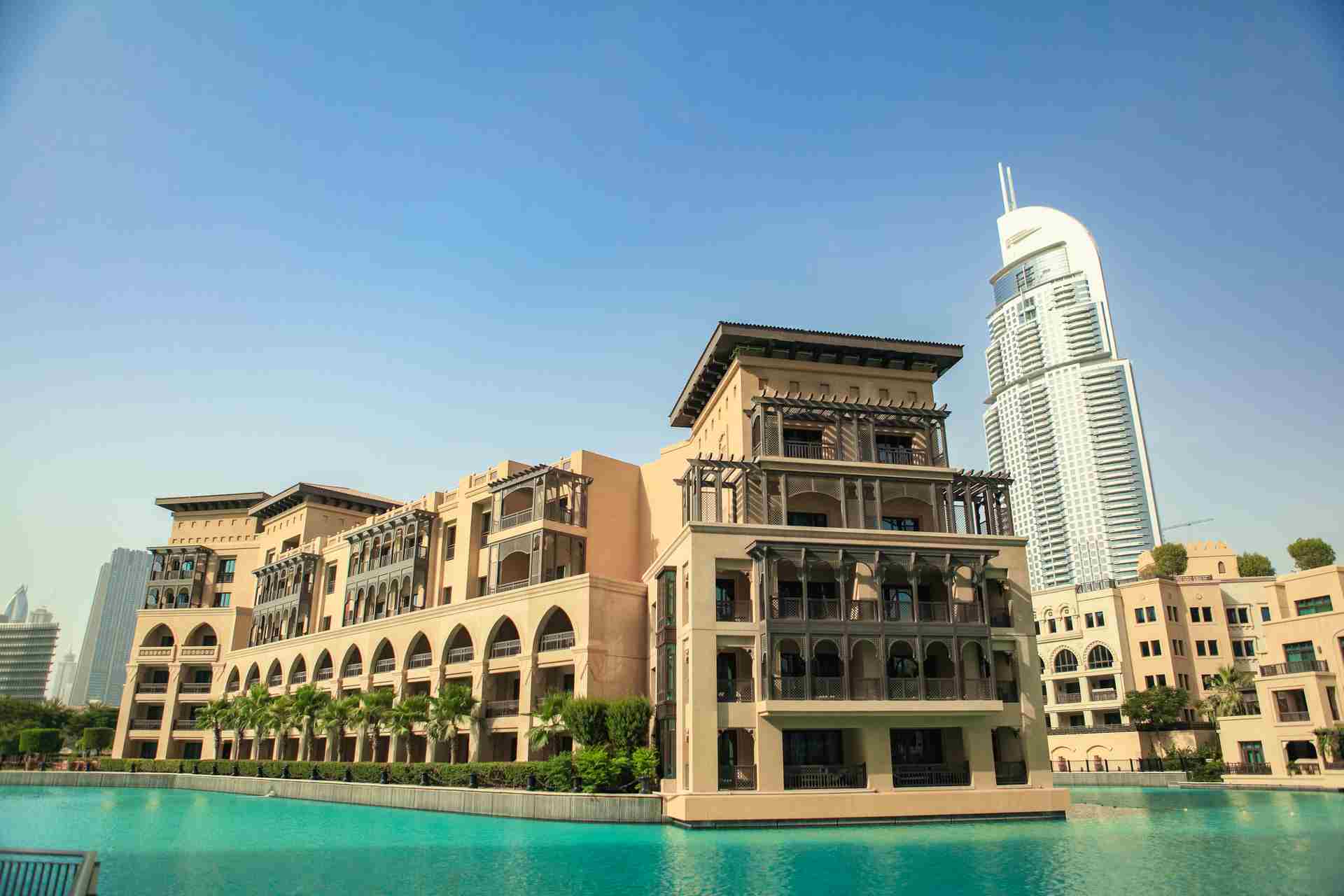
Not everyone in Dubai is on holiday. A significant slice of luxury hotel guests are here for work — and Address Downtown nails that intersection of business-capable and genuinely comfortable. The 63-floor tower sits directly overlooking Burj Khalifa and the Dubai Fountain, connected by footbridge to The Dubai Mall. If your meetings are in DIFC or Downtown, the location is essentially unbeatable. Rates start from around $252 per night during slower periods; recent 2026 bookings have averaged around $940/night during peak periods, so expect $700–$950 for most dates.
The view from a higher-floor room facing Burj Khalifa is one of those things you have to see to understand. During the fountain show at 6pm and 8pm, you're watching it from directly above — different from the crowd-level view most people get. The Address has one of the better pool decks in Downtown Dubai, plus direct mall access for those miserable July afternoons when 45°C makes the idea of outdoor Dubai comical. The club lounge on the upper floors does afternoon tea and evening drinks with canapes, which cuts your meal budget considerably if you use it. Service is polished and efficient rather than theatrical — right call for the clientele.
Jumeirah Al Naseem: Beach Luxury With Real Soul
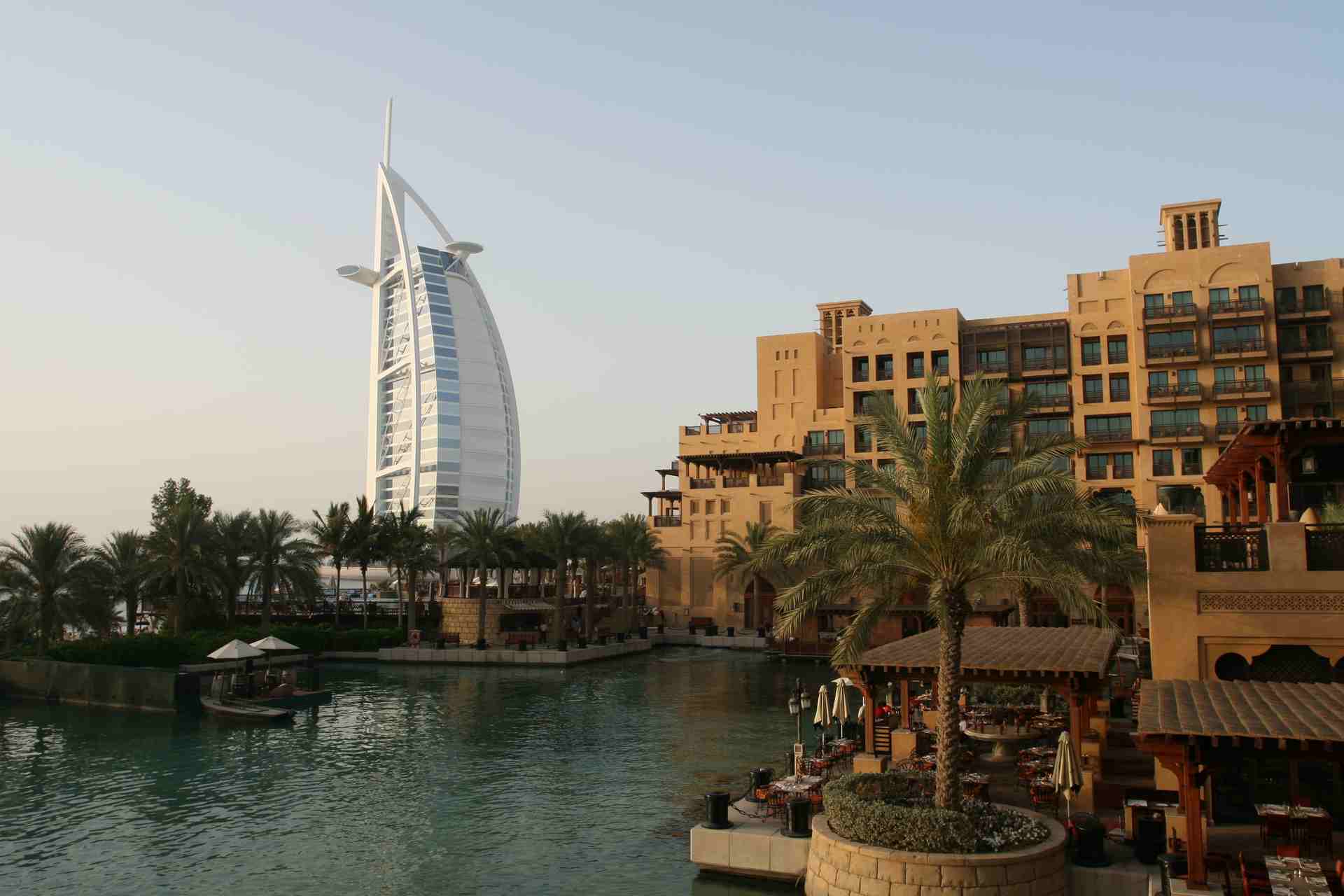
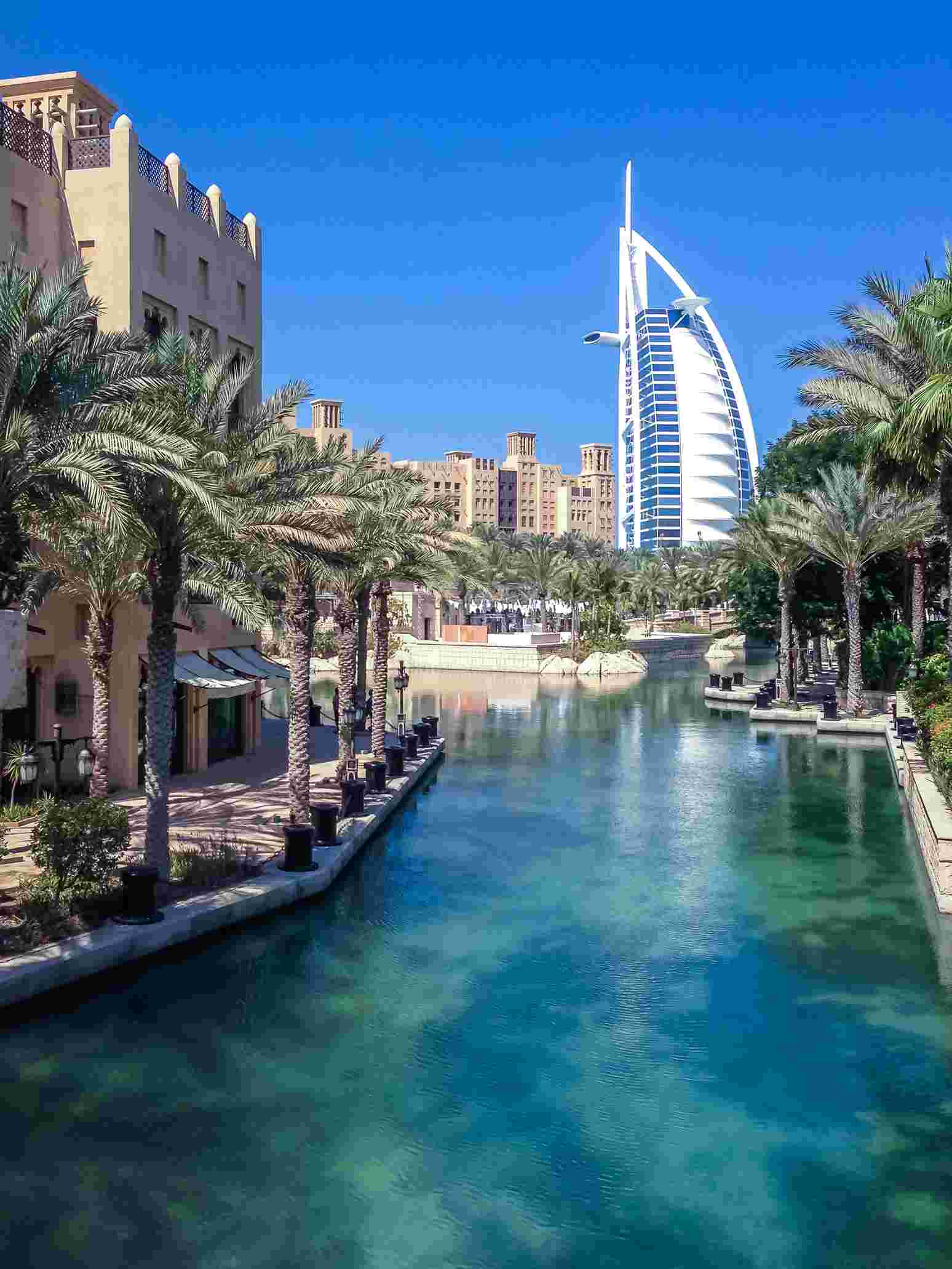
Jumeirah Al Naseem opened in 2016 as the newest addition to the Madinat Jumeirah complex, and it's consistently the most underrated of Dubai's headline properties. 430 rooms across low-rise landscaped grounds with direct Burj Al Arab views — you're 5 minutes' walk from the icon without paying its rates. Prices start from $507/night; the average in 2026 runs around $800–$1,000/night depending on season, with peak weeks (NYE, Dubai Bling season) pushing $2,481 on KAYAK.
The access to Wild Wadi Waterpark is complimentary — a $120 value per day per adult that almost nobody talks about when comparing properties. Eight restaurants on property, including The Palmery for casual poolside dining and the excellent rooftop bar with Burj Al Arab sight lines. Talise Spa is one of the best in Dubai — a 4,000-square-meter facility with hammam treatments, and a float pool that I'd book a weekend around on its own. The canal-style waterways running through the grounds and connecting to Madinat Jumeirah's souk area genuinely set this apart. It's the only Dubai luxury hotel that feels like it has a sense of place rather than just scale.
Armani Hotel Dubai: Burj Khalifa's Best Kept Secret
Note for 2026 travelers: Armani Hotel Dubai is currently closed for renovation through December 2026. Worth monitoring for Q1 2027 trips — but don't book now. That said, it belongs in this guide because it'll reopen and remains one of Dubai's most distinctive stays.
The Armani Hotel sits on floors 1 through 39 of Burj Khalifa itself. Every surface, fixture, and fabric was personally specified by Giorgio Armani — deep taupe and slate tones, no excess, nothing kitschy. It's the anti-Burj Al Arab aesthetically, and that's a feature. When it was operating, rooms started from around $470/night for an entry-level Armani Classic room, with suites running $1,200–$2,300. The food and beverage lineup was genuinely strong: Armani/Ristorante for Italian fine dining and Armani/Amal for elevated Indian cuisine (the latter surprisingly excellent). When it reopens, it'll likely be refreshed and better. Flag it for future trips.
Do's and Don'ts for 5-Star Hotels Dubai
| Do's | Don'ts |
|---|---|
| Book Burj Al Arab directly — the Rolls-Royce transfer and butler perks are only guaranteed on direct bookings | Don't book the cheapest OTA rate and expect full luxury inclusions — the perks drop on third-party rates |
| Reserve Atlantis The Royal dining (Nobu, Dinner by Heston) at least 2 months in advance | Don't assume Atlantis Aquaventure is included — confirm water park access before booking |
| Visit One&Only The Palm for lunch even if you're not staying — the beach club day rate is worth it | Don't book a lower floor at Address Downtown — the Fountain views only start around floor 30+ |
| Use Jumeirah Al Naseem's complimentary Wild Wadi access — it's a real $120/day saving | Don't skip the Talise Spa at Jumeirah Al Naseem — walk-in availability is limited, book ahead |
| Ask Address Downtown about club lounge access — it's sometimes available as a paid upgrade worth taking | Don't go to the Burj Al Arab expecting beach access — the beach club is small and often crowded |
| Visit Dubai in October–April for the most pleasant weather | Don't travel in July–August without air-conditioned plans — outdoor temperature regularly hits 45°C |
| Pack smart-casual and one dressier outfit — most 5-star hotel restaurants enforce dress codes | Don't assume valet parking is free — many luxury properties charge AED 60–100/night |
| Research current Michelin Guide Dubai restaurants before arriving — the list expanded in 2024 and 2025 | Don't book Armani Hotel Dubai for 2026 — it's closed for renovation through December 2026 |
| Use the Dubai Metro Red Line if you're staying near JBR or Downtown — faster than taxis at rush hour | Don't leave hotel shopping exclusively to the Dubai Mall — the Madinat Jumeirah souk has better souvenirs |
| Check if your property offers Burj Khalifa "At The Top" skip-the-line access as a guest perk | Don't exchange currency at the airport — Dubai mall currency exchanges give significantly better rates |
FAQs
What is the cheapest 5-star hotel in Dubai worth staying at?
Address Downtown comes in as the most accessible of Dubai's true 5-star properties, with rates from around $252 per night during off-peak periods and an average around $700–$940 for most 2026 dates. It sits directly above Dubai Fountain with Burj Khalifa views and footbridge access to The Dubai Mall — which means no need for taxis to reach most downtown attractions. For travelers who want genuine luxury without the $1,600-plus barrier of the Burj Al Arab, it's the move. Jumeirah Al Naseem is also compelling at $507 starting rate, particularly if you factor in the complimentary Wild Wadi Waterpark access.
Is Burj Al Arab worth the price in 2026?
For the right traveler, yes — completely. The duplex suite starting at around $1,600 per night gets you a personal butler, Rolls-Royce airport transfer in both directions, all-suite accommodation (there are no standard rooms), and access to a beach club that's better than it used to be. It's the most recognizable luxury hotel on earth for a reason, and the service standard is remarkably consistent for a property that hosts this many guests annually. If you're celebrating something specific — honeymoon, significant anniversary, milestone birthday — it lands. As a regular business trip base, it's overkill. Know what you're going for.
How far in advance should I book 5-star hotels in Dubai?
For peak season (October–April, especially around New Year's Eve and the Dubai Shopping Festival in January), book at least three to four months out. Properties like Atlantis The Royal and One&Only The Palm regularly sell out the best room categories six months ahead during the winter season. For summer (June–August), Dubai's luxury hotels often have last-minute availability and discount rates — Atlantis has been bookable from around $500/night in July 2026 versus $1,500+ in December. If you're flexible on dates, the math strongly favors shoulder season travel.
What's the best area to stay in Dubai for luxury hotels?
Palm Jumeirah clusters several of the best properties — Atlantis The Royal and One&Only The Palm both sit here, with beach access and sea views as standard. Downtown Dubai (Address Downtown, Armani Hotel when open) puts you closest to Burj Khalifa, Dubai Mall, and DIFC if you have business meetings. The Jumeirah Beach Road strip — where Burj Al Arab, Jumeirah Al Naseem, and the Madinat complex sit — gives you the original luxury hotel corridor with a more low-rise, resort-feeling experience. For first-timers, Downtown is easiest to navigate. For beach-focused stays, Palm Jumeirah wins.
Does Atlantis The Royal include Aquaventure Waterpark?
Complimentary Aquaventure Waterpark access is included for guests of Atlantis The Royal (and the original Atlantis The Palm next door). This is a real value add — day admission is AED 445 (about $120) per adult. The waterpark runs several major slide attractions including the Aquaconda, which holds the record as one of the world's largest water slides. Confirm your room rate includes waterpark access when booking, as some promotional rates have excluded it historically.
Which Dubai luxury hotel has the best dining?
One&Only The Palm and Atlantis The Royal are the strongest performers. STAY by Yannick Alléno at One&Only holds two Michelin stars — it's the most serious fine dining address of any hotel on this list. Atlantis The Royal counters with Nobu Dubai and Dinner by Heston Blumenthal, both internationally recognized and consistently excellent. The Burj Al Arab's Al Iwan serves an exceptional buffet breakfast and has strong Arabic mezze at dinner; its seafood restaurant Al Mahara is all spectacle with the submerged aquarium, though the food doesn't always match the setting. Jumeirah Al Naseem's eight restaurants are solid without a true standout — it's the only slight weak point on an otherwise excellent property.
What's the Dubai luxury hotel experience like in summer versus winter?
The experience inside the hotels is identical year-round — that's the point of a climate-controlled luxury stay. What changes is everything outside. October through April you can actually walk the beach, sit by the pool comfortably, use the outdoor dining terraces, and explore the city on foot in the evenings. May through September, temperatures regularly hit 42–45°C with high humidity — outdoor time is limited to early morning or after 9pm. Summer stays make most sense if you plan to spend most of your time inside the hotel (spas, restaurants, indoor attractions) or want to take advantage of significantly lower rates. Winter stays maximize the full Dubai experience.