Best Budget Honeymoon Destinations: Romantic Trips Without the Price Tag

You just spent a fortune on the wedding. The venue, the catering, the photographer who charged separately for "golden hour" — it adds up fast, and suddenly the honeymoon budget is whatever's left after the bar tab. Here's the thing, though: some of the most romantic trips we've taken didn't cost anywhere near what people assume a honeymoon has to. I know a couple who spent nine days in Vietnam for under $2,000 total, came back raving about floating lanterns in Hoi An and dawn mist over rice paddies, and are still convinced they got the better deal than friends who blew $8,000 on the Maldives. Budget honeymoon destinations have quietly gotten very, very good — and 2026 has opened up some real options that didn't exist even three years ago.
This guide covers the actual best budget honeymoon destinations for couples heading out this year — not just "Southeast Asia is cheap," but which towns, which hotels, which neighborhoods, and what realistic daily budgets look like. We're talking Bali pool villas for $140/night, Portugal guesthouses under $100, Greek islands that cost half of Santorini with twice the local charm. I've pulled 2026 pricing, dug into what couples are actually booking right now, and thrown in the specific travel gear that makes a tight-budget trip feel significantly more comfortable. No padding. Just where to go and how to make it work.
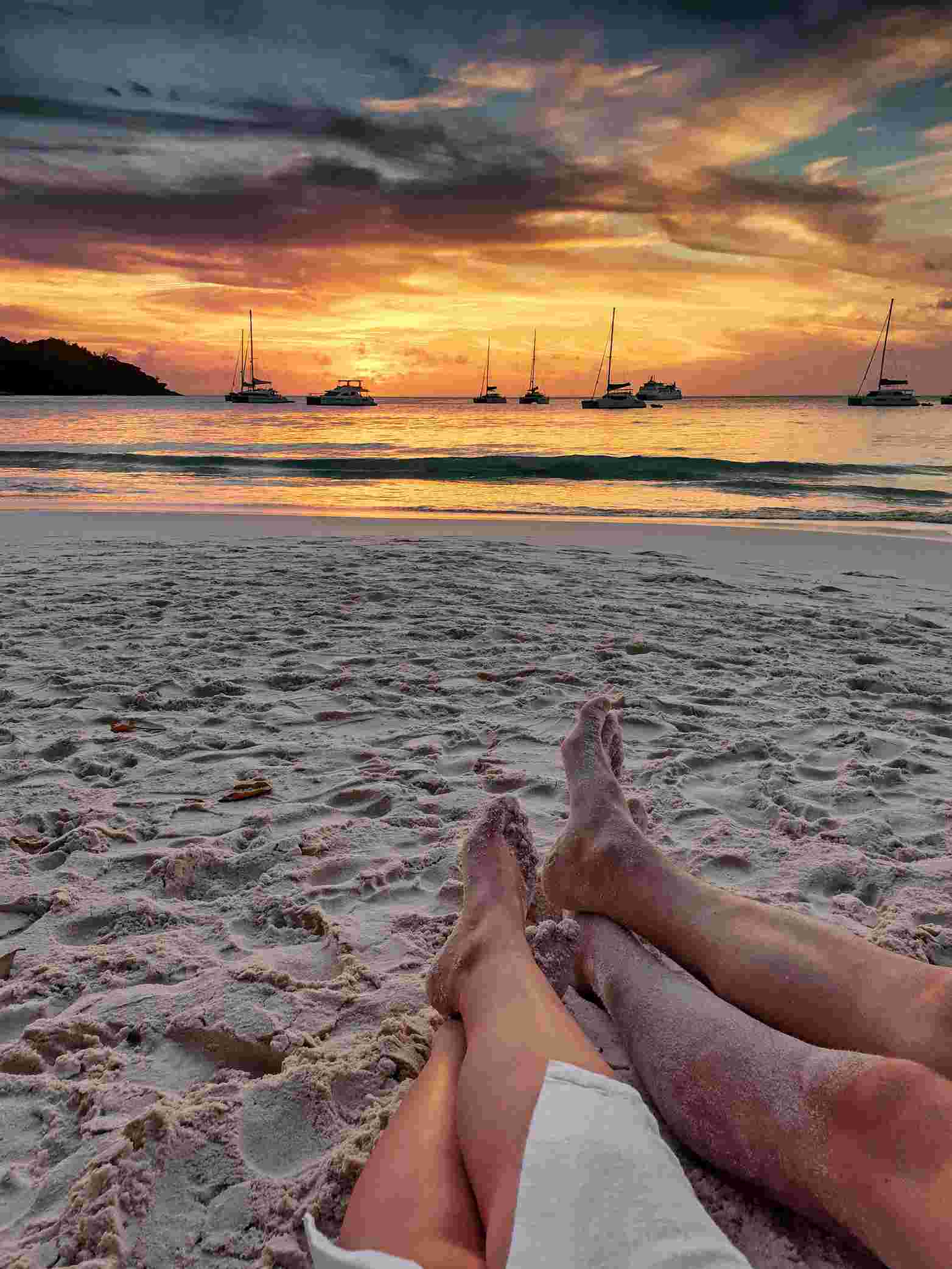
Budget Honeymoon Southeast Asia: Bali, Vietnam, and Thailand
Southeast Asia is still the undisputed king of cheap honeymoon ideas that don't look cheap. Bali leads the pack in 2026. Private pool villas — yes, your own pool — in Ubud and Canggu run $127 to $200/night for a mid-range stay. The Kayon Jungle Resort in Ubud sits at around $150–$300/night depending on season, and it genuinely looks like the kind of place that costs three times more. AYANA Resort in Jimbaran starts around $200/night and delivers beachfront sunset views that people fly 20 hours for. For couples who want something smaller and more Airbnb-flavored, private villa listings in Canggu regularly come in at $90–$130/night on Airbnb — two-bedroom, private pool, breakfast included from the host. That's $45–$65 per person per night.
Vietnam is the dark horse of budget honeymoon Southeast Asia. Daily costs for a couple run $45–$95 mid-range, which is almost laughably low by Western standards. Hoi An is the move — the Ancient Town, lantern-lit canals, tailors who make custom dresses in 24 hours, and street food dinners that cost under $5. The RiverTown Resort in Hoi An offers river views and honeymoon touches at rates that won't punish your post-wedding credit card. Wyndham Hoi An delivers full resort amenities from around $60–$90/night. Thailand rounds this out nicely: $3,000–$5,000 per couple for two full weeks including flights from the US or AU, if you book shoulder season (May–June or September–October). Koh Lanta beats Koh Samui on price and atmosphere every time — fewer resorts churning through package tourists, better food, same white-sand beaches.
Cheap Honeymoon Europe: Portugal and the Greek Islands
Portugal is the obvious answer for cheap honeymoon Europe in 2026, and it's not just hype. Lisbon delivers genuine romance — fado music drifting out of Alfama doorways, trams rattling up cobblestone hills, wine that costs $4 a glass at a bar where you stay for three hours. Boutique guesthouses in Bairro Alto or near Rossio station run $80–$120/night, and dinner for two with a bottle of wine still comes in around $40–$60. A 10-day Portugal honeymoon — flights from the US included — typically runs $2,000–$3,000 per couple total. That's not a typo.
Greece, done right, is equally affordable. The mistake is Santorini in peak season, where even mid-tier hotels hit €200–€400/night. Instead: Naxos. Or Milos. Naxos has a working town full of locals, marble alleys older than most countries, and small hotels with pools for €90–€150/night. Taverna dinners cost about half what Santorini charges for the same grilled fish and local wine. Milos has the colored rock formations and volcanic beaches that people associate with Greece without the Santorini Instagram crowds. A week on Naxos for two, flights from London included, can come in under £1,800 — which for a honeymoon is extraordinary. I spoke to a couple who did exactly this last October and said the island basically felt like it belonged to them by the second week. Shoulder season. Always shoulder season.

Mexico and Central America: Where Beaches Don't Break Budgets
The Riviera Maya is one of the most reliable affordable romantic trips for couples flying from North America. Playa del Carmen has boutique hotels from $80–$120/night that aren't all-inclusive resorts but are a lot more interesting. Tulum still has that reputation for barefoot luxury, and if you book a palapa-style Airbnb a few blocks from the beach, you can get it for $100–$150/night — genuine thatch-roof romance, cenote swims five minutes away, and a beach club day pass for $20 rather than a $400/night resort fee. The flight from Chicago, LA, or New York is under $300 roundtrip if you're not flying in peak December–February.
Colombia — Cartagena specifically — deserves more honeymoon attention than it gets. The walled Old City is legitimately one of the most beautiful neighborhoods in the Americas: pastel-painted colonial houses, flowering balconies, Caribbean heat. Mid-range boutique hotels inside the old walls run $100–$180/night. The coast at Playa Blanca and the Rosario Islands is a day trip. Flights from Miami are often under $200. Total spend for a week-long Cartagena honeymoon, including international flights, can land around $2,200–$3,000 per couple. Not bad for a destination that looks like it belongs in a coffee table book.

Sri Lanka: The Underrated Affordable Romantic Trip
Sri Lanka doesn't come up often enough in these conversations. It should. The island packs in beaches, hill country, ancient ruins, tea plantations, and elephant reserves in a geography that takes less than a week to move through meaningfully. Mid-range accommodation runs $40–$80/night for solid guesthouses and boutique properties. Amangalla in Galle Fort — yes, that Aman — runs around $500/night, which isn't budget, but the guesthouses just outside the fort walls deliver almost the same atmosphere for $70–$100/night. I stayed near Unawatuna once and watched a thunderstorm roll across the Indian Ocean from a $55/night terrace room. Hard to beat.
The southern coast — Mirissa for whale watching (November–April), Unawatuna for beaches, Galle for history — is the honeymoon circuit. Couples doing it properly in 2026 are spending $1,800–$2,800 per couple for 10 days including flights from Europe. From Australia, Sri Lanka is even more logical: it's roughly a 9-hour flight from Melbourne and costs a fraction of the Pacific island alternatives. Food is exceptional — rice and curry plates that will ruin your opinion of "fusion" forever — and almost nothing about the experience feels like you've compromised.

How to Book Smart: Airbnbs, Boutiques, and Gear Worth Packing
Airbnb is genuinely the budget honeymooner's best tool if used correctly. The trick is filtering for "entire place" with "pool" in destinations like Bali, Portugal, and Mexico — you often find private guesthouses or small villas listed by local owners that cost less than hotels with none of the corporate atmosphere. Search Bali Airbnbs with those filters and $110–$150/night gets you a private garden and plunge pool in Ubud or Canggu. Same filters in Lisbon get you a tiled apartment with a terrace and a whole kitchen for $80–$110/night, which also saves money on breakfast.
For gear: couples who travel often swear by the Away Carry-On ($295 each) — not cheap but it eliminates checked bag fees on every trip after the first, and the organization is genuinely good. Osprey packing cubes keep things sorted without the chaos that makes sharing a suitcase a couples argument waiting to happen. An Anker 747 power bank ($50–$60) handles two phones and a camera through long travel days without hunting for airport outlets. AirTags or Tile trackers on luggage — worth $30 per bag. And a good noise-canceling set: Sony WH-1000XM5 headphones ($280) or the budget-friendlier Soundcore Q45s ($50) make overnight flights on a tight-budget trip significantly more bearable. These aren't luxuries — they're what makes the trip actually work.

Do's and Don'ts for Budget Honeymoon Destinations
| Do's | Don'ts |
|---|---|
| Book shoulder season (Apr–Jun, Sep–Oct) to cut accommodation by 30–50% | Don't fly peak December–February to Caribbean or Southeast Asia — prices double |
| Use Airbnb's "entire place + pool" filter for Bali and Mexico villas | Don't assume all-inclusive means good value — it often means mediocre food and zero local experience |
| Email hotels directly after booking online — ask for honeymoon upgrades | Don't book non-refundable rates more than 3 months out; deals shift |
| Pack an Osprey daypack for excursions instead of renting gear on arrival | Don't overpack — checked bag fees on budget carriers (Ryanair, AirAsia) will eat your savings fast |
| Eat one full meal per day at local restaurants and self-cater one meal | Don't eat every meal at the hotel — you'll spend 3x more and miss the actual food |
| Book airport transfers in advance via hotel or local service | Don't take tourist taxis without agreeing on a price upfront — first price is always 2–3x local rate |
| Use Google Maps offline in areas with weak data signal | Don't rely on roaming data without a local SIM — $10–$15 buys you 30 days of data in most Southeast Asian countries |
| Choose guesthouses in residential neighborhoods over tourist strips | Don't stay in the main tourist zone — prices are higher, noise is worse, and nothing's authentic |
| Set a daily cash limit and track it on a Notes app | Don't assume card payments work everywhere — Vietnam and rural Greece are still heavily cash-based |
| Travel with an Anker power bank — two phones plus camera in one charge | Don't pack for "what ifs" — a 7kg carry-on forces good decisions and saves bag fees |
| Research free activities: beaches, temples, old towns, hikes | Don't book every tour in advance — local vendors at the destination are often cheaper and more flexible |
FAQs
What are the cheapest honeymoon destinations in 2026?
Vietnam, Portugal, and Sri Lanka consistently come in as the cheapest options for couples in 2026. A week in Hoi An, Vietnam runs $45–$95/day per couple mid-range, meaning a full 7-night honeymoon including accommodation, food, and activities can cost under $700 on the ground. Add international flights — roughly $700–$1,000 roundtrip from the US on a budget carrier — and you're looking at a honeymoon under $2,500 total. Portugal comes in similarly once you're there: $80–$120/night hotels, $40–$60 dinners, affordable wine everywhere. Sri Lanka adds a bit more complexity logistically but delivers extraordinary value for couples flying from Europe or Australia.
Is Bali a good budget honeymoon destination?
Yes — more than people expect. Private pool villas in Ubud and Canggu run $127–$200/night through hotels or $90–$140/night on Airbnb, and the experience rivals resorts that charge three times as much. A full Bali honeymoon for two — flights from Australia included — typically runs $3,200–$5,500 for 8–10 nights. That's solidly mid-budget, not "luxury at all costs." The key is avoiding peak season (July–August, Christmas–New Year) and booking villa stays in Ubud or Canggu rather than Seminyak, where you pay a premium for tourist infrastructure.
How much does a budget honeymoon in Europe cost?
For cheap honeymoon Europe in 2026, Portugal and the Greek islands (specifically Naxos or Milos rather than Santorini) are the benchmarks. A 10-day Portugal honeymoon — round-trip flights from the US, accommodation, food, and transport — runs $2,000–$3,000 per couple. Greece on the cheaper islands sits in similar territory: flights from the UK plus a week on Naxos often comes in under £1,800 per couple total. Traveling in April–May or September–October cuts accommodation costs 30–40% versus July–August peak. These are legitimately affordable romantic trips, not compromises.
What's the best time of year to book a budget honeymoon?
Shoulder season is non-negotiable for budget honeymoon destinations. April–June and September–October hit the sweet spot almost universally: weather is still excellent (sometimes better than peak season), prices drop 30–50% on accommodation, and you're not fighting crowds at every attraction. For Southeast Asia specifically, May–June works beautifully — before monsoon intensifies, after the peak. For the Caribbean and Mexico, May and early June are ideal: hurricane season is technically starting but actual risk is low before August, and prices are dramatically lower than December–February.
Can you have a real honeymoon on a $3,000 total budget?
Absolutely — and it's not a stretch. A week in Vietnam, Hoi An specifically, can run well under $2,500 per couple including international flights. Sri Lanka from Europe runs similar numbers. Even Bali is doable at $3,000–$3,500 if you fly from Australia (short flight) and stay in a mid-range Airbnb villa. The $3,000 floor really opens up once you stop assuming honeymoons need to happen in the Maldives or Amalfi. Naxos in Greece in October, the Riviera Maya in May, Cartagena in February — all sit comfortably in that range.
What travel gear is actually worth buying for a honeymoon trip?
A few things genuinely earn their cost. The Away Carry-On ($295) pays for itself after the first trip by eliminating checked bag fees — both of you can travel carry-on only for a 10-day trip if you pack smart. Osprey packing cubes mean you're never digging through a shared suitcase at 6 AM. An Anker 747 power bank handles two phones plus a camera through a full travel day. AirTags ($29 each) on checked bags — worth every cent if an airline loses your luggage. And get local SIM cards on arrival in Southeast Asia instead of paying roaming charges: $10–$15 buys you unlimited data for the trip.

Which Greek island is best for a cheap honeymoon?
Naxos wins, hands down. It's the largest of the Cyclades, has its own ferry connections (no inter-island hopping required), and runs at roughly half the price of Santorini across every category — accommodation, food, and activities. Small hotels with pools charge €90–€150/night. Taverna meals with wine run €25–€40 for two. The island has marble alleys, a Venetian kastro (castle), and some of the best beaches in the Aegean — Plaka beach stretches for kilometers with almost no crowds outside July–August. Milos is the runner-up: more dramatic volcanic scenery, genuinely striking Sarakiniko beach, and similarly sane pricing compared to Santorini.
Should we book an Airbnb or a hotel for a budget honeymoon?
Both have a place, but Airbnb wins in specific markets. In Bali, private villas on Airbnb — entire place, with pool — regularly undercut hotels at the same quality level. In Portugal, Airbnb apartments in Lisbon let you self-cater one meal a day and feel like locals rather than tourists. In Mexico's Tulum, Airbnb palapa-style rentals deliver more atmosphere per dollar than comparable hotel rooms. Hotels win when you want reliability, daily housekeeping, and honeymoon perks (upgrades, room decorations, complimentary breakfast). The practical approach: use Airbnb for longer stays in cities, hotels for resort-style beach nights where you're paying for the service and amenities.