Best Family Road Trips in Europe: Countries, Routes, and Tips with Kids
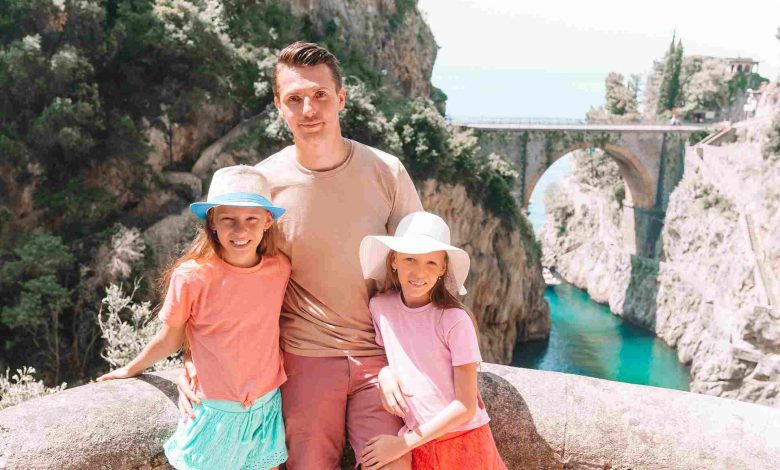
The moment we turned off the motorway onto a narrow Dordogne valley road, my daughter pressed her face against the car window and said, "It looks fake." She meant it as a compliment — honey-stone villages stacked above the river, walnut orchards on both sides, a medieval castle cresting the ridge ahead. That was her first proper family road trip Europe experience, and she was eight. She's now been on four. Ask which holiday she remembers most and it's never the resort with the waterslide. It's always the car. Always the road. Moving through a landscape at your own pace — stopping when something looks interesting, taking the wrong turn and landing in a better village — that's something no package holiday can replicate. Kids feel it even if they can't explain it.
Most families assume road trips are a logistical nightmare with children. Too much driving, too much whining, no nap schedule. And yes, you'll hit a rough hour somewhere on the A9 north of Perth when everyone's hungry and nobody can agree on a podcast. But the infrastructure for family driving holidays in Europe is genuinely excellent — strong car rental options from Sixt and Europcar, good rest stops, and a huge range of Airbnb and hotel properties designed with families in mind. This blog covers four of the best family road trip Europe routes for 2026, plus the practical stuff: which rentals to use, what to pre-book, and which gear earns its place in the boot.
France: The Dordogne to Provence Run
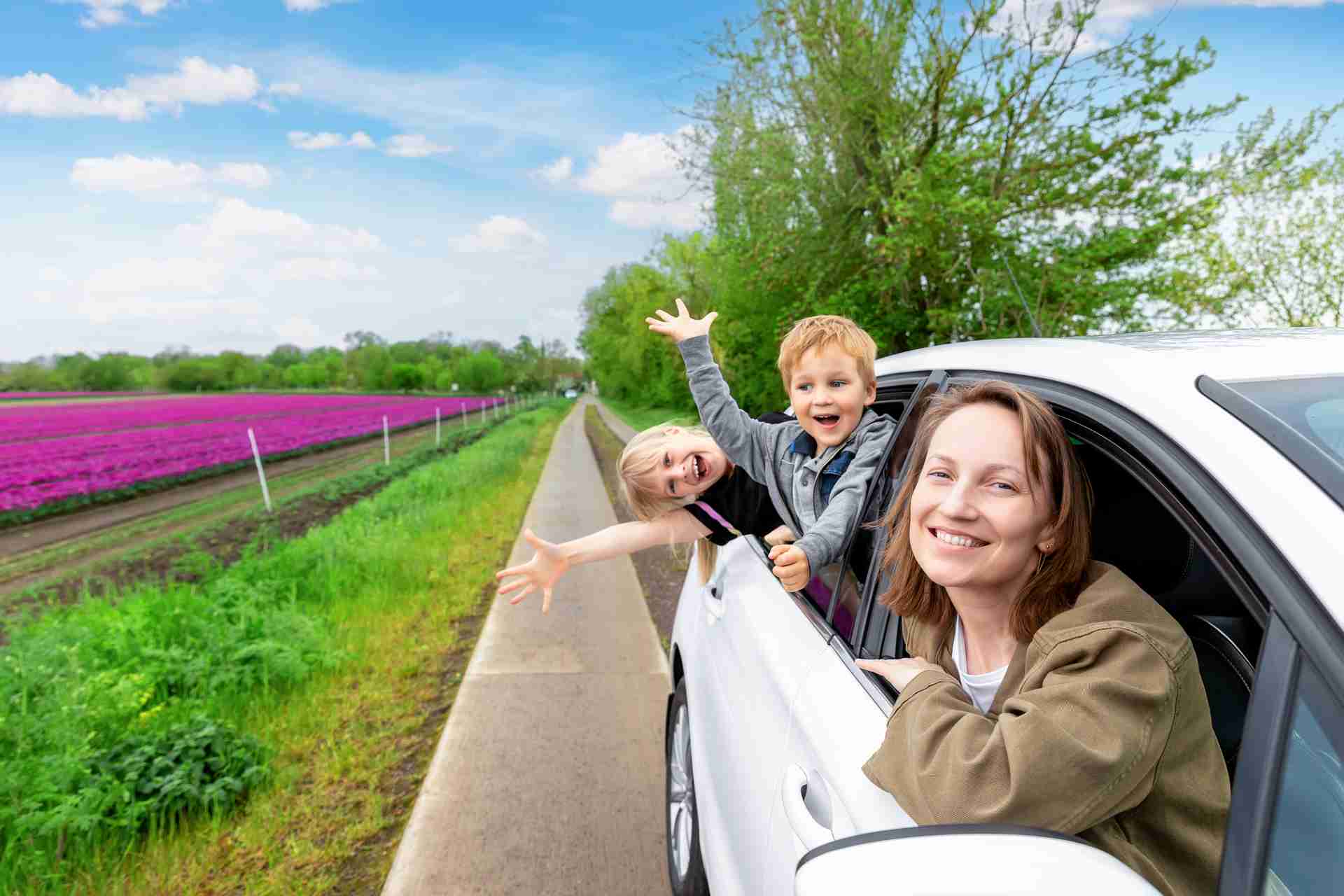
This is the one I keep recommending, especially for families with kids between 6 and 14. Fly into Bordeaux, pick up a Sixt Ford Galaxy or Volkswagen Touareg (book the 7-seater — luggage is non-negotiable), and drive southeast. Sarlat-la-Canéda is the obvious base for the Dordogne leg — medieval streets, a Saturday market, zero chain restaurants. Kids can scramble around Château de Beynac for €8 per adult. The cave paintings at Font-de-Gaume are one of the last original Paleolithic sites still open to visitors; slots cap at 78 people per day and book out weeks ahead, so sort this before you leave home. Push south toward Nîmes for Provence. The Pont du Gard has a kids' museum, a river beach below the aqueduct, and you can swim in summer — it's genuinely one of the better family stops in France. For accommodation, Huttopia properties run consistently good across this corridor — canvas lodges with real beds and shared pools. In Provence, Club Med Opio en Provence near Grasse is worth two nights for the all-inclusive family program alone.
Scotland: Edinburgh to Inverness via the Cairngorms
The full NC500 takes two weeks and some single-track roads genuinely require focus — not ideal with a seven-year-old asking questions. But the Edinburgh-to-Inverness loop via the Cairngorms on the return is a great Europe road trip kids option, and Scotland keeps you on the left — no adjustment period needed. Europcar at Edinburgh Airport offers family packages with child seats pre-fitted. Book a Skoda Kodiaq or Volvo XC60. Head north through Pitlochry — Blair Castle is a genuine winner, 30 rooms open to visitors, highland cattle at the gates. Then Speyside for a distillery village lunch at the Craigellachie Hotel, then Inverness. Urquhart Castle on Loch Ness has proper visitor facilities and the monster hunt entertains anyone under 12. Kingsmills Hotel in Inverness is family-friendly at around £165/night. The Macdonald Aviemore Resort on the Cairngorms leg covers the full-facilities requirement: pool, soft play, restaurants. Rothiemurchus Estate nearby does bike hire and farm tours.
Portugal: Lisbon to the Algarve
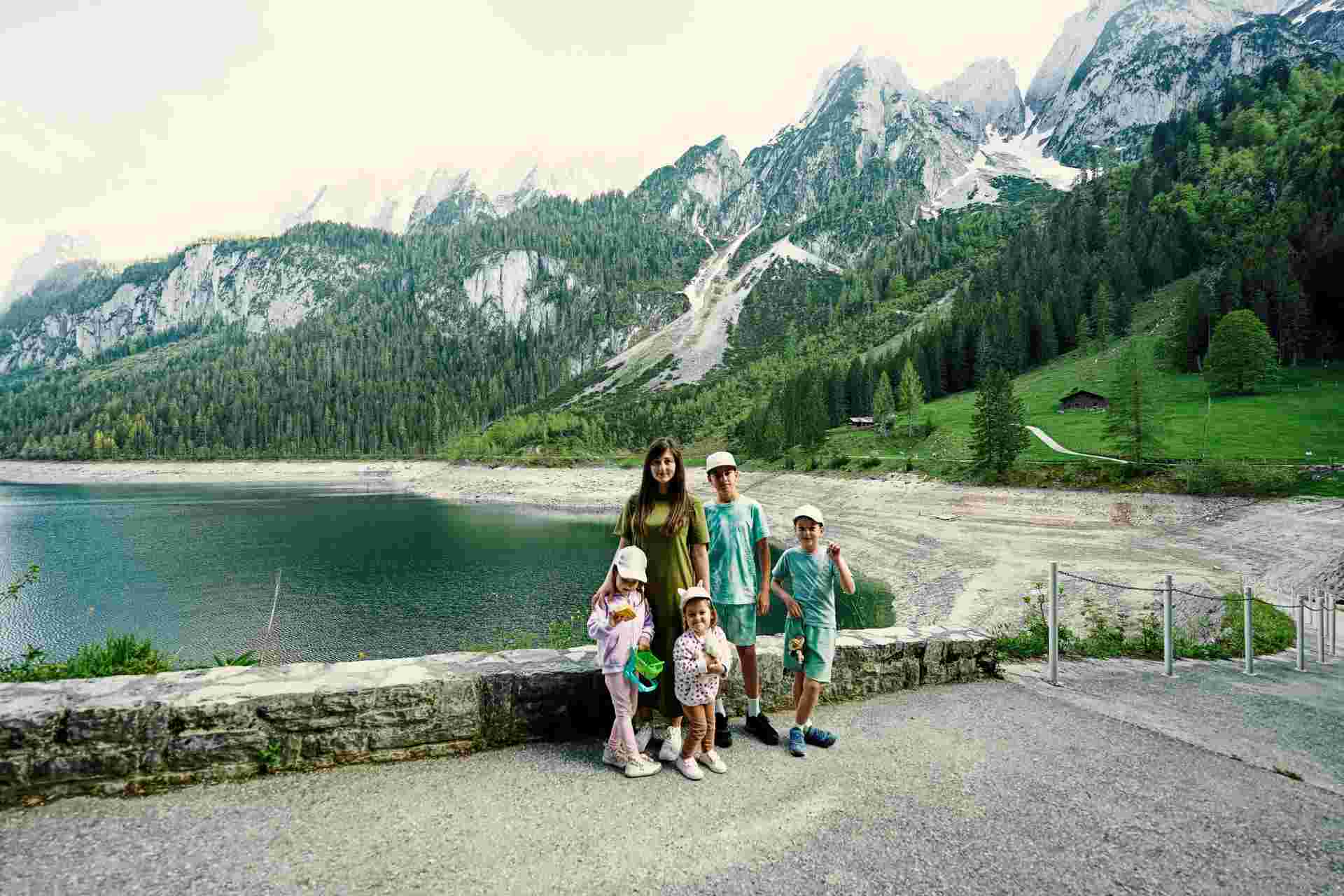
This one suits families with younger kids. Distances are short, beaches are exceptional, and Portuguese people are visibly delighted by children in restaurants. Fly into Lisbon, spend two nights in the Mouraria neighbourhood rather than Chiado (less tourist traffic, more city). Then drive south. Setúbal and the Arrábida Natural Park are 45 minutes away with water so clear it looks Mediterranean — wrong call to skip it. Push through the Alentejo — cork oak forests, white villages, long empty roads — and arrive on the Algarve in three or four days. Sagres, at the tip of Europe, feels like the end of the world, which kids find thrilling. Book through Airbnb near Salema rather than Albufeira — EUR 180–220/night gets a three-bedroom villa with a pool and a five-minute walk to a quiet beach. Europcar at Faro Airport is reliable if you want to do the route in reverse. Carry a Garmin GPS — Portuguese rural roads and phone signal do not always agree.
Ireland: The Ring of Kerry and Dingle
The Cork-to-Galway stretch via the Ring of Kerry and Dingle Peninsula is about 500 km of some of the most dramatic coastal driving in Europe. Manageable in a week. Roads are narrow but the speed limits keep things slow, the scenery does the entertainment work, and the villages are spaced nicely for lunch stops. Sixt at Cork Airport is reliable — book a VW Tiguan or Ford Edge. Kinsale for night one; Airbnb cottages on the harbour sometimes have hot tubs, which is an excellent bargaining chip with teenagers. Then Killarney, pony and trap rides into the national park, and the Dingle Peninsula — genuinely the highlight of the route. Push north to Galway. McDonagh's on Quay Street for fish and chips, eaten on the harbour wall. No better lunch on the whole trip. Stone-walled renovated cottages along the Connemara coast west of Galway are some of the best Airbnb finds in Europe — some dating back 200 years, running EUR 130–160/night.
Picking Your Family Road Trip Car: Sixt vs Europcar
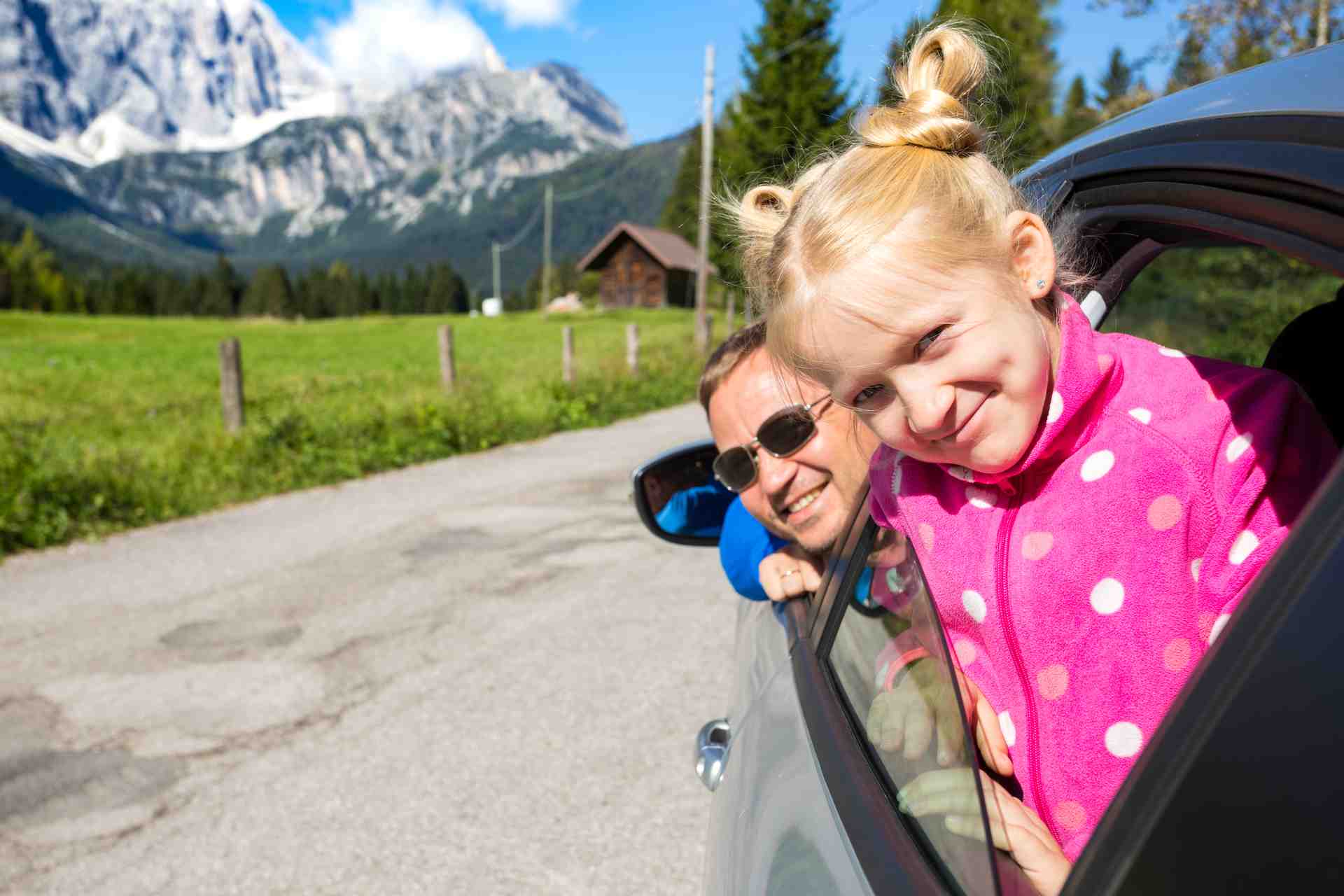
Both are the right answer. Avoid budget brands at smaller airports — inventory is thin and the pickup process can burn 45 minutes you don't have. Sixt's 7-seater minivans (Ford Galaxy, VW Touran) are genuinely spacious for two adults, two kids, and real luggage. Europcar's family package adds pre-fitted child seats and a cross-border permission letter — critical if you're crossing from France into Spain or Switzerland. Book 8+ weeks ahead in summer; the 7-seat category sells out fast. For multi-country routes, Sixt covers most of Western Europe under a standard rental but always confirm in writing at pickup. Standalone rental car excess insurance (around £3/day at insurancewith.com) is worth it — it can save hundreds if you clip a gate post in a Provençal village. Which happens.
What to Pack: Gear That Actually Earns Its Place
Short list. Don't overthink it. The Amazon Fire Kids Edition tablet — robust case, two-year replacement guarantee — solves about 80% of backseat problems when loaded offline before you leave the hotel. One per child. The LUSSO Gear travel tray clips to the headrest and gives each kid a flat surface, cup holder, and tablet stand. A Helteko backseat organizer stops the "where's my charger" argument every 40 minutes. A Garmin GPS for rural dead zones. A warning triangle and hi-vis vest for France, Spain, and Italy — legally required, €150 fine if missing. An Airalo eSIM covers most of Europe for USD 8–10/week. Kwells motion sickness tablets for mountain roads. Soft-sided luggage only — it fits around things. Everything else is optional.

Do's and Don'ts for Family Road Trips in Europe
| Do's | Don'ts |
|---|---|
| Book child seats in advance — Sixt and Europcar both allow this online at no extra faff | Don't assume your rental covers cross-border travel — get written permission at pickup |
| Download offline Google Maps or Maps.me before departing — rural Portugal and Scotland have patchy signal | Don't plan more than 3 hours of driving per day with kids under 10; it won't hold |
| Pack a Helteko backseat organizer — one per kid cuts down on chaos significantly | Don't book non-refundable hotels for every night — leave a few nights flexible |
| Carry a warning triangle and hi-vis vest in France, Spain, and Italy — legally required | Don't skip toll roads entirely — sometimes the scenic route adds two hours and someone will cry |
| Pre-book timed entries: Font-de-Gaume, Urquhart Castle, and Blair Castle sell out in peak season | Don't arrive in August on the Ring of Kerry expecting empty roads — it's gridlocked |
| Use a 4-port USB car charger and keep all devices charged on the road | Don't leave app and content downloads until you're in the car — do it the night before |
| Get an Airalo eSIM — covers most of Europe for USD 8–10/week, no SIM-swapping needed | Don't bring hard-shell suitcases — they won't fit around each other in a rental boot |
| Research rest stop locations in advance on motorwayservices.info | Don't rely on kids being "fine" for a 4-hour stretch — they won't be, and neither will you |
| Rent villas or Airbnbs with pools — hotel rooms feel small by day three | Don't eat at restaurants directly adjacent to major tourist sites — walk two streets and prices drop 40% |
| Pack motion sickness tablets (Kwells) and a portable first aid kit | Don't forget standalone excess car insurance — it costs £3/day and can save hundreds |
FAQs
What is the best country in Europe for a family road trip with young kids?
Portugal. Compact distances, exceptional beaches, and the warmest welcome for children of any country I've driven through. You're rarely more than 90 minutes between interesting stops, the food is affordable and simple, and you can get a three-bedroom Airbnb villa with a pool near Salema on the Algarve for EUR 180–220/night. A family of four manages comfortably on EUR 150/day all-in outside of accommodation. France is close behind for slightly older kids who can handle more history.
Which car rental company is best for a family road trip in Europe?
Sixt and Europcar. Both offer 7-seat vehicles with pre-fitted child seats and reliable cross-border coverage across Western Europe. Sixt's Ford Galaxy and VW Touran are the pick for a family of four with real luggage. Book 8 weeks ahead in summer — the 7-seat inventory disappears fast. Avoid budget brands at regional airports; the slow pickup process isn't worth the EUR 20 saving.
How much does a two-week family road trip in Europe cost?
For a family of four in shoulder season: flights to a European hub run USD 600–1,200 per adult return. Car rental for 12 days (7-seat SUV, Sixt or Europcar booked in advance) runs EUR 500–800. Accommodation averages EUR 130–200/night. Food and fuel add EUR 80–110/day. All-in for two weeks: roughly USD 7,000–10,000 depending on country and how often you eat out.
Do I need an International Driving Permit in Europe?
Not if your licence is from the US, Canada, Australia, or the UK — it's valid across EU countries. An IDP is required if your licence uses a non-Roman script (Arabic, Cyrillic, Chinese, Thai). Some rental companies request one as internal policy regardless, so check at booking. IDPs cost about USD 20 through AAA in the US or the post office in the UK.
What's the best time of year for a family driving holiday in Europe?
Late May to mid-June, or September. School holidays haven't hit (or have just ended), crowds at major sites are manageable, and the weather across France, Portugal, and Italy is warm without being brutal. July and August work for Scotland and Ireland, which run cooler. August in Provence or the Algarve is peak season — roads are busier, prices are 30–40% higher, and booking ahead becomes non-optional.
How do I keep kids entertained on long driving days?
Download content before you leave the hotel the night before — don't trust in-car WiFi or mobile data on mountain roads. Amazon Fire Kids tablets loaded with offline Netflix handle the heavy lifting. Audiobooks work better than screens on winding roads — the How to Train Your Dragon series is about 12 hours total and genuinely entertained my kids from Bordeaux to Nîmes without a single complaint. Physical low-mess activities like Wikki Stix and Melissa & Doug Water Wow pads fill the gaps. The LUSSO Gear travel tray turns the back seat into an actual workspace, which helps.