Island Hopping in the Philippines: El Nido, Coron, and the Visayas
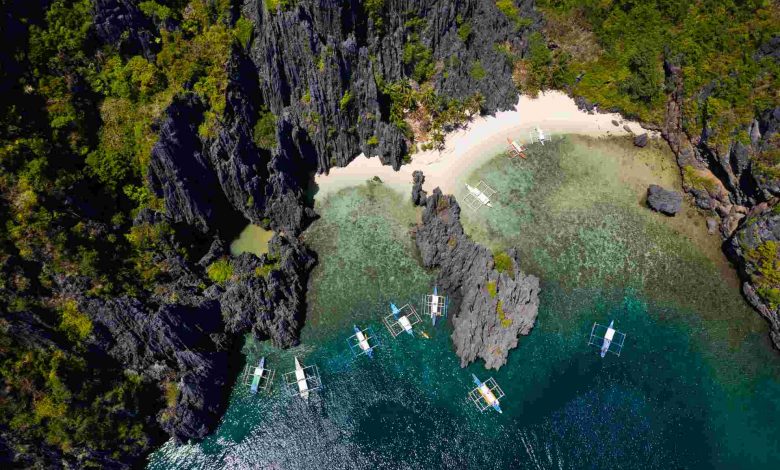
The first time I did Philippines island hopping, I thought I'd seen enough turquoise water in Thailand to be immune. I was wrong. We'd been out on the boat for maybe twenty minutes off El Nido when the limestone cliffs closed in around us, the water shifted from teal to almost electric blue, and I genuinely had to stop talking mid-sentence. There's a reason people reroute entire trips to come back here. El Nido, Coron, and the islands scattered across the Visayas aren't just beautiful — they're the kind of beautiful that makes your other travel photos look like stock images from a corporate deck.
This guide covers Philippines island hopping the way it actually works in 2026: real prices (in both PHP and USD), the tour operators worth booking, specific resorts that justify the splurge, and a few things most people get wrong their first time. Whether you're doing five days or three weeks, Palawan or the Visayas or both, the information here should save you some money, some bad choices, and at least one soggy phone. I've organised it by region so you can plan the pieces you actually need.
El Nido, Palawan: Tours A Through D and What They're Worth
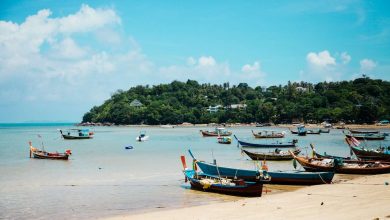
El Nido runs four designated island hopping routes — Tours A, B, C, and D — and every operator in town sells them. Shared group tours run ₱1,200–₱1,800 per person (roughly $21–32 USD), plus ₱300 in mandatory fees: ₱200 for the El Nido Tourism Protection Fee and ₱100 municipality fee. That gets you a full day, lunch included, and access to some of the best lagoons in Southeast Asia.
Tour A is the classic — Big Lagoon, Small Lagoon, Secret Lagoon, Shimizu Island. If you do nothing else, do Tour A. The Small Lagoon requires a kayak (₱200–₱300 rental) to get inside, and it's worth every peso. Tour C covers the outer islands and gets you to Helicopter Island and Matinloc Shrine — more open ocean, bigger swells, not ideal if you're prone to seasickness. Tour D is the least-hyped and often the most peaceful, with fewer boats at spots like Nacpan Beach and Duli Beach.
Private boats run ₱6,000–₱10,000 per boat — split that among six people and you're paying less than a shared tour with full flexibility. I'd go private on Tour C specifically, since you can time Matinloc Shrine when the other boats leave. For operators: Skylight Tours and El Nido Travel and Tours both have solid reputations and you can book the morning of if you're flexible on which tour runs when.
El Nido Resorts Miniloc: The Splurge That Actually Makes Sense
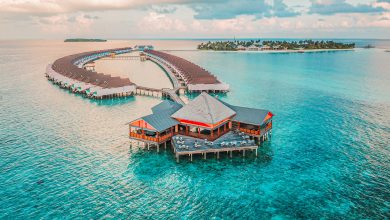
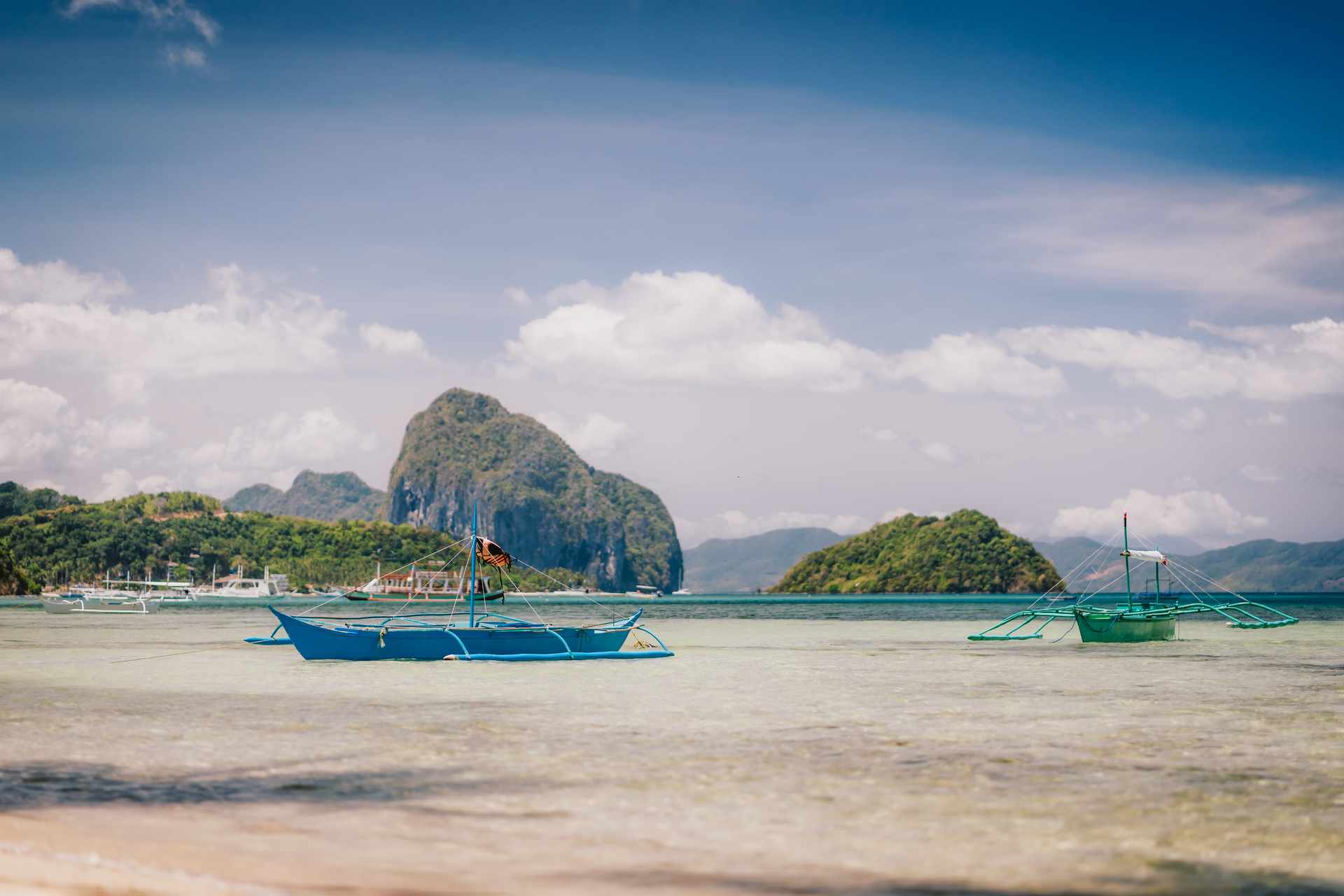
If you've got the budget, El Nido Resorts Miniloc Island is one of the few "luxury eco-resort" setups in the Philippines that earns the label. It sits on its own private island inside the Bacuit Archipelago — no motorbikes, no generators roaring at midnight, no 7-Eleven. Rates start around PHP 14,500 per night (roughly $250 USD) for a Garden Cottage and go up to around $476+ for overwater options, depending on season.
The catch: Miniloc has limited availability in 2026. The property went through an extended closure period, so confirm directly with El Nido Resorts before building your itinerary around it. If it's open, book early — rooms go fast in January through April. The appeal isn't just the location. You're inside the marine protected area, which means you're kayaking to lagoons before the tour boats arrive. That alone is worth the premium.
Coron: Lakes, Wrecks, and Two Seasons
Coron is different from El Nido in a way that's hard to explain without doing both. El Nido is all drama — vertical cliffs, electric lagoons, boats threading through rock gaps. Coron is quieter, stranger, almost prehistoric. The lakes are what get people. Kayangan Lake, consistently ranked among the clearest in the country, sits inside a Coron Island that's technically off-limits to overnight guests — it belongs to the Tagbanua indigenous community. You visit on a day tour, pay ₱300 entry, and hike a short trail for the viewpoint photo before swimming in water so clear it looks fake.
Barracuda Lake is the one that surprises people. It's a thermocline lake — the temperature shifts dramatically as you swim deeper, from warm to almost cold in a matter of meters. Unsettling in the best way. Twin Lagoon is the crowd favourite for photos: two lagoons connected by a small underwater passage you swim through at low tide. Shared tours covering Kayangan, Barracuda, Twin Lagoon, and CYC Beach run ₱1,200–₱1,500 per person ($21–26 USD), typically 8 AM to 5 PM. Coron Tours and Kookie's Tours are two of the better-known operators in town.
Two Seasons Coron Island Resort & Spa
Two Seasons Coron sits on the Malaroyroy Peninsula on Bulalacao Island — not on Coron Island itself, but close enough that their full-board packages include the island tours. It's an eco-resort with a turtle and giant clam sanctuary on site, and they run their own guided Coron Island tours (5-hour or extended 7-hour versions hitting Kayangan, Twin Lagoon, Barracuda Lake, and Sangat Wreck). The full-board with island tour package runs through December 2026, with blackout dates around the Christmas/New Year window.
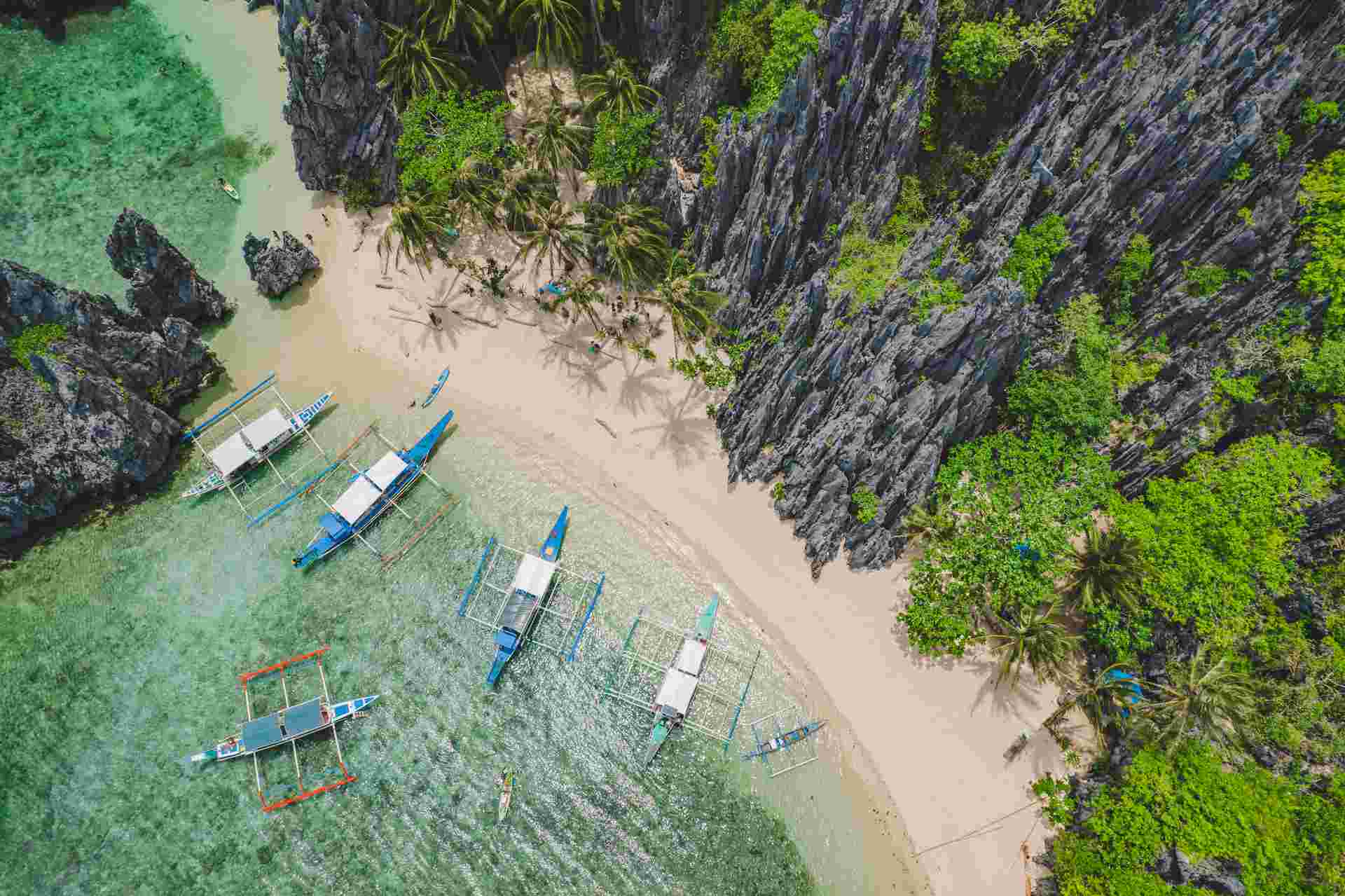
For this part of Palawan, Two Seasons is genuinely the nicest option — there's nothing comparable on Bulalacao Island. It's not cheap, but you're paying for access, privacy, and the fact that you're doing Coron's highlights with a resort-quality setup rather than a backpacker jonboat. Book via twoseasonsresorts.com directly; rates fluctuate and the bundled packages are usually better value than room-only.
Cebu Island Hopping: Moalboal, Malapascua, and the Sardine Run
The Visayas get overlooked in Philippines island hopping conversations dominated by Palawan, which is a mistake. Cebu has two experiences that are genuinely different from anything in El Nido or Coron. Moalboal, about 90 minutes south of Cebu City, sits next to one of the largest sardine schools in the world. Millions of them. They move as a single shifting mass just a few meters off the beach, and you don't need a boat — you swim out from the shore. Snorkel rental runs ₱200–₱300/day. A guided shore dive with a local operator is ₱600–₱900. It's one of the most accessible wildlife experiences in Southeast Asia and almost nobody outside the Philippines talks about it.
Malapascua, north of Cebu City by about 3.5 hours plus a short ferry, is a different story — small island, white sand, and thresher sharks that come up from the deep at Monad Shoal every morning. Island Trek Tours and South Shore Tours both cover Cebu's major island hopping routes, with prices starting at around ₱3,000 per group for day trips from Mactan, which breaks down to ₱750–₱1,500 per person depending on group size. The Hilutungan Marine Sanctuary day trip from Mactan — three islands, snorkelling stops — runs ₱800–₱1,500 per person.
Bluewater Sumilon Island Resort: The Visayas' Best-Kept Resort
Bluewater Sumilon sits on a 24-hectare coral island off the southeastern tip of Cebu, near Oslob. Private island, 31 rooms, free transfers from the mainland, 10–15-minute boat ride to get there. It's the only resort on Sumilon, which is also home to the Philippines' first marine sanctuary. The snorkelling directly off the beach is better than most of what you'll pay extra for elsewhere. Rates from around $315/night in shoulder season.
The Oslob angle is worth noting. Whale shark watching in Oslob is a 10-minute drive from the mainland transfer point, so you can combine it with a Sumilon stay. A word of caution: the Oslob whale shark experience is controversial among divers because the sharks are fed to keep them near shore. Make your own call, but know going in that it's managed, not wild.
Getting There in 2026: What Changed
Starting March 29, 2026, flights to El Nido and Coron operate from Clark International Airport (CRK) in Pampanga instead of NAIA Manila. That's a meaningful change if you're connecting through Manila — you'll need to either overnight near Clark or plan your connections carefully. AirSWIFT runs direct from Clark to El Nido (Lio Airport) and Busuanga (for Coron), and booking early is essential because these are small planes and they sell out weeks in advance.
From Cebu City, the standard routing to El Nido or Coron adds a leg. Most travellers do Cebu first, then fly or ferry to Palawan. A ferry from Coron to El Nido takes about 4 hours on fast craft and costs ₱1,200–₱2,500 depending on operator — Montenegro Lines and 2GO Travel both run this route. Building Palawan + Cebu into one trip is completely doable in 10–12 days.
Do's and Don'ts for Philippines Island Hopping
| Do's | Don'ts |
|---|---|
| Book AirSWIFT flights to El Nido or Busuanga early — seats sell out weeks ahead | Don't assume your NAIA connection works for Palawan flights in 2026 — they now leave from Clark |
| Pay the ₱300 El Nido environmental + municipality fee without complaint — it funds the protected areas | Don't skip the fee thinking you can negotiate; boats get fined for non-compliant passengers |
| Bring reef-safe sunscreen (zinc oxide or titanium dioxide-based, SPF 50+) | Don't use oxybenzone or octinoxate sunscreen near coral reefs — it's damaging and increasingly flagged by local guides |
| Rent a kayak at Small Lagoon (₱200–₱300) to get inside — it's worth it | Don't try to swim through the lagoon entrance; the tides and current make it genuinely difficult |
| Go private on El Nido Tour C if you can split the boat cost six ways | Don't book shared tours for Tour C if you get motion sick — the outer islands have open ocean swells |
| Pack a 10–20L dry bag for every boat day | Don't leave your phone in a pocket during boarding — a lot of drops happen getting on/off the outrigger |
| Book Two Seasons Coron directly via twoseasonsresorts.com for bundled tour packages | Don't assume walk-in availability at Two Seasons in peak season (January–April) |
| Arrive in Moalboal by 7:30 AM for the sardine run before tour groups descend | Don't go at midday — visibility drops and the sardine schools get scattered by snorkel traffic |
| Bring your own snorkel mask if fit matters to you — tour rentals are inconsistent | Don't rely on tour operator fins for long snorkel sessions; they're usually too large and blister quickly |
| Stay at Bluewater Sumilon at least 2 nights — one day isn't enough for the marine sanctuary | Don't visit Oslob whale sharks without researching the ethical concerns first and making an informed decision |
| Keep ₱500–₱1,000 cash for unexpected entrance fees, kayak rentals, and tips | Don't assume ATMs are accessible near island hopping departure points — Coron town has limited cash options |
FAQs
How much does Philippines island hopping actually cost per day?
In El Nido, a shared group tour runs ₱1,200–₱1,800 ($21–32 USD) per person, plus ₱300 in mandatory environmental and municipality fees. That price typically includes lunch and snorkelling gear. In Coron, shared tours to Kayangan Lake, Barracuda Lake, and Twin Lagoon run ₱1,200–₱1,500 ($21–26 USD). Private boats in El Nido cost ₱6,000–₱10,000 total per boat — if you have a group of six, it's comparable to a shared tour per person and you get the whole boat. Budget roughly ₱1,500–₱2,500 per day for tours, not counting accommodation.
What's the best time of year to do Philippines island hopping?
The dry season runs December through May for Palawan (El Nido and Coron), and that's when you want to go for island hopping. January through April gives you the calmest seas and clearest visibility. November and May are shoulder months — cheaper and less crowded, with occasional rain that usually clears by mid-morning. Avoid June through October for Palawan; typhoon season brings rough seas that cancel most tours. The Visayas (Cebu, Bohol) is slightly more sheltered and can work into November.
Is El Nido Resorts Miniloc Island worth the price?
If you can afford it, yes — with one caveat. Miniloc had limited availability in 2026 following a closure period, so verify dates directly with El Nido Resorts before planning around it. When it's open, rates from PHP 14,500/night (~$250 USD) buy you a private island inside the marine protected area, kayak access to lagoons before tour boats arrive, and a level of quiet that doesn't exist in El Nido town. For couples or anyone who wants Palawan without the backpacker chaos, Miniloc delivers.
What's the difference between El Nido and Coron?
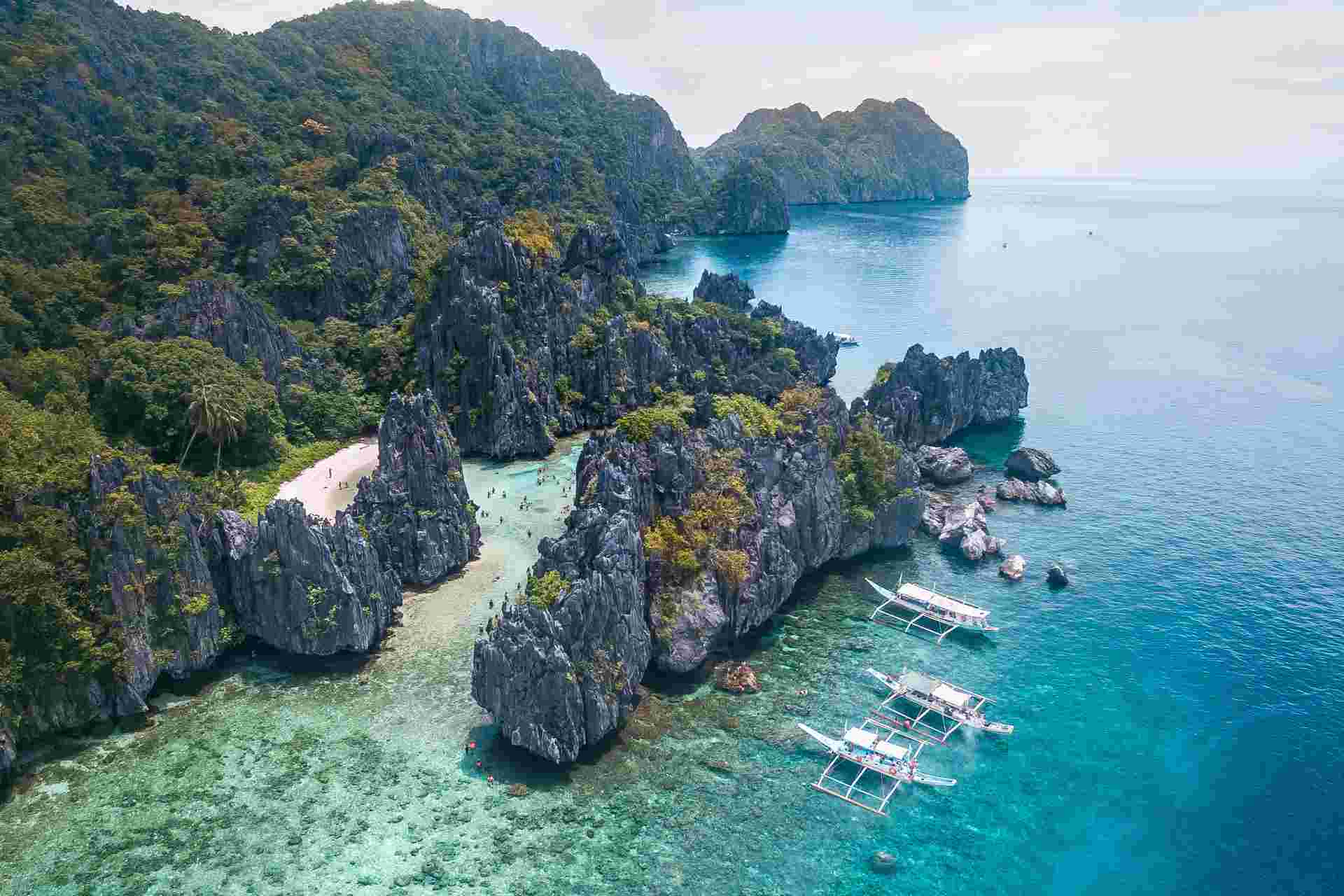
El Nido is about limestone karst cliffs, sea kayaking through lagoons, and open-water island tours. It's visually dramatic and the snorkelling is good but not exceptional. Coron's main draw is its lakes — Kayangan and Barracuda Lake are unlike anything in El Nido — and its world-class wreck diving in Coron Bay, home to Japanese WWII shipwrecks now covered in coral. El Nido is the better choice for first-timers and couples; Coron attracts more divers and people who want something slightly quieter.
Can I do both El Nido and Coron in one trip?
Yes, and it's a popular combination. A fast craft ferry between the two takes about 4 hours and costs ₱1,200–₱2,500 depending on the operator (Montenegro Lines and 2GO Travel both run this route). Most people spend 3–4 days in El Nido and 2–3 days in Coron, or vice versa. Flights into either destination now operate from Clark International Airport (CRK), so plan your Manila connections accordingly.
What gear should I actually bring for island hopping in the Philippines?
The non-negotiables: reef-safe sunscreen (SPF 50+, zinc oxide or titanium dioxide formula), a dry bag of at least 10L, a rash guard, and a backup swimsuit since nothing dries overnight in Philippine humidity. Bring your own snorkel mask if you care about fit and visibility — the rentals on tours are variable. Water shoes save your feet at rocky beach entries. A 10,000–20,000 mAh power bank is essential because tours run 6–8 hours with no charging on the boat.
How do I get to El Nido from Manila in 2026?
As of March 29, 2026, flights to El Nido (Lio Airport) and Coron (Busuanga Airport) operate from Clark International Airport (CRK) in Pampanga, not NAIA. AirSWIFT is the main carrier. From CRK, it's roughly 1 hour 15 minutes to El Nido. Book as far in advance as possible — these are small aircraft (usually ATR 72s) and they sell out during peak months. If you're coming through NAIA, budget time to transfer to Clark by bus or shuttle (about 2–3 hours).
Is Bluewater Sumilon Island Resort worth it for a Visayas base?
For the Visayas leg of a Philippines island hopping trip, Sumilon is genuinely one of the better options. It's a private island with its own marine sanctuary, the snorkelling is immediately accessible without a boat, and it's the only resort on the island — so it's never crowded the way beach resorts in Mactan or Moalboal can get. Rates from around $315/night make it a mid-luxury spend, and the bundled activities (snorkelling, diving, island tour) tend to offset the room cost if you're doing multiple water activities. Two nights minimum to make the transfer worthwhile.