Best Tropical Beach Destinations in the World for 2026
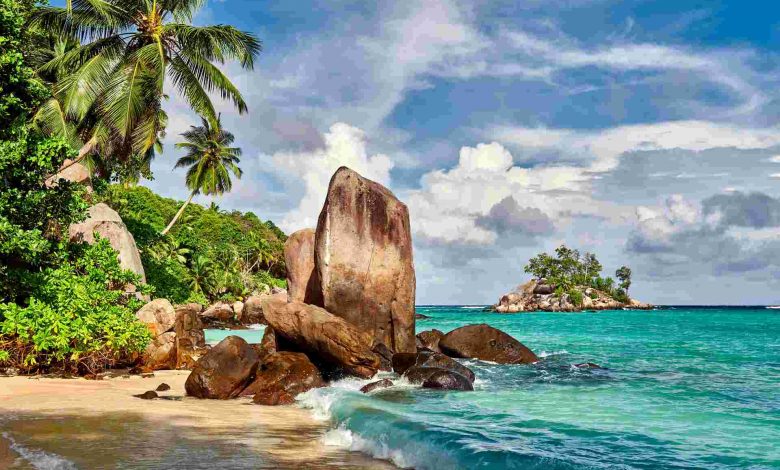
Picture this: you've just stepped off a small wooden boat onto sand so white it almost hurts to look at. The water ahead is four shades of blue at once. No meetings. No notifications. Just the sound of a wave finishing its commute. I had that exact moment on a beach in El Nido three years ago and I've been chasing it ever since. That's what the best tropical beach destinations do to you — they reset something in your brain that modern life keeps breaking.
This guide covers six destinations that actually deliver in 2026. Not the generic "Bali is amazing!" roundups — this one gets specific: which beach, which resort, which price point, and what nobody tells you until you're already there. I've cross-referenced traveler reviews, current resort pricing, and the 2026 Tripadvisor Travelers' Choice Awards to put it together.
The Maldives — Best Tropical Beach Destinations for Overwater Living
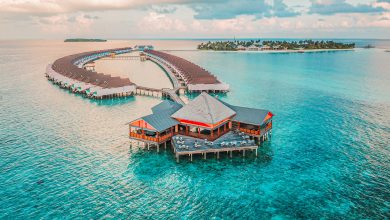
About 1,200 islands scattered across the Indian Ocean, most of them barely above sea level. The lagoons are genuinely that turquoise — it's not a filter. You step off the seaplane and feel a little embarrassed for how many times you've said "wow" in ten minutes.
Every island is its own resort. Soneva Fushi on Baa Atoll starts around $2,000/night for a villa with a private pool and outdoor shower open to jungle. More reachable: Cinnamon Velifushi on Vaavu Atoll runs $600–$900/night and holds its own on reef quality. Budget end of luxury: Meeru Maldives Resort Island from around $280/night — modest by Maldivian standards but still surrounded by fish you could practically shake hands with. Go November through April for calm water. May gets windy and choppy.
Turks and Caicos — Grace Bay Is the Benchmark
Grace Bay Beach won the World Travel Awards' World's Leading Beach Destination title again for 2026. Deserved. The sand is powdery in a way that feels almost manufactured, the water is shallow and clear for about 200 meters out, and there's no cargo shipping nearby — so it stays immaculate.
Seven Stars Resort & Spa sits right on Grace Bay — rooms from around $700/night in peak season (December–April), butler service included. Grace Bay Club, the original luxury all-suite resort on the strip, is running a Beach Escapes package through December 2026, bringing suites down to roughly $500/night with the discount. Wymara Resort and Villas at the quieter western end starts around $800/night with larger suites. One thing people skip: kayak from the beach 15 minutes out to the reef edge at dusk. The parrotfish are enormous and completely unbothered by humans.
Bora Bora, French Polynesia — Still the One You Dream About
The photo is accurate. That's the wild part. Bora Bora actually looks like that in person — overwater bungalow, Mount Otemanu looming behind the lagoon, water the color of a swimming pool manufacturer's best-case scenario. Seeing something exactly match its own reputation is its own kind of experience.
Four Seasons Resort Bora Bora on a private motu runs from $1,681/night for an overwater bungalow. Splurge-worthy for a honeymoon. More manageable: Conrad Bora Bora Nui from $719/night, with lagoon villas that have glass floors so you can watch fish while brushing your teeth. The Westin Bora Bora Resort & Spa from around $754/night has a solid spa program if you'd rather relax than snorkel six times a day. The catch: getting here requires two flights minimum plus a boat transfer — budget two full travel days each way.
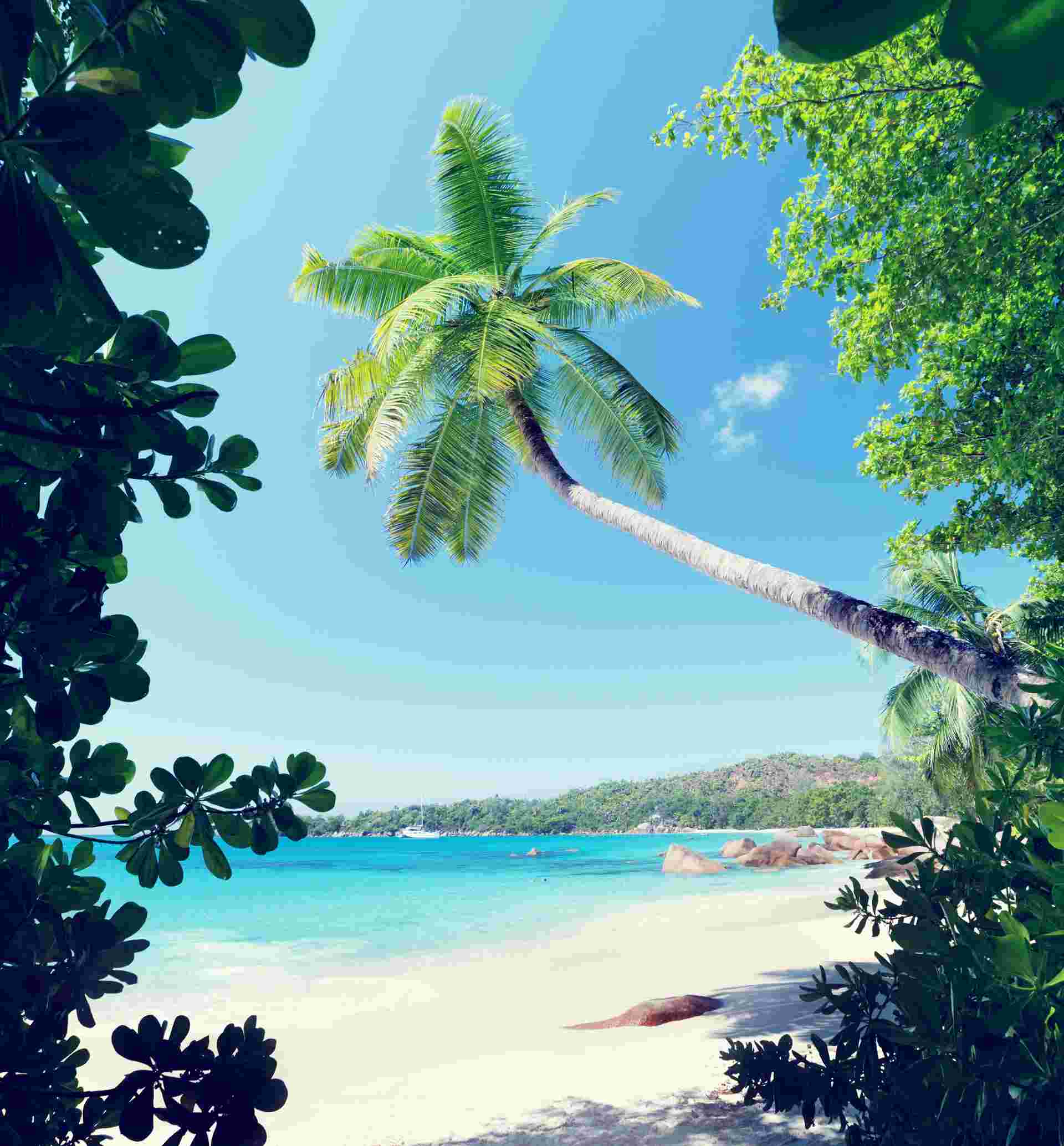
Palawan, Philippines — El Nido Is Still Earning Its Reputation
Five years on every "best of" list and still not ruined. Partly because getting there requires effort — a 50-minute flight from Manila on Air Juan or Cebu Pacific to El Nido Airport. That friction filters the crowd.
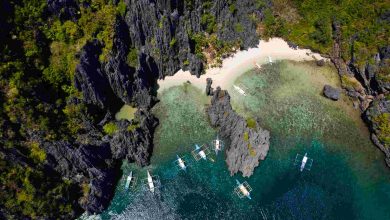
The lagoons here are the draw. Tour A from any local operator covers Small Lagoon, Cathedral Cave, and Shimizu Island for about 1,200 PHP ($21). For accommodation: Miniloc Island Resort (El Nido Resorts) charges around $350/night including meals, boat tours, and kayaks. Seda Lio Resort runs $267/night with a pool that stares directly at the karst islands. Budget travelers do fine at The Funny Lion El Nido from around $60/night in town. The best beaches — Nacpan and Las Cabanas — are 30–45 minutes by motorbike from the main strip. Rent one for 400 PHP/day and go before 8 AM.
Seychelles — La Digue and Anse Source d'Argent
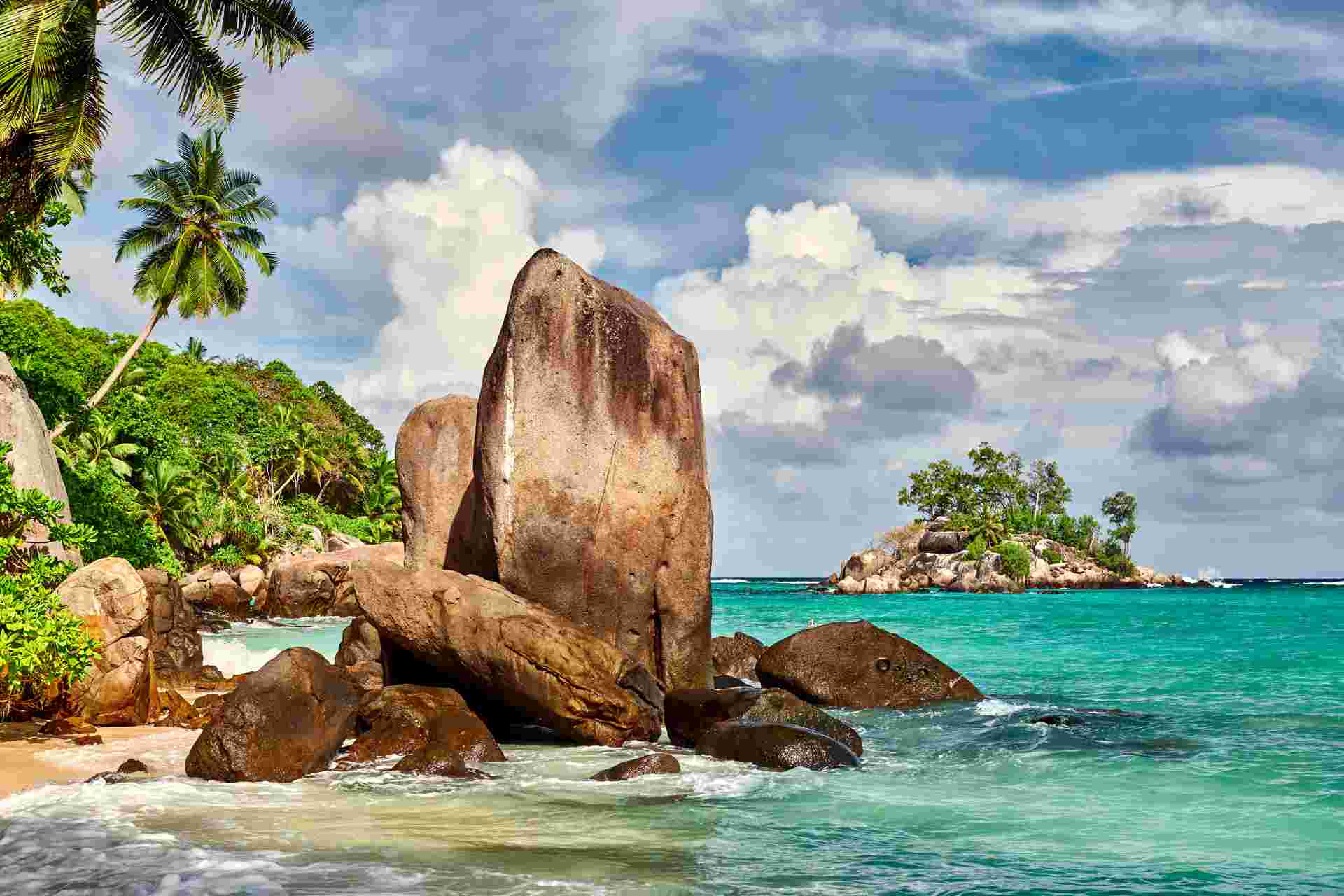
Anse Source d'Argent on La Digue island. Justified hype. The enormous pink granite boulders framing the shore are unlike anything else — they look placed by an artist with too much time and very good taste. Calm, shallow, warm. You pay 100 SCR ($8) to L'Union Estate to walk through to it.
La Digue is tiny — most people get around by bicycle. Le Nautique Waterfront Hotel on the harbor starts around $375/night including breakfast, which is genuinely good value for Seychelles where 4-star properties average $800+. For proper luxury: Six Senses Zil Pasyon on Félicité Island (short boat ride from La Digue) runs $1,500–$3,000/night. I spoke to a couple who honeymooned there and spent four days entirely on their private villa deck — they didn't feel the need to go anywhere else. That level of "complete" is rare.
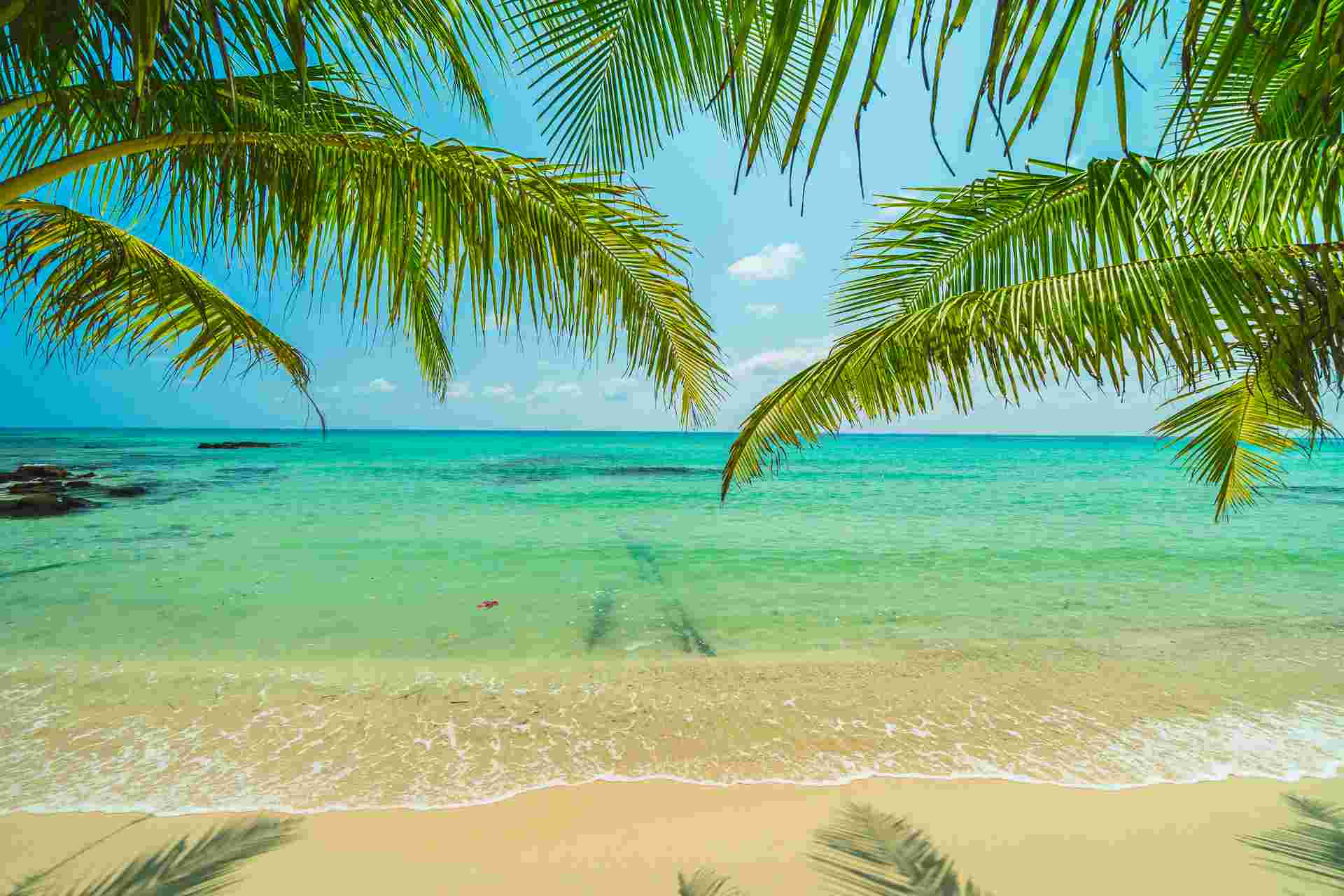
Phuket, Thailand — The Island That Has Everything, Including Crowds
Phuket gets unfairly dismissed by people who hit Patong Beach in August. Patong is loud, chaotic, genuinely fun — for the right person. But Phuket is a large island. The northwest coast around Layan Beach is a completely different place.
Trisara Resort on Layan Bay is one of the best resort experiences in Southeast Asia. Full stop. Rooms from $600/night, pool villas from $1,000, private bay below the property that's calm enough to swim year-round. Anantara Layan Phuket Resort next door starts around $400/night. The Surin Phuket on Pansea Beach — one of the island's most sheltered coves — runs $300–$500/night depending on season. November through April is dry season. Shoulder months (May, November) still have mostly cooperative weather and considerably lower rates. July and August: pass.
Tulum, Mexico — One of the Best Tropical Beach Destinations for Style Travelers
Mayan ruins on a cliff above the Caribbean, a beach that curves south for miles, and eco-chic hotels backed by jungle. Tulum is the preferred warm beach destination for a specific type of traveler who wears linen and knows what adaptogens are. That might be you. No judgment.
Azulik runs $400–$800/night — open-air treehouse villas with no electricity (intentional) and a cenote on-property. Striking architecture. Habitas Tulum skews more social, with nightly events and a solid restaurant, from $270–$500/night. Be Tulum at the southern end of the beach zone has villas from around $350/night and feels genuinely removed from the busier cluster north. Tulum Town (pueblo) guesthouses run $50–$150/night — ten minutes by Uber to the sand, which makes it a sensible base if you're watching spend.
Do's and Don'ts for Tropical Beach Destinations
| Do's | Don'ts |
|---|---|
| Book overwater villas 6–9 months ahead for peak season (Dec–Mar) | Don't book the cheapest overwater bungalow — most under $200/night have serious quality issues |
| Pack reef-safe sunscreen — many beaches now ban oxybenzone-based formulas | Don't show up to the Maldives or Seychelles without travel insurance — medevac costs alone are catastrophic |
| Rent a scooter in Palawan and Phuket — it's the fastest way to reach the best beaches | Don't visit Bora Bora expecting nightlife — it's one of the quietest islands in the Pacific, by design |
| Book the earliest boat tours possible — lagoons and caves in El Nido get crowded after 9 AM | Don't ignore tide schedules — several beaches in La Digue and Palawan are only accessible at low tide |
| Carry cash in local currency for small vendors, market stalls, and beach bars | Don't book a beach resort that doesn't specify which beach it's on — "near the beach" can mean 20 minutes away |
| Learn a few words of the local language — even "thank you" goes surprisingly far | Don't assume all-inclusive means good food — verify restaurant quality through recent reviews before booking |
| Use a waterproof bag or dry pouch for boat tours — cameras get wet, always | Don't book red-eye connections into remote islands — missing a seaplane connection in the Maldives can strand you for 24 hours |
| Visit in shoulder season (May or November for most destinations) for lower prices | Don't skip travel to smaller, less-visited beaches near major resorts — they're almost always better |
| Pack a light reef shoe or water sock — coral can be sharp and jagged | Don't wait until the last minute for Turks and Caicos — Grace Bay properties sell out months in advance |
| Get up early — the first two hours after sunrise are when tropical beaches are genuinely magical | Don't rely on airport exchange desks — get local currency from an ATM inside the terminal or in town |
FAQs
What is the best tropical beach destination in the world for 2026?
Tripadvisor's 2026 Travelers' Choice Awards named Isla Pasion in Cozumel as the world's top beach — a private stretch of white sand with day passes from around $45. For overall destination quality, Turks and Caicos' Grace Bay and the Maldives remain the benchmark. Grace Bay for pure beach quality, the Maldives for water sports and seclusion, Bora Bora for romance. Pick your priority.
When is the best time to visit tropical beach destinations?
November through April is dry season for most of these destinations — peak pricing applies. For the Maldives, Seychelles, Phuket, and Palawan alike, May and November offer the best balance: shoulder pricing, smaller crowds, and weather that's still mostly cooperative. Tulum and Turks and Caicos run hot but sunny December through April.
How much does a week in the Maldives cost per person?
At mid-range resorts like Cinnamon Velifushi, expect roughly $5,000–$7,000 per person including flights from Europe or the US, meals, and activities. Luxury like Soneva Fushi pushes to $15,000+. Guesthouses on inhabited islands (Maafushi, Thulusdhoo) drop accommodation to $80–$150/night — but you'll need ferry transfers to reach decent reefs.
Is Palawan worth the long journey from Europe or the US?
Completely. Most travelers from Europe or the US route through Manila, then catch a 50-minute flight to El Nido Airport — total travel time around 18–22 hours. El Nido consistently ranks among the most visually spectacular places on the planet. Plan at least 5 nights to justify the journey. Worth it.
What's the difference between Tulum and Cancun for a beach holiday?
Cancun is all-inclusive resort country — big properties, developed beachfront, serious nightlife, packages from $150/night. Tulum is quieter and more boutique, backed by jungle, beach zone from $265–$800+/night. Cancun is 1.5 hours north by bus. Some travelers base there and day-trip south to Tulum, which works fine.
What should I pack for a tropical beach holiday?
Reef-safe sunscreen (zinc oxide — oxybenzone is banned at many destinations), lightweight quick-dry clothing, a waterproof bag for boat trips, a reef shoe for rocky shorelines, and a portable charger. Skip the big camera on boat days — a waterproof phone case handles 95% of what you need.
Are tropical beach destinations safe for solo travelers?
Generally yes, including for solo women. The Maldives, Bora Bora, and Seychelles are low-crime environments. Palawan requires more situational awareness in town at night. Tulum's beach zone is fine after dark — don't venture far into the outskirts. Standard travel rules apply: don't flash gear, share your itinerary, check your government's travel advisory.
Which destination has the best snorkeling and diving?
For snorkeling, the Maldives and Turks and Caicos — both have healthy reefs within swimming distance of shore. For diving: Palawan's Tubbataha Reef (liveaboard from Puerto Princesa, March–June) is one of the top five dive sites on the planet. Tulum's cenotes offer freshwater cave diving with 100m+ visibility. Completely different, both exceptional.