Tokyo Food Guide: Where to Eat Like a Local
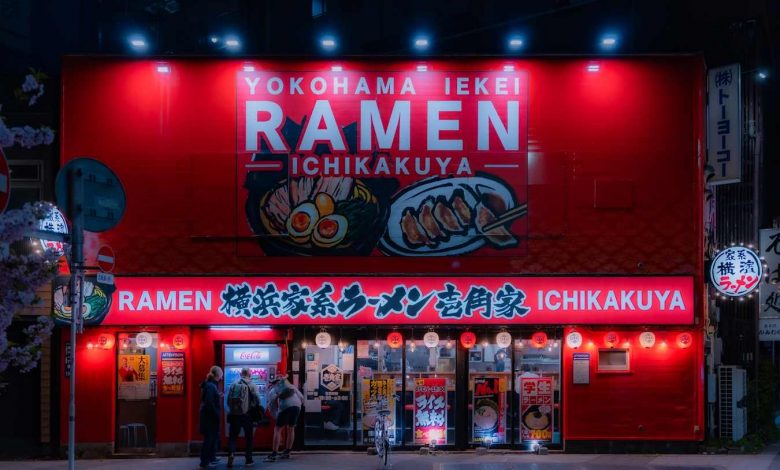
The first time I landed in Tokyo, I had a list of "must-eat" restaurants copied from a travel magazine. By day two, I'd thrown it out. A salaryman in a convenience store queue pointed me toward a ramen shop around the corner from Shinjuku Station — no English sign, a ticket machine I couldn't read, and the best bowl of tsukemen I've ever had. That's Tokyo food in a sentence: no fanfare, no Instagram staging, just extraordinary craft tucked into a space barely big enough to sneeze in. This Tokyo food guide exists because the best meals here almost never appear on a tourist map.
Tokyo has more Michelin-starred restaurants than any other city on Earth — over 200 of them — but the food you'll dream about afterward probably cost you ¥1,200. The city operates on an unspoken belief that even the cheapest bowl deserves serious technique. A guy who's been making soba for 30 years in a basement near Kanda isn't doing it for reviews. He's doing it because it's his art. That's the mindset you'll encounter everywhere, from street yakitori skewers to 12-course kaiseki. Here's where to start — and what to skip.
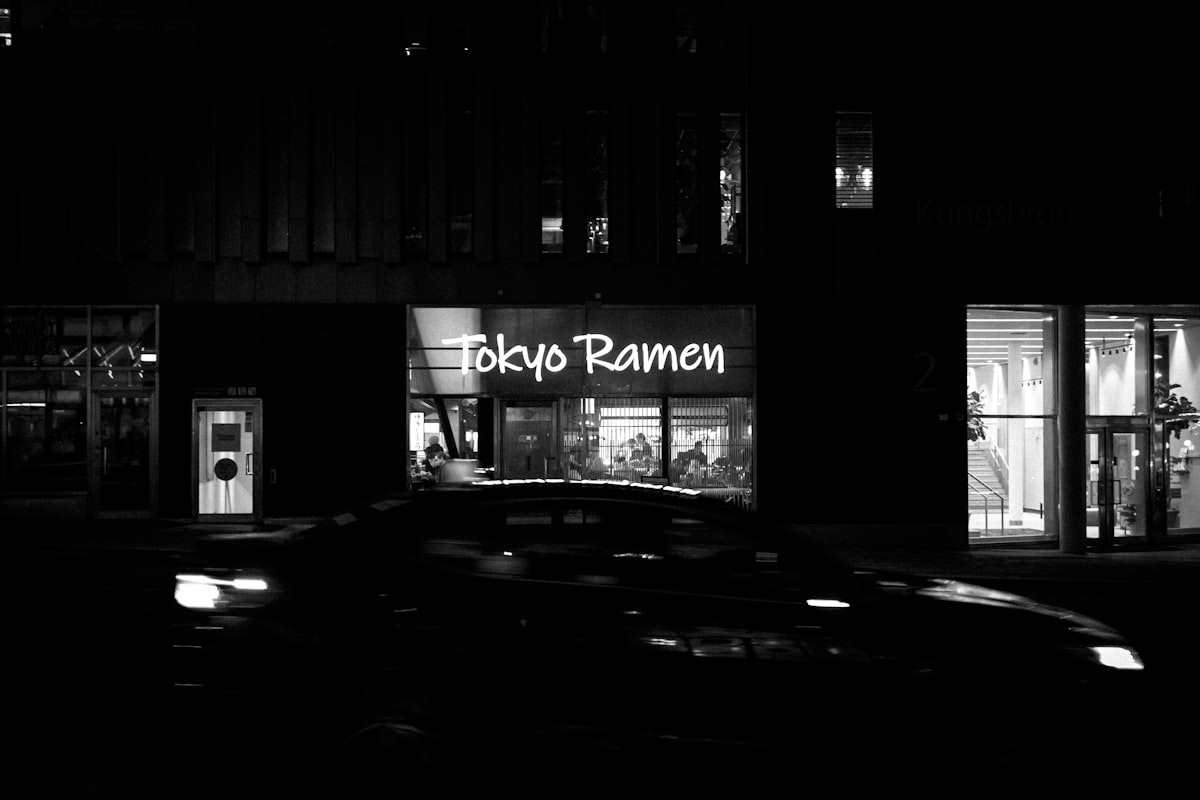
Tokyo Ramen Guide: Four Bowls Worth Queuing For
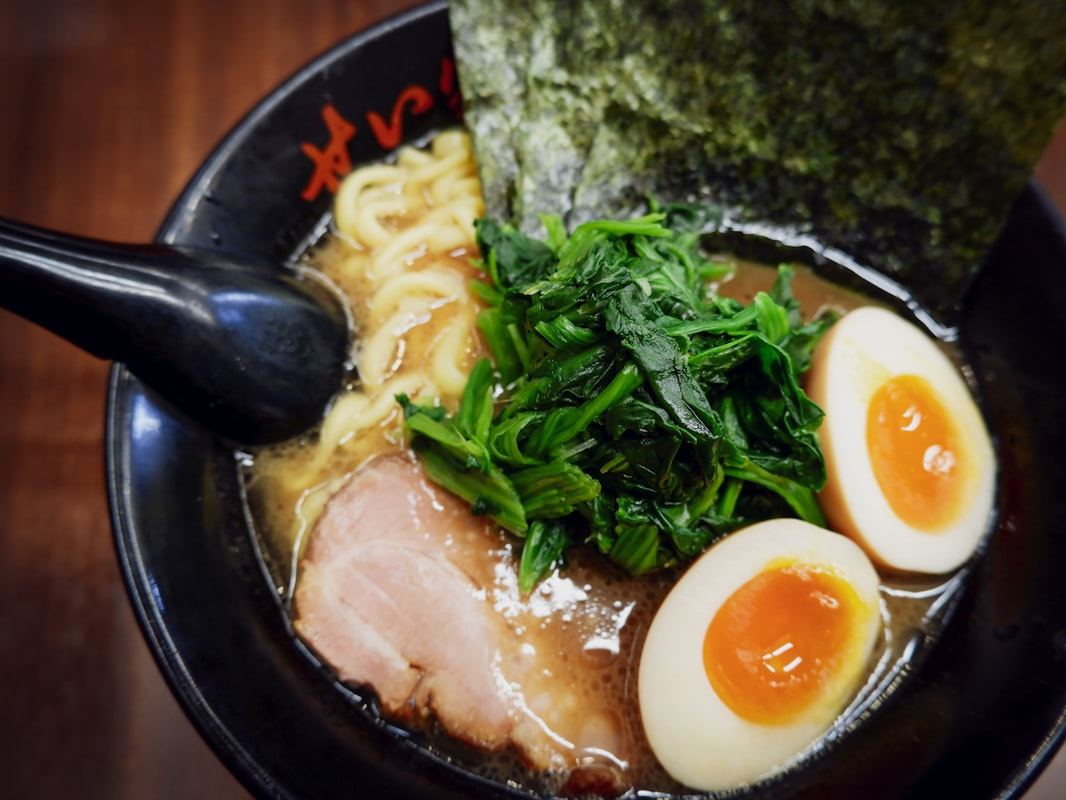
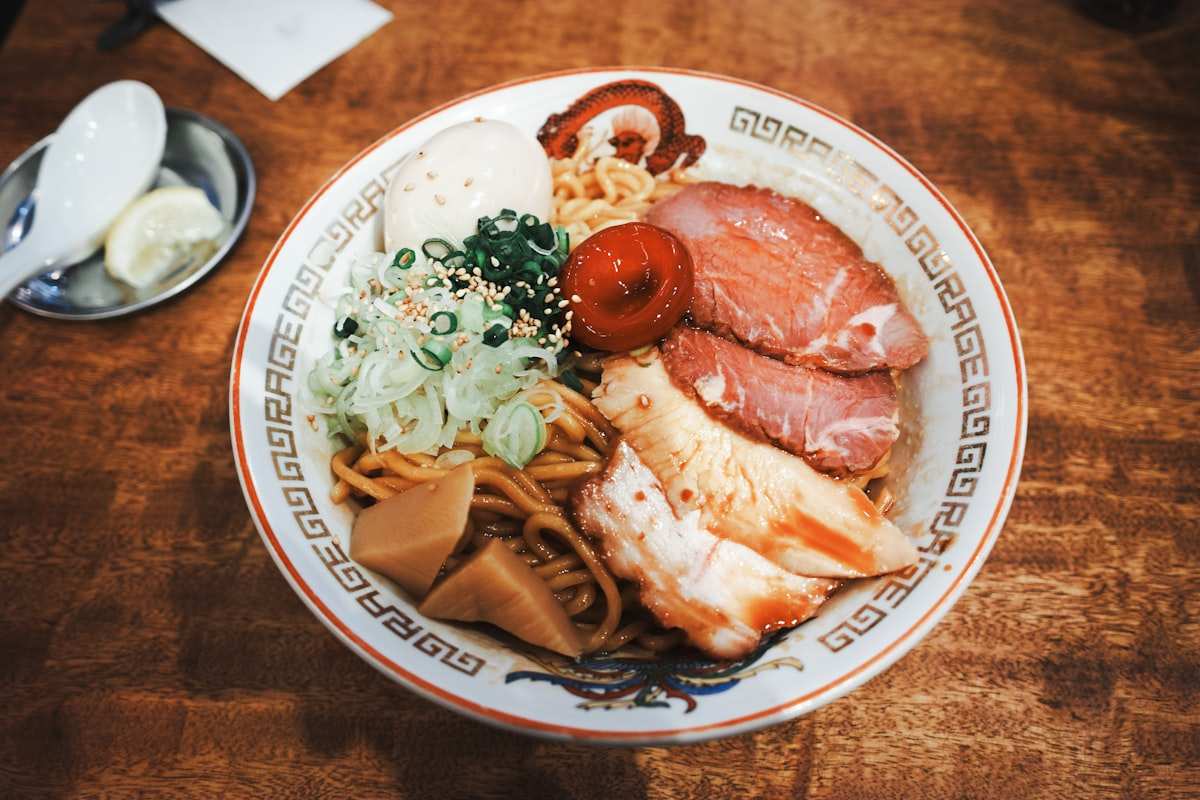
Fuunji in Yoyogi is the benchmark. Five minutes' walk from Shinjuku Station's south exit, this narrow shop serves tsukemen — thick, cold noodles you dip into a hot, deeply concentrated chicken-and-fish broth. The standard dipping noodle runs ¥950; the special, with soft-boiled egg and pork belly, is ¥1,100. Expect a line regardless of when you show up. It moves fast — turnover is roughly ten minutes per customer — but don't come hungry at 7 PM expecting a quick meal.
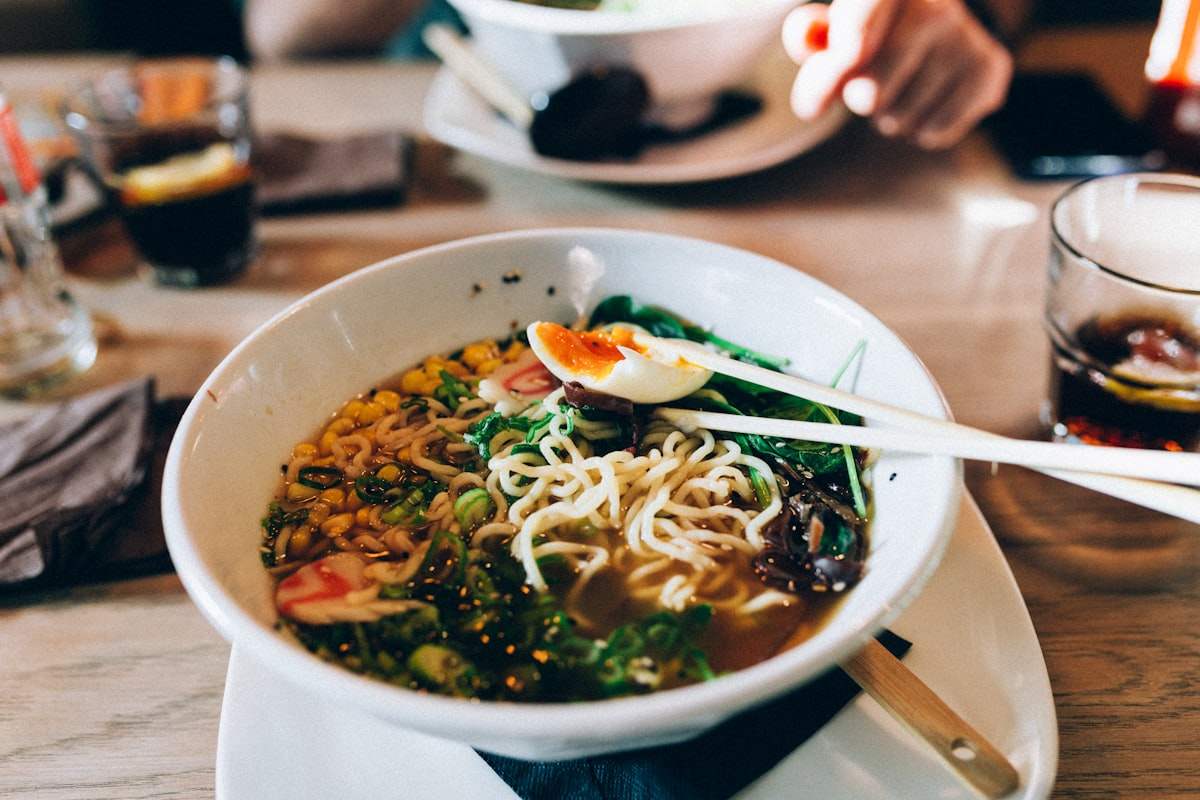
Afuri in Ebisu takes a different angle entirely. Their signature yuzu shio ramen (¥1,300 with toppings) is lighter, almost delicate — a clear broth built from chicken and seaweed, finished with a small squeeze of yuzu that cuts through the richness in a way that sounds gimmicky until you taste it. The Ebisu location is open until 5 AM, which makes it genuinely useful after a long night out. Cashless only, order at the machine by the door.
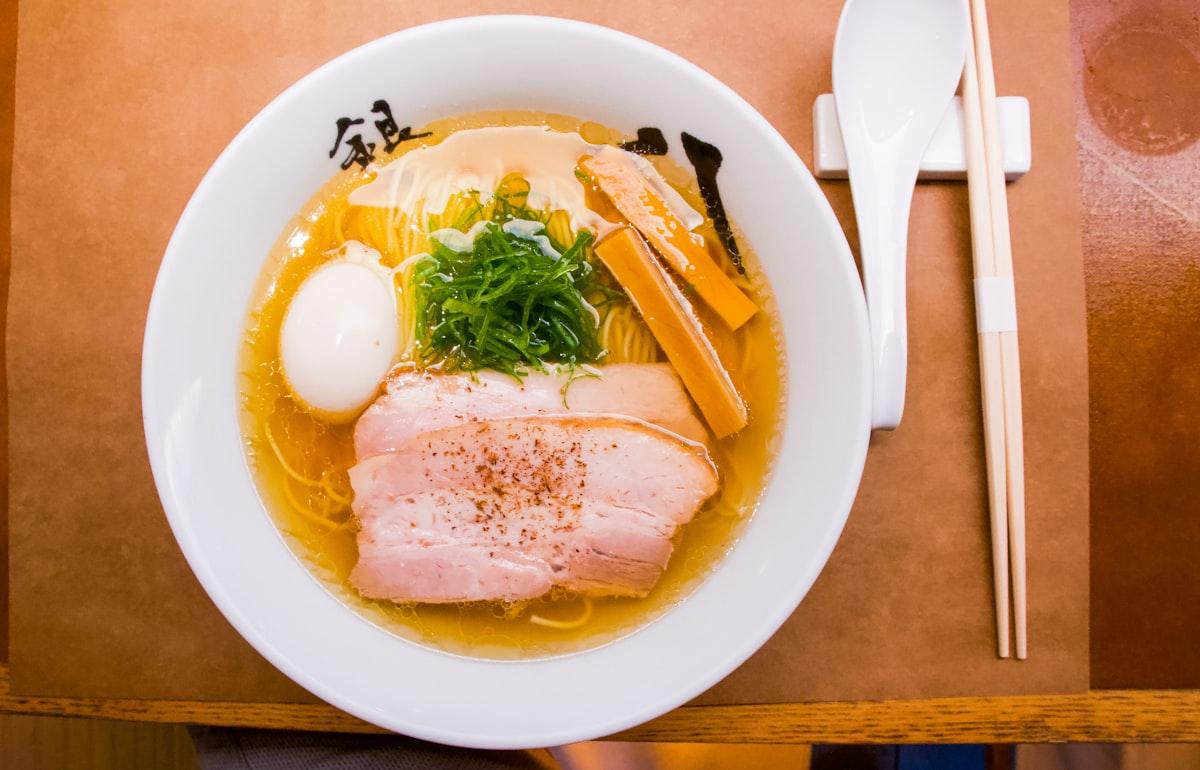
Then there's Tsuta in Yoyogi-Uehara — the first ramen shop ever to earn a Michelin star. Their shoyu soba (¥2,000 for the basic, ¥3,000 with a special dish) uses a barrel-aged Wakayama soy sauce and finishes the bowl with black truffle oil. Yes, really. It sounds like it shouldn't work. It absolutely does. No ticket machine here — you order from a proper table menu like a restaurant.
Skip the tourist-trap ramen chains near Asakusa unless you're desperate. They're fine. Just fine.
Sushi in Tokyo: From ¥2,000 to ¥40,000
At the top end, you've got omakase counters where ¥30,000–40,000 per person gets you a chef's 12–15 course progression using whatever came off the Toyosu auction floor that morning. These require reservations weeks out and often a Japanese-speaking contact to book.
For the rest of us: Tsukiji Outer Market. The inner wholesale market moved to Toyosu in 2018, but the outer market — 460+ stalls — stayed put, and it's still running by 5 AM. Sushi Dai now has a branch at Toyosu, where the famous ¥4,000 set menu (about 10 pieces plus a roll and miso soup) still draws 2–4 hour queues by 7 AM. Not exaggerating. Get there before 6 AM or accept the wait. It's worth it, but know what you're signing up for.
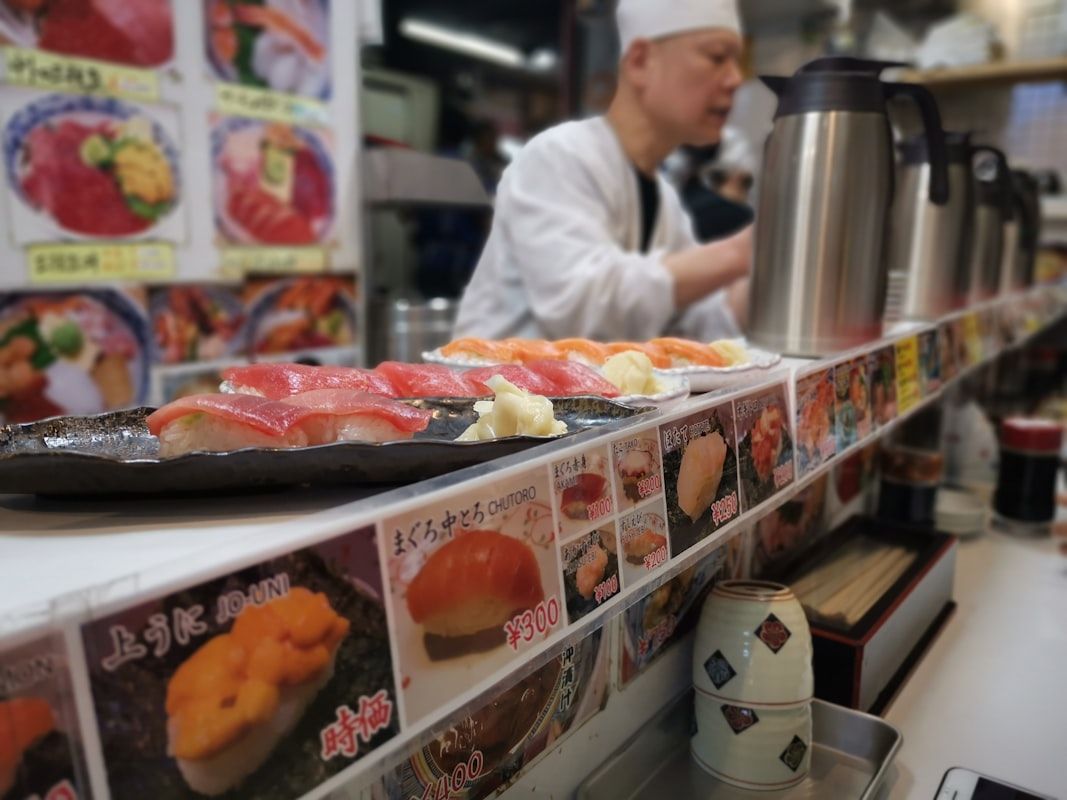
Back at the Tsukiji Outer Market, the lesser-known standing sushi counters between Namiyoke Shrine and the covered market serve fish that's identically fresh at ¥2,000–2,500 for 8–10 pieces, with zero queue. I once ate maguro zuke (marinated tuna) and uni on a paper plate at 8 AM standing next to a fishmonger on a smoke break. That was a better morning than most.
Izakaya Tokyo: The Real Drinking-and-Eating Experience
An izakaya isn't a bar and it isn't a restaurant — it's something in between, and once you've eaten at one you'll be annoyed that your home country doesn't have them. You order constantly, in small plates, with drinks arriving alongside. The bill creeps up pleasantly.
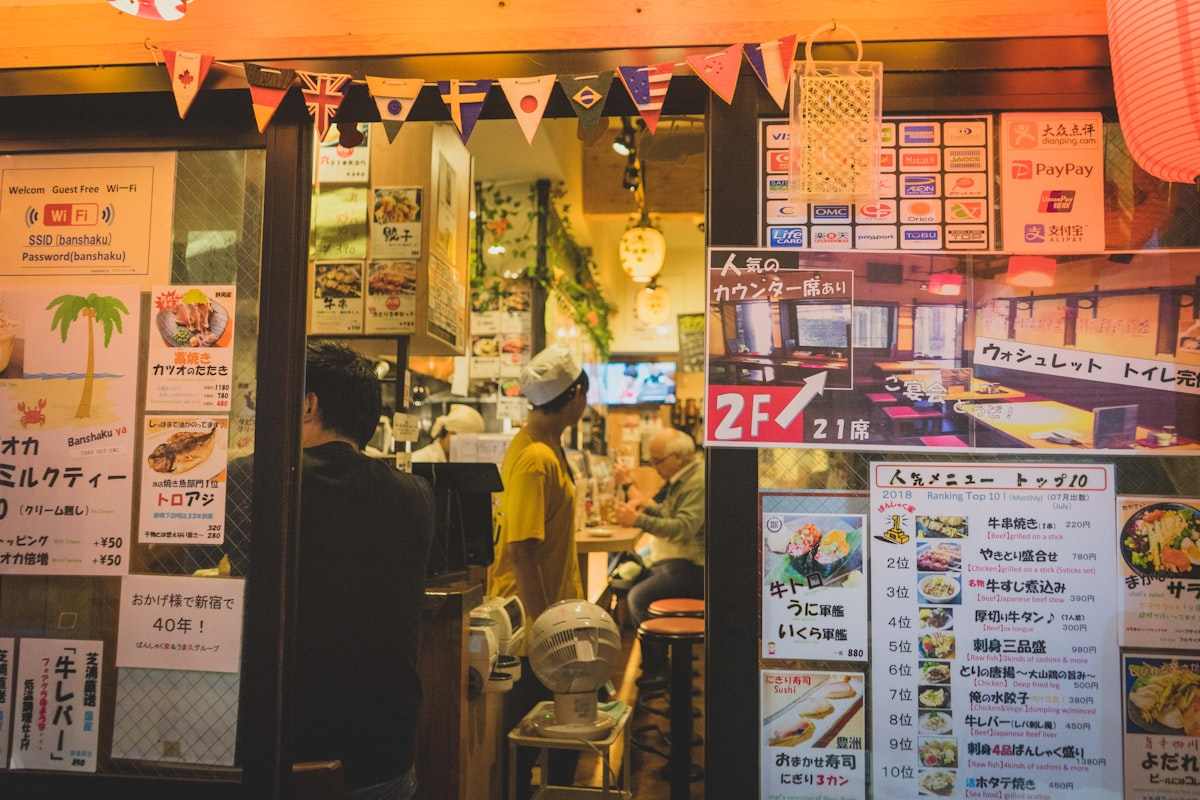
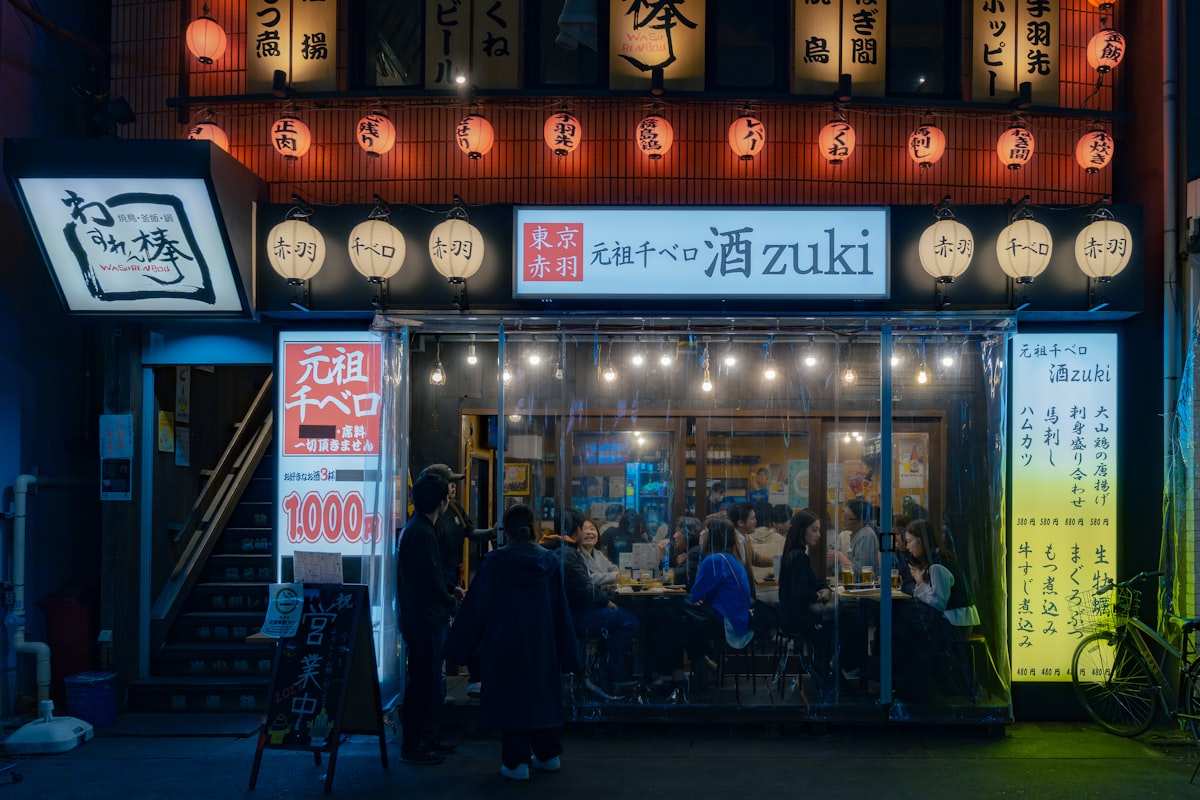
Omoide Yokocho (Memory Lane) in Shinjuku is the most famous example and yes, it's touristy, but it's touristy the way good things get touristy — because it's actually excellent. Two narrow alleys behind the west exit of Shinjuku Station, packed with about 80 tiny stalls serving grilled yakitori skewers at ¥100–200 each. The smoke hits you from the alleyway. Your jacket will smell like char for two days. Budget ¥2,000–3,000 for a full feed with a couple of beers.
Hoppy Street (Hoppy-dori) in Asakusa is the less-photographed version — a short strip of old-school izakayas near Sensoji Temple where the specialty is beef tendon stew and Hoppy, a low-alcohol beer substitute from the postwar era. Two or three dishes plus drinks will run about ¥2,000 per person. The crowd is almost entirely local. Nobody is taking aesthetic photos. Okamoto and Tanuki are the two stalls worth sitting at.
Tokyo Street Food: What to Eat Standing Up
Convenience stores are a legitimate food destination here. 7-Eleven Japan's onigiri (¥130–170), hot nikuman (steamed pork bun, ¥150), and cold pasta salads are genuinely good — not gas station good, actually good. The egg salad sandwiches are slightly addictive in a way that's mildly embarrassing to admit.
Asakusa's Nakamise shopping street runs hot with taiyaki (fish-shaped waffle stuffed with red bean, ¥200), ningyo-yaki (small sponge cakes, ¥100 each), and melon-pan from a few dedicated bakeries. Skip the tourist stalls near the Kaminarimon gate — they're all the same. Walk one block east and you'll find smaller shops with the same items at half the markup.
Shibuya and Harajuku have the crepe culture. Marion Crepes near Takeshita Street (¥500–700) has been making them since 1976 and the queue is a reliable marker — look for the line rather than the sign.
Tsukiji Fish Market: What's Still There in 2026
The Tsukiji outer market is alive and open. Most stalls run from around 5 AM to 2 PM, which means if you roll up at noon expecting the full scene, you'll find a lot of closed shutters. The produce, pickles, and cookware stalls tend to stay open later than the fish counters. The tuna auction is now at Toyosu — lottery entry, maximum 120 visitors per viewing, apply months in advance via the Toyosu Market website.
For breakfast at Tsukiji: fresh scallop on the half shell (¥300), tamago-yaki on a stick (¥200), and a paper cup of dashi broth from one of the stalls near the inner street. Total: under ¥1,000. That's the meal people come back talking about.
Foodie Hotels Worth Staying In
The Mandarin Oriental Tokyo (Nihonbashi) has 10 dining venues including Sushi Shin by Miyakawa, sourcing directly from Toyosu — a three-Michelin-starred experience. Rooms start around ¥80,000/night. It's a splurge, obviously, but if you're eating most dinners in the hotel anyway it's a different kind of math.
Park Hyatt Tokyo (Shinjuku, floors 39–52) reopened in late 2025 after a major renovation. New York Grill on the 52nd floor serves Kobe sirloin against a backdrop of the city below, and it's one of the few hotel restaurants in Tokyo worth the price mark-up — around ¥8,000–12,000 per person for dinner. Kozue on the 41st floor handles Japanese cuisine and is less expensive, better for lunch.
For a mid-range option closer to the action: Trunk Hotel in Shibuya has a ground-floor restaurant running a short seasonal menu where nothing exceeds ¥2,500 a dish. The neighbourhood is more useful than the luxury hotels for late-night eating anyway.
Do's and Don'ts for Eating in Tokyo
| Do's | Don'ts |
|---|---|
| Queue at Fuunji before noon — the line triples by dinner | Don't expect English menus at old-school ramen shops; point or use Google Lens |
| Carry ¥5,000–10,000 cash; many small restaurants are cash-only | Don't tip — it's considered rude, full stop |
| Eat at convenience stores at least once — 7-Eleven's egg salad sandwich is iconic | Don't show up at Tsukiji Outer Market after noon expecting full stalls |
| Try Tsuta's shoyu soba even at ¥2,000 — that truffle oil earns it | Don't book omakase sushi without confirming cancellation policy (penalties can be steep) |
| Hit Hoppy Street on a weekday afternoon for a quieter local crowd | Don't eat at the tourist sushi chains in Asakusa near Kaminarimon — they're overpriced and mediocre |
| Get the special dipping noodle at Fuunji (¥1,100) — the soft egg is worth the upgrade | Don't skip Depachika (department store basement food halls) — Isetan Shinjuku's B2 is a full meal |
| Stand at an outdoor counter in Tsukiji for the cheapest, freshest sushi you'll ever eat | Don't assume vegetarian options exist — confirm ahead at izakayas, most broth contains fish stock |
| Go to Omoide Yokocho on a weeknight to avoid the weekend Instagram crowd | Don't confuse Tsukiji inner market (gone) and Tsukiji outer market (still operating) |
| Try a standing ramen or soba bar (tachi-gui) for under ¥700 between trains | Don't over-plan; some of the best meals happen by following smoke and queues |
| Download Google Translate's camera feature before landing — it decodes menus instantly | Don't miss the Afuri Ebisu late-night slot if you're out past midnight — it's open until 5 AM |
FAQs
What is the best area in Tokyo for food?
There isn't one answer, but Shinjuku covers the most range. You've got Omoide Yokocho for yakitori izakayas, Fuunji a few blocks away for the city's best tsukemen, the Isetan Shinjuku depachika basement for premium prepared foods and pastries, and more mid-range restaurant density than anywhere else. If you're basing yourself in one neighbourhood and want to eat well without long transit, Shinjuku is it. Asakusa is better for street snacks and Hoppy Street; Ebisu and Daikanyama skew quieter and more upmarket.
How much does a meal cost in Tokyo on average?
Less than most people expect. A solid ramen lunch at Fuunji or Afuri runs ¥950–1,300. A full izakaya dinner with drinks at Omoide Yokocho costs ¥2,000–3,000 per person. A conveyor-belt sushi lunch in Shibuya is around ¥2,000. Budget ¥2,500–4,000 per meal if you're eating at sit-down restaurants and you'll almost always have money left over. The city gets expensive fast once you go upscale — omakase counters start at ¥15,000 and climb quickly — but you're never forced there.
Is Tsukiji Fish Market still open in 2026?
Yes. The outer market is fully operational — 460+ stalls running from roughly 5 AM to 2 PM. Only the inner wholesale market (tuna auctions, wholesale fish trading) relocated to Toyosu Market in 2018. Visitors who want to see the tuna auction need to apply in advance via the Toyosu Market lottery system — it's separate from Tsukiji. For breakfast sushi and market browsing, the Tsukiji outer market is still the place to go.
What's the difference between Sushi Dai at Tsukiji and Sushi Dai at Toyosu?
Both are the same restaurant — Sushi Dai moved its main operation to Toyosu when the inner market relocated, and also maintains a presence at Tsukiji outer market. The Toyosu branch draws the most attention, with queues forming before 6 AM for their ¥4,000 chef's set (around 10 pieces plus roll and miso). The quality is as good as you'll find at this price point anywhere in the world. The Tsukiji location is slightly less crowded, but "slightly" is doing a lot of work there — expect to wait at either one.
Is Tsuta ramen really worth the Michelin star?
It's different rather than simply "better." The shoyu soba at ¥2,000 is more refined than anything you'd find at a standard ramen shop — the barrel-aged soy sauce and truffle oil give it a depth that Fuunji's tsukemen doesn't aim for. If you're a ramen obsessive, do both. If you can only do one bowl, Fuunji is more Tokyo-quintessential. Tsuta is Tokyo showing off.
What are good izakayas in Tokyo for first-timers?
Hoppy Street in Asakusa is approachable — outdoor seating, visible food, and staff who are used to confused foreign visitors pointing at things. Omoide Yokocho in Shinjuku is more atmospheric but the stalls are tiny and you're seated very close to strangers (that's fine; embrace it). For a more sit-down izakaya experience where you can take your time, the Yurakucho area under the train tracks has a cluster of yakitori and izakaya spots that are excellent and less chaotic than Shinjuku.
Should I eat at the Park Hyatt Tokyo's New York Grill?
If the Kobe beef is within your budget, yes — it's one of those places that actually justifies the price. Dinner runs ¥8,000–12,000 per person, and the 52nd-floor view of Shinjuku at night is part of the experience. If you're watching spend, Kozue on the 41st floor (Japanese cuisine, same hotel) is better value and the food quality is comparable. A lunch at either is about 40% cheaper than dinner if you want to experience the hotel without the full evening spend.
Can you eat well in Tokyo as a vegetarian?
With planning, yes. Without planning, it's harder than you'd expect — many Japanese broths contain dashi (fish stock) even when the dish appears vegetarian. Ain Soph in Shinjuku is a fully plant-based restaurant that's well-regarded. T's TanTan inside Tokyo Station serves vegan ramen in a soy milk broth (¥980) and is consistently excellent. Shibuya's Harajuku area also has a growing cluster of vegan cafes. The convenience stores are surprisingly reliable — onigiri with pickled plum or seaweed fillings, and most packaged salads, are free of meat.