Amalfi Coast Honeymoon Guide: Most Romantic Trip in Italy
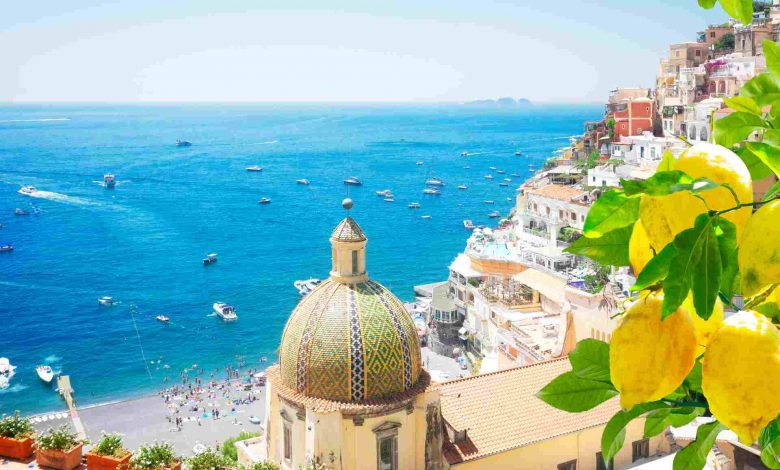
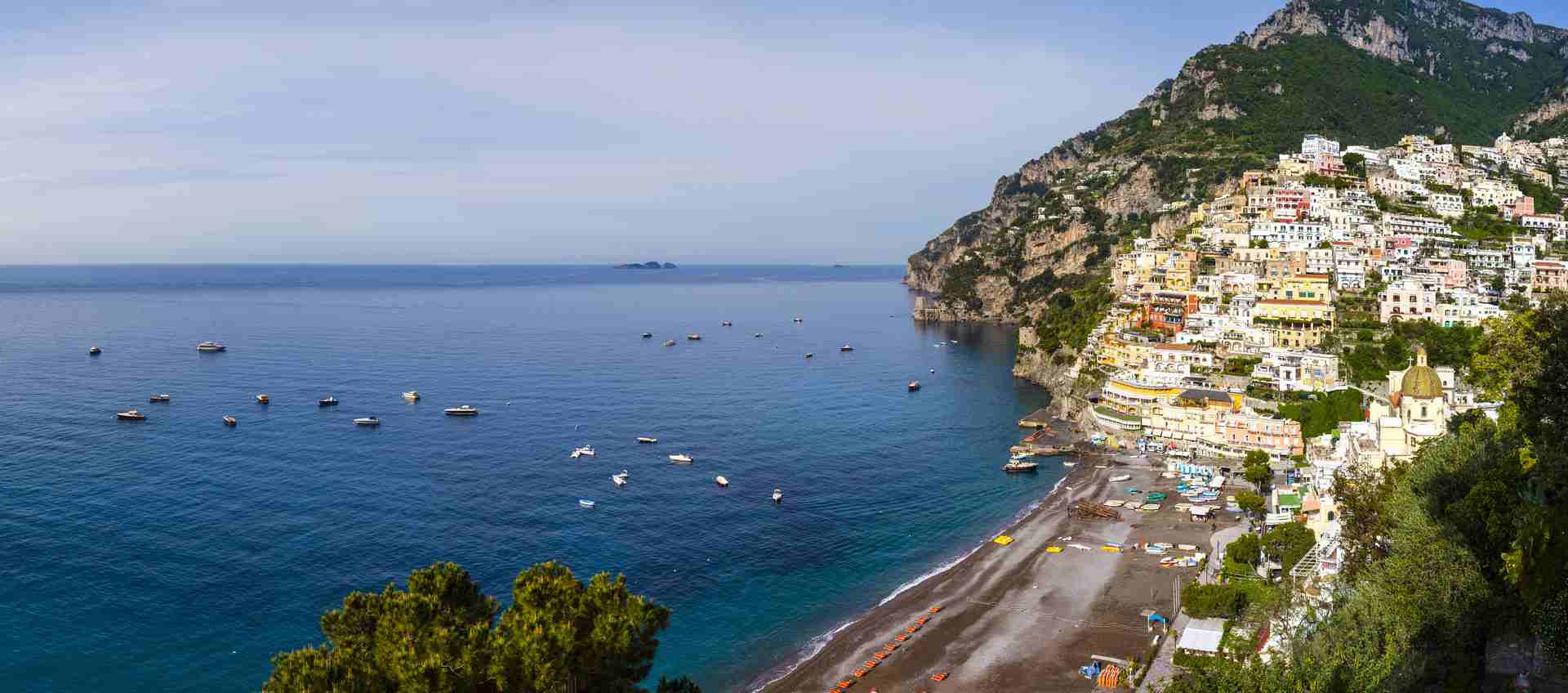
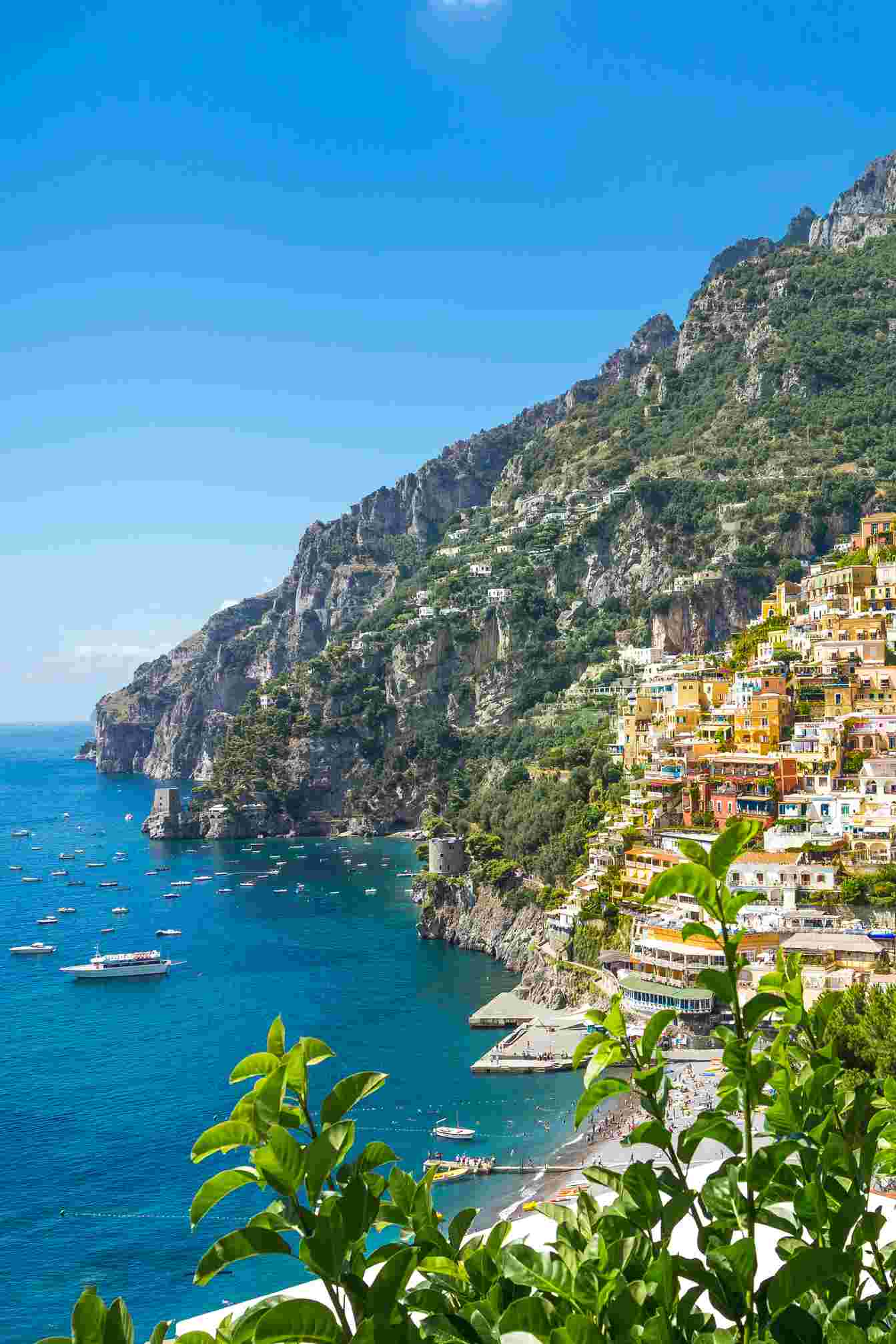
The first time I saw Positano from the water — coming in on a ferry from Naples, sun already high, the stacked pastel buildings climbing the cliffs like someone had spilled a paint box — I understood immediately why people say the Amalfi Coast ruins you for other destinations. It's not subtle. It hits all at once: lemon groves, turquoise water, the smell of salt and wood-fired pizza drifting down from some terrace you can't quite see. If you're planning an Amalfi Coast honeymoon and you're trying to figure out which town to base yourself in, the honest answer is: all of them. The coast is only 50 kilometers end to end, but it packs in enough beauty, food, and genuine romance to fill two weeks without trying. The history is in the walls, the food is rooted in the soil, and the views have absolutely earned the reputation.
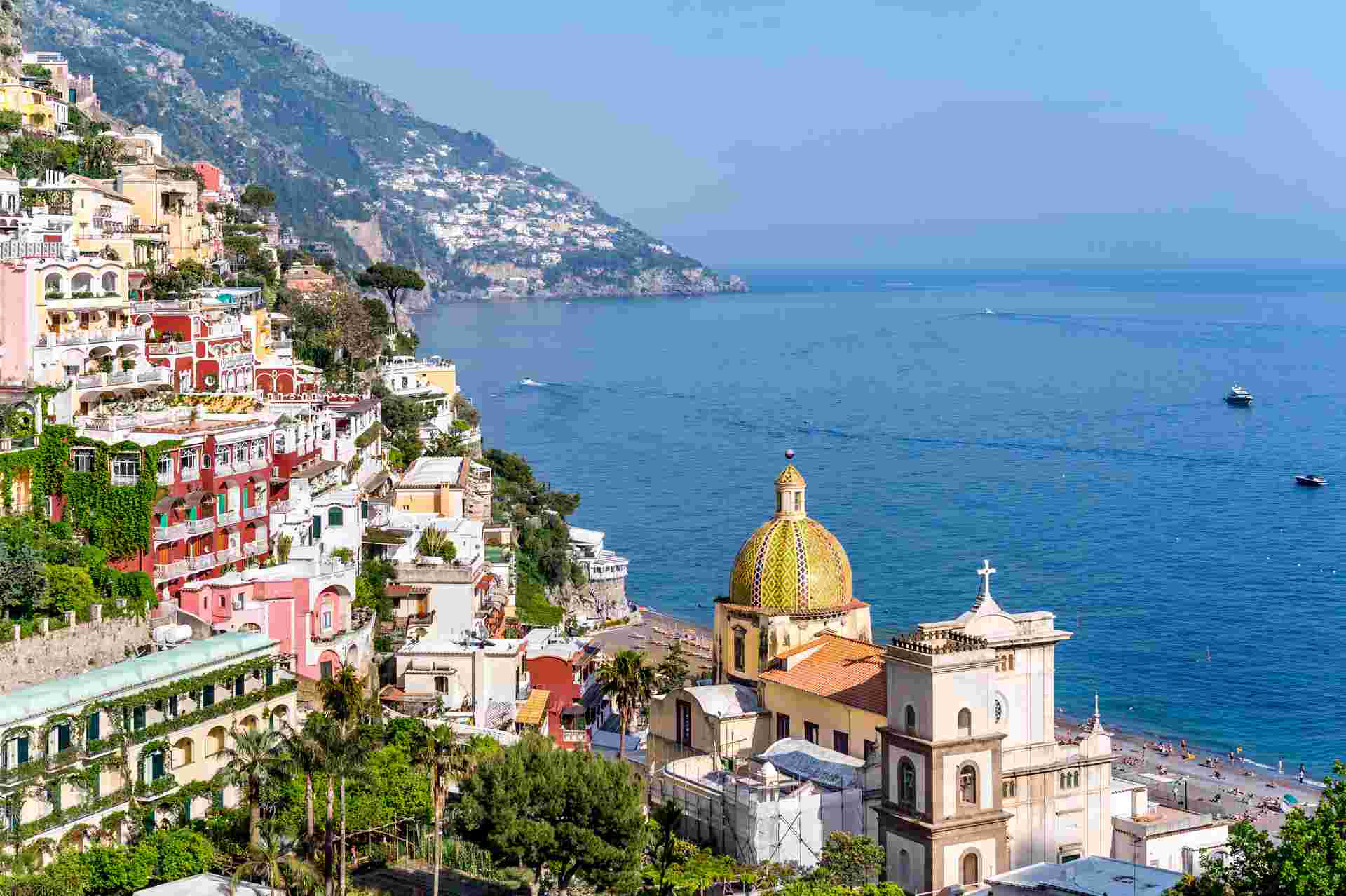
This guide covers the trip practically and specifically — where to stay (including named properties worth the splurge and Airbnb villas worth knowing), how to get around without losing your mind on the SS163, what to eat and where, and the gear worth packing. The Amalfi Coast in peak summer is crowded in ways that genuinely can kill the romance. In May, June, or September? It's one of the most beautiful places on the planet. Timing is everything here, and so is knowing which restaurant actually delivers on its sunset-view promise.
Best Time for an Amalfi Coast Honeymoon
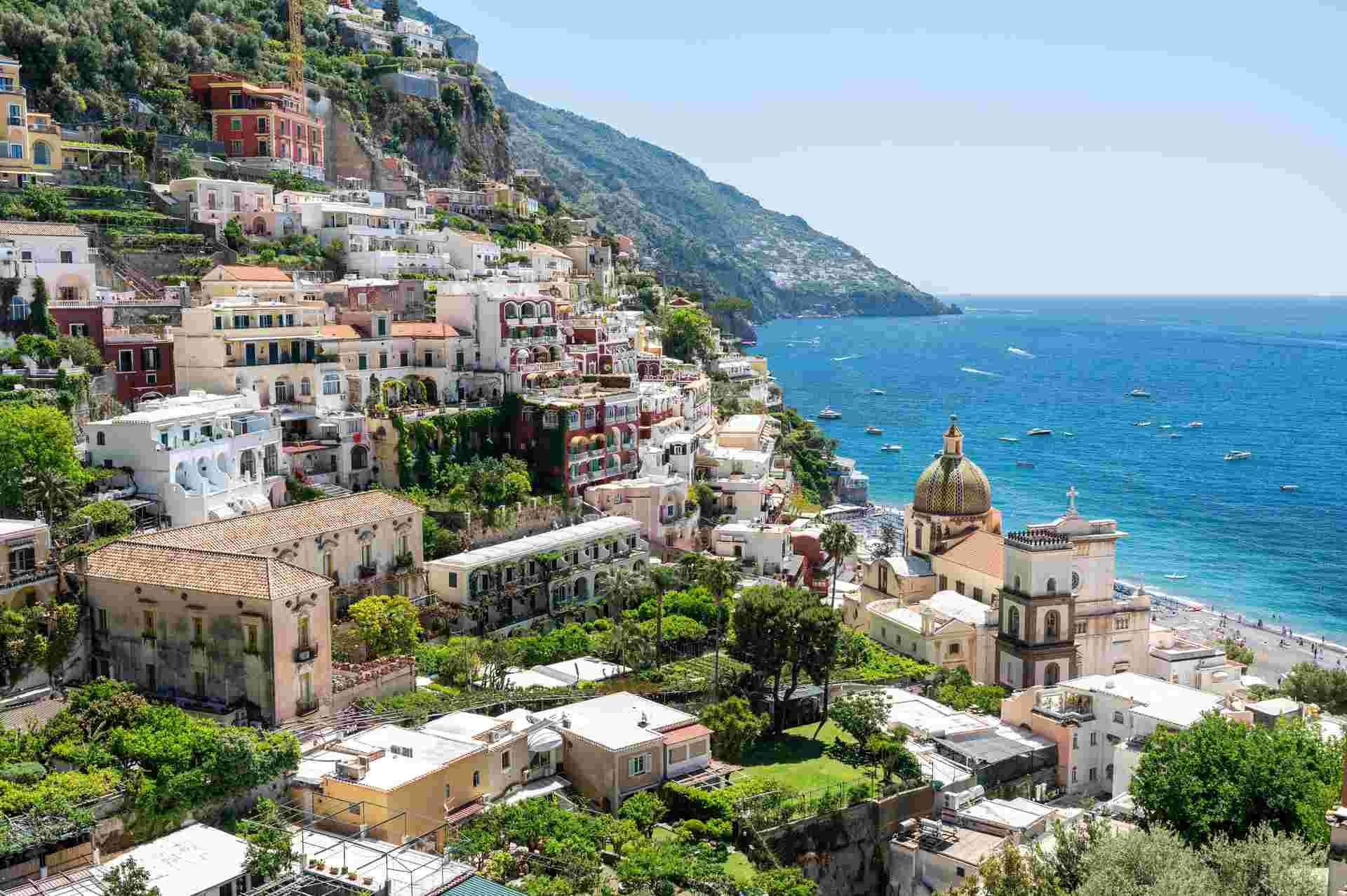
May and June are the sweet spot. Temperatures hover around 22–25°C, the crowds haven't arrived in full force, and you can actually get a dinner reservation at La Sponda without booking three weeks ahead. September runs it close — slightly warmer water, fewer school-holiday families, and a softer afternoon light that photographers love. October is worth considering if you want prices to drop 20–30% and don't mind the occasional shower. July and August? A different story. The SS163 turns into a parking lot — a 20-minute drive between Positano and Amalfi can stretch to an hour. Hotel Le Sirenuse goes from around €900/night in May to well over €1,500/night in August. The beaches start to feel like Glastonbury without the music. If peak summer is your only window, lean hard into the ferry system and book somewhere with a private pool.
Where to Stay: Hotels Worth the Price
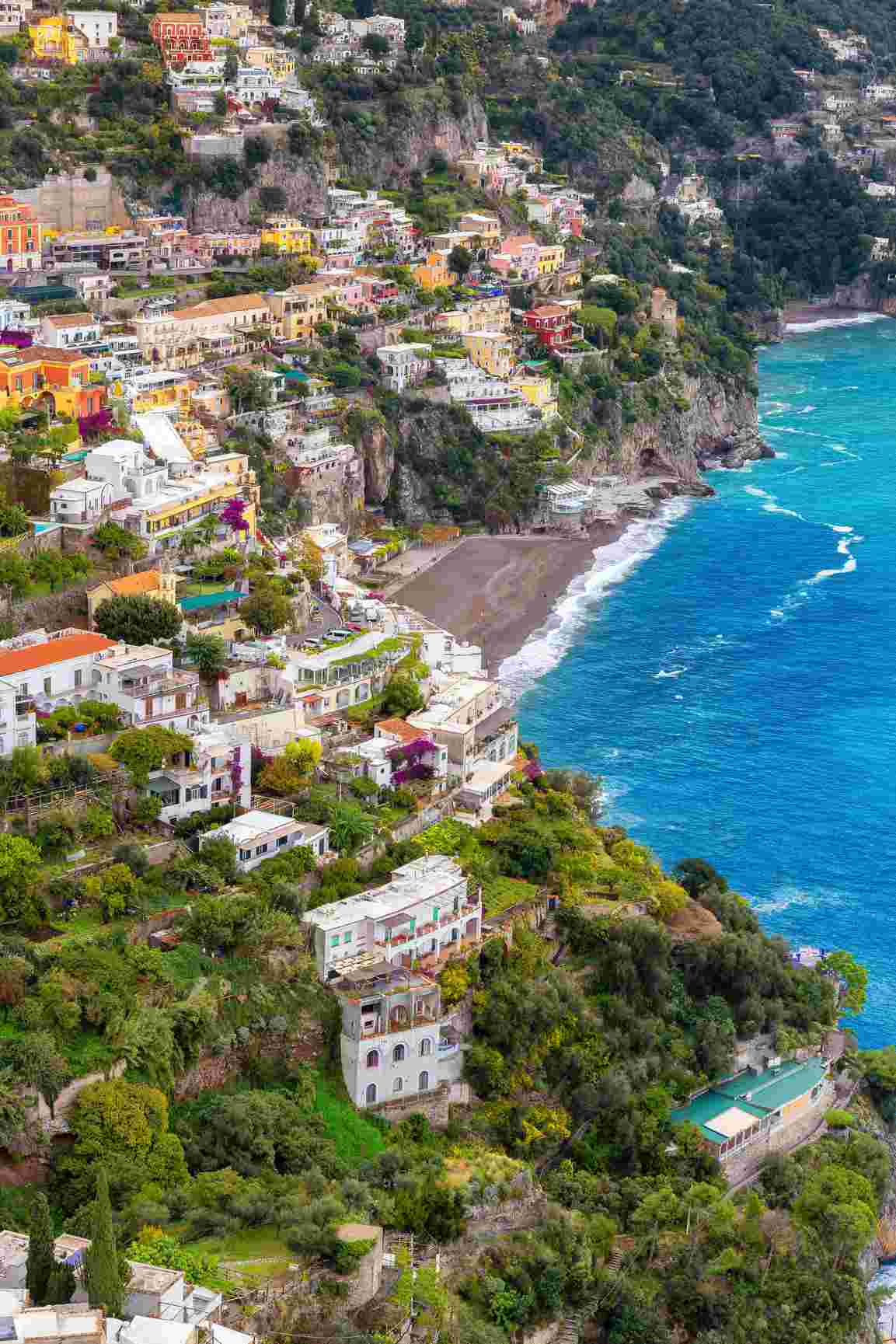
For a Positano honeymoon, Le Sirenuse is the undisputed benchmark. The Sersale family has run this 58-room property since 1951 — same family, still privately owned. Rooms from around €1,000/night in shoulder season, and La Sponda downstairs is lit by 400 candles with a Michelin star. Worth it. Completely. If you want something more dramatic, Il San Pietro di Positano is built directly into a cliff, accessed by elevator, with one of the few genuine sea-access beaches in town — Michelin-starred restaurant facing west for the full sunset, rates from €1,200/night.
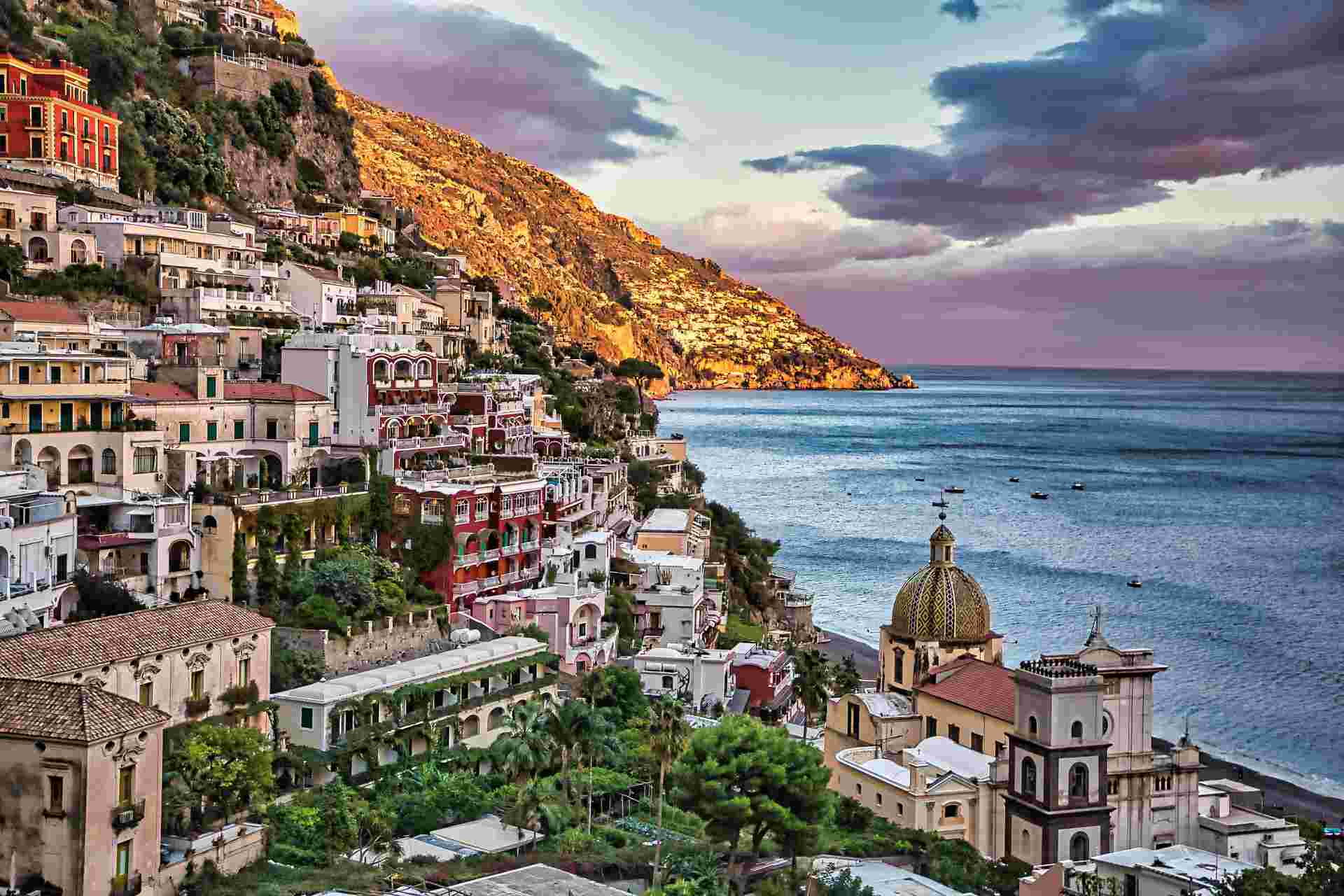
For the Ravello romantic trip, Belmond Hotel Caruso is non-negotiable: an 11th-century palace at 350 meters elevation with an infinity pool that appears to pour off the edge of the world. A close friend who honeymooned there called it "the best pool view I'll ever see in my life." Palazzo Avino, also in Ravello, has its own beach club and Michelin-starred Rossellini's restaurant. Don't overlook Monastero Santa Rosa in Conca dei Marini — a 17th-century monastery turned 20-suite hotel with a cliff spa, from around €800/night, and noticeably quieter than Positano.
Airbnb Villas and Rental Stays
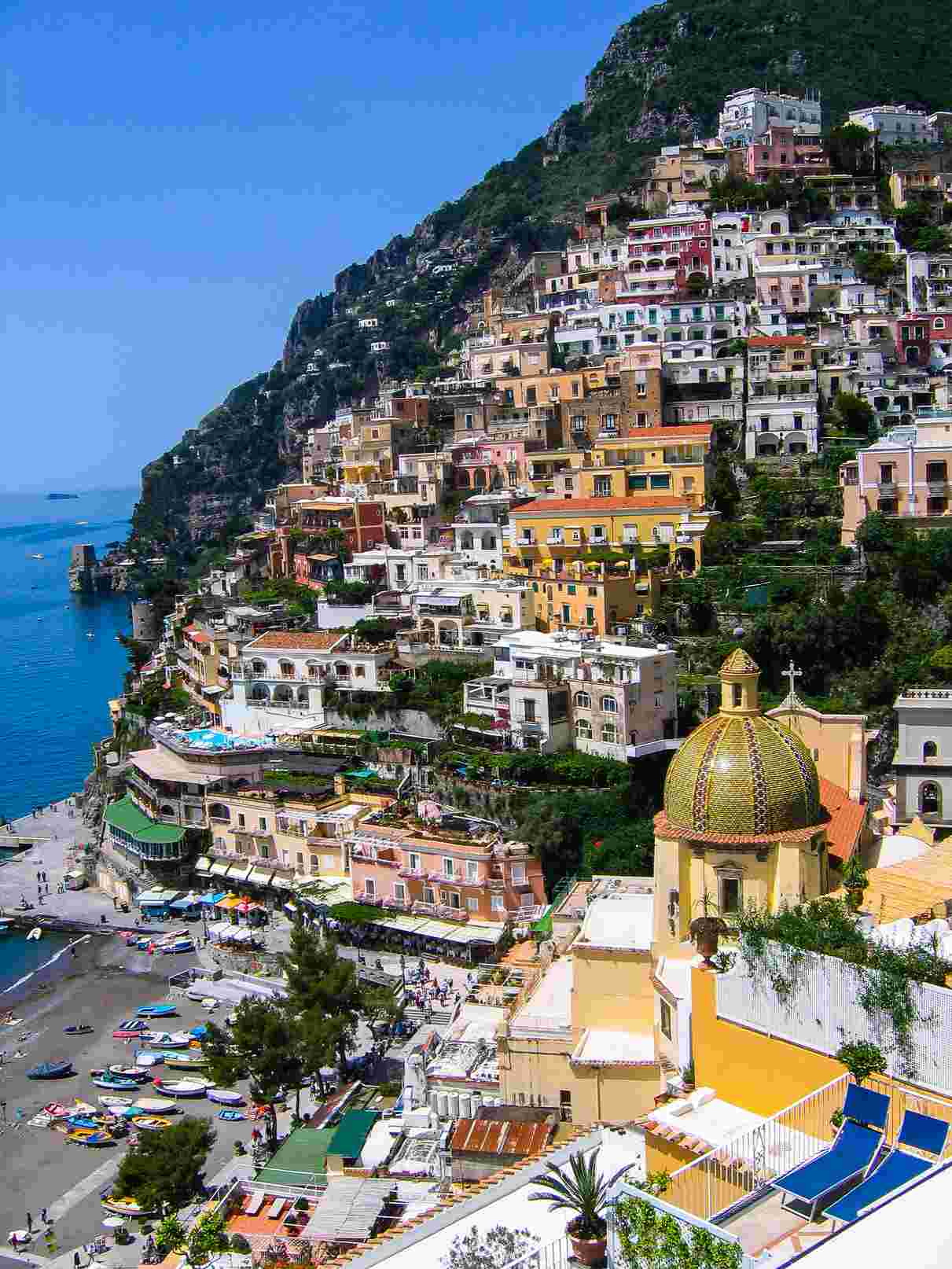
Not everyone wants daily turndown service. Torre La Trasita in Positano is a 16th-century coastal watchtower with a circular terrace paved in hand-painted blue Vietri tiles — it faces the sea, sleeps two in genuinely dramatic style, and books six months ahead for summer. Villa Mareblu in the quieter Arienzo area has a private pool and sea views 500 meters from the town center, well away from the day-tripper shuffle. Panoramic terrace villas on Airbnb in Positano run roughly €400–700/night — pricey, but you get the whole place to yourselves, a proper kitchen, and no one timing your breakfast.
Getting Around Without Losing Your Mind
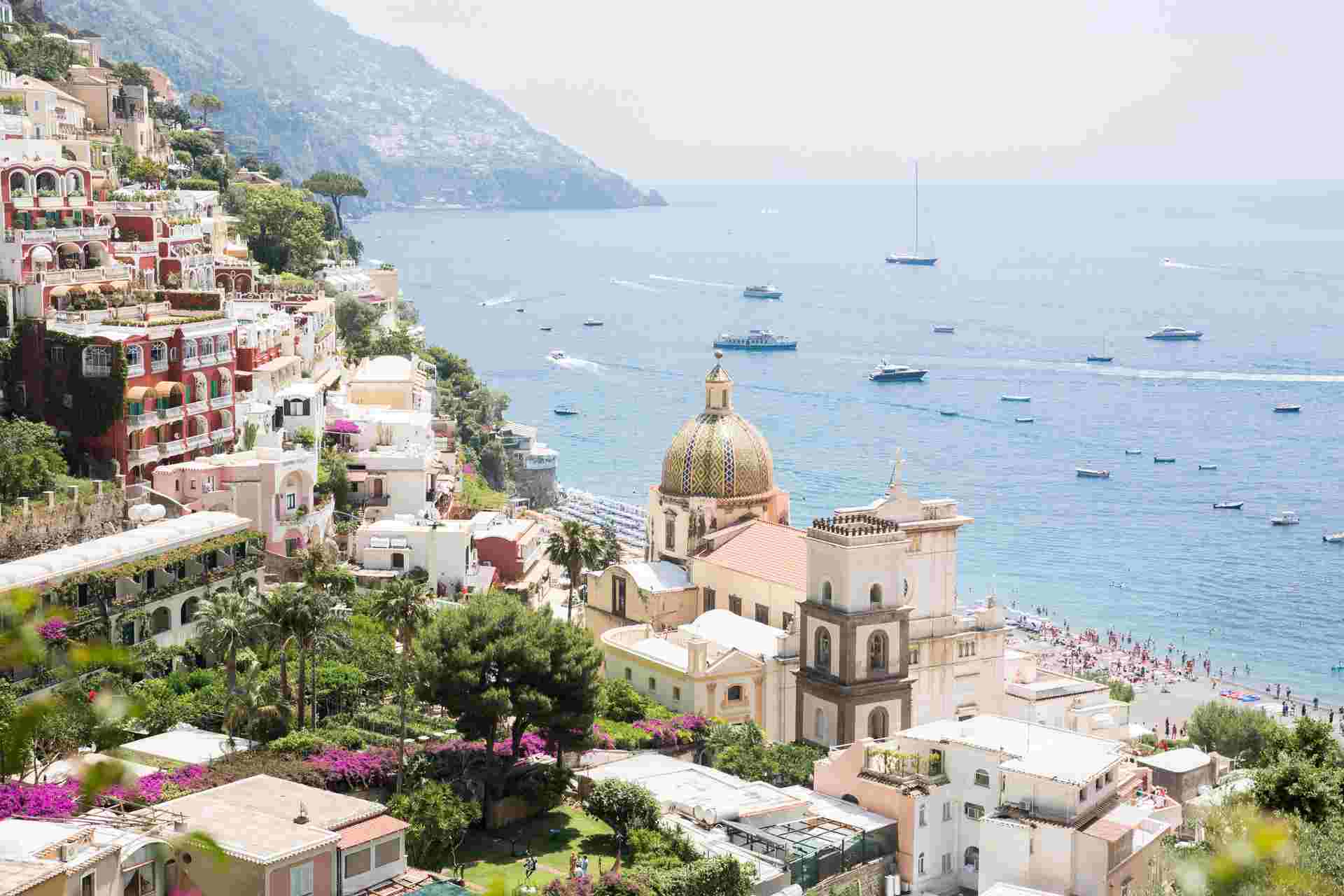
Skip the rental car in summer. The SS163 is spectacular to look at and harrowing to drive — parking is nearly impossible in July and August. The ferry system is the move: ferries run April–October between Positano, Amalfi, and Salerno, with connections to Capri and Sorrento. Tickets run €8–15 per leg; the Positano–Amalfi crossing takes 35 minutes and costs around €10. SITA Sud buses cover the whole coast cheaply (€1.30–3.40) but they're slow and crowded. For exploring, rent a small gozzo boat from a local operator — about €200–350/day, no license needed for smaller vessels. Spend a morning cruising into sea caves and anchoring in coves you'd never reach on foot. That's the real Amalfi Coast honeymoon experience.
Capri Day Trip: Do It Right
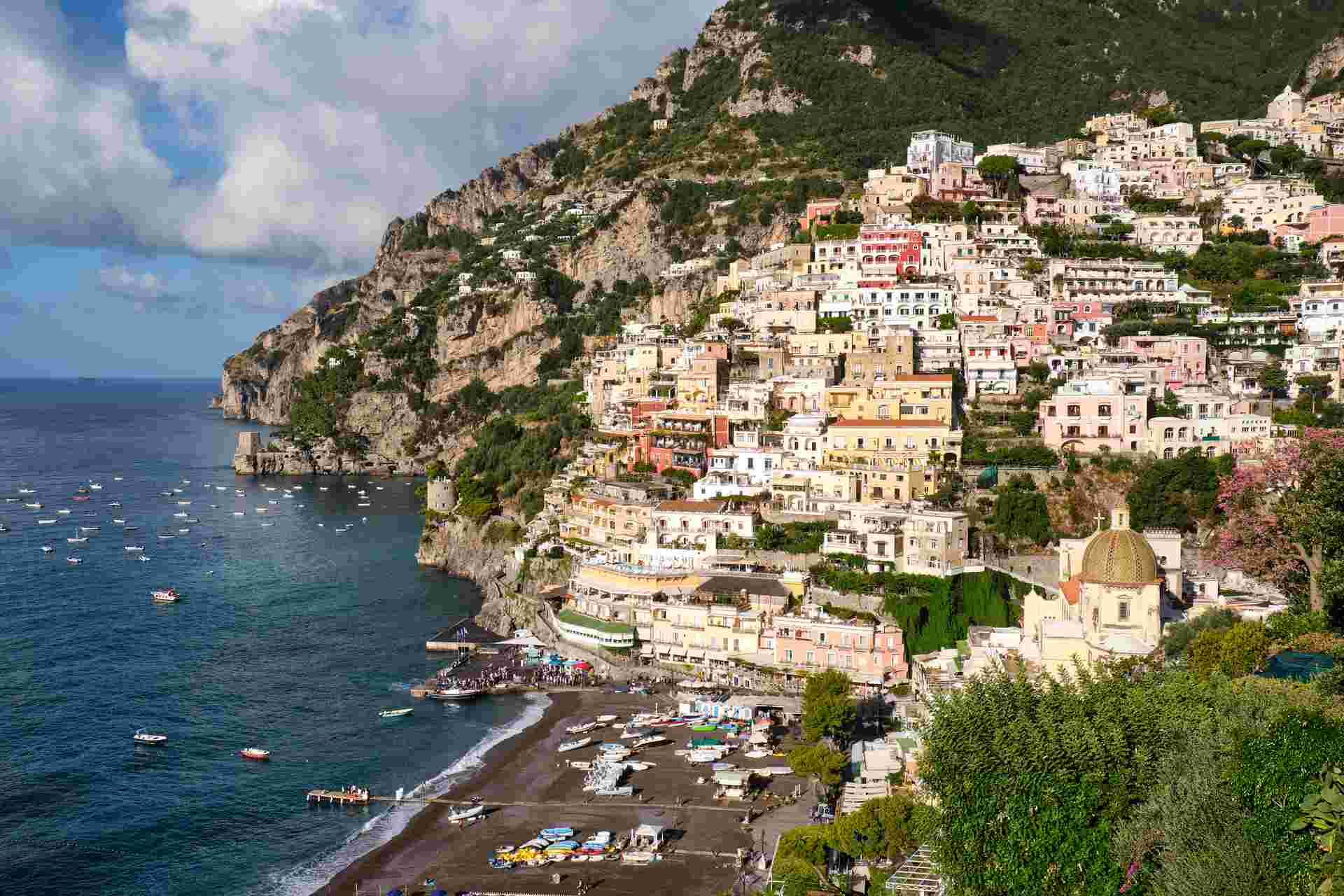
Capri is a 40-minute hydrofoil from Positano, about €20 each way. Skip the Blue Grotto queue if it's over 45 minutes — the cave is remarkable but the line isn't. Take a private boat tour of the island coastline instead; operators in Positano and Amalfi charge €250–350 for a half-day with a skipper and you'll get the Faraglioni rock arches and real seclusion. On the island, take the chairlift up to Monte Solaro — €15 per person, ten minutes, the entire Gulf of Naples laid out below. Eat at Da Paolino under the famous lemon-tree canopy, around €80/couple for two courses. Don't try to get back to Positano after 6 PM in July — the hydrofoils sell out and the alternative is a two-hour bus ride.
Where to Eat: Specific Recommendations
La Sponda at Le Sirenuse is the big-occasion dinner — fourteen courses, candlelit, dress up. Around €200–250 per person; reserve weeks ahead. For something more relaxed, Lo Guarracino in Positano has a terrace above Fornillo Beach that's one of the most genuinely romantic spots on the coast. Pasta al limone, grilled fresh catch, mains around €18–28. A local guide once described it as "where Positano residents eat when they want to feel like tourists for a day." In Amalfi, Ristorante La Caravella has held a Michelin star since 1959 in a dining room that was once a boat storage cave — try the tuna pasta. In Ravello, Villa Cimbrone's restaurant puts you at 300 meters elevation with sea visible in every direction. Quick stop mandatory: limoncello at Andrea Pansa in Amalfi (making it since 1830).
Travel Gear Worth Packing for an Amalfi Coast Honeymoon
A GoPro Hero 13 Black is the single best piece of kit for this trip — boat rides, sea cave swims, ferry crossings. Built-in waterproof housing, excellent stabilization. Pack a Sea to Summit Ultra-Sil dry bag (€25) to protect your phone and passport when hopping off boats onto dockless beaches. Footwear matters more than most guides admit: the Path of the Gods hike (sentiero degli dei) above Nocelle is 7 kilometers of ridge walking with the best views on the entire coast, and flip-flops are a real injury risk — wear Salomon Xa Pro trail shoes. An Anker 65W GaN universal adapter (€35) handles Italian two-pin sockets and keeps both phones and a camera charged from a single plug.
Do's and Don'ts for an Amalfi Coast Honeymoon
| Do's | Don'ts |
|---|---|
| Book Le Sirenuse, Belmond Caruso, or Monastero Santa Rosa at least 3 months ahead | Don't drive the SS163 in July or August — you'll spend your honeymoon stuck behind a tour bus |
| Take the ferry between towns — faster, cheaper, and far more scenic than the road | Don't visit the Blue Grotto if the queue is over 45 minutes; hire a private boat instead |
| Eat lunch at Lo Guarracino — terrace above Fornillo Beach, mains under €25 | Don't skip La Sponda at Le Sirenuse — it's theatrical and worth every euro |
| Travel in May, June, or September for best weather-to-crowd ratio | Don't pack a rolling suitcase — Positano has 200+ steps; a soft duffel is far easier |
| Rent a private gozzo boat for half a day (€200–350) rather than group tours | Don't assume dinner walk-ins are fine in high season — reserve everything |
| Hike the Path of the Gods above Nocelle — best views on the entire coast | Don't schedule your Capri day trip on a summer weekend; go midweek |
| Visit Villa Cimbrone gardens in Ravello — €8 entry, genuinely extraordinary | Don't exchange currency at the airport — ATMs in Positano and Amalfi give better rates |
| Pack a GoPro Hero 13 and a Sea to Summit dry bag for boat days | Don't rent a scooter if you've never ridden one — these roads are not forgiving |
| Buy a bottle of Furore red from the village cantina — almost impossible to find elsewhere | Don't underestimate August heat — pack La Roche-Posay SPF 50 and a wide-brim hat |
| Stay 2+ nights in Ravello — quieter, cooler, and a completely different atmosphere | Don't leave without eating fresh mozzarella di bufala from a local alimentari |
FAQs
How many days do you need for an Amalfi Coast honeymoon?
Seven nights is the sweet spot — two in Positano, two in Ravello, one in Amalfi, plus a Capri day trip. Five nights is doable but you'll feel rushed. Ten days adds room for a Naples night or two at the start, which is worth it; Naples has some of the best food in Italy and costs a fraction of Positano.
Is the Amalfi Coast expensive for a honeymoon?
Yes. Le Sirenuse and Belmond Hotel Caruso run €1,000–1,500/night in peak season. Budget €3,000–5,000/couple for a week covering mid-range hotels, food, ferries, and activities. May and October bring prices down 20–30%. Airbnb villas at €400–600/night are often better value than comparable hotels — more space, a kitchen, and no one rushing you out of the pool.
Where should couples base themselves on the Amalfi Coast?
Positano for the classic romantic look — best hotel concentration, great ferry links, postcard views. Ravello for quiet elevation and sophisticated dining without beach-town chaos. Most couples split the trip: 3–4 nights in Positano, 2–3 in Ravello. Amalfi town is better as a lunch stop than a home base.
What's the best hotel for a Positano honeymoon?
Le Sirenuse is the benchmark — privately owned since 1951, Michelin-starred La Sponda, terrace views you'll still be talking about years later. Il San Pietro is the alternative for cliff drama and direct sea access. Marincanto has an infinity pool and panoramic terraces at somewhat lower prices for those who find Le Sirenuse too well-known for comfort.
Do you need a car on the Amalfi Coast?
No — and in summer you actively shouldn't rent one. The ferry system (April–October) plus SITA Sud buses covers everything. Arrive from Naples by train to Salerno or Sorrento and connect by ferry. Save any car for side trips to Pompeii or the Cilento hills, where public transport gets thin.
What should couples do in Ravello for a romantic trip?
Start at Villa Rufolo — gardens where Wagner drew inspiration for Parsifal, with the Terrace of Infinity overlooking the entire bay. Walk 15 minutes to Villa Cimbrone's equally impressive garden. Dinner at Belmond Hotel Caruso is open to outside guests — eating beside that infinity pool at dusk is one of the coast's genuine highlights. The Ravello Festival (June–September) puts international orchestras in Villa Rufolo's clifftop garden; book tickets online well ahead.