Best Christmas Markets in Europe: A City-by-City Guide
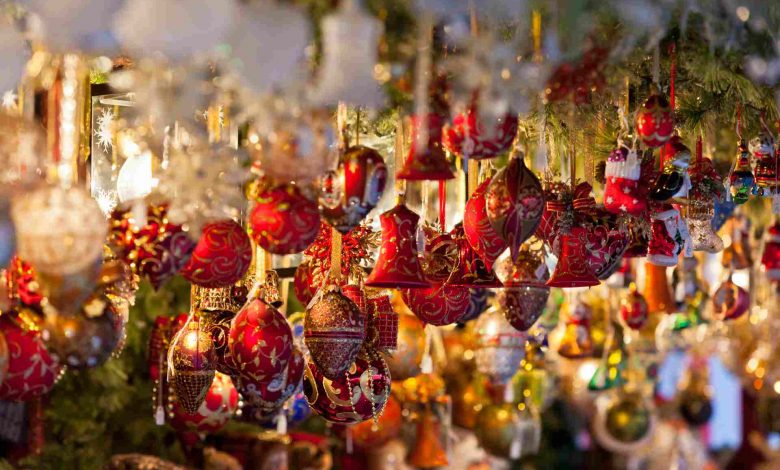
December in Europe is a different planet. I remember stepping off a train in Nuremberg at dusk, air sharp with roasted almonds and cinnamon, a sea of red-and-white striped stalls glowing across the Hauptmarkt — and thinking: nothing in any brochure is close to this. The best Christmas markets Europe has built hit you before you even find the glühwein queue. Not pop-up craft fairs. Four-hundred-year-old institutions that fill medieval plazas with handmade ornaments and spiced sausages and more ceramic mugs than you have shelf space for.
This guide covers five cities — Nuremberg, Vienna, Strasbourg, Prague, Budapest — with 2025-2026 dates, named hotels within walking distance, real mulled wine prices, and what to pack when it drops to -5°C. Plus the travel gadgets that actually help, because wandering beautiful markets with frozen fingers is worse than it sounds.
Nuremberg Christkindlesmarkt: The One Everyone's Trying to Copy
The Nuremberg Christkindlesmarkt is the benchmark. Running late November through December 24 on Hauptmarkt Square, it draws 2 million+ visitors to 180 red-and-white striped stalls in the cobbled medieval center — running in some form since the early 1600s, which makes most "traditional" markets look like startups. You'll find Lebkuchen gingerbread, dried plum figurines called Zwetschgenmännle (nowhere else in Germany), and glühwein at €4-7 a cup with a refundable €5 mug deposit. Keep the mug.
Hotels: Oldtown Studios by dasPaul is 60 metres from the entrance — expect Christmas music from 10am. NH Collection Nürnberg City is 0.6 miles out at €100-130/night, quieter. Adina Apartment Hotel Nuremberg at 0.4 miles has kitchen setups, good for longer stays. Book in September — availability near Hauptmarkt disappears fast.
Vienna: Best Christmas Markets Europe-Wide for Atmosphere
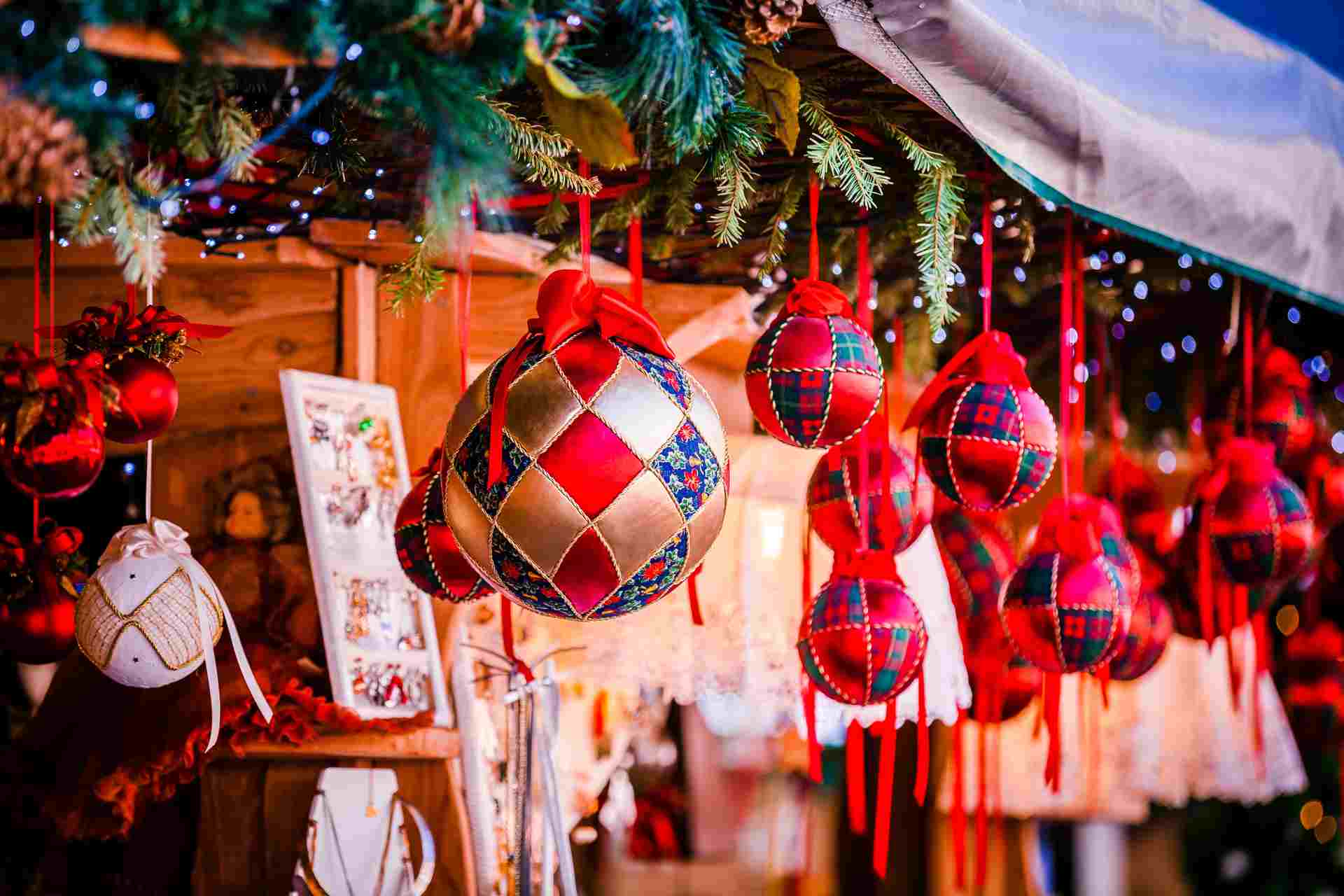
Vienna runs 20+ markets in December. The flagship Wiener Christkindlmarkt at Rathausplatz goes November 15 through December 26, open 10am-9:30pm (Fridays and Saturdays until 10pm). The neo-Gothic City Hall lights up behind 150 stalls, glühwein at €5.50 with a €5 mug deposit. Also worth it: Schönbrunn Palace market (artisan-focused, less crowded) and Spittelberg, which locals prefer over the main square.
Hotel de France Vienna is a 5-minute walk from Rathausplatz at €140-200/night. Urban Rooms Rathaus reopened after a 2025 refurbishment — around the corner, extremely central. Steigenberger Hotel Herrenhof is 4-8 minutes away at €150-260/night peak. Vienna in December is expensive. The Rathausplatz market is intense by mid-December; weekday mornings are a different experience.
Strasbourg: Running Since 1570, Still the Best Christmas Market in France
Strasbourg's Christkindelsmarik has been running since 1570. Over 450 years. The city holds "Capital of Christmas" with zero embarrassment: 11 market sites across the Grand Île UNESCO island, late November through December 24, 300km of illuminated streets. Vin chaud costs €3-4 a cup with a €1-2 cup deposit — cheapest on this list. The red is classic (cinnamon, star anise, orange peel); white vin chaud is lighter, slightly lemony, converts people who think they hate mulled wine.
Maison Rouge Hotel & Spa is in the pedestrian zone near Place Kléber. Hotel Léonor is steps away. Hannong Hotel & Wine Bar is the most-booked in the city — between train station and cathedral, with an Alsatian wine bar for 9pm. Prices €94-130/night. Day-trippers come from Germany, Switzerland, Paris. Stay overnight and walk the market at 8am.
Prague: The Best Christmas Market If You're Traveling After December 25
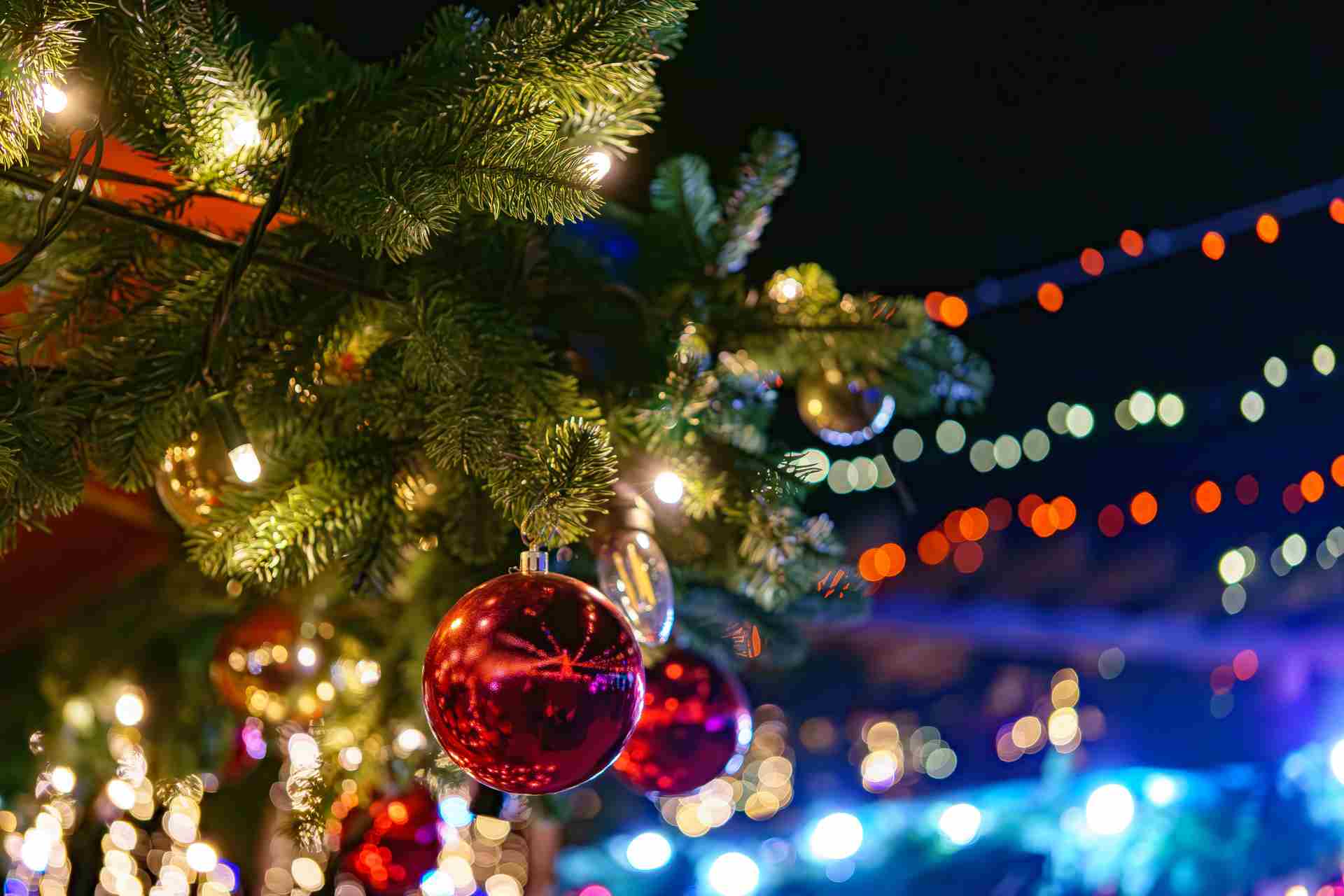
Most European markets close December 24 or 26. Prague's Old Town Square market runs through January 6. Enormous if you're traveling post-Christmas. Opens November 29, runs 10am-10pm (food stalls to midnight). Mulled wine is svařák, served in collectible ceramic mugs. Trdelník (chimney cake) at every stall — skip the Nutella tourist versions, find the original cinnamon sugar one.
Three-star hotels within 10 minutes of Old Town Square go for €60-80/night. The Josefov neighborhood is walking distance with less noise. Fair warning: Old Town Square gets elbow-to-elbow the first two weekends of December. Budget extra time for anything involving crossing it.
Budapest: Underrated, Underpriced, Undervisited
Budapest's Vörösmarty Square market runs November 28 through December 23. The St. Stephen's Basilica market alongside it — the Christmas tree in front of the illuminated basilica is one of the best seasonal sights in Europe. The main squares charge €6-8 for mulled wine (tourist pricing); two minutes to side streets and it's half that. Food is excellent: goulash, lángos (deep-fried flatbread with sour cream), stuffed cabbage. Budapest does winter food well.
MEININGER Hotels runs a solid city-center property. Mid-range near Deák Ferenc Square goes €55-90/night. After the markets: Szimpla Kert ruin bar or Széchenyi thermal baths. One evening at the market, one at the baths, one in a ruin bar. Complete.
What to Pack: Heated Gloves, Thermos Brands, and Layers That Actually Work
Standing at a stall for 20 minutes with frozen fingers is not the experience. Lenz heated gloves with Bluetooth heat control are the most reliable — three settings, battery-powered, touchscreen fingertips. OCOOPA magnetic hand warmers are the budget option and double as a phone charger.
For thermos: Zojirushi SM-SA48 keeps drinks above 117°F after 15 hours outside. Stanley Classic Legendary Bottle is 40-hour retention, bombproof, heavier. Hydro Flask travel mug is 30 hours and lighter. Fill at the hotel, bring to the market. When the vin chaud queue is 15 people deep, you'll thank yourself. Wool base layers non-negotiable. Standing cold bites harder than walking cold.
Do's and Don'ts for European Christmas Markets
| Do's | Don'ts |
|---|---|
| Book hotels in September — December rooms near markets disappear fast | Don't visit Nuremberg or Vienna on a Saturday afternoon in early December |
| Return your mug deposit — €5 per cup adds up across five markets | Don't carry a large backpack through crowded stalls |
| Try local specialties: Lebkuchen in Nuremberg, vin chaud in Strasbourg, svařák in Prague | Don't eat Nutella trdelník — find the original cinnamon sugar version |
| Arrive weekday mornings — real browsing, not shuffling | Don't assume mulled wine costs the same everywhere — Budapest side streets are half-price |
| Bring a Zojirushi or Stanley thermos for a warm drink backup | Don't skip secondary markets — Spittelberg and Schönbrunn beat the tourist-facing main squares |
| Use Lenz or OCOOPA heated gloves for stall-browsing sessions | Don't pack only a puffy jacket — wool base layers for standing cold |
| Take trains between cities — Nuremberg to Prague is 3.5 hours | Don't fly between these cities; you lose half a day |
| Budget €40-60/day for food and drinks | Don't exchange cash at airport kiosks — use Wise card or local ATM |
| Stay overnight in Strasbourg for 8am market access | Don't miss Place Broglie — quieter and more local than Place Kléber |
| Pre-book Eurail or Deutsche Bahn tickets in advance | Don't skip travel insurance — December delays in central Europe are common |
| Plan for late November to mid-December for thinner crowds | Don't visit after December 20 for full stall variety |
FAQs
Which are the best Christmas markets in Europe for first-timers?
Nuremberg and Strasbourg. Both doable on foot in a day. Nuremberg's Christkindlesmarkt on Hauptmarkt is the definitive German Christmas market — 180+ stalls, famous Lebkuchen, glühwein from €4. Strasbourg has been running since 1570, covers 11 UNESCO island sites, and has the cheapest vin chaud at €3-4.
When do the 2025-2026 European Christmas markets open and close?
Vienna: November 15 – December 26. Nuremberg: November 28 – December 24. Strasbourg: November 26 – December 24. Prague Old Town Square: November 29 – January 6, 2026 (best option post-Christmas). Budapest Vörösmarty Square: November 28 – December 23. Dates can shift by a day; verify on official city tourism sites before booking trains.
How much does mulled wine cost at European Christmas markets?
Strasbourg is cheapest: vin chaud at €3-4 plus €1-2 cup deposit. Nuremberg glühwein runs €4-7 with a €5 mug deposit. Vienna charges €5.50 with a €5 deposit. Budapest's main squares go €6-8, but side streets are half that. Mug deposits are refundable everywhere. Or just keep the mug.
What heated gloves and thermos should I pack for Christmas markets?
For heated gloves: Lenz (Bluetooth-controlled heat, touchscreen-compatible fingertips) is the top pick. OCOOPA magnetic hand warmers are the budget option and charge your phone. For thermoses: Zojirushi SM-SA48 keeps drinks above 117°F after 15 hours outside. Stanley Classic Legendary Bottle has 40-hour retention. Hydro Flask sits in the middle at 30 hours. All three are worth the bag space.
Can I visit multiple Christmas markets in one trip?
Yes. Nuremberg to Prague is 3.5 hours by train. Vienna to Budapest is 2.5 hours. Strasbourg to Nuremberg is around 3 hours via Karlsruhe. A 10-12 day trip covers four or five markets without flying. Book Deutsche Bahn or Eurail in advance — Nuremberg-Vienna and Vienna-Budapest legs sell out in November.
Are European Christmas markets worth it if you hate crowds?
Yes — time it right. Weekday mornings before noon at every city. The first two weekends of December are peak. Use secondary markets when it's busy: Spittelberg in Vienna, Place Broglie in Strasbourg, St. Stephen's Basilica in Budapest. Prague is the most manageable because it runs through January.