Best Airbnb Tips: How to Find Great Stays and Avoid Bad Ones

I booked what looked like a dreamy loft in Lisbon — exposed brick walls, moody lighting, a terrace with rooftop views. Showed up at 11pm after a delayed flight, and the "terrace" turned out to be a fire escape with a plastic chair. The photos were technically accurate. Just heavily curated. That trip taught me more about reading Airbnb listings than anything else has since, and I've done probably sixty-plus Airbnb stays across three continents since then. The Airbnb tips that actually save you from awful surprises aren't the ones Airbnb advertises. They're the ones you piece together after a few painful experiences — or borrow from people who had them first.
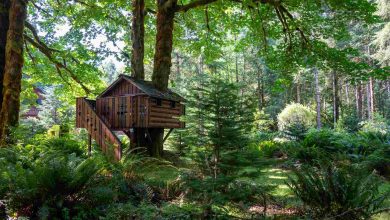
The platform has genuinely evolved in 2026. Categories like OMG! (think: UFO pods, converted lighthouses, off-grid treehouses with actual toilets) and Airbnb Luxe — their curated tier of design-forward, villa-level properties — give you more browsing structure than ever. But the tools only matter if you know how to use them. Airbnb removed its browsable category filter in April 2025, so now you search directly. This guide covers how to find the actual gems — and how to spot the duds before you hit "Request to Book."

How to Search Smarter, Not Harder
The default Airbnb search is designed for volume, not precision. It surfaces Instant Book listings first, which isn't inherently bad, but it skews results toward professionally managed properties — not always the warmest or most flexible hosts. The first Airbnb hack most experienced travelers use: switch from nightly price view to "display total price" immediately. Airbnb's cleaning fees and service charges add an average of 40% on top of the advertised nightly rate. A listing showing $89/night can easily total $160/night after fees on a three-night stay.
Filter before you scroll. Set your must-haves — entire place vs. private room, free parking, kitchen, dedicated workspace — and apply them before browsing photos. Then sort by "Guest Favorite" rather than the default ranking. Guest Favorite listings are ones where guests have consistently rated the stay highly across multiple categories: accuracy, cleanliness, communication, location, value. Superhost status is fine but means less now that many Superhost badges belong to property management companies with dozens of listings. A solo host with a single property, 45 reviews, and a 4.92 rating is usually a better bet.

Reading Reviews the Right Way
Most people skim the five-star reviews and feel reassured. Wrong move. Go straight to the one and two-star reviews first — not because the place is bad, but because critical reviews tell you what to expect rather than what to hope for. If three separate guests from different months mention "WiFi cuts out constantly" or "the AC unit is loud all night," you're not dealing with a fluke. You're getting a preview.
Pay attention to host responses too. A host who replies to criticism with defensive snark or "this guest was just difficult" is showing you exactly who you'll be dealing with if something goes wrong during your stay. Contrast that with a host who says "I'm sorry the hot water took a few minutes to warm up — we've since upgraded the system." That's accountability. That's someone worth booking. Also check when the most recent reviews were posted — a listing with 80 reviews, the last one from 18 months ago, is running cold.

Airbnb vs Hotel: When Each Actually Wins
Here's the honest breakdown for 2026. Hotels averaged around $167/night in major US cities; Airbnb whole units averaged $137/night — but once fees land, a hotel often comes out cheaper on short stays of one to three nights in a city center. A study across 50 US cities found hotels were cheaper than whole-unit Airbnbs in 46 of them after fees. That's not a knock on Airbnb — it's just math.
Airbnb dominates for groups. A beach house at $2,000/night sounds absurd until you split it eight ways — suddenly it's $250/person, with a full kitchen that cuts your restaurant spend in half. For trips of seven nights or longer, hosts frequently offer weekly discounts of 10-20%, and cooking some meals rather than eating out three times a day saves another few hundred dollars. Last-minute deals are also real: search 3-7 days out and you'll often find hosts dropping prices to fill gaps. Airbnb vs hotel isn't a universal answer — it's a per-trip calculation.
How to Pick an Airbnb: The Listing Audit
Before booking anything, run a quick listing audit. Ten minutes now saves a ruined trip later. Start with photos — count them. A good listing has 20+ photos covering every room, the bathroom in detail, the view from the window, and the building exterior. A listing with eight gorgeous, heavily filtered shots of the kitchen counter and a vague "living area" photo is hiding something. Wide-angle lenses make rooms look 30% bigger than they are. Zoom in on the corners.
Message the host a specific question before you book. Not "is the place nice?" — ask something you actually need to know: "Does the WiFi support video calls reliably?" or "How far is the nearest grocery store?" A host who answers in detail within a few hours is engaged. A host who replies with one-word answers, or not at all, is telling you how communication will go when you're locked out at midnight. One more thing: screenshot the full listing description, amenities list, and check-in instructions before you travel. If something is missing on arrival, that screenshot is your proof.
Airbnb Red Flags You Can't Ignore
Some red flags are obvious. A $75/night beachfront villa in Tulum with no reviews should make you close the tab immediately. But the subtler ones are easier to miss. Watch for listing descriptions that complain about previous guests — "Please do not slam the cabinets like our last guests did" means the host is already hostile before you arrive. Listings where all reviews sound identical and slightly generic ("Great host! Clean place! Would recommend!") sometimes indicate review manipulation. Real reviews have texture: they mention specific details, specific streets, specific quirks.
Listings without a verified host profile are another issue. Airbnb lets guests check whether a host has government ID verified — if they don't, skip it. No-review listings from brand-new hosts aren't automatically scams, but they deserve more scrutiny: look for a detailed host bio, prompt communication, and a willingness to answer questions in depth. And if any host ever asks you to pay outside the Airbnb platform — via bank transfer, WhatsApp, or Venmo — that's a scam. Full stop. Airbnb's payment protection only applies to transactions through their system.
The Gear That Makes Any Airbnb Stay Better
Some Airbnb stays have patchy WiFi. Remote properties especially — a treehouse in the Blue Ridge Mountains or a converted farmhouse in Tuscany might be stunning but have connectivity issues. Carry a Solis 5G portable hotspot (around $79 for the device, pay-as-you-go data) and you're covered across 135+ countries. It connects up to 10 devices simultaneously. I've used mine in Portugal, Thailand, and rural Japan without a hitch.
For luggage, Away's Carry-On ($295) works well for short Airbnb trips where you want to pack light — it fits in most overhead bins and has a built-in USB charger for the cab or transit ride. For longer multi-city trips where you're hopping between Airbnbs, the Away Bigger Carry-On or their Check-In series handles the volume better. One genuinely underrated item: a portable travel safe. Most Airbnbs don't have in-room safes. A small cable-lock safe ($35-50 on Amazon) anchors to a fixed point and keeps passports and cash secure when you step out.

Airbnb Luxe and Specialty Stays — Worth It?
Airbnb Luxe is the platform's curated top tier — properties that have been inspected and verified, typically priced at $400-1,500+/night, with a dedicated "trip designer" assigned to help you plan. Think Bali villas with private infinity pools, Santorini caves with personal chefs, or Scottish castle estates. It's not for every trip. But for honeymoons or milestone anniversary travel, Luxe listings often undercut what a comparable five-star hotel package would cost — especially when the kitchen means you're not paying resort prices for every meal.
On the more accessible end, former OMG! category properties — UFO-shaped pods in Oregon, underwater cabins in New Zealand, converted grain silos in Provence — still exist across Airbnb's inventory. You just search directly now rather than browsing via category. Search "treehouse" or "dome" or "yurt" directly in the search bar with your destination and dates. These specialty properties tend to book out 3-4 months ahead for summer and holiday weekends, so plan accordingly if that's your target.

Do's and Don'ts for Booking Airbnb
| Do's | Don'ts |
|---|---|
| Switch to "display total price" before comparing listings | Trust the nightly rate headline without checking all fees |
| Read the one and two-star reviews first | Skim only the glowing five-star reviews |
| Message the host a specific question before booking | Book without any pre-booking communication |
| Screenshot the full listing description before you travel | Assume listed amenities will all be there |
| Use the Guest Favorite filter rather than default sort | Assume Superhost always means solo, attentive host |
| Book 7+ nights for weekly discount (10-20% typically) | Pay for a 1-night Airbnb when a hotel is usually cheaper short-term |
| Check the host's verified ID status on their profile | Book from unverified, zero-review hosts without extra scrutiny |
| Carry a Solis 5G hotspot for rural or remote Airbnbs | Rely solely on the listing's stated WiFi speed |
| Book specialty stays (treehouses, dome pods) 3-4 months out | Try to book unique OMG-style properties last minute |
| Compare Airbnb total price against VRBO and the property's direct site | Assume Airbnb always has the best rate |
| Use Airbnb Luxe for inspected, high-end stays on milestone trips | Pay luxury prices on standard listings without Luxe verification |
| Check when the most recent review was posted | Assume a high review count means recent quality |
FAQs
What are the most important Airbnb tips for first-time guests?
The two that matter most: always switch to total price view before comparing listings, and read the critical reviews before the good ones. First-timers tend to get excited by photos and miss the fee math — a listing that looks $30 cheaper per night than a hotel can end up $50 more expensive by checkout once cleaning fees and service charges land. And critical reviews will tell you things the listing description never will, like whether the neighborhood is noisy or the check-in process is confusing.
What are the biggest Airbnb red flags to watch out for?
The big ones in 2026: listings with fewer than 10 photos, all shot with a wide-angle lens; hosts who haven't verified their government ID; descriptions that include complaints about previous guests; review patterns where every review uses nearly identical phrasing; and any host who asks you to communicate or pay outside the Airbnb platform. The outside-payment request is the clearest scam signal — if it happens, report it and move on.
Is Airbnb cheaper than a hotel in 2026?
Depends on the trip. For solo travelers on city stays of 1-3 nights, hotels are cheaper in most major US cities after Airbnb's fees are applied — a study of 50 US cities found hotels won on price in 46 of them at checkout. Airbnb is the better value for groups of four or more, for trips of 7+ nights (when weekly discounts kick in), and for destinations where entire homes are significantly cheaper than multiple hotel rooms. Always compare the Airbnb total (not nightly rate) against the hotel's fully loaded rate.
How do I pick an Airbnb that's actually good?
Run a listing audit before booking: count the photos (aim for 20+), check for exterior shots, read the 1 and 2-star reviews, verify the host has government ID confirmed, and send a specific question to test host responsiveness. Filter by Guest Favorite rather than the default sort. If the host answers promptly with detail, that's your green light. If they respond with one word or not at all, keep looking.
What's Airbnb Luxe and is it worth the price?
Airbnb Luxe is the platform's top-tier curated category — properties that have been physically inspected by Airbnb, typically starting around $400/night and running into the thousands. Each booking comes with a dedicated trip designer who helps coordinate the stay. It's genuinely worth considering for honeymoons or special milestone trips where you'd otherwise be paying comparable prices for a luxury hotel — the difference being that a Luxe villa often gives you a private pool, full kitchen, and multiple bedrooms rather than one hotel room.
How far in advance should I book an Airbnb?
For regular stays in cities, 2-6 weeks out is usually fine. For peak summer or holiday dates, push that to 2-3 months. For specialty or unique listings — treehouses, dome pods, converted historic buildings, lake houses that sleep 10+ — book 3-4 months ahead for summer weekends. These fill fast and hosts rarely discount them last-minute because demand outpaces supply. If you're flexible, the counter-strategy works too: search 3-7 days out for last-minute gaps where hosts have dropped prices.
What travel gear should I pack for an Airbnb stay?
A Solis 5G portable hotspot ($79 device, pay-as-you-go) is the one piece of gear that's genuinely changed remote stays — rural Airbnbs often have weak WiFi, and finding that out on a work trip is not fun. A portable cable-lock travel safe ($35-50) is worth the weight since most Airbnbs don't have in-room safes. An Away Carry-On ($295) handles most 3-7 night trips without checking a bag.
Can I negotiate the price with an Airbnb host?
Yes — and more successfully than most people try. Message the host directly, introduce yourself briefly, and ask if there's flexibility on a longer stay or off-peak timing. Hosts with open calendar windows are more likely to budge. A polite 10-15% ask on a week-long stay is usually worth doing.