How to Travel Europe on a Budget: The Complete Guide

There's a version of Europe travel that costs €300 a night and involves someone carrying your bags. This isn't that guide. I'm talking about the kind of trip where you land in Lisbon on a €19 Ryanair flight, dump your backpack at a Generator Hostel dorm, and spend the next three weeks eating pastel de nata for 90 cents and taking night trains to cities you'd only half-heard of before. That trip is absolutely doable in 2026 — and honestly, it's more fun than the expensive version. Budget travel Europe isn't about deprivation. It's about knowing where to spend and where to skip, which transport actually saves time versus money, and which cities will drain your account in 48 hours if you're not paying attention. I've done this trip broke and I've done it with a bit more room to breathe, and the gap in actual enjoyment was smaller than you'd expect.
This guide covers everything for a real cheap Europe trip in 2026: the cheapest cities to base yourself in, how to navigate the budget airline maze, whether a Eurail pass is actually worth it (spoiler: it depends), the hostel chains that won't make you miserable, and the travel gadgets worth the bag space. I'm not going to list every museum in Prague or tell you Paris is romantic — you know that. What I'll tell you is what a realistic backpacking Europe cost looks like month by month, which budget carriers to use for which routes, and how to put together a Europe on a budget itinerary that doesn't feel like a punishment.
What Budget Travel Europe Actually Costs in 2026
Let's do numbers first. A genuine budget traveler in 2026 can get through Europe on €45–€65 per day in cheaper countries (Eastern Europe, Balkans, Portugal), and €70–€95 per day in pricier ones (France, Switzerland, Scandinavia). That covers a hostel dorm bed, two meals, local transport, and one activity per day. Skip Switzerland and Scandinavia entirely if you're watching every euro — a single night in a Copenhagen hostel dorm runs €35–€45. Compare that to €10–€12 in Tirana, Albania, or €14 in Warsaw. A one-month trip runs roughly €2,200–€3,500 for most backpackers, including the flight from the US or Australia. That's not a rough estimate — that's what people are actually reporting in 2026 after accounting for visa-free 90-day Schengen rules, which still apply for American and Australian passport holders. The math gets better when you spend your days in Sarajevo and your weeks in Ljubljana rather than defaulting to Paris-Amsterdam-Rome on autopilot.

The Best Budget Hostel Chains — and What to Expect
Three hostel chains dominate the mid-range European budget market, and they're worth knowing by name rather than hunting random properties on Hostelworld each time.
Generator Hostels operates 13 properties across Europe — London, Paris, Rome, Madrid, Berlin (two of them), Amsterdam, and a few others. Dorm beds run €25–€45 depending on city and season. The design is genuinely good, the common areas are social without being chaotic, and the bar stays open late. Berlin's Generator in Mitte is a solid home base. London's property near Russell Square is one of the better-value sleeps in a city that will otherwise destroy your budget entirely.
a&o Hostels leans more affordable and more German — 40+ properties across Central Europe. Dresden Hauptbahnhof is consistently one of the cheapest well-run hostels on the continent, with dorms from €12 in low season. a&o is the right call if you're doing the Germany-Austria-Czech triangle and want reliability without fuss. Not glamorous. Does the job.

Meininger Hotels sits in the middle: more hotel-like than a traditional hostel, with dorm beds averaging €18–€28 and private rooms from €55 in most cities. They have 30 properties in 19 European cities — Vienna, Brussels, Amsterdam, Milan, Paris. The Vienna Downtown Franz location is excellent value. Meininger Berlin Mitte Humboldthaus is popular for good reason: central, clean, and the included kitchen means you're not eating out for every meal.
Pro tip: book 3–4 weeks ahead for summer. These chains sell out, and last-minute prices jump 40–60%.
Budget Airlines: Ryanair, easyJet, and Wizz Air Decoded
Budget airlines are the backbone of any cheap Europe trip, and the three carriers you need to know behave differently enough that it's worth treating them separately.

Ryanair is the bluntest instrument. Base fares start at €5–€12 for promotional seats, and yes, those prices are real — I booked London Stansted to Warsaw Modlin for €9 last September. The catches are real too: 10kg cabin bag only on the cheapest fare, secondary airports (Stansted, Charleroi, Beauvais-Tillé for Paris), and a booking process that tries very hard to sell you car insurance. Use their app, turn off the add-ons, and bring a personal item-sized bag if you can. In summer 2026, Ryanair is expanding heavily in Central/Eastern Europe and Morocco, with new bases in Tirana and Bratislava — good news for Balkans backpackers.
Wizz Air beats Ryanair on Eastern Europe routes, full stop. Budapest, Bucharest, Sofia, Tirana, Kyiv — Wizz Air prices these aggressively. They also have a subscription program (Wizz Discount Club, around €30/year) that cuts fares 10–20% and is worth it if you're doing a multi-month trip. Summer 2026, they're pushing new routes into Sicily and Bulgaria hard.
easyJet is the most user-friendly of the three and covers Western Europe thoroughly — France, Spain, Italy, Switzerland, UK. Fares aren't always the lowest, but the included 15kg cabin bag on most fares and the lack of secondary-airport games often makes the total price comparable. For Edinburgh to Ljubljana? easyJet is now direct in summer 2026. Previously that required a connection.
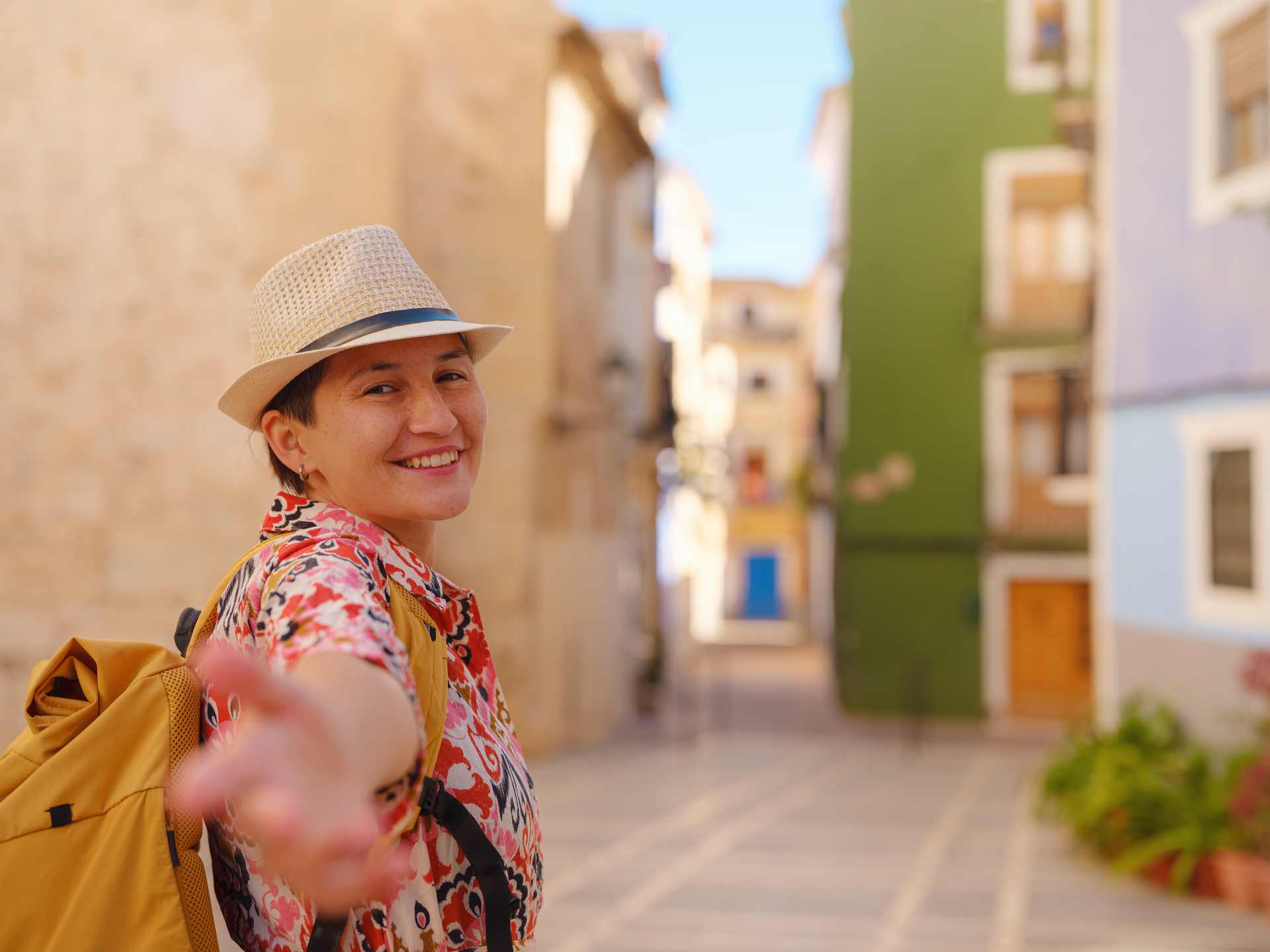
The golden rule: set fare alerts on Google Flights, then book direct on the airline's site (they charge booking fees on third-party sites). Tuesdays and Wednesdays typically have the lowest fares.
Eurail Pass or Point-to-Point Tickets? The Honest Answer
The Eurail Global Pass gets marketed hard to American travelers, and it genuinely works well — for some trips. For others, it's an expensive mistake. Here's the actual breakdown.
A Eurail Global Pass in 2026 starts at €211 for 4 travel days within a month (2nd class adult). Youth under 27 gets 20% off, so €158 for the same pass. A 3-month consecutive adult pass runs €841. The pass covers 40 countries and gets you on most trains without buying individual tickets.

Where it pays off: Germany, Austria, Switzerland, Czech Republic, and the Benelux countries have low or zero seat reservation fees with a pass. You can hop on a Deutsche Bahn regional train Berlin to Dresden and it costs nothing extra. Same in Austria.
Where it doesn't: France's TGV network charges €10–€35 in reservation fees per journey even with a pass. Italy's high-speed Trenitalia routes add €10–€13. Eurostar (London-Paris) charges €30–€38 on top. If your itinerary is Paris → Lyon → Rome → Florence, buy point-to-point tickets from SNCF and Trenitalia 2–3 months ahead — you'll often pay €30–€60 total versus €100+ on a pass with reservations stacked on top.
The Eurail pass works best for flexible itineraries through Germany and Central Europe, with someone who doesn't want to book ahead. If you have firm dates and a set route, advance point-to-point tickets almost always cost less.

Cheapest Cities in Europe for Budget Travel
Not all European cities punish your wallet equally. These are the ones that actually let you breathe in 2026.
Tirana, Albania is still absurdly cheap — full meals for €4–€7, local beer under €2, Airbnb apartments on the coast from €25/night. Ryanair flies there from Rome, Milan, and London. Most backpackers overlook it. Wrong call.
Warsaw, Poland is one of the best-value capital cities on the continent. Hostel dorms from €10, great food markets, an actual bar scene, and direct budget flights from most European hubs. Wizz Air has made it a hub.

Sofia, Bulgaria runs even cheaper than Warsaw. Budget €30–€40 all-in per day without trying. Excellent coffee culture, walkable city center, and a good base for Plovdiv day trips.
Porto, Portugal — technically more expensive than the above but still well below Paris or Amsterdam, and the quality-to-cost ratio on food and wine is unmatched in Western Europe. Hostel dorms average €18–€22. Francesinha sandwiches from €8. Enough said.
Sarajevo, Bosnia is the dark horse pick. Hostel dorms for €12–€15, the food (ćevapi, burek) costs almost nothing, and the city is genuinely fascinating. It also connects easily to Mostar for a day trip.

Travel Gadgets Worth Packing for a Budget Europe Trip
A few pieces of kit make budget travel meaningfully better without breaking anything.
The single most useful thing I pack is a Holafly or Airalo eSIM — two-week multi-Europe packages start at around €25–€35 for 5–10GB. You scan a QR code before you leave, activate it on arrival, and you're online instantly across country borders. No hunting for SIM cards, no roaming fees. Skip this and you'll spend your first hour in every new city searching for a carrier store.
An Anker 10,000mAh power bank (the MagSafe-compatible one if you're on iPhone) costs around €35 and will save you from dead-battery panic on long travel days. Plane, train, hostel common room — you're always charging something.

A decent packable day bag (the Matador Freerain24 packs down to fist-size) means you're not lugging your full backpack to every museum. Stuff it in your main bag and pull it out when needed. Total weight: 130g.
The Epicka Universal Travel Adapter covers 150+ countries, has 4 USB ports and 1 USB-C port, and weighs under 100g. One adapter, no drama.
Do's and Don'ts for Budget Travel Europe
| Do's | Don'ts |
|---|---|
| Book budget airline flights 6–8 weeks ahead for best fares | Book flights day-of — prices are 3–5x higher |
| Use a&o or Meininger hostels for reliable budget stays | Assume "cheap hostel" means "acceptable hostel" without reading reviews |
| Travel in May or September — 15–25% cheaper than July | Travel peak-summer without booking accommodation 3+ weeks ahead |
| Buy a Wizz Air Discount Club card if doing Eastern Europe | Pay for a Eurail pass when you have fixed point-to-point dates |
| Get an eSIM before leaving home (Airalo, Holafly) | Buy local SIM cards in airports — they're overpriced by 40–60% |
| Eat lunch at markets and grocery stores (Lidl, Biedronka, Mercadona) | Eat every meal at restaurants — even cheap ones add up fast |
| Book overnight trains to save one night's accommodation | Assume overnight trains are always comfortable — bring a neck pillow and earplugs |
| Use free walking tours (tip-based) for city orientation | Pay €25+ for hop-on hop-off buses when walking tours are free |
| Carry a reusable water bottle — tap water is safe in most of Europe | Buy bottled water daily — it's €1–€2 per bottle and completely unnecessary |
| Mix budget airlines with trains — don't use one tool for everything | Buy train tickets in-station on the day — advance online booking cuts fares dramatically |
| Check Generator Hostels for social, design-forward stays in Western Europe | Stay at Generator in London without checking easyJet flight alternatives first |
| Download offline maps (Maps.me or Google offline) before each country | Rely on roaming data for navigation — it fails at the worst times |
FAQs
What's a realistic backpacking Europe cost per day in 2026?
For Eastern Europe and the Balkans, you can genuinely manage on €40–€55/day covering a hostel dorm, two meals, local transport, and one activity. Western Europe is harder — France, Netherlands, and Switzerland run €80–€110/day even budget-consciously. The smart move is to balance cheap weeks in Poland or Albania with occasional splurges in costlier cities. A realistic monthly average across mixed destinations lands around €1,800–€2,400 for most backpackers excluding intercontinental flights.
Is Ryanair or easyJet cheaper for European flights?
Ryanair wins on raw base fare, often by €10–€20, but uses secondary airports that add €10–€20 in ground transport each way. easyJet uses main airports and includes a 15kg cabin bag on most fares. For city-pairs where both fly, run the full-cost comparison including transport to/from the airport. For Central and Eastern Europe, Wizz Air often undercuts both — Budapest, Bucharest, and Sofia routes are their strongest.
Is a Eurail pass worth it for budget travelers?
For flexibility-focused travelers doing Germany, Austria, Czech Republic, and Switzerland — yes, especially with the youth discount (20% off under 27). For travelers with fixed dates doing France, Italy, or Spain — almost always no. Advance point-to-point tickets from SNCF, Trenitalia, or Renfe booked 6–10 weeks ahead typically cost 40–60% less than a pass plus reservation fees. The Eurail pass in 2026 starts at €158 for youth, €211 for adult, for 4 travel days within a month.
What are the best hostel chains for budget travel in Europe?
Generator Hostels (13 properties, great design and social vibe, €25–€45/dorm), a&o Hostels (40+ properties, most affordable, strong in Germany and Austria, dorms from €12), and Meininger Hotels (30 properties in 19 cities, hotel-level quality with hostel prices, €18–€28/dorm) cover most of Europe between them. Book direct on their sites — Hostelworld adds a booking fee.
Which European countries are cheapest for budget travel in 2026?
Albania tops the list — beer under €2, meals under €7, accommodation under €20. Then Poland, Bulgaria, North Macedonia, and Bosnia for Eastern Europe. Portugal is the best-value Western European country, with Porto specifically offering excellent food and accommodation for €50–€60/day all-in. Avoid Iceland, Norway, Switzerland, and Denmark unless you have specific reasons — they're 2–3x the daily cost of Eastern Europe.
Do I need travel insurance for a cheap Europe trip?
Yes, and this isn't the place to cut corners. A broken leg in Italy costs €4,000–€8,000 out of pocket. World Nomads and SafetyWing are the most popular options for backpackers — SafetyWing runs about $42/month for the basic plan. If you have a US credit card with travel insurance (Chase Sapphire, Amex Gold), check what it covers first. Many cover trip cancellation and medical evacuation. Don't assume it's comprehensive without reading the policy.
When is the cheapest time to do a Europe on a budget itinerary?
May and September are the sweet spots — roughly 15–25% cheaper on flights and accommodation compared to July, and significantly less crowded. April works too, though Northern Europe can still be cold. October is excellent for Southern Europe (Spain, Italy, Greece) with near-summer weather and post-peak prices. Avoid mid-July to mid-August unless you've booked everything months ahead — prices spike and everywhere is packed.
What travel gadgets are actually useful for budget Europe travel?
Three things I'd never skip: an eSIM (Airalo or Holafly, €25–€35 for two weeks of multi-country data), a 10,000mAh power bank (Anker is reliable, around €35), and a universal adapter (Epicka, €18, covers all European socket types). A packable day bag saves you lugging your full backpack everywhere. Noise-cancelling earbuds are worth it if you're taking overnight buses or trains — €50 budget options from Soundcore work well enough.