Greek Island Hopping Guide: Best Routes, Ferries, and Islands
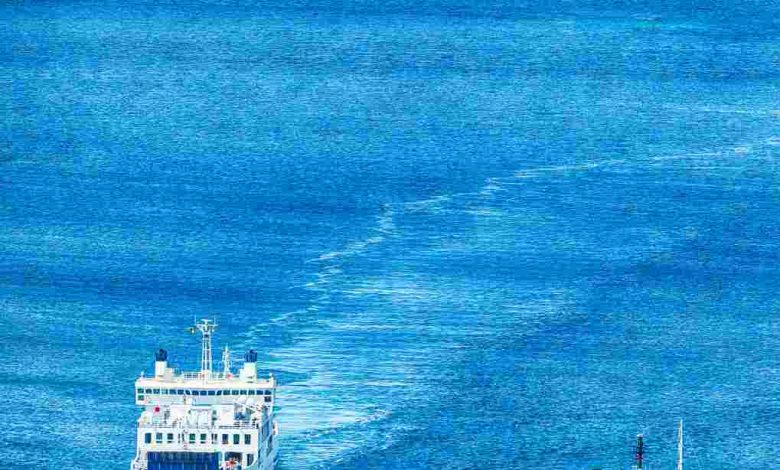
I almost missed the last ferry out of Paros because I didn't know the difference between the port and the "old port." Classic mistake. I stood there with my pack watching the Blue Star Ferries vessel pull away — slowly, almost mockingly — while a port worker cheerfully told me the next one wasn't until morning. That was my real introduction to Greek island hopping: chaotic, gorgeous, occasionally maddening, and completely worth every confusing minute of it.
This Greek island hopping guide covers what actually works in 2026. The Cyclades are the best starting point for most travelers — compact enough to hop between islands quickly but diverse enough that Mykonos and Naxos feel like different worlds. Real prices, specific ferry operators, boutique hotels on each island, and the gear that makes the whole thing less painful. If you've got 10–14 days and the Aegean is calling, read this first.
The Ferry Companies You Actually Need to Know
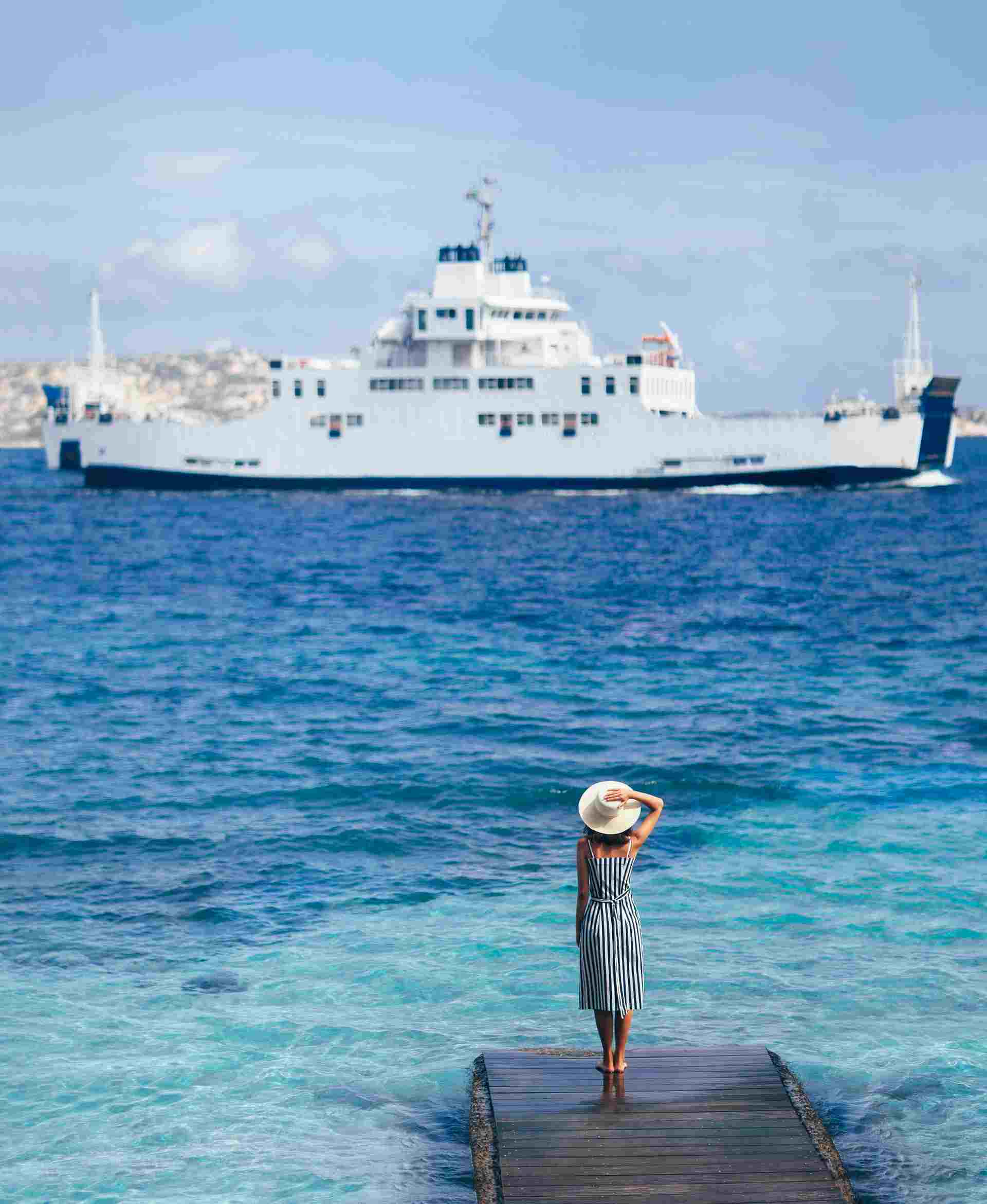
Three operators dominate the Cyclades, and they're not interchangeable. Blue Star Ferries runs the big conventional vessels — slower (Piraeus to Santorini takes about 8–9 hours), but dramatically more comfortable. Open decks, proper restaurants, cabins if you're doing an overnight. Tickets from Piraeus to Santorini start around €46 for a deck seat. Ideal if you're not in a rush and want to watch the islands roll by with a coffee.
SeaJets is the speed option. Their high-speed catamarans cut Piraeus to Mykonos down to about 2.5 hours; Mykonos to Santorini is just 1 hour 55 minutes. Expect to pay €75–€110 for that route, and the ride can be rough in choppy seas — you're indoors the whole time. Worth it when time matters, less so if you get seasick. Hellenic Seaways covers both conventional and high-speed routes across the Cyclades and Dodecanese, comparable to Blue Star on price and comfort.
Book on Ferryhopper (ferryhopper.com). All three operators, side by side, multi-leg trips in one transaction. Screenshot your QR code before the port — the Wi-Fi there is a myth.
The Classic Cyclades Route (10–12 Days)
Start in Athens. Don't fly straight to Santorini and work backward — you'll spend more on ferries and fight the crowds at every turn. Instead, take the Blue Star from Piraeus to Paros (4–5 hours, ~€41). Paros is criminally underrated: Naoussa village has better seafood than Mykonos and a fraction of the price. Three nights here.
Next: Naxos by ferry (~45 minutes, around €12 with FastFerries). This is the island I'd move to. Mount Zeus, the marble Portara, beaches like Plaka that stretch for 4 kilometers — and almost no one talks about it compared to Santorini. Three nights minimum. Then Mykonos (2.5 hours from Naxos via SeaJets, ~€40–55). Two nights — enough to do the windmills, Little Venice, and one embarrassingly expensive dinner on Matogianni Street. Then the big one: Santorini. SeaJets from Mykonos runs 5 times daily in summer. Book the 10 AM sailing. Two to three nights in Fira or Oia.
This route keeps ferry times manageable, avoids doubling back, and saves you roughly €60 compared to the reverse order.
Mykonos: What to Do and Where to Sleep
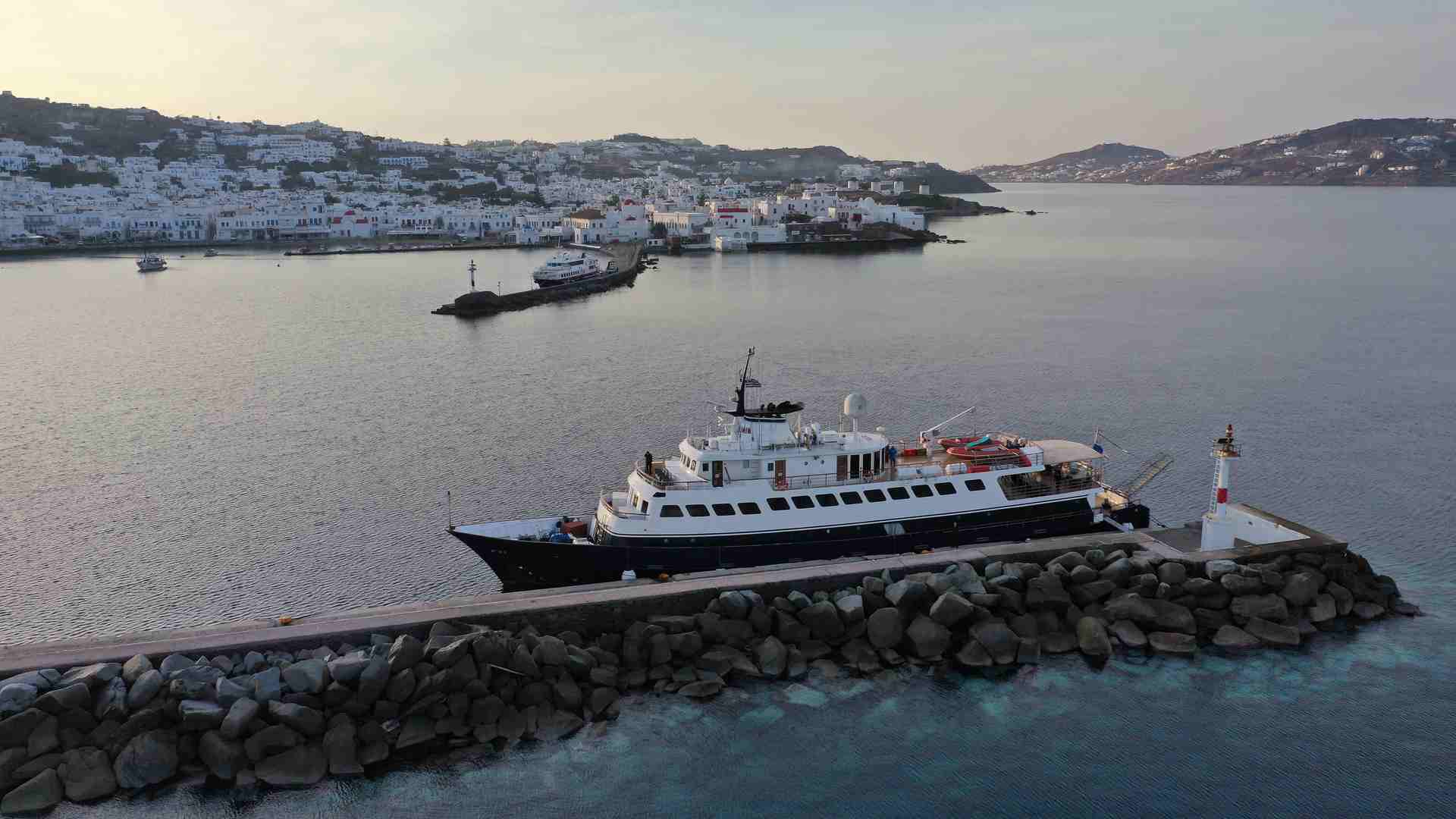
Mykonos is loud, expensive, and completely magnetic — even if you tell yourself you're too cool for it. The windmills at Kato Mili are worth seeing in the early morning before the tour groups arrive. Ornos Beach is the calmest of the main beaches; Paradise and Super Paradise are exactly what you'd expect (loud music, overpriced sunbeds). Skip both unless that's your thing.
For accommodation, Bill & Coo Suites at Megali Ammos is one of the better boutique picks — sleek Cycladic design, infinity pool with Aegean views, doubles from around €350 in shoulder season. More affordable is Kalesma, a hilltop property above Ornos Bay with cave-style suites and attentive service. Anemelia near Elia Beach has 20 rooms, a family feel, and a pool that actually has open chairs by noon.
Santorini: The Caldera, the Crowds, and the Caves
Nobody needs to be told Santorini is beautiful. What they do need to know: Oia gets absolutely overwhelmed by 4 PM every day because of sunset crowds. The actual sunset is better from Imerovigli, 5 kilometers south — quieter, same view, and you can walk there along the caldera path. The hike from Fira to Oia takes about 3 hours and is genuinely one of the best walks in the Aegean.
Book Santorini hotels 6–8 months early for July and August. Full stop. Canaves Ena in Oia has 18 suites carved into 17th-century caves, private veranda and pool per suite, doubles from €600 high season. Perivolas — also Oia — is the iconic organic-design property, all volcanic stone and curves. On a tighter budget, Enigma in Fira has cave suites with caldera views from around €250 and delivers breakfast to your room. Correct.
Naxos and Paros: The Underrated Core
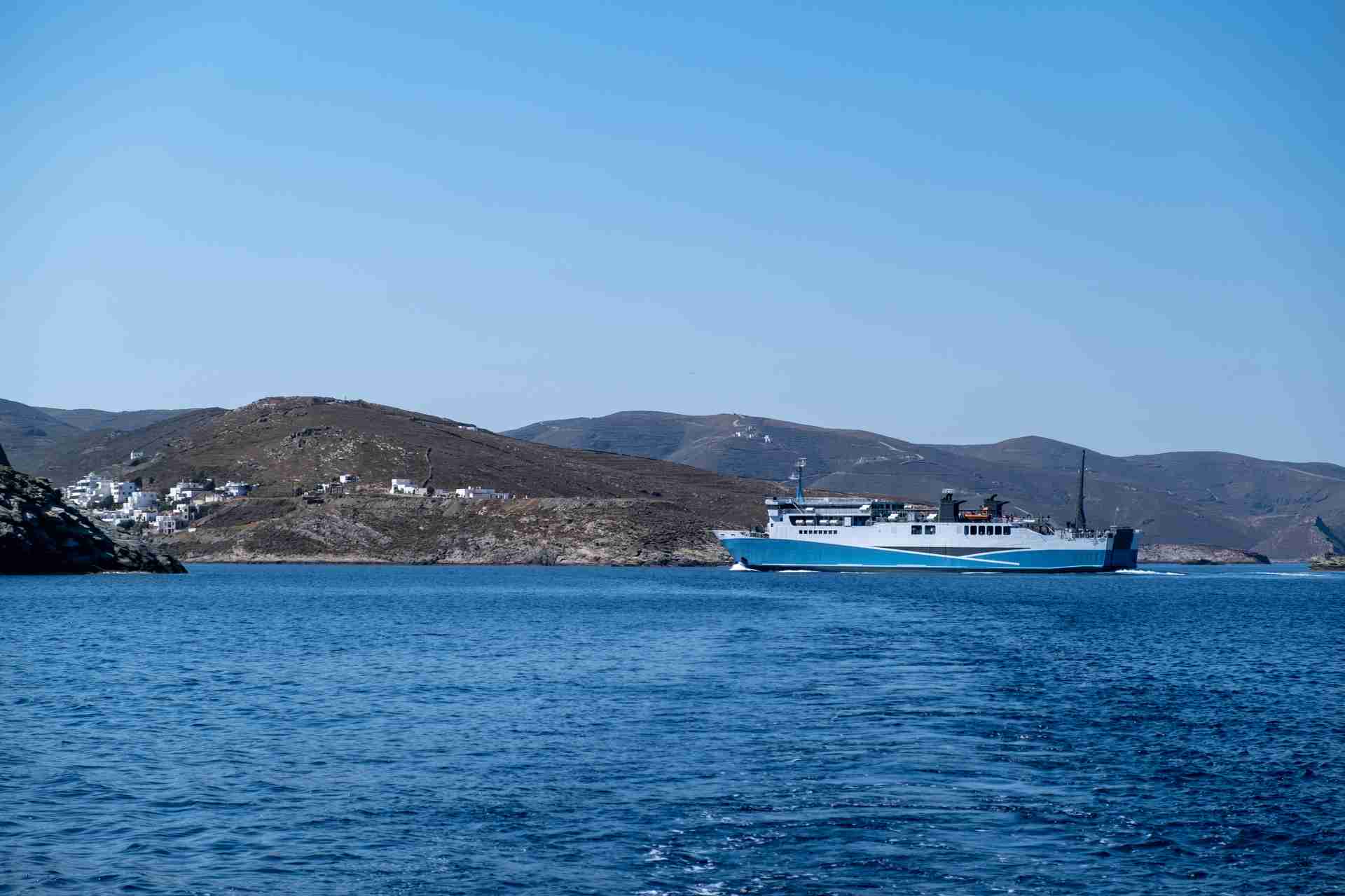
This is where the Greek island hopping guide usually lets people down by glossing over the two best islands in the Cyclades. Naxos has the largest agricultural interior of any Cyclades island — you can rent a car for €35/day and drive up to Apeiranthos, a marble-paved mountain village that still feels untouched. The beaches are extraordinary: Agios Prokopios and Plaka both offer clear water and no entrance fees.
Stay at ELaiolithos in the village of Moni — built around an olive press, stone suites, lovely garden, doubles from €180. In Paros, stay in Naoussa rather than Parikia. The harbor fills with fishing boats at dawn and the octopus tavernas are the real thing. 18 Grapes sits 5 minutes from the Naoussa port, 12 rooms, good breakfast, from €140/night. Paros also connects to the Small Cyclades — Koufonisia is 1.5 hours away and has almost no cars.
Greek Ferry Schedule: When to Book and When to Go
The 2026 summer schedules from Blue Star Ferries and SeaJets go live in phases — most Cyclades routes post by February or March. Peak season is July 15 to August 31, and certain sailings — especially SeaJets morning departures from Mykonos to Santorini — sell out 4–6 weeks out. Book those the day schedules drop. Shoulder season (May, June, September, early October) has 80% of the ferries with 40% of the passengers. The sea is calmer too. September might be the move — water's still warm, prices drop by 20–30%, and you can actually get a sunbed.
Ferryhopper shows real-time availability for same-day bookings, and Hellenic Seaways sometimes has last-minute inventory when Blue Star is sold out. On very short hops like Paros to Naxos, you can often buy at the port — but that's risky in August. Don't.
Gear That Makes Island Hopping Actually Work
A 40L carry-on backpack changes everything. Rolling luggage on Santorini's cobblestones — especially from the port uphill to Fira — is miserable. Osprey Farpoint 40 or the Tortuga Setout 45 both fit overhead on ferries and eliminate the checked-luggage anxiety. A dry bag (Sea to Summit 20L, around $30) is essential for beach days and ferry rides where spray is a real issue.
Anker 10,000mAh power bank is the single most recommended piece of travel tech for island hopping — ports sometimes have one outlet for 300 passengers. A packable daypack (Matador Freerain24) handles beach and town without adding bulk. Noise-canceling earbuds for overnight ferry crossings are worth every cent. One more thing: a physical Ferryhopper printout of your tickets. Not ideal, but ports do have scanner failures, and having the confirmation number written down has saved more than one traveler's afternoon.
Do's and Don'ts for Greek Island Hopping
| Do's | Don'ts |
|---|---|
| Book Ferryhopper 4–8 weeks ahead for peak-season sailings | Show up at the port hoping to buy a SeaJets ticket day-of in August |
| Use Blue Star Ferries for overnight crossings — the reclining seats are comfortable | Book a cabin on a 3-hour crossing — it's overkill and adds €40+ |
| Stay in Naoussa (Paros) rather than Parikia for better atmosphere | Spend more than 2 nights on Mykonos unless clubbing is the goal |
| Carry a dry bag on every ferry — spray on open decks is real | Leave your biggest bag in the overhead rack unsecured on choppy seas |
| Arrive at Piraeus port 45 minutes early — it's enormous and confusing | Assume the GPS will get you to the right gate — walk the terminal signs |
| Check Ferryhopper the night before for gate and pier changes | Trust the schedule you looked up 3 days ago — it can shift |
| Pack a 40L backpack instead of rolling luggage | Bring a hard-shell suitcase anywhere with cobblestones |
| Book Santorini hotels 6+ months out for July/August | Wait until May to look for July caldera-view rooms — they'll be gone |
| Try the local kitro liqueur in Naxos (it's made there, nowhere else has it) | Waste a meal eating at the tourist-facing places near ferry ports |
| Rent a scooter or ATV on Paros and Naxos — roads are manageable | Rent a car on Santorini if you've never driven on narrow cliff roads |
| Download offline Google Maps for each island before you lose signal | Rely on roaming data at sea — it's patchy and expensive |
FAQs
What is the best Greek island hopping route for first-timers?
The classic Cyclades loop — Paros, Naxos, Mykonos, Santorini — is the right starting point for most travelers. It keeps ferry times under 3 hours between stops, hits the most iconic scenery without requiring backtracking, and leaves room to adjust the pace. Start in Paros (not Mykonos) so you avoid peak-crowd fatigue early in the trip. If you have 14 days, add Milos after Paros for some of the best beaches in Greece — Sarakiniko's white volcanic landscape alone is worth the extra ferry hop.
How do I book Greek ferry tickets in 2026?
Ferryhopper (ferryhopper.com) is the most reliable aggregator for the Cyclades. It shows Blue Star Ferries, SeaJets, Hellenic Seaways, and smaller operators in one search, lets you book multi-leg trips together, and issues e-tickets immediately. For peak-season travel between July 15 and August 31, check schedules as soon as they go live (usually February–March) and book within a week. Cancellation policies vary by operator — Blue Star is generally more flexible than SeaJets.
How long does the Mykonos to Santorini ferry take?
On SeaJets high-speed catamaran, the crossing takes approximately 1 hour 55 minutes. SeaJets runs up to 5 sailings daily in summer, with tickets ranging from about €75 to €110 depending on season and departure time. If you take a conventional Blue Star Ferries route via intermediate stops, expect 3–4 hours. For most travelers on this route, the SeaJets speed is worth the price premium.
What is the cheapest time to do Greek island hopping?
May and late September to early October offer the best combination of open ferry routes, reasonable hotel prices, and lighter crowds. In May, you'll pay 30–40% less for hotels than August rates, most beach facilities are open, and sea temperatures hit the low-to-mid 20s Celsius — comfortable for swimming. October still works in the Cyclades but some smaller restaurants start closing after the 15th. Avoid March and April if you want reliable ferry schedules — some routes are suspended.
Do I need to print ferry tickets in Greece?
No, but bring a backup. All major operators including Blue Star Ferries, SeaJets, and Hellenic Seaways accept digital QR codes via your phone. Save the ticket in your Apple Wallet or as a screenshot before you reach the port — Wi-Fi at Piraeus is unreliable and port staff don't have time for "just give me a second." Having the booking confirmation number written down separately adds 30 seconds of prep and removes all stress if your phone dies or the scanner glitches.
Is it possible to island hop in Greece without pre-planning?
Loosely, yes. Tightly, no. Turning up at Piraeus without a ticket in mid-August and expecting a SeaJets sailing to Mykonos is genuinely optimistic. What works: have your ferries booked, have your first night's accommodation on each island confirmed, and leave the days themselves unplanned. The beaches, the tavernas, the unannounced villages — that part is easy to improvise. The logistics of actually getting between islands is the part that rewards booking early.