Best Places to Visit in January: Why Winter Travel Is Underrated
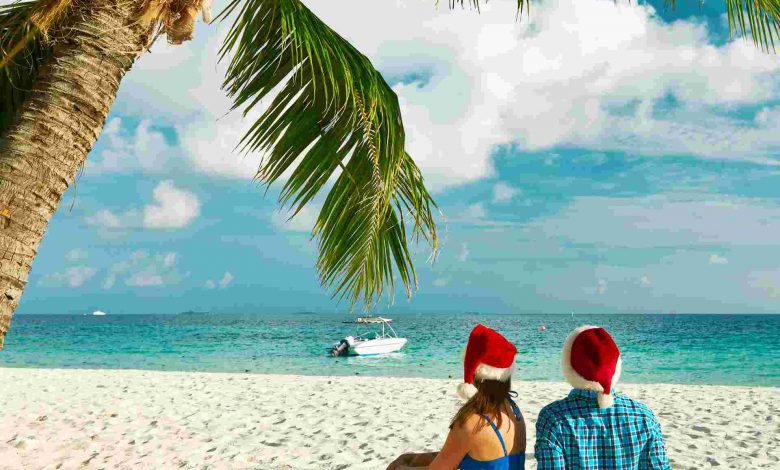
Everyone acts like January is a throwaway month for travel. You survived the holidays, the budget's bruised, and the general consensus seems to be: stay home, eat leftovers, and wait for spring. Hard pass. January is genuinely one of the best months to travel — the crowds have thinned, shoulder-season deals are everywhere, and a handful of destinations hit their absolute peak weather right when the northern hemisphere is stuck under a grey ceiling of misery. I've done January trips to Thailand, Morocco, and the Maldives, and the only thing I regret is not starting this habit sooner. The Maldives in January has maybe the cleanest skies I've ever seen — the kind where you can pick out star clusters with the naked eye from your overwater deck at 11 PM. That alone is worth the flight.
The best places to visit in January range from genuinely tropical to surprisingly mild-and-gorgeous, and none of them involve fighting for a beach chair with half of Europe. This post covers six destinations that make serious sense in January — not as vague suggestions, but with specific hotels, realistic prices, what to actually do, and what to bring. A few of these places are pricier during January than in the off-season, and I'll flag that. But most offer a compelling deal compared to their peak summer rates. Read through, pick one, and stop treating January like a month to simply endure.
Bali, Indonesia: The #1 Ranked Destination in the World Right Now
Tripadvisor's 2026 data named Bali the world's top destination, and January is one of the best times to land there. The wet season is technically active, but in practical terms you're looking at morning sunshine, a two-hour afternoon shower, and then clear skies again by evening — not the constant soggy misery people imagine. Temperatures hover around 27–30°C (80–86°F). The rice terraces are the most vivid green you'll see all year.
For hotels, Alila Villas Uluwatu perches on a cliff above the Indian Ocean with minimalist architecture and views that make your jaw actually drop — rates run around $500–$700/night in January. If Ubud is more your speed, Four Seasons Resort Bali at Sayan sits above the Ayung River gorge with jungle pavilions and private pool villas from around $900/night. Budget travelers can find clean, well-rated guesthouses in Canggu and Seminyak for $40–$80/night. The January crowds are thinner than July, which means you can actually get into popular spots like Tirta Empul temple at 7 AM without being elbowed in the ribs. Bring a Leatherman Signal multi-tool for outdoor excursions — the jungle hikes around Ubud aren't casual strolls.
Thailand: Dry Season Sweet Spot, Top to Bottom
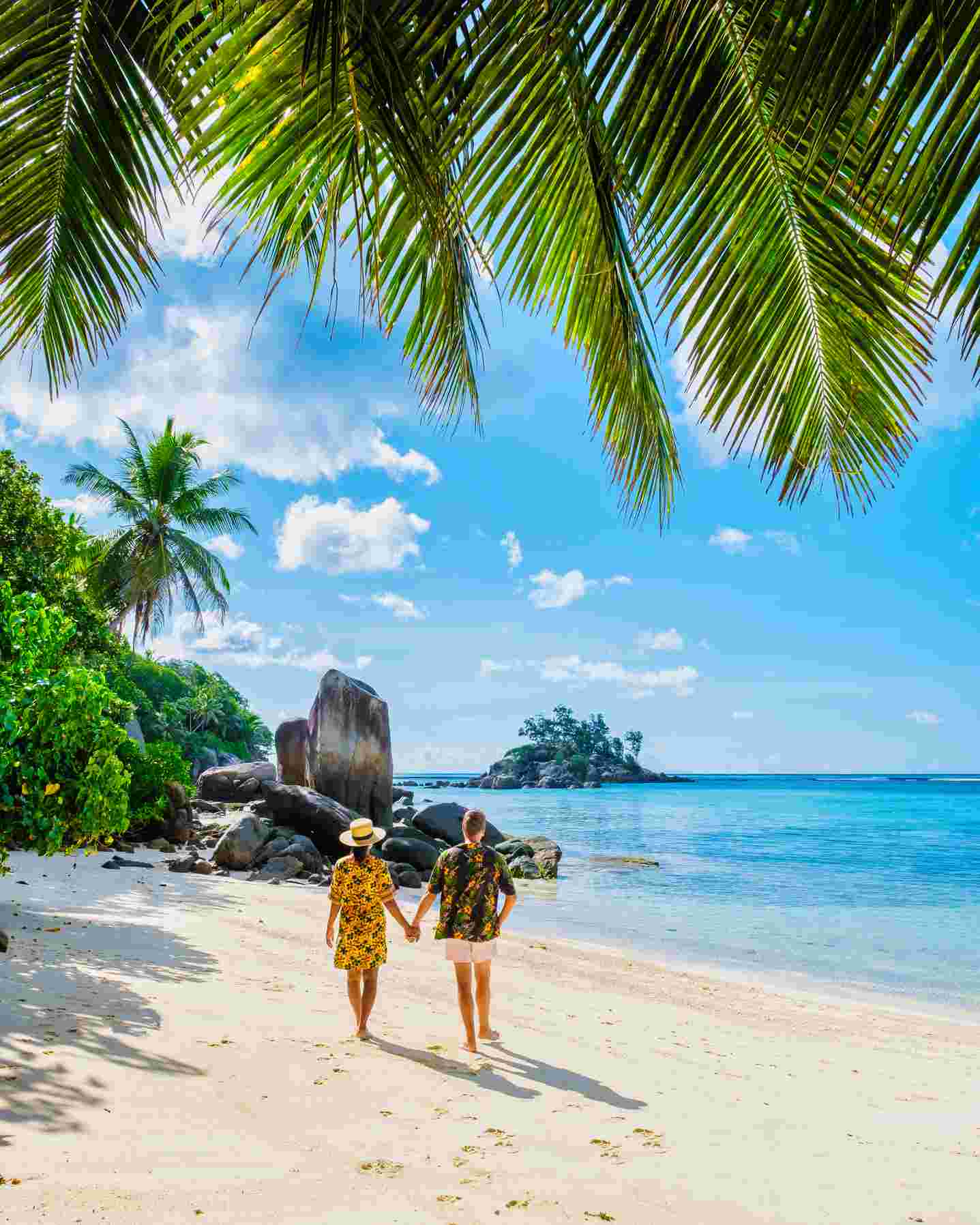
January is Thailand's golden window. The monsoons packed up in October and won't return until May, which means Bangkok, Chiang Mai, Koh Samui, and Krabi are all running simultaneously at their best. Daytime temperatures in Bangkok sit at 28–30°C with low humidity. Chiang Mai gets slightly cooler — around 20–25°C — which is ideal for the 6-hour trek to Doi Inthanon, Thailand's highest peak.
In Chiang Mai, the Shangri-La Hotel positions you near the Night Bazaar and runs around $120–$160/night in January. For more local flavor, boutique guesthouses in the Nimman area go for $50–$80. Down south on Koh Samui, Samui Buri Beach Resort sits on Chaweng Beach and offers solid sea views for around $150/night. One note: island prices (Phuket, Koh Samui, Koh Phangan) spike 50–100% in December and January because peak season is real. Book your flights and accommodation two to three months out — don't learn this the hard way the night before you want to leave. A compact Anker 10,000 mAh MagSafe power bank ($45) is essential for long island days away from outlets.
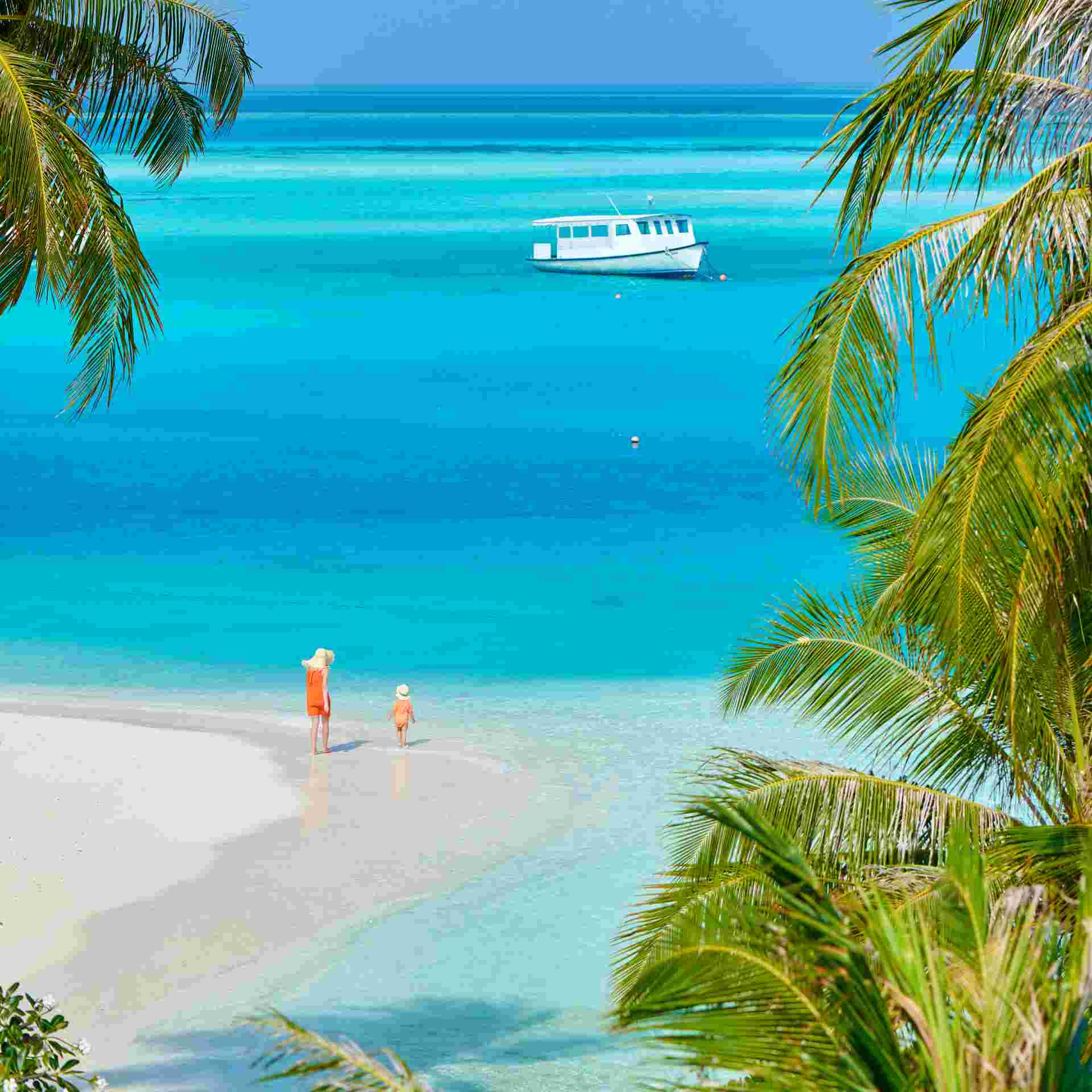
The Maldives: January Is the Best Month, Full Stop
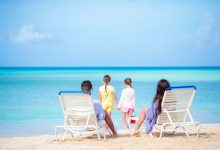
No caveats here. January sits in the dry season, which runs November through April, and the weather is consistently clear, calm, and warm — around 29°C with minimal rain. Visibility for snorkeling and diving runs to 30 meters. The swells that occasionally rough things up in May and June are nowhere. Perfect.
Soneva Jani in Noonu Atoll is the benchmark for overwater luxury — private pools, retractable bedroom roofs for open-air stargazing, and water slides off the deck. Rates start at $2,100/night and climb steeply from there. Not for everyone. For something more accessible, Six Senses Laamu in Laamu Atoll is the only resort in its atoll, which means seclusion is essentially built in — Water Pavilions with lagoon access start around $900/night. If you want the Maldives experience without the full gut-punch on the credit card, Vakkaru Maldives in the UNESCO-protected Baa Atoll runs $1,200–$2,800 depending on villa type and offers excellent house reef snorkeling. Budget for the seaplane from Malé — roughly $300–$500 per person round trip depending on atoll — it's a separate cost most first-timers forget.
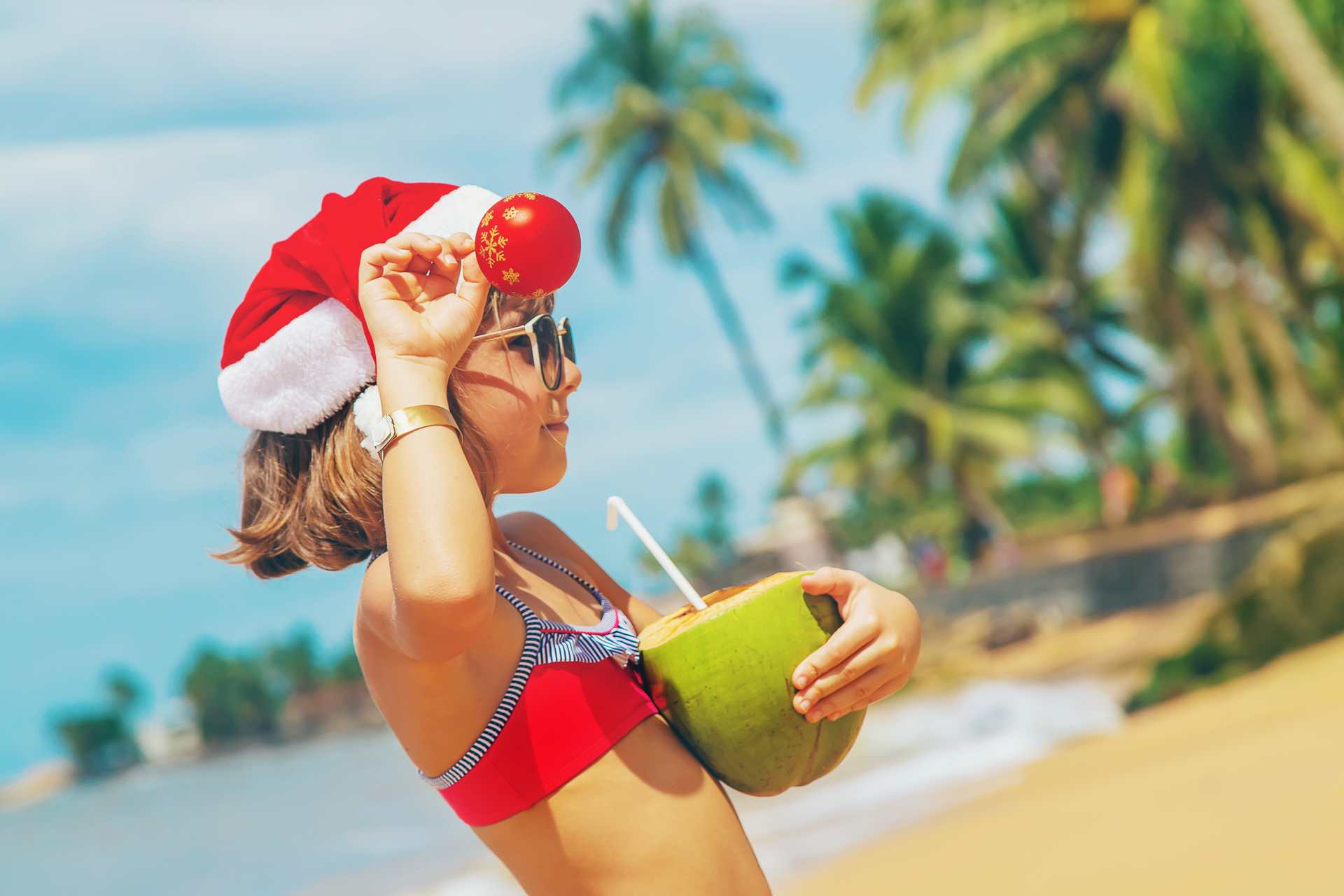
Morocco: Marrakech in January Is a Different City
Peak Morocco for tourists is spring and autumn. January is the locals' Marrakech — fewer tour groups clogging the souks, riad prices at their lowest, and a cool, bright quality to the light that makes the medina feel almost theatrical. Daytime temperatures reach 18–21°C (64–70°F). Cool at night — down to 6–8°C — so pack layers. I asked a guide near Jemaa el-Fnaa Square whether January was worth it, and he laughed. "Souk has room to walk. You can see the lamps."
La Mamounia is the iconic splurge — a legendary palace hotel with olive gardens and heated pool, from around €400/night in January. For the authentic riad experience on a real budget, boutique riads inside the medina run €50–€90/night — that's a 40–50% discount versus April. Riad Yasmine in the northern medina gets consistently excellent reviews and sits near the Ben Youssef Madrasa, which is absolutely worth seeing. During daytime wandering, do the hot air balloon ride over the Agafay Desert at sunrise — operators like Ciel d'Afrique charge around €180/person and it's one of those things where every photo looks fake because it's too beautiful. Pack a TESSAN 65W universal adapter — Morocco uses European-style plug types and the voltage can fluctuate in older riads.
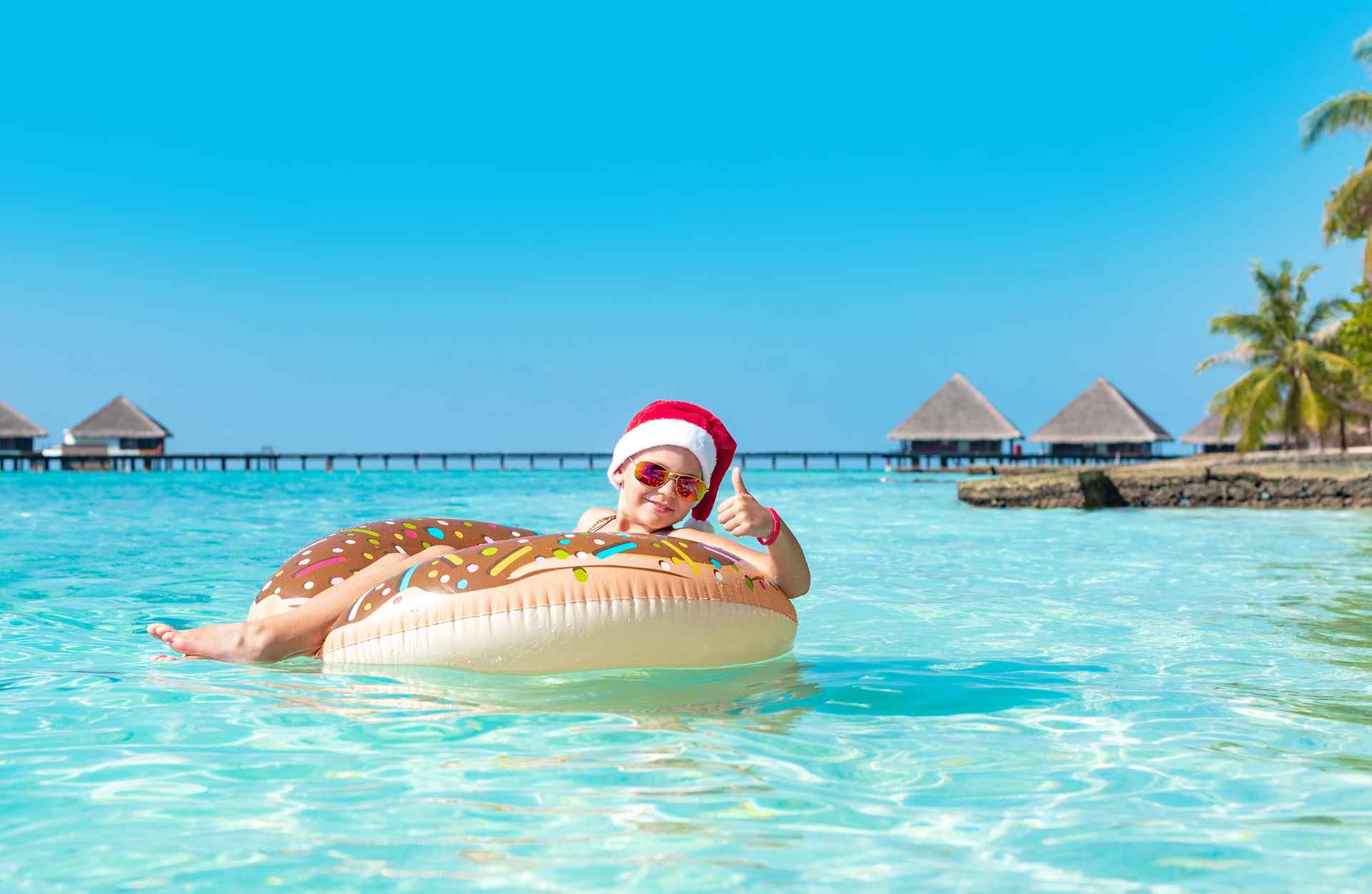
Cancún, Mexico: Not the Spring Break Version
People hear Cancún and immediately picture 22-year-olds in matching T-shirts. January is nothing like that. The college crowd isn't there yet, the weather is legitimately great — high 70s to low 80s Fahrenheit, low humidity, barely any rain — and the hotel zone is running at a pace where you can actually relax. January is shoulder season between the holiday rush and spring break, which means solid all-inclusive deals.
Hyatt Ziva Cancún on Punta Cancún is one of the better all-inclusive properties in the zone — 547 rooms, eight restaurants, three pools including an adults-only infinity pool facing the Caribbean, and rates from around $400/night for two (all-inclusive). That's a genuine deal for what's included. If you want something smaller and boutique, properties in Puerto Morelos (30 minutes south) like Zoëtry Paraiso de la Bonita are adult-only, all-inclusive, and quieter. Day trips from Cancún in January are also excellent — Chichén Itzá without the July heat is a completely different experience. Go at 8 AM before the tour buses arrive. Bring a Hydro Flask 32 oz insulated bottle ($45) — Mexican sun hits differently even in January.
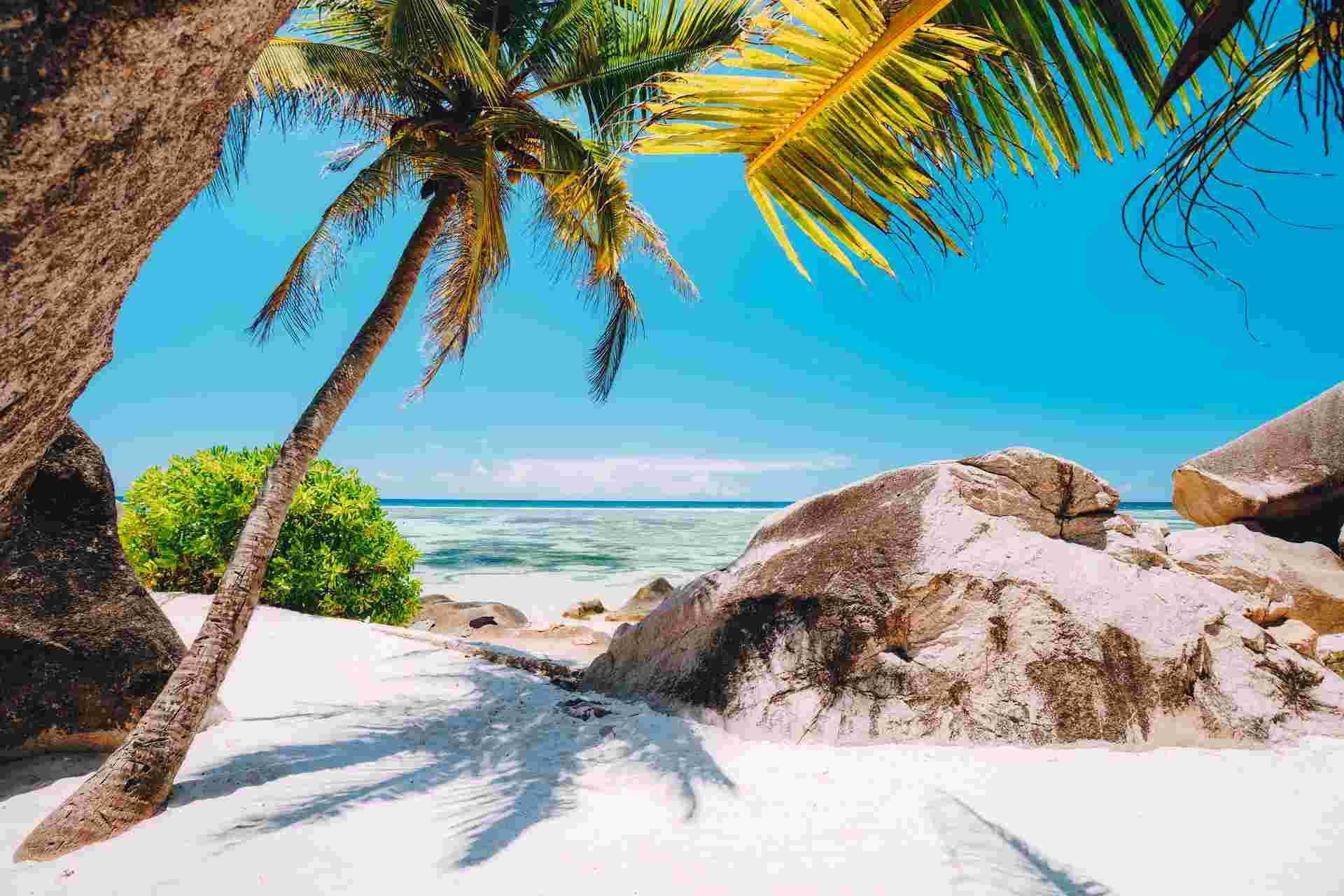
Patagonia, Argentina: January Is Peak Season Down South
While the northern hemisphere shivers, Patagonia's January is summer. This matters enormously for trekking. The famous W Trek in Torres del Paine National Park in Chile or the hikes around El Chaltén in Argentina are typically done November through March — January offers the longest daylight hours and warmest temperatures (15–22°C). It's the only time the trails are reliably ice-free.
In El Chaltén, Los Cerros del Chaltén is a boutique hotel with mountain views and guided trekking packages — doubles from around $250/night. Ecocamp Patagonia near Torres del Paine offers geodesic dome accommodation inside the park boundary, from around $300/night with meals. This is the rare January destination that's genuinely at peak season, so book 4–6 months in advance for the decent accommodation. Seriously. For the multi-day treks, a Garmin inReach Mini 2 satellite communicator ($350) is worth every cent — cell coverage in Patagonia is essentially decorative.
Do's and Don'ts for January Travel
| Do's | Don'ts |
|---|---|
| Book flights to Maldives and Thailand 2–3 months out — January is peak season and prices spike | Don't assume January is universally cheap — some destinations hit their most expensive period in January |
| Pack a universal travel adapter like the TESSAN 65W — plug types vary wildly across these destinations | Don't skip travel insurance for Patagonia — remote trails and real weather make medical evacuation a real possibility |
| Check visa requirements before you book — Bali, Thailand, and Morocco each have different rules for US/AU/EU passports | Don't book Cancún for late January if you're crowd-averse — spring break crowds start building in February |
| Use a compact luggage scale ($12–$15) to avoid airline baggage fees on the way back from shopping in Morocco | Don't rely on Google Maps offline for Marrakech's medina — the labyrinth streets update constantly and apps lag behind |
| Bring a packable down jacket even for tropical trips — airport AC and overnight flights get cold | Don't visit Thai temple complexes in shorts or sleeveless tops — a sarong in your bag solves this every time |
| Book the seaplane separately when planning Maldives — it's not included in resort rates and adds $300–$500 per person | Don't schedule Patagonia treks back-to-back with no rest day — the altitude and wind hit harder than most people expect |
| Pre-download Spotify playlists, podcasts, or Netflix shows before long-haul January flights — in-flight Wi-Fi is inconsistent | Don't exchange large amounts of cash at airports — rates are consistently worse than city exchange offices |
| Stay in Marrakech's medina at a riad rather than a modern hotel — the experience is completely different and usually cheaper | Don't overbook activities on day one after a long flight — jet lag hits differently in tropical heat |
| Research shoulder-season deals within peak-season destinations — smaller resorts often undercut big-name properties significantly | Don't forget reef-safe sunscreen for Maldives and Bali — standard sunscreens harm coral reefs and some resorts are starting to enforce this |
| Use an Apple AirTag or Tile Tracker on your main luggage — January is a busy travel month and bags go missing more often | Don't book the cheapest available accommodation in Patagonia without reading recent reviews — infrastructure varies wildly |
FAQs
What are the warmest places to visit in January for a beach holiday?
The Maldives, Bali, and Cancún all offer genuinely warm and mostly sunny conditions in January. The Maldives is arguably the most reliably perfect — dry season means 29°C days, calm seas, and visibility that makes snorkeling look like an aquarium. Bali gets some afternoon rain but nothing that ruins a day. Cancún averages highs in the low 80s Fahrenheit with low humidity, making it the most comfortable Caribbean option in January compared to summer months when the heat becomes oppressive.
Is January a good time to visit Thailand?
Yes — January is actually Thailand's best month. The dry season is fully established across the whole country, from Bangkok down to Krabi and across to Chiang Mai. You get blue skies, manageable temperatures (20–30°C depending on region), and far better air quality in Chiang Mai compared to the smoke-haze months of March and April. The trade-off is cost — island accommodation prices run 50–100% higher in January than during the rainy season, so budget travelers should book well in advance or consider staying on the mainland where pricing is more stable.

How expensive is the Maldives in January?
January is peak season in the Maldives, so expect premium pricing. Overwater villas at top resorts range from $900/night at Six Senses Laamu up to $2,100+ at Soneva Jani. Budget-conscious travelers can stay on local island guesthouses on Maafushi or Rasdhoo for $80–$150/night — you lose the private overwater deck but gain access to excellent house reefs and local Maldivian food at a fraction of the resort price. Add the seaplane or speedboat transfer to your budget, which adds $150–$500 per person depending on how remote the resort is.
Is Morocco worth visiting in January?
Absolutely — and it's arguably the best month to visit Marrakech specifically. Crowds are significantly lower than spring, riad prices drop 40–50%, and the daytime temperatures are comfortable for walking. The only real consideration is cold evenings (6–8°C) and the fact that some riads in the medina don't have central heating — which sounds minor until you're at midnight in a stone room in January. Ask about heating when you book. The Sahara Desert tours out of Merzouga are also excellent in January, with clear star visibility and temperatures that make the daytime trek comfortable rather than brutal.

What should I pack for January travel to warm destinations?
A light packable down jacket that compresses to the size of a water bottle is non-negotiable — airport terminals, flights, and air-conditioned restaurants in tropical countries are aggressively cold. Reef-safe sunscreen is increasingly required at Maldives and Bali resorts. A universal adapter like the TESSAN 65W handles most destination plug types with USB-C and USB-A ports. For anyone doing outdoor-heavy trips in Thailand or Patagonia, a compact power bank like Anker's 10,000 mAh MagSafe unit ($45) keeps devices charged through long trekking days. And a 32 oz insulated water bottle handles both ice-cold drinks in the tropics and hot coffee on Patagonia mornings.
Where are the best places to visit in January for couples?
The Maldives makes the strongest case for couples who want complete isolation and luxury — especially Soneva Jani or Six Senses Laamu where villa seclusion is built into the design. Bali's Alila Villas Uluwatu delivers the clifftop romance without quite the same price tag. For couples who want a city-plus-beach combination, Bangkok paired with three nights in Koh Lanta or Krabi hits a nice balance of cultural stimulation and beach relaxation. Morocco's Marrakech is genuinely romantic in January — rooftop dinners at riads, hammam afternoons, medina evenings — without the summer crowds diluting the intimacy.
How far in advance should I book January travel?
For the Maldives and popular Thai islands, 3–4 months minimum. January is legitimate peak season for these destinations and the decent overwater villas at mid-range resorts sell out first. For Morocco and Cancún, 6–8 weeks is usually sufficient given the lower demand. Patagonia is the exception — El Chaltén and Torres del Paine accommodation books out 4–6 months in advance for January because it's the most popular trekking month and the region has limited accommodation capacity. Budget airlines sometimes drop flash January sales in November, so it's worth setting a Google Flights alert for any destination you're seriously considering.