What to Wear on a Safari: The Complete Packing Guide
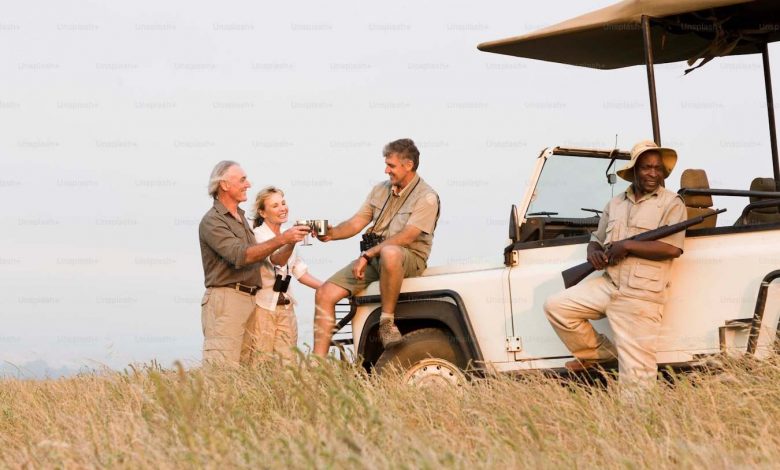
My first game drive in Kenya started at 5:30 AM. I'd packed "safari-appropriate" clothes based on a vague Pinterest board and a YouTube thumbnail. Mistake. I was wearing a thin linen shirt and a bright navy fleece — both completely wrong — and by 6 AM I was shivering so hard I missed a leopard sighting because I was too busy trying to zip up a jacket that didn't fit over three layers. Here's the thing nobody tells you before you go: knowing what to wear on safari isn't just about aesthetics. It's about staying warm enough at dawn, cool enough by noon, invisible to insects by dusk, and — crucially — within the 15kg baggage limit every bush plane in East Africa enforces without apology.
The good news is the formula isn't complicated once someone lays it out. Safari clothing comes down to color, layering, and fabric — in that order. Neutral tones (khaki, stone, olive, dusty sage) don't spook wildlife, don't show the red dust that coats everything, and look perfectly decent at a lodge dinner. Layering handles the 15°C temperature swing between a pre-dawn Serengeti drive and a midday game walk. And natural or performance fabrics keep you comfortable through both. I've now done seven safaris across Tanzania, South Africa, Botswana, and Zambia, tested gear from four different brands, borrowed binoculars from strangers when mine fogged up, and come back with a packing list I'd stake a good set of game drive seats on. This guide covers every piece of it.
The Color Rule: Why Your Outfit Actually Matters Out There
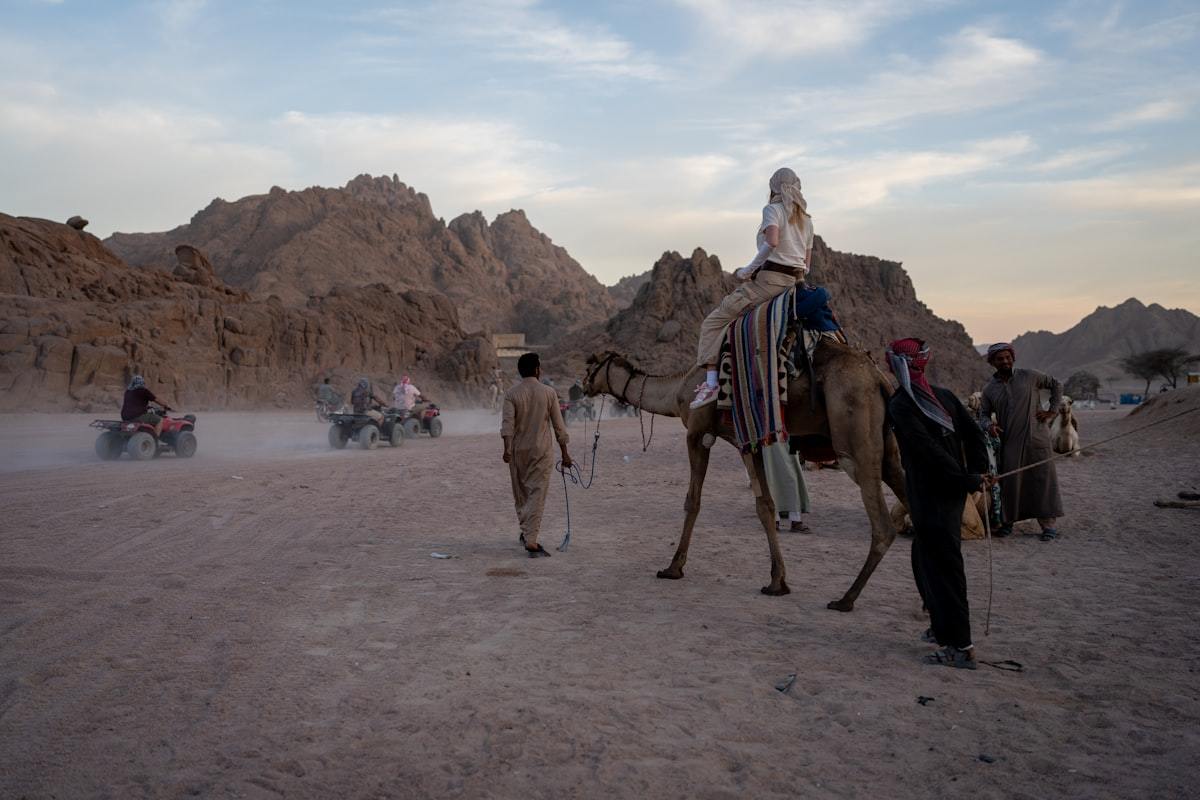
Forget fashion instincts for a second. Safari dress code exists for practical reasons. Bright white, red, and fluorescent anything can startle animals and reflect light that makes you visible for hundreds of meters in open savannah. Some camps in Botswana will actually pull you aside if you show up to a drive in a yellow hoodie — not unkindly, but firmly.
Stick to: khaki, tan, stone, light grey, olive green, and muted brown. That's your whole palette. It sounds boring until you're sitting ten meters from a pride of lions and realize every choice you made that morning was the right one. Also worth knowing — camouflage is illegal for civilians in several African countries including Zimbabwe and Zambia, so don't pack it even if your outdoor brand makes it look cool. Dark colors attract tsetse flies in some regions, particularly in the Okavango Delta and parts of Zambia. Light neutrals are the practical call on every front.
Building Your Safari Wardrobe: The Exact Items That Work
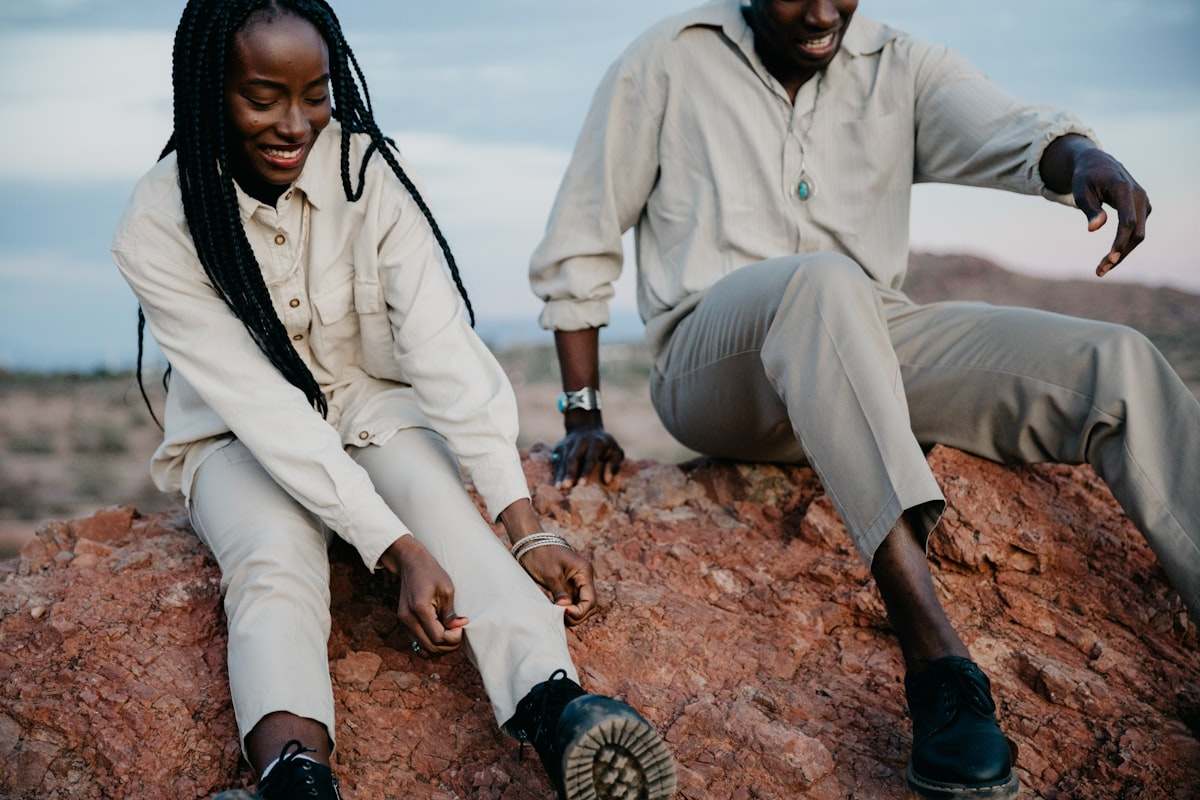
Start with three to four long-sleeve shirts. Craghoppers makes the NosiLife range specifically for this purpose — UPF 50+ fabric with built-in insect repellent treatment that survives 70 washes. Around $65-80 per shirt. Columbia's Silver Ridge utility shirts are a reliable alternative at $50-60, with vented backs and omni-shade sun protection. I've worn both and the Craghoppers shirt runs slightly cooler in humid coastal bush, while the Columbia holds up better in drier Namibian conditions.
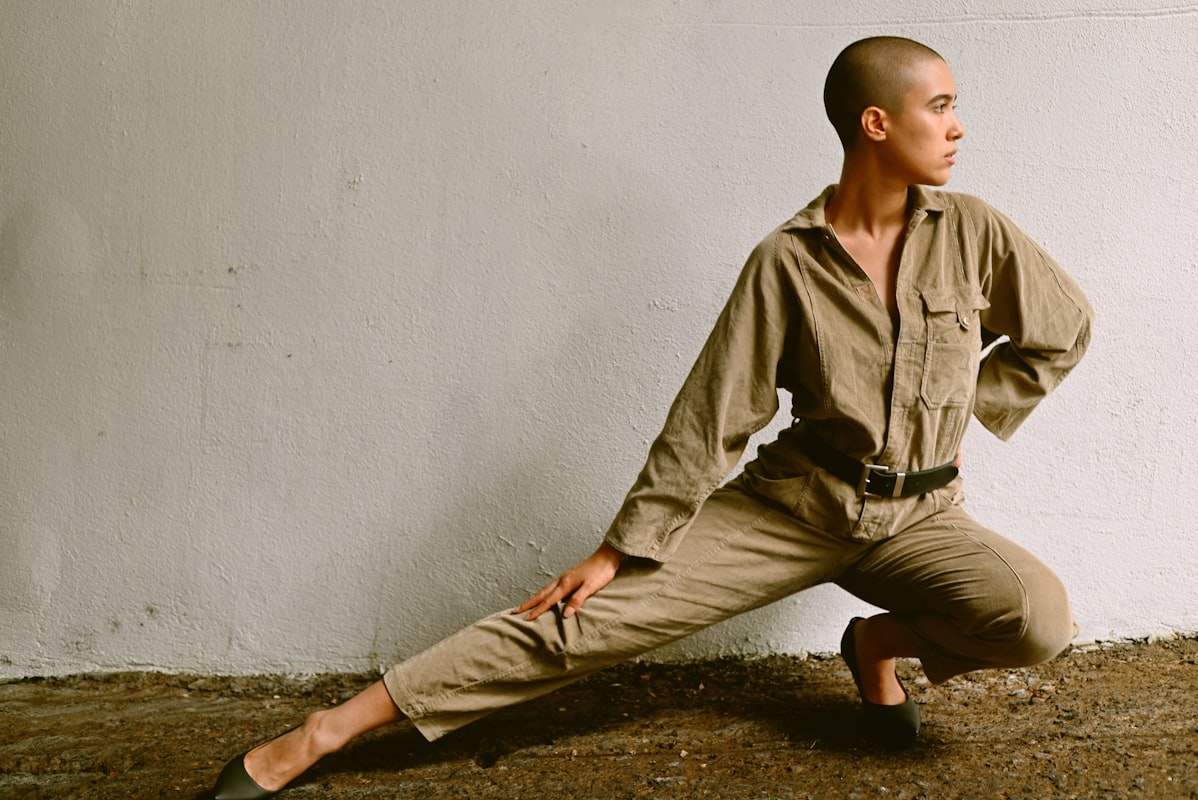
For pants, ExOfficio used to be the go-to — convertible zip-off trousers in travel-weight fabric — but the brand largely exited the travel clothing market. Craghoppers stepped into that gap. The Kiwi Pro Stretch trousers are worth the $70: articulated knees, multiple pockets, quick-dry nylon. They also zip off at the knee, which matters when you're going from a cool morning game drive to a hot afternoon bush walk. Bring two pairs minimum. Most lodges offer same-day laundry (usually included in your rate at higher-end camps), so you can get away with two pairs for a ten-day trip.
Midlayers and outer layers: one good fleece is non-negotiable. The Maasai Mara at 6 AM in July is genuinely cold — sub-10°C in open vehicles. A 200-weight fleece works. A packable down vest works better because it compresses smaller and you can wear it under a rain shell if needed.
Safari Footwear: What to Actually Put on Your Feet
Sandals and flip-flops have their place — around the lodge, by the pool, from the tent to the dining area. But for game drives and guided bush walks, closed-toe shoes are non-negotiable. Thorns, loose rock, ankle-rolling terrain, and the occasional close encounter with something you'd rather not step on.
Merrell Moab 3 boots have become the default recommendation across most safari operators for good reason. The Vibram outsole grips in loose dust and rocky terrain, the ankle support holds on uneven ground, and the breathable upper doesn't turn your feet into an oven on hot afternoons. The waterproof version ($160 in 2026) adds Gore-Tex lining, which makes sense for Zambia or any wet-season itinerary. Non-waterproof ($140) is fine for dry-season East and Southern Africa. Break them in at home for at least three weeks before your trip. New boots on a bush walk in the Okavango Delta is not the time to discover a hot spot on your heel.
One pair of smart-casual shoes or sandals for evenings rounds out the footwear. Camp dinners occasionally tilt toward the slightly dressed-up end — not formal, but not trail shoes either.
The Hat Situation (More Important Than You Think)
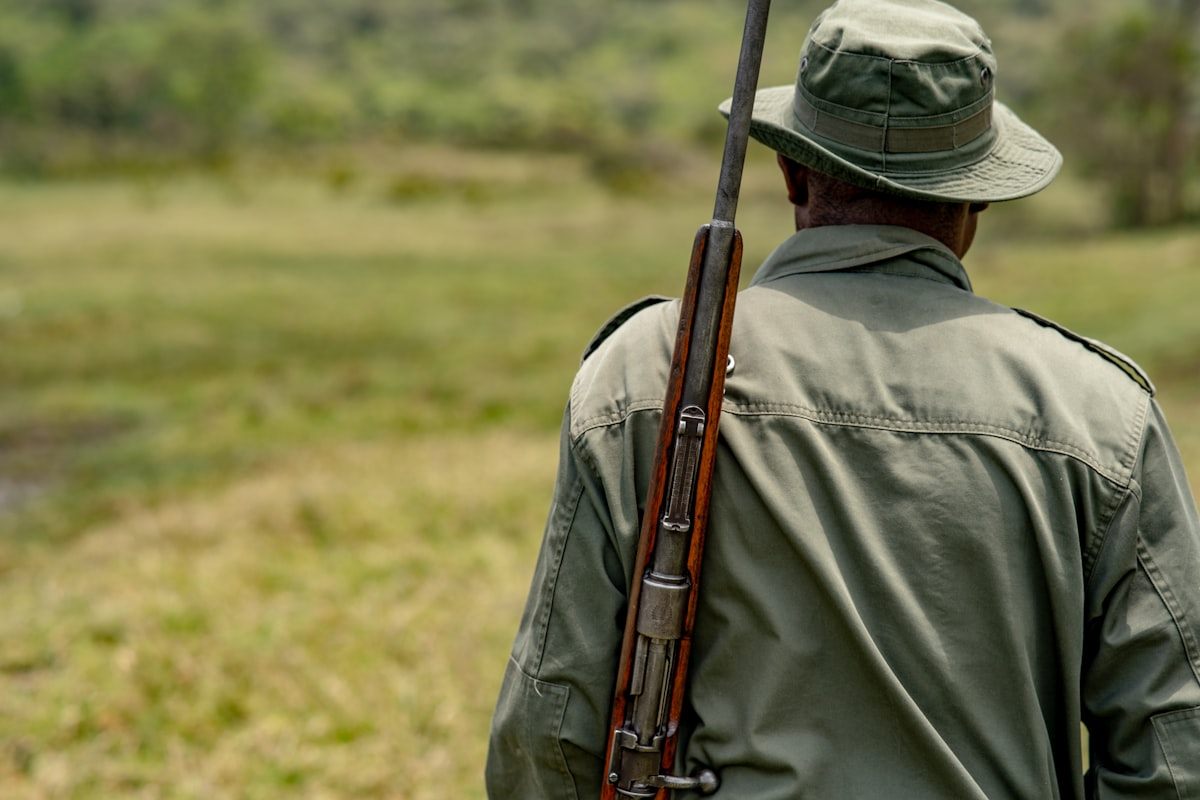
Skin cancer rates in sub-Saharan Africa are high and the UV index at altitude is relentless. A hat isn't optional. Tilley hats have become the unofficial uniform of well-prepared safari travelers for decades, and the LTM6 Airflo model earns that reputation. UPF 50+, crushable, floatable, wind-cord equipped, and guaranteed for life — Tilley replaces any hat that wears out, no receipt required. Around $85. The wide brim (3 inches) actually shades your face and neck, unlike the baseball cap 40% of first-time safari-goers bring.
If you run warm and want something lighter, Columbia Bora Bora booney hats work fine and are around $35-40. The Tilley wins on build quality and longevity, but either beats a sunburned face.
Binoculars and Camera Gear: The Packing Decisions That Make or Break a Safari
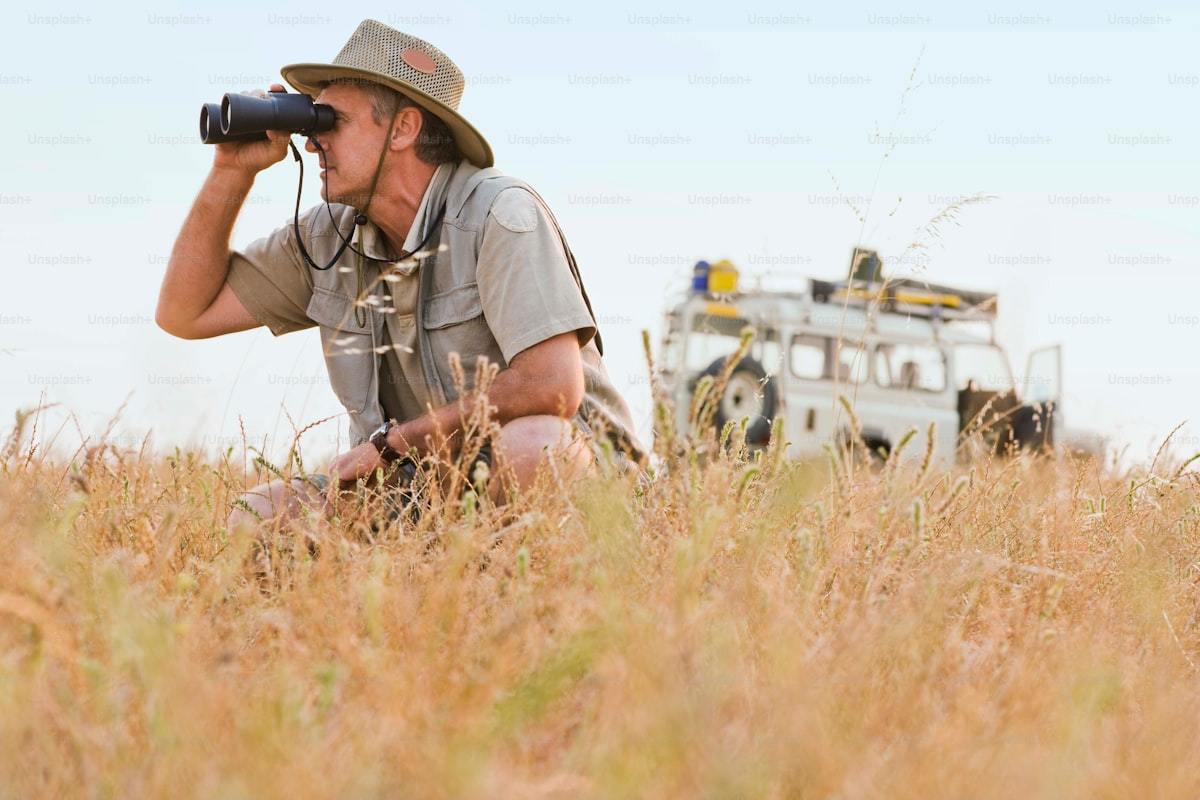
Binoculars are, genuinely, the most important item on a safari that most people either skip or get wrong. A $20 drugstore pair will blur at distance and have miserable low-light performance during the golden hour game drives when most action happens. Vortex Optics Diamondback HD 8×42 is the practical sweet spot — around $280, excellent optics, waterproof, and covered by Vortex's unconditional lifetime warranty. Take them apart with a rock if you want; Vortex will send you new ones, no questions asked. For anyone who wants to step up: Swarovski Optik's EL 8.5×42 binoculars deliver genuinely exceptional glass clarity, especially in low light at dawn and dusk. They run $2,500-2,800, but if you're doing multiple safaris, they're a one-time buy for life.
For cameras: the Canon EOS R7 has become a standout choice for safari photography in 2026. The 32.5MP APS-C sensor has a 1.6x crop factor that effectively extends any telephoto lens — pair it with the RF 100-500mm and you've got serious reach. The 30fps electronic shutter and Dual Pixel CMOS AF II track animal eyes through tall grass with accuracy that would've been a $5,000+ camera capability a few years ago. Body runs around $1,400. Sony A7IV (full-frame, 33MP, ~$2,500) is the more expensive but versatile choice if you also shoot video or portraits — it's a dual-purpose workhorse that wildlife photographers increasingly use alongside dedicated telephoto setups.
What to Pack for Evening and Dinner at Lodge
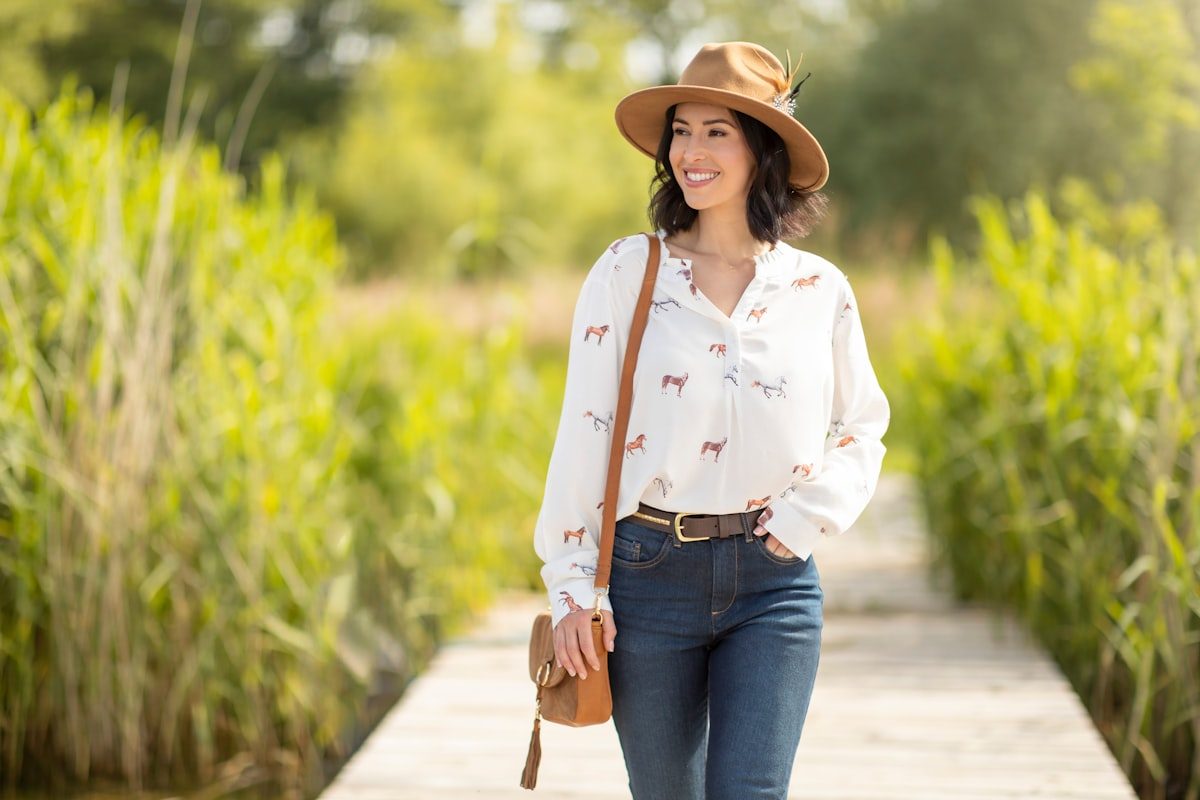
Most safari camps in the $400-1,000/night range have communal dinners, often around a fire or under canvas. The vibe is relaxed but not casual. Think: a clean linen shirt or cotton blouse, smart chinos or a midi skirt, closed shoes or sandals with a slight heel. Nobody's showing up in a cocktail dress — but nobody's eating dinner in the same dusty shirt they wore on a four-hour game drive either.
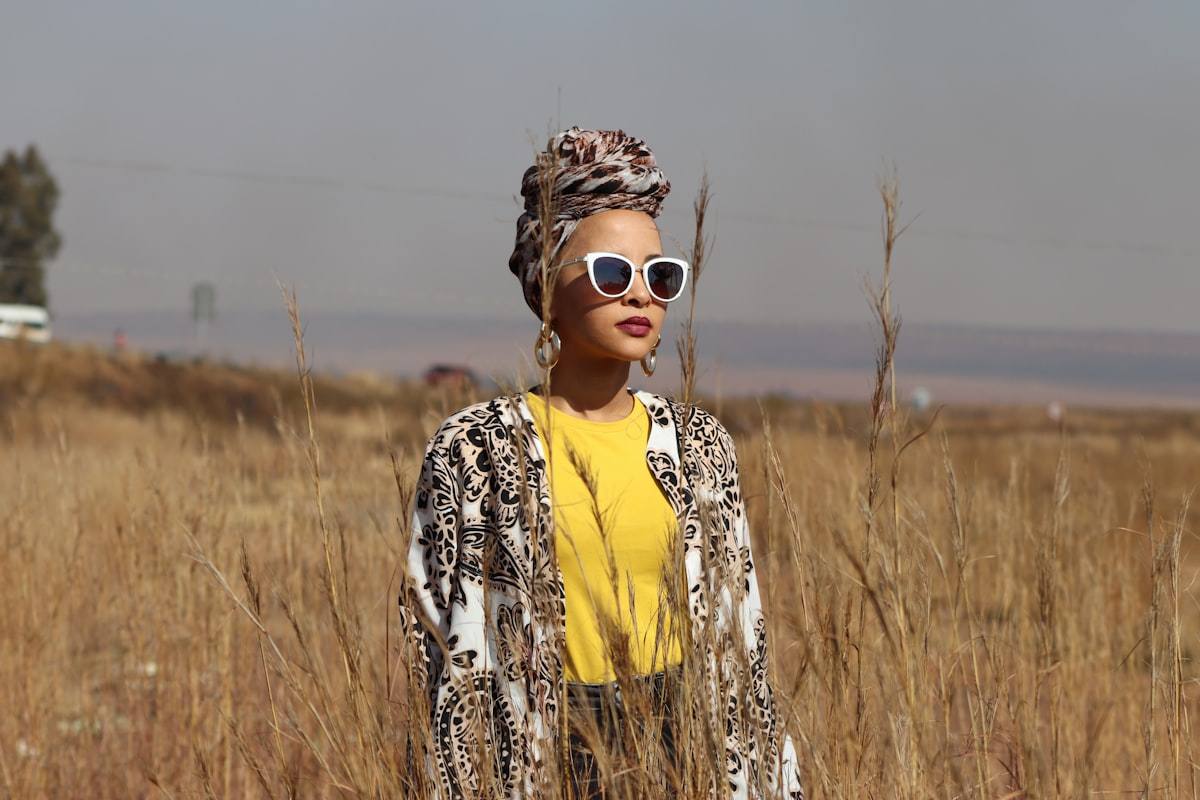
Mosquito protection matters here more than anywhere. After dark at a tented camp, long sleeves and long pants are practical rather than fashionable. The light scarf that packs flat and weighs nothing doubles as a neck/shoulder wrap at dinner and insect barrier in the evening. One smart-casual outfit, one light scarf, and that's the evening wardrobe sorted.
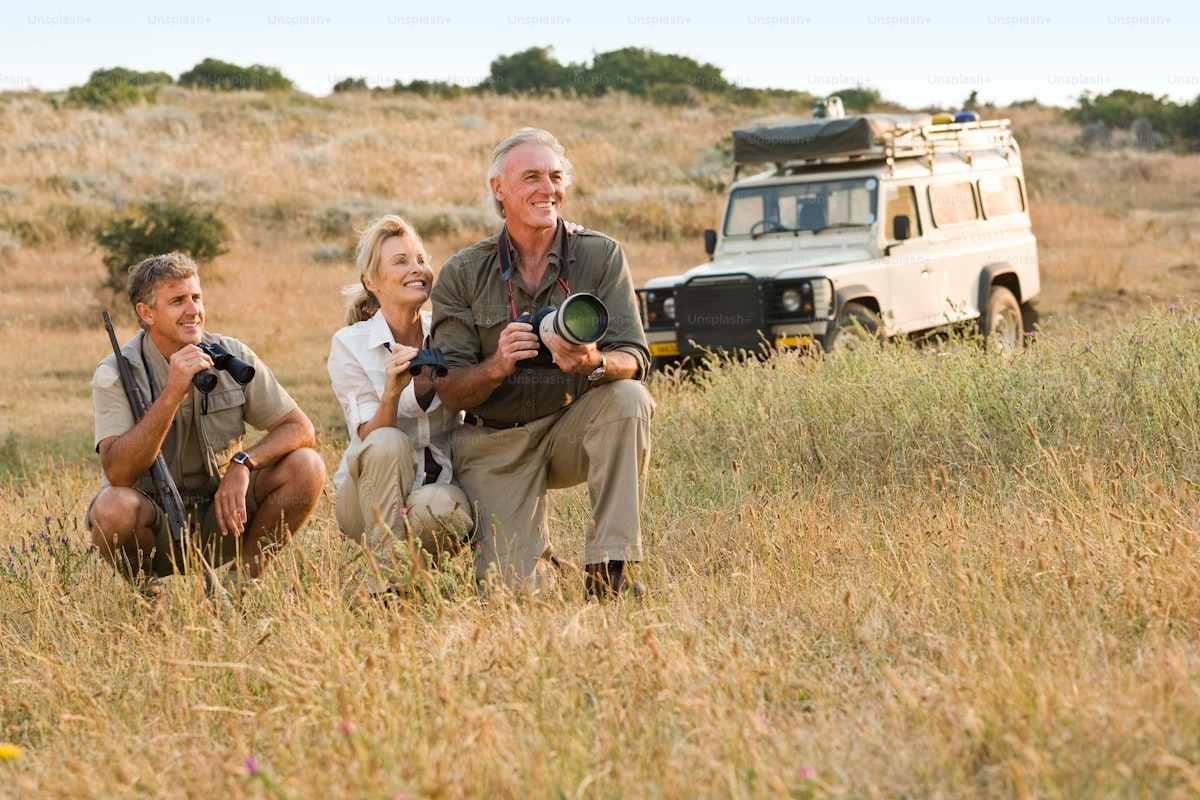
The Packing List Totals (What Actually Fits in 15kg)
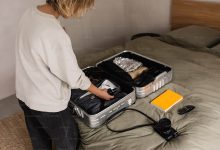
Bush planes in East Africa and southern Africa enforce a 15kg (33lb) combined limit — checked bag plus daypack. Soft-sided duffels only; no hard cases. This sounds restrictive until you realize most permanent camps do daily laundry, which means you're effectively cycling a three-day wardrobe for a ten-day trip.
A lean but complete safari wardrobe: 3-4 long-sleeve shirts, 2 pairs of trousers (one convertible), 4-5 sets of underwear (ExOfficio's moisture-wicking briefs still exist; just the underwear, not the shirts), 2 lightweight T-shirts, 1 midlayer fleece, 1 packable rain jacket, 1 Tilley hat, 1 pair Merrell Moab boots, 1 pair of light sandals/evening shoes. That's it. Total clothing weight, if you choose well: 4-5kg, leaving room for camera gear, binoculars, and toiletries. The travelers who pack light come back saying they'd go lighter next time. The ones who overpack wrestle duffels onto bush planes while their guide apologetically informs them something has to stay at the lodge.
Do's and Don'ts for Safari Packing
| Do's | Don'ts |
|---|---|
| Pack neutral colors — khaki, olive, stone, sand | Wear bright colors (red, white, orange) on game drives |
| Choose Craghoppers NosiLife shirts for insect-repellent fabric | Bring camouflage — it's illegal in Zimbabwe, Zambia, and other countries |
| Invest in a Tilley LTM6 hat with genuine UPF 50+ protection | Pack a baseball cap as your primary sun protection |
| Break in Merrell Moab boots at home 3+ weeks before the trip | Bring new boots you've never worn on extended walks |
| Bring Vortex Diamondback HD 8×42 binoculars as a minimum | Skip binoculars entirely — you'll regret it at every sighting |
| Pack a quality fleece — pre-dawn drives get below 10°C | Assume it'll be warm 24/7 just because it's Africa |
| Use a soft-sided duffel bag for luggage | Bring a hard-shell suitcase — bush planes won't take it |
| Pack 3 days of clothes and use lodge laundry for 10-day trips | Overpack and hit the 15kg baggage limit with clothing alone |
| Bring long sleeves and pants for evening mosquito protection | Sit by the fire in shorts and a tank top after dark |
| Layer with a packable down vest for warmth-to-weight efficiency | Pack a bulky winter jacket that takes up half your duffel |
| Carry a rain jacket even in dry season — weather changes fast | Skip rain protection because your trip is in "dry" months |
| Choose insect-repellent DEET formula (30-50%) for high-risk areas | Rely solely on clothing for mosquito/tsetse fly protection |
FAQs
What colors are best to wear on safari?
Khaki, tan, stone, olive green, light grey, and muted brown are your best options. These tones don't startle wildlife, don't reflect harsh sunlight, and hide the red laterite dust that coats everything in East and Southern Africa within the first hour of a morning drive. Avoid white — it glows in the bush and shows every speck of dust — and avoid red and orange, which are high-visibility across grassland. Dark blue and black attract tsetse flies in parts of Botswana and Zambia, which is a practical reason to stay in the lighter neutral range.
Can I wear shorts on a safari?
Yes, during daytime game drives in vehicles. But convertible trousers that zip off at the knee are more versatile — you start cold at 5:30 AM with full legs and are in shorts by 10 AM without having to change. For bush walks, full-length pants are strongly recommended. Thorns, tall grass, and the occasional acacia branch make legs in shorts a liability. After dark, long pants are a mosquito defense measure, not a fashion choice.
Do I need special safari clothing brands or can I use regular outdoor gear?
You don't need a specialist brand, but purpose-built safari ranges offer real advantages. Craghoppers NosiLife shirts have insect-repellent treatment embedded in the fabric — useful in tsetse fly zones. Columbia Silver Ridge shirts offer UPF 50+ and ventilated backs. Both brands design specifically for the light, packable, dust-tolerant wardrobe that a safari demands. Generic outdoor brands work fine for footwear and outerwear, but shirts and trousers made for this environment do perform noticeably better over a week in the bush.
What camera should I bring on safari?
The Canon EOS R7 is a strong choice for 2026 — the APS-C sensor's crop factor extends telephoto reach, the 30fps burst rate catches fast-moving action, and the animal-detection autofocus tracks eyes through grass and brush. Pair it with the RF 100-500mm lens. If your budget runs to full-frame, the Sony A7IV handles both wildlife and low-light lodge photography well. Whatever body you choose, memory cards fill fast on safari. Bring at least two 256GB cards and a portable hard drive for nightly backups.
What binoculars should I bring on safari?
The Vortex Diamondback HD 8×42 (~$280) is the practical benchmark for most safari travelers — solid optics, waterproof construction, and a lifetime warranty that covers even accidental damage. For those who want the best glass money can buy, Swarovski Optik EL 8.5×42 binoculars are the gold standard at $2,500-2,800. The 8x magnification is the right choice for most people; higher magnification (10x or 12x) shakes too much in moving vehicles and has a narrower field of view that makes tracking animals harder.
What shoes are best for a safari?
Merrell Moab 3 boots are a safari-tested choice — the Vibram sole handles loose dust and rocky terrain, and the ankle support prevents rolled ankles on bush walks. The waterproof version ($160) makes sense for wet-season itineraries; non-waterproof ($140) is fine for dry-season East Africa. Bring a second pair of lighter shoes or sandals for evenings at the lodge. Sandals alone won't work — thorns and uneven ground around camp make closed-toe shoes worth the bag space.
How do I handle luggage weight limits on safari?
Most light aircraft transfers in Kenya, Tanzania, Botswana, and Zambia enforce a strict 15kg combined limit. Soft duffel bags only — no hard cases. The solution is to pack light and use lodge laundry, which is included in most mid-range to luxury camps. Three days of clothing cycles well for a seven to ten-day trip. Prioritize camera gear and binoculars in your weight allocation — clothes can be washed, but you can't rent a decent telephoto lens at a bush airstrip.
What should I pack for evenings at a safari lodge?
Lodge dinners are relaxed but not casual. A clean cotton or linen shirt, smart chinos or a midi skirt, and comfortable sandals or light shoes work perfectly. Most guests change out of their game drive clothes before dinner — it draws a mental line between the dusty day and a good meal. A lightweight cardigan or shawl doubles as warmth at outdoor fire dinners and extra mosquito protection. You don't need anything formal; you absolutely don't want to be in the same outfit you wore on the morning drive.