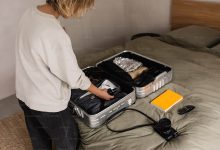
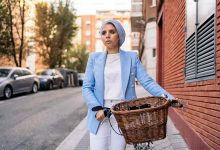
What to Wear in Morocco: A Style and Packing Guide for Women
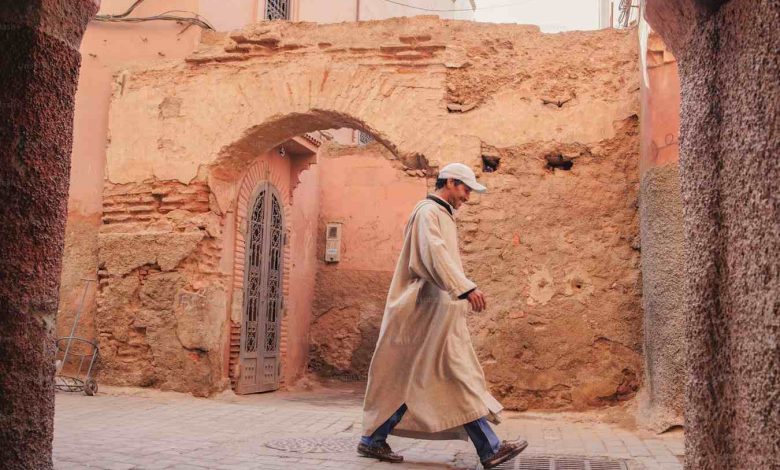
Standing in the middle of Marrakech's Djemaa el-Fna at midday — heat rising off the tiles, the smell of cumin drifting from a food stall, mopeds swerving two inches from your elbow — the last thing you want to be thinking about is your outfit. And yet the wrong call here will follow you all day. A tank top in the medina means constant unsolicited attention. Shorts in a mountain village mean awkward stares. I learned this the hard way on my first trip to Fez, where I'd packed like I was heading to Barcelona and spent the first afternoon shopping in the souks for a linen wrap to cover up. Lesson absorbed. Morocco rewards women who come prepared — comfortable, respectful, and honestly? Still completely stylish. The dress code here isn't about hiding yourself. It's about reading the room. Knowing what to wear in Morocco as a woman takes about five minutes to understand, but it makes the difference between blending in gracefully and standing out in a way you didn't intend.
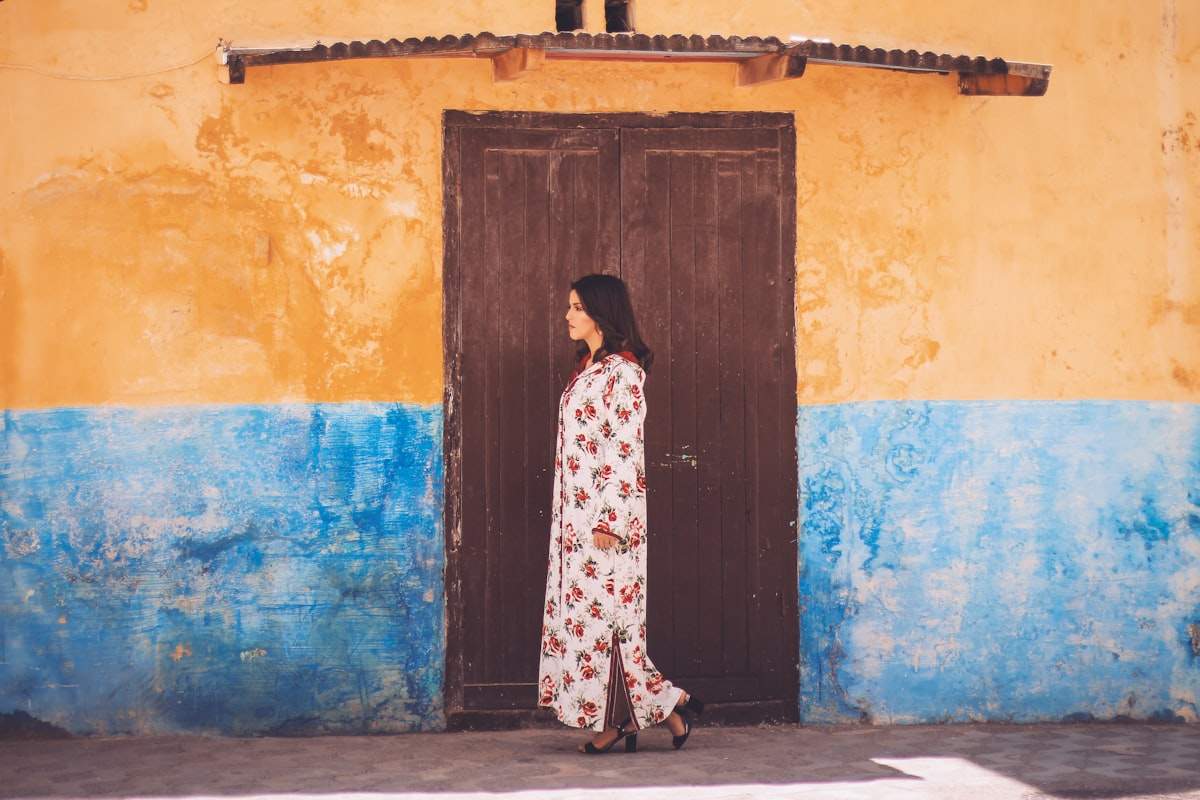
This guide covers every scenario you'll hit: the maze-like medinas of Marrakech and Fez, nights at a private riad with a plunge pool, a camel trek into the Sahara near Merzouga, and the comparatively relaxed coastal strip of Essaouira. I'll name specific brands — Patagonia, COS, & Other Stories — because "wear loose clothing" is advice that helps approximately no one. You need to know which actual pieces pack well, survive 40°C heat, and don't look like you raided a camping gear closet.
Understanding the Morocco Dress Code Before You Pack
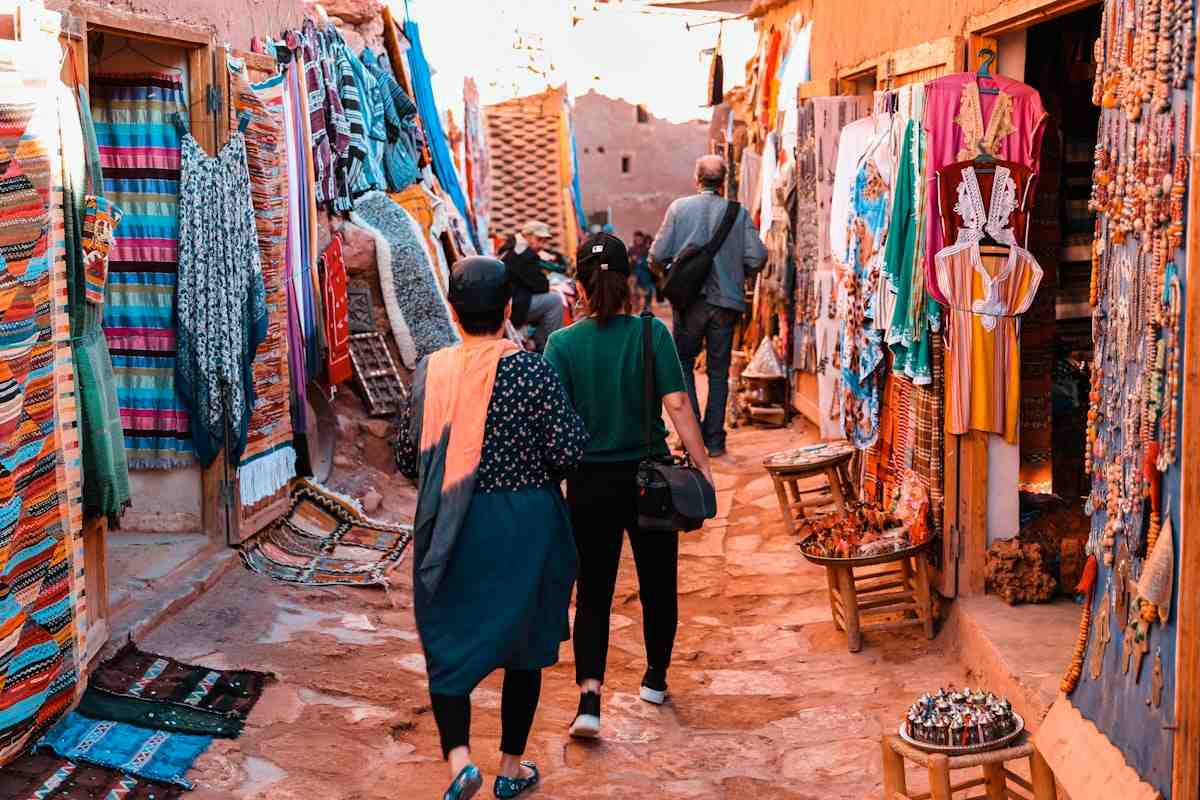
Morocco is a Muslim-majority country, and while there's no legally enforced dress code for tourists, cultural expectations are real — and they vary sharply by location. Casablanca's trendy Maarif neighborhood? A sundress is fine. A village in the Middle Atlas? Cover from shoulder to ankle and you'll still get curious looks. The medinas of Marrakech and Fez sit somewhere in the middle, but lean conservative. The baseline rule: cover your shoulders, knees, and chest, and you'll be fine in 95% of situations. Short shorts are out. Sleeveless tops in the old city draw attention you probably don't want. Non-Muslim women aren't expected to cover their hair — skip that anxiety — though a lightweight scarf in your bag is useful for sun, wind, and the occasional mosque courtyard. This isn't about strict enforcement. It's about respect signaling. Locals notice, and they respond accordingly. Dress thoughtfully and interactions in the souks and neighborhoods become measurably warmer.
What to Wear in the Medina: Marrakech and Fez
The medinas are the heart of any Morocco trip, and they're also where your clothing choices matter most. These are dense, working neighborhoods — not tourist theme parks. People live, work, and pray in them. Narrow alleys give way to tanneries, mosques, hammams, and centuries-old bread ovens. Your outfit should match that energy: covered but practical, breathable but not beach-ready.
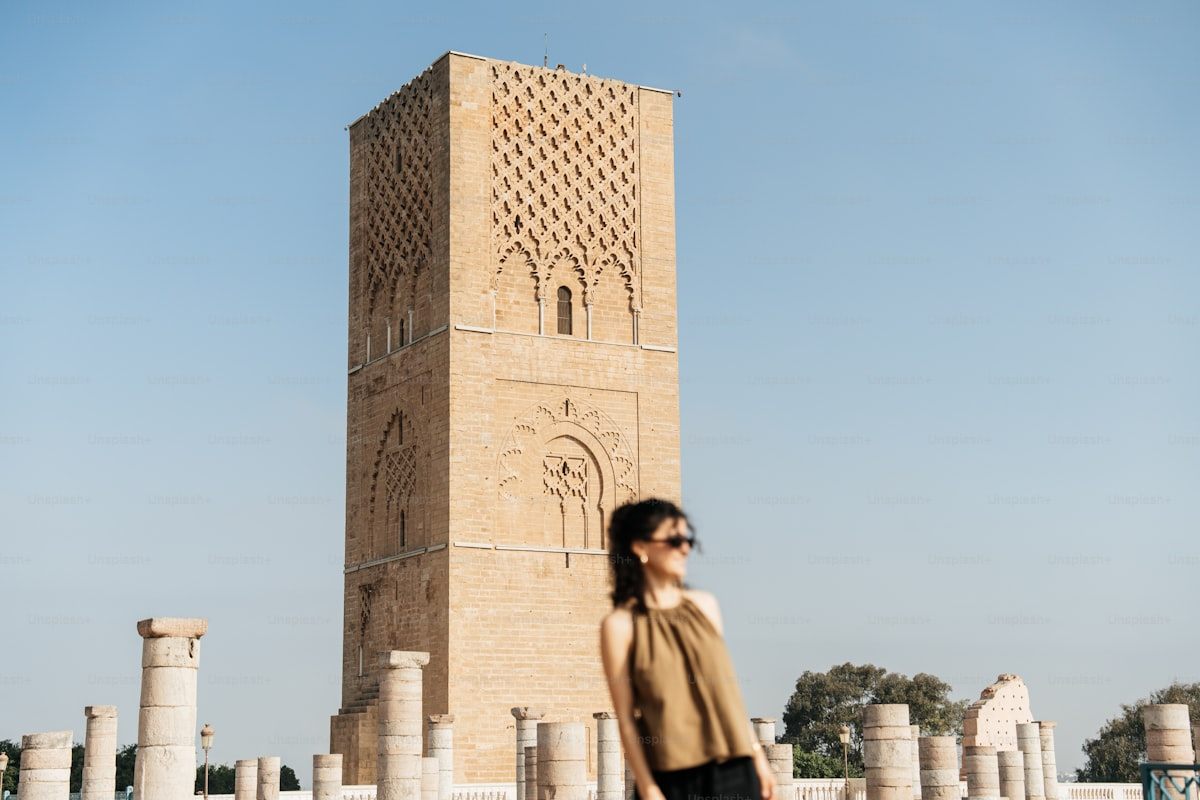
The COS Relaxed Linen Trousers (around $95 USD) are genuinely one of the best medina pants in existence. Wide-leg enough to circulate air in 38°C heat, ankle-length so you're covered, and they pack into almost nothing. Pair with a short-sleeved linen top — the & Other Stories Oversized Linen Shirt ($59) in chalk white or desert sand is my actual go-to. Add a lightweight cotton scarf draped loosely around your shoulders. You'll blend without trying. For footwear, closed-toe sandals beat sneakers here — the cobblestones in Fez's medina are centuries old and uneven, and a platform sandal with a strap across the back gives you grip without overheating your feet. The Birkenstock Boston Clog (soft footbed, $155) is heavy but earns its place after eight hours of walking. If you prefer sneakers, Patagonia's Activist Footwear line has breathable mesh options that won't feel like ovens by noon.
Riad Life: What to Wear Inside Your Accommodation
This is where you breathe. Riads are private — walled gardens, courtyard pools, rooftop terraces with zero street-facing exposure. Inside, the dress code relaxes completely. A bikini at a private plunge pool is fine. A sundress at breakfast? Perfect. Wandering the courtyard in your linen pajamas at 7 AM? Nobody cares — in fact, that's the correct approach.
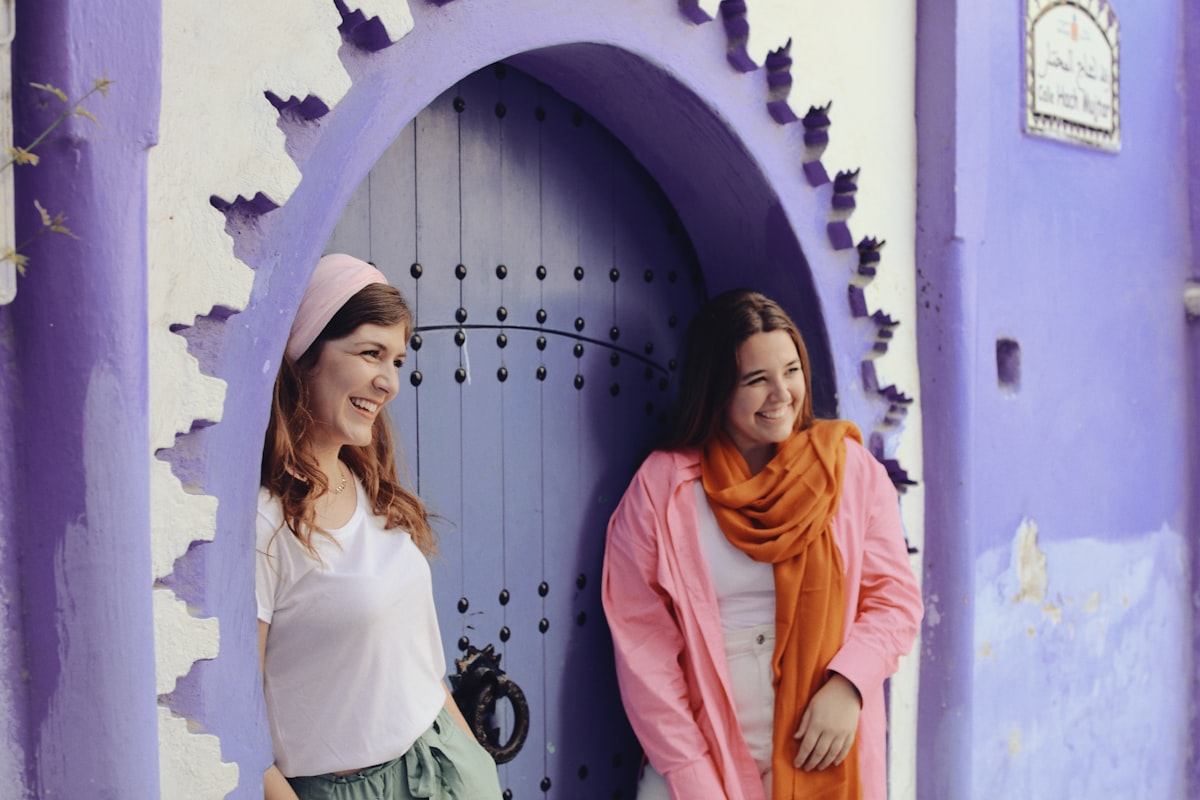
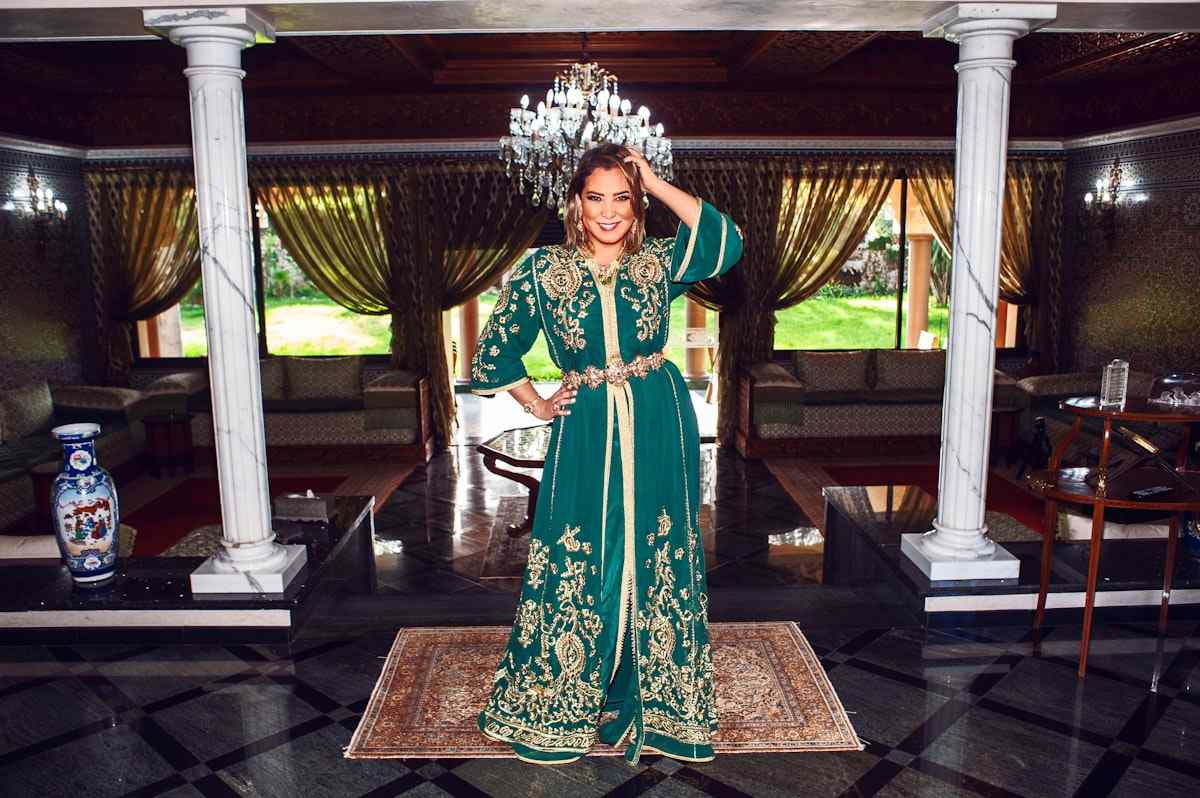
A few tips though. If your riad is mid-range and family-run (think a 6-room guesthouse in Fez el-Bali for around $80/night), avoid walking between your room and the pool in a bikini. A sarong or a cotton kimono wrap bridges the gap without drama. The & Other Stories Printed Maxi Dress ($89) works brilliantly as a cover-up that doubles as a dinner look for rooftop meals. Evening meals at riads lean toward the elegant end — most guests dress for dinner without being told to. A midi dress or a simple linen co-ord feels right. I stayed at Riad BE Marrakech (around $120/night), and the rooftop at sunset felt decidedly glamorous with the right dress, a glass of fresh-squeezed orange juice, and zero planning required.
Desert Outfits: What to Wear in the Sahara Near Merzouga
The Sahara near Merzouga is roughly 500 km southeast of Marrakech, and it runs by completely different rules. Daytime temperatures in summer hit 45°C. At night — especially October through March — it drops toward freezing. The same wardrobe that works in the cities needs to work here too, but layering becomes non-negotiable. For the actual camel trek at sunset: loose, full-length pants are essential. Not leggings — sand gets everywhere and thin fabric offers zero sun or abrasion protection. The Patagonia Hampi Rock Pants ($99) are built for this — outdoor movement, fast-drying, and covers ankles. Long-sleeve linen or cotton shirt with a collar for sun coverage. Bring a large cotton scarf or a lightweight buff; you'll wrap it around your face in any wind, and during a sandstorm it's the only thing between you and a mouthful of Sahara. Polarized sunglasses are non-negotiable — the glare off white sand is brutal. Close-toed shoes with proper ankle support for the dune terrain. At night, that same scarf becomes a wrap over a Patagonia Down Sweater ($229). Temperatures drop faster than you'd expect.
Coastal Style: Essaouira and Agadir
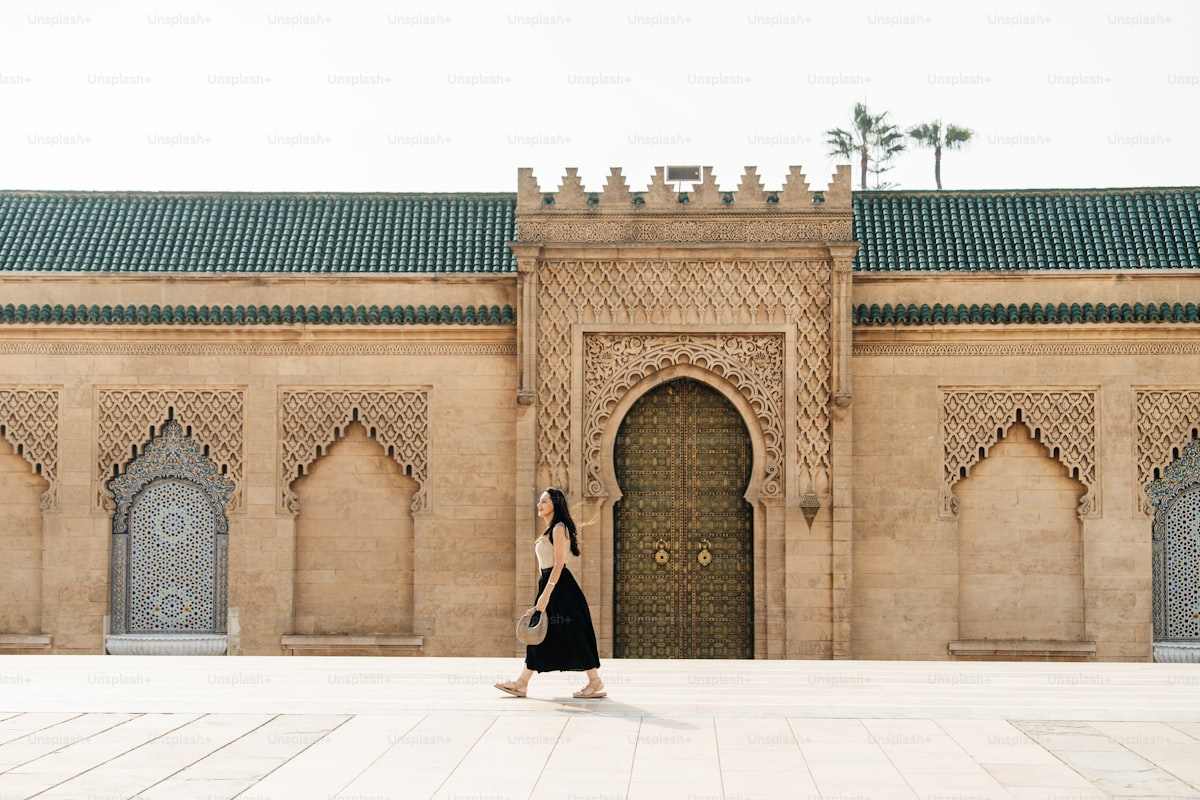
These two coastal cities run on looser rules — beachwear near the actual beach is accepted, and the surfing crowd in Essaouira means you'll see crop tops in the medina without much tension. That said, "more relaxed" doesn't mean "anything goes." In Essaouira's blue-and-white medina, cover up past the beach itself. The & Other Stories Linen Wrap Skirt ($65) is genuinely perfect here — beach-ready, medina-appropriate with a loose top, and it photographs beautifully against the blue fishing boats in the harbor. Agadir is the most Westernized resort city in Morocco, with European tourists and beachfront hotels. Bikinis are completely normal on Agadir beach. Just keep the cover-up habit when you step away from the beach strip.
Footwear: The Underrated Packing Decision
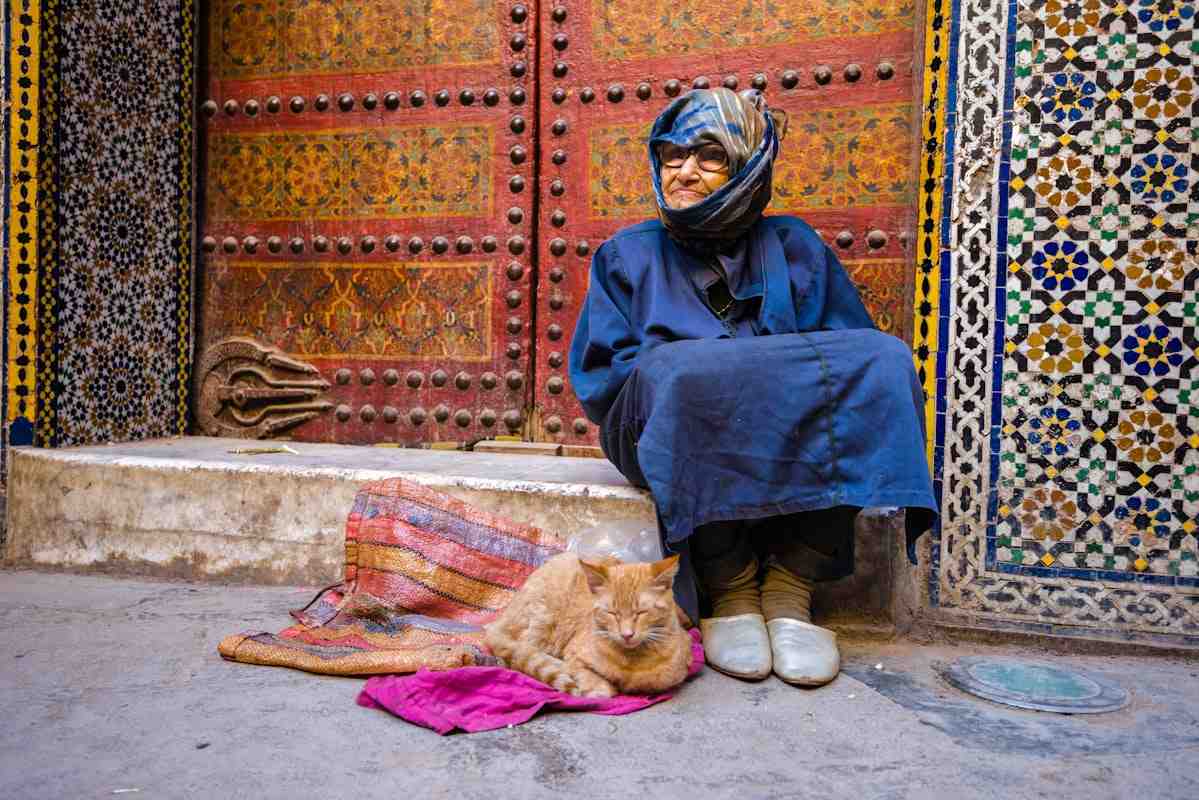
Bad shoes will ruin Morocco faster than anything else in your bag. The medinas involve 10-15 km of walking per day — often on slippery, centuries-old stone. Platforms with no grip are a liability. Heels are a firm no. What actually works: the Birkenstock Gizeh in leather ($120) survives full days in Fez without complaint. A light trail runner for Atlas Mountain or desert day trips — the Salomon Speedcross 6 in a low-profile version is reliable. One pair of simple leather mules for evenings at the riad. Three pairs total. Anything more is weight you'll curse on the way home.
Fabrics and Colors That Actually Work in Morocco
Linen and cotton are the right call — they breathe, dry fast, and keep you cool without clinging. Synthetics trap heat. Avoid black in the desert; it absorbs heat at a measurable rate. Whites stay cooler but show dust — Morocco is dusty. Mid-tones like terracotta, sage, and cream hit the sweet spot. Patterned fabrics hide dust better than solids. The COS Relaxed Linen-Cotton Shirt in sand or clay ($75) is lightweight, covers your arms, and doesn't wrinkle badly in a carry-on. The Patagonia Quandary Shorts ($59) in the 7-inch inseam technically hits below mid-thigh — works in resort towns, not in medinas. Know the context. Pack one extra loose overshirt or kimono you don't mind getting dusty. It becomes a sun layer, a wrap, a seat cover on overnight buses, and an emergency scarf. Earns its spot every trip.
Do's and Don'ts for What to Wear in Morocco
| Do's | Don'ts |
|---|---|
| Wear loose, full-length trousers or maxi skirts in any medina | Wear short shorts or miniskirts outside of beach towns |
| Pack a lightweight cotton scarf in your day bag | Rely on a scarf alone to cover up — it shifts and slips |
| Choose linen or cotton fabrics that breathe in 40°C heat | Pack synthetics or dark colors for desert day trips |
| Wear close-toed shoes with proper grip for medina walking | Wear platform sandals or heels on cobblestone medina alleys |
| Layer for desert nights — temperature drops to near-freezing in winter | Assume the Sahara is warm 24/7 — pack a Patagonia Down Sweater or wool layer |
| Dress elegantly for riad rooftop dinners — a midi dress hits the mark | Walk through your riad in swimwear without a cover-up |
| Keep shoulders covered in the old medina, mosques, and smaller villages | Wear sleeveless tops as your only layer in conservative neighborhoods |
| Buy a djellaba or cotton kaftan in the souks — they're cheap, beautiful, and correct | Buy silk kaftans for the desert — they snag on everything |
| Wear polarized sunglasses for desert treks and coastal walks | Skip sun protection thinking the heat alone is the risk — UV at altitude is severe |
| Pack three pairs of shoes max: sandal, trail runner, evening mule | Overpack shoes — you'll wear the same sandal every day in the medina |
| Bring modest swimwear or a wrap for shared hotel pools | Wear a bikini without a cover-up in family-run guesthouses |
| Use a buff or large scarf to protect your face in Sahara wind | Use a thin fashion scarf — it won't survive a proper sandstorm |
FAQs
Can women wear shorts in Morocco?
Short shorts in the medinas of Marrakech, Fez, or Chefchaouen will draw unwanted attention — not legal trouble, but consistent discomfort and a noticeable increase in street hassle. In Agadir's beach area, shorts are completely normal. In Essaouira, longer shorts hitting the knee work near the waterfront. The further you get from a tourist beach, the longer your shorts should get. COS linen trousers fold to almost nothing in your bag and spare you the mental calculation every morning.
Do I need to cover my hair in Morocco?
Non-Muslim visitors are not expected to cover their hair anywhere in Morocco — not on streets, not in restaurants, not even in mosque courtyards that are open to non-Muslims during non-prayer hours. A scarf in your bag is useful for sun and desert dust, but it's not a religious requirement for tourists.
What should I wear for a camel trek in the Sahara?
Full-length, loose pants are non-negotiable — the Patagonia Hampi Rock Pants or wide-leg cotton trousers work well. Long sleeves block the sun, closed-toe shoes with ankle support handle dune terrain, and a large cotton scarf is essential if wind picks up. Bring a warm layer for after sunset — Merzouga temperatures drop sharply after dark.
What are the best brands for a Morocco packing list?
COS and & Other Stories produce linen and cotton pieces that work perfectly: COS for tailored breathable trousers and overshirts, & Other Stories for wrap skirts, maxi dresses, and kimono cover-ups. Patagonia covers active needs — Hampi Rock Pants for desert trekking and the Down Sweater for cold desert nights. All three pack efficiently and handle handwashing, which matters on a 10-day trip.
Is Morocco safe for solo women travelers in terms of dress?
Morocco is visited by millions of solo women each year, and modest dressing significantly reduces street hassle. It won't eliminate it — particularly in Marrakech's main squares — but it changes the nature of interactions noticeably. Most experiences in souks, villages, and the Atlas mountain towns are genuinely warm.
Can I wear a bikini at my riad in Morocco?
Yes, at private riads with enclosed courtyards or plunge pools. Most boutique riads in Marrakech — including Riad Yasmine ($90/night) or the higher-end Riad BE ($120-150/night) — have fully private outdoor spaces where swimwear is normal. At communal hotel pools, a one-piece is a more considerate choice. Always use a cover-up walking to and from the pool in family-run guesthouses.
What should I wear for a hammam visit?
Moroccan hammams typically provide disposable underwear or ask you to bring your own. Flip-flops are essential inside (floors are communal and wet). Pack a fresh loose set of clothes for after — an & Other Stories linen dress or a light kaftan is ideal. Many riads offer hammam access on-site, which is the most straightforward option for first-timers.
What to wear in Morocco women traveling in winter (November–February)?
Marrakech and Fez average 12-18°C during the day but drop to 5°C at night. Layer a COS merino turtleneck under an overshirt, add a structured wool coat, and keep the same modest-length trousers. The Sahara in February can hit -2°C at night — a Patagonia R1 Air Zip fleece paired with the Down Sweater handles desert nights well. Pack ankle boots rather than sandals for city walking.