Colombia Travel Guide: Cartagena, Medellin, and Beyond
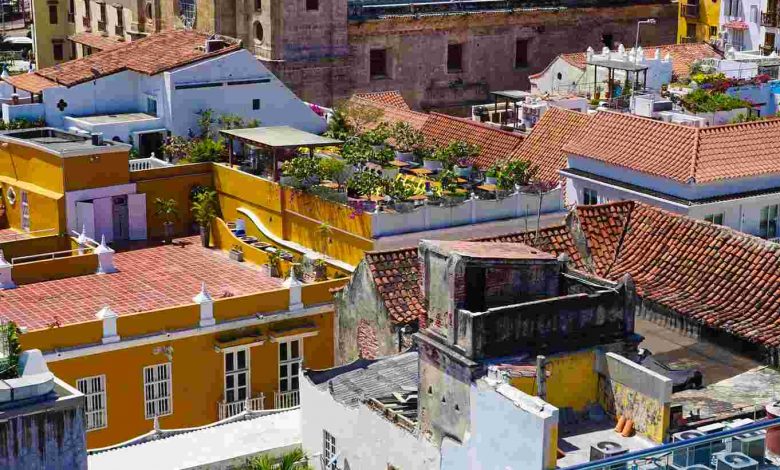
A friend asked me before my first trip to Colombia: "Is it actually safe now?" I told her the same thing I'll tell you — yes, more than most people think, and absolutely yes if you know which neighborhoods to base yourself in. I landed in Cartagena on a Tuesday, checked into a room off Plaza de los Coches, and within an hour I was eating ceviche at a sidewalk table watching cumbia dancers practice in the street. The walled city is not a travel cliché. It earns every bit of the hype. What surprised me more was how much the country had to offer beyond those colorful colonial walls — a modern metro city remaking itself, a coffee region that puts your local café to shame, and a Caribbean coastline most visitors fly straight over. This Colombia travel guide focuses on the two cities most travelers prioritize, with honest takes on where to stay, what to budget, and what to skip.
Colombia is one of those places where a little preparation pays off fast. The traveler who reads nothing lands in the wrong part of town, overpays for everything, and misses the best stuff entirely. The traveler who does 30 minutes of research eats a $6 lunch that ruins them for food back home. I've kept this grounded in 2026-accurate prices, real hotel names, and practical safety advice that goes beyond vague reassurances. Which neighborhoods are worth your money. Which apps to use for transport. What a 10-day Colombia itinerary actually looks like on the ground.
Cartagena: What to Know Before You Book
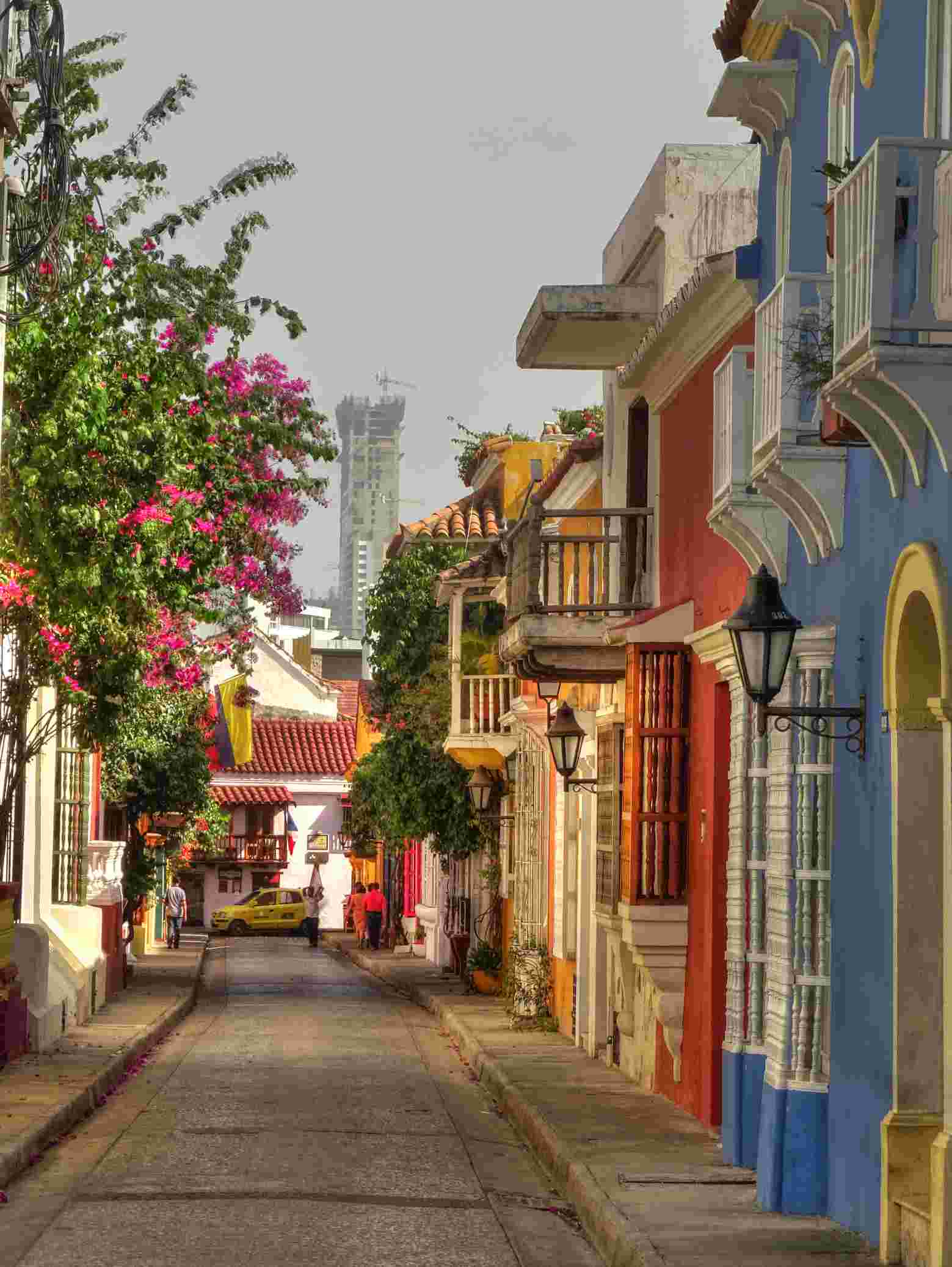
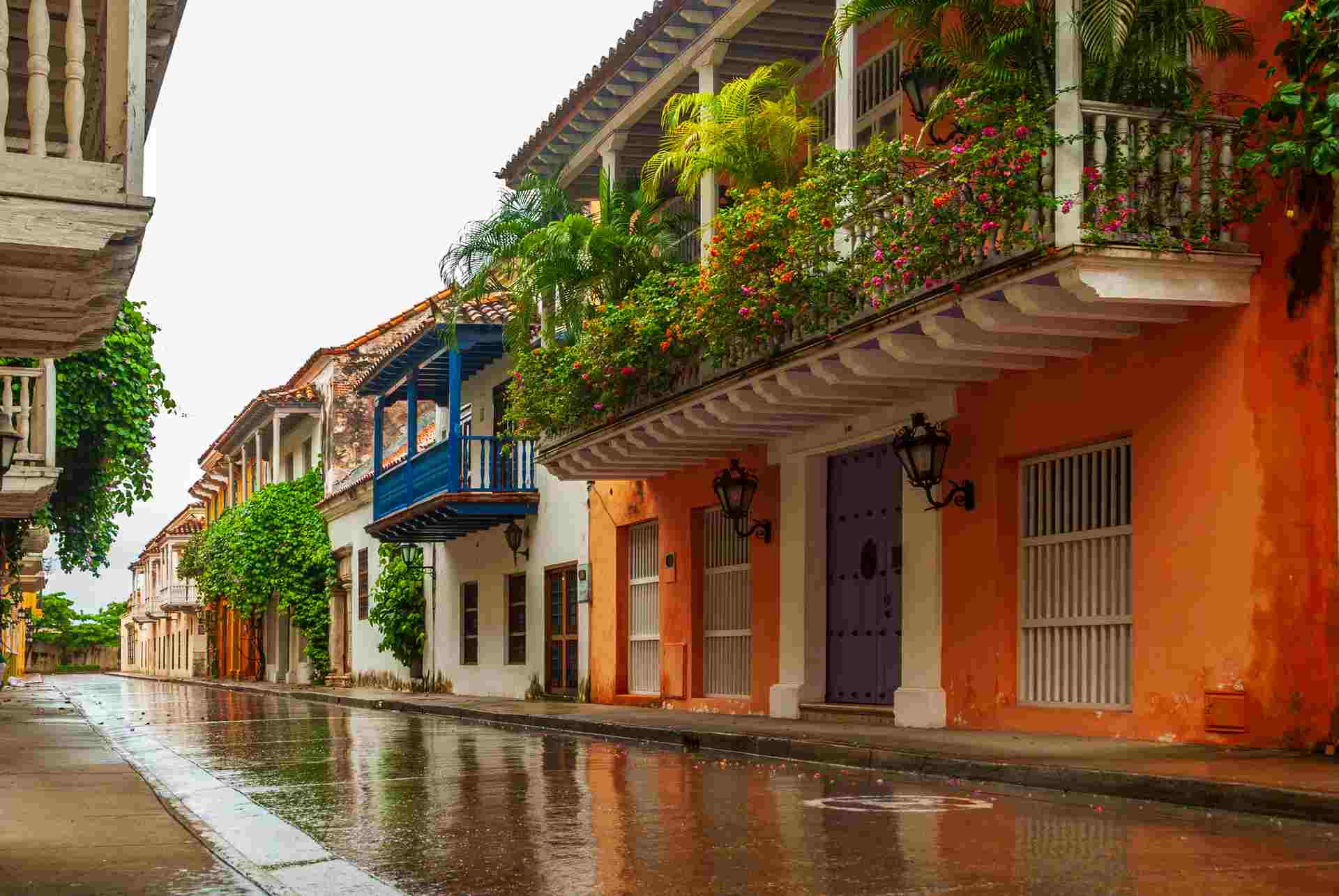
Cartagena's old city is split between two main zones for travelers. The Ciudad Amurallada — the actual walled city — is the historic core: cobblestones, bougainvillea spilling off balconies, and colonial churches on every corner. Getsemani, just outside the walls, is where the street art scene lives and where the younger, more budget-conscious crowd tends to stay. Don't treat them as interchangeable — they have genuinely different vibes. The walled city is romantic and expensive. Getsemani is edgier, cheaper, and in some blocks requires a bit more awareness at night, though the main streets around Parque Centenario are busy and well-lit well past midnight.
For hotels, the Sofitel Legend Santa Clara Cartagena is the landmark — a converted 17th-century Carmelite convent with a saltwater pool in the former cloister garden. Rates run $280–$380/night in high season. Rooms vary in freshness; request upper-floor if you're splurging. For boutique luxury, Hotel Casa San Agustin is what repeat visitors consistently pick: 20 rooms and 11 suites across a cluster of 17th-century houses, the Aurum Spa, doubles from $450/night. Not cheap. Worth it. In Getsemani, Airbnb is the move — Casa Francisco (3 beds, open kitchen, charming patio) runs $80–$110/night and pulls solid reviews consistently.
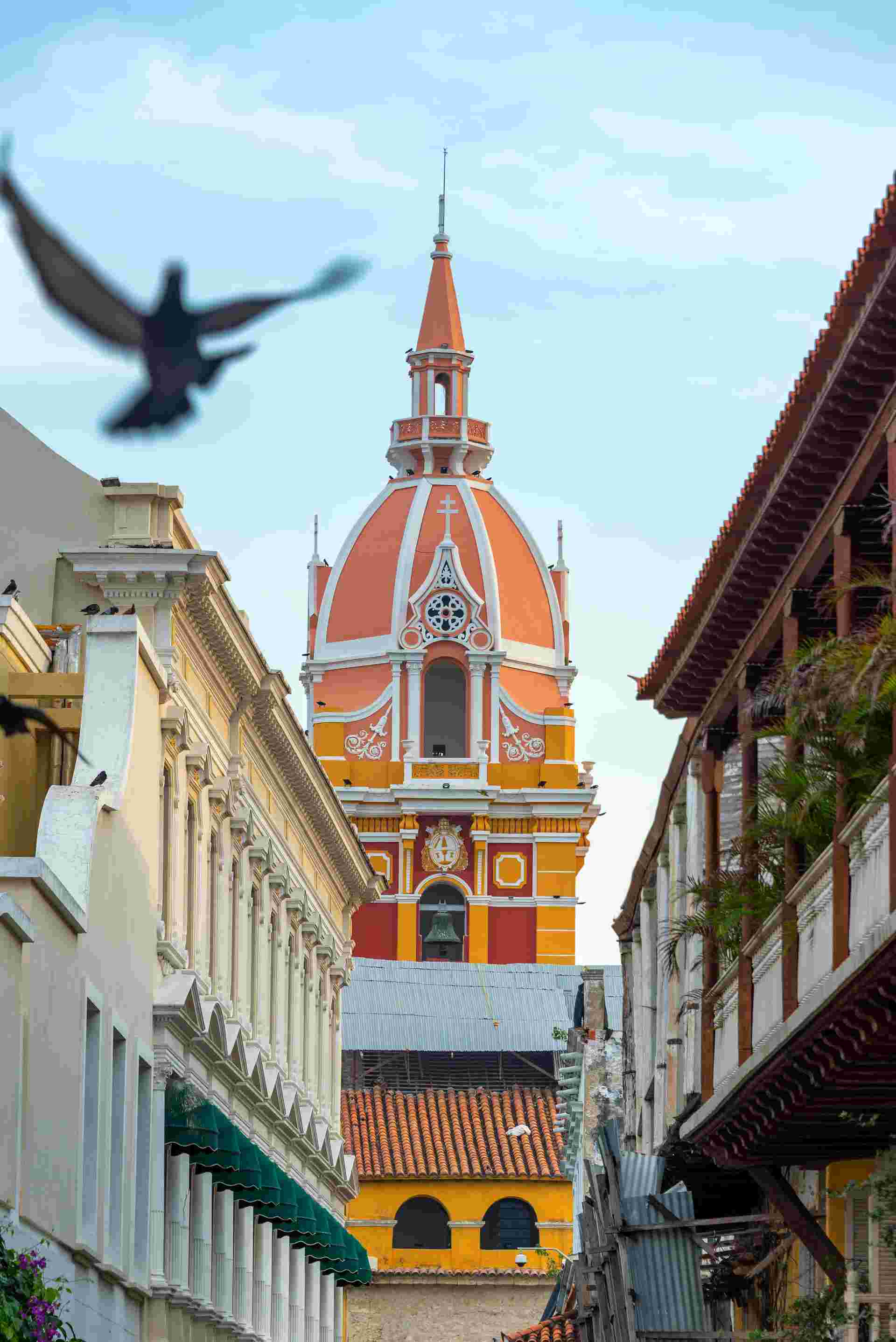
Medellin: El Poblado vs. Laureles
Medellin confounds people who only know it from narco documentaries. It has a metro — a good one — Michelin-recognized restaurants, and a neighborhood called El Poblado that runs like a Latin Brooklyn: specialty coffee, rooftop bars, coworking spaces full of digital nomads on their second extended stay. The Provenza micro-area around Parque Lleras is genuinely lively every night of the week.
Laureles is the insider move. Fifteen minutes west by metro, flatter, quieter, 15–25% cheaper. Hostel dorm beds in El Poblado run $15–25/night in high season. Hotel Dann Carlton Medellin is the reliable mid-range pick — pool, four restaurants, breakfast buffet that guests genuinely love, rates around $90–$130/night. Not glamorous. Delivers. Airbnb in Provenza runs $45/night for a private room and $200+ for apartments with city-view jacuzzis. The 4.8-star average on Medellin Airbnb listings reflects real consistency.
Colombia Safety Tips That Actually Matter
The "Colombia is dangerous" line is outdated. Still, ignoring risk is equally naive. The rule everyone in Medellin follows is "no dar papaya" — don't make yourself an easy target. No expensive phone out on a dark street, no unmarked taxis, no wandering into unfamiliar neighborhoods without asking your hostel first. In both cities use Uber or InDrive — fares are transparent and a cross-city Medellin trip runs $6–$12. Cabify covers Cartagena well.
In 2026, scopolamine incidents connected to dating apps have been flagged in both cities. Meet strangers in public, don't hand off your drink, and trust your gut if something feels off. Petty theft targets distracted tourists — keep your camera on a wrist strap, don't scroll your phone at a street corner, and zip your bag closed in crowded areas. Tap water is fine in Medellin. Cartagena: bottled only. And the neighborhoods just outside the tourist bubble in Cartagena can be genuinely rough — the walls are your practical boundary for walking around at night.
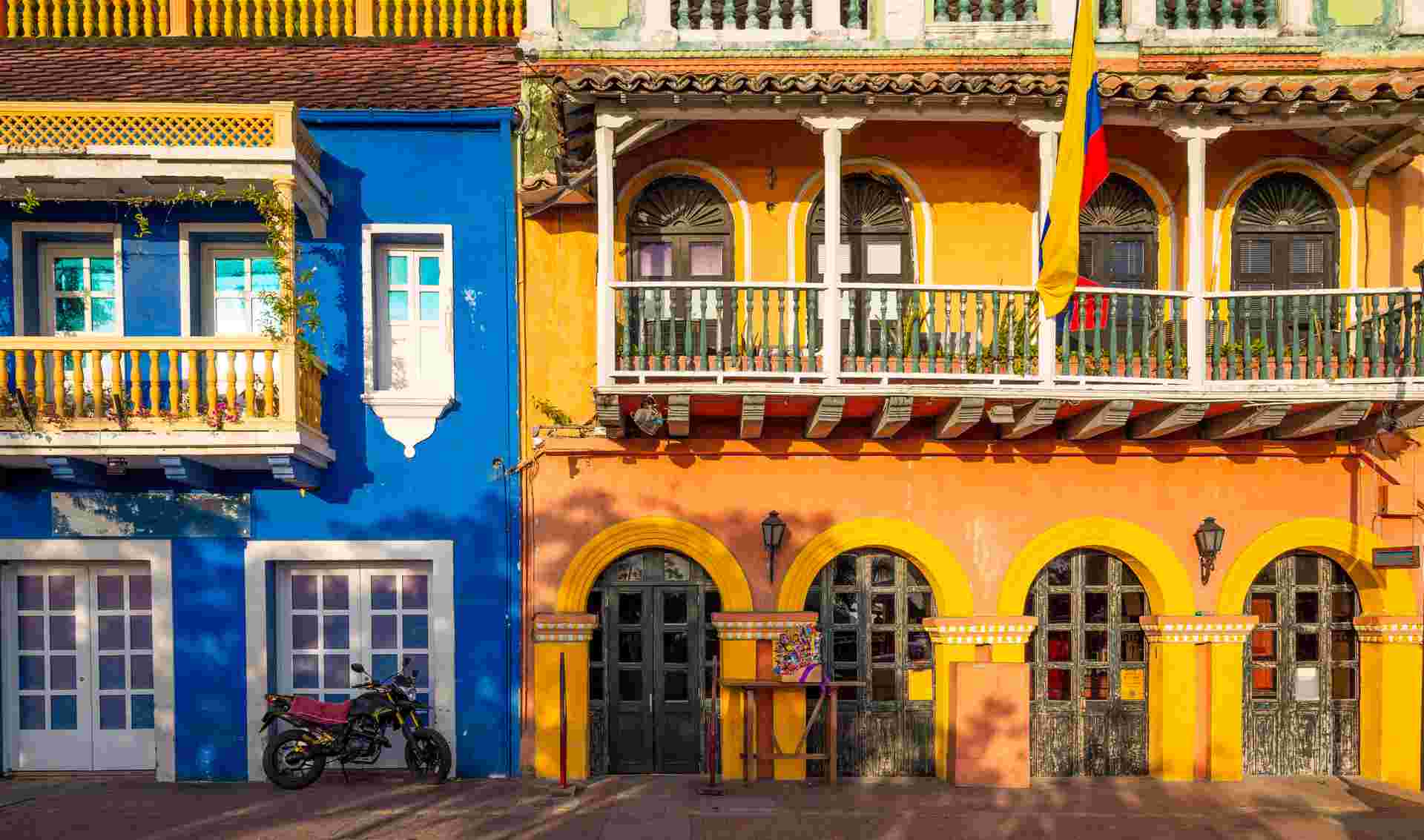
The Colombia Itinerary Most People Get Right
Ten to fourteen days is the sweet spot. Three nights in Cartagena: walk the walls at sunset, take a boat to the Rosario Islands (book through your hotel — dock touts charge 30–40% more), eat at La Cevicheria. Fly to Medellin for four nights. Day one: El Poblado orientation, Parque Lleras in the evening. Day two: metro to Comuna 13 — free to walk, or $15 with a guide who grew up there. Day three: day trip to Guatapé, three hours by bus from Terminal del Norte ($5 each way) and 740 stairs to the best view in the country.
Three weeks? Add Tayrona National Park from Santa Marta, or the Zona Cafetera — Finca El Ocaso outside Salento runs full coffee farm tours for $20pp. Don't try to do all of it in two weeks. Colombia punishes rushing.
Where to Eat: The Short List
Cartagena: La Cevicheria on Calle Stuart inside the walled city is where the line forms early — the ceviche de camarón is $12 and worth every peso. Market stalls near Mercado de Bazurto do fresh coconut rice with fried fish for under $4, but go before 1pm and don't bring valuables. Dinner at a walled city restaurant can hit $40–60 for two without drinks. Budget accordingly.
Medellin: Carmen in El Poblado is the fine dining benchmark — three courses at lunch for $30. Mondongos in Laureles is the opposite — a local institution since the 1970s, two people eat for $12, and their bandeja paisa is enormous. Pergamino on Avenida El Poblado is the coffee standard — single-origin pourover for $4, the kind of cup that makes airport coffee hurt.
Packing for Colombia: Gear That Earns Its Place
Colombia climbs to 2,500 meters in Medellin and bakes on the coast — pack layers. One fleece handles it; skip the full jacket unless Bogotá is on the itinerary (it runs cold, always). The Osprey Farpoint 40L fits carry-on overhead and doesn't destroy your back on cobblestones. Peak Design Travel Cubes if you're moving cities every few days — the compression version saves meaningful space.
Electronics worth bringing: Bose QuietComfort Ultra Earbuds ($249) on any overnight bus or red-eye from Miami. The Anker 737 power bank (20,000mAh, fits a jacket pocket) handles three full phone charges. Colombia runs on Type A/B outlets — Americans are fine, Australians and Europeans need a converter. One small addition: an RFID-blocking card wallet. Cartagena has a documented card-skimming problem near the main tourist areas.
Do's and Don'ts for Colombia Travel
| Do's | Don'ts |
|---|---|
| Use Uber or InDrive for all city transport — it's cheaper and safer than street taxis | Don't get into unmarked taxis, ever, regardless of how official they look |
| Book Rosario Islands day trips through your hotel or a vetted agency | Don't buy boat tours from touts at the Cartagena dock — you'll overpay by 40% |
| Carry a copy of your passport, not the original | Don't carry your actual passport around Cartagena or Medellin city centers |
| Drink bottled water in Cartagena | Don't drink tap water on the coast — the plumbing isn't reliable |
| Learn five words of Spanish — hola, gracias, cuánto cuesta, no gracias, and despacio help a lot | Don't assume everyone in tourist areas speaks English — outside El Poblado and the walled city, English is rare |
| Keep your phone in your pocket while walking — use it in a café or restaurant | Don't scroll your phone on a sidewalk corner, especially at night |
| Visit Guatapé on a weekday if possible | Don't do Guatapé on a Sunday in high season — the town is overwhelmed |
| Exchange some cash (COP) before leaving the airport — ATMs downtown charge high fees | Don't carry more than 200,000 COP ($50) in your wallet at any time |
| Book higher-end Cartagena hotels 3+ months ahead for Dec–Feb travel | Don't book last-minute for Christmas or Carnaval — the city books out completely |
| Ask your hotel or hostel for restaurant and neighborhood recommendations | Don't rely solely on Google Maps reviews — they miss a lot of local spots |
| Do the free walking tours in both cities — guides work for tips, and they're excellent | Don't tip below 15,000 COP ($4) on a free tour — the guides are genuinely good |
FAQs
Is Colombia safe to visit in 2026?
Yes, genuinely — with the same caveats as any major Latin American city. Cartagena's walled city and El Poblado in Medellin are well-touristed and safe during the day and in the evenings. The real risks are petty theft and, in 2026 specifically, scopolamine incidents flagged around dating app meetups. The US State Department has Colombia at Level 2 (same as France and Japan). Use Uber or InDrive for transport, stay in well-reviewed neighborhoods, and don't flash expensive gear at night.
How much does a trip to Colombia cost in 2026?
Budget travelers hitting hostels and local spots can manage Medellin on $40–60/day. Mid-range travelers in El Poblado or a Getsemani Airbnb spend $80–120/day. Cartagena runs higher — walled city hotels start at $120/night even for modest rooms; base yourself in Getsemani for $40–80 nights. Round-trip flights from Miami or New York run $250–$450 in shoulder season, $500–$700 in December and January.
What's the best neighborhood to stay in Cartagena?
The walled city is romantic, walkable, and the most convenient — mid-range hotels from $120/night. Getsemani, just outside the walls, is the right call if you're budget-conscious: street art, cheaper food, younger crowd, Airbnbs from $80/night. Skip Bocagrande (the beach area north of the city) — it's overpriced and mediocre for the money.
What's the best time to visit Colombia?
December through March is high season — dry, hot, and busy. April–May brings rain but fewer crowds and lower prices. Medellin sits at 22–26°C year-round with afternoon showers in shoulder seasons. The Feria de las Flores in early August — a week of parades and flower displays — is genuinely worth planning around.
Do I need a visa for Colombia?
US, EU, UK, Canadian, and Australian passport holders get 90 days visa-free, stamped on arrival. Keep your entry form from the plane — you'll need it on exit. Colombia sometimes asks for proof of onward travel, so have a return or refundable onward ticket ready.
How do I get between Cartagena and Medellin?
Fly. The overnight bus is 18 hours and not worth the savings. Avianca and LATAM both run the route daily; fares booked two to four weeks out run $50–$90 one way. Wingo sometimes undercuts that but the baggage fees close the gap — check before booking. Medellin's airport is 45 minutes from El Poblado by taxi ($18–25) or about an hour by Uber ($12–15).
What's the one dish to eat in Colombia?
Bandeja paisa — ground beef, chicharrón, chorizo, red beans, rice, plantain, egg, and arepa, all on one plate. It costs $6–8 at a good local spot and it's enormous. Make it your first lunch in Medellin. In Cartagena, coconut rice with fried fish from a market stall is $3–4 and genuinely excellent.