Cherry Blossom Season Japan: The Only Sakura Guide You Need
The first time I stood under a full-bloom sakura tree in Ueno Park, I genuinely didn't know what to do with myself. It wasn't the photos I'd seen — all pink and postcard-soft. It was the smell of the food stalls, the sound of a hundred hanami picnics overlapping, and the way the petals just… fell, constantly, like the trees were shedding on purpose. I'd planned the trip for months, checked the forecast obsessively, booked too early and almost too late — and it was still better than expected. That's the thing about cherry blossom season Japan does that no other country quite replicates: the whole country treats it like a national event. Because it is.
This guide is built on actual trip experience and the 2026 forecast data from Japan Meteorological Corporation and Japan-Guide. Tokyo peaked around March 28 this year, Kyoto hit full bloom by April 1, and Hokkaido's Sapporo is still going into late April — which means if you missed the south, there's time to catch the north. I'll walk you through the real hanami spots (not just the famous ones), which hotels are actually close enough to matter, what gear to bring, and the crowd tactics that most guides skip entirely. No vague advice. Specifics only.
When Does Cherry Blossom Season Japan Actually Run?
Short answer: late March through early May, depending on where you are. But that range is misleading if you just land in Tokyo on April 10 expecting blossoms — they'll be mostly gone.
For 2026, Tokyo's Somei Yoshino trees (the classic pink-white variety that lines most parks) began opening around March 19 and hit peak bloom on March 28. Kyoto followed a few days behind, with full bloom arriving around April 1. Osaka Castle Park peaked around March 31. These dates aren't random — the "sakura front" moves northward from Kyushu through Honshu into Hokkaido as temperatures rise, typically advancing at around 20 km per day.
Fukuoka bloomed early this year, around March 20. Nagoya was March 17. Sapporo, way up in Hokkaido, won't peak until April 28 — which is genuinely useful if you're planning a May holiday. Each city gets roughly 7–14 days of peak bloom, and rain or strong wind can cut that window in half overnight. Check sakura.weathermap.jp the week before your trip. Seriously, check it daily once you're within two weeks.
One thing most people don't realize: full bloom (mankai) isn't necessarily the most beautiful day. The day before, when the trees are 80–90% open, is often more striking — the blossoms are tighter, more vivid pink, and the branches still hold shape. Day three or four of full bloom, especially after a warm afternoon, is when petals really start falling. That's hanafubuki — "flower blizzard" — and it's worth staying for if you can.
The Real Hanami Spots (Tokyo Edition)
Ueno Park gets the most tourists. It's also legitimately great — 1,200 trees, most of them over a century old, lining a central avenue that turns into a tunnel of pink. The Ueno Cherry Blossom Festival runs mid-March through early April, and the stalls along the main path sell everything from yakitori to strawberry mochi. It gets packed by 11 AM on weekends. Go before 9 AM or after 6 PM when the lanterns come on.
Nakameguro is a different kind of experience. The Meguro River runs through a narrow canal lined with around 800 cherry trees whose branches arc over the water and meet in the middle. During peak bloom, the river turns pink. In the evenings, paper lanterns illuminate the whole stretch — this is where Tokyo's more stylish crowds go with glasses of wine instead of convenience store beers. The Nakameguro Sakura Festival adds food stalls along the riverbanks.
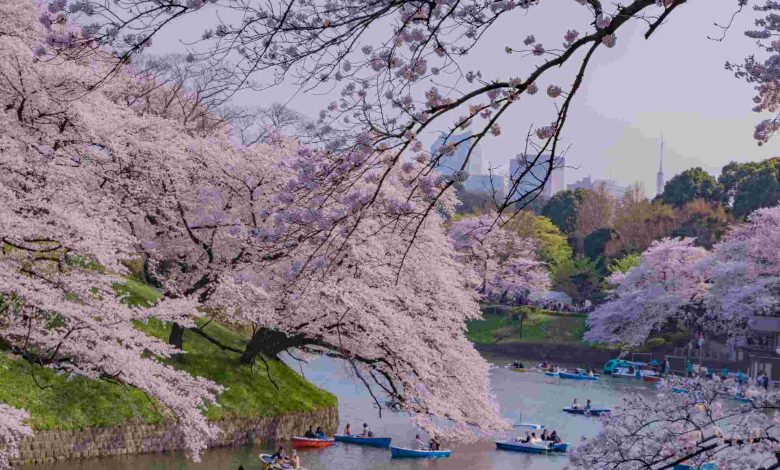
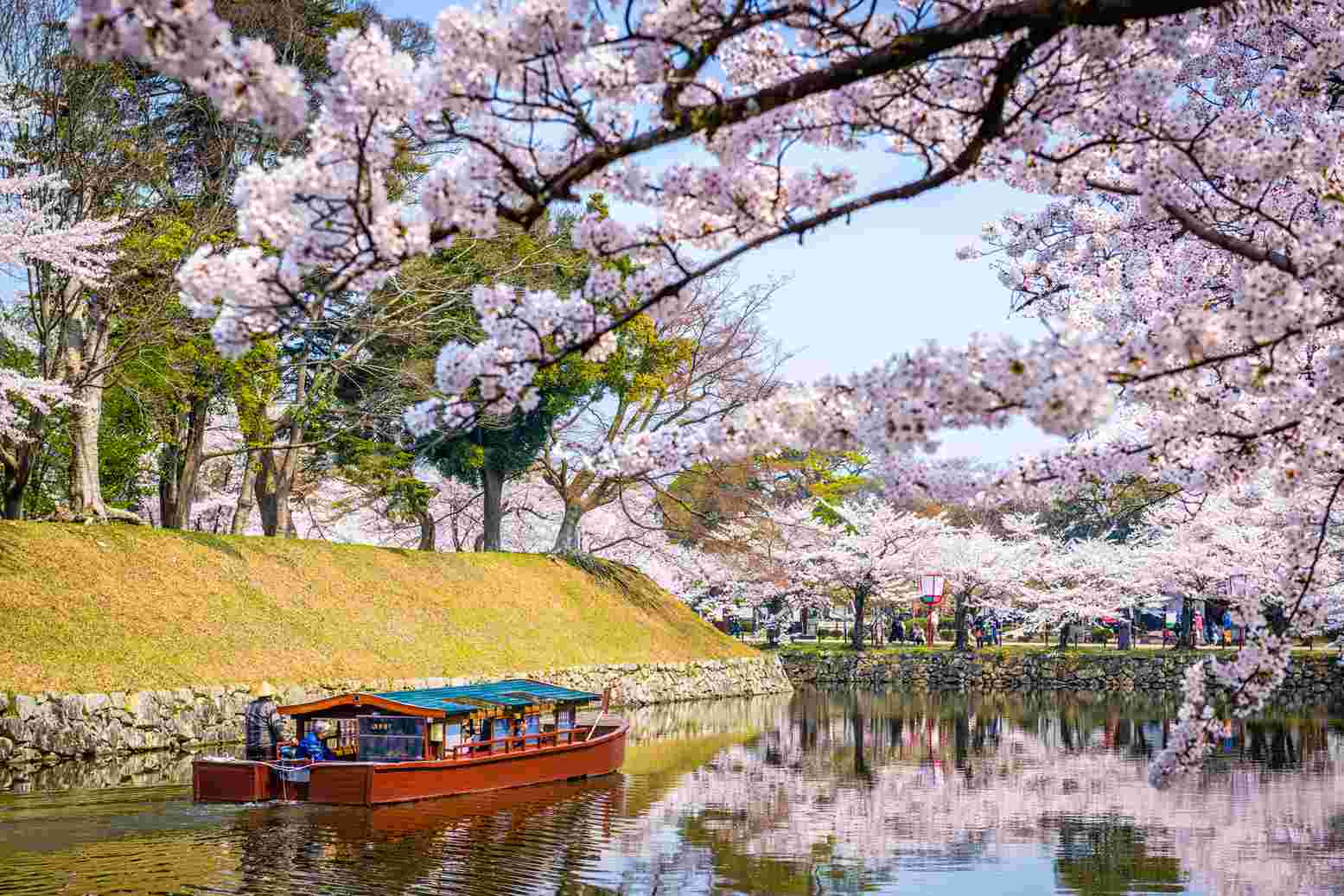
Chidorigafuchi, the moat beside the Imperial Palace, is the spot for rental rowboats under the blossoms. You book through the park service, costs around ¥800 for 30 minutes, and the queue at peak can run 90 minutes. Worth it if you go on a weekday morning. The walking path along the moat is free and genuinely stunning even without the boat.
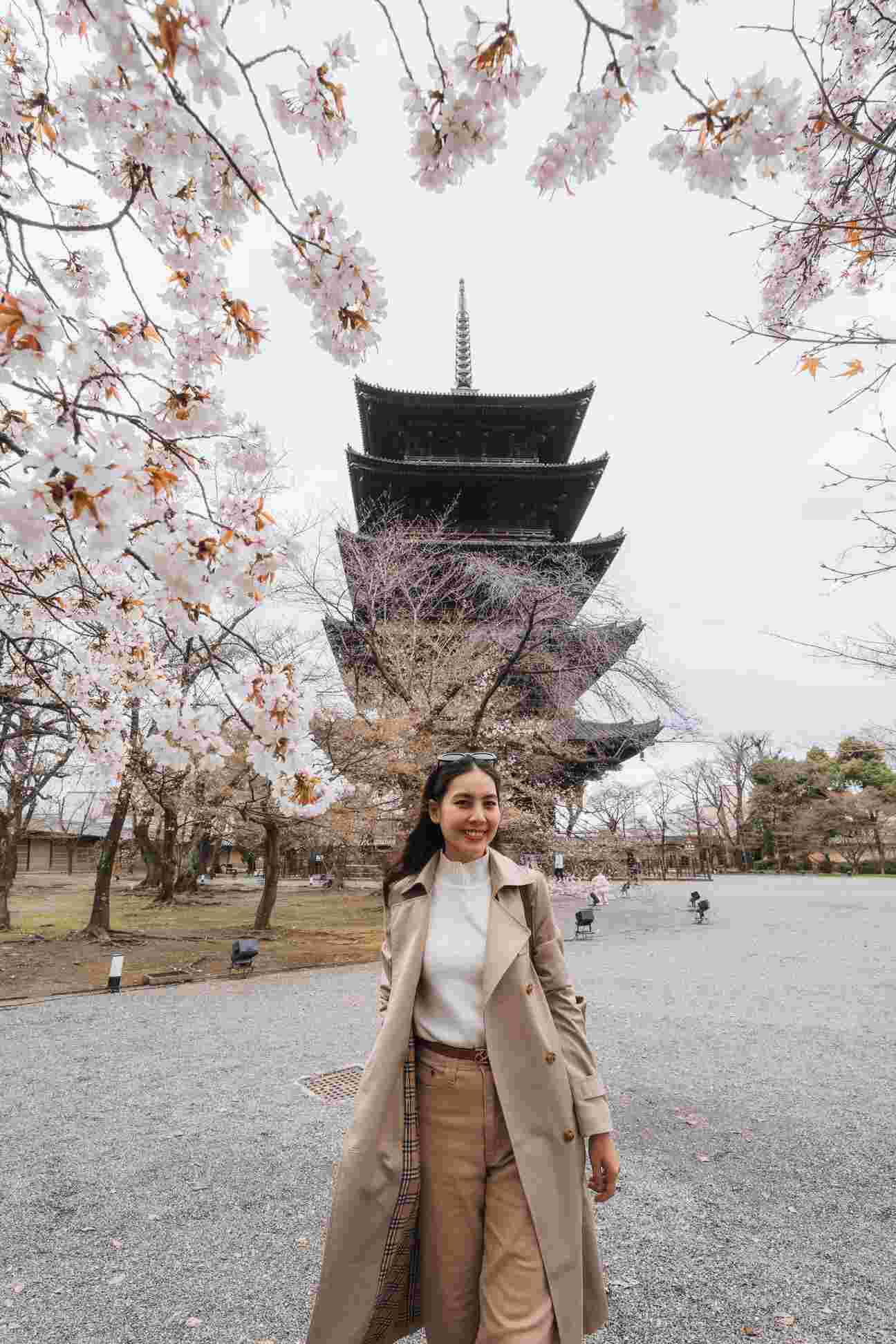
For staying near Ueno, Nohga Hotel Ueno Tokyo sits a 10-minute walk from the park entrance and has direct Keisei Skyliner access for Narita arrivals — clean, mid-range, good breakfast. Hotel Risol Ueno is one minute from Ueno Station if you want pure proximity. Both fill up fast in late March; book at least 8–10 weeks ahead.
The Kyoto Circuit: Philosopher's Path to Daigoji
Philosopher's Path (Tetsugaku-no-michi) in Higashiyama is the one Kyoto spot I'd actually fight for. It's a 2 km stone path running alongside a canal from Nanzenji up toward Ginkakuji, completely flanked by cherry trees. April 1 is typically peak here. Go at 7 AM — the path is quiet, the light is soft, and you can hear the water. By 10 AM it's shoulder-to-shoulder.
Maruyama Park, a few kilometers south, is Kyoto's most famous hanami picnic ground. The centerpiece is a massive weeping cherry tree — shidarezakura — that's lit up at night and looks like something from a Studio Ghibli film. The illumination runs until 11 PM during peak bloom. There's always a crowd, but the weeping cherry alone is worth the visit.
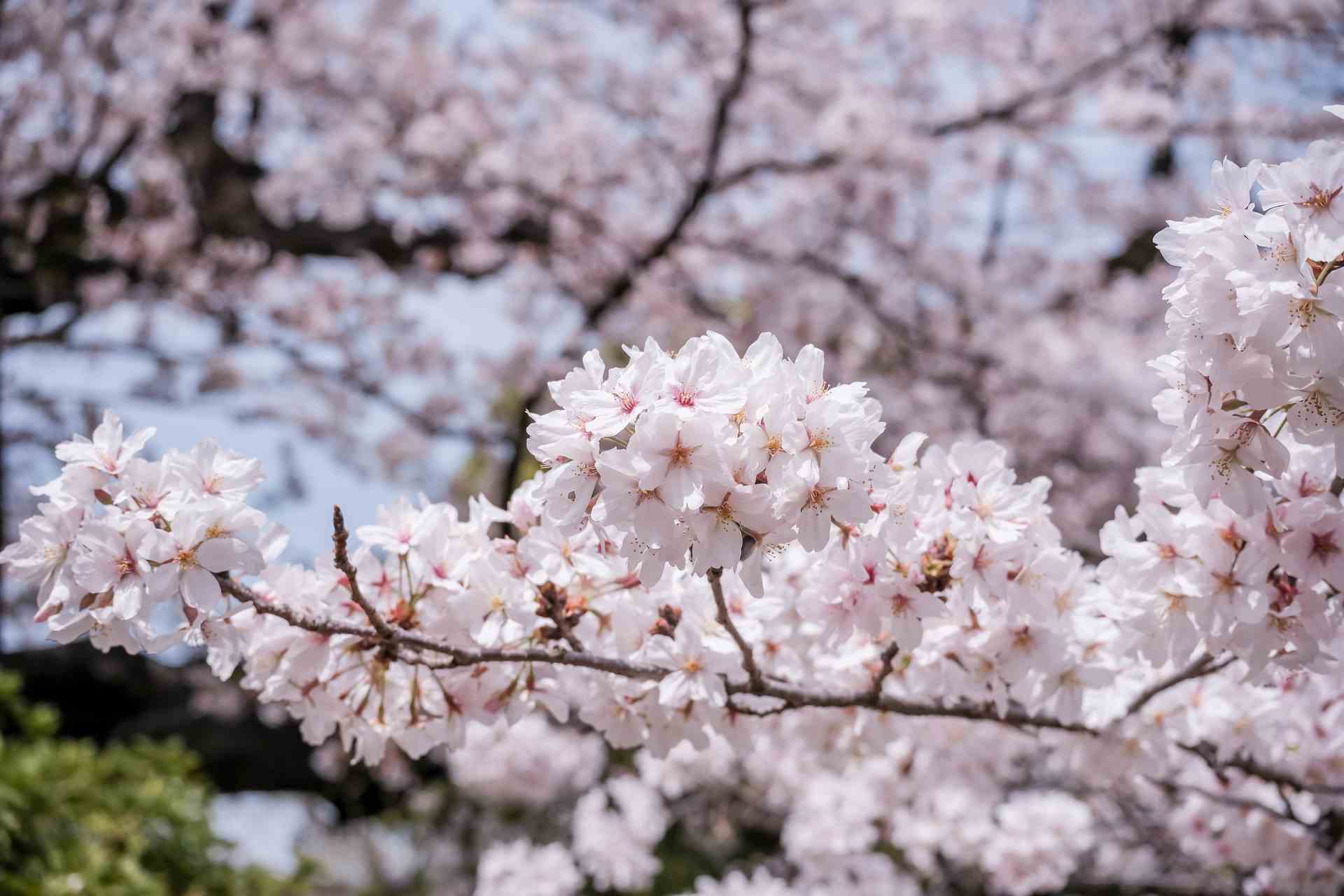
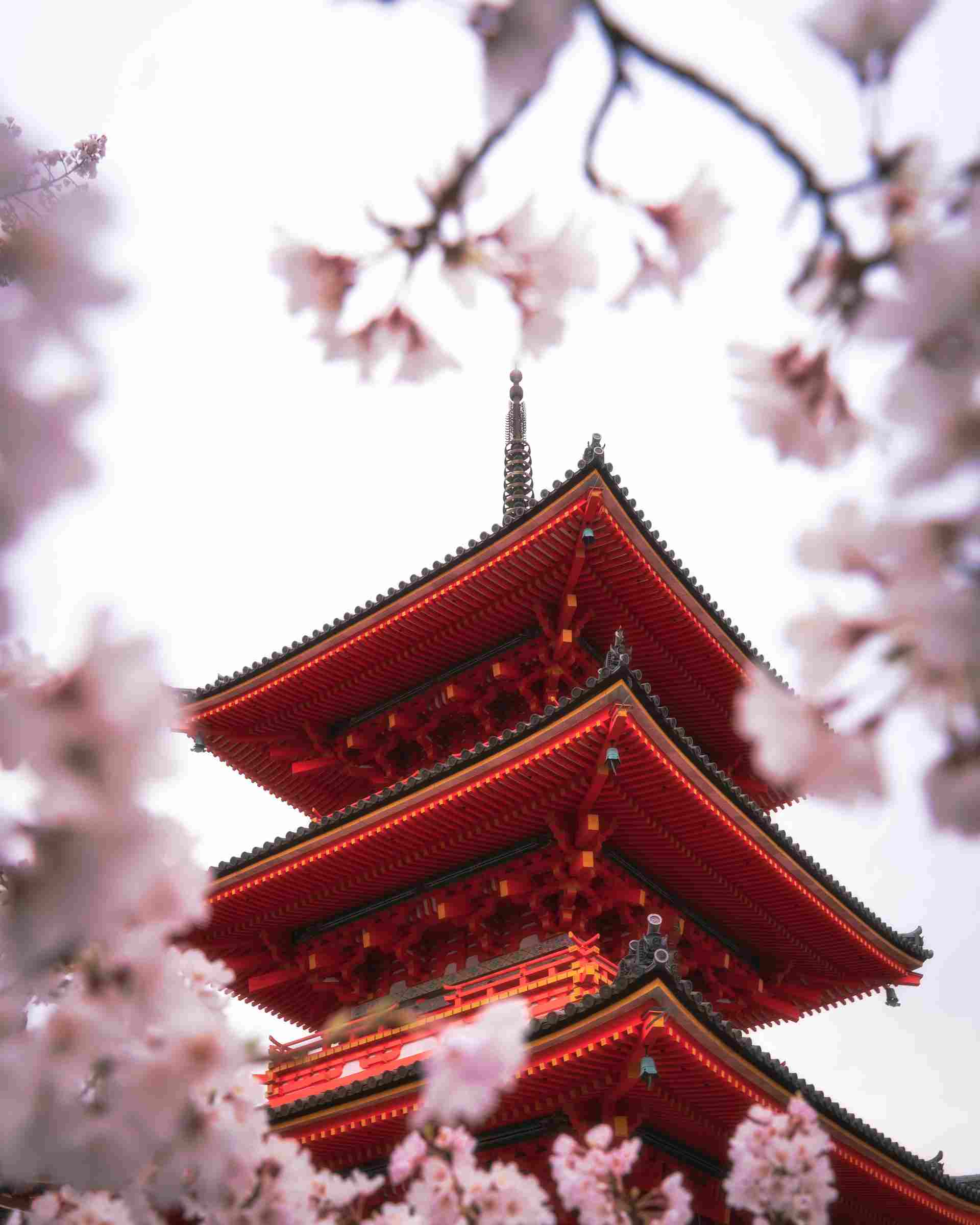
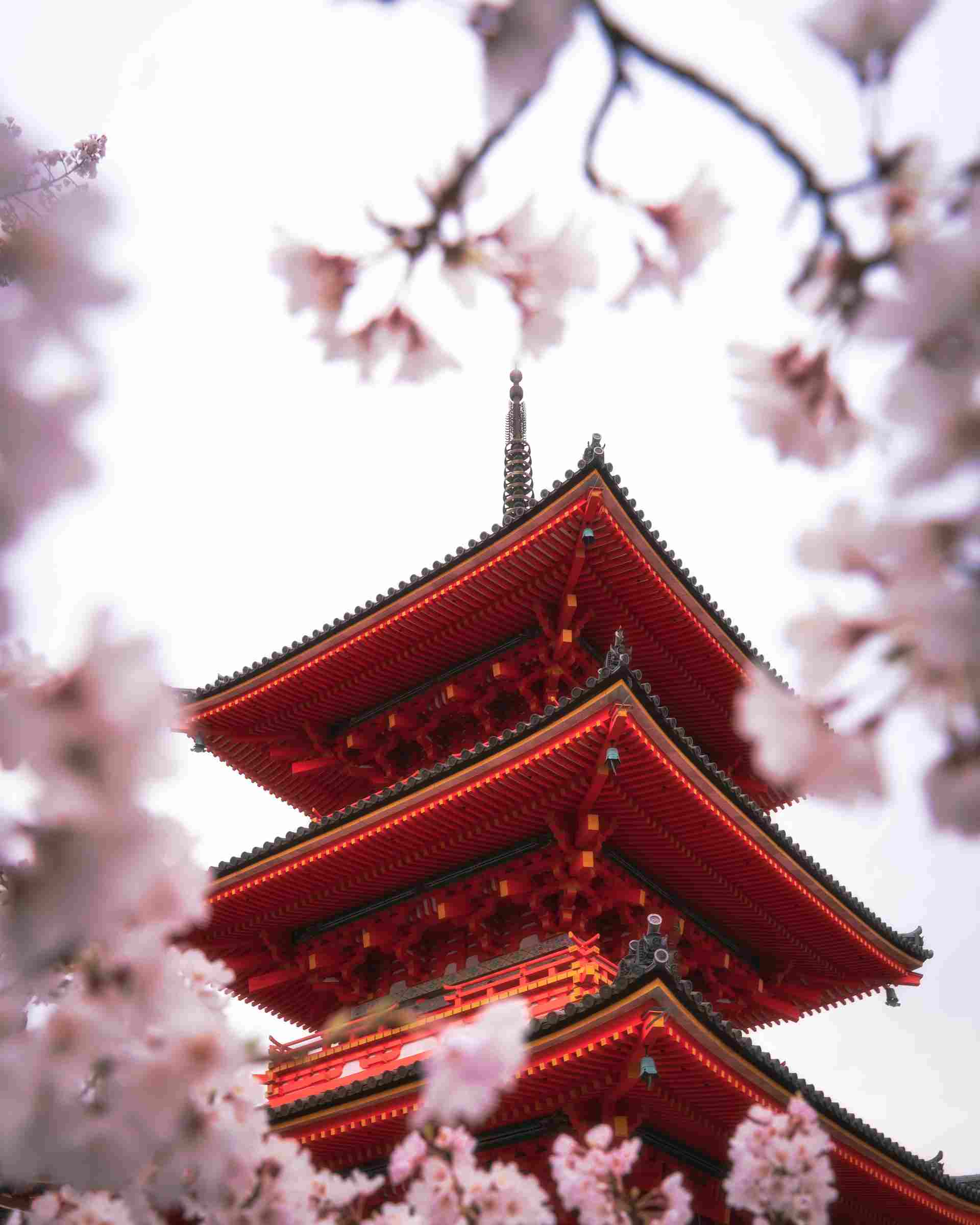
Daigoji, a UNESCO World Heritage site in southeastern Kyoto, has over 700 cherry trees including rare weeping varieties. Toyotomi Hideyoshi held his famous hanami party here in 1598. The crowds are lighter than central Kyoto, and the complex — pagodas, moss gardens, cherry-lined paths — is one of the most complete settings you'll find anywhere.
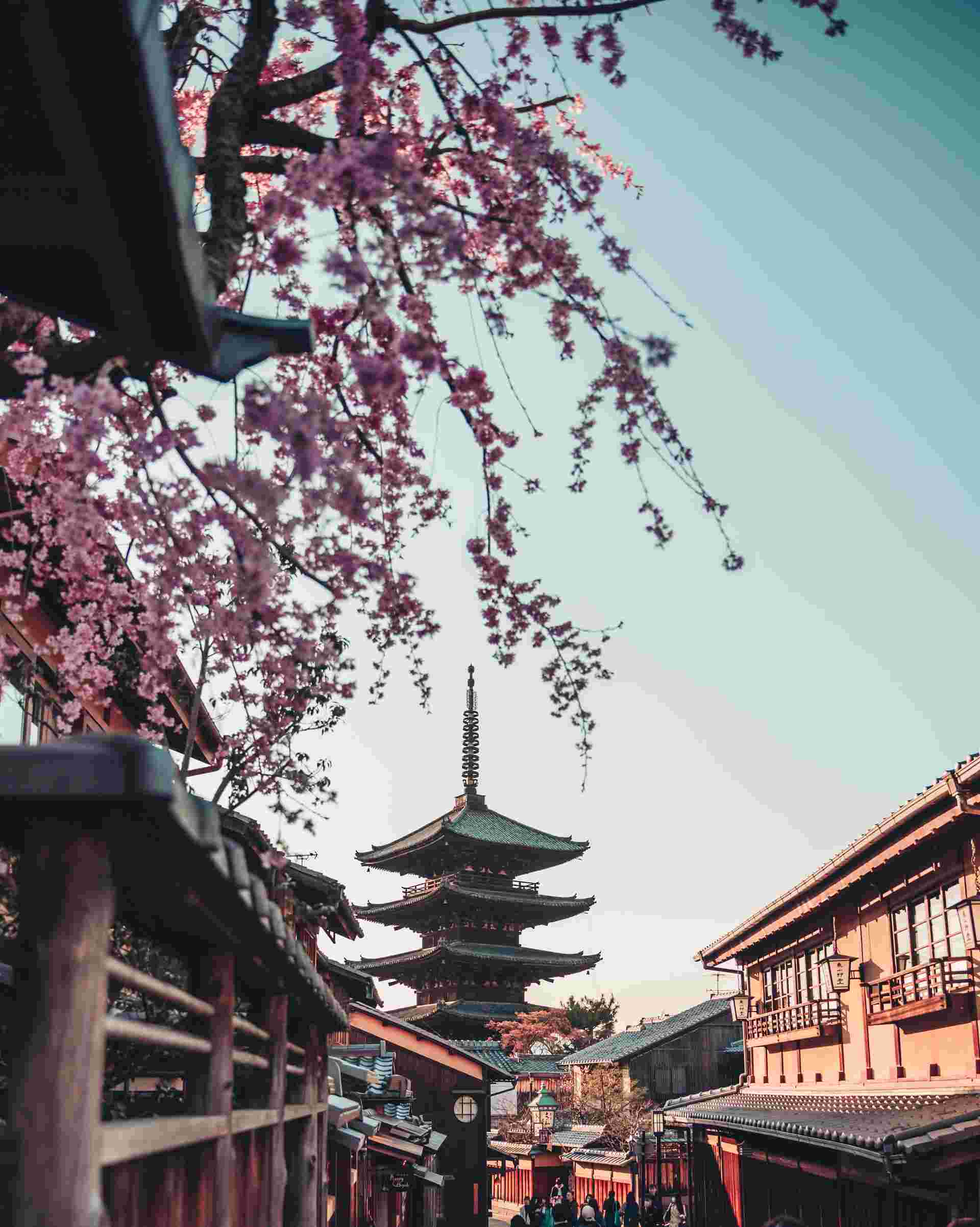
For accommodation, HOTEL MASTAY Jingu-michi sits in Okazaki, walking distance to both the Philosopher's Path and Heian Shrine's Keage Incline — a narrow stretch of disused railway tracks lined with cherry trees that shows up on every photography list. Yoshida Sanso is a small ryokan 0.5 miles from Philosopher's Walk, ranked highly for good reason: it's quiet, traditionally designed, and books out months in advance. Lock it in early.
Osaka, Mount Yoshino, and the Places People Sleep On
Osaka Castle Park has 3,000 cherry trees surrounding the castle keep. Peak bloom was around March 31 in 2026. The castle itself makes the backdrop almost unfair — it's one of the most photographed hanami compositions in Japan, and the grounds are large enough that you can find quieter corners even during peak weekend hours.
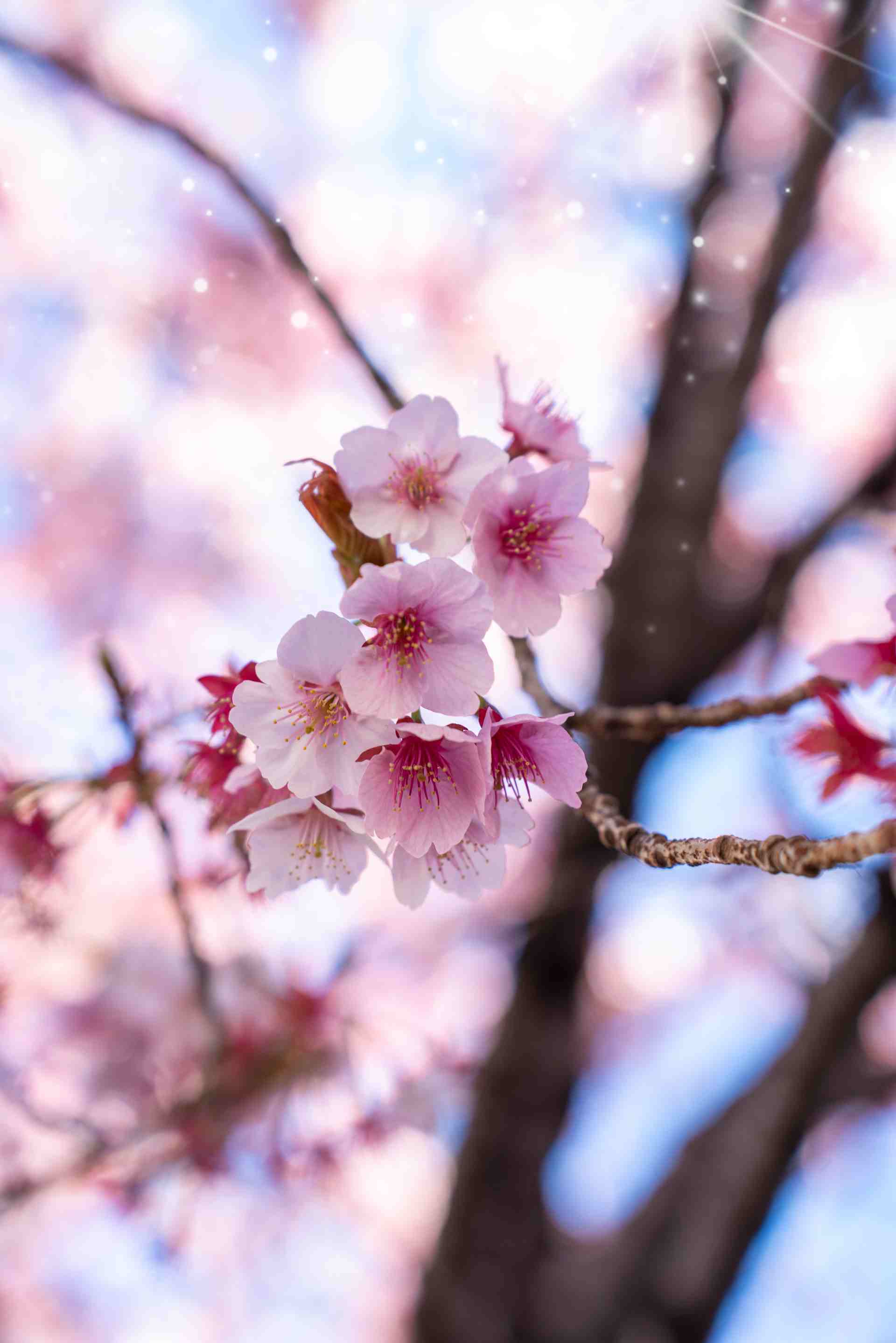
Kema Sakuranomiya Park runs along the Okawa River with over 4,700 cherry trees and is Osaka's longest continuous hanami stretch. Less famous internationally than the castle, which means the crowd is more local — more tarp picnics, more families, less tour group traffic. Peak bloom aligns with the castle (late March).
Mount Yoshino in Nara Prefecture is a different scale entirely — 30,000 cherry trees on a mountain, divided into four zones (shimo-chiyasen, naka-chiyasen, kami-chiyasen, oku-chiyasen — lower, middle, upper, inner thousand trees). It's considered the finest hanami location in Japan by many who've done both the Tokyo parks and Yoshino. The lower zones bloom first, late March, and the upper zones can still be flowering into late April. The hillside turns entirely pink. The train from Osaka takes about 90 minutes via Kintetsu Line.
Hirosaki Castle in Aomori, far north in Tohoku, blooms later — typically late April — and gets overlooked by most international travelers rushing south. The moat fills with fallen petals creating a pink carpet on the water. Fewer crowds, colder weather, and honestly one of the more dramatic settings I've seen photos of from people who made the detour.
Gear That Actually Makes a Difference
Portable WiFi first. Japan's cell networks are fantastic but foreign SIM access is inconsistent for app-heavy navigation. Japan Wireless rents pocket WiFi devices and allows airport pickup at both Narita and Haneda — you can order up to two hours before pickup. Around ¥700–900 per day for unlimited data. Sakura Mobile and NINJA WiFi are solid alternatives. Don't rely on your phone plan unless you've confirmed Japan coverage; you will need Google Maps, translation apps, and real-time sakura trackers running simultaneously.
For cameras: a Sony Alpha a6400 or the newer ZV-E10 II with a 50mm f/1.8 prime lens gets you the soft-background bokeh that makes sakura portraits look the way they do in magazines. Shoot in aperture priority, f/2.0–f/2.8, and let the white blossoms blow out slightly — it actually looks more natural than trying to expose them perfectly. Shoot RAW if you can. Pink skies at 6 AM with the blossoms are genuinely better than midday shots, every time.
A lightweight tripod — the Joby GorillaPod or a compact travel tripod under 1 kg — is useful for low-light evening illumination shots. Evening hanami at Nakameguro or Maruyama Park without a tripod means blurry lantern shots. Bring a rain cover for your camera bag too; sakura season and spring rain overlap frequently.
Comfortable walking shoes, full stop. Kyoto's Philosopher's Path is stone-paved and uneven. Ueno is manageable, but you'll easily cover 15–20 km on peak viewing days between parks, temples, and food stops.
Hanami Etiquette and Crowd Strategy
Japanese hanami culture is specific. You don't wander into someone's tarp area. You don't walk through a laid-out picnic spread to get to the other side. Groups claim spots hours — sometimes days — before golden-hour bloom, with the most junior employee sent to hold the tarp from 7 AM. Respect it.
Trash cans are rare in Japanese parks, especially during festivals. Bring a bag for your own garbage. This is not negotiable and not a suggestion — it's genuinely how hanami works.
For avoiding peak crowd times: Tuesday through Thursday, before 9 AM or after 5 PM, consistently outperforms weekend afternoons by a wide margin. If your dates are fixed to a weekend, Chidorigafuchi on Saturday morning is less bad than Ueno. Nakameguro on a Sunday evening is actually a nice experience — the post-dinner crowd is smaller than the afternoon lunch crowd.
Book everything — accommodation, Shinkansen seats, any restaurant reservations — at least 8 weeks before if you're targeting late March or early April. The Nozomi Shinkansen between Tokyo and Kyoto runs frequently but sells out on peak weekends. Reserve seats, don't rely on unreserved cars during sakura season.
Do's and Don'ts for Cherry Blossom Season Japan
| Do's | Don'ts |
|---|---|
| Book accommodation 8–10 weeks before late-March target dates | Show up in Tokyo on April 10 expecting full bloom — it'll be over |
| Check sakura.weathermap.jp daily within 2 weeks of your trip | Rely on long-range forecasts from January — they shift significantly |
| Rent pocket WiFi via Japan Wireless or NINJA WiFi before you land | Assume your foreign SIM will cover heavy app usage reliably |
| Visit major parks before 9 AM on weekdays for genuine quiet | Walk through someone's hanami tarp without asking — it's rude |
| Pack a compact tripod for evening illumination shots at Nakameguro | Forget a rain bag for your camera gear — spring rain is common |
| Go to Yoshino if you have 2+ extra days — 30,000 trees beats 1,200 | Skip Hokkaido if you're traveling late April — Sapporo peaks April 28 |
| Carry a trash bag — parks have very few bins during festivals | Leave convenience store packaging in the park |
| Shoot in RAW format on your camera for post-processing flexibility | Shoot at f/8 under sakura — you'll lose the soft background entirely |
| Reserve Shinkansen seats (not unreserved cars) for Tokyo-Kyoto | Assume unreserved Shinkansen cars have open seats on peak weekends |
| Try hanafubuki (petal fall) on day 3–4 of full bloom | Rush back home the day bloom is declared — the fall is the best part |
| Visit Daigoji or Keage Incline for lower crowds than central Kyoto | Limit your Kyoto visit to Maruyama only — there are far better spots |
| Set a daily alarm to check the weather — wind and rain cut bloom fast | Book non-refundable accommodation without checking cancellation policy |
FAQs
When is cherry blossom season in Japan in 2026?
For 2026, cherry blossom season Japan runs from mid-March through late April across most of the country. Tokyo peaked around March 28, Kyoto around April 1, and Osaka around March 31. Sapporo in Hokkaido won't hit full bloom until April 28. If you're chasing peak bloom and have flexibility, late March to early April covers Tokyo, Kyoto, and Osaka in a single 10–14 day trip. The northern regions give you a second window in late April to early May, which is genuinely underused by international travelers.
What is hanami and how do you do it properly?
Hanami literally means "flower viewing" and refers to the Japanese tradition of gathering under blooming sakura trees for food, drinks, and company — it's been practiced since at least the 8th century. In practice, you find a park with cherry trees (Ueno Park, Maruyama Park, Osaka Castle Park are the big three), lay out a tarp or blanket, bring convenience store food or home-cooked bento, and spend a few hours eating under the petals. Japanese groups often send someone ahead to claim a spot at dawn. As a visitor, you can absolutely join in — just bring your own food and trash bag, don't crowd into someone else's picnic space, and don't blast music near other groups.
What's the difference between "first bloom" and "full bloom"?
First bloom (kaika) means roughly 5–6 flowers have opened on the reference tree at each observation station — it's the official start signal, but the park isn't visually full yet. Full bloom (mankai) means 80% or more of the flowers have opened. That's your target. The gap between first bloom and full bloom is typically 7–10 days. Most forecasts show both dates. Plan your visit around the full bloom date, and budget 3–5 days on either side for weather variability. Peak conditions can last 7 days in cool weather or collapse to 3 days after a warm rainy spell.
Which are the best places to see cherry blossoms in Japan?
For sheer volume and atmosphere: Ueno Park (Tokyo, 1,200 trees), Nakameguro canal (Tokyo, 800 trees), Maruyama Park (Kyoto), Philosopher's Path (Kyoto), Osaka Castle Park (3,000 trees), Kema Sakuranomiya Park (Osaka, 4,700 trees), and Mount Yoshino (Nara, 30,000 trees). Yoshino is the one most serious sakura travelers put at the top — it's less convenient than a city park but a completely different scale. For photos specifically, Keage Incline in Kyoto (cherry trees over old railway tracks) and Chidorigafuchi's rowboat moat in Tokyo are the most distinctive compositions.
How far in advance should I book for cherry blossom season?
At minimum 6–8 weeks before your target dates, ideally 3–4 months for peak dates (late March, first week of April). Tokyo and Kyoto hotels and ryokans near the major parks fill quickly — places like Yoshida Sanso ryokan near Philosopher's Path go especially fast. Shinkansen seats between Tokyo and Kyoto on peak weekends sell out. If you're booking in January for a late-March trip, you're actually cutting it fine, not being early.
Do I need pocket WiFi in Japan for cherry blossom season?
Strongly recommended, yes. You'll be using Google Maps constantly between parks, checking real-time sakura tracker apps like sakura.weathermap.jp, translating menus, and navigating train connections. Japan Wireless rents pocket WiFi starting from around ¥700/day with airport pickup at Narita or Haneda. Sakura Mobile and NINJA WiFi are comparable alternatives. Alternatively, a local eSIM from providers like Ubigi or Airalo works well if your phone supports it — faster setup, no device to return. Japan's 4G coverage is excellent; you just need the right SIM.
Is cherry blossom season in Japan worth the crowds?
Yes, but with realistic expectations. The famous parks — especially Ueno on a weekend afternoon — are genuinely packed to the point where you're more shuffling through people than strolling under blossoms. The trick is timing. Weekday mornings before 9 AM transform even Ueno into something manageable. The less-famous spots — Keage Incline, Daigoji, Kema Sakuranomiya in Osaka — offer similar visual reward with significantly fewer people. A 10-day trip where you hit 2–3 major parks and 2–3 quieter spots is far better than rushing all the famous ones in three days during the weekend rush.
What should I wear to cherry blossom viewing in Japan?
Late March and early April in most of Japan is cool — Tokyo averages 10–14°C (50–57°F) during peak bloom, Kyoto is similar, and evenings drop further. A light down jacket or warm layer is essential, especially for evening illumination visits. Rain is genuinely likely — a packable rain jacket is more useful than an umbrella if you're walking long distances (umbrellas are useless in wind). Comfortable, broken-in shoes that can handle uneven stone paths (Philosopher's Path, temple grounds) and long days of 15+ km walking are non-negotiable. Dress in layers you can easily add or remove as the day warms up.