Santorini Travel Guide: Best Things to Do, Where to Stay, and How to Plan

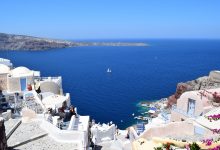
There's a moment, usually somewhere on the caldera rim between Imerovigli and Oia, when Santorini actually looks the way it does in photos — white cubes stacked against a cliff edge, the sea almost aggressively blue, and a silence that makes you forget five cruise ships docked this morning. I hit that moment on a Tuesday in late May, sweaty from the hike, eating a sesame ring from a Fira bakery for sixty cents. Not glamorous. Perfect. This Santorini travel guide is built around that kind of moment rather than Instagram setups — though you'll get those too. The island is genuinely hard to photograph badly. The real challenge is planning around the crowds and not letting the tourist machine upsell you on things you don't need.
This guide covers the full picture: what to actually do, which neighborhoods to stay in and why the difference matters enormously, hotel picks from budget Airbnb cave houses to Grace Hotel Santorini, how to eat well without paying €30 for average pasta with a view, and the logistics of getting here without renting a quad bike and regretting it on a hairpin. I've pulled 2026-current prices, real property names, and honest takes on what's worth your time. The island runs on four months of tourist season and an industry designed to extract money from people who only come once — meaning most online advice is monetized advice. This isn't that.
What to Do in Santorini: Slow Down and Do It Right
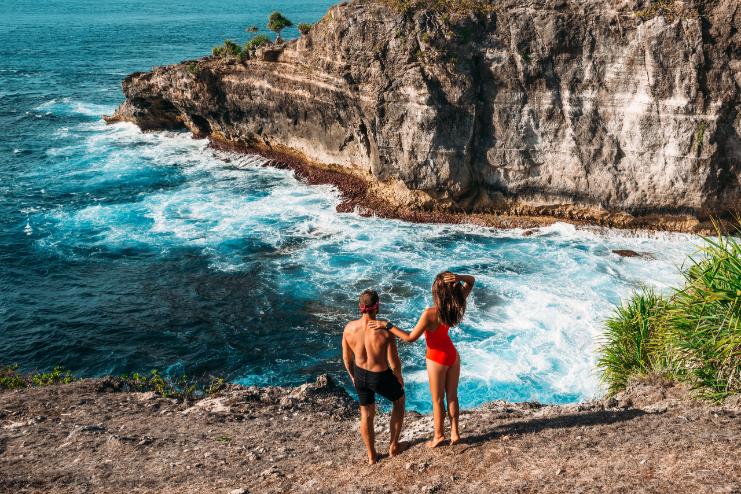
The Fira-to-Oia hike is non-negotiable — 9 kilometers along the caldera rim, about 3 hours at a relaxed pace. Start by 8 AM to beat the heat. Wear actual shoes; you'll meet people in flip-flops making poor decisions on the loose sections. The views from Skaros Rock, a promontory jutting out near Imerovigli, are as good as anything in Oia with a fraction of the foot traffic.
Akrotiri Archaeological Site is the one most visitors skip for another pool afternoon. Don't. It's a Bronze Age Minoan settlement preserved under volcanic ash — sometimes called the "Pompeii of the Aegean," though that comparison undersells the frescoes and intact multi-story buildings. Entry in 2026 is around €12. Give it two hours. The site is covered, which matters in July. The Red Beach, five minutes from Akrotiri, is worth the stop for its dramatic red-black volcanic cliffs — go early or late afternoon, not midday, when it gets properly crowded.
Oia Santorini: How to Actually Enjoy It
Oia is beautiful. It's also — in July and August — genuinely overwhelming. The main pedestrian lane, Nikolaos Nomikou, can feel like a theme park with better architecture. Here's how to do it right: arrive at 7 AM when the village is quiet, light is soft, and the blue domes photograph without a shoulder in frame. Walk down the 300 steps to Amoudi Bay for grilled octopus at Katina's fish taverna, which has been feeding people at the waterline since 1975.

The sunset viewpoint at Oia Castle fills up by 5 PM in summer. Get there by 4:30 or accept you'll be watching over someone's selfie stick. Alternatively: the caldera rim path between Imerovigli and Firostefani has equally good views with a fraction of the crowd. Imerovigli sits at the caldera's highest point — on a clear day you can see both Oia and the volcano simultaneously. Worth knowing.
Best Hotels in Santorini: Location Matters More Than Stars
Caldera-facing properties (Oia, Imerovigli, Fira, Firostefani) look over the volcanic crater. East-coast hotels (Kamari, Perissa) face the open sea and black sand beaches. They're different trips entirely. Choose based on what you want from the stay.
For luxury, Canaves Oia Suites & Spa runs around €424/night in high season — private plunge pools on every balcony, caldera views, and service that actually remembers your name. Katikies Santorini is the classic choice, all whitewashed arches and infinity pool aesthetics. Grace Hotel Santorini in Imerovigli sits slightly apart from the Oia crowds while delivering the same caldera-edge drama, rated 9.5 Exceptional in 2026 reviews. Mystique, A Luxury Collection Hotel in Oia, is worth the splurge if you land an Allure Suite.
Mid-range: Astra Suites in Imerovigli offers some of the best design on the island at €200–300/night. Hotel Zannos Melathron in Pyrgos — a converted 1800s captain's mansion — starts around €180 with zero caldera-view premiums. For Airbnb, search "cave house Oia caldera view" specifically. Oia Spirit, a complex of eight stand-alone traditional yposkafa cave houses with shared pool in the heart of the village, consistently reviews well. Expect €150–250/night in shoulder season.
Getting Around: Buses, Ferries, and Why to Skip the ATV
Santorini Airport (JTR) sits near Kamari. Bus to Fira costs €2 (30 min); taxi runs €30–45. Book taxis via the Santorini Taxi app — fixed prices, no negotiating.

Ferries dock at Athinios Port, 8 km south of Fira. Bus from port to Fira: €2.70, 20 minutes. High-speed ferries from Athens (Piraeus) take 5 hours and cost €50–75; overnight conventional ferries run around €35. SeaJets and Hellenic Seaways both cover the route — book through Ferryhopper.com which shows real availability across operators.
On the island: KTEL buses cost €2.20–2.80 per trip, cash only, hub in Fira. They're reliable, locals use them, and they cover Oia, Kamari, Perissa, and Akrotiri. Rent a car (€40–60/day at the airport from Budget or Hertz) for flexibility. Skip the ATVs — the roads are narrow and the summer accident rate is not a statistic you want to contribute to.
Where to Eat: Skip the View Tax
Santorini's food scene is genuinely good when you step away from caldera-edge restaurants charging €30 for pasta. The local tomatoes — grown in volcanic ash — taste concentrated in a way that doesn't translate elsewhere. Order ntomatokeftedes (tomato fritters) everywhere you see them on a menu. Same with fava, a yellow split pea puree from the island's own legumes, about €7, served with olive oil and capers.
Metaxy Mas in Exo Gonia serves creative Greek food with real technique and no premium for the postcode — mains around €18. Roka in Oia is reliably good for fresh fish. Lucky's in Fira does the best gyros on the island for €4. Eat it standing up. For wine, you're drinking Assyrtiko — the island's volcanic white grape, lean and mineral. Estate Argyros and Domaine Sigalas both run tastings; a glass at tavernas runs €8–12.
Santorini Sunset: The Honest Version
The sunset at Oia Castle is genuinely lovely. It's also a crowd of 800 people by the time it drops. Better options: the terrace bar at Grace Hotel (non-guests welcome, order a drink), the caldera path between Imerovigli and Firostefani, or the rooftop at Lolita's Gelato in Oia — a gelato shop that happens to have a caldera-view upstairs terrace most visitors never find. For the quietest sunset on the island, the village of Akrotiri on the southwest tip looks out over open sea with almost no one else watching.

When to Go and What It Costs
Late April through May and September through October. Weather hits 22–26°C, the sea is swimmable, and the cruise-ship crush is manageable. July and August peak at 32°C+, hotel prices roughly double, and Oia gets genuinely difficult to navigate at sunset. November to March most things close, but the caldera looks atmospheric in the rain and Skaros Rock is almost empty.
Budget: €100–150/day mid-range (caldera-view hotel, taverna meals, one or two activities). Budget travelers sharing a room in Kamari can do €60–70/day. Luxury with fine dining runs €500+ per couple without effort.
Do's and Don'ts for Santorini
| Do's | Don'ts |
|---|---|
| Book caldera-view accommodation 3–6 months ahead for summer | Book Oia hotels last-minute — they sell out by March for July |
| Start the Fira-to-Oia hike before 8 AM | Attempt the hike in sandals — the path has loose, uneven sections |
| Order ntomatokeftedes and fava at every taverna you visit | Order pizza to play it safe — Greek food here is genuinely the reason to eat out |
| Take KTEL buses between villages — €2.20–2.80, cash only | Rent an ATV unless you have real experience on narrow mountain roads |
| Arrive at Oia Castle sunset spot by 4:30 PM in summer | Show up at 7 PM expecting to see anything but phones on selfie sticks |
| Drink Assyrtiko at every meal — Estate Argyros and Domaine Sigalas are the benchmarks | Pay premium for a wine just because it says "Santorini" on the label |
| Visit Akrotiri early morning before tour groups arrive | Skip it because you don't like ruins — the frescoes alone are worth the €12 entry |
| Walk down to Amoudi Bay for grilled fish at Katina's taverna | Eat on Oia's clifftop strip without checking whether you're paying for food or the view |
| Pack layers — evenings in May and October can be cool on the caldera rim | Assume summer sun means warm nights — the meltemi wind is real |
| Book ferry tickets via Ferryhopper at least a week ahead in peak season | Buy tickets at the port on the day in July — they sell out and prices spike |
| Try Vinsanto dessert wine at least once — deeply sweet, made from sun-dried Assyrtiko | Leave without visiting at least one east-coast beach — Perivolos and Kamari's black sand is unusual |
FAQs
How many days do you need in Santorini?
Three full days covers the essentials — Oia, the Fira hike, Akrotiri, and one beach afternoon. Four is the sweet spot: you get a caldera cruise, a winery visit (Domaine Sigalas or Estate Argyros both run tasting tours for €20–30), and time to actually sit still. Five days opens up quieter villages like Pyrgos and a day trip to Thirassia, the near-empty island across the caldera.
When is the best time to visit Santorini to avoid crowds?
September. Water temperature is still 25°C+, light is warmer for photography, and prices drop 20–30% from August peaks. May is the other good window — less crowded than June, swimmable by mid-month. Avoid the first two weeks of August; cruise ships can unload 10,000+ visitors per day, most funneled straight into Oia.

What's the best area to stay in Santorini?
Oia is iconic and expensive — worth it at Canaves Oia Suites, less worth it at a mid-tier property charging caldera premiums. Imerovigli is quieter, sits higher, and is where Grace Hotel Santorini is based. Fira is practical but tourist-heavy. Firostefani is a ten-minute walk from Fira with caldera views and lower rates. Kamari or Perissa are the right base if beaches matter more than sunsets.
How do I get from Athens to Santorini?
Flying takes under 45 minutes — Aegean Airlines and Ryanair both cover it, €50–120 in shoulder season. The Piraeus ferry is the slower but often better experience: SeaJets or Hellenic Seaways high-speed catamarans take 5 hours for €50–75; overnight conventional ferries cost around €35. Book through Ferryhopper.com.
Is Santorini worth the cost?
Yes — if you stay and eat strategically. The caldera is singular. The trap is paying five-star prices for three-star execution. An Airbnb cave house in Oia plus meals at Metaxy Mas and Lucky's gyros will deliver a better experience than an average hotel charging €400/night for caldera-adjacent Wi-Fi.
Can you visit Santorini on a budget?
More than most people expect. Kamari hostel beds run €25–35/night. Buses cost under €3 per trip. Akrotiri entry is €12. Local wine from Fira supermarkets starts at €8. The Fira-to-Oia hike, Skaros Rock, Amoudi Bay, and the Red Beach are all free. A realistic €60–70/day per person (shared room, public transport, taverna meals) is very doable.
What gear do you actually need for Santorini?
Trail shoes — Salomon X Ultra 3s or similar. The caldera stairways destroy regular sneakers and make anything with a heel impossible. A Hydro Flask or insulated bottle for the hike. An Osprey Ultralight Stuff Pack for day trips (packs to almost nothing in your luggage). Moment wide-angle lens for your phone if you care about architecture photos — the standard lens compresses the buildings in a way that never looks quite right.