What to Wear in Paris: Outfit Ideas for Every Season
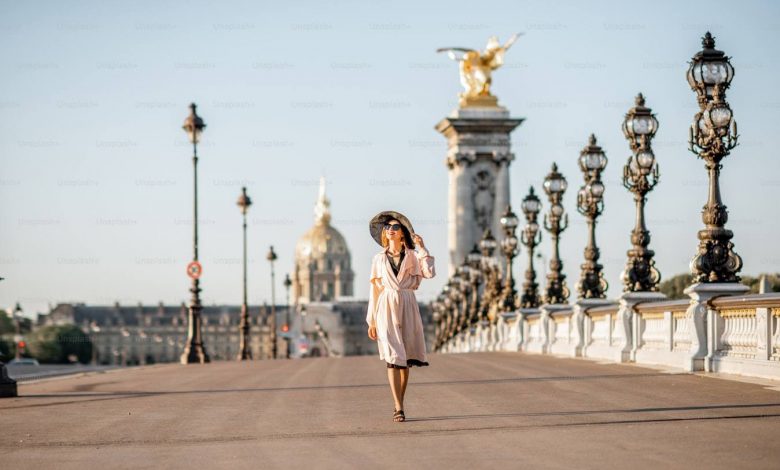
The first time I landed at Charles de Gaulle and took the RER B into the city, I watched a woman in a caramel wool coat and white Veja sneakers stroll past the carousel without glancing at a single bag. No logo tote. No bright-colored windbreaker. No fleece. She looked like she lived there. I looked like I was about to board a ski lift. That contrast taught me something fast: Paris has an aesthetic, and it's not loud. It's not trend-chasing, either. It's a very specific kind of intentional-but-effortless dressing that the rest of the world keeps trying to copy and mostly gets wrong. Knowing what to wear in Paris before you pack saves you a suitcase of regret and, frankly, makes the whole trip feel more like belonging somewhere than merely visiting it. The city is beautiful. You'll want to look the part.
This guide isn't about runway fashion or hauling a dozen outfits across the Atlantic. It's practical: what actually works on Paris streets, by season, for the three situations you'll find yourself in most — wandering through a museum, sitting at a café nursing a café crème for two hours, and walking along the Seine at 9 PM with the light going gold. I've structured it around real seasonal temperatures (Paris winters hit 8°C / 46°F; summers reach 25°C / 77°F with occasional spikes), real French brands you can actually shop when you land, and the specific outfit combinations that won't make you feel like a tourist the moment you step out of your hotel.
What to Wear in Paris in Spring (March–May)
Spring in Paris is moody. March is still winter by feel — lows around 4°C (39°F), grey skies, occasional drizzle — and May can flip between 18°C afternoons and chilly evenings within the same day. Layering isn't just advice here. It's survival.
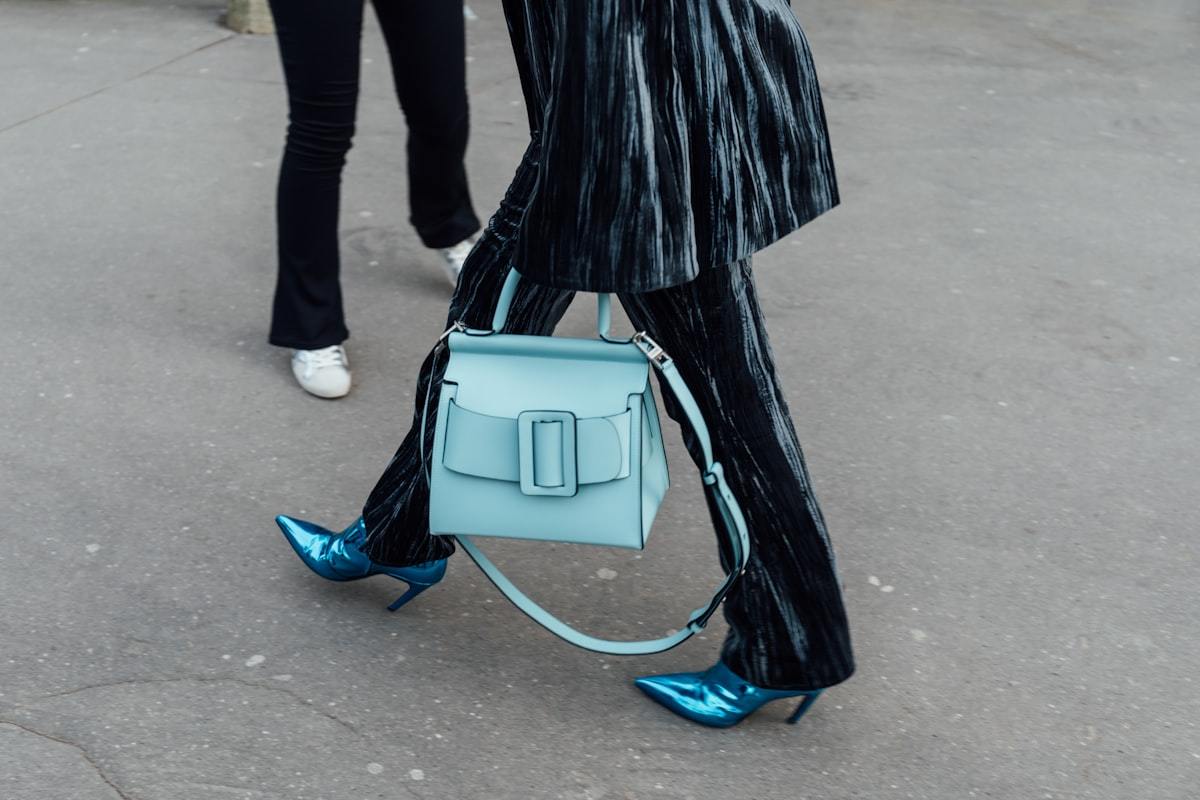
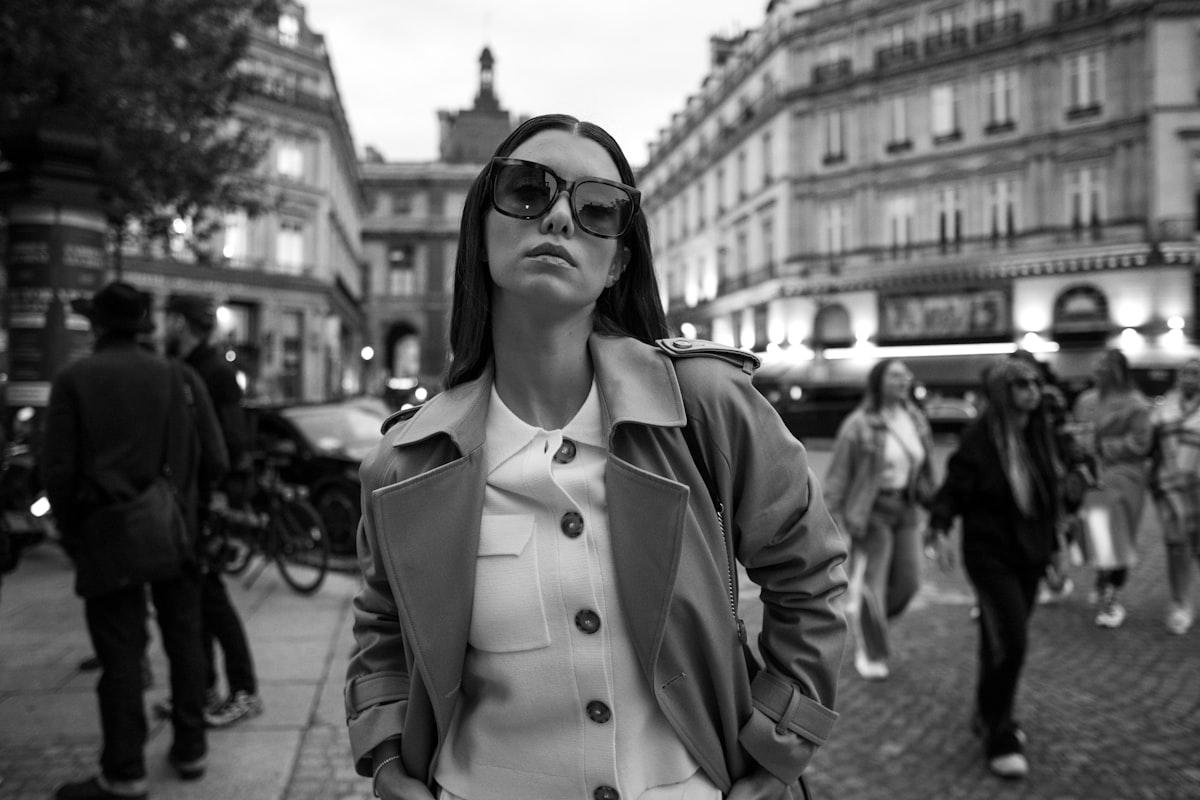
The outfit formula that carries you through March and April: a fitted fine-knit sweater in ivory or camel, slim dark trousers, and a classic trench. The trench is non-negotiable — it handles light rain, snaps the whole look together, and doesn't add bulk. A.P.C. makes a clean, medium-weight version for around €395 that you'll still wear in ten years. Worth considering if you're shopping while in town. Ankle boots in leather (not suede, which ruins in rain) keep you comfortable on cobblestones.
For May, the city opens up. Wear a Sézane floral midi dress — their Camille styles run €115–€145 and consistently sell out — with a lightweight blazer and flat leather sandals. Museums often blast AC, so keep a thin cardigan in your bag. For evening walks along the Marais or the Canal Saint-Martin, add a biscuit-colored linen jacket over a simple tee and wide-leg trousers. That combination reads Parisian immediately. Skip the puffer jacket unless it's a genuinely cold evening — it breaks the silhouette completely.
What to Wear in Paris in Summer (June–August)
Hot take: summer Paris is actually simple to dress for, once you drop the shorts. Parisians genuinely don't wear shorts in the city — that's a beach thing, a Southern France thing. Wide-leg linen trousers in beige or cream with a fitted ribbed tank top is the outfit you see literally everywhere, from the 1st arrondissement to the 11th. It works at the Louvre, works at a terrace lunch, works at a wine bar at midnight.
Rouje's wrap dresses and floral slip dresses — expect to pay €180–€240 for their mainline pieces — are perfect for the June–July heat. Jeanne Damas designed these with actual Parisian summer living in mind: breathable fabric, flattering on the go, no ironing required. Pair with Veja's Campo or V-10 sneakers (€120–€160) and a Longchamp Le Pliage tote (€80–€100) that folds flat for the flight home. That Longchamp is everywhere in Paris. Not because it's trendy — because it's genuinely useful and has been since 1993.
Evenings in August can still be warm at 9 PM, so a light linen blazer does more than enough. Don't overpack for summer — 10-12 pieces that mix and match beats 22 single outfits every time.
What to Wear in Paris in Autumn (September–November)
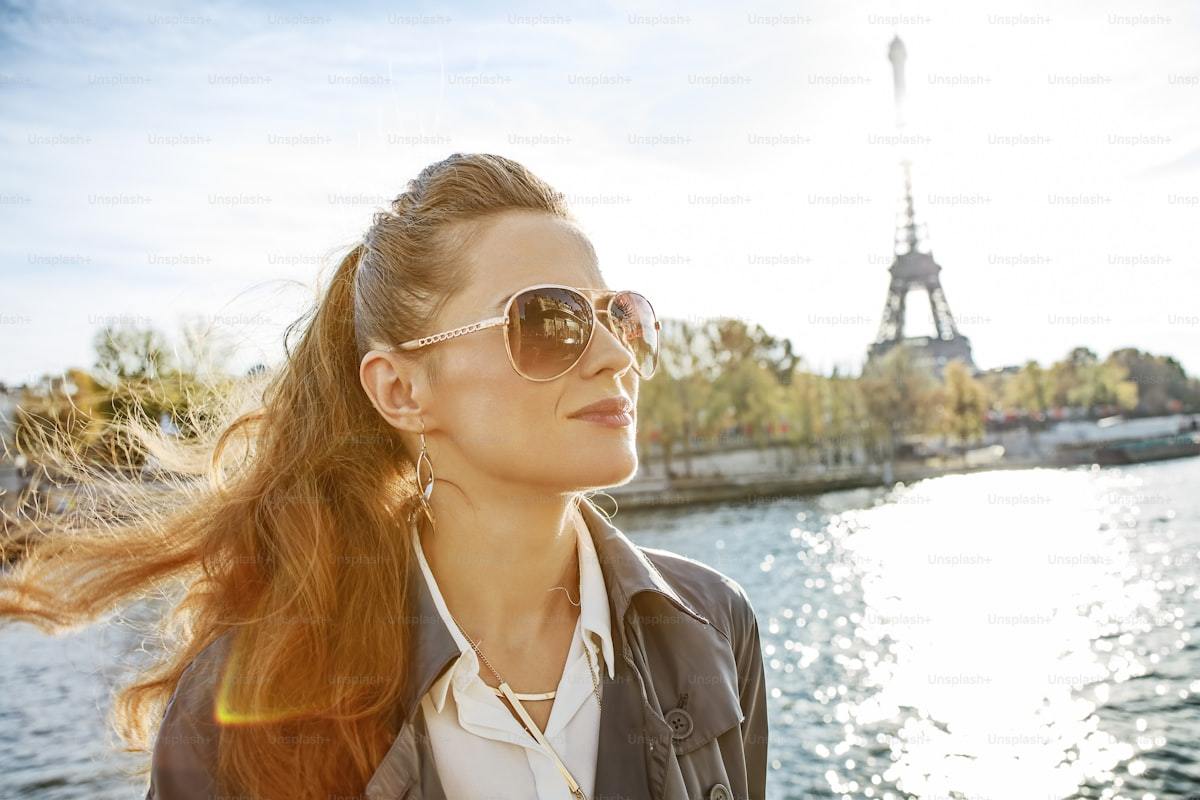
September starts almost like summer — highs around 21°C — and by November you're in proper coat territory (10°C highs, raw wind off the Seine). This is arguably the most photogenic dressing season: rich textures, warm tones, that amber light that makes everything look editorial.
Lean into chocolate brown, rust, charcoal, and forest green. Corduroy wide-leg trousers are everywhere in Paris in autumn — pair them with an A.P.C. or Sézane striped Breton top and Chelsea boots. A caramel suede jacket over a cream turtleneck works perfectly for afternoon visits to the Musée d'Orsay or Palais Royal. I wore exactly that combination last October and had a woman ask me where I was from, then look genuinely surprised when I said I wasn't local. That felt like a win.
For evenings — drinks in Saint-Germain, dinner in Le Marais — a tailored blazer over a silk blouse and straight-leg dark denim is the reliable formula. Veja sneakers work during the day; swap to leather loafers for evening. Rouje's autumn-weight cardigans and blouses in their signature romantic cuts are worth browsing when you land. Their Paris boutique is in the 1st arrondissement on Rue Saint-Honoré.
What to Wear in Paris in Winter (December–February)
Paris winters are damp and grey, consistently sitting around 8°C with occasional drops to near freezing. The saving grace: the city is stunning. Christmas markets, glowing café windows, fog on the river. You want to look good and stay warm — those goals aren't mutually exclusive.
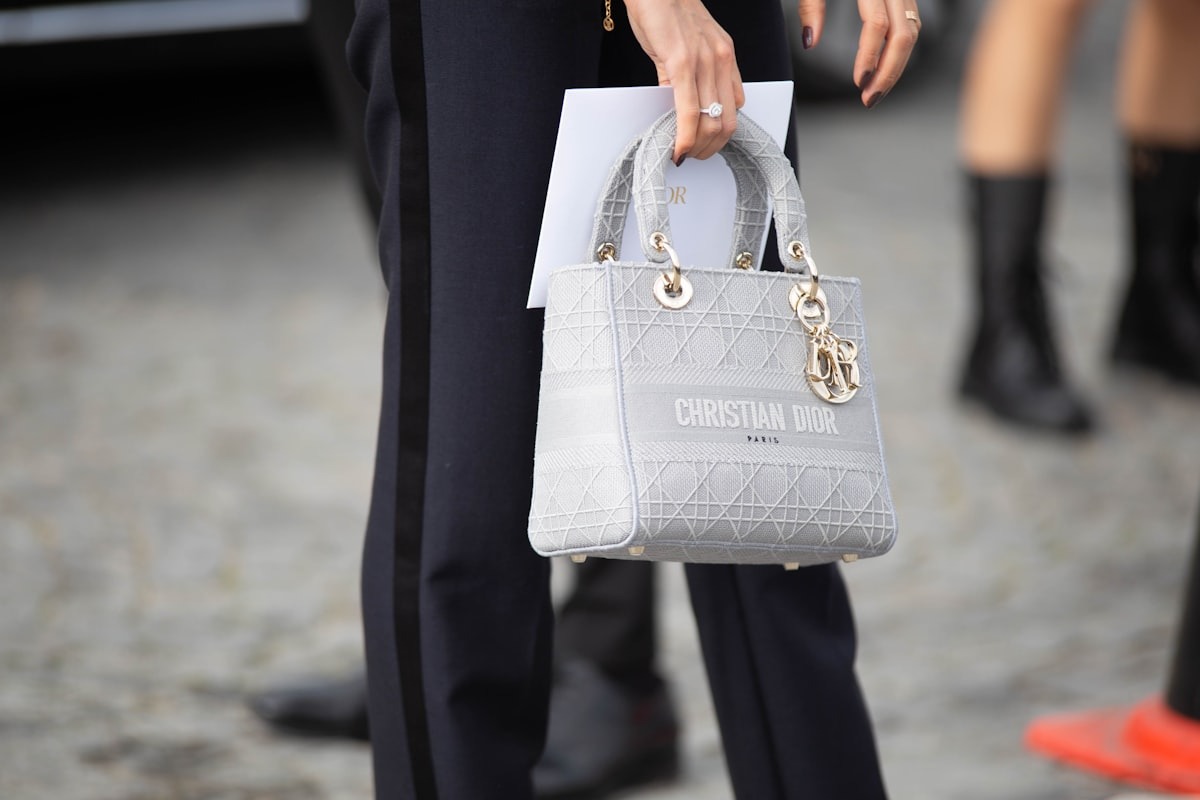
The anchor piece is a longline coat. Full stop. Wool or cashmere blend, in camel, black, or deep navy. A.P.C.'s wool coats run €350–€500 and are the real deal. Layer underneath: a merino turtleneck, straight-leg trousers or dark-wash jeans, and ankle boots with a low block heel. This is warm enough for most Paris winter days and looks right for everything from a museum morning to a late dinner.
Accessories carry serious weight in winter. A good wool scarf (Sézane does an excellent boucle version for €95) and leather gloves make the whole look. Skip the North Face puffer unless you're actually hiking — it reads tourist immediately and oddly doesn't even keep you that much warmer on city streets. Instead, layer a thick knit under your structured coat. Longchamp's leather shoulder bags or Polène's minimalist bucket bags complement winter coats beautifully and are genuinely practical for a day of museums and afternoon shopping.
Outfit Ideas for Paris Museums
Museums in Paris — the Louvre, Musée d'Orsay, Centre Pompidou, Musée Rodin — have a few practical realities: you'll walk 4-6 kilometres, the temperature inside swings wildly (often cold), and you're standing in line and then standing in front of art for hours. Comfort is non-negotiable.
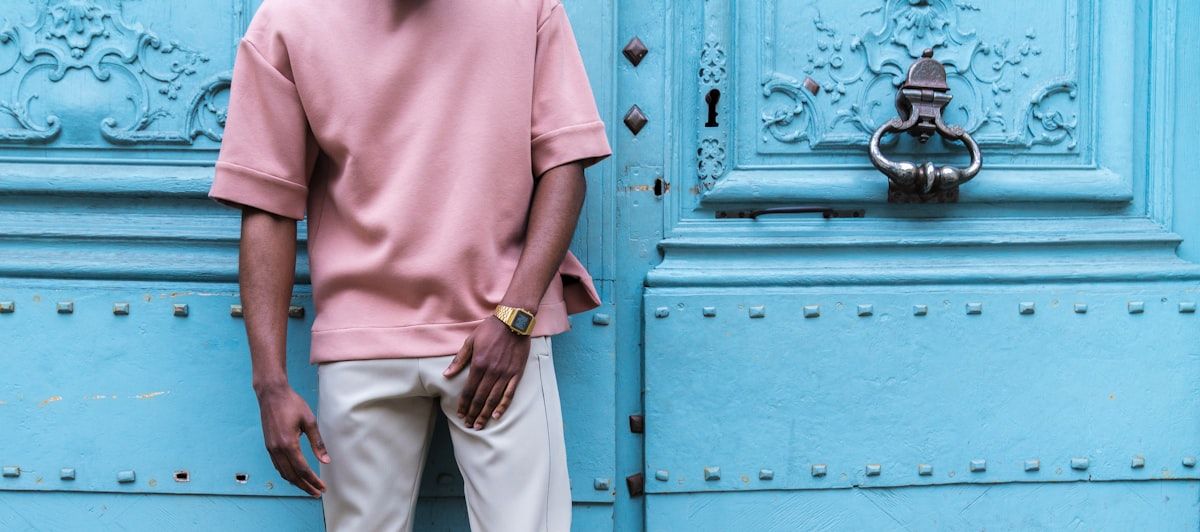
The ideal museum outfit in spring or fall: slim trousers or a midi skirt (easier for sitting), a layerable top, a structured blazer you can take off, and your most comfortable flat shoes. Veja sneakers are perfect here — they look intentional rather than lazy, and your feet will thank you by hour three. In summer, add a light cardigan to your bag before entering the Louvre; the underground Denon Wing is reliably chilly. In winter, wear your full layers in — you can check your coat at most major museums for free.
What to Wear in Paris Cafés and for Morning Walks
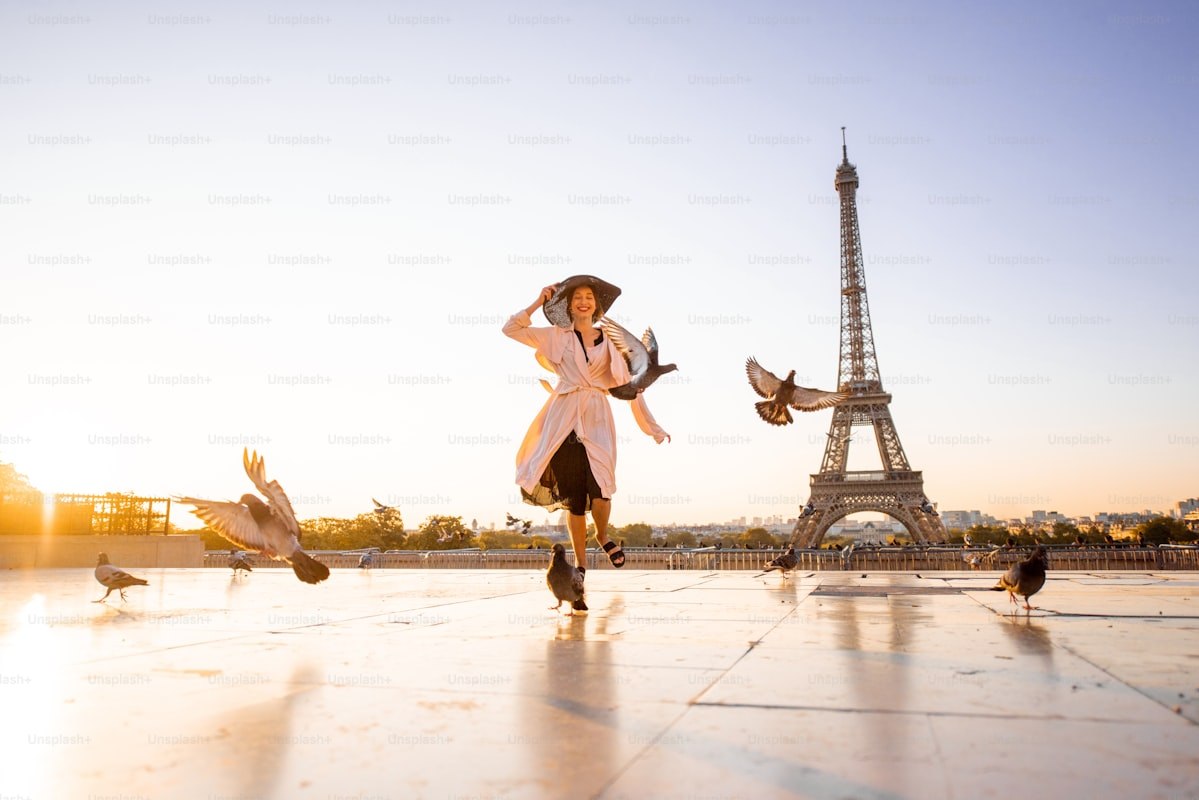
There's a specific softness to the Parisian café aesthetic that's hard to pin down but instantly recognizable. Think: a slightly oversized Breton striped top, tapered dark jeans, loafers or clean sneakers, and sunglasses. Effortless on purpose. Sézane's striped tops — the Emile style is a perennial bestseller at around €65 — nail this exactly. Add a small crossbody bag (A.P.C.'s Half Moon bag, around €280, is compact enough for café use without looking like a tourist daypack).
For early morning walks — along the Île de la Cité, through Luxembourg Gardens, around Montmartre before the crowds hit — layer up. A light trench over a striped tee and straight jeans works in spring and fall. In summer, a linen shirt left open over a fitted tee and wide-leg trousers is the move. The goal is looking like you live nearby and just stepped out for a croissant. Which, ideally, you did.
What to Wear for Paris Evening Walks and Dinner
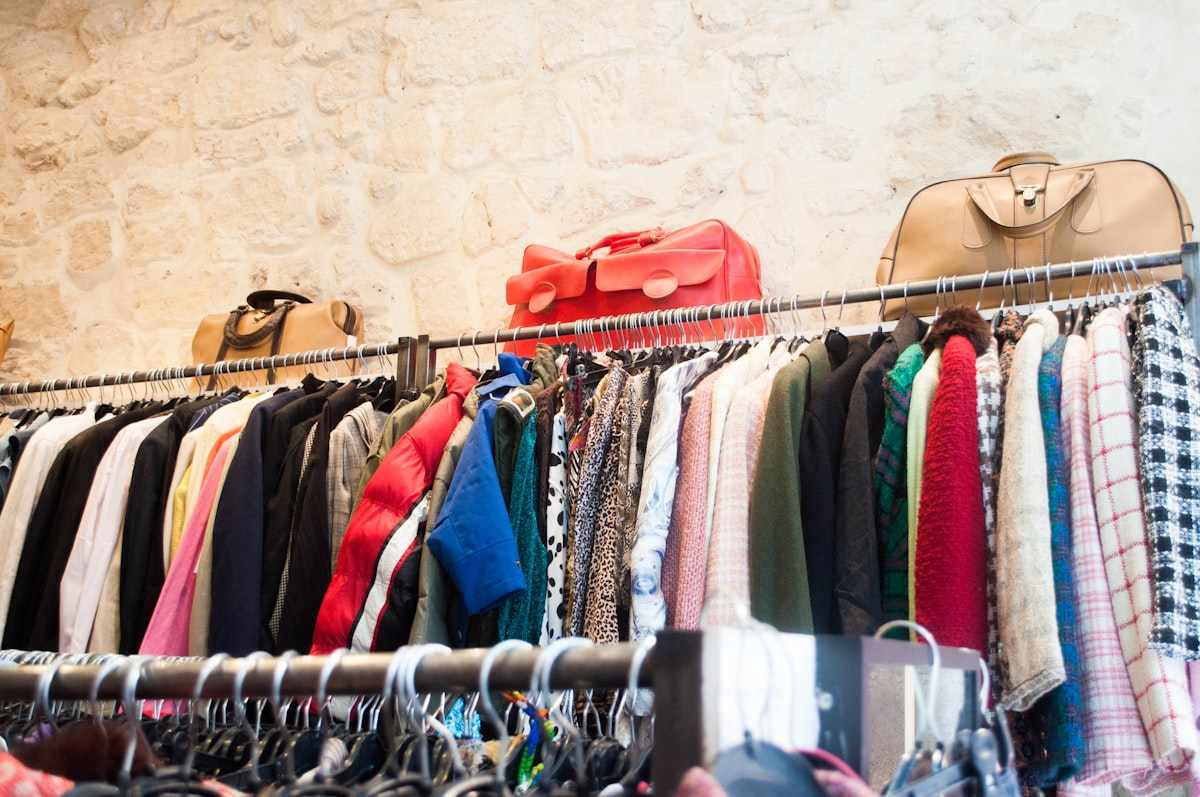
Evening walks along the Seine or through Saint-Germain have a particular magic from May through September. The light goes golden around 9 PM, everyone slows down, and the city feels genuinely cinematic. Dress accordingly — not formal, but one step up from daytime.
A Rouje slip dress or midi skirt with a fitted top and a light blazer hits perfectly. Add leather sandals or block-heel mules and a small shoulder bag. In cooler months (October through April), swap sandals for ankle boots, add tights under the skirt, and wear your coat open over the blazer. For dinner in a brasserie or bistro — places like Bouillon Pigalle or Brasserie Lipp — Paris is smart-casual at most restaurants below Michelin level. Jeans are fine if they're dark and well-fitted. Sneakers are genuinely acceptable. What won't fly: athletic wear, flip-flops, or anything too logo-heavy.
Do's and Don'ts for Dressing in Paris
| Do's | Don'ts |
|---|---|
| Pack a trench coat — it works for three seasons and instantly elevates anything | Wear bright-coloured windbreakers or athletic puffer jackets around the city |
| Choose neutral tones: black, camel, cream, navy, rust | Pack shorts for city sightseeing — save them for the beach |
| Bring Veja or clean leather sneakers for all-day walking | Wear thick-soled hiking boots unless you're actually hiking |
| Layer with fine knits rather than chunky hoodies | Overpack — 12 versatile pieces beat 22 single-use outfits |
| Shop Sézane or Rouje for genuine Parisian pieces to wear on the trip | Buy branded "Paris" tourist merch and wear it immediately |
| Pack a compact Longchamp Le Pliage tote — it folds flat and is widely useful | Carry a giant rolling backpack into museums or cafés |
| Add one silk or satin piece for evenings — a blouse or slip dress goes far | Wear flip-flops anywhere in the city |
| Bring dark-wash jeans — versatile for day through dinner | Wear overly casual athletic wear to brasseries or restaurants |
| Pack ankle boots with low block heels for cobblestone comfort | Wear stilettos — cobblestones will punish you within the first hour |
| Invest in one quality scarf — it doubles as warmth and accessory | Skip waterproofing your shoes — Paris rain is real and frequent |
| Choose breathable fabrics (linen, cotton, light merino) for summer | Over-dress for casual restaurants — smart-casual is the actual norm |
FAQs
Is there a dress code for Paris restaurants?
Most Paris restaurants below Michelin star level are genuinely smart-casual — dark jeans and a clean top are completely fine. You'll only encounter a strict dress code at haute cuisine establishments like Le Grand Véfour or Epicure at Le Bristol, where jacket-required is sometimes enforced. Bouillon Pigalle, Septime, and the vast majority of neighbourhood bistros have no dress code at all. The key is looking like you put in some effort — avoid athletic wear and flip-flops, but don't stress beyond that.
Can I wear sneakers in Paris?
Yes, and Parisians do it constantly. The distinction is the type of sneaker: clean, minimal leather or canvas styles work — Veja V-10s, New Balance 574s in grey or navy, or classic white canvas. Chunky trail runners, heavily logoed athletic shoes, or anything that reads "gym" rather than "street" will look out of place. A pair of white Veja sneakers costs around €120–€160 and covers everything from museum mornings to evening café visits.
What's the best brand to buy in Paris for authentic French style?
Sézane is the best starting point — it's genuinely French, quality is excellent, prices are fair (€60–€200 for most pieces), and their Rue Saintonge boutique in the Marais is a lovely experience in itself. Rouje is worth visiting for feminine, vintage-influenced pieces; Jeanne Damas' brand feels very specifically Parisian. A.P.C. for minimalist basics, especially denim (their Petit Standard jeans at around €170 are a staple). Veja for sneakers. All four are available both online and in Paris stores.
What should I NOT wear in Paris as a tourist?
The biggest giveaways: logo-heavy tourist gear, neon colours, cargo shorts in the city, and (weirdly) branded Eiffel Tower merch worn immediately after buying. Athletic puffer jackets make you look like you're preparing for an Arctic expedition rather than a café visit. None of this will get you in trouble — Paris is tolerant — but if you want to blend in even slightly, neutrals and clean lines do the work.
How many outfits should I pack for a week in Paris?
Eight to ten items total is enough for a week, sometimes more. The Parisian approach is mix-and-match: two bottoms, three tops, one dress, one blazer or jacket, one coat, and two shoe options cover almost everything. Parisians genuinely re-wear pieces across multiple days — a great outfit on Monday looks equally right on Thursday with different shoes. Pack less than you think you need.
What shoes are practical for Paris walking?
Paris involves real walking — 15,000 to 20,000 steps on a typical sightseeing day, much of it on cobblestones. Veja sneakers are the gold standard for style-meets-comfort. Low-heeled ankle boots (block or stacked heel, not stiletto) work for most seasons. Ballet flats are beautiful but offer almost no support — wear them for café mornings or short evenings, not full museum days. Leave stilettos at home; cobblestones will end them.
Is Paris cold in spring and autumn?
Spring (March–May) starts cold — March lows hit 4°C and it rains regularly — and warms to a mild 18°C by late May. Bring layers and a waterproof coat for March and April, lighter layers for May. Autumn (September–November) is similar: September feels almost like summer, but November drops to 10°C with damp wind. The trench coat earns its place in both seasons.
What does Parisian style actually mean in practice?
Less than you'd think, honestly. It's not about being perfectly put-together at all times — it's about wearing things that fit well, in colours that work together, without visible effort. Neutral palette, one quality piece (a great coat, a silk top, a proper leather bag), and shoes that work for real walking. That's genuinely it. The "Parisian woman" aesthetic has been mythologised to the point of absurdity; the reality is clean clothes in neutral tones with one interesting detail. Anyone can do that.