Tokyo with Kids: The Complete Family Travel Guide to Japan
We landed at Narita at 6 PM on a Tuesday, two kids under ten, four overstuffed bags, and a toddler who had decided mid-flight that sleep was for quitters. My husband and I looked at each other in the arrivals hall and made a silent pact: no itinerary heroics for the first 48 hours. That turned out to be the single best parenting decision we made on the trip. Tokyo with kids isn't just doable — it's honestly one of the most family-friendly cities on the planet, and I say that having dragged small humans through a lot of places that claimed the same thing and lied. Japan has working elevators, clean public toilets on every block, food that children will actually eat, and a culture that treats kids with genuine warmth rather than polite tolerance. You will not be that family quietly shuffled away from the nice restaurant. You'll be invited in.
This guide is built on research, real trip reports from 2026, and conversations with parents who've done it recently — not a list recycled from 2019. I'll cover where to stay (specific hotels and Airbnb neighborhoods, not vague "look for family-friendly areas" advice), what to do with kids of different ages, how to survive the subway system without losing your mind or your children, what to pack, and how to handle the jet lag that will absolutely wreck Day 1. Tokyo family travel is a logistical puzzle, but it's a fun one. Let's talk through it properly.
Where to Stay in Tokyo with Kids
Your base matters more than people admit. Stay somewhere with terrible subway access and you'll spend 40 minutes per leg of every journey — exhausting for adults, catastrophic for children. For families, three neighborhoods make the most sense: Shinjuku for convenience, Asakusa for the slower pace and old-Tokyo atmosphere, and Odaiba if you're Disney-heavy and want to be right on the bay.
Hilton Tokyo Bay (Urayasu, Chiba) is the go-to for Disney families. It's a five-minute monorail ride from Tokyo Disneyland and DisneySea, runs a legendary breakfast buffet with a dedicated kids' corner, and their Family Happy Magic Rooms sleep five — with fairy-tale theming that makes bedtime feel like a reward rather than a battle. Rates run around ¥35,000–¥55,000/night (roughly $220–$350 USD) depending on season.
Keio Plaza Hotel in Shinjuku is the other top family pick. They offer free stroller rentals, a shuttle to Tokyo Disney Resort, and kids under five stay free. The Shinjuku location means you're walking distance from Takashimaya Times Square — which has one of the best toy departments in the city. Connecting rooms are available if you need the space.
Hotel Gracery Shinjuku is the fan-favorite mid-range option. The giant Godzilla head on the terrace gets an immediate reaction from kids aged four to fourteen, and the Kabukicho location keeps you steps from the Metro Promenade and JR Shinjuku Station. Standard doubles run around ¥15,000–¥20,000/night, and family rooms fit up to four.
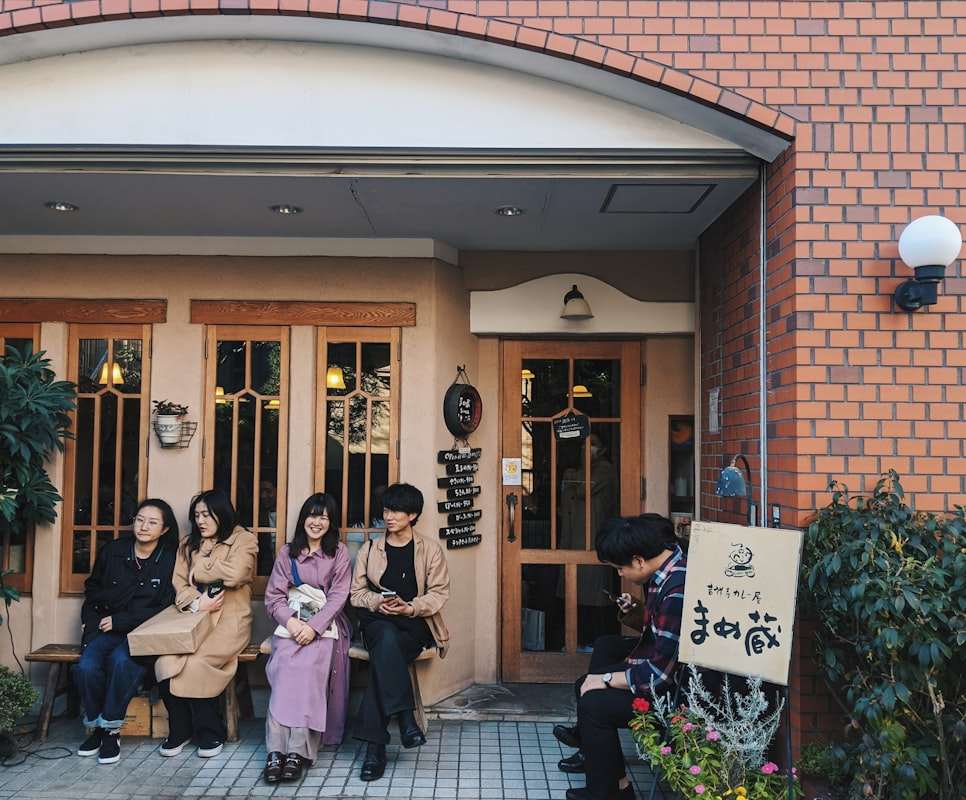
Airbnb is genuinely useful in Tokyo if you have older kids or teenagers and want a kitchen. Family apartments in Asakusa (near Senso-ji Temple) consistently rate 4.8–4.9 stars and give you a local neighborhood feel — morning trips to the convenience store for onigiri become a whole thing. Budget around $180–$250/night for a two-bedroom in Asakusa via Airbnb.
Getting Around: Subway, IC Cards, and Strollers
The Tokyo subway looks terrifying on a map. It is not actually terrifying. Buy a Suica IC card for every family member — you tap in, tap out, and it works on every train, bus, and most convenience stores. At the ticket machine, ask for a child Suica at a staffed counter for kids aged 6–11 (half fare). Under-6s ride free.
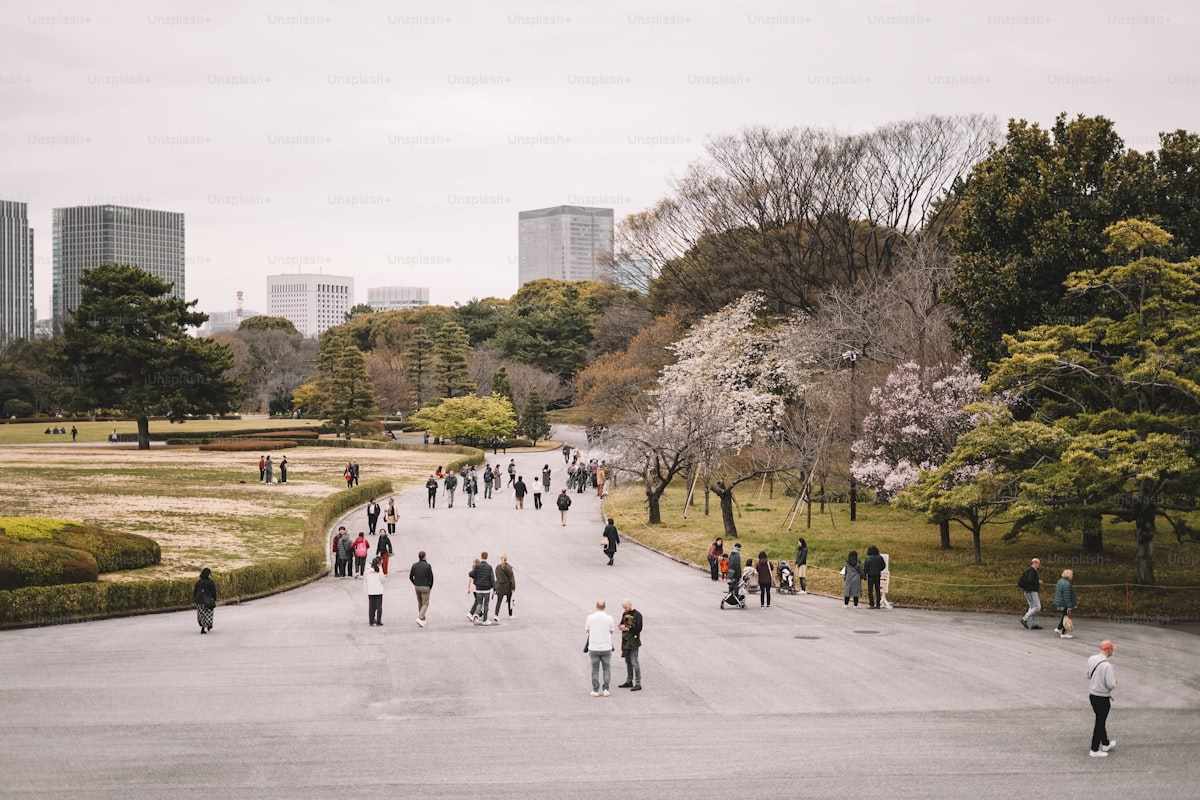
Rush hour is 7–9 AM and 5–7 PM. Miss those windows. During those windows, central lines like the Yamanote become genuinely unpleasant, and getting a stroller on is close to impossible. Mid-morning travel with kids is fine. Major stations — Shinjuku, Shibuya, Tokyo — all have elevators now, though you sometimes need to hunt for them. Download the Google Maps Tokyo transit view; it'll show elevator routes.
For strollers: bring a lightweight, foldable one. My Babyzen YOYO was perfect. A Bugaboo is not Tokyo-appropriate unless you enjoy apologizing to strangers every 45 seconds.
Tokyo Disneyland and DisneySea: What to Know
Tokyo Disneyland and Tokyo DisneySea sit side-by-side in Urayasu and together make up Tokyo Disney Resort. DisneySea — the adults-and-older-kids park — is genuinely the more impressive of the two, but Disneyland is better for under-sevens. One-day tickets use dynamic pricing: adults pay ¥7,900–¥10,900 ($50–$70 USD), juniors (12–17) ¥6,600–¥9,000, children (4–11) ¥4,700–¥5,600. Buy online two months in advance. Do not wing this.
Disney Premier Access (paid skip-the-line) costs around ¥1,500–¥2,500 per attraction and is worth every yen for Toy Story Mania or Soaring: Fantastic Flight if you're visiting during a school holiday. Arrive at opening. Lunch from noon to 2 PM involves lines that will genuinely depress you.
teamLab Planets: Actually Perfect for Kids
teamLab Planets in Toyosu is one of the best decisions we made. Adults expected digital art — the kids saw a giant room of floating crystals, a room of swimming koi that react to touch, and a trampoline floor in the Athletics Forest and completely lost their minds. Tickets cost around ¥3,200 for adults (roughly $21 USD), with children under four entering free. Timed entry slots sell out fast in peak season — April, August, December. Book at least two weeks out through the official teamLab site or Klook.
The whole experience runs about 90 minutes, which is the perfect length. Kids under two might find the darker immersive rooms startling, but three and up is generally fine. Wear socks you don't mind losing — the water rooms require bare feet and socks go into a bag.
Kid-Friendly Neighborhoods to Explore
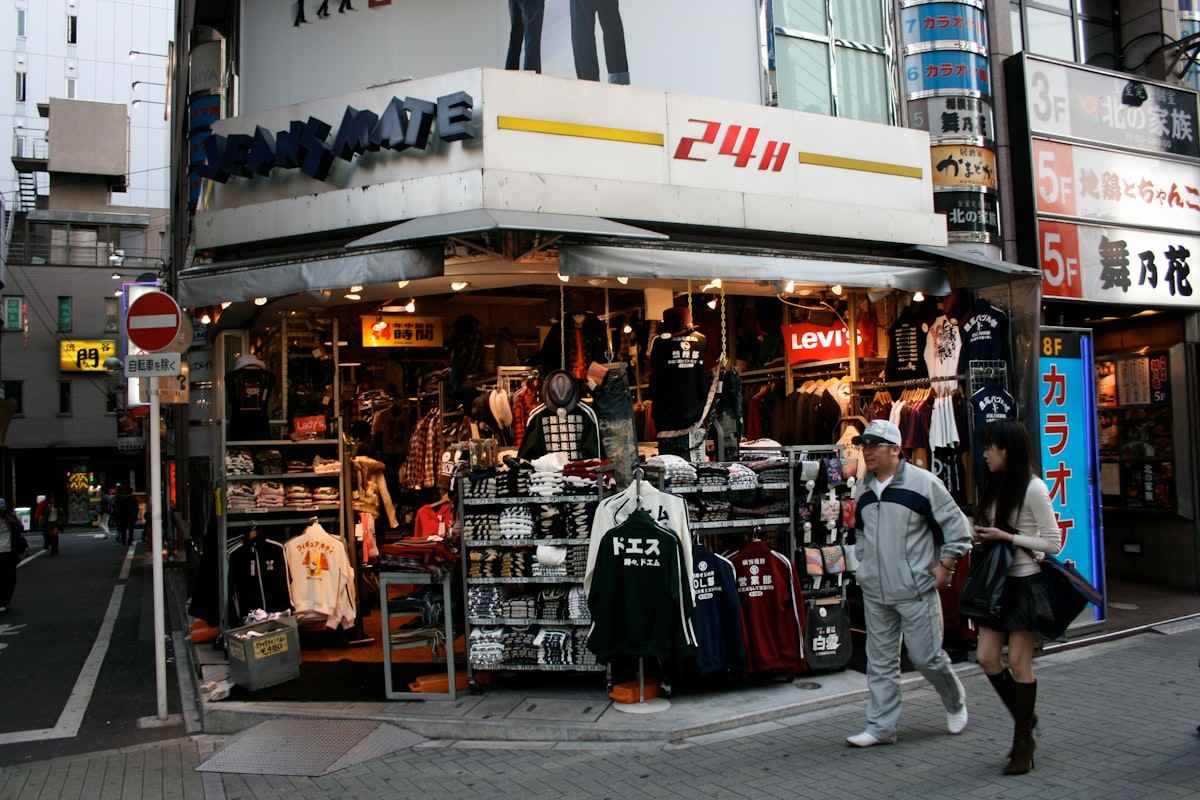
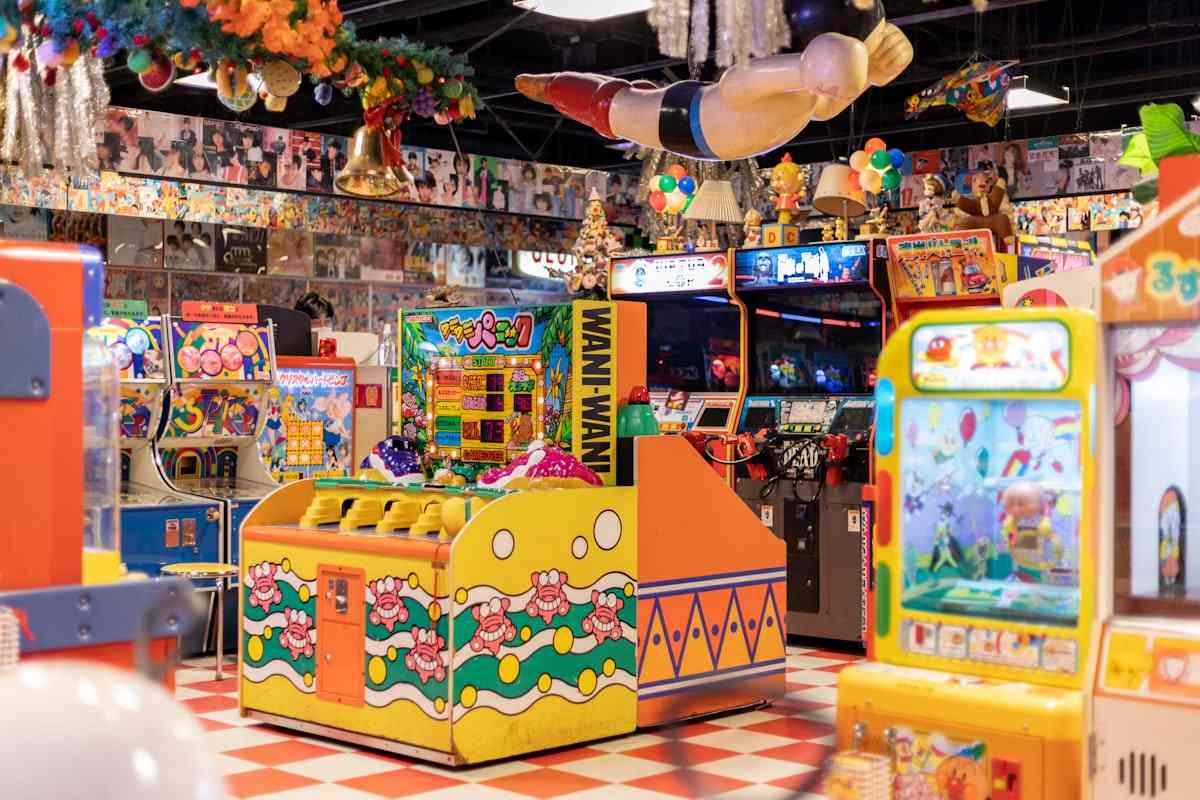
Akihabara is mandatory if you have any child with even mild interest in gaming, anime, or electronics. Multi-Gigo arcade has eight floors; kids can spend two hours on crane games and UFO catchers without touching anything. Pokémon Center Tokyo DX in Nihonbashi is worth the trip — flagship store, exclusive merch, and the kind of organized chaos that children find deeply satisfying.
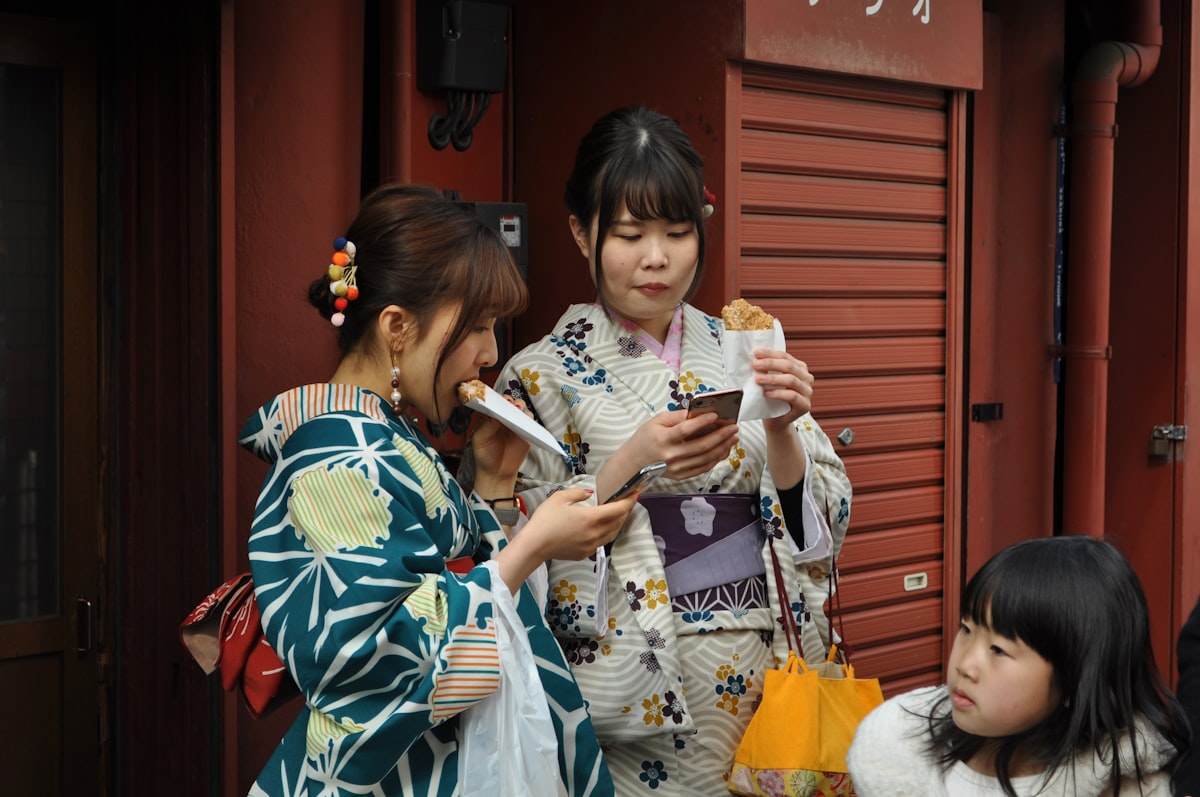
Asakusa is where Tokyo slows down. Senso-ji Temple is free to enter, and the Nakamise shopping street leading up to it sells ningyo-yaki (little cake doughnuts filled with red bean paste) for ¥200 each — the kids will eat six of them. The rickshaw rides along the backstreets run about ¥3,000 for two and take 20 minutes; low-key but memorable.
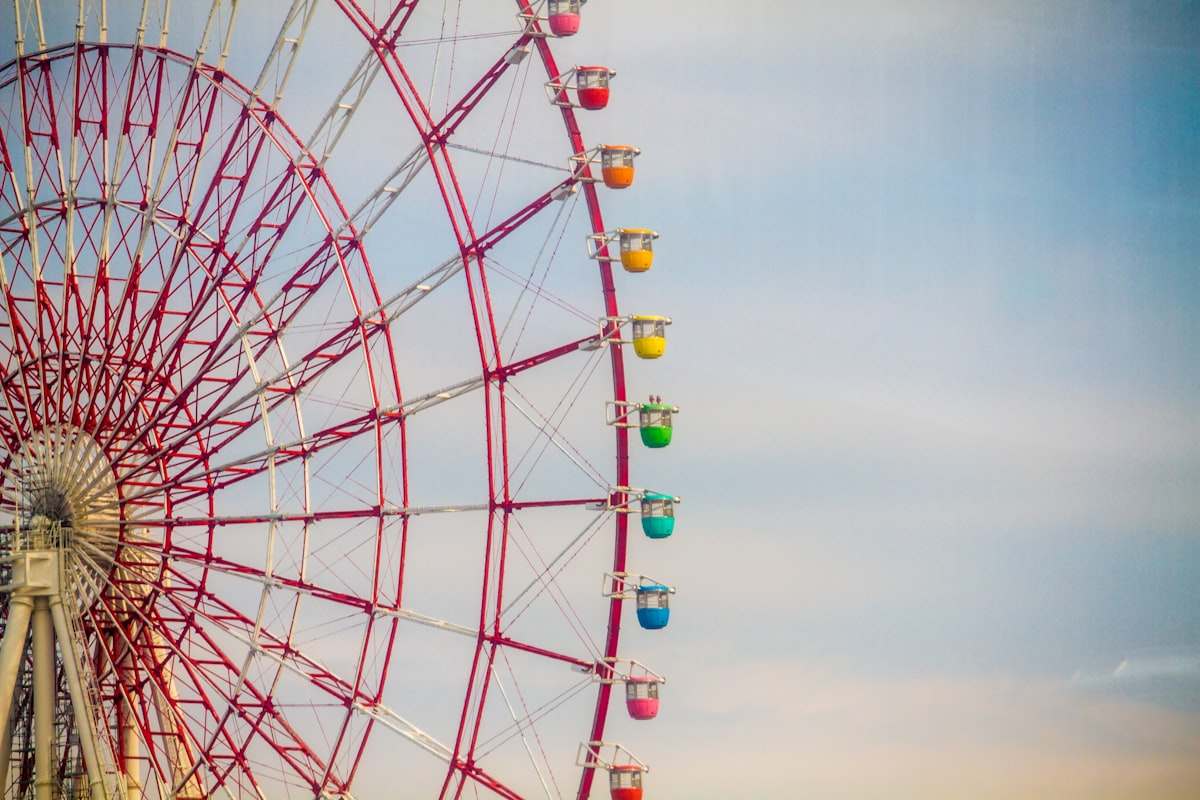
Odaiba is an artificial island with a full day's worth of family activities: teamLab Borderless is also here (separate from Planets), the Palette Town Ferris wheel for views over Tokyo Bay, and the Toyota Mega Web showroom where kids can drive electric carts. The Fuji TV building observation deck has a weird submarine-on-stilts vibe that is very Tokyo.
The Ghibli Museum and Ueno Park
The Ghibli Museum in Mitaka is the one that requires military-grade planning. Tickets are released on the 10th of each month for the following month — for overseas visitors, Lawson Ticket handles international bookings and they go fast. One adult ticket is ¥1,000; kids ¥100–¥700 depending on age. The museum doesn't allow re-entry, is completely no-photography inside, and runs about two hours. For any child who's watched a Ghibli film, it's transformative. For parents, the gift shop is dangerous.
Ueno Park is the casual counterweight to all that structured planning. Ueno Zoo (¥600 per adult, kids free) has giant pandas — currently Xiao Xiao and Lei Lei, both now toddlers themselves after being born in 2021. The National Museum of Nature and Science next door has a life-sized blue whale model in the entrance hall. Two museums and a zoo in one park. Pack lunch from a 7-Eleven and make an afternoon of it.
Eating with Kids in Tokyo
Tokyo feeds children remarkably well. Ramen shops are almost always kid-friendly — order a half-portion (half-ramen/ko-ramen) for under-sevens. Ichiran in Shinjuku offers solo booths but also has a family area; kids find the whole ordering system (little paper forms, a bamboo curtain, food appearing by magic) genuinely entertaining.
Conveyor belt sushi (kaiten-zushi) was made for children. Sushiro and Kurazushi chains have English touchscreens, sushi costs ¥110–¥330 per plate, and the whole game of watching plates go by and grabbing what you want makes even picky eaters adventurous. Department store basement food halls (depachika) are excellent for assembling a spread from bento counters — Isetan in Shinjuku and Mitsukoshi in Ginza both have outstanding options.
For emergencies — and there will be at least one "I only want a plain burger" moment — Tokyo has more McDonald's per capita than almost anywhere. MOS Burger is the better local version.
Do's and Don'ts for Tokyo with Kids
| Do's | Don'ts |
|---|---|
| Buy Suica IC cards for every family member at the airport on Day 1 | Attempt DisneySea without advance tickets — the queues for same-day tickets are brutal |
| Book teamLab Planets and Ghibli Museum tickets 2–4 weeks ahead | Visit Tsukiji Outer Market at 8 AM on a weekday — it's a chaotic seafood squeeze with small kids |
| Stay in Shinjuku or Asakusa for the best subway access | Bring a bulky travel stroller — compact fold-flat models only |
| Get a child Suica (staffed counter) for kids 6–11 to unlock half-fare | Arrive at Disney at 10 AM — the parks open at 9, and popular rides already have 90-minute waits by then |
| Eat at kaiten-zushi chains like Sushiro for a fun, low-stress meal | Skip Akihabara if you have gaming or anime fans — it's unmissable |
| Pack AirTags (second-gen, 2026) on bags and toddlers | Plan more than two big attractions per day — children need recovery time |
| Download Google Maps offline for Tokyo before you land | Rely on cash only — IC cards and Suica work nearly everywhere and are far easier |
| Keep two low-key days at the start to beat jet lag | Book non-refundable hotels before your JR Pass decision is sorted — confirm transit plans first |
| Visit Odaiba on the day you're doing teamLab Planets — both are nearby | Eat at tourist-trap restaurants near Senso-ji — walk one block back for half the price |
| Pack a portable battery pack (Anker 10,000 mAh) — pocket WiFi routers drain yours fast | Forget that some older subway stations still have stairs — check accessibility routes on Google Maps |
FAQs
Is Tokyo safe for families with young children?
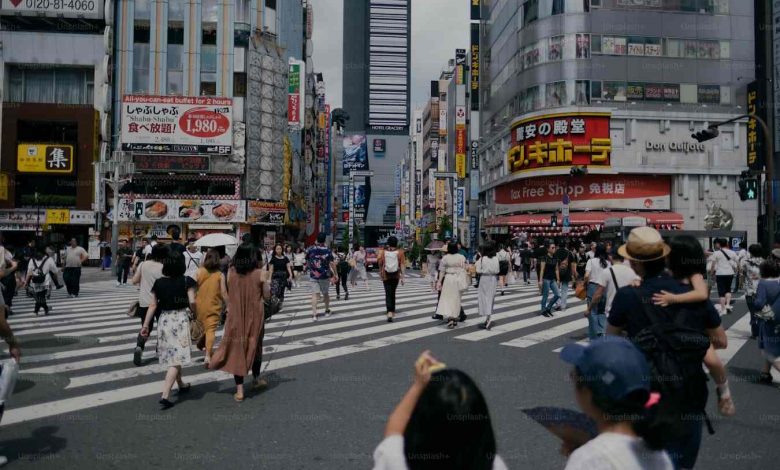
Extremely. Japan consistently ranks among the safest countries in the world, and Tokyo is a city where children routinely walk to school alone from age six. Stranger danger, petty crime, and scams targeting tourists are vanishingly rare compared to most major cities. Traffic is the main thing to watch — intersections in busy areas like Shibuya can be genuinely chaotic, and the pedestrian crossings work on timers that aren't always obvious. Kids' instinct to dart ahead is the main hazard, not anything external.
What age is best for a family trip to Tokyo?
The honest answer: school-age (five to twelve) gets the most out of it. Toddlers under three will enjoy the energy and the food, but won't remember much and the stroller logistics add friction. Teenagers tend to love Tokyo more than anywhere — gaming culture, street fashion, anime, the sheer novelty of everything. Under-twos are manageable but tiring. If you have a choice, aim for the five-to-ten window for maximum enjoyment across the family.
Do I need the JR Pass for a Tokyo-only family vacation?
No. The JR Pass pays off when you're doing multiple bullet train trips between cities — Tokyo to Kyoto to Osaka, for example. If you're staying purely in Tokyo, Suica IC cards cover everything you need at lower cost. The 7-day JR Pass currently costs around ¥50,000 for adults and ¥25,000 for children — only makes sense if you're doing at least two shinkansen trips.
How do you handle jet lag with kids in Tokyo?
Land in the afternoon if you can, stay awake until 8 PM local time, get everyone outside in daylight on Day 1, and accept that Day 2 will involve at least one meltdown from someone. Don't schedule anything demanding for the first 36 hours. Ueno Park is perfect for this: low-stakes, outdoors, interesting enough to keep everyone moving. Most kids adjust within three to four days — faster than adults, actually.
What's the best pocket WiFi option for families in Tokyo?
The two main options are pocket WiFi rental and an eSIM. Pocket WiFi (Japan Wireless, IIJmio, and Ninja WiFi are the main providers) costs around ¥500–¥800/day, has great coverage, and connects multiple devices — ideal if you have older kids with their own phones. The downside: whoever carries the router needs to stay within range of everyone else. eSIM (Ubigi, Airalo) is cheaper and simpler for one or two devices but doesn't share connection easily. For families with multiple devices, pocket WiFi wins.
Can you do Tokyo Disney Resort in one day as a family?
Technically yes, realistically no if you want to do both parks. Disneyland and DisneySea are separate parks with separate tickets. A serious family visit typically allocates a full day per park. If you only have one day, DisneySea is the better choice for ages seven and up — the design is more spectacular and the signature rides (Soaring, Journey to the Center of the Earth) don't exist anywhere else. Disneyland is better for under-sevens, especially for character meets and Fantasyland rides.
What should I pack for Tokyo with kids specifically?
Beyond standard Japan packing (cash, yen exchanged before you go, power adapters), families specifically need: a compact foldable stroller if you have under-fives, second-gen AirTags for bags and the most wandering child, an Anker 10,000 mAh power bank (pocket WiFi routers chew through battery), and a small backpack per child for carrying their own snacks — Japanese convenience stores sell the best snacks on earth and your kids will want them. Leave bulky car seats at home; Japanese taxis are exempt from child seat laws, and most transport is on foot and train anyway.