How to Fly Business Class for Less: Points, Upgrades, and Deals
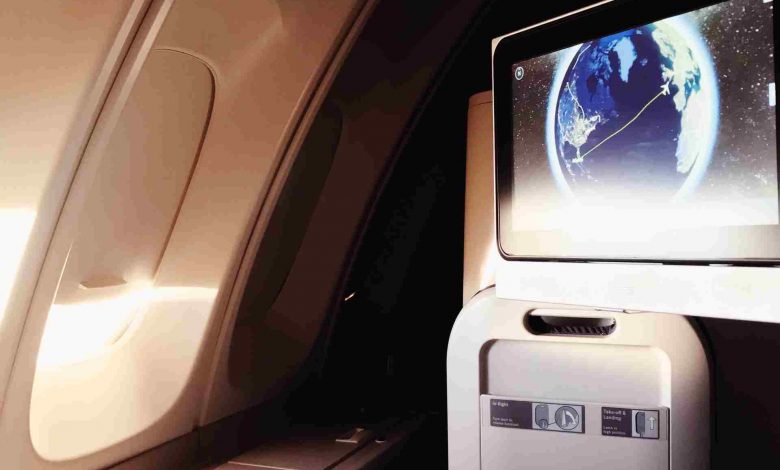
The first time I sat in a lie-flat business class seat — Singapore Airlines, London to Singapore — I had paid exactly zero dollars for it. Zero. I'd transferred Chase Ultimate Rewards points to KrisFlyer and booked it at 52,000 miles one-way. The guy next to me had paid £4,200. We had the same champagne. Same seat. Same pyjamas. That gap is what this blog is about.
Flying business class cheap isn't some dark art reserved for finance bros with six-figure travel budgets. It's a system. A learnable one. The basics are: earn flexible points through the right credit cards, understand which airline programs price routes cheaply, use search tools to find award availability, and know when to just book a discounted cash fare because sometimes that's genuinely the move. I've flown business class more than thirty times in the last six years and paid cash for exactly four of them. The rest? Points, miles, the occasional upgrade, and once — memorably — a $1,083 mistake fare from Miami to Rome. Read on and you'll know how to do all of it.
The Credit Cards That Make This Whole Thing Work
Everything starts here. Specifically, it starts with flexible points currencies that transfer to airline programs, because that flexibility is worth real money. Three cards dominate this space in 2026.
The Chase Sapphire Reserve earns 3x points on dining and travel and transfers to Air Canada Aeroplan, United MileagePlus, British Airways Avios, and others at a 1:1 ratio. Its annual fee is now $795 — which sounds steep — but the $300 travel credit drops your net cost to $495, and if you use the card consistently, that's covered fast. The card's sweet spot is transferring to Aeroplan to book Star Alliance partners, especially Lufthansa business class to Europe.
The Amex Platinum earns 5x Membership Rewards on flights booked through Amex Travel or direct with airlines — genuinely excellent for big ticket purchases. TPG values Amex MR points at 2 cents each in April 2026, which means that $3,000 business class fare you're eyeing is technically generating $300 in points at the same time. Transfer partners include ANA Mileage Club, Air France-KLM Flying Blue, Singapore KrisFlyer, and Etihad Guest. The $695 annual fee pays for itself quickly if you use the Centurion Lounges.
The Capital One Venture X earns an unlimited 2x miles on everything and transfers to Turkish Miles&Smiles, ANA Mileage Club, and Air France-KLM Flying Blue, among others. TPG's January 2026 valuation puts Capital One miles at 1.85 cents each. The annual fee is $395, there's a $300 annual travel credit, and you get Priority Pass Plus access. It's the cleaner, simpler option if you don't want to manage two or three premium cards simultaneously.
ANA Mileage Club: Still the Most Underrated Program
ANA Mileage Club prices its own flights AND partner bookings off a published zone-based chart — meaning you know exactly what something will cost before you search. Rare. Beautiful. Use it.
The headline number: US to Japan roundtrip in business class costs 105,000 ANA miles in regular season, dropping to 100,000 in low season (roughly January through February). That's ANA's own business class — the one with Cradle seats on 767s and the excellent Business Staggered on 787s and 777s. A cash fare on the same route runs $3,000 to $5,000 roundtrip. You're getting roughly 3-4 cents per mile in value.
The sleeper deal is US to Europe in business class for 88,000 ANA miles roundtrip — bookable on Lufthansa, SWISS, or Austrian via the Star Alliance partnership. That's exceptional. A Lufthansa business class roundtrip to Frankfurt from JFK typically runs $4,500 to $6,000. Transfer Amex MR or Capital One miles to ANA, search at ana.co.jp, book. Taxes and fees are reasonable — usually $100 to $300 total.
One important note: ANA awards require a round-trip booking. No one-way option on most routes. Factor that in.
Virgin Atlantic Flying Club: The Weird Good One
Virgin Atlantic Flying Club is genuinely bizarre in the best way. Their award chart lets you book partners — Delta, Air France, KLM, ANA, Air New Zealand — sometimes cheaper than those airlines' own programs would charge. That's not a typo.
The standout redemption: ANA business class from the US West Coast to Japan for 52,500 Virgin Points one-way. Aeroplan charges 75,000 for the same route. Virgin Atlantic doesn't even fly that route itself — it's booking on ANA's metal. Transfer Amex MR or Chase UR to Virgin Atlantic Flying Club and search at virginatlantic.com.
Delta One to Europe runs 50,000 Virgin Points one-way — compared to Delta SkyMiles, which has no award chart and routinely asks for 100,000+ for the same ticket. Transfer Chase points to Virgin Atlantic. Book Delta One. Done.
Virgin Atlantic Upper Class from London to New York goes for 37,500 points one-way in off-peak periods. I've done this one. The Upper Class bar is genuinely fun — they actually encourage you to stand up and mingle on long hauls, which sounds weird until you've been folded into economy for nine hours.
Aeroplan: The Swiss Army Knife of Loyalty Programs
Air Canada Aeroplan is the program I recommend most often to beginners, because it fixes the two most annoying problems with award travel: partner availability and fuel surcharges.
Aeroplan can book Star Alliance partners — Lufthansa, SWISS, Singapore, United, ANA — with a published distance-based chart and relatively predictable pricing. Lufthansa business class from North America to Europe runs 70,000 to 87,500 Aeroplan miles roundtrip depending on distance, and the fees are capped. Aeroplan actively suppresses fuel surcharges on most partners, which matters because Lufthansa booked through British Airways Avios, for example, will hit you with £600+ in fees. Aeroplan does not. That alone makes it worth having.
Chase Ultimate Rewards transfers to Aeroplan at 1:1. So does Amex MR. Earning 70,000 points on the Sapphire Reserve and transferring to book a Lufthansa roundtrip is genuinely achievable in under a year of normal spending.
Using Point.me to Find Award Space
AwardHacker shut down in March 2026 — which was genuinely annoying, because it was the simplest "what can I book with X points" tool out there. Point.me has stepped up as the primary replacement and then some.
Point.me is a paid service (around $149/year or $19/month) that searches real-time award availability across dozens of programs simultaneously. You enter your departure, destination, and travel dates, and it shows which programs have seats available and how many points each would cost. This is enormously useful because availability is the single biggest frustration in award travel — you might know ANA charges 88,000 miles for US-Europe business class, but if there are no seats released, that number is irrelevant.
Practical workflow: Search Point.me first to identify which programs have space. Then transfer your flexible points (Chase, Amex, Capital One) to that program. Never transfer points speculatively — always confirm availability before moving points. Transfers are one-way and usually take 24-72 hours, so plan accordingly.
Point.me also shows you transfer bonus opportunities. Airlines occasionally run 30-40% transfer bonuses from Amex or Chase — if you need 80,000 miles and a bonus is active, you might only transfer 60,000 points. That's free business class seats.
Cheap Cash Fares and When to Just Book One
Points aren't always the answer. Genuinely. Sometimes cash is smarter.
Airlines based in the Middle East and Asia — Qatar, Etihad, Turkish, ANA, Japan Airlines — regularly run business class sales that bring transatlantic or transpacific fares into the $1,500 to $2,500 roundtrip range. I've flown Turkish Airlines business class from JFK to Istanbul for $1,350 roundtrip in their off-peak January sale. Qatar runs Doha to various European cities for under $1,800 business class several times a year.
Then there are mistake fares. 2025 was a record year for them — at least four involved business class seats, according to Thrifty Traveler. A $1,083 business class roundtrip from Miami to Europe made the rounds in late 2025. These disappear in hours. The way you catch them: subscribe to Thrifty Traveler Premium, follow @theflightdeal on Twitter, and check Going.com's deal alerts. When a mistake fare appears, book first and ask questions later. Airlines almost always honor them.
For flexible points holders: compare whether your points are worth more redeemed for awards vs. used for the cash fare. At 1.5 cents per point through Chase Travel portal, 80,000 points = $1,200. If the cash fare is $1,150, just pay cash and save your points for a $5,000 ticket.
Upgrade Tactics That Actually Work
This one gets overcomplicated. The reality: complimentary upgrades are almost entirely reserved for elite members. If you're not at least mid-tier status on an airline, the "hope for an upgrade" strategy is fantasy. Instead, here's what actually works.
Bid upgrades are underutilized. Most major airlines — British Airways, United, Lufthansa, Qatar — run auction-style upgrade programs where you submit a bid after booking economy. The minimum bid on a transatlantic flight is often $300 to $600. A lot of people bid the minimum and win. I won a United Polaris upgrade from Newark to Frankfurt for a $350 bid. Cash business class was $2,800. Set a bid, forget about it, occasionally find yourself in a flat bed.
Same-day upgrades at airport counters still happen, especially on routes with business class capacity that hasn't sold. Show up early, ask politely, and name a specific dollar amount you're willing to pay. Don't just ask if upgrades are available — ask "I'd pay $400 to upgrade today, is that possible?" Agents respect a concrete number.

Positioning flights are a legitimate trick. A nonstop JFK to London business class might cost 80,000 miles. But JFK to a hub like Chicago or Houston in economy, then business class onward — sometimes cheaper by 20,000 miles depending on the program's routing rules. Run both searches.
Do's and Don'ts for Flying Business Class Cheap
| Do's | Don'ts |
|---|---|
| Transfer flexible points to airline programs for 2-4 cents/point value | Transfer points speculatively before confirming award availability |
| Use Point.me to check real-time availability across programs | Assume the airline's own program is cheapest — it rarely is |
| Book ANA Mileage Club for US–Europe at 88,000 miles roundtrip | Ignore fuel surcharges — they can add $600+ to "cheap" awards |
| Check Virgin Atlantic Flying Club for Delta One and ANA partner bookings | Redeem points through travel portals at 1.5 cents when a 3-cent award is available |
| Sign up for Thrifty Traveler Premium or Going deal alerts for mistake fares | Wait days before booking a mistake fare — they're gone in hours |
| Use Aeroplan for Lufthansa and SWISS business class with capped fees | Book Lufthansa through British Airways Avios if avoiding high surcharges matters |
| Bid the minimum on airline upgrade auction programs | Pay full cash business class on long-haul routes without checking points options first |
| Book business class in off-peak January–March windows for cheapest cash fares | Try to redeem miles for domestic business class — the math almost never works |
| Earn 5x Amex MR points on flight purchases and transfer to ANA or KrisFlyer | Keep points parked in one program without knowing transfer partner options |
| Confirm award availability directly on airline website before transferring points | Open multiple premium travel cards if you can't meet minimum spend requirements |
| Search Turkish Airlines, Qatar, and Etihad for cash business class sales | Ignore positioning flights — routing via hubs can cut award costs significantly |
FAQs
How many credit card points do I need to fly business class?
It depends entirely on the route and the program you use. A one-way business class flight from the US to Europe runs anywhere from 44,000 (Avios with low fees on some routes) to 87,500 points (Aeroplan to Frankfurt). US to Japan in business class typically costs 52,500 Virgin Points one-way or 50,000 Aeroplan one-way. US to Southeast Asia or Australia averages 70,000–90,000 points one-way. To accumulate points faster, combine a travel card like the Chase Sapphire Reserve (3x travel and dining) with an Amex Platinum (5x flights) and just route the right spending to each card.
Is the Chase Sapphire Reserve or Amex Platinum better for business class travel?
Both earn flexible points, but they excel in different ways. Chase Sapphire Reserve earns 3x on travel and dining and transfers to Aeroplan — great for Lufthansa and Star Alliance business class with capped fees. Amex Platinum earns 5x on flights and transfers to ANA Mileage Club and Singapore KrisFlyer — better if you're targeting Japan, Southeast Asia, or Oceania. Most serious award travelers hold both. If you're choosing one, start with the Sapphire Reserve for the broader ecosystem and the simpler fee structure.
What is the best airline loyalty program for business class awards?
No single answer. ANA Mileage Club is outstanding for its published, predictable award chart — especially US–Europe at 88,000 miles roundtrip. Virgin Atlantic Flying Club is best for Delta One and ANA partner awards. Aeroplan is the most versatile for Star Alliance and caps fuel surcharges. For beginners, Aeroplan is the easiest starting point because it books broadly, availability is decent, and the chart is published. Use Point.me to search all of them simultaneously before deciding.
Do airlines honor mistake fares in 2026?
Almost always, yes. US Department of Transportation rules give airlines the right to cancel mistake fares in some cases, but in practice, most airlines — especially Delta, United, and international carriers — have honored publicized mistake fares to avoid PR fallout. When you find one, book immediately, pay with a credit card, and wait. Don't cancel and rebook. Don't call the airline. Just sit on it quietly until your ticket is confirmed. The Miami-to-Europe $1,083 business class fare from late 2025 was honored by the majority of people who booked it.
Can I upgrade an economy ticket to business class using miles?
Technically yes, practically — it's complicated. Upgrade awards work differently from outright award bookings. On some airlines like United or British Airways, you can request a mileage upgrade on a paid economy ticket, but upgrade space is often allocated last and only to elite members first. A far better strategy: book business class outright with miles rather than trying to upgrade an economy ticket. If you want a bidding upgrade instead, buy a full-fare economy ticket (not a Basic Economy), then submit a cash bid through the airline's upgrade auction system after booking.
How does Point.me work for finding business class availability?
Point.me connects to real-time award inventory data from dozens of airline programs. You enter your origin, destination, and dates, and it returns a table showing which programs have available business class seats and the points cost for each. Crucially, it links your Chase, Amex, and Capital One accounts to show you which of your existing points can cover each option with a transfer. The subscription runs about $149/year. It saves time and prevents the frustrating mistake of transferring points to a program only to discover there's no available award space — which is irreversible.
What months have the cheapest business class cash fares?
January and February are consistently the lowest for cash business class, especially transatlantic. Airlines heavily discount premium cabins post-holiday. Turkish Airlines' January sale, Qatar's February flash sales, and Etihad's "early year" promotions are reliable annual events. For Asia routes, September and October see some discounting, though less dramatic. March and early April can also be good for Europe — after the January surge dies down and before spring break pricing kicks in.
Is business class worth it for short-haul flights?
Rarely. On flights under four hours, the seat difference is minimal — most "business class" on short-haul routes in Europe or within Asia is just economy with a blocked middle seat and a slightly better meal. Save your points for long-haul routes of 8+ hours where the lie-flat seat genuinely changes the experience. A transatlantic or transpacific business class journey on Singapore Airlines, ANA, or Qatar — that's where the 120,000-point splurge makes sense. Burning 20,000 miles for a nicer seat on a two-hour Dublin to Rome hop is not it.