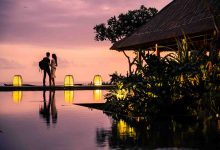
Iceland Romantic Trip Guide: The Perfect Couples Adventure Itinerary
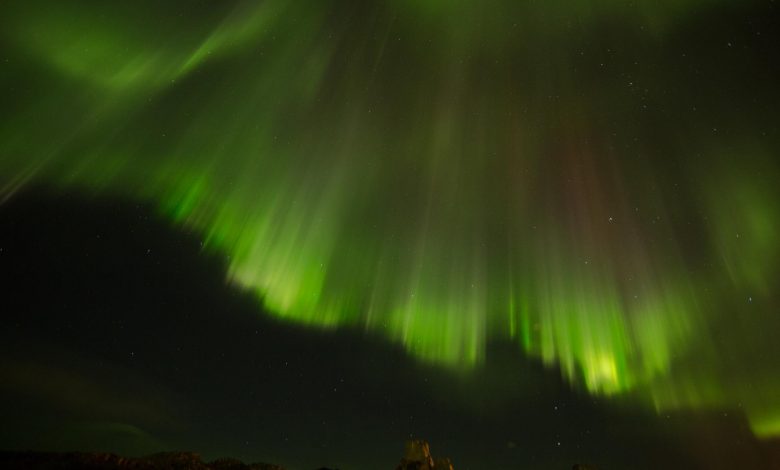
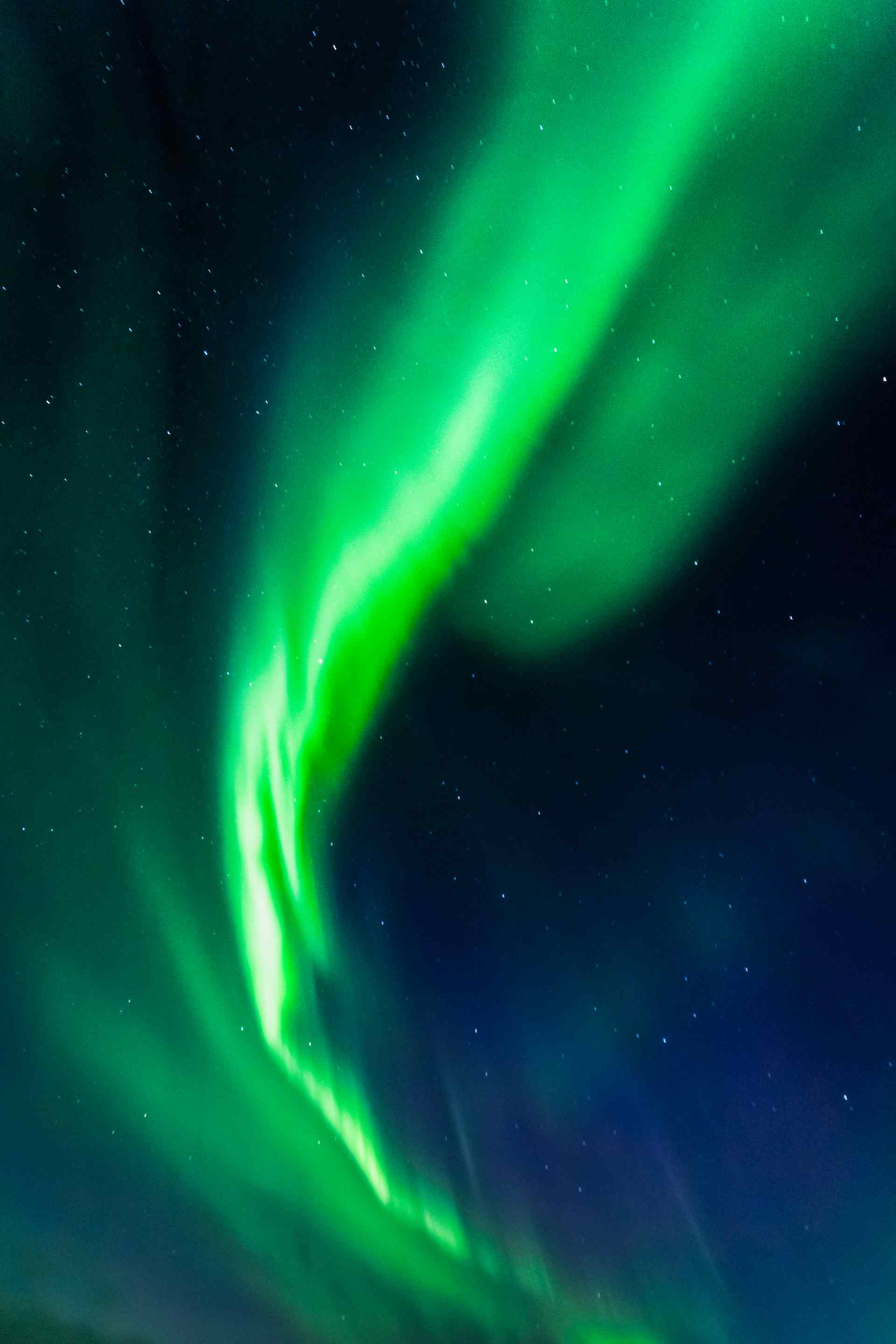
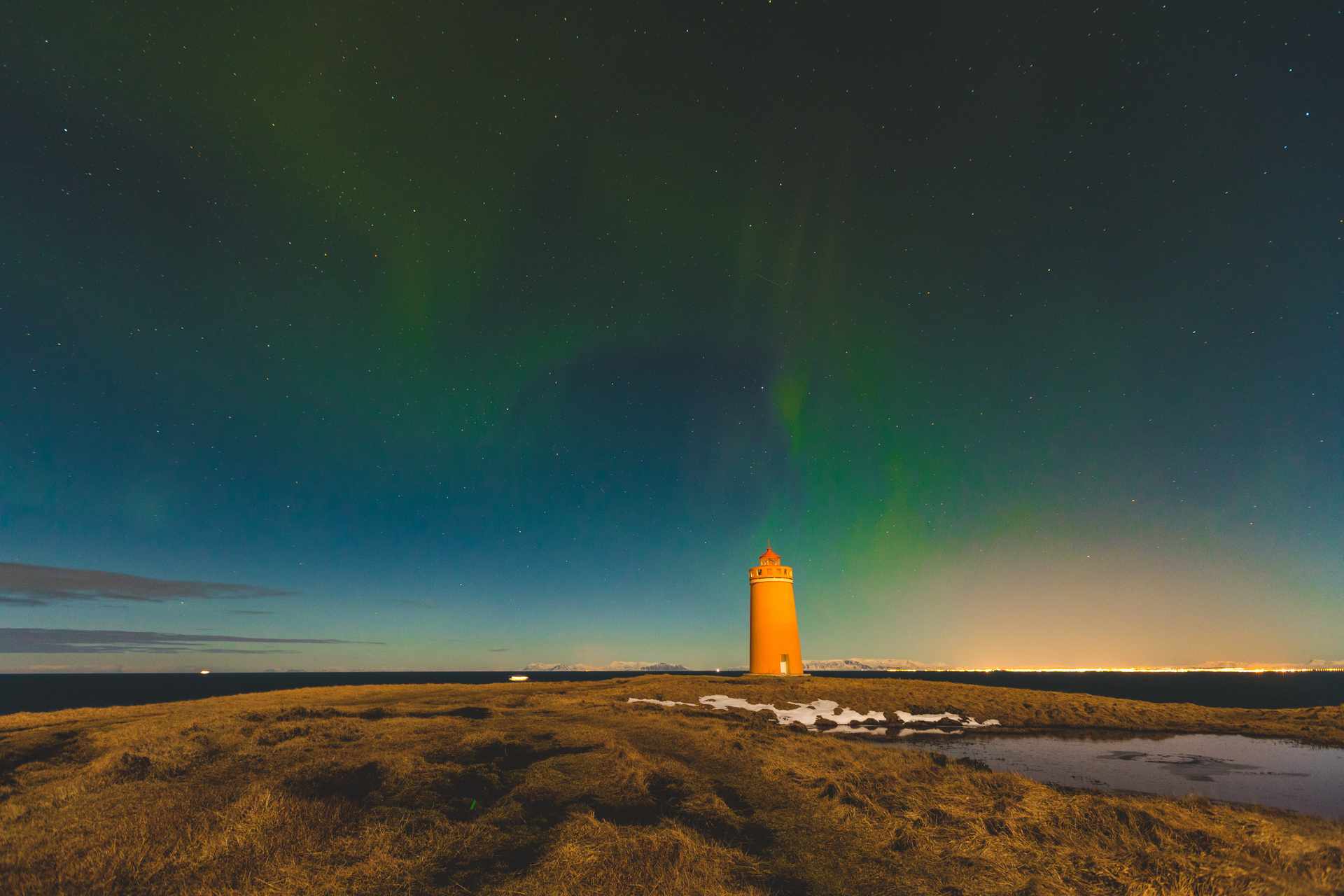
Imagine standing outside at 11 PM, wrapped in your partner's arms, watching green ribbons of light ripple across a black sky while steam rises from a geothermal pool a few meters away. That's a Tuesday night in Iceland during peak aurora season. No filters needed. I first saw the Northern Lights from the outdoor deck at ION Adventure Hotel — a sleek glass-and-lava structure about 45 minutes east of Reykjavik — and I genuinely forgot how cold it was because neither of us could stop staring at the sky. That's the thing about an Iceland honeymoon: it keeps ambushing you with moments that feel too cinematic to be real. The midnight sun in summer, the otherworldly silence of a glacier walk, a private soak in a lagoon while snowflakes fall — none of it requires manufactured romance. The country does the work.
This isn't a generic "Iceland is magical" guide. We're going deep on the actual hotels worth booking, the geothermal experiences that go beyond the Blue Lagoon crowds, and the itinerary decisions that separate a honeymoon from a regular holiday. We'll talk Northern Lights strategy for couples (because seeing them is not guaranteed — but stacking the odds is very much a skill), and we'll cover what to actually spend money on versus where you can quietly save. If you're researching an Iceland romantic getaway for 2026 or 2027, you're already winning — solar activity is near its peak cycle right now, which means aurora displays are stronger and more frequent than they've been in roughly a decade.
Why Iceland in 2026 Is Especially Good for Couples
The sun hit solar maximum in 2025, and the effects are still very much playing out through 2026. Aurora activity is driven by solar wind, and with activity levels elevated, Kp-3 and Kp-4 displays — the kind that light up the whole sky rather than just a faint smudge at the horizon — are happening on nights that would have been underwhelming five years ago. That matters enormously for couples chasing the lights on a tight one-week trip. Download the My Aurora Forecast & Alerts app (free, available on iOS and Android) before you land — it pushes notifications when activity spikes, which is genuinely more useful than any hotel concierge tip. Also bookmark Iceland at Night (icelandatnight.is), which overlays cloud cover forecasts on aurora probability maps. Clouds are the real enemy, not the aurora itself. Plan to stay somewhere with easy access to dark skies, and be ready to move fast when the app pings at midnight.
For travel timing: September through March is aurora season. October and February are the sweet spots — dark enough for good displays, weather more stable than deep winter, and far cheaper than the summer high season. A winter Iceland honeymoon in February will run you roughly 30-40% less than the same trip in July, and you get the aurora as a bonus.
The Retreat at Blue Lagoon: Iceland Honeymoon Headquarters
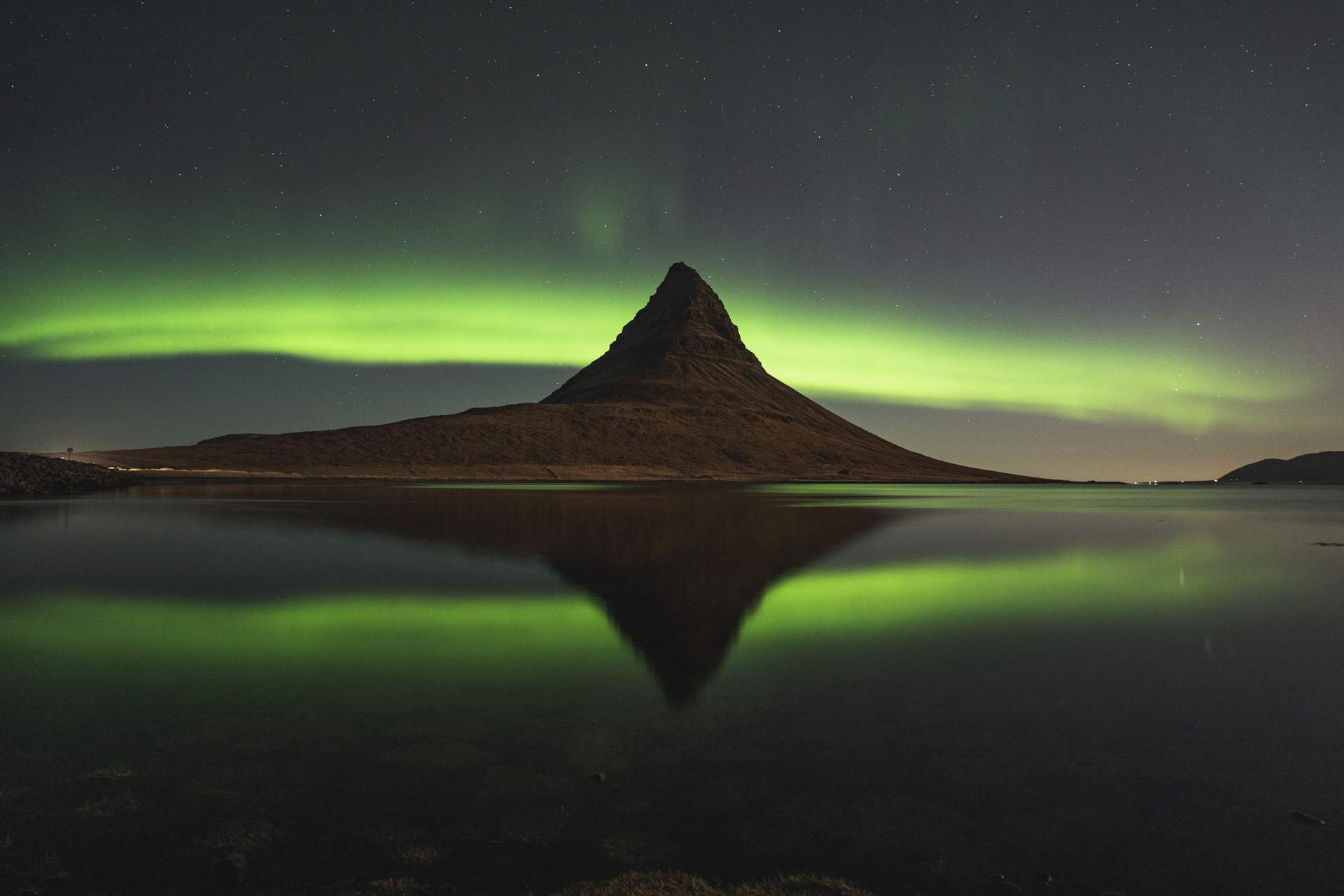
The Retreat at Blue Lagoon is the obvious starting point for any honest conversation about Blue Lagoon honeymoons, and it earns its reputation. Rooms start around $1,200 per night and go up sharply, but that includes exclusive access to the Retreat Lagoon — a quieter, less crowded section of the geothermal waters — plus the underground Retreat Spa, which is carved directly into the lava rock. The couples' float therapy session here is one of the stranger and more genuinely relaxing things I've done anywhere. You're weightless in 38°C mineral water in a private cave. It's hard to feel stressed.
The Retreat's Moss Restaurant holds a Michelin star and does a seasonal tasting menu for two that leans heavily on Icelandic lamb, langoustine, and skyr-based desserts. Book this the moment you confirm your reservation — tables disappear fast. If the Retreat is outside budget, standard Blue Lagoon admission runs around ISK 9,990–11,990 per person (approximately $70–85 USD at 2026 rates) and still includes access to the main lagoon, algae mask, silica mud, and the in-water bar. It's crowded in peak season, but going at 7 AM or after 7 PM thins the crowd considerably.
ION Adventure Hotel: Glass Walls and Aurora Views
About 45 minutes east of Reykjavik on the slopes of Mount Hengill, ION Adventure Hotel looks like it was designed by someone who wanted to make Northern Lights viewing as effortless as possible. The building is partially built on lava rock, uses locally-shorn wool for most of the furniture, and has an entire wall section made of glass facing north — the exact right direction for aurora watching. The outdoor geothermal pool runs year-round, and on clear nights you're soaking in 38°C water watching the sky. Rooms typically run $350–$600 per night depending on season, which puts it in a different tier than the Retreat but still very much in luxury territory.
The hotel sits right next to Thingvellir National Park, a UNESCO site where the Eurasian and North American tectonic plates meet above ground. You can actually walk between the plates — it's one of those geography facts that sounds made-up until you're standing in the rift valley looking up at 30-meter basalt walls on either side. For couples who want more than spa time, ION runs glacier hikes, snowmobile trips, and lava cave tours, all bookable at the front desk.
Deplar Farm: The Most Remote Romantic Escape in Iceland
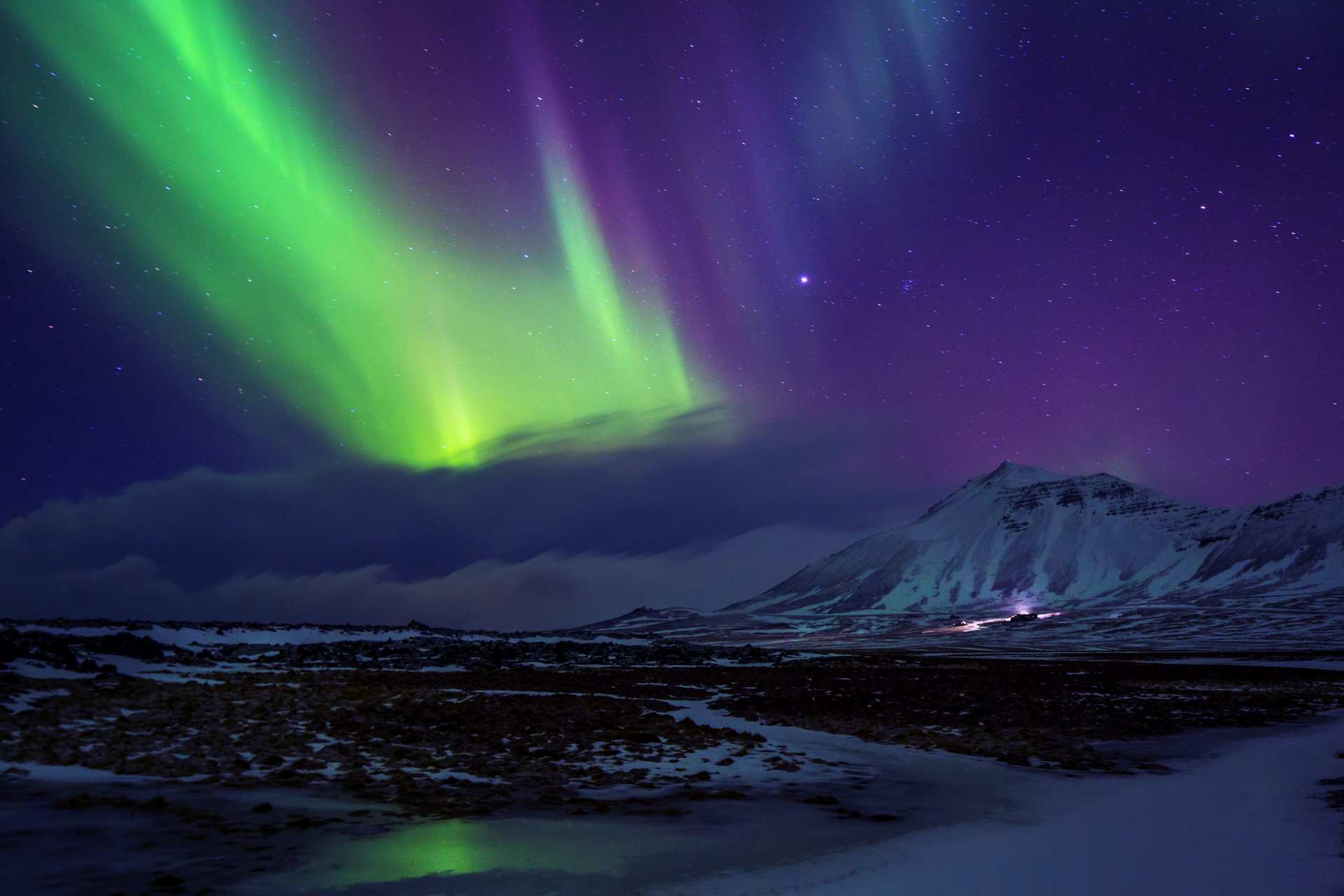
Deplar Farm sits in the Fljót Valley on the Troll Peninsula in north Iceland. It has 13 rooms, full-board dining, and a philosophy that strongly suggests leaving your phone alone. Eleven Experience (the group that runs it) built this from a working sheep farm and kept the bones — stone walls, low ceilings, the sense that the landscape isn't just a backdrop but the actual point. Condé Nast put it on the Gold List for a reason. The valley funnels some of the darkest skies in Iceland, so Northern Lights here feel genuinely private. No parking lot crowds, no buses. Just you and the aurora.
Deplar Farm is all-inclusive and pricing reflects it — expect $1,500–2,500 per person per night. Not for every budget. But for couples celebrating a milestone or a first and possibly only big honeymoon trip, it's the kind of place that stays with you. Summer activities include sea kayaking and river fishing; winter swaps those for heli-skiing and snowshoeing. The communal dinner setup means you'll probably end up talking to other guests, which is either a selling point or a reason to choose elsewhere depending on how hermit-mode you want to go.
Hotel Búðir: Snaefellsnes Peninsula for Slow Romance
Hotel Búðir is less famous than the big-name properties and quietly better for couples who want isolation over amenities. It sits on the westernmost tip of the Snaefellsnes Peninsula — a region that feels entirely separate from the tourist circuit, despite being only two hours from Reykjavik. The property has a black 18th-century church directly next door, a view of Snæfellsjökull glacier across the water, and a restaurant that gets described as "the mecca of Icelandic cooking" often enough that it's clearly not hyperbole. I asked the chef about the lamb one night — it had been grazing on the property two days earlier. That's how local it gets.
Rooms run approximately $300–$450 per night. Not cheap, but not Retreat territory either. The Snaefellsnes Peninsula also offers whale watching from the town of Ólafsvík — specifically the only place in Iceland where orcas are regularly spotted on tours, most reliably between March and early July. Booking a whale watching morning followed by a long dinner at Búðir's restaurant is a near-perfect honeymoon day.
Sky Lagoon and Reykjavik Evenings
Not everything romantic requires a remote wilderness lodge. Sky Lagoon in Kópavogur (13 minutes from central Reykjavik) is an infinity-edge geothermal pool that drops off toward the Atlantic Ocean. The water is warm, the horizon is enormous, and the 7-step Skjól ritual — moving between the lagoon, sauna, cold plunge, steam room, salt scrub, and rest spaces — takes about two hours and leaves you boneless in the best way. Couples can book the premium Sér package, which includes private changing facilities and a Sky admission upgrade. Tickets run around ISK 11,990 per person for standard admission; the Sér package is closer to ISK 14,990.
For dinner in Reykjavik proper, Dill Restaurant on Hverfisgata is Michelin-starred and probably the most considered dining experience in the country — New Nordic cuisine that evolves with the season. A tasting menu for two will run around 30,000–40,000 ISK (roughly $210–$280). Book two to three months out. Alternatively, Lækjarbrekka near the old harbor does three-course set menus starting around 7,000 ISK per person and nails the candlelit, stone-and-beam aesthetic without the six-month reservation lead time.
Do's and Don'ts for an Iceland Honeymoon
| Do's | Don'ts |
|---|---|
| Book the Retreat at Blue Lagoon or ION Adventure Hotel at least 3 months ahead — they sell out fast | Don't show up to Blue Lagoon without pre-booking; walk-ins are rarely accepted and prices are higher |
| Download My Aurora Forecast & Alerts and set push notifications before you land | Don't count on a single aurora attempt — plan at least 4 clear-sky evenings across your trip |
| Pack merino wool base layers — they stay warm when wet and don't smell after repeated use | Don't pack cotton as a base layer; it holds moisture and gets dangerously cold in Iceland wind |
| Rent a 4WD vehicle if visiting between October and April — F-roads and mountain tracks require it | Don't drive on F-roads in a standard 2WD rental; it voids your insurance and is genuinely dangerous |
| Book restaurants like Dill and Hotel Búðir's dining room 6-8 weeks ahead | Don't assume walk-in dining at popular spots — Reykjavik's restaurant scene books out quickly in peak season |
| Use Sky Lagoon for a Reykjavik-based spa day — better views than city center options | Don't skip the 7-step Skjól ritual — going straight to the pool misses 80% of the experience |
| Bring a proper camera or phone mount for aurora photography — long exposure shots require a stable surface | Don't point your phone camera at the sky freehand and expect a usable photo; even a $15 mini-tripod helps enormously |
| Visit Deplar Farm or Búðir for genuine remoteness away from the tourist circuit | Don't base the entire trip in Reykjavik — the city is a gateway, not the destination |
| Book whale watching from Ólafsvík (Snaefellsnes) for orca sightings, especially March–July | Don't assume Reykjavik's harbor whale watching has the same wildlife — it's fine but sees mostly minkes and humpbacks |
| Visit Sky Lagoon on a weekday morning for thinner crowds | Don't visit any lagoon or hot spring on a Saturday afternoon in July — every tourist in Iceland had the same idea |
| Check cloud cover forecasts nightly using Iceland at Night (icelandatnight.is) | Don't give up on aurora nights after 9 PM — displays peak anywhere from 10 PM to 2 AM |
FAQs
What is the best time of year for an Iceland honeymoon?
It depends entirely on what you want. For Northern Lights — and most couples put this high on the list — you need darkness, which means September through March. October and February offer a sweet spot: dark skies, manageable cold, and prices that are noticeably lower than summer. For dramatic landscapes without the extreme cold, September and early October are ideal. Summer (June–August) gives you the midnight sun, green valleys, and wildflowers, but no aurora — the sky stays bright all night. A winter Iceland honeymoon in February 2026 will cost roughly 35% less than the same itinerary in July, and the aurora odds in February are genuinely high given current solar activity.
How much does an Iceland honeymoon cost?
Budget varies wildly depending on property choices. A mid-range week for two — driving your own rental, staying at a mix of 3-4 star hotels, cooking breakfast in, dining out for dinner — runs around $4,500–$6,000 total including flights from the US. Upgrade to ION Adventure Hotel or the Retreat at Blue Lagoon and you're looking at $8,000–$14,000 before flights. An all-inclusive week at Deplar Farm pushes $15,000+ per couple. The non-negotiable spending categories are accommodation (quality genuinely matters here), a 4WD rental car (around $120–$180/day), and one or two standout dining experiences. You can save meaningfully on activities by foregoing guided tours and self-driving the Golden Circle and Snaefellsnes Peninsula.
Is the Blue Lagoon worth it for a honeymoon?
The standard Blue Lagoon is good; the Retreat at Blue Lagoon is a different experience entirely. For a honeymoon specifically, the Retreat's private lagoon, cave spa, and Michelin-starred restaurant justify the price if your budget allows. The main Blue Lagoon attracts 1,500+ visitors per day in peak season, which isn't inherently bad but doesn't feel exclusive. If you're prioritizing romance and privacy, either book the Retreat or consider Sky Lagoon as a superior day-trip alternative — it's newer, has fewer crowds, better ocean views, and costs roughly the same as standard Blue Lagoon entry.
What's the best hotel to see the Northern Lights from in Iceland?
ION Adventure Hotel is the easiest answer for the combination of access, design, and value relative to its competitors. The glass-walled architecture and outdoor geothermal pool make aurora viewing almost passive — you don't have to drive anywhere or stand in a field. Deplar Farm on the Troll Peninsula has darker skies and more dramatic isolation. The Retreat at Blue Lagoon is less optimized for aurora viewing because the Reykjanes Peninsula has more light pollution, but the Aurora team at the hotel does nightly watches and will wake you up if the lights appear. For all three, the winning strategy is the same: check the forecast each evening, dress in layers, and be prepared to step outside at 11 PM.
Do couples need to book Northern Lights tours, or can they find them independently?
You can absolutely chase the lights independently — it's cheaper and more flexible. Rent a car, download Iceland at Night and My Aurora Forecast & Alerts, and drive 20–30 minutes from Reykjavik toward Þingvellir or the south coast on any night when the forecast shows Kp-3 or higher with clear skies. If you're based at ION Adventure Hotel or Deplar Farm, you're already in prime position without driving anywhere. Guided tours (typically ISK 8,000–12,000 per person) add value mainly if you don't have a rental car or want someone to handle the chasing while you focus on each other.
What should couples pack for Iceland in winter?
Merino wool base layers are non-negotiable — two sets minimum. Mid-layer fleece, a waterproof and windproof outer shell, and wool socks should be on every packing list. For aurora photography, bring a small tripod (a travel model like the GorillaPod works fine) and set your phone or camera to a 10-second timer to avoid camera shake during long exposures. Waterproof gloves beat regular gloves — Iceland is damp as much as cold. And pack a good headlamp with a red-light mode, which preserves your night vision during aurora hunts far better than white light.
Can you combine an Iceland honeymoon with other European destinations?
Yes, and it works better than most people expect. Iceland's location makes it a natural mid-Atlantic stopover. Icelandair's Stopover program lets you add up to 7 nights in Iceland at no extra airfare cost when flying between North America and Europe. A honeymoon routing like New York → Reykjavik (5 nights) → Paris (4 nights) → New York costs roughly the same as flying direct to Paris, and you get two very different kinds of romantic destination in one trip. February works particularly well for this combination — Iceland for winter aurora and Paris for Valentine's season.
How far in advance should you book an Iceland honeymoon?
For summer travel (June–August), book 4–6 months ahead. Popular hotels like Hotel Búðir and the Retreat at Blue Lagoon fill up months in advance during peak season. For winter travel (October–March), 2–3 months is usually sufficient outside of December and New Year's, which books out quickly. Restaurants in Reykjavik — particularly Dill — operate closer to fine-dining norms and require reservations 6–8 weeks ahead regardless of season. The one area where last-minute works: Northern Lights tours, which respond to current forecast conditions and often have same-day availability.