How to Take a Cooking Class in Italy: Best Schools in Tuscany and Rome
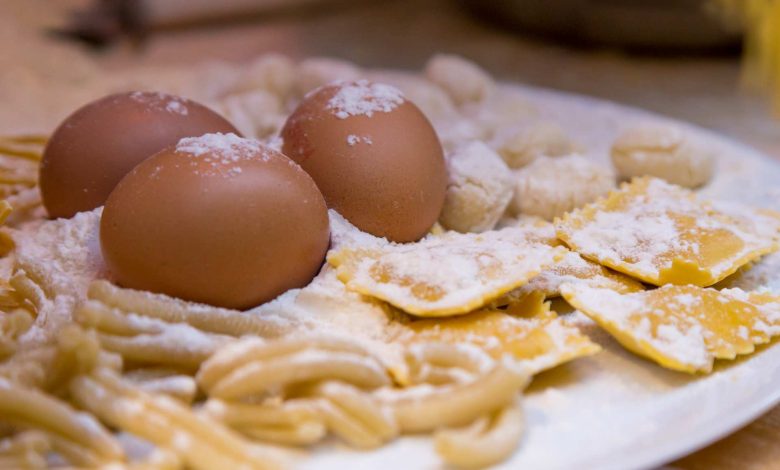
There's a specific kind of regret that hits around day three of an Italy trip. You've eaten well — great, even — but you're a tourist consuming food, not someone who actually understands it. I felt that way in Florence on my second visit until a friend pointed me toward a cooking class near Santa Croce. Three hours later I was sitting down to a plate of pici I'd rolled myself, with a glass of Chianti someone had already poured, and I remember thinking: this is the actual trip. Everything before this was just photos. If you've ever felt that gap between visiting Italy and really inhabiting it, cooking classes Italy-wide are the fastest bridge there is.
The thing is, not all classes are created equal. Some are glossy tourist traps running forty people through a demonstration kitchen with barely enough room to crack an egg. Others are run by people who've been teaching their grandmothers' recipes for two decades in private homes in Lecce or studio apartments overlooking the Arno. This guide covers the real ones — specifically Desinare and Mama Florence in Florence, InRome Cooking in Rome, and the extraordinary Awaiting Table down in Lecce — plus what to book, what to skip, where to stay nearby, and which travel gadgets actually make the logistics less stressful.
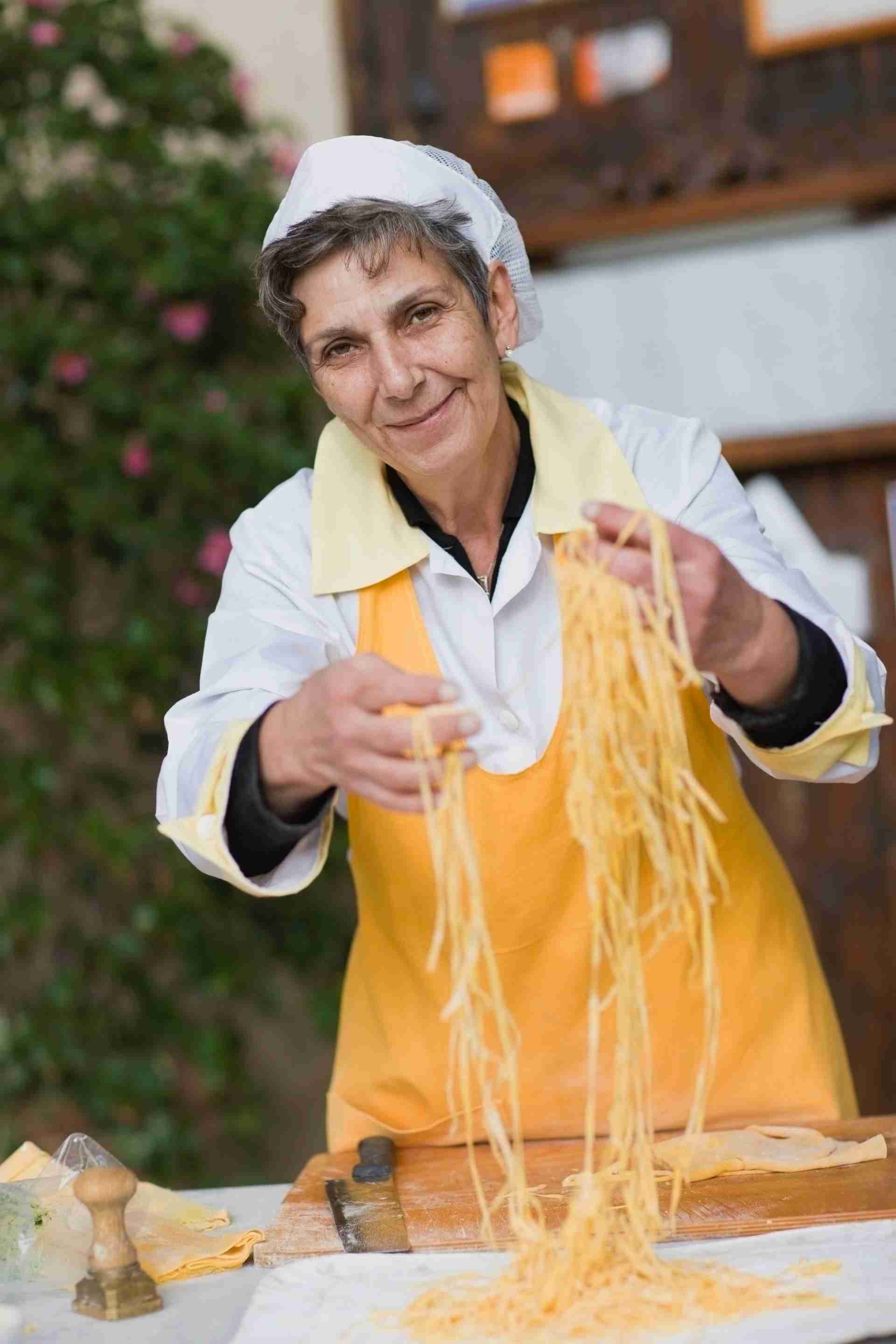
Why Florence Cooking Classes Hit Different
Florence is the obvious starting point for cooking classes Italy visitors gravitate toward, and honestly the reputation is deserved. Tuscany's food culture is obsessive in the best way — seasonal, ingredient-forward, and deeply tied to specific valleys, farms, and nonne. A Florence cooking class isn't just about pasta technique. It's about understanding why a ribollita tastes different in February than in June, or why a bistecca from Chianina cattle is priced at EUR 60 per kilo without any apology whatsoever.
The city itself is compact enough that most of the good schools sit within twenty minutes of any central accommodation. San Lorenzo market is a ten-minute walk from the Duomo and most morning classes start with a lap through it. You'll learn to pick cantaloupe by smell, argue with vendors over the right cut of lardo, and be handed samples of aged Pecorino that make you rethink every cheese you've ever bought at a supermarket. By the time you get to the actual cooking, you've already had half the education.
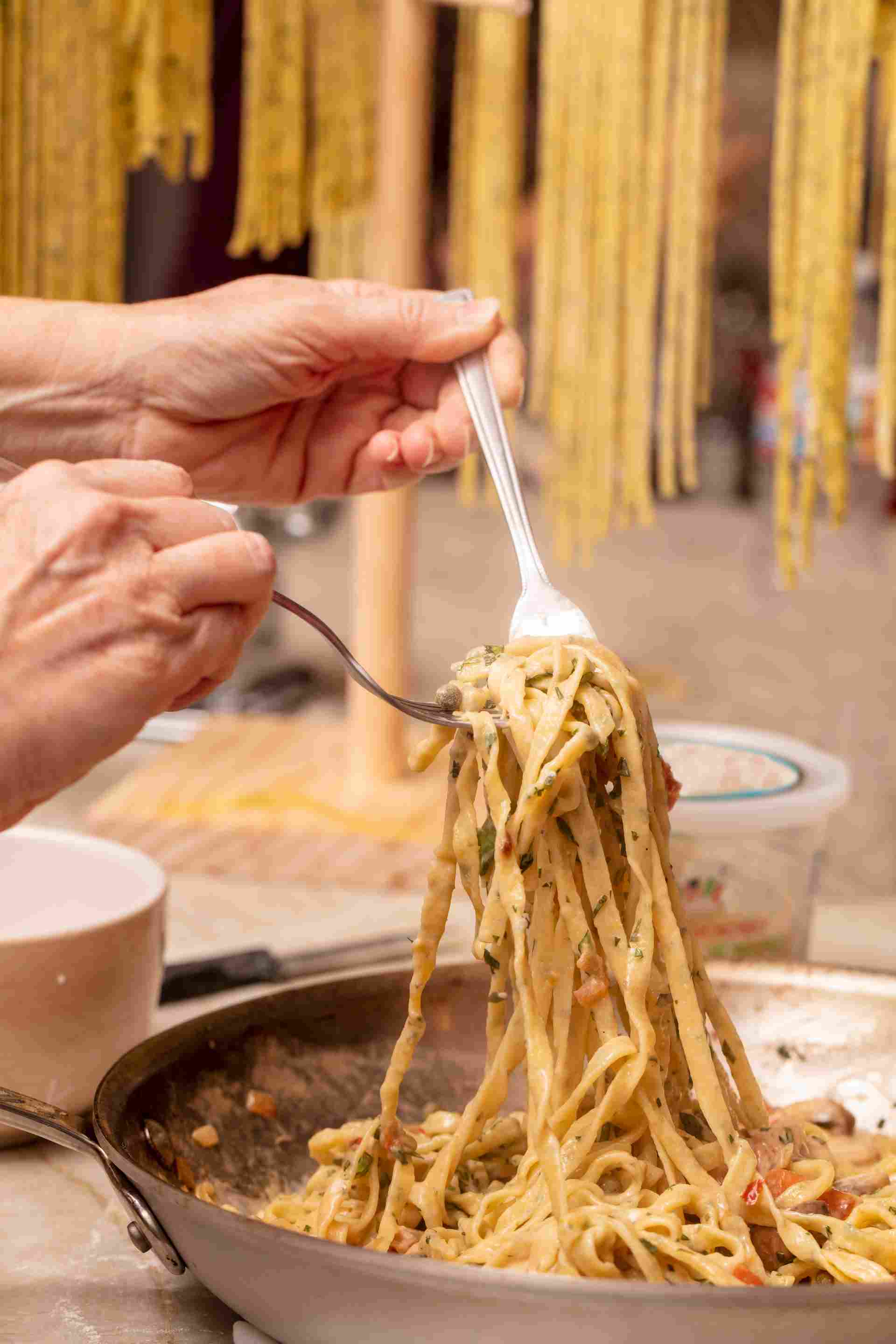
Desinare: Florence's Most Serious Italian Cooking School
Desinare sits in the Santa Croce neighborhood — the quieter, less touristy eastern pocket of Florence that most people only visit for the basilica. Chef Riccardo Barthel runs it as an actual culinary school rather than an experience product, which means classes are small (never more than ten people), taught in Italian with English explanation, and structured around real technique rather than aesthetic Instagram moments. Prices start around EUR 80–95 per person for a single session, which runs roughly three hours.
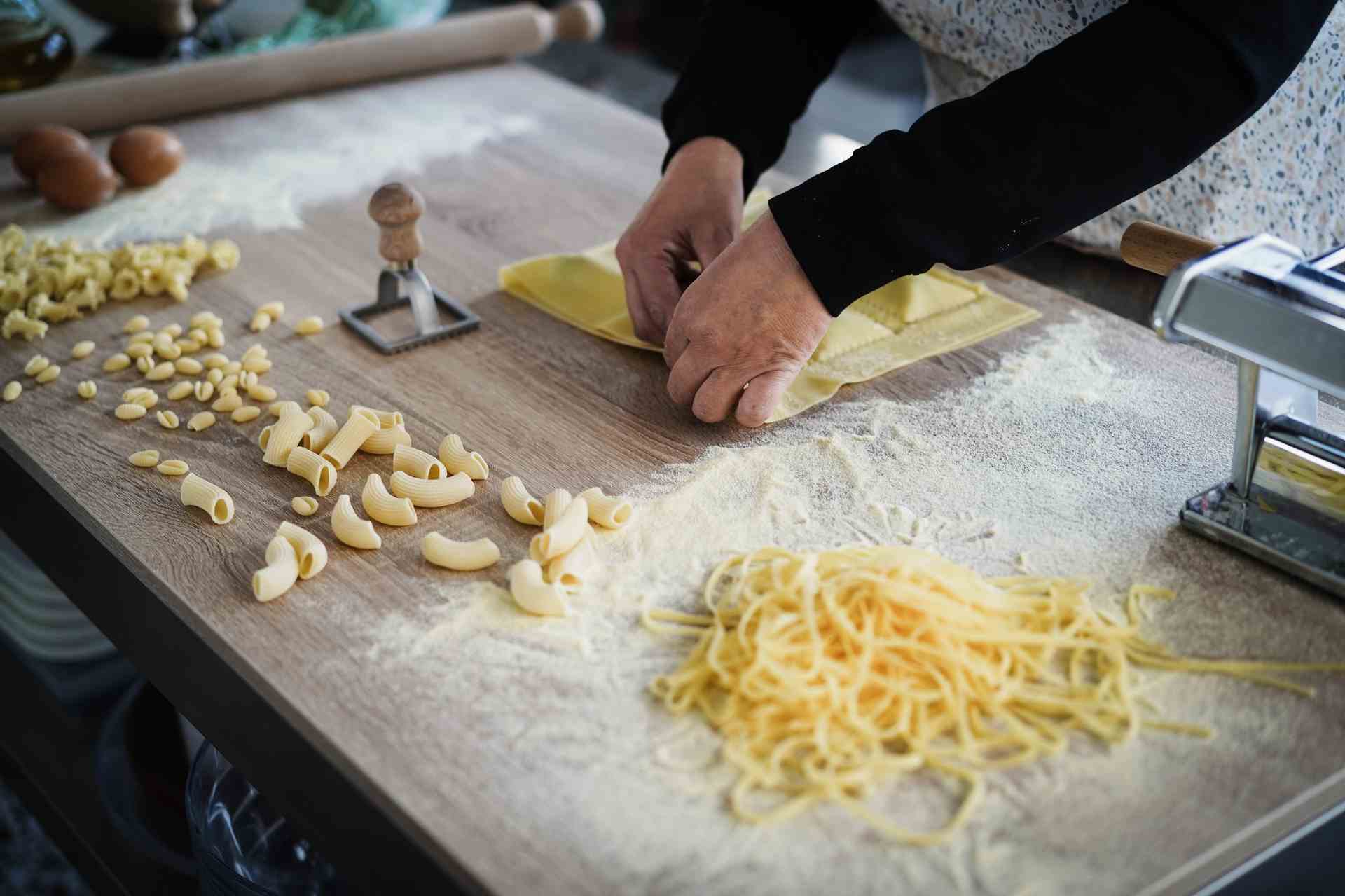
What Desinare does well is depth. If you're making tortellini, you'll learn the correct thickness for the pasta sheet, the regional debate about whether pork or beef should dominate the filling, and the specific wrist motion for sealing each one. You're not watching. You're doing, repeatedly, until it's right. The school also offers packages of five classes if you're staying in Florence for a week — and that package format is worth it if you're serious. For accommodation, Hotel Santa Croce on Via dei Bentaccordi is practically around the corner — doubles from about EUR 130/night in shoulder season and genuinely charming without being fussy.
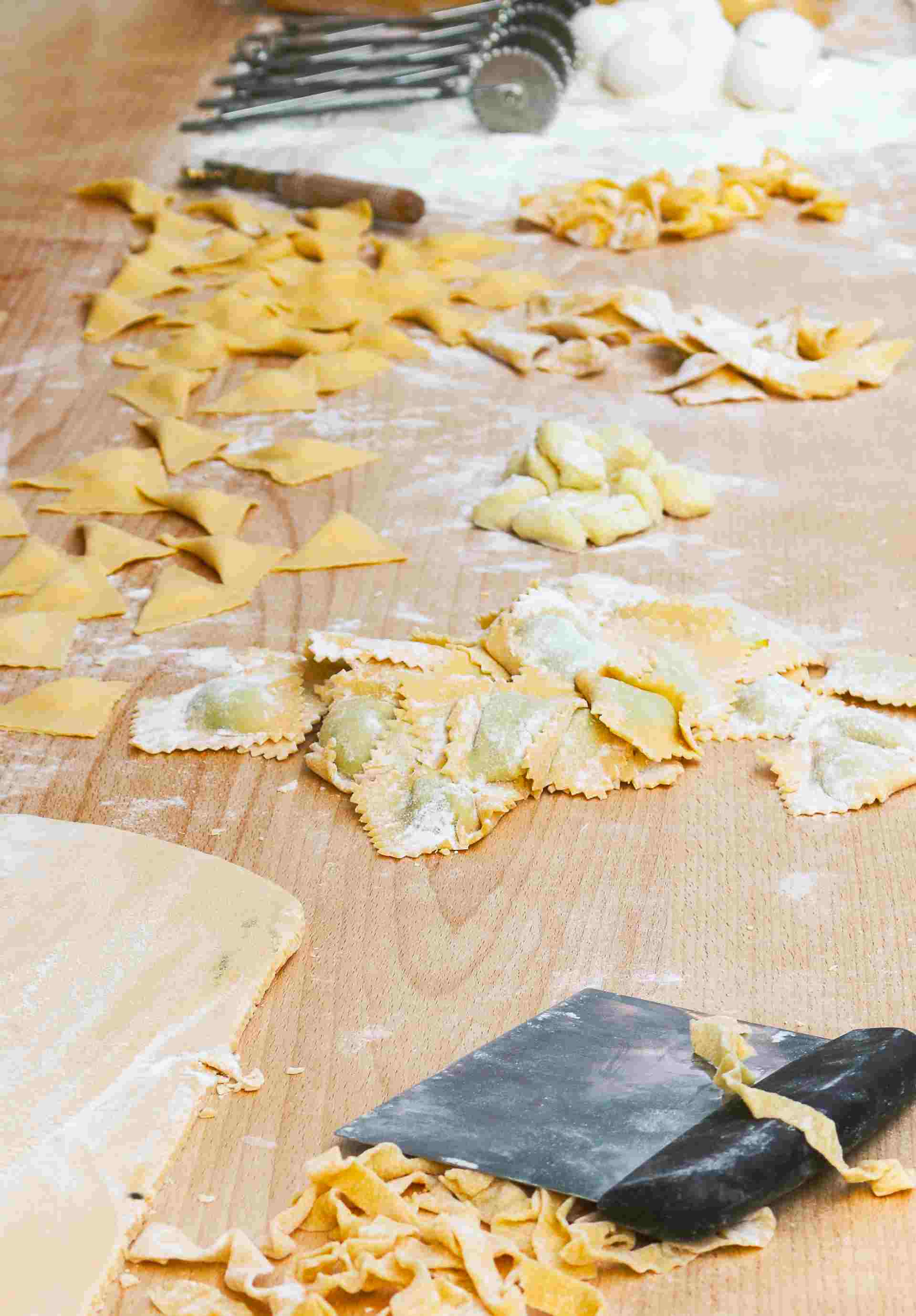
Mama Florence: Market Tour Plus Hands-On Pasta Making Class Italy Style
Mama Florence runs a slightly more accessible operation — still quality, but calibrated for travelers who want a full morning of experience rather than a deep-dive curriculum. Their signature offering pairs a guided market walk through Mercato di Sant'Ambrogio with a four-course pasta cooking class back in their studio. Prices for their group market-tour-plus-class run around USD 163 per person; private classes scale up from around USD 965 for a group of three, which actually pencils out reasonably if you're traveling as a couple or small family.
The market walk alone is worth the price of admission on most days. Sant'Ambrogio is where actual Florentines shop — fewer tourists than San Lorenzo, better prices, and the vendors don't switch to English the moment they see you coming. Mama Florence's guides know which stalls to use for pasta flour (Caputo 00, obviously), which butcher carries the best guanciale, and where to grab a slice of schiacciata to eat while you walk. By the time you get back to the kitchen you're already halfway invested in the food because you picked it out yourself. They also offer a gluten-free class — which most Florence cooking schools don't — and it's just as good.
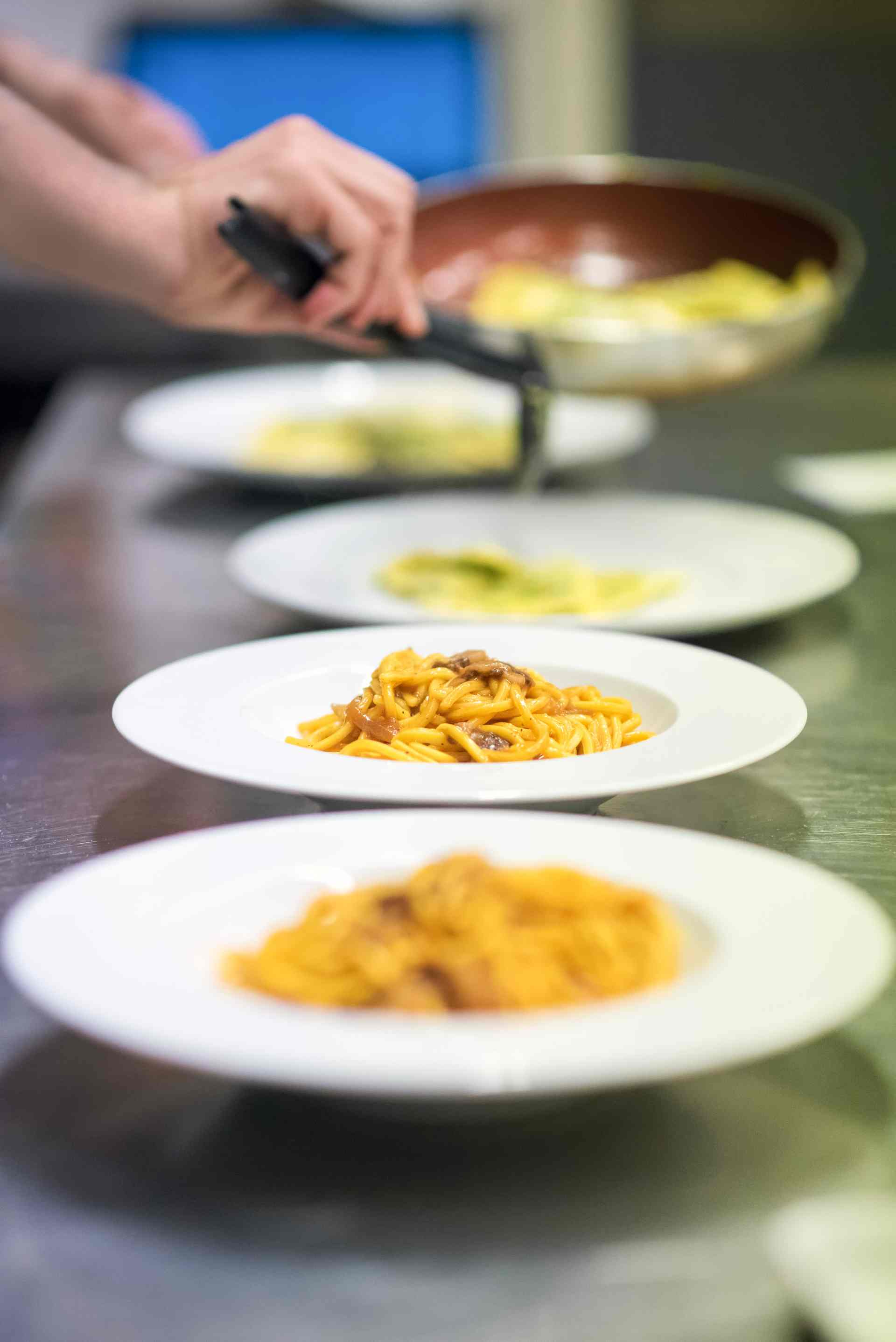
InRome Cooking: Best Pasta Making Class in the Capital
Rome gets overlooked in the cooking-class conversation because everyone assumes the food is inferior to Tuscany. Wrong. Roman food is just more specific: carbonara, cacio e pepe, tonnarelli, supplì, artichokes alla giudia. InRome Cooking, with locations near Piazza Navona and a second spot next to the Pantheon, specializes in exactly those dishes. Classes run two to three hours, cover pasta from scratch plus at least one Roman sauce, and include a dessert — usually tiramisu. Prices land in the EUR 60–90 per person range for group sessions, which makes it one of the more accessible options in the city.
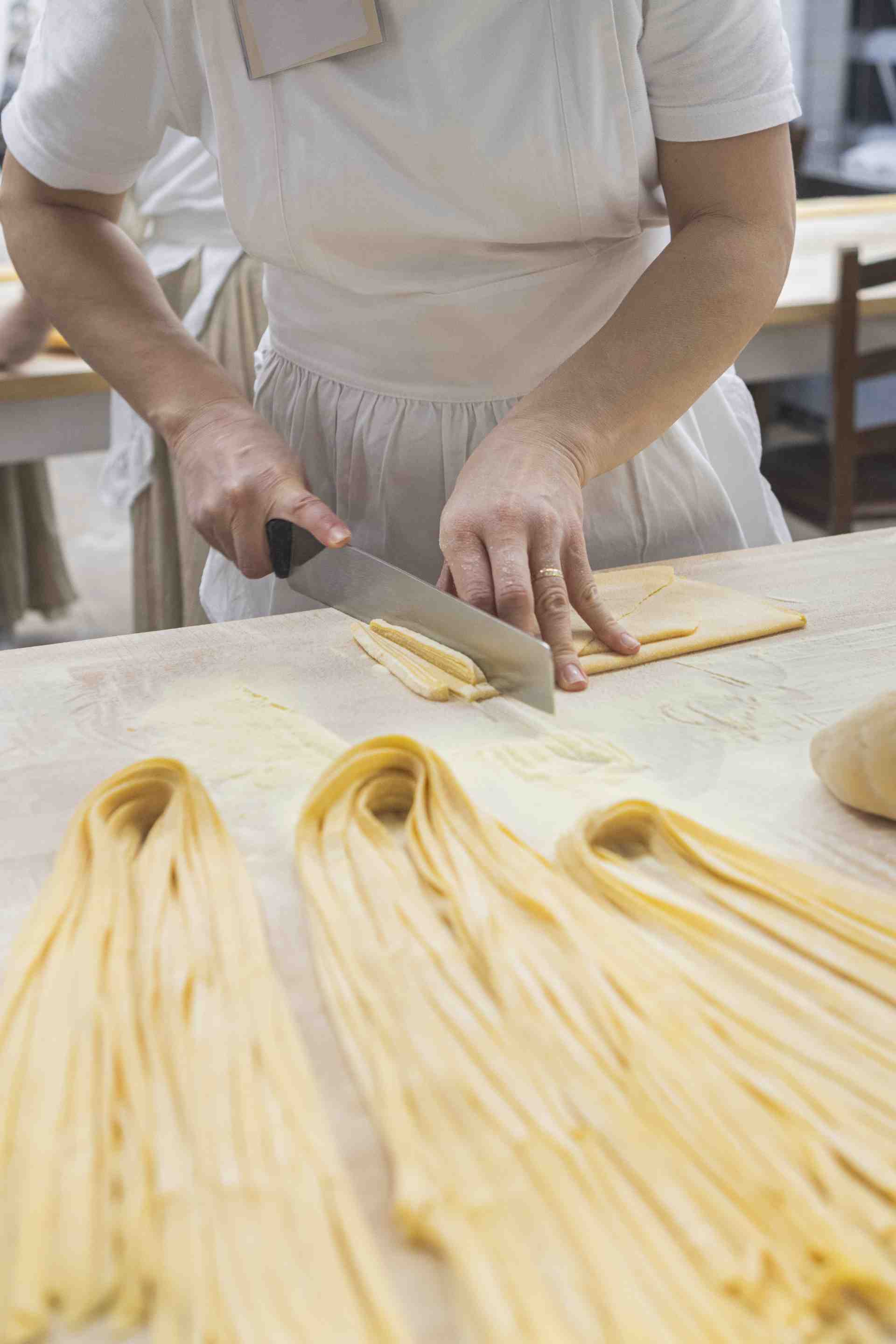
What I like about InRome Cooking is that they're not trying to teach you everything. The focus is Roman cuisine specifically, and the instructors know these dishes cold. I took a carbonara class there on a Thursday morning with nine other people, half of whom were from Australia and had never made fresh pasta before. By the end everyone's pasta was edible and two people's was genuinely excellent. The instructor spent twenty minutes on the egg-and-cheese emulsification alone — guanciale timing, temperature control, why you never let the pan touch the heat once you add the eggs. That kind of precision is what separates a real class from a demonstration.
For accommodation in Rome, the Palazzo Navona Hotel sits about 400 meters from the Piazza Navona InRome location — doubles around EUR 160–180/night, breakfast included, and the building itself is a 16th-century palazzo. Not a bad place to come home to after a morning of pasta.
The Awaiting Table Lecce: Italy's Best Week-Long Culinary Holiday
This one's different. Silvestro Silvestori has been running The Awaiting Table in Lecce since 2003 — that's 22+ years of teaching Pugliese food, wine, and olive oil to students from 59 countries, in his private home in the historic centre of one of the most beautiful Baroque cities in Europe. The half-day class runs EUR 145; a full day is EUR 270; the week-long immersion course is EUR 1,995 and includes hands-on cooking daily, olive oil tastings, wine education, and market visits to local farms and producers.
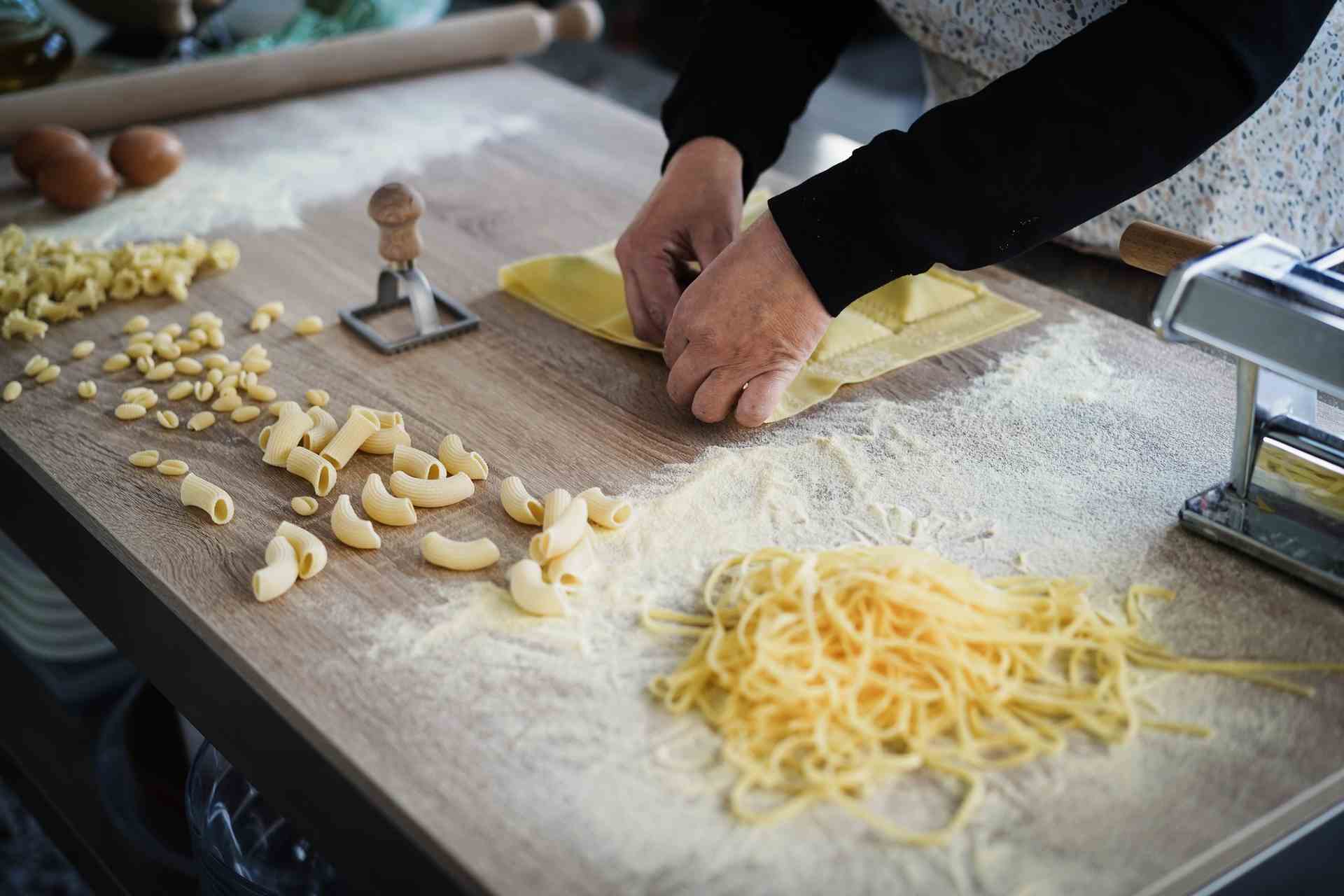
The week-long format is the one worth planning a trip around. Lecce is four hours from Rome by train — direct Frecciargento to Bari, then a regional connection — and most participants stay in B&Bs in the city centre (the school provides accommodation recommendations once you book). Puglia's food culture is completely distinct from Tuscany's: more olive oil, more dried pasta shapes like orecchiette and cavatelli, more vegetables, a strong Arab and Greek influence in spicing, and seafood that comes off boats that morning. If you've done Florence cooking classes and want to push further south into food that feels genuinely unexpected, Lecce and The Awaiting Table is the answer. Silvestro's classes run from 10:00 to 15:00 and again from 18:00 until late — essentially you eat all day, learn all day, and sleep somewhere in between.
Booking Tips: When to Go and What to Bring
Spring and autumn are the sweet spots for cooking classes Italy-wide — March to May and September to November. Prices are 15–25% lower than peak summer, class sizes are smaller, and the seasonal ingredients are at their best. Don't try to book a Florence cooking class the morning of — the good ones fill up two to four weeks out in summer and at least a week out in shoulder season. The Awaiting Table's week-long courses book months in advance; checking their calendar in January for autumn dates is not paranoia, it's just planning.
What to bring: comfortable closed-toe shoes (kitchen floors, broken glass, hot surfaces — don't wear sandals), an apron if you're particular about your clothes, and a small notebook for actual notes. Your phone will be tempting for photos but you'll miss technique if you're shooting video the whole time. For the logistics side of Italy travel, a few gadgets genuinely help: the Anker Prime power bank (200W output, travel-sized) keeps your phone alive for navigation and translation apps; a universal adapter with USB-C ports handles Italy's Type F outlets without fussing with multiple plugs; and a lightweight packing cube set lets you keep a dedicated "cooking day" outfit separate from the rest of your luggage. Small things, but they reduce friction on mornings when you're trying to get to a 9 AM market walk without hunting for clean clothes.
Do's and Don'ts for Cooking Classes Italy
| Do's | Don'ts |
|---|---|
| Book at least 2–4 weeks ahead for Florence and Rome; months ahead for The Awaiting Table | Don't book hotel-attached classes without checking if a local school offers better value |
| Confirm the class is hands-on, not a demonstration — ask explicitly | Don't skip the market walk portion if it's included; it's half the education |
| Eat a light breakfast before class — you'll be eating a full meal you cooked by noon | Don't wear sandals or open-toe shoes to any kitchen |
| Bring a small notebook — you'll want the recipe written in the instructor's words, not a printed sheet | Don't translate every instruction on your phone; watch the technique first, ask questions second |
| Ask specifically which regional cuisine the class focuses on before booking | Don't assume all Italian cooking is the same — a Tuscan class and a Roman class teach almost completely different dishes |
| Bring an empty stomach and a slightly empty suitcase — you'll buy olive oil, pasta, and wine to take home | Don't book a class the same day as a heavy sightseeing schedule; you'll be tired and miss things |
| For week-long programs like The Awaiting Table, book accommodation in the same neighbourhood to walk to class | Don't skip the wine component — understanding regional pairings is part of understanding the food |
| Choose schools with small group sizes (under 12 people) for actual learning vs. watching | Don't bring full-size luggage to a market walk; use a tote or backpack |
| Confirm dietary accommodations when booking, not the day before | Don't book a 9 AM class the morning after an overnight flight |
| If visiting multiple cities, plan classes for different cuisines — Florence for pasta, Rome for sauces, Lecce for vegetables | Don't ignore Puglia and the south just because it's less famous — it's arguably more interesting |
FAQs
How much do cooking classes Italy typically cost in 2026?
A group pasta class in Rome or Florence runs roughly EUR 60–95 per person for a two to three hour session. Desinare charges around EUR 80–95 per class with smaller groups and more technical depth. Mama Florence's market-tour-plus-class is around USD 163 per adult. The Awaiting Table in Lecce is EUR 145 for a half day, EUR 270 for a full day, and EUR 1,995 for the week-long immersion. Private classes everywhere run two to three times the group rate — worth it if you'd rather not share the kitchen with strangers.
What's the difference between a Florence cooking class and a Rome cooking class?
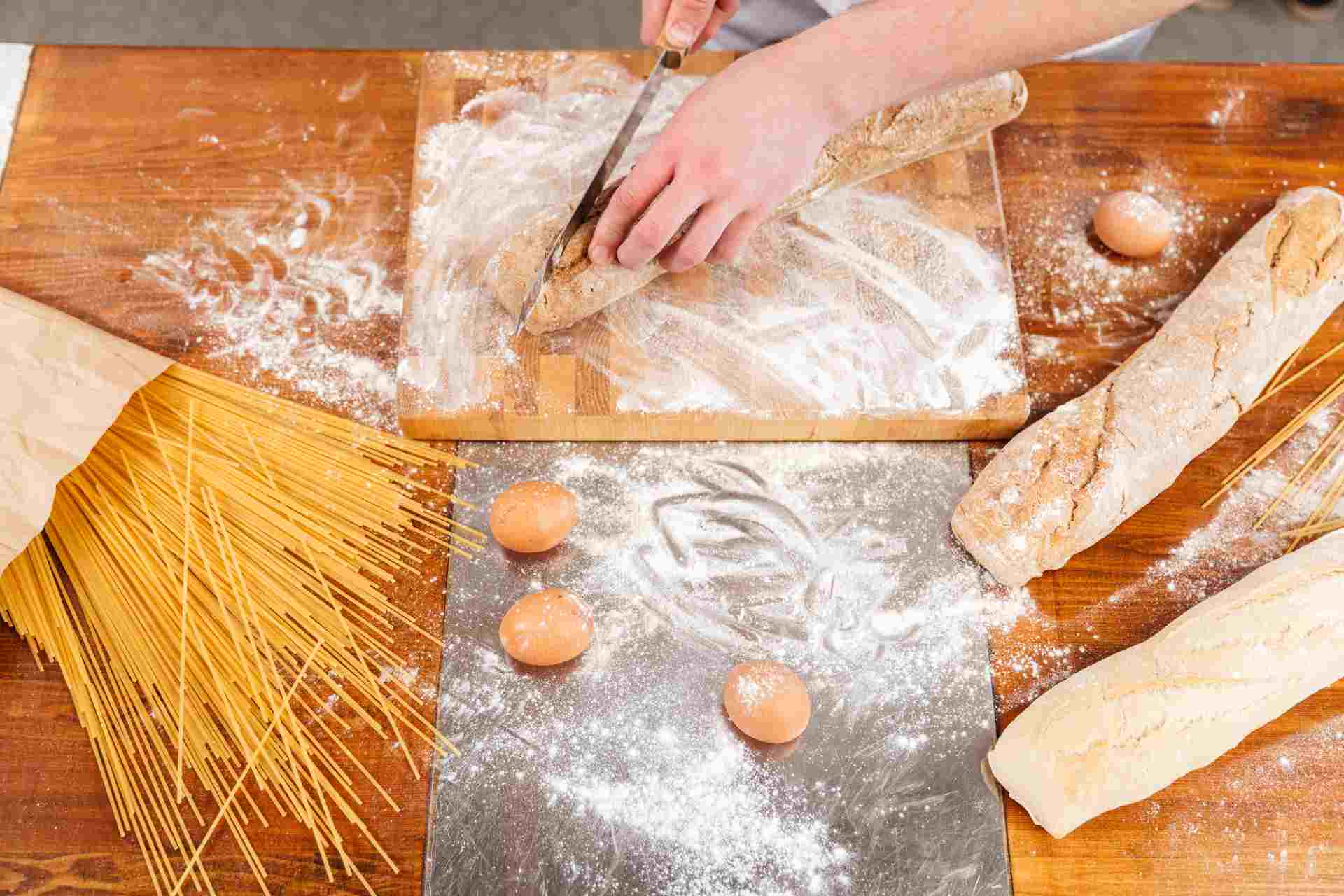
Tuscan and Roman cooking are genuinely different cuisines, not just variations on a theme. Florence classes focus on fresh egg pasta (pappardelle, tortellini, pici), Chianina beef preparations, ribollita, and the heavy use of local olive oil and Chianti. Rome classes center on dried and fresh pasta with specific sauces — carbonara, cacio e pepe, amatriciana — plus Roman-Jewish dishes like artichokes alla giudia and fried baccalà. The techniques overlap but the flavor profiles, ingredients, and cultural context are distinct enough that doing both is worthwhile if you have time.
When is the best time to book cooking classes in Italy?
For Florence and Rome, book two to four weeks ahead during peak summer (June–August) and at least a week ahead in shoulder season (March–May, September–October). The Awaiting Table's week-long Lecce courses often fill three to six months out — check their calendar online in January if you're planning an autumn trip. Classes in spring feature artichokes, fresh peas, and early tomatoes; autumn brings truffle season in Tuscany, which some schools incorporate into the menu.
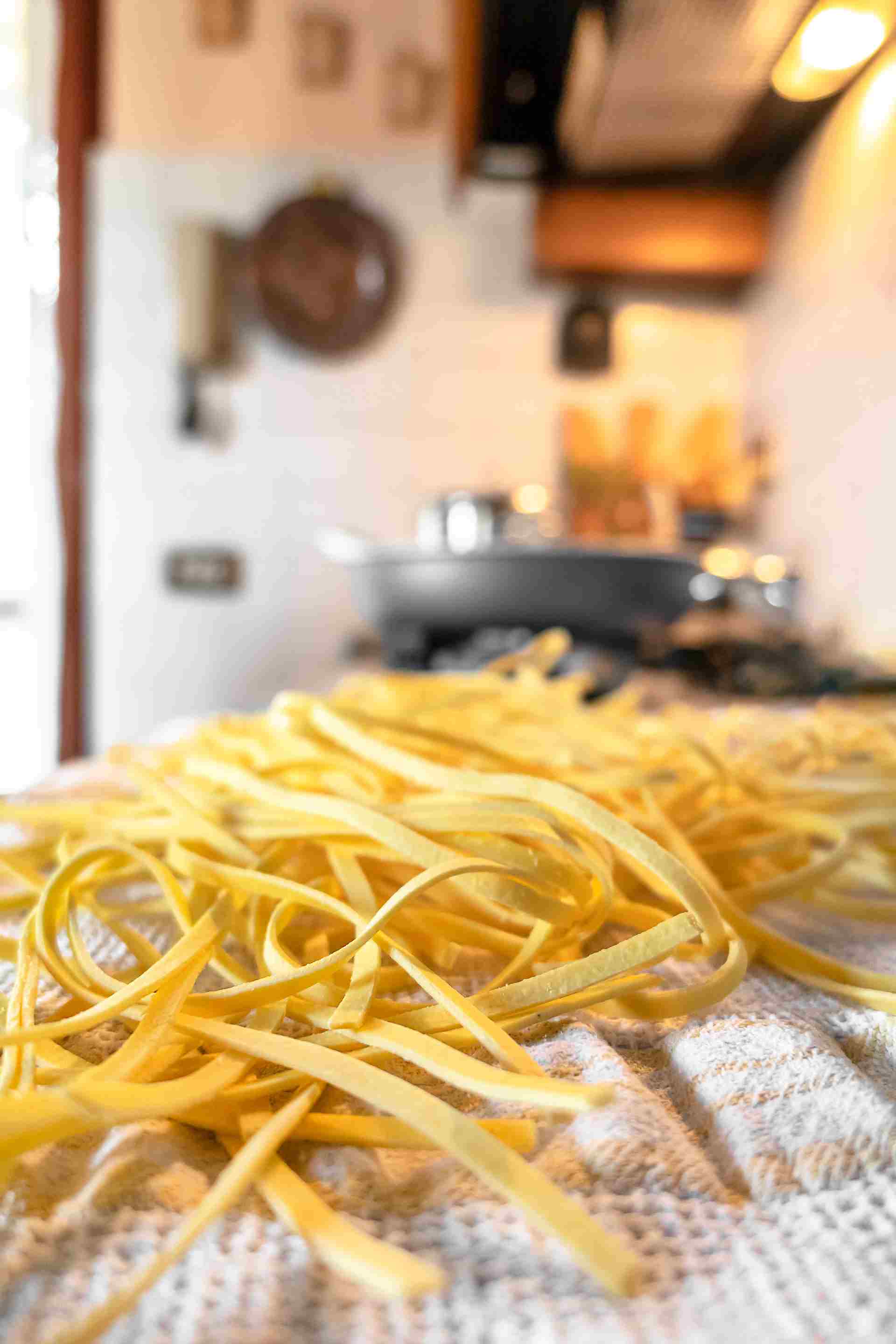
Do I need any cooking experience to take a pasta making class Italy?
No. Every reputable school listed here accommodates complete beginners, and the good instructors are used to teaching the same technique multiple times without showing frustration. What helps is paying attention and being willing to ask questions. Some schools specifically note they adjust difficulty based on group skill level — Desinare is particularly good at this since classes are small enough that the instructor can work with each participant individually. The one thing that does make a difference: if you bake at home, your hands already understand dough hydration, which gives you a small head start on pasta.
Is The Awaiting Table worth the price for a culinary holiday Italy trip?
Yes — easily. The EUR 1,995 week-long rate covers daily cooking sessions, wine education, olive oil tastings, and market visits, which works out to under EUR 300 per day. Lecce itself is one of the most undervisited cities in Italy, with Baroque architecture that makes Florence look understated. Silvestro has been teaching since 2003 and knows the region's producers and winemakers personally — you get access to that network in ways a single afternoon class never could.
Can I do a cooking class in Italy on a budget?
Yes, though not at the schools mentioned above — those are mid-range to premium. For budget options, Rome has group classes on platforms like GetYourGuide starting around EUR 38–56 per person, and Florence has similar listings on Viator from around USD 31 upward. The trade-off is group sizes (sometimes 20+), less individual instruction, and occasionally a demonstration-heavy rather than hands-on format. Worth checking reviews specifically for hands-on vs. demonstration before booking — the listing descriptions don't always make the distinction clear.
What should I do after the cooking class to extend the food experience?
In Florence, the Mercato Centrale's upstairs food hall is great for lunch after a morning class — you'll read the menu completely differently now. In Rome, Mercato di Testaccio in the Testaccio neighborhood is excellent for afternoon grazing. In Lecce, Silvestro points students toward specific wine bars in town. And everywhere: buy ingredients to take home. A bottle of Frantoio Muraglia extra-virgin olive oil from Puglia (EUR 15–22 at local shops) and a packet of locally-milled semolina will keep the trip alive in your kitchen for months.