Chefchaouen Travel Guide: Morocco’s Blue City
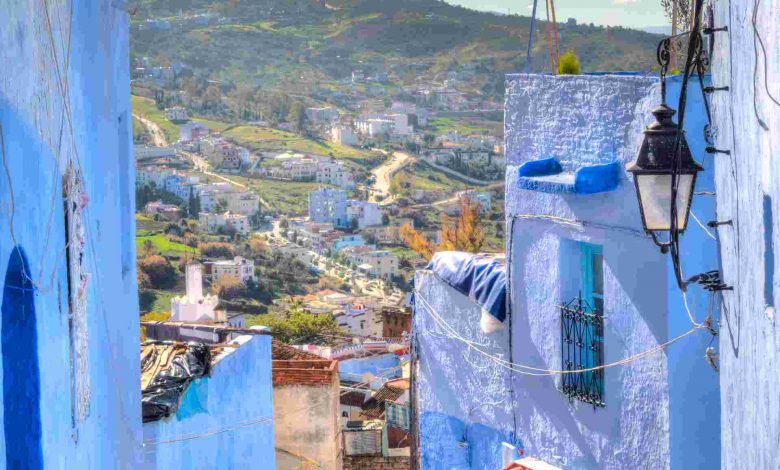
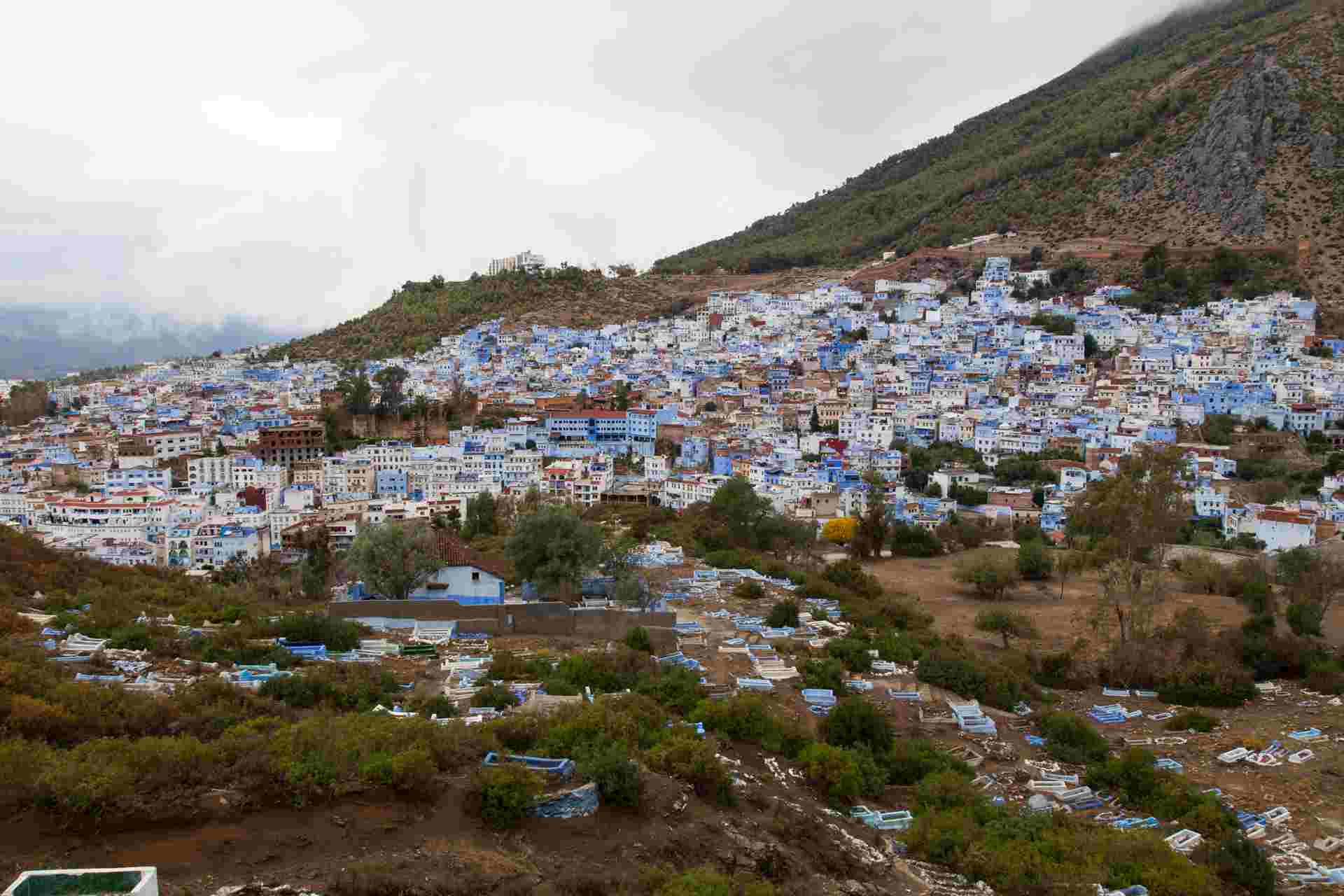
I first heard about Chefchaouen from a stranger at a café in Fez who'd just come back, still a little dazed. "It's like someone tipped a bucket of sky over a whole city," she said. She wasn't wrong. No photo prepares you for the real thing: the medina's maze of indigo-drenched alleys, the smell of argan oil drifting from tiny workshops, the echo of your own footsteps off walls that have been painted and repainted since the 15th century. Founded in 1471 in Morocco's Rif Mountains at around 600 meters elevation, Chefchaouen sits cool even in summer. The blue itself traces back to the Jewish community that once formed a significant part of the population here, painting homes as a reminder of sky and God. Every few years the residents repaint. The whole city as ongoing ritual. That alone is worth showing up for.
This Chefchaouen travel guide covers where to sleep — real properties with real prices — where to eat beyond the tourist square, the photography spots most blogs skip, and the practical stuff that actually matters. I've cross-referenced 2026 prices, checked which restaurants still take cards, and skipped the fluff. If you've got a weekend and a ticket to Tangier or Fez, this is what you need.
Getting There: Real Options for 2026
No airport in Chefchaouen. You're arriving via Tangier Ibn Battouta (TNG) or Fès–Saïss (FEZ). CTM buses from Tangier take 2.5 hours for about 70 MAD (~€6). From Fez, it's 4 hours, around 100 MAD. Shared grand taxis run faster — 80–100 MAD per seat Tangier-to-Chefchaouen if you fill the cab. Private transfers from Tangier run €40–60. Negotiate before you get in, always. The bus drops you below the medina; it's a 10-minute walk uphill to most riads. No ride apps work here. Ask your driver to drop you at Bab El Ain, the main gateway into the old town.
Where to Stay in Chefchaouen
Lina Ryad & Spa is the standout luxury pick — a 4-star riad in the medina heart with an indoor pool, hammam, and a rooftop with full-city views. Rooms start at €180/night in 2026. Not cheap for Morocco, but the hammam alone justifies some of that.
Casa Perleta is where I'd put anyone who wants character at a sane price. Rooms run €45–€70/night, breakfast included, and it's consistently rated the top riad in the city. The staff draw you an actual map of the medina. That is worth more than you'd think.
Dar Echchaouen sits closer to Ras El Ma, quieter and less tourist-heavy. Rooms around $163/night on KAYAK; private bathrooms, solid Wi-Fi, and one of the better in-house restaurants in town. Good choice if you're staying two nights and want a calmer base.
Budget: hostel dorm beds start around €7, private rooms from €18. Book early for March–May — the city fills fast.
Chefchaouen Photography: Spots That Aren't Everywhere
The medina is photogenic from every angle, which is the problem — everyone shoots the same walls. Go between 7am and 9am. Streets empty, light soft, blue walls glow differently than at noon. Set your alarm.
Calle Sidi Buchuka is the famous staircase with three floors you can climb. At the very top there's an open rooftop with views over the whole medina. By 10am there's a queue. Go early. The "private photography sets" — courtyards decorated by locals with rugs, teapots, lanterns — cost 5 MAD (€0.50) to enter and produce better shots than the main streets. Worth every centime.
Derb Benajiba Street is quiet, beautiful, full of cats. The House of Mosaics near Hotel Nisrine has a tiled flatiron facade with plants spilling over every edge — it's not on most people's lists. GPS won't find it; ask a local for "Dar Mosaique."
For sunset: hike to the Spanish Mosque (Bab Onsar). Built by the Spanish in the 1920s, never used for prayer. Twenty to thirty minutes from the eastern gate near the river. The view over the blue city with the call to prayer rising from below is the kind of thing you replay on the flight home. Worth it. Completely.
Things to Do: Two Days Done Right
Day one in the medina — Calle Sidi Buchuka, the Kasbah (10 MAD entry, small museum and garden, worth 20 minutes), Ras El Ma spring at the medina edge, and the Spanish Mosque at sunset. Day two: Akchour National Park.
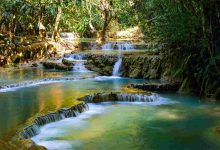
Akchour is 45 minutes by shared taxi for about 20 MAD per person. Two main trails split in opposite directions from the trailhead: waterfalls (2 hours each way) and God's Bridge natural rock arch (2.5 hours each way). Don't attempt both in one day. Bring at least 2 liters of water. There's a small café at the trailhead serving tagines for around 50 MAD.
Ras El Ma itself is worth an evening: local women wash fabrics in cold mountain water, a centuries-old practice. Watch quietly, don't photograph faces without asking. Café chairs nearby. A genuinely good way to end the day.
Where to Eat in Chefchaouen
Sofia restaurant, run entirely by women, has some of the best tagine in the city — the vegetable version slow-cooked and served with fresh bread for about 60 MAD. Bab Ssour does authentic local food at 50 MAD for a full meal. Order the bissara (fava bean soup with olive oil and cumin) before 10am — it's a breakfast dish and the version here is exceptional.
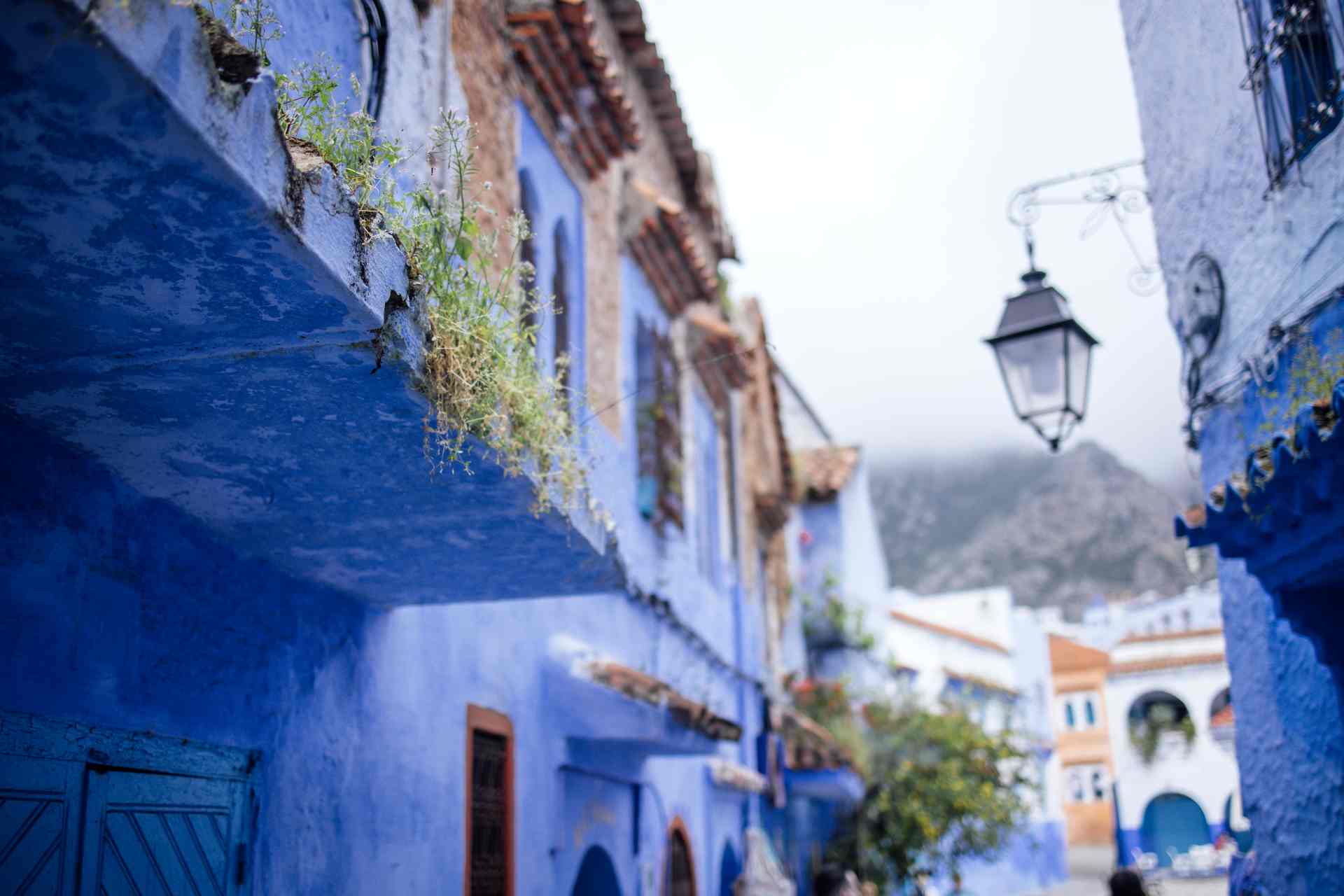
Café Clock has the same vibe as its Fez and Marrakesh locations: blue riad interior, camel burger, vegetarian-friendly menu, and — crucially — card payments accepted. One of the few reliable spots in town for Visa.
One rule: couscous on Friday only, after midday prayer. Order it Tuesday and you'll receive something reheated and resentful. Ask on arrival what day it is.
Practical Packing: What Actually Matters
Morocco uses Type C and E outlets — bring a universal adapter. A power bank matters more here than almost anywhere; you'll drain your phone on photos and GPS in areas where signal drops. I use the Anker 737 (24,000mAh) and have never been caught dead. Download OsmAnd or Maps.me with Morocco offline maps before you fly. Google Maps goes blank inside the medina walls.
Local SIM cards are at any tobacco shop (blue sign, three white circles). A Maroc Telecom tourist SIM with 10GB costs around 50 MAD. Cash is non-negotiable — most of the city runs on dirham. ATMs from BMCE and Banque Populaire are the most reliable options near the medina. Budget about €50–€100 per day depending on how much you shop the Berber rug stalls.
Do's and Don'ts for Visiting Chefchaouen
| Do's | Don'ts |
|---|---|
| Book Lina Ryad & Spa or Casa Perleta well in advance — spring books out | Don't arrive without a riad reservation in March–May |
| Visit Calle Sidi Buchuka before 9am for empty streets and soft light | Don't photograph local women at Ras El Ma without asking |
| Carry 200+ MAD cash daily for food, taxis, and market shopping | Don't rely on Google Maps inside the medina — it stops working |
| Order bissara at Bab Ssour before 10am — it's a breakfast dish | Don't order couscous on any day except Friday |
| Hike to the Spanish Mosque for golden-hour sunset | Don't take the first taxi price — negotiate before you get in |
| Pay the 5 MAD photography courtyard fee — the shots are better | Don't flash expensive camera gear in the main square |
| Pack layers — Rif Mountain evenings go cold fast | Don't plan Akchour waterfalls and God's Bridge in the same day |
| Book Sofia for a weekday tagine lunch | Don't eat all your meals at Plaza Uta El-Hammam restaurants — tourist pricing |
| Get a Maroc Telecom SIM on arrival for data and offline nav | Don't skip the Kasbah — 10 MAD, 20 minutes, genuinely worth it |
| Dress conservatively — shoulders and knees covered in the medina | Don't bring only card — most of the city is cash only |
FAQs
How many days should I spend in Chefchaouen?
Two days is the sweet spot. Day one covers the medina thoroughly — the blue alleys, Kasbah, Ras El Ma, and the Spanish Mosque at sunset. Day two gets you out to Akchour National Park. Three days starts to feel slow unless you're there for serious photography or Rif Mountain hiking. One day is technically possible from Tangier (2.5-hour CTM bus), but you're sacrificing the sunset, the morning light, and Akchour — the most memorable parts.
Is Chefchaouen safe for solo travelers in 2026?
Yes. It's consistently one of Morocco's safest cities, with a low crime rate and a medina compact enough that you're rarely isolated. Women traveling alone report feeling comfortable here more often than in larger Moroccan cities. Standard awareness applies — keep your phone in your front pocket in the main square, don't wander unlit alleys after midnight alone. Nothing unusual for any city.
What's the best time of year to visit the blue city Morocco?
March through May and September through October. Spring brings wildflowers on the Rif hillsides and mild 18–24°C temperatures. Autumn is similarly comfortable and less crowded than peak summer. July and August are manageable — the elevation helps compared to Marrakesh. December through February is cold, occasionally snowy, quieter; Lina Ryad's hammam goes from nice-to-have to essential.
Do restaurants in Chefchaouen accept credit cards?
Most don't. Café Clock, Molino Garden, El Cielo, and Aladdin are among the few that reliably accept Visa as of early 2026. Your riad will usually take card for the room. For street food, market stalls, taxis, and most restaurants — dirham cash only. BMCE and Banque Populaire ATMs near the medina are your best bet.
What are the best Chefchaouen photography spots?
Morning light (7–9am) on Calle Sidi Buchuka, the private courtyard photography sets throughout the medina (5 MAD entry), Derb Benajiba Street for quiet and cats, the House of Mosaics near Hotel Nisrine, and the Spanish Mosque panorama at golden hour. Hire a local photo guide via TripAdvisor for a private 2-hour tour — they know which alleys are quiet at which hours, and the context they add makes the images better.
How do I get from Tangier to Chefchaouen?
CTM bus, 2.5 hours, about 70 MAD (~€6). Runs daily, comfortable, air-conditioned. Shared grand taxi runs about 80–100 MAD per seat and is faster if you fill all 6 seats. Private transfer costs €40–60 and takes you directly to your riad's nearest gate. The bus station in Chefchaouen is below the medina — 10-minute uphill walk to most riads from Bab El Ain.
What should I buy at the Chefchaouen market?
Berber handwoven rugs are the standout purchase — made by Rif Mountain women, genuinely crafted, not mass-produced. Also leather goods, woven baskets, and argan oil (cheaper here than in Marrakesh). Budget 400–800 MAD and bargain. Starting price is usually double the fair price. Walk away once; they'll often call you back.