Best Beaches in Thailand: From Krabi to Koh Lipe

I remember standing on Phra Nang Cave Beach in Krabi on a Tuesday morning in November, watching the mist lift off the limestone cliffs — and genuinely wondering how this place was real. No photoshop. No filter. Just 200-meter karst walls dropping straight into turquoise water, with exactly eleven other people on the sand at 7 AM. That image is why I keep telling people: if you're looking for the best beaches Thailand has to offer, stop doom-scrolling Instagram and start actually planning. The beaches here aren't just "nice." Some of them rewire your baseline for what a beach is supposed to look like. You'll also spend less money than you expect — Koh Lipe's best resort sits right on Sunrise Beach for under USD 60/night, and longtail boats to Railay cost less than a coffee back home.
This Thailand beach guide covers five beaches across four regions — Krabi, Phi Phi, Koh Lipe, Khao Lak, and Phuket — with real resort names, real 2026 prices, honest crowd warnings, and the logistics guidebooks skip. I've also included gear notes, because the difference between a forgettable snorkel and a genuinely special one often comes down to whether you brought your own mask.
Railay Beach, Krabi: The One You Can Only Reach by Boat
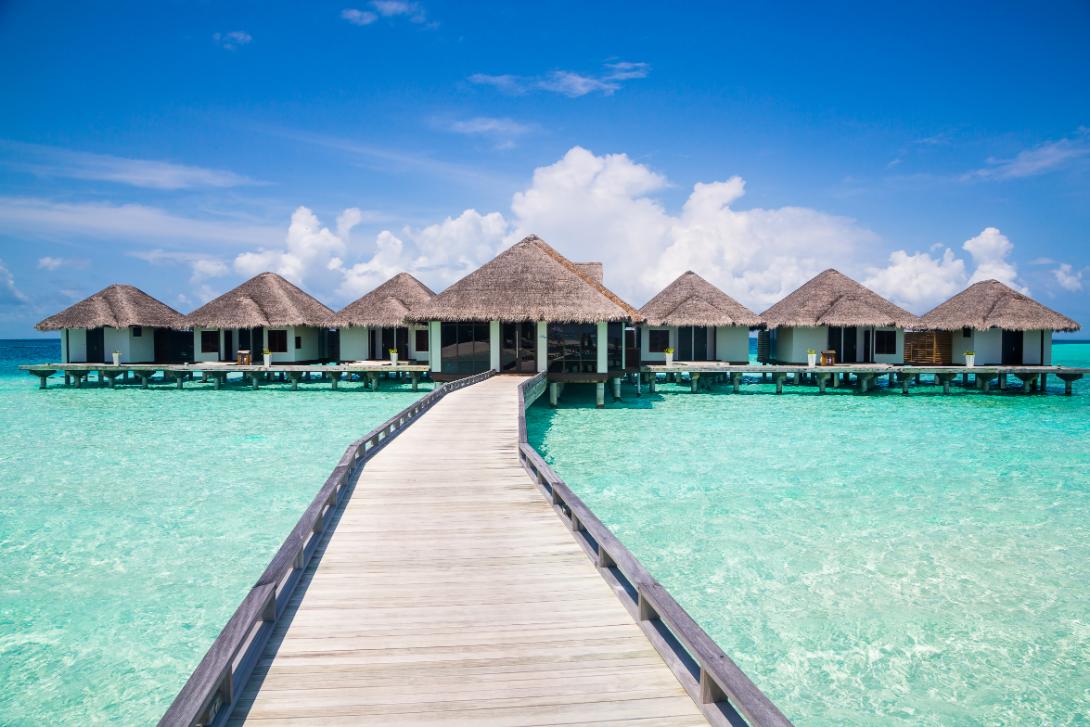
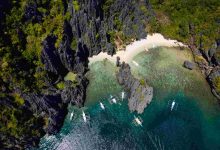
Railay isn't a resort town. It's a limestone peninsula cut off from the mainland by cliffs so vertical that there's no road in — the only way here is by longtail boat from Ao Nang (THB 150–200/person, about 15 minutes). That inaccessibility is exactly what keeps it from becoming another Patong. The peninsula has four distinct beaches. Railay West faces sunset, soft sand, swimmable. Railay East is mangroves — gorgeous, not for swimming. Ton Sai is for rock climbers and backpackers. And Phra Nang Cave Beach, around the southern headland, is the one that makes people cancel their other plans and stay two more days. The cave is filled with wooden offerings from local fishermen — this place was sacred long before anyone put it on a travel blog. Rayavadee Resort sits right at the junction of all three main beaches — rooms start at USD 400/night and are worth every baht if you're celebrating something. Pavilion-style villas in a coconut grove; the beach is literally out your front door. Perfect for a honeymoon.

Maya Bay, Phi Phi Leh: Worth It — With Caveats
The boat docked, we walked the wooden path through the trees, and then the bay opened up. Still stunning. The cliffs still curve in a near-perfect horseshoe; the water is still that absurd shade of jade. But Maya Bay in 2026 isn't the lawless scene from the 2000 film. The daily visitor cap is 4,125 people. Swimming inside the bay is banned — fine up to THB 10,000. Boats can't enter directly anymore; you disembark at a floating pier on the far side and walk in. Visits are capped at one hour. The bay closes August 1 to October 1 for reef recovery every year. Frustrating? A bit. But the coral is genuinely coming back. My honest advice: get on a speedboat from Krabi Town at 6 AM (THB 1,200–1,800/person on a group tour) before the bulk of the daily quota arrives — you'll have near-empty beach for maybe 20 minutes, which is still better than nothing. OUTRIGGER Phi Phi Island Resort (formerly Zeavola, rebranded 2026) sits on secluded Laem Tong Bay in the island's north — rates from USD 280/night, and worlds quieter than the Ton Sai chaos.
Koh Lipe: The Clearest Water in Thailand
Not a bold claim. Fifteen to twenty meters of visibility, right off the beach. I've snorkeled Bali, the Gili Islands, parts of Komodo. Koh Lipe's Sunrise Beach beat all of them. The coral starts 20 meters from shore and it's alive — actual reef, not bleached skeleton. Clownfish, reef sharks, turtles, all without booking a dive boat. Just walk in. Sunrise Beach (Hat Chao Ley) runs 1.5 km, the sand squeaks underfoot it's so fine, and before 9 AM the surface is glassy. Pattaya Beach on the south is where ferries arrive and walking street bars are — livelier, murkier. Stay near Sunrise. Castaway Resort Koh Lipe sits right on it: fan bungalows USD 35–55/night, air-con rooms around USD 100–120. Not luxury. Location is perfect and the vibe is good. Getting there takes effort — fly to Hat Yai, then 2 hours to Pak Bara Pier, then a 1-hour speedboat (THB 700–900/person). Or ferry from Langkawi if you're coming from Malaysia (120–140 MYR). Worth every transfer.
Khao Lak Beaches: For When You Want to Actually Relax
Khao Lak doesn't get the headline coverage Krabi does, which is exactly why it should be on your list. The beaches — Bang Niang, Nang Thong, Khuk Khak — are long, wide, and genuinely uncrowded even in peak December through February. The whole area has a pace that Phuket stopped offering about fifteen years ago. The Sarojin sits on a private section of Khuk Khak beach: adults-only, 56 rooms, rated 9.7 on Booking.com, with a breakfast that ruins hotel breakfast everywhere else for a while. Rates start around USD 180–195/night in shoulder season, USD 350+ over Christmas. About 55 minutes from Phuket Airport. From here you can also day-trip to the Similan Islands (November–May only) — 30+ meter visibility on good days, consistently one of Southeast Asia's best dive sites.

Phuket Beaches: Skip Patong, Go Here Instead
Phuket has 47 beaches. Most visitors only see three, and at least one of those — Patong — they leave wishing they hadn't. Skip it unless you want full neon chaos. The west coast beaches worth your time are Kata Noi (small, sheltered, gradual slope, clear water, lifeguards in high season), Surin (had all its beachfront restaurants bulldozed in 2016 — controversial at the time, beautiful now: wide, white, completely structure-free on the sand), and Kamala, which sits between the two extremes and has budget guesthouses from THB 800/night on the south end alongside proper boutique hotels in the north. The formula for Phuket beach days: rent a scooter (THB 200–300/day), drive the west coast in the morning, pick a beach around 10 AM. You'll almost always find more sand than people.
Best Beaches Thailand: What Gear to Actually Bring
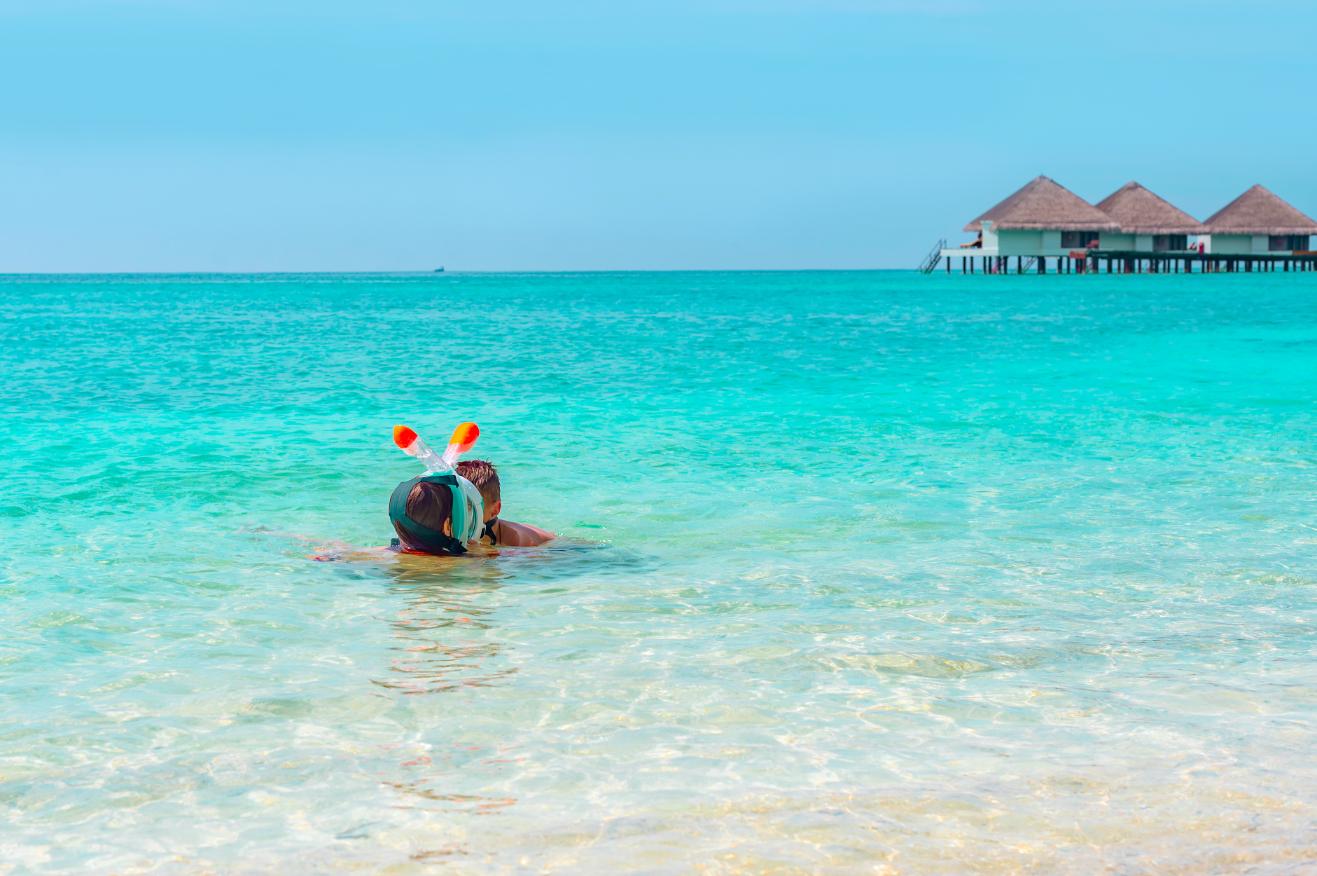
You can rent snorkel gear at most Thai beach towns for THB 100–200/day. Don't. Rental masks are fogged or cracked, usually both. A Cressi F1 or Decathlon Easybreath runs USD 25–40 and changes everything — it's the single highest-leverage thing you can pack for a Thailand beach trip. Water shoes are worth bringing too: longtail boat exits are slippery, and some beaches have rocks or urchins near the waterline. Dry bags are non-negotiable for any longtail travel in Krabi — a 10L Sea to Summit runs about USD 20. Reef-safe mineral sunscreen is legally required in Thai national marine parks (oxybenzone and octinoxate banned) — grab Raw Elements or Stream2Sea before you leave home (~USD 15–18) rather than paying resort-shop prices. A light rash guard beats reapplying sunscreen every 90 minutes on a boat.
When to Visit (And When to Stay Away)
The Andaman coast — Krabi, Phi Phi, Koh Lipe, Khao Lak, Phuket's west side — runs November through April. May through October is monsoon: rough seas, closed ferry routes (Koh Lipe is unreachable June through October), shuttered resorts. November is shoulder season with better rates. Rayavadee at Railay runs USD 400–500/night in peak December vs. closer to USD 350 in November. February is the sweet spot: rains done, crowds not yet peaked. December and January are the most expensive months — book Castaway Resort or The Sarojin 6–8 weeks out minimum. March and early April are still excellent. By late April the humidity climbs and afternoon storms start returning.

Do's and Don'ts for Thailand Beach Travel
| Do's | Don'ts |
|---|---|
| Book Rayavadee or similar cliff-face properties 6–8 weeks ahead in peak season | Book Patong Beach hotels expecting quiet — it's the party zone, not a beach retreat |
| Bring your own snorkel mask (Cressi F1 or Decathlon, ~USD 25–40) | Rent fogged resort gear — it will ruin your snorkeling |
| Use reef-safe mineral sunscreen (Raw Elements SPF 50) in all marine parks | Use chemical sunscreens with oxybenzone — banned in Thai national parks |
| Take the 6 AM longtail to Phra Nang — you'll have it almost to yourself | Arrive at Railay or Maya Bay after 10 AM expecting space |
| Pack a 10L dry bag for longtail boat transfers in Krabi | Put your camera or phone in a bag-less pocket on a longtail |
| Book The Sarojin or Castaway Resort directly on their websites for best rates | Book last-minute in peak December–January; most good spots fill up weeks out |
| Wear water shoes on longtail boat exits — rocks and sea urchins are common | Jump barefoot onto beach rocks from a boat |
| Visit Maya Bay early (pre-9 AM) on a speedboat tour | Show up to Maya Bay expecting to swim — it's banned, fines up to THB 10,000 |
| Check ferry schedules to Koh Lipe well in advance — routes close May–October | Assume Koh Lipe is reachable year-round without checking |
| Stay at least 2 nights on Railay to feel the place properly | Day-trip to Railay and leave before sunset — the evening light on the cliffs is remarkable |
| Rent a scooter in Phuket (THB 200–300/day) to beach-hop the west coast | Take taxis between beaches in Phuket — expensive and slow |
| Bring reef-safe after-sun aloe (sold cheaply at Thai pharmacies) | Underestimate how much sun you get on the water — boats reflect UV |
FAQs
What are the best beaches in Thailand for first-time visitors?
Railay Beach in Krabi is the easiest starting point. A 15-minute longtail from Ao Nang (THB 150–200/person), no multi-day ferry routes needed, and Phra Nang Cave Beach is genuinely among the most striking beaches in the country. From Krabi you can add a Phi Phi day trip (THB 1,200/person by speedboat) and be back for dinner. Koh Lipe takes more effort to reach but delivers the clearest water and best snorkeling Thailand has.
Is Maya Bay open in 2026?
Yes, with restrictions. Open October 1 through July 31 — closed August 1 to October 1 for reef recovery. Daily cap of 4,125 visitors, no swimming (fine: up to THB 10,000), no boats entering the bay directly. You walk in along a path from the far pier. Visits limited to one hour. The reef has visibly recovered, and the bay is cleaner than it's been in decades.
How do I get to Koh Lipe from Bangkok?
Fly Bangkok to Hat Yai (THB 1,000–2,500), then 2 hours by minivan to Pak Bara Pier in Satun Province, then a 1-hour speedboat to Koh Lipe (THB 700–900/person). Total: around 5–6 hours. From Malaysia, a ferry from Langkawi runs April–October (120–140 MYR). Koh Lipe is essentially unreachable June through October — ferry routes close during monsoon. Always verify schedules before booking.

Which is better: Railay Beach or Koh Phi Phi?
Different trips. Railay is quieter, more dramatic in scenery, and easier to do as a 2–3 day side trip from Krabi Town without island-hopping commitment. The crowd mixes families, couples, and rock climbers. Phi Phi Don runs louder — Ton Sai Bay at night is bar-heavy. Go Phi Phi for more snorkeling variety, beach clubs, or Maya Bay access. For a honeymoon, Railay — with Rayavadee from USD 400/night — is harder to beat.
What is the best time to visit Thailand's beaches?
November through February for the Andaman coast: Krabi, Phi Phi, Koh Lipe, Khao Lak, west Phuket. February is the sweet spot — December's price spike is over and the weather is nearly identical. The Gulf of Thailand side (Koh Samui, Koh Tao) runs on a different weather calendar and is fine October through May. Avoid Koh Lipe entirely May through October — the island shuts down.
Is Khao Lak worth visiting over Phuket?
For a certain kind of traveler — yes, completely. Khao Lak is quieter, the beaches are longer and more natural, and The Sarojin is one of the best small luxury resorts in southern Thailand (from USD 180/night, rated 9.7 on Booking.com). The tradeoff is fewer restaurant options, no nightlife, and you'll need your own wheels or taxis to move around. From Khao Lak you can day-trip to the Similan Islands (open November to May) — one of Southeast Asia's premier dive sites. If you want to lie on a beach, read, and eat well — Khao Lak wins. If you want more energy and variety, Phuket makes more sense.
What travel gear is essential for Thailand beaches?
A good snorkel mask is the highest-leverage purchase you can make — Cressi F1 or the Decathlon Easybreath run USD 25–40 and transform the experience versus rental gear. Reef-safe mineral sunscreen (Raw Elements or Stream2Sea, ~USD 15–18) is legally required in Thai national marine parks. A 10L dry bag (Sea to Summit, ~USD 20) is essential for any longtail boat travel. Water shoes help on rocky exits and urchin-prone beaches. A light rash guard handles sun on long boat days more reliably than reapplying sunscreen. That's genuinely it — keep it light.