A Foodie’s Guide to Portugal: Lisbon, Porto, and the Alentejo
There's a moment that happens to almost everyone on their first Portugal trip. You're sitting somewhere — a tiled café in Alfama, maybe, or a stone courtyard in Évora — and you eat something so good you put your fork down and just sit with it. For me it was a plate of percebes at Cervejaria Ramiro on Avenida Almirante Reis in Lisbon, steamed just long enough, eaten with cold Sagres beer and no plan for the next three hours. That's the whole Portugal food guide in a sentence, honestly — slow down, eat things you can't pronounce, and don't rush. But since you probably want specifics, I've mapped it out across three destinations that each do food completely differently: Lisbon is seafood and old-school tascas and a food hall that actually lives up to the hype; Porto is wine and a sandwich that shouldn't work but absolutely does; the Alentejo is where the corks get pulled on serious table wine, usually with slow-braised pork and someone's grandmother's bread recipe.
I've done this trip twice — once rushing and once properly, three weeks eating five times a day, trains between cities like someone who decided calories don't count abroad. The second version is the one I'd recommend. Portuguese food culture rewards the unhurried. Lunch runs two hours. The best tascas change their menus daily, whatever came off the boat or out of the garden that morning. So book fewer things, eat more times, and read this Portugal food guide straight through before you land.
Lisbon: Cervejaria Ramiro, Custard Tarts, and A Cevicheria
Start at Cervejaria Ramiro. This place on Avenida Almirante Reis has been doing seafood since 1956, and the formula hasn't changed: pick from glass cases of live shellfish, watch the kitchen handle it simply — garlic, butter, white wine — and eat until other foods seem less interesting. Budget EUR 75-100 for two with beer. The gambas al ajillo run EUR 14.45; carabineiros (scarlet shrimp) come in at EUR 98.59/kg — expensive, but split between two alongside clams and bread, it's one of those cost-per-memory meals. They require a EUR 25/person deposit to hold a reservation, which applies to your bill. Pay it.
After Ramiro, head to Belém for Pastéis de Belém on Rua de Belém — the original since 1837, selling 20,000+ tarts daily at EUR 1.50 each. Eat them warm, standing, dusted with cinnamon. The recipe is technically a secret kept by three employees. Skip every other custard tart in the city until you've established this baseline.
For dinner in Príncipe Real, A Cevicheria on Rua Dom Pedro V 129 is where Lisbon's Peruvian-Portuguese fusion obsession makes most sense. Chef Kiko Martins hangs a giant fibreglass octopus from the ceiling and serves ceviche with Portuguese seafood under it. No reservations — arrive when they open at 12:30 or accept a wait. The cucurucho de lavagante is EUR 23.80 and the tiradito de atum e maracujá (tuna with passion fruit) runs EUR 28.90. Neither disappoints.
Time Out Market: Organized Chaos, Actually Worth It
Time Out Market Lisboa on Avenida 24 de Julho hosts 26 restaurant counters from top Lisbon chefs. Crowded? Yes. Still worth it? Also yes. The trick: go for lunch on a weekday, grab a tray, eat from four or five stalls across fifteen euros, and leave feeling like you planned it brilliantly. There's also a cooking school onsite if you want to bring skills home alongside the food coma. I'd hit the arroz de lingueirão (razor clam rice) and a pastel de bacalhau (salt cod fritter) minimum — the fritter alone sets your baseline for the next ten you'll eat across Portugal.
Porto: Francesinha at Café Santiago and Port Wine in Gaia
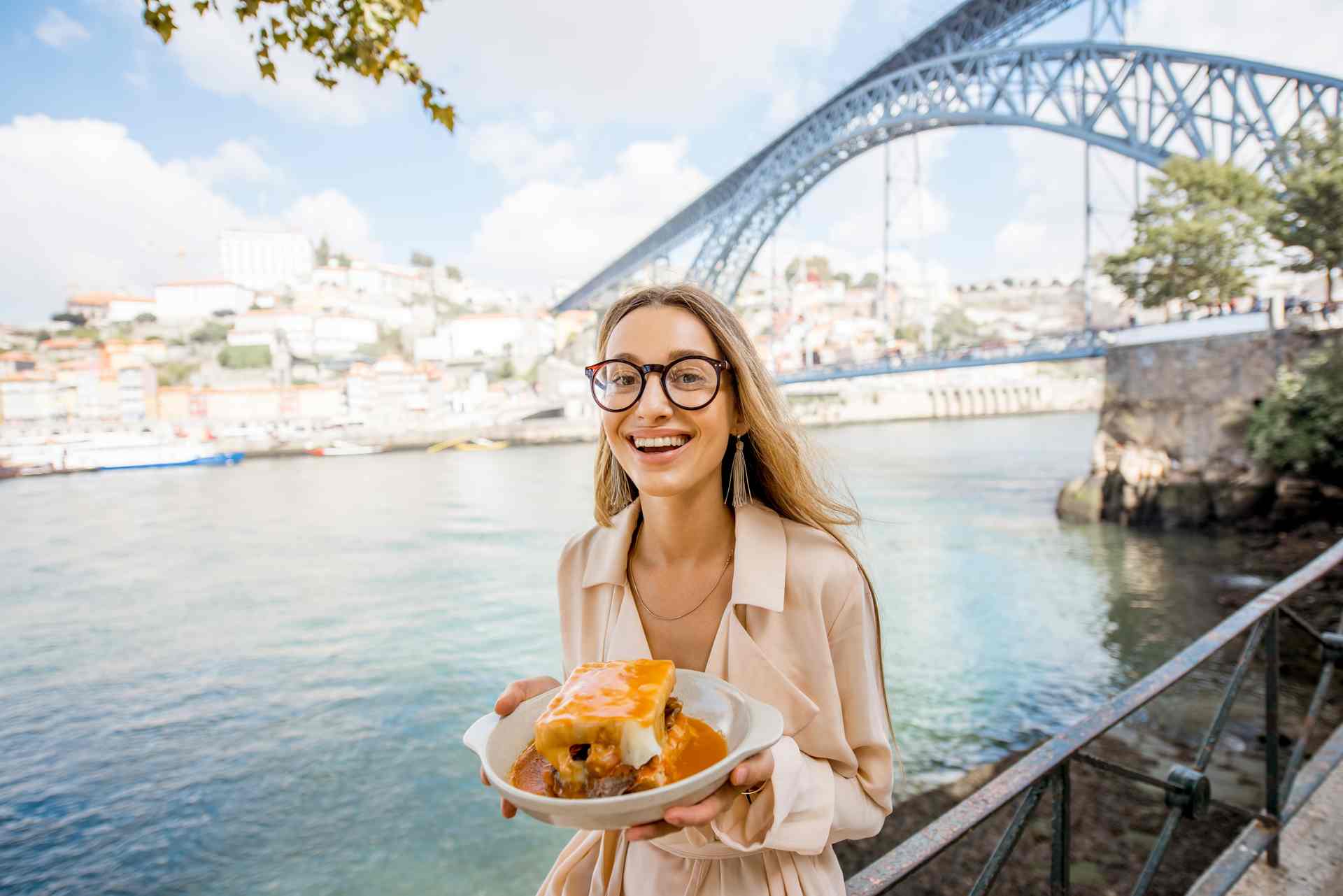
The francesinha is Porto's civic sandwich and nobody should leave without one. It's layered cured ham, linguiça sausage, and steak, melted under blanket cheese, drowned in beer-based tomato sauce, served with a fried egg on top and fries alongside. Sounds like a dare. Tastes like something your body always needed. Café Santiago on Rua Passos Manuel 226 is the destination — one of the world's 50 best sandwiches according to people who track these things. The queue at lunch is real. Join it.
For Porto wine tasting, cross the Douro to Vila Nova de Gaia and do one lodge properly. Graham's Port Lodge, established in 1890, does guided tours with expert commentary and food pairings — book ahead, appointments required, peak slots sell out. Taylor's is open since 1692, audio-guided in 13 languages, with a tasting of Chip Dry white port, LBV, and 10-Year Tawny from around EUR 12-20 depending on tier. Both sit on the hillside with river views, which helps.
Mercado do Bolhão in Porto's Baixa district reopened after a long restoration and now holds around 80 stalls across three floors of a beautiful beaux-arts building from 1893. Go before 10 AM. Fishmongers have the best stuff early. Pick up tinned sardines (Pinhais or José Gourmet brand) — they're the best souvenir customs won't confiscate.
Alentejo: Slow Wine, Bread Soup, and Boutique Hotels Among the Vines
The Alentejo is where Portuguese food slows all the way down and gets serious. Cork oak, wheat fields, vast sky, and food that mirrors the landscape — simple ingredients, long cooking, nothing wasted. Açorda, a bread-based soup with garlic, cilantro, poached egg, and good olive oil, is the dish that defines the region. Order it even if bread soup sounds unappealing. It isn't.
Évora is the base. From there, the Alentejo wine route runs through subregions — Borba, Redondo, Reguengos, Évora, Granja-Amareleja — each with distinct Aragonez and Alicante Bouschet-based reds that are full, round, and soft on tannins. Herdade do Esporão's Monte Velho red (EUR 8-10 retail in Portugal) drinks far above its price point. For something serious, Malhadinha Nova estate is 75 minutes from Évora: boutique hotel, spa, estate wine, and a restaurant doing some of the best slow-braised black pork (porco preto) you'll find anywhere.
Stay at Albergaria do Calvário in Évora — 22 rooms in a converted manor house, TripAdvisor "Best of the Best" for two consecutive years, and home to the ADC Wine & Food Bar with a proper Alentejo tasting menu. Build an evening around it.
Portuguese Seafood 101: What to Actually Order
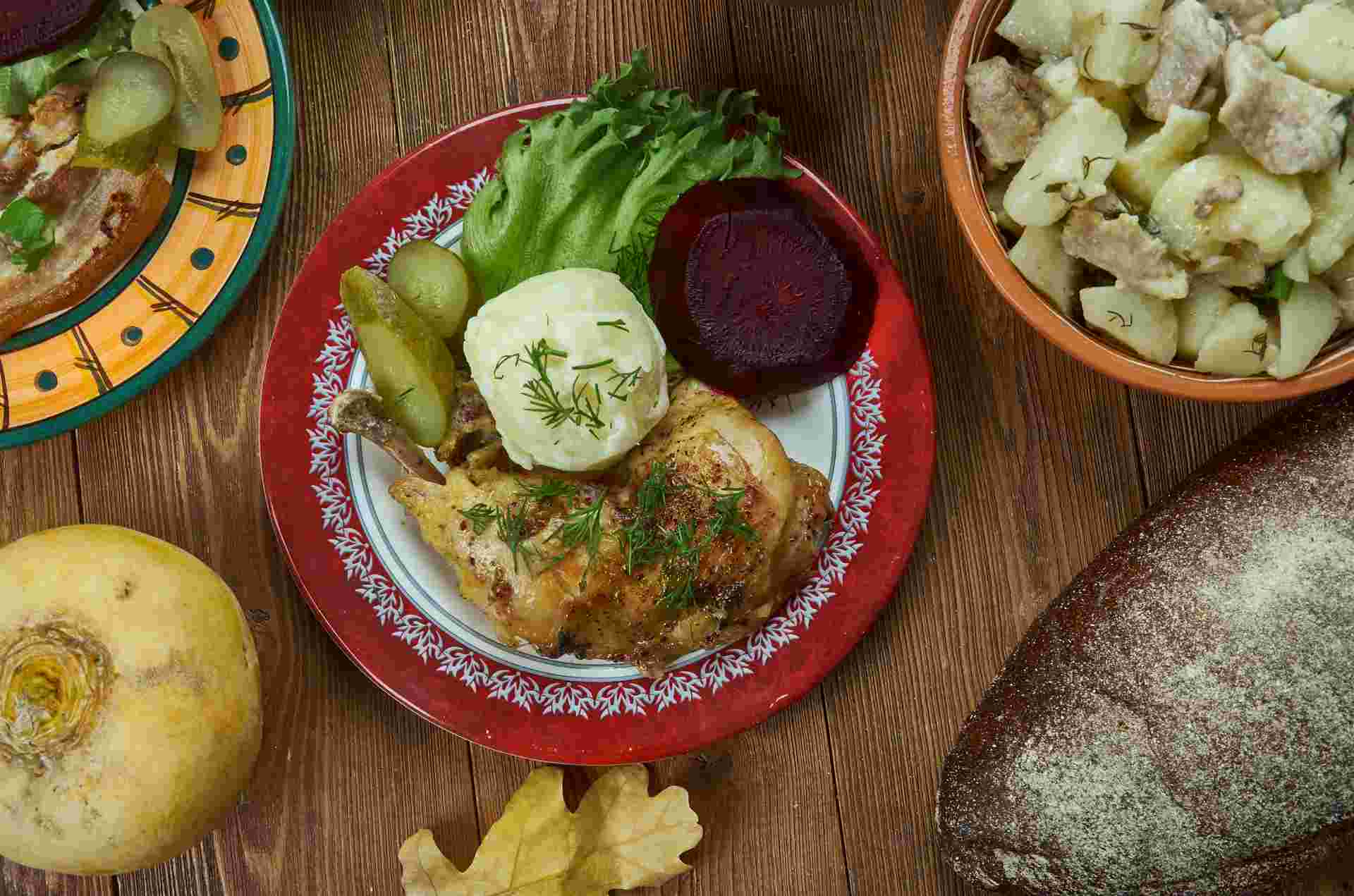
Portuguese seafood is a philosophy, not a menu section. Bacalhau (dried salt cod) is the national obsession — try bacalhau à brás (shredded cod with potato and egg) at least once. For fresh catches, order whatever has no per-portion price. Percebes (goose barnacles) are weird and wonderful. Amêijoas à Bulhão Pato (clams, garlic, white wine, cilantro) is as close to a perfect simple dish as I know. Polvo à lagareiro — octopus roasted with olive oil and garlic over smashed potatoes — is the dish that temporarily ruins your relationship with other cuisines after you leave.
What to Drink: Vinho Verde, Port, and Alentejo Table Wine
In Lisbon and along the coast, Vinho Verde is the move — light, slightly fizzy, low alcohol (9-11%), perfect with shellfish. The Alvarinho subregion near the Spanish border produces more serious dry whites worth seeking out. In Porto, focus Porto wine tasting on the Ruby vs. Tawny distinction: Ruby is fresh and fruity; Tawny is nutty and oxidative, aged in small barrels over 10, 20, or 40 years. Graham's 20-Year Tawny runs about EUR 35 at the lodge and packs well in carry-on. In the Alentejo, drink local reds with everything — full, aromatic, high-alcohol, and shockingly good value.
Do's and Don'ts for Your Portugal Food Guide
| Do's | Don'ts |
|---|---|
| Book Cervejaria Ramiro and pay the EUR 25/person deposit | Assume walk-ins work at Ramiro during peak lunch and dinner hours |
| Eat pastéis de nata at Pastéis de Belém warm, right from the counter | Buy custard tarts at the airport and expect them to be the same |
| Arrive at A Cevicheria at 12:30 when they open to skip the worst wait | Book another restaurant first and try to squeeze A Cevicheria in after |
| Book Graham's or Taylor's port lodge in Vila Nova de Gaia in advance | Walk into a lodge in summer without a reservation — tours fill fast |
| Hit Mercado do Bolhão Porto before 10 AM for the freshest fish | Arrive at 2 PM expecting the same fish counter selection |
| Go to Time Out Market Lisboa on a weekday lunch, not a Saturday night | Dismiss Time Out Market because it's tourist-facing — quality is genuine |
| Order francesinha at Café Santiago with the full beer sauce — don't modify | Order it mild; the sauce is the whole point |
| Ask what came in fresh today — most Portuguese kitchen staff will tell you | Ignore the prato do dia (daily special) which is usually the best value |
| Buy tinned sardines (Pinhais, José Gourmet) as carry-on gifts | Overlook supermarket tinned fish sections — they're exceptional |
| Stay at Albergaria do Calvário in Évora and book ADC Wine & Food Bar | Arrive in the Alentejo with no dinner reservation in shoulder season |
| Try açorda bread soup in the Alentejo even if the description sounds odd | Fill up on tourist menus in Évora's main square before hitting local tascas |
| Pair Alvarinho Vinho Verde with any shellfish dish | Dismiss Vinho Verde as too light without trying single-varietal versions |
FAQs
What is the best food to eat in Portugal for a first-time visitor?
Three things worth prioritizing above everything else: pastéis de nata from Pastéis de Belém, a francesinha at Café Santiago Porto, and amêijoas à Bulhão Pato (clams in garlic-cilantro broth) at any restaurant that makes them fresh. These three dishes cover the full spectrum — sweet pastry, hearty sandwich culture, and the clean seafood tradition that runs through the country. After those, follow whatever smells best on any given street. Portuguese food culture doesn't require a spreadsheet; it requires slowing down.
How much should I budget for food in Lisbon per day in 2026?
Very reasonable. A pastel de nata at Pastéis de Belém is EUR 1.50. A proper tasca lunch with soup, main, wine, and dessert runs EUR 12-18 per person. Cervejaria Ramiro runs EUR 75-100 for two with beer. A Cevicheria is EUR 50-70 for two with drinks. Time Out Market lands around EUR 15-20 per person. If you're mixing market lunches with one proper dinner per day, EUR 40-60 per person covers eating extremely well in Lisbon right now.

Is Porto wine tasting worth a dedicated trip from Lisbon?
Yes — and the Alfa Pendular train from Lisbon Santa Apolónia to Porto Campanhã takes about three hours for roughly EUR 25-40 each way. That said, Porto deserves two nights minimum. Visit the lodges in Gaia properly (Graham's or Taylor's), eat a francesinha at Café Santiago, browse Mercado do Bolhão, and have dinner somewhere on the river without rushing. Day trips from Lisbon to Porto tend to be too compressed — the port lodge experience gets cut short because people leave Gaia too late.
What Alentejo wine should I try first?
Start with an Alentejo DOC red — Aragonez or Alicante Bouschet-based, full and round with soft tannins. Herdade do Esporão's Monte Velho red (EUR 8-10 in Portugal) is the easy entry point that consistently overdelivers. For a step up, look for single-estate bottles from Malhadinha Nova or Herdade Comporta. The Alentejo whites — made from Antão Vaz and Arinto — are also worth exploring, aromatic and golden, better with food than most visitors expect.
Where exactly is Pastéis de Belém and when should I go?
Rua de Belém 84-92, in the Belém neighborhood west of the city center. Tram 15E or a 25-minute Uber from Baixa. They're open 8 AM to 11 PM daily, seven days a week. Go before 10 AM to avoid the main tourist rush, or after 3 PM. The queues move fast — choose the takeaway window if you just want a few tarts to eat outside by the riverside. EUR 1.50 per tart, with cinnamon and powdered sugar on the counter for self-service.
Is A Cevicheria in Lisbon worth the wait?
It is. Show up at 12:30 on a weekday and you'll wait 20 minutes, maybe less. Show up at 8 PM without patience and it's a different story. The no-reservations policy keeps the energy casual and fast — they're not trying to be precious about it. The giant fibreglass octopus hanging from the ceiling is either charming or alarming depending on your tolerance for theatrical décor, but the ceviche itself (tuna, tiradito, lavagante) is the real argument for going. Chef Kiko Martins has been doing this in this room on Rua Dom Pedro V 129 for over a decade and the food is as sharp as ever.
What is açorda and is it the same as caldo verde?
Different dishes entirely. Açorda is the Alentejo's bread soup — thick, made by soaking torn stale bread in hot salted water with olive oil, garlic, cilantro, and often a poached egg on top or salt cod mixed through. It's a texture you either love immediately or need two bites to warm up to. Caldo verde is a Northern Portuguese kale and potato soup, usually served with slices of chouriço, thinner and broth-based. Both are deeply traditional, both are on menus across the country, but açorda is the one that feels specifically Alentejo.