Lisbon Travel Guide: Best Things to Do, Eat, and See
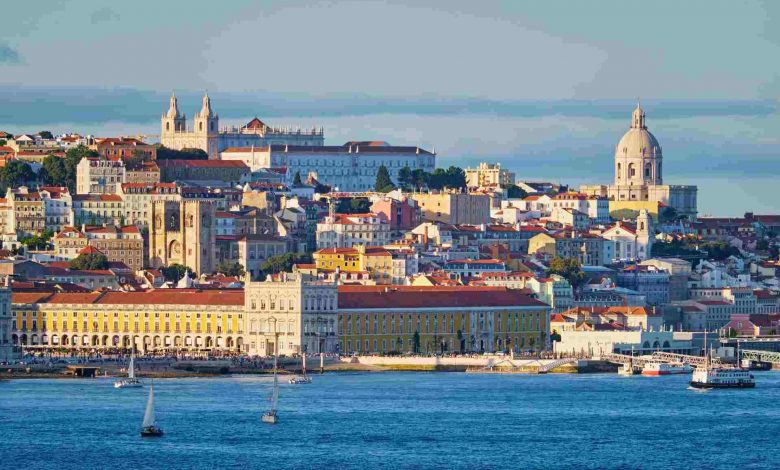
I showed up in Lisbon for three days and stayed for ten. That sounds like every other travel blog opener, I know, but I'm saying it because it's genuinely hard to explain otherwise. The city just holds you. It's built on seven hills, draped in faded azulejo tiles, and lit at golden hour like nowhere else in Europe — and for some reason it still hasn't priced out the charm the way Barcelona or Amsterdam have. The Lisbon travel guide you'll find here isn't a sanitized list of monuments. It's what I'd text a friend who's landing at Humberto Delgado Airport next week and asking what to actually do. Specific streets, specific meals, and honest warnings about things that'll waste your time.
Prices here are current for 2026. Fair warning: the Belém Tower is closed for renovations until mid-2026 — nothing's worse than dragging yourself out to the waterfront only to find a construction fence. Lisbon is also expecting a record tourism season this year, so booking ahead isn't optional anymore. This guide covers neighborhoods, a workable three-day itinerary, where to actually eat, the best Lisbon day trips, and what to skip.
The Best Neighborhoods in Lisbon to Know Before You Arrive
Lisbon isn't one city — it's about six different vibes stacked on top of each other. Where you base yourself shapes everything else.
Baixa is the flat, grid-planned historic core around Rossio Square — central, walkable, and close to the train connections you'll use for day trips. Hotels run €140-180/night for mid-range. The streets can feel a bit generic, but Praça do Comércio by the river is legitimately beautiful at dusk.
Chiado, just uphill, is the neighborhood I'd actually choose. Bookshops, decent coffee, the Carmo Convent (€4 entry — the roofless nave stops you mid-sentence). Hotel do Chiado runs ~€120/night in shoulder season.
Alfama is the old Moorish quarter — cobblestoned, steep, and the spiritual home of fado. Tuesday and Saturday mornings, the Feira da Ladra flea market runs until 6 PM. Come before 9 AM for the good stuff. Guesthouses here run €70-100/night.
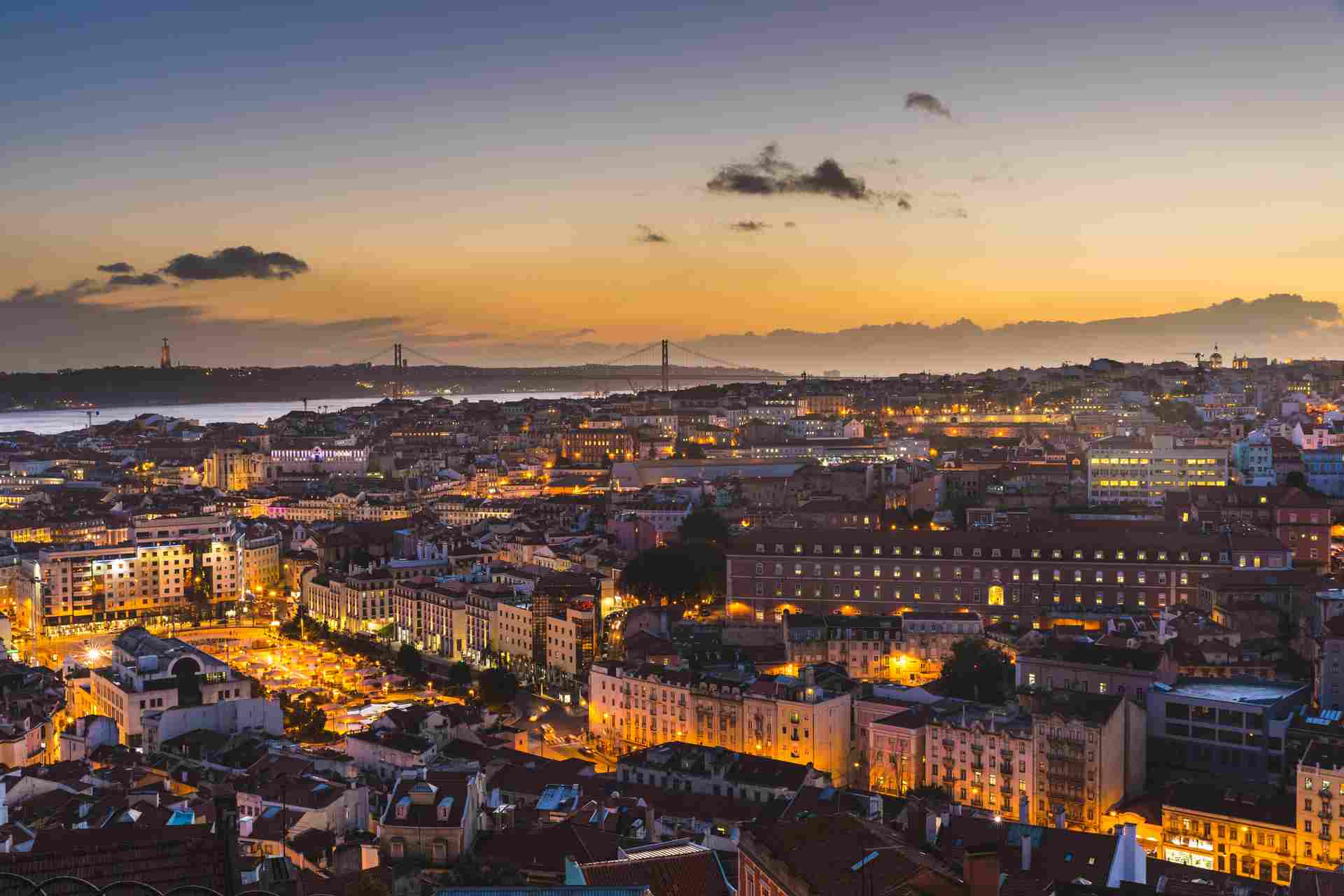
Príncipe Real is where Lisbonites actually go. Wide tree-lined streets, good wine bars, A Cevicheria doing Peruvian-Japanese fusion (book ahead), and a Saturday organic market in the square. A little calmer. A little more grown-up.
LX Factory isn't quite a neighborhood — it's a converted industrial complex in Alcântara — but the Sunday market is worth your afternoon. Street art, independent shops, good restaurants. Arrive around noon.
A Practical 3-Day Lisbon Itinerary
Day 1 — Alfama and the Historic Core. Start at Castelo de São Jorge (€10, opens 9 AM — go early). Peacocks wander the grounds. Strange and wonderful. Walk down through Alfama's maze to Sé Cathedral (€7 — the cloister is the good part, not the nave). Afternoon: grab a Viva Viagem card (€0.50 at any metro machine) and ride Tram 28 from Martim Moniz to Campo de Ourique. Yes, it's touristy. Yes, you're rattling through streets too narrow for a tram. Still worth it once. Dinner: Zé da Mouraria on Rua das Farinhas does bacalhau à brás for €14. Order it.
Day 2 — Belém. Belém Tower is under renovation until mid-2026 — skip it. Jerónimos Monastery (€10, free with Lisboa Card) is fully open and the Manueline cloister will stop you for forty minutes just staring. Monument to the Discoveries is €10 or free with the card. Get a pastel de nata at Pastéis de Belém (€1.40, going since 1837, around the corner from the monastery). Afternoon: LX Factory on Sundays, Príncipe Real any other day.
Day 3 — Day trip or slow morning. Train to Sintra (€2.45 single, Rossio Station) or spend the morning at Time Out Market and the afternoon at the Oceanário in Parque das Nações (€22 — genuinely one of Europe's best aquariums).
Where to Eat in Lisbon: The Actual Good Stuff
Local rule one: lunch is cheaper than dinner, always. Tasca restaurants near Mouraria do a full lunch — soup, main, wine, coffee, dessert — for under €10. That's not a deal. That's just how it works.
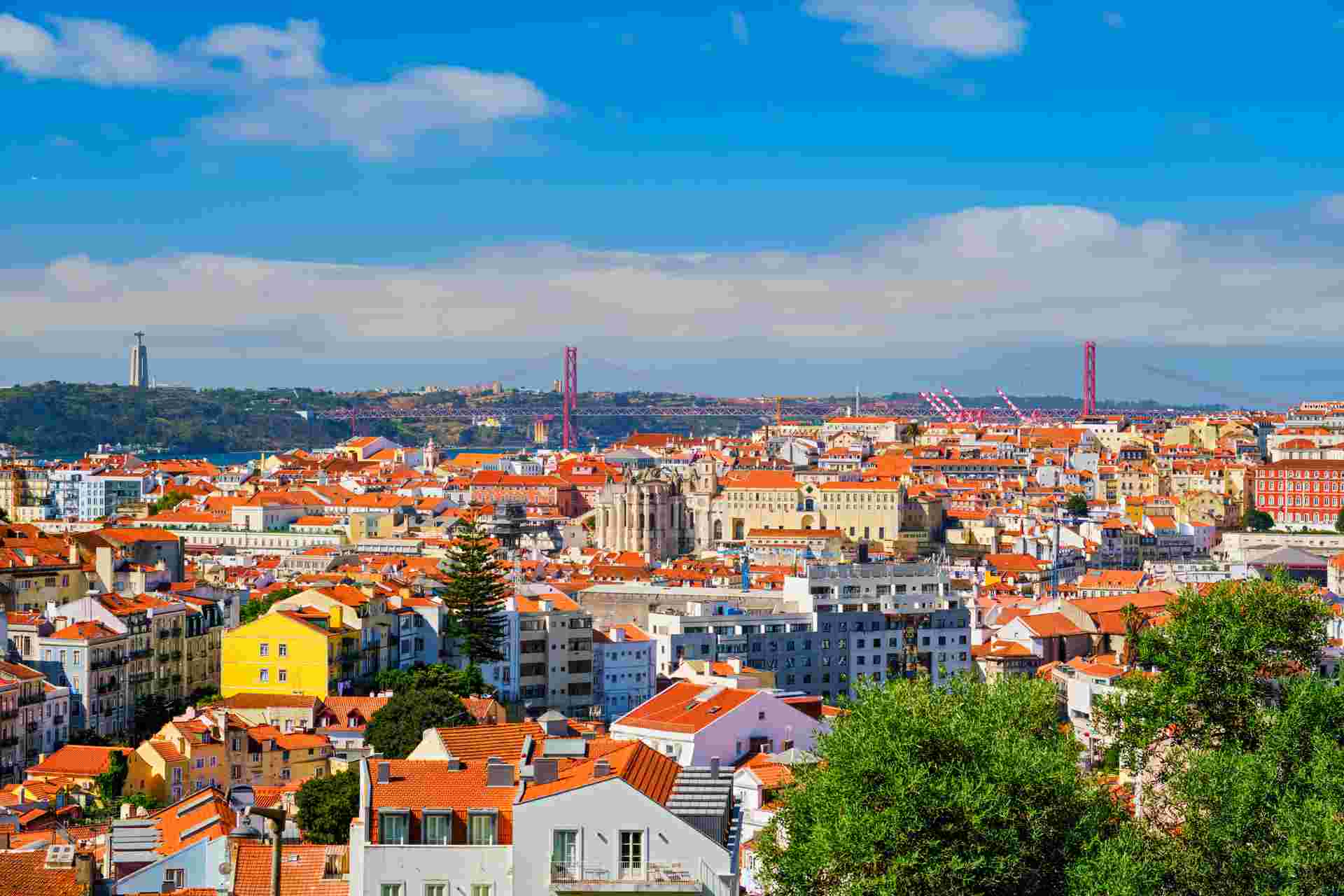
Cervejaria Ramiro (Avenida Almirante Reis) has been doing traditional seafood since the 1950s. Tiger prawns the size of your fist, barnacles in season, cold Sagres. Budget €40-50/person — arrive before 12:30 PM or book ahead, or you'll be waiting outside for 45 minutes.
Time Out Market (Mercado da Ribeira, Cais do Sodré) is 26 stalls and 8 bars under one roof. Dishes run €5-10 each. Good when your group can't agree on a cuisine, or when you want to graze without committing.
Taberna do Real in Bairro Alto does arroz de pato (duck rice) for €16 in an environment that feels like someone's grandparents' kitchen. Order it without reading the rest of the menu.
Belcanto — two Michelin stars, José Avillez, tasting menus from €165. I went on a birthday once and mentioned it for months afterward. Book 3-4 weeks ahead. Worth it if you're going to splurge once.
Getting Around Lisbon Without Losing Your Mind
Single metro rides cost €1.61 with a Viva Viagem card (€0.50 from any station machine) versus €2.10 cash. Get the card first thing. The four metro lines cover most of tourist Lisbon — Alfama and Belém require trams or buses or walking, which is fine, because walking is half the point here.
Tram 28 costs €1.61 with Viva Viagem. Ride it on a weekday morning before 10 AM if you want the charm without the crush of tourists hanging off every door handle.
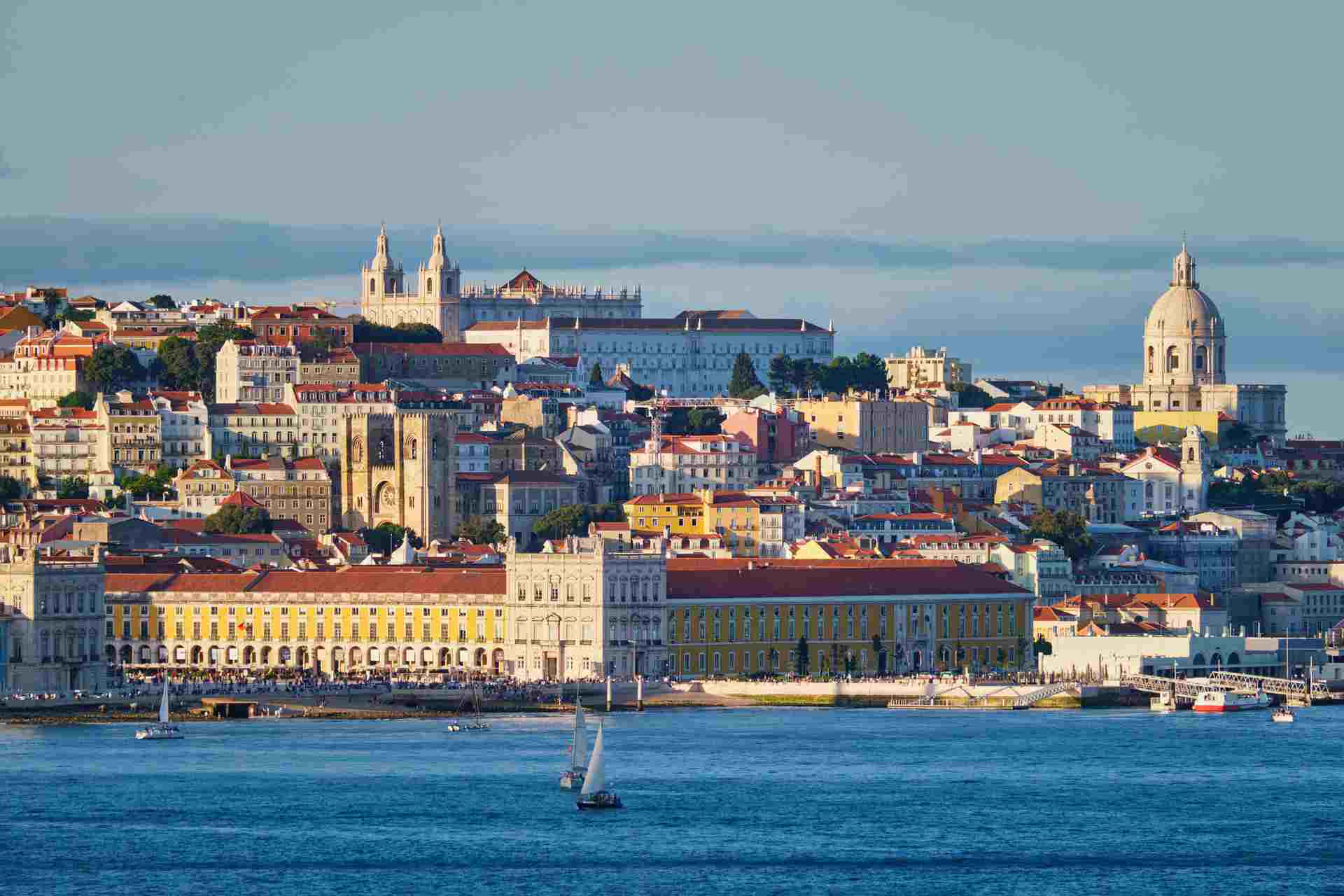
Day trips: Sintra trains leave Rossio Station every 20 minutes (€4.90 return, adult). Cascais trains leave Cais do Sodré (€5.10 return, 40 minutes). The Lisboa Card — 24h €22 / 48h €37 / 72h €46 — covers unlimited transport plus free entry to 39 attractions. If you're hitting Jerónimos Monastery, the Monument to the Discoveries, and the aquarium, it pays for itself easily.
The Best Day Trips from Lisbon
Sintra is 30 km out and completely different — forested hillside, palaces, UNESCO status since 1995. The Palace of Pena (€14) is the candy-colored one plastered all over Instagram. Worth it. Quinta da Regaleira (€10) is smaller, weirder, and has an initiatory well that spirals into the earth — honestly more interesting than the famous palace. Leave Rossio by 9 AM. Summer weekend queues at Pena are brutal by 11 AM.
Cascais is the easier, breezier option — 40 minutes, €5.10 return. Seaside resort, good seafood, beach a short walk from the station. Lower tourist density than Sintra. The coastal walk to Boca do Inferno (dramatic rock arch, 20 minutes on foot from the station) is free and worth it.
Arrábida Natural Park (Setúbal) — underused, genuinely spectacular. You need a car or a tour (€50-80/person for day trips). Turquoise water at Portinho da Arrábida that makes people stop mid-sentence. It doesn't look like Portugal.
Where to Stay in Lisbon: A Quick Honest Breakdown
Budget (under €60/night): Mouraria district and Avenida Almirante Reis have solid guesthouses. Lisb-on Hostel in Baixa-Chiado does private rooms from €55 — clean, well-located, nothing fancy.
Mid-range (€80-150/night): Chiado and Príncipe Real are the sweet spots. Hotel do Chiado runs ~€120 in March or September. That same room hits €180+ in July. Book in shoulder season if you can.
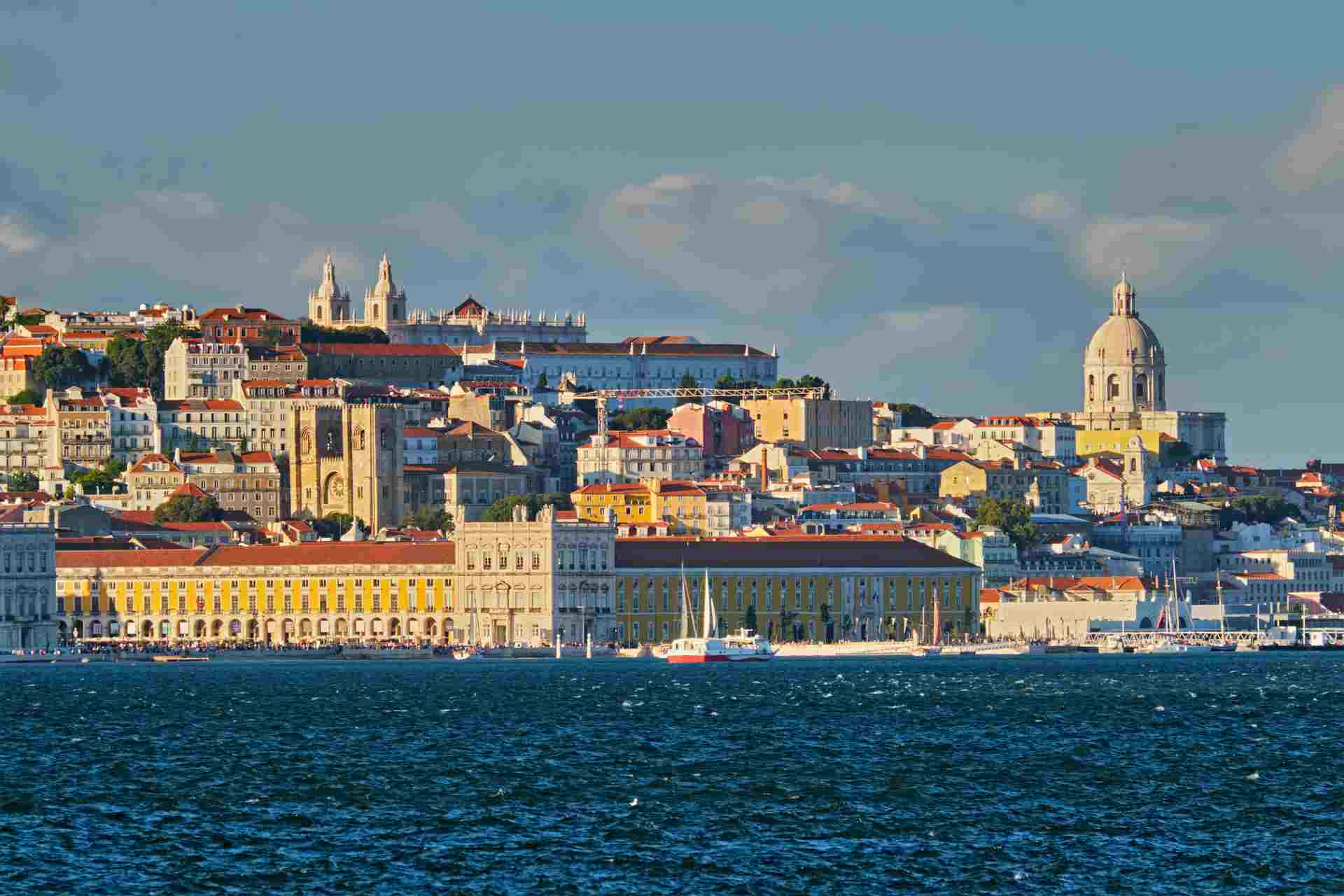
Splurge (€200+/night): Memmo Alfama — a boutique hotel with a rooftop pool looking straight over the Tagus. Spectacular. Book 8-10 weeks ahead for summer. Lisbon is at record tourism levels and central hotels go fast.
Do's and Don'ts for Visiting Lisbon
| Do's | Don'ts |
|---|---|
| Get a Viva Viagem card on arrival — €0.50 and saves money every ride | Pay cash at metro gates — costs more and wastes time |
| Eat lunch at a local tasca — €10 full meals are real and everywhere | Assume restaurants near monuments are good — most aren't |
| Book Cervejaria Ramiro ahead or arrive before 12:30 PM | Show up at 1 PM on Saturday expecting a short wait |
| Visit Alfama on a Tuesday or Saturday morning for the Feira da Ladra market | Leave your camera or bag unattended at the market |
| Walk downhill when possible — Lisbon hills are brutal upward | Underestimate the hills in sandals or flat shoes with no grip |
| Take the train to Sintra from Rossio Station, not a tour bus | Visit Sintra on a summer weekend without booking Pena Palace ahead |
| Use the Lisboa Card if you're visiting 3+ paid attractions | Buy it if you're only doing one day — do the math first |
| Wander Príncipe Real on a Saturday for the organic market | Stick only to Baixa — the best stuff is uphill |
| Eat a pastel de nata at Pastéis de Belém — €1.40 and worth the detour | Pay €4 for the same thing at an airport kiosk |
| Book fine dining (Belcanto, A Cevicheria) 3-4 weeks in advance | Walk in expecting a table at peak dinner hours |
| Try fado in Alfama at a smaller house, not a tourist-facing dinner show | Pay €80+ for a tourist fado dinner where the food is an afterthought |
| Take the train to Cascais for a half-day — easy, cheap, pretty | Rent a car in the city center — parking is brutal and unnecessary |
FAQs
How many days do you need in Lisbon?
Three days is the minimum to do it properly — you'll cover the historic core, Belém, and at least one proper evening in Alfama. Five days lets you breathe, add Sintra, and add Cascais without running anywhere. I've done it in two days once and it felt like speed-eating a very good meal. You technically finish, but you leave hungry.
What's the best time of year to visit Lisbon?
March to May and September to October. Warm enough for outdoor dining, cool enough that the hills don't destroy you, and noticeably less crowded than summer. July and August hit 35-40°C on bad days and tourist numbers to match. December-February is mild (12-15°C) and cheap, but pack for rain.
How do I get from Lisbon airport to the city center?
Metro Line Red runs from the airport directly to Oriente, then change for Baixa-Chiado. Takes 25-35 minutes, costs €1.61 with Viva Viagem. A taxi or Uber runs €15-25. Skip the unlicensed drivers who approach you in arrivals — they're there, they're persistent, and they're not worth it.
Is Lisbon expensive compared to other European cities?
Not particularly. Noticeably cheaper than Paris, London, or Amsterdam. A full lunch at a local tasca runs under €10. A pint of Sagres is €2.50-3.50. Where Lisbon has caught up is accommodation — central hotels in summer are no longer the bargain they were five years ago. Shoulder season is where the value lives.
What Portuguese food should I try in Lisbon?
Pastel de nata (non-negotiable), bacalhau à brás (salted cod with scrambled eggs), arroz de pato (duck rice with chouriço), and bifanas (pork sandwiches with mustard, €3 at a cafe, absurdly good). If you're eating seafood, Cervejaria Ramiro. If you want a full traditional meal under €15, find a tasca near Mouraria.
Can you visit Sintra and Cascais on the same day from Lisbon?
Technically yes, not comfortably. Leave Rossio by 8:30 AM, do 4-5 hours in Sintra (Pena Palace + Quinta da Regaleira), then train to Cascais for late lunch and a coastal walk. You'll have done both but shortchanged Cascais. Separate days if you have the time.