What to Wear in Japan: A Season-by-Season Packing Guide
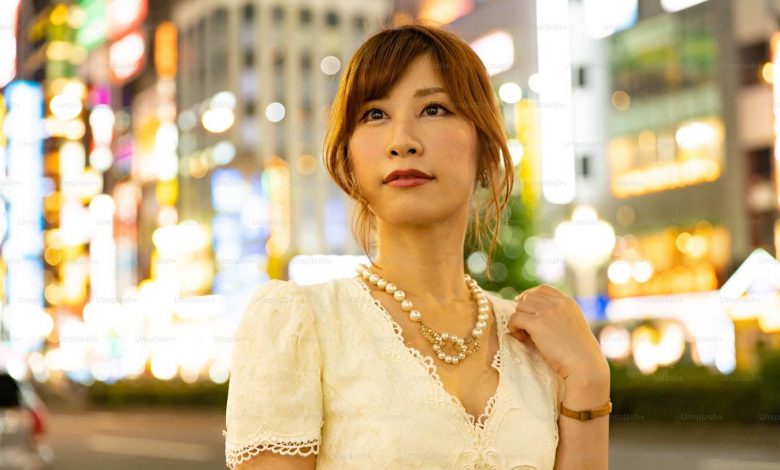
Packing for Japan gave me my first real travel anxiety spiral. I spent three nights down a Reddit rabbit hole, cross-referencing weather charts with temple etiquette guides and panicking about whether my usual travel wardrobe would get me side-eyed in Kyoto. Then I landed at Narita, walked out into brisk March air in my layered linen situation, and immediately understood: Japan rewards people who think in systems. Not capsule wardrobes with color stories — actual functional systems. The right base layer for a cold Fushimi Inari morning. Slip-on shoes for the fifth temple that requires you to take them off. A compact umbrella because June in Tokyo is not a suggestion. Knowing what to wear in Japan isn't about looking stylish (though that helps); it's about being comfortable enough to actually enjoy the place.
This guide is built for people visiting Japan across one or more of its four very distinct seasons — and they are genuinely distinct. Spring is mild and crowded and photogenic. Summer is humid enough to make you reconsider outdoor activities after noon. Autumn is the golden mean most travelers don't plan for. Winter is cold in a way that hits different when you're doing temple circuits in Nara. I've structured this by season, with specific brand callouts (yes, including where to buy in Japan), a temple dress code breakdown, and the packing list mistakes I've personally made so you don't have to.
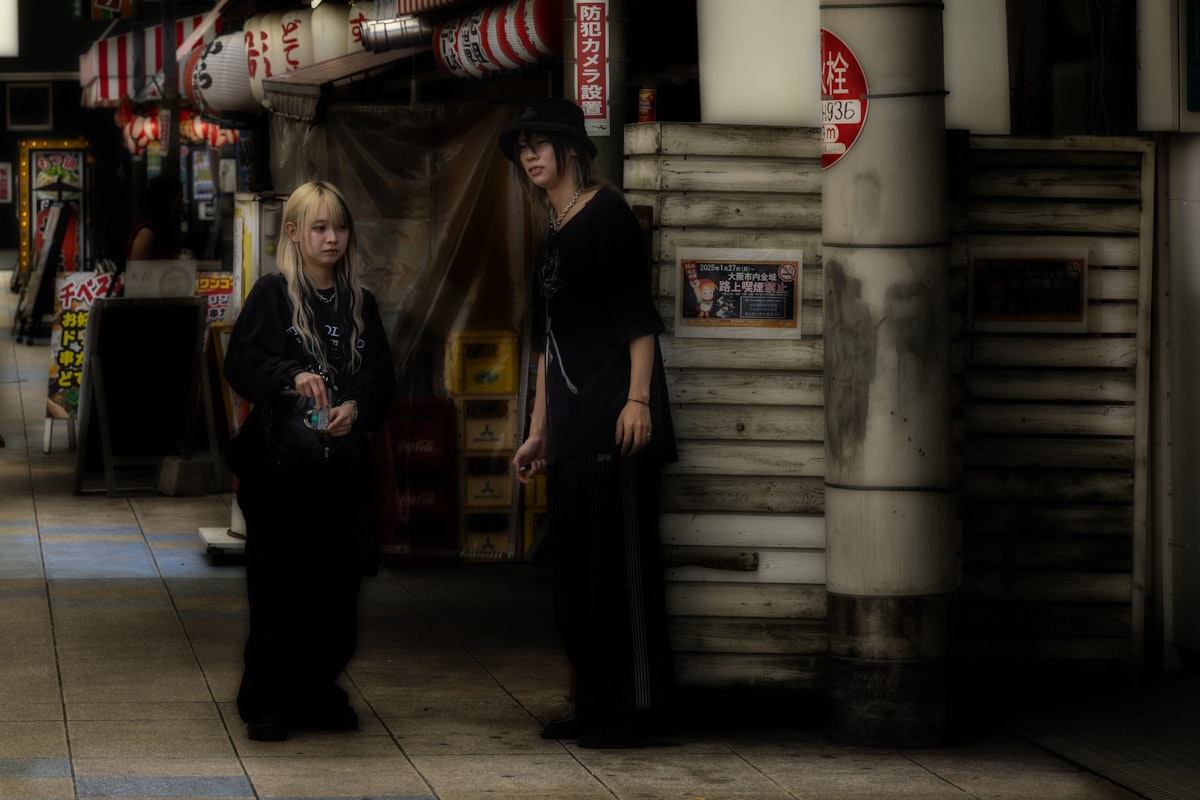
Spring in Japan (March–May): Layer Up, Dress Pretty
Cherry blossom season runs roughly late March through early April depending on the region — Tokyo usually peaks around March 25–28, while Kyoto trails by a week or so. Temperatures swing between 8°C at dawn and 18°C by midafternoon. That's not "it might be chilly" territory; that's genuinely cold mornings requiring real layers.
The move is a thin base layer under a light sweater, topped with a structured jacket you can tie around your waist by 2 PM. Uniqlo HEATTECH crew-neck shirts (around ¥1,290 at any Tokyo or Osaka Uniqlo) are the single best Japan travel purchase, full stop. Not dramatic — just true. They're thin enough to wear under a blouse and warm enough to make a 7 AM Philosopher's Path walk bearable. For your outer layer, a trench coat or light wool blazer handles the range. Muji does a clean merino wool cardigan in neutrals that layers perfectly — the Ginza flagship (6 floors, opened 2019) has the widest selection, though any Muji branch works fine.
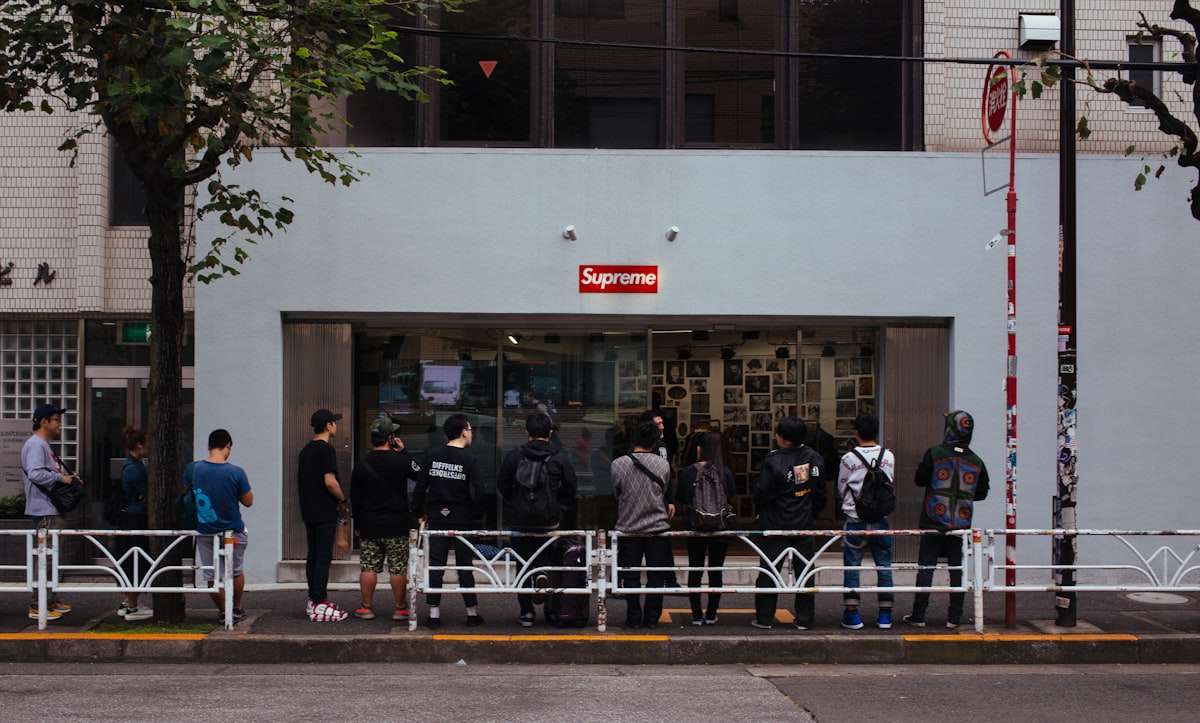
Footwear matters more in spring than any other season because you will be walking on uneven stone paths, gravel temple gardens, and wet grass during hanami picnics. New Balance 574s are almost the unofficial footwear of every Western tourist in Tokyo — comfortable enough for 25,000+ daily steps, and Japanese stockists like ABC-MART Shibuya tend to have colorways you can't find back home. Slip-on versions make shrine visits easier. Avoid anything with complicated lacing if you're doing heavy temple days.
Summer in Japan (June–August): The Humidity Is Real
Let me be direct: June in Tokyo is survivable. July and August are a different conversation. Peak summer temperatures hit 32–35°C with humidity that makes Singapore feel breezy. The rainy season (tsuyu) runs roughly early June through mid-July, adding persistent drizzle on top of everything.
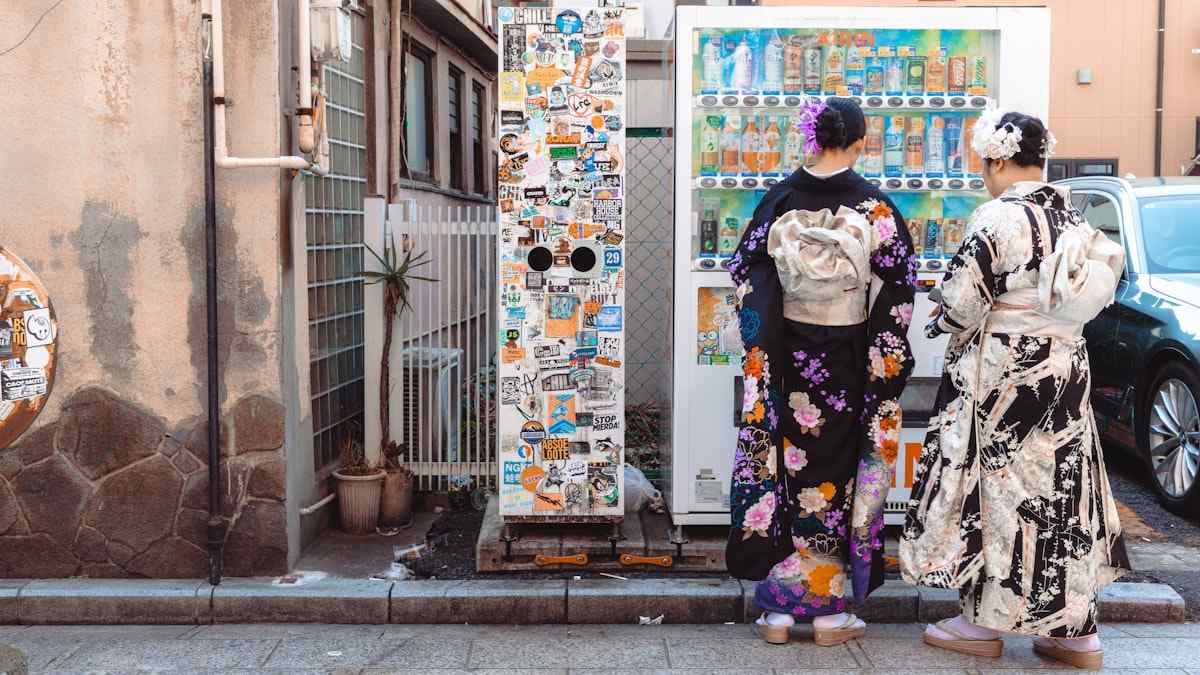
Linen is your best friend. Loose-fitting linen shirts, wide-leg cotton trousers, midi skirts with breathable fabric — all work. Uniqlo AIRism undershirts are worth the ¥1,490 price; they wick moisture in a way that actually holds up through a 3-hour museum circuit. Avoid synthetics that aren't specifically moisture-wicking — they'll stick to you within an hour. I made the mistake of packing a polyester blend dress one August and practically sprinted back to the hotel to change. Won't do that again.
One thing people underestimate: even in 35°C heat, you need a cardigan. Every single air-conditioned space in Japan — trains, convenience stores, restaurants, department stores — runs cold enough to make you uncomfortable in a tank top. Pack one lightweight layer you can throw on indoors and peel off outside. Adidas Ultraboost sneakers are a solid call for summer because their Boost sole ventilates reasonably well, and they handle both city walking and the occasional shrine gravel path. Find them at the Adidas Brand Core Store in Shinjuku (renovated and reopened April 2024 — huge floor space, good stock).
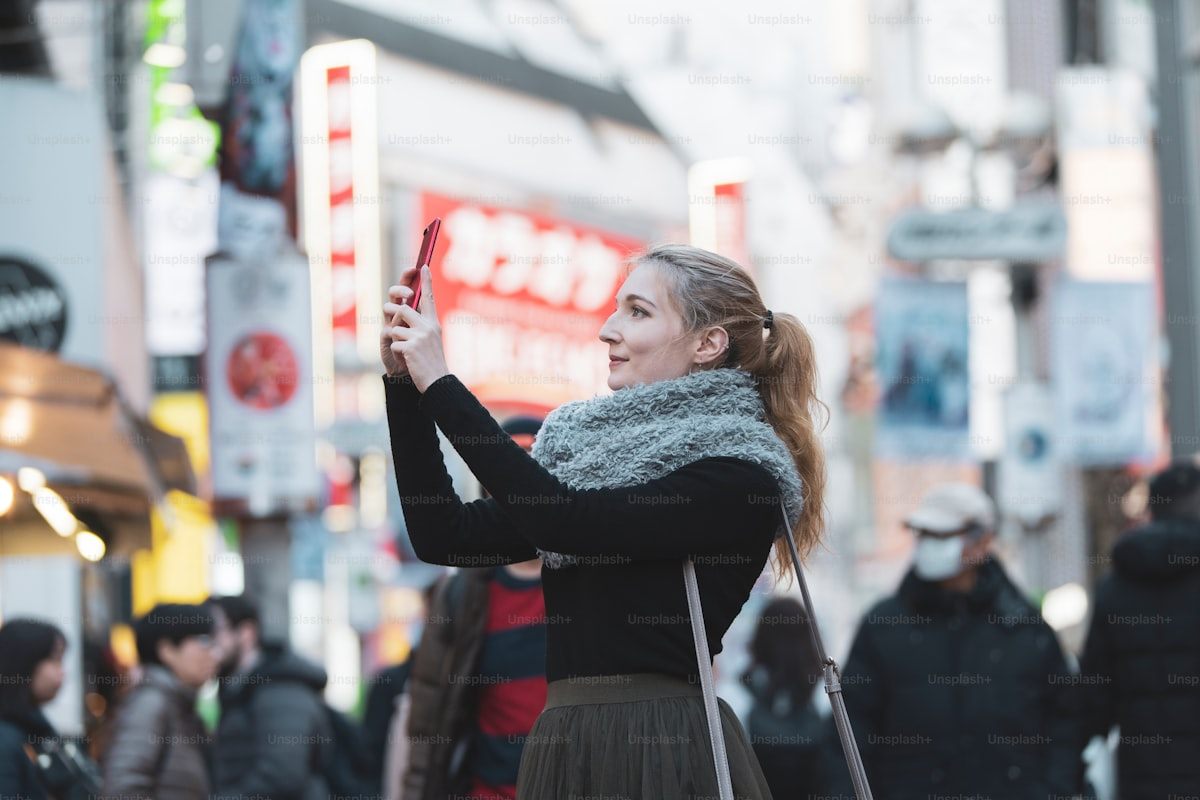
For rainy season specifically: a compact umbrella (Muji sells one that folds to 15cm), waterproof sandals or sneakers with decent grip, and water-resistant outerwear. Japanese people carry umbrellas religiously. You should too.
Autumn in Japan (September–November): The Best Season to Dress For
Honestly? Autumn is when Japan's fashion sense clicks with practical travel comfort more than any other time of year. September still carries summer warmth (18–28°C), October mellows into jacket weather (15–22°C), and November drops to cardigan-over-sweater territory (7–17°C in Kyoto, colder in Nikko or the mountains).
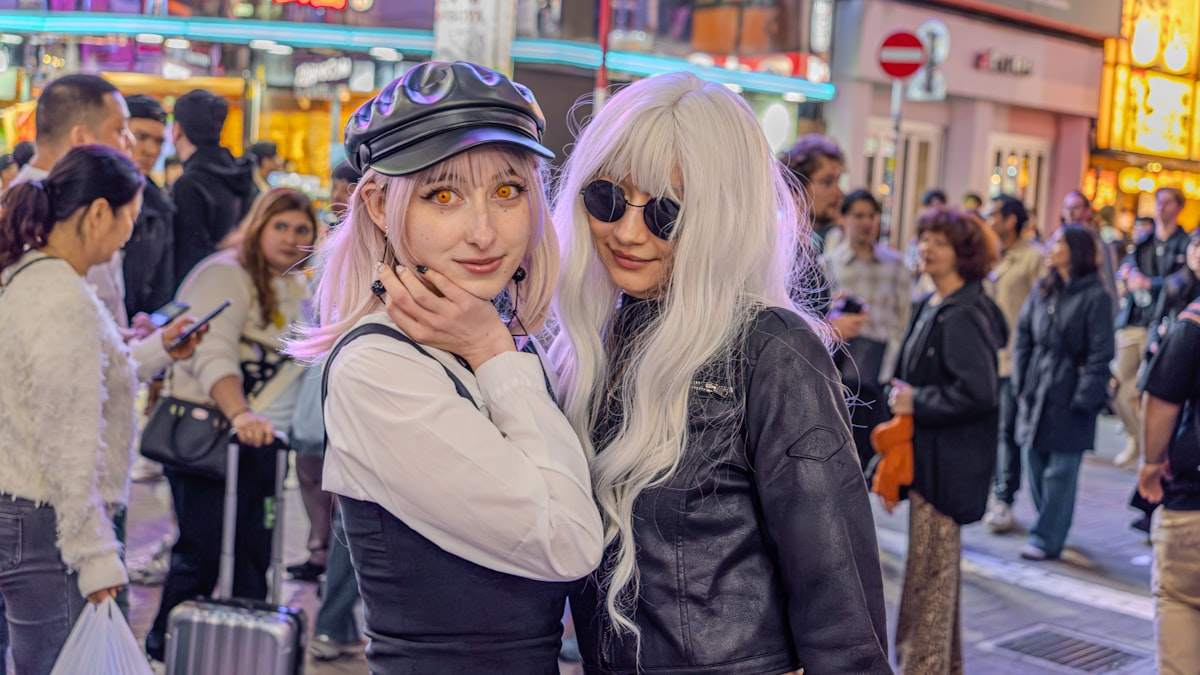
The color palette basically dresses itself — earthy burgundies, olive greens, and burnt oranges look genuinely good against maple foliage in Arashiyama or Korankei. A merino wool sweater (Muji or Uniqlo both do these well, priced around ¥3,990–¥5,990) layered over a simple turtleneck is the Kyoto autumn uniform. Add straight-leg jeans, ankle boots, and a structured overcoat and you're set for temple visits, evening kaiseki dinners, and everything in between.
Footwear note: November temple-hopping means cold wooden floors when you take your shoes off. Wear decent socks. Thick, good-looking socks. The Japanese take socks seriously and you'll see why the moment you're standing on a freezing engawa in paper-thin ankle socks.
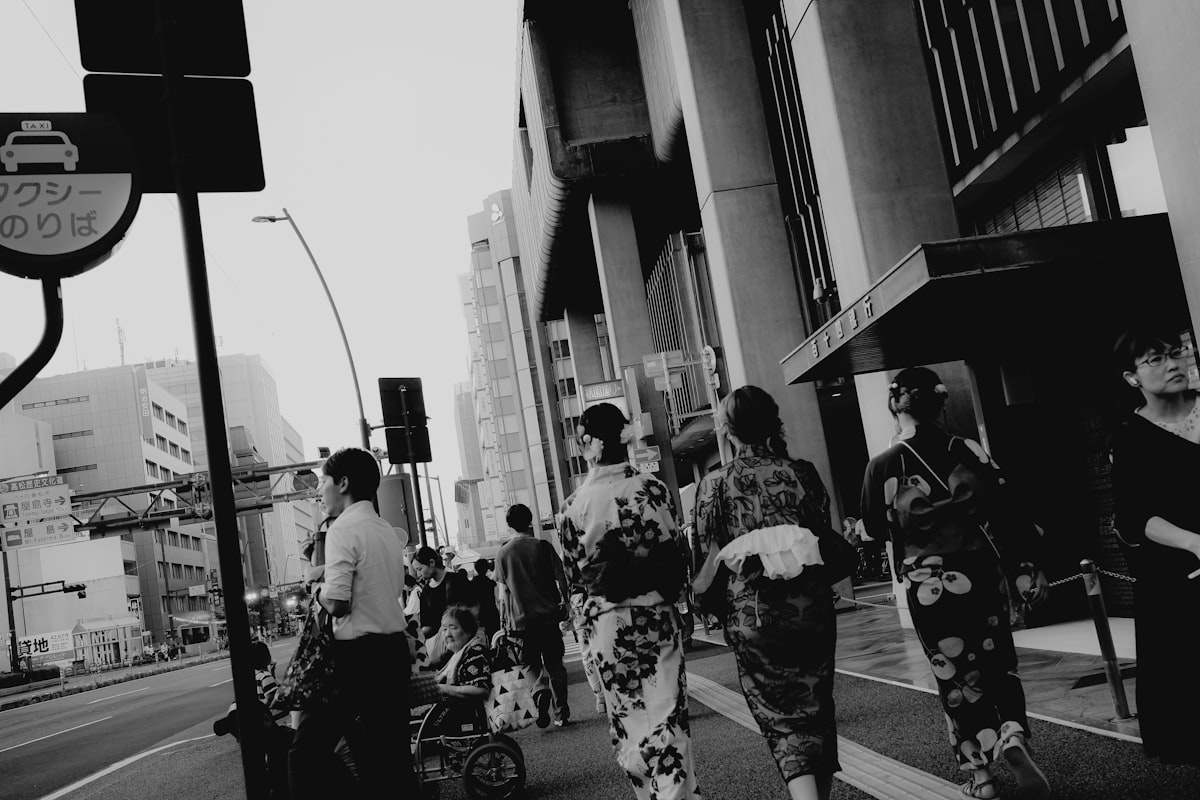
Winter in Japan (December–February): Go Thermal or Go Home
Winter in Japan means proper cold. Tokyo averages 2–9°C in January. Hokkaido gets below -10°C. Even Osaka drops to 3–5°C overnight. This is where Uniqlo HEATTECH earns every yen of its modest price tag.
The HEATTECH line has three tiers: standard HEATTECH (¥1,290, for temperatures around 5–10°C), Extra Warm (¥1,990, down to 0°C), and Ultra Warm (¥2,990, rated for -20°C). For Tokyo in January, Extra Warm is the call. For Sapporo or a Hakuba ski trip, go Ultra Warm and don't second-guess it. International visitors can shop tax-free at Uniqlo with a spend over ¥5,000 — passport required. The Ginza Global Flagship (12 floors) has the full HEATTECH range; Shinjuku stores near the station are more convenient if you're rushed.
Outside thermals: a good wool coat, a chunky knit, scarf and gloves, and waterproof boots if you're heading anywhere with snow. New Balance 574s don't cut it in Hokkaido in February — add a pair of waterproof insulated boots to your Japan packing list for any winter mountain side trip. In Tokyo itself, stylish leather ankle boots work fine since actual snowfall is rare (though 2024–2025 winter saw a couple of surprise snowstorms, so check forecasts close to departure).
What to Wear in Japan at Temples and Shrines
No strict dress code exists at most Japanese temples and shrines. None. What matters is basic modesty and the practical reality that you'll be removing your shoes. That said — showing up to Senso-ji in Asakusa in a crop top and micro-shorts reads as careless, not confident. Shoulders covered, shorts and skirts at knee length or below, nothing too tight. A lightweight scarf doubles as a wrap for temples in summer. Smart casual is always right.
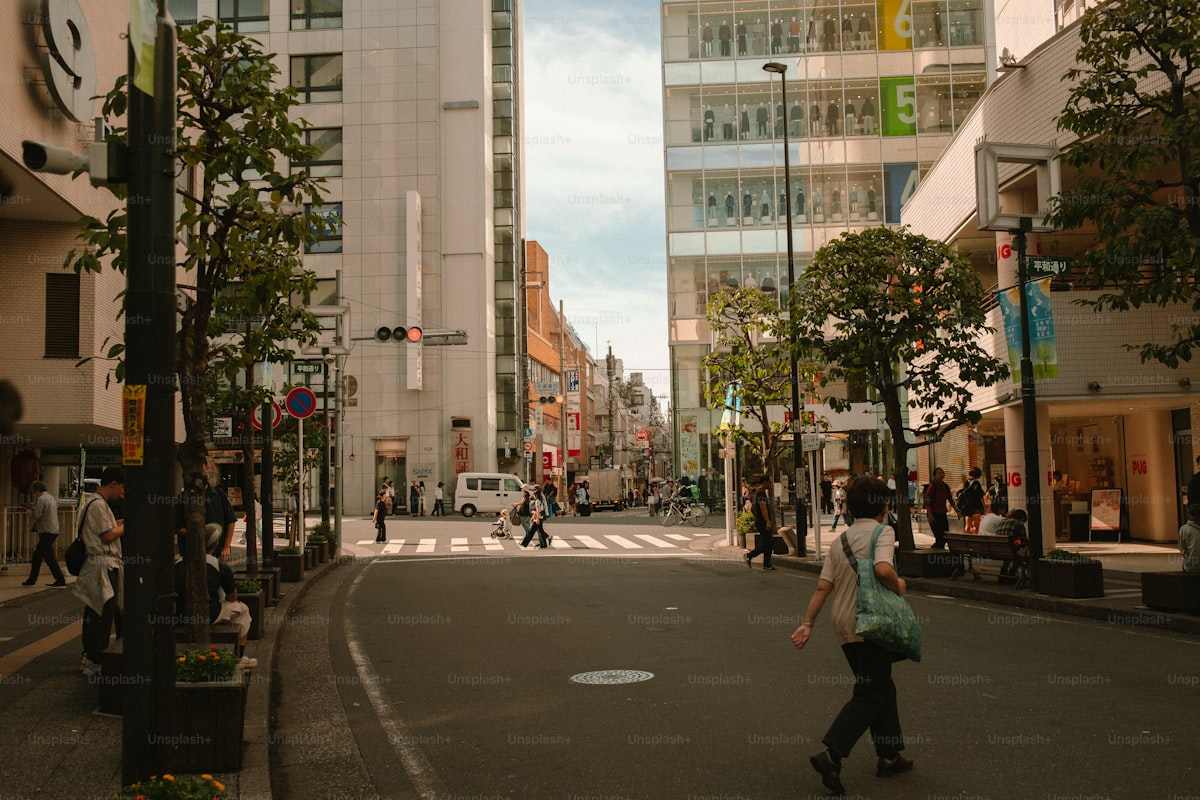
The real dress code is footwear logistics. Lace-up boots at a temple that requires shoe removal (like some tatami-floored interiors at Nijo Castle) is a slow, awkward production. Go for slip-ons or easy-on sneakers on heavy temple days. Socks in winter — always.
Japan's Street Style and Shopping: Buy Here, Not Before
One of the genuinely good arguments for packing light in Japan is that its shopping is exceptional. Uniqlo and Muji items are often 20–30% cheaper than in the US, UK, or Australia, especially on sale. atmos sneaker stores in Shibuya and Osaka (atmos pink LUCUA at 2F, 3-1-3 Umeda, Osaka) carry New Balance and Adidas colorways that aren't sold outside Japan. ABC-MART Shibuya stocks Adidas Ultraboost and New Balance 574 in sizes that can be hard to find at home.
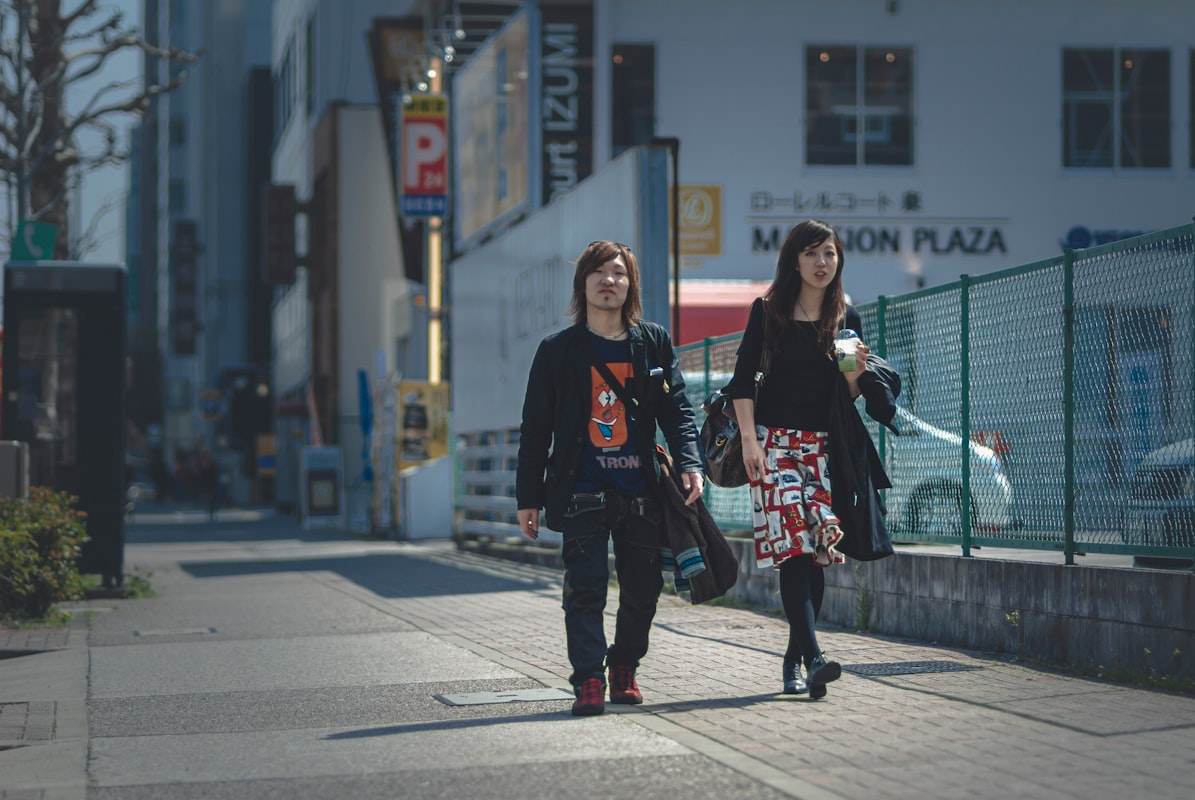
Bring your passport everywhere for tax-free shopping — the 10% consumption tax is refunded on purchases over ¥5,000 at most department stores. Isetan Shinjuku, Takashimaya Osaka, and Loft branches everywhere are worth browsing for the kind of functional-meets-stylish travel accessories the Japanese have mastered.
Do's and Don'ts for What to Wear in Japan
| Do's | Don'ts |
|---|---|
| Pack Uniqlo HEATTECH base layers for winter — buy them in Japan at ¥1,290–¥2,990 | Don't skip thermals thinking Japan's winters are mild — Tokyo January averages 2–9°C |
| Wear slip-on shoes on temple-heavy days to avoid the shoe-removal shuffle | Don't wear lace-up boots if you're doing 4+ temple visits in one day |
| Carry a compact umbrella in June and July — rainy season is relentless | Don't rely on a hotel umbrella; buy a proper compact one at Muji for ¥990 |
| Layer clothing in spring and autumn — temperatures swing 10°C from morning to afternoon | Don't pack a single-layer outfit for cherry blossom season; you'll freeze at 7 AM |
| Pack a cardigan for summer — every Japanese building runs arctic AC | Don't assume hot weather means no layers needed indoors |
| Choose breathable linen or Uniqlo AIRism for July–August heat | Don't pack polyester blends for summer unless they're explicitly moisture-wicking |
| Wear modest clothing at temples — knees and shoulders covered | Don't show up to Senso-ji in a crop top; it's not forbidden but it's disrespectful |
| Bring good walking socks, especially thick ones for winter temple floors | Don't go sockless in winter at temple interiors — cold wooden floors are unforgiving |
| Shop at atmos Shibuya or ABC-MART Shibuya for Japan-exclusive sneaker colorways | Don't buy New Balance or Adidas at home if you want Japan-only releases |
| Use Japan's tax-free shopping with your passport (spend ¥5,000+ at Uniqlo, Isetan, etc.) | Don't leave your passport at the hotel on shopping days — you'll miss refunds |
| Pack neutral tones that layer and mix easily across your whole trip | Don't overpack — most Japan hotels have small luggage storage and tiny rooms |
| Bring moisture-wicking fabrics and a small towel for August humidity | Don't underestimate Japanese summer heat; plan indoor AC breaks every 2 hours |
FAQs
What to wear in Japan in winter if I'm visiting Hokkaido or ski areas?
Hokkaido winters are serious — Sapporo temperatures drop below -10°C in January and February, and Niseko gets heavy snowfall. You need proper thermal layers (Uniqlo HEATTECH Ultra Warm, rated to -20°C, costs ¥2,990 in Japan), an insulated waterproof jacket, waterproof snow boots, and windproof gloves. Don't think of it as cold-city packing — think skiing gear without the actual ski pants. The Uniqlo Ginza flagship or Sapporo's Parco department store both stock the full Ultra Warm range. Base thermals, mid-layer fleece, and a down jacket as your outer shell covers most Hokkaido conditions.
What is the dress code for temples in Japan?
There's no official written dress code at most Japanese Buddhist temples and Shinto shrines. The practical standards are: cover knees and shoulders, avoid very tight or revealing clothing, and make sure your footwear is easy to remove since you'll be taking shoes off at many interiors and tatami spaces. A light scarf works as a shoulder cover in summer. The actual etiquette is more about behavior than clothing — keep voices low, follow the purification fountain ritual at shrines, stay off restricted areas. Nobody will turn you away at Senso-ji, but dressing thoughtfully is noticed and appreciated.
Is Japan good for shopping clothes? Should I pack light?
Yes, absolutely. Japan's fashion retail is exceptional — Uniqlo, Muji, and department stores like Isetan Shinjuku stock high-quality basics at prices often 20–30% below Western retail. International shoppers get tax-free purchasing on spending over ¥5,000 with a passport. If you're visiting in winter, buying HEATTECH in Japan is genuinely cheaper than buying it at home. The counter-argument: Japanese sizing runs small, so if you're on the larger end of Western sizing, some items won't be available. Check sizing charts ahead of time or buy your basics before you go and shop for accessories and shoes in Japan.
What should I wear in Japan in spring during cherry blossom season?
Plan for layers — March mornings start at 5–8°C before warming up to 15–18°C by afternoon. A HEATTECH base layer under a light sweater, topped with a trench coat or blazer, gives you the range you need. For the actual hanami (cherry blossom viewing picnic) aesthetic, pastel tones, floral prints, and relaxed silhouettes fit naturally. Slip-on loafers or New Balance sneakers handle both gravel shrine paths and the flat urban walk from Shinjuku Gyoen to wherever you're picnicking. Bring a folding bag — you'll be shopping at Uniqlo within 48 hours.
Can I wear shorts in Japan?
Yes, shorts are completely fine in Japan in summer — nobody will stare. The caveats: wear them knee-length or close to it at temples and shrines, and be aware that many restaurants (particularly traditional kaiseki or izakaya with tatami seating) will seat you cross-legged on the floor, which changes how shorts feel. Longer shorts or linen trousers are more versatile for a day that moves from sightseeing to dinner. In terms of local culture, Japanese men and women tend to dress more covered even in 35°C heat, so very short shorts will read as foreign rather than offensive. Fine, just context-aware.
What shoes are best for walking around Tokyo and Kyoto?
Comfort is non-negotiable. Tokyo and Kyoto days regularly hit 20,000–30,000 steps. New Balance 574s are a perennial top choice — cushioned, stylish enough for Japan's aesthetic-forward streets, and available in Japan-exclusive colorways at ABC-MART Shibuya and atmos. Adidas Ultraboost is a genuine contender if you prioritize cushioning over style; the Shinjuku flagship (renovated April 2024) has a wide selection. If you're doing a lot of temples, add one pair of easy slip-on shoes for those days — loafers, Vans Old Skools, or clean sandals all work. Heels are a mistake on cobblestone shrine paths. Not worth it.
What's the best way to handle Japan's rainy season fashion-wise?
Tsuyu (rainy season) runs roughly early June to mid-July across most of Honshu. The approach: light water-resistant jacket (not a full rain suit, just something that handles drizzle), waterproof sneakers or sandals with grip, and a compact umbrella you keep on you always. Muji's 15cm folding umbrella is a classic. Quick-dry fabrics are worth seeking out — linen dries faster than cotton, and Uniqlo AIRism dries faster than both. Don't bother with full rain gear unless you're hiking; most Japan rainy season rainfall is the persistent grey drizzle variety rather than downpour. Plan indoor breaks at konbini, coffee shops, or department stores when it gets heavy.