Dubai Travel Guide: Best Things to Do Beyond the Burj Khalifa
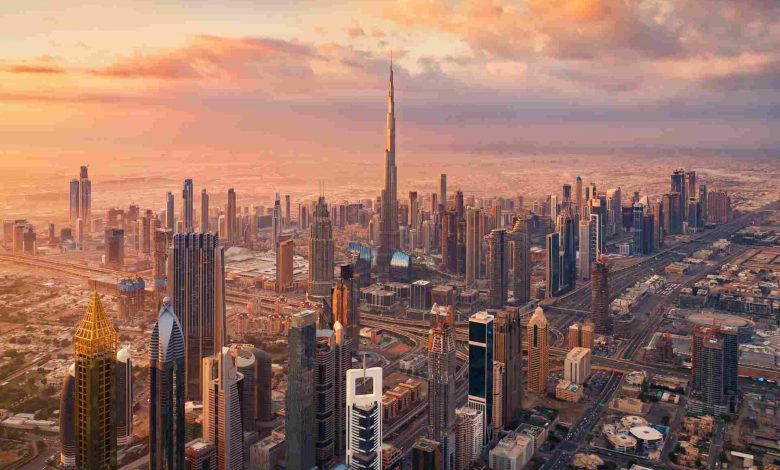
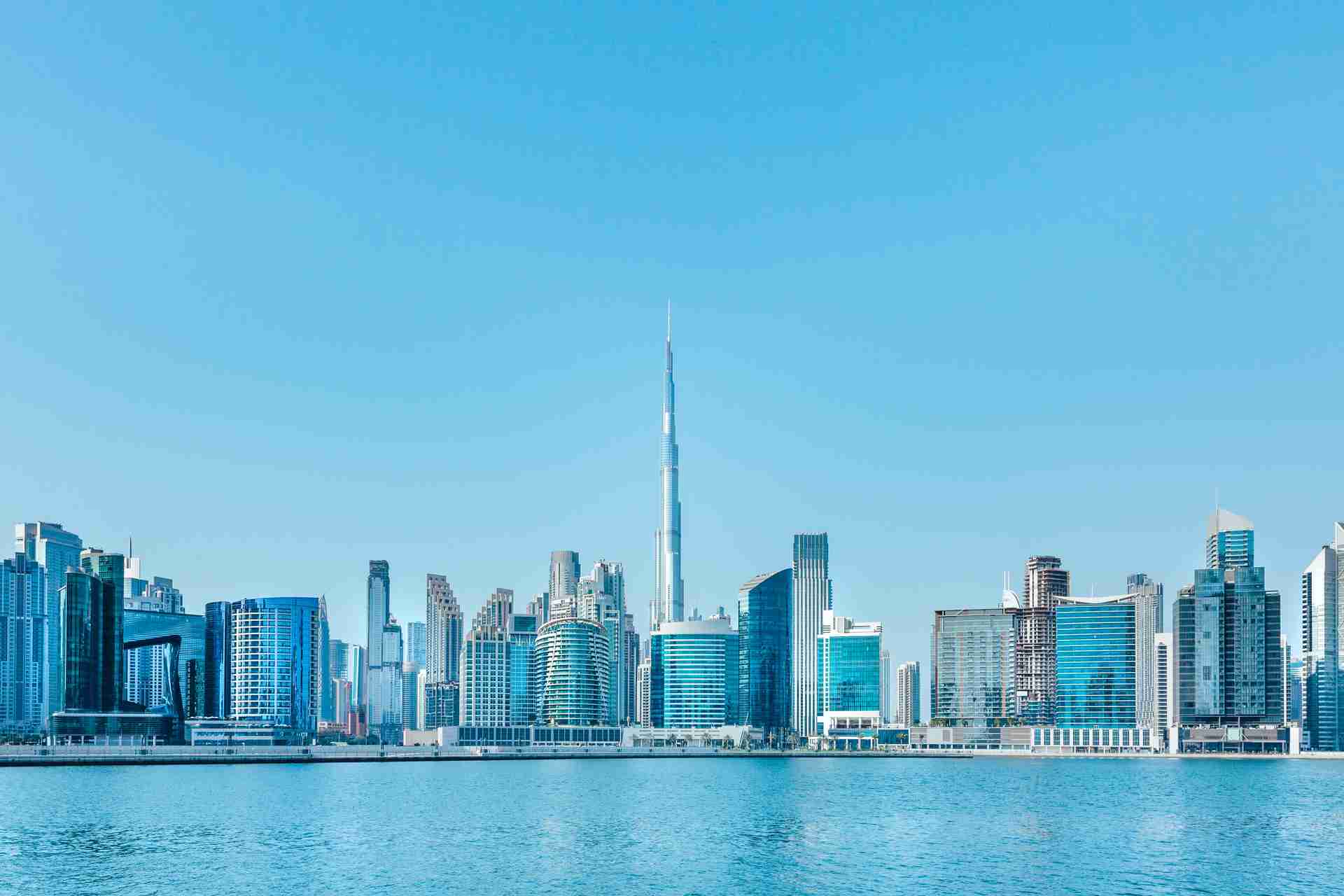
Everyone warned me about Dubai. "It's just malls and skyscrapers," a friend said. She'd been in 2019 for a layover. I went for ten days in January 2025 expecting glitzy excess and not much else — and came back genuinely surprised. Yes, the Burj Khalifa is impressive (you do have to go). But the part of Dubai that stuck with me was the creek-side of Deira at 7am, the smell of cardamom and sandalwood drifting out of the spice lanes, men in kanduras sipping karak chai at plastic tables. That version of the city barely makes it into any Dubai travel guide. This one tries to cover both — the spectacle and the substance.
Dubai moves fast. Things I'd read about from a 2023 article were already gone or transformed by the time I got there. The Museum of the Future — that striking torus-shaped building on Sheikh Zayed Road — was still pulling enormous crowds, admission at AED 169 for adults. Atlantis The Royal had settled into its role as the city's most talked-about new resort, with rates starting around $496/night but stretching well past $2,000 for the signature suites. The Gold Souk in Deira was, as ever, completely overwhelming in the best way. This guide covers the real itinerary — the one you'd plan if you had 5–7 days and wanted to actually understand the place, not just photograph it.
Old Dubai: Al Fahidi, the Creek, and Deira
Skip the Uber and take an abra across Dubai Creek. It costs AED 1 — one dirham — and the five-minute crossing between Bur Dubai and Deira is one of the best things you'll do in the city. On the Bur Dubai side, the Al Fahidi Historical Neighbourhood is a cluster of wind-tower buildings from the late 1800s, now housing galleries, cafes, and the Dubai Museum (entry AED 3, which is not a typo). The lanes are narrow and shaded — genuinely pleasant to walk, unlike most of Dubai.
On the Deira side, the Gold Souk is a covered arcade with over 380 shops selling 22-karat bangles, diamond pieces, and statement necklaces at prices that make Western jewellery stores look like a scam. Damas Jewellery has a big presence here if you want something with a receipt and certification. The Spice Souk is a two-minute walk away — saffron from Iran, dried limes from Oman, frankincense resin in paper bags. Vendors will try to hand you things to smell. Let them. The whole area is best between 9–11am before the heat locks in.
The Desert Safari: What's Worth It and What Isn't
There are roughly 180 licensed desert safari operators in Dubai. Most offer near-identical packages: dune bashing by 4×4, camel ride, sandboarding, henna, a BBQ dinner, and a belly dance show. The question is who you trust to do it without breaking your spine on the dunes.
Arabian Adventures is the legacy operator — big, organised, and reliable. Desert Journey Tourism has been running DTCM-licensed tours since 2013 and gets consistently good reviews. For a shared evening safari, budget AED 200–250 per person (roughly $55–68). Private tours for two run around AED 3,900. Overnight safari with stargazing and a camp breakfast starts around AED 716. Book any of these on a weekday in the off-season (June–September) and you'll pay 15–20% less, though June in the desert is, admittedly, an act of faith. The dunes near Al Awir Road are where most tours go. Go once. Worth it, completely.
Luxury Hotels: Where to Stay If You're Splurging
Atlantis The Royal on Palm Jumeirah is the obvious pick if money is not the constraint. It opened in early 2023 and hasn't lost its novelty — 795 rooms and suites, many with private infinity pools overlooking the Gulf. The restaurant lineup includes Nobu by the Beach, Dinner by Heston Blumenthal, and Jaleo by José Andrés. It's enormous and loud and spectacular, and the Aquaventure water park access is free for guests.
The One&Only The Palm is the quieter alternative — boutique, private beach, lower density, and the kind of place where the service feels unhurried. For architecture nerds, the Armani Hotel Dubai inside the Burj Khalifa is genuinely remarkable: Giorgio Armani designed every room, every fixture. You're essentially sleeping inside one of the world's tallest buildings, with a direct walkway into the Dubai Mall below.
The Address Downtown is a strong mid-tier luxury option — great location near the Fountain, rates from around AED 1,100–1,400/night, and the rooftop bar has front-row views of the Burj Khalifa light show.
Airbnbs in Dubai Marina and JBR
If hotels feel too corporate, Dubai Marina and Jumeirah Beach Residence (JBR) have a dense supply of well-rated Airbnb apartments. A 1-bedroom in the Marina runs roughly $120–180/night in shoulder season, and you're within walking distance of the Marina Walk, beach tram, and about forty restaurant options. Look for units in the Cayan Tower or JBR's La Vie building — both have infinity pools, gyms, and direct beach access. The JBR strip itself is walkable in the evenings after 6pm, which is when it comes alive: street performers, food trucks, families pushing strollers, the whole chaotic pleasant mix. Much more neighbourly than staying in Downtown.
The Dubai Shopping Guide: Beyond the Mall
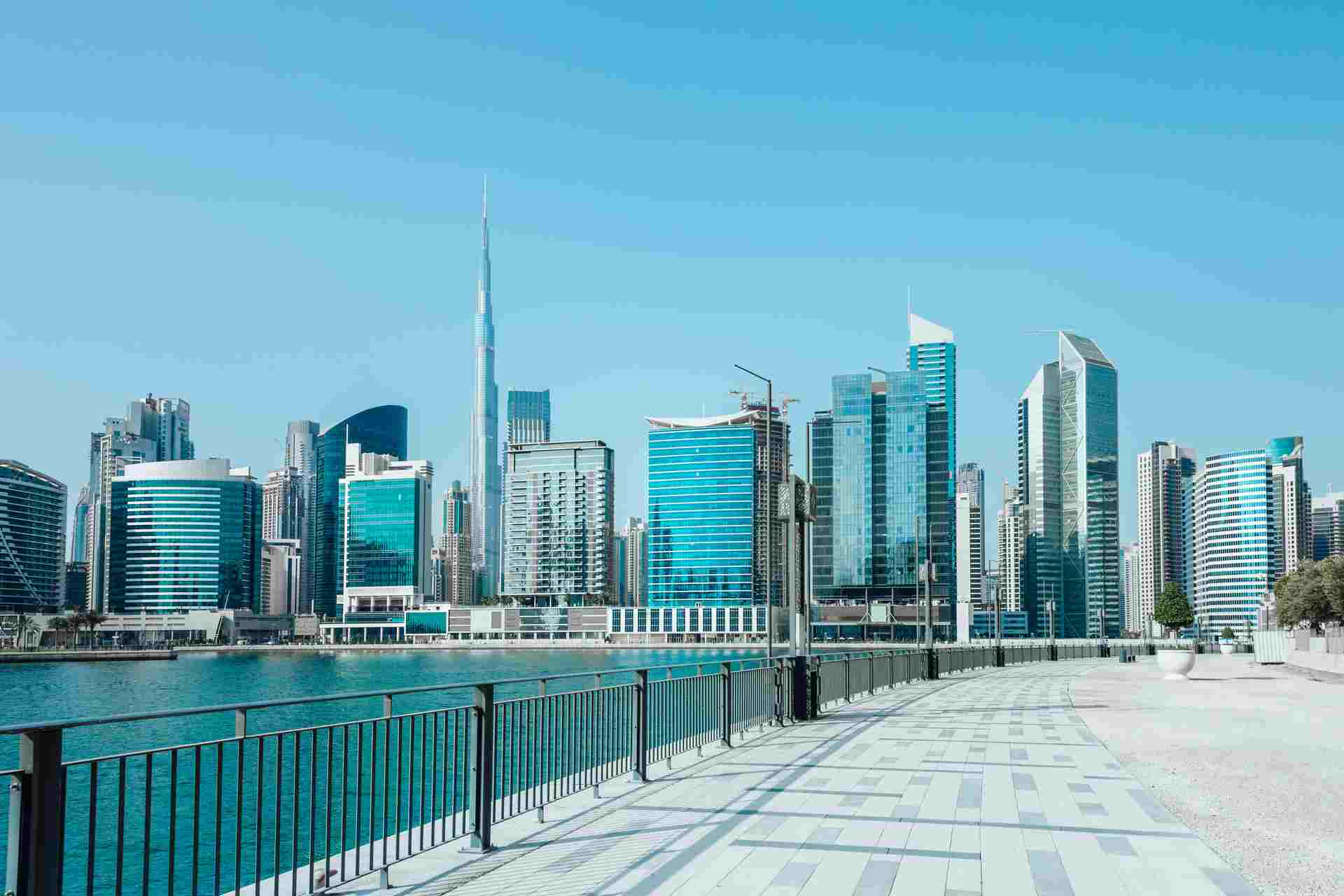
Dubai Mall is not overrated exactly — it's just enormous and impossible to properly see in a day. The ice rink is inside it. So is a massive aquarium. The THAT Concept Store on the ground floor is one of the better spots for actual local design and brand shopping. KidZania is in there if you have children.
But the better shopping experience, honestly, is the Gold Souk negotiation — start at half the asking price, expect to settle at 65–70% of the original. Textile Souk near Al Fahidi is good for silk and cotton fabric by the metre, useful if you want a custom piece made. The Global Village (open November through April) is a theme-park-style market with pavilions from 90+ countries — kitsch, yes, but also genuinely interesting if you want oud perfume from Egypt or Turkish ceramics at decent prices. Entry is AED 22.
For high-end fashion, the Mall of the Emirates has every major European label plus Ski Dubai (yes, actual skiing, indoors). Harvey Nichols is in the Dubai Mall if you want your regular department store hit. But the real reason people fly to Dubai to shop is the gold and jewellery — the prices per gram are lower than almost anywhere in the West, and the craftsmanship in the souk is extraordinary.
The Museum of the Future and Sheikh Zayed Road
The Museum of the Future on Sheikh Zayed Road deserves the hype it still gets. The building alone — a torus covered in Arabic calligraphy, no windows, cantilevered at an angle — is worth seeing from outside at night when it's lit up. Inside, the exhibits span five floors themed around future sustainability, space habitation, health, and consciousness. It's more art installation than traditional museum, which works better than you'd expect. Tickets are AED 169 for adults and must be booked online in advance — walk-up tickets aren't sold at the door. Allow two to three hours.
Down Sheikh Zayed Road, the Dubai Frame (AED 50 entry) is a giant picture frame structure straddling old Dubai and new Dubai — one side overlooking Zabeel Park and old neighbourhoods, the other facing the skyscrapers. The glass floor walkway at the top is predictably terrifying and worth five minutes of your time.
Food: Where to Actually Eat
The dining scene in Dubai is genuinely world-class, and not only at the luxury end. Ravi Restaurant in Satwa is a Pakistani institution that's been open since 1978 — lamb karahi for under AED 40, open until 3am, always packed with locals and cab drivers. That's the endorsement you want. Operation Falafel in the Marina does solid Lebanese street food. For something more polished, Trèsind Studio near DIFC has a tasting menu that's been on the Asia's 50 Best list — around AED 750 per person without drinks. Nobu at Atlantis remains the reliable splurge for Japanese-Peruvian fusion, though the Palm location is slightly more relaxed than the Atlantic one.
The karak chai culture is real and worth engaging. Small roadside tea shops serve it in tiny cups — heavily spiced black tea with evaporated milk — for AED 1–2. This is the actual local refreshment. Go find it.
Do's and Don'ts for Dubai Travel
| Do's | Don'ts |
|---|---|
| Book Museum of the Future tickets online before you arrive — no walk-up sales | Don't show public affection; even handholding in conservative areas can draw attention |
| Take the abra across Dubai Creek for AED 1 — best one-dirham you'll spend | Don't dress in beachwear away from the beach or pool; cover up in malls and souks |
| Bargain in the Gold Souk — start at 50% of asking and expect to meet around 65–70% | Don't use unlicensed desert safari operators; check DTCM licensing before booking |
| Visit the Spice Souk and Al Fahidi before 11am while it's still cool | Don't rely on Dubai taxis to know every address — share the Google Maps pin |
| Get a Nol card (AED 6 + credit) for the Metro — it covers tram and some buses too | Don't eat during Ramadan in public if you're not Muslim; find indoor restaurants |
| Try karak chai from a roadside stall — AED 2 and worth the detour | Don't skip the Dubai Frame just because it looks gimmicky — views are genuinely good |
| Book your desert safari on a weekday for 15–20% savings | Don't buy gold without asking for a certificate of authenticity and checking the karat |
| Stay in Dubai Marina or JBR for a more walkable neighbourhood feel | Don't pack shorts you'd wear at home — knee-length is more appropriate in the old city |
| Use Careem or Uber rather than street taxis for price transparency | Don't dismiss the food in Satwa and Karama — the cheapest meals are the best ones |
| Visit the Global Village if it's open (November–April) — entry is AED 22 | Don't expect nightlife like Ibiza — alcohol exists but only in licensed hotel venues |
| Keep a light scarf in your bag for mosque or cultural site visits | Don't assume all ATMs give AED — some dispense USD at poor rates near tourist spots |
FAQs
How many days do you need in Dubai as a first-time visitor?
Five days is the sweet spot for a first trip. Day one and two cover old Dubai — Al Fahidi, the Creek, Deira souks, Dubai Museum — then Downtown for the Burj and the Fountain show at night. Day three does Palm Jumeirah and the beach hotels, day four is a desert safari. Day five is flexible: Museum of the Future, Global Village if the season's right, or just a slow morning in the Marina with coffee. Seven days lets you breathe and fit in day trips to Abu Dhabi or Hatta.
What's the best time of year to visit Dubai?
November through March is the popular window — daytime highs of 24–28°C, clear skies, and outdoor activities are actually pleasant. January and February are peak months; prices for hotels are highest and you'll queue for everything. October and April are the shoulder shoulders — slightly warmer but noticeably fewer crowds and 10–20% cheaper hotel rates. Summer (June–September) is brutal — highs of 42°C+ — but flights and hotels are cheapest, and everything is indoors and air-conditioned anyway.
Is a Dubai desert safari worth the money?
Yes, once. The dune bashing in a V8 Land Cruiser is legitimately exciting, and watching the sun drop behind the dunes over a camp dinner is genuinely spectacular. The belly dancing and camel rides feel slightly packaged, but that's fine — it's a tourist experience and it knows it. AED 200–250 for a shared evening tour is reasonable value. Don't book the cheapest operator you find on a flyer at the airport.
What's the dress code in Dubai for tourists?
More relaxed than most people expect, but context matters. At the beach and pool — anything. In malls — standard casual wear, nothing overly revealing. In souks, old city areas, and mosques — cover your knees and shoulders. Women don't need to cover their hair in most public places, only inside mosques. Men in shorts is fine almost everywhere except inside mosques and some government buildings.
Is Dubai expensive for a holiday?
Depends entirely on how you do it. A night at Atlantis The Royal can run $2,000+. But a karak chai costs AED 2, a meal at Ravi Restaurant is AED 40, and the Metro will take you across the city for AED 8. Mid-range budget — a 3-star hotel in the Marina, street food for lunches, one splurge dinner — comes in around $120–160/day per person. Peak season (December–February) adds 20–30% to accommodation rates across the board.
What's the best area to stay in Dubai?
Downtown Dubai puts you closest to the Burj Khalifa, Dubai Mall, and the Fountain — ideal for first-timers who want zero hassle. Dubai Marina and JBR are better for a more neighbourhood-style stay with walkable beaches, restaurants, and a lively evening promenade. Deira is the most local-feeling area, great if you want to be near the souks and creek, and genuinely cheap for accommodation. Palm Jumeirah is the luxury-resort option — you're paying for the postcode as much as the room.
Do you need a visa to visit Dubai?
Citizens of the US, UK, EU, Australia, and most Western countries get a free 30-day visa on arrival. No advance application needed. You'll need a passport valid for at least six months, return flight, and proof of accommodation. Some nationalities do require a pre-arranged e-visa through the UAE government portal — check the ICP (Federal Authority for Identity) website if you're unsure.
What travel gear should I pack for Dubai?
A good power bank matters — you'll be photographing everything and the heat drains batteries faster. The Anker 10,000mAh MagSafe power bank is compact and excellent. Pack a Nomatic carry-on if you're doing carry-on only — the tech compartment is genuinely useful for keeping cables organized. Download offline Google Maps before you land. A VPN installed before departure is worth having since some apps (including certain VoIP calls) are restricted in the UAE. Light linen or moisture-wicking clothes are far more useful than anything heavy or structured.