Best Food Cities in the World: A Foodie’s Travel List
There's a specific kind of hunger that has nothing to do with skipping breakfast. It's the one that makes you book a flight to a city just to eat there. You've seen the clip of someone folding pizza al portafoglio on a Naples side street, and now nothing about your Tuesday at a desk feels acceptable. That's what the best food cities in the world do — they reach through a screen, grab you by the collar, and give you a very legitimate reason to spend your vacation money on carbohydrates and midnight market runs. I've been chasing that feeling for years, and the cities on this list actually delivered.
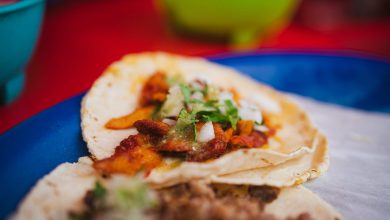
What makes a city a real food destination — not just a place with restaurants? It's when the food is woven into the actual DNA of the place: the street corners, the morning routines, the arguments locals have about which neighborhood does the better version of the dish. Bangkok lives in its 4 AM noodle stall just as much as in its fine dining rooms. Mexico City doesn't separate "fancy" from "street corner" — a taco al pastor from a spinning trompo at midnight can be the best thing you eat all week. This list covers six cities with that kind of food culture, with real prices and real spots that actually help you plan.
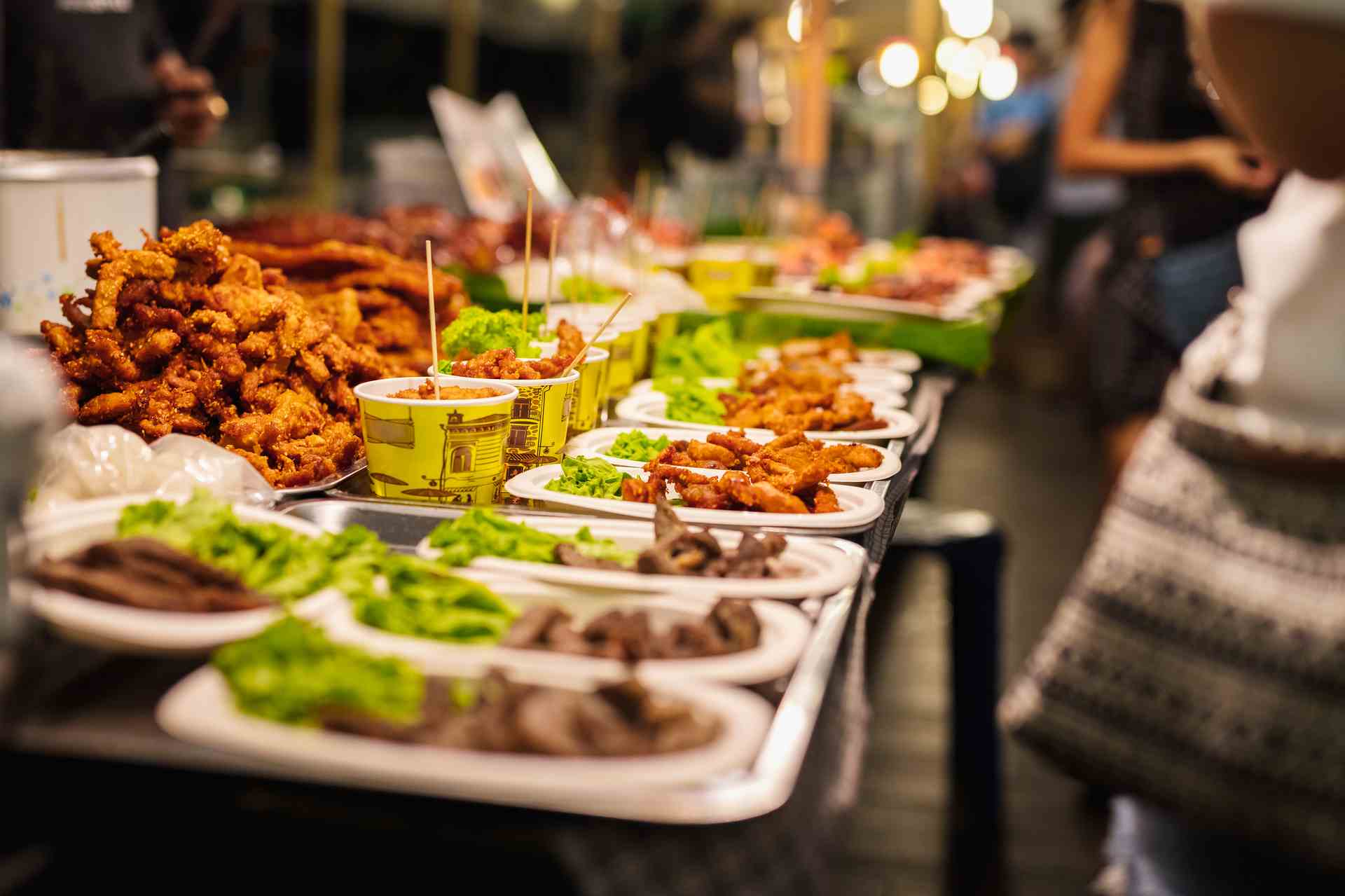
Bangkok: Where Street Food Is a Full-Time Religion
No list of the best food cities in the world survives without Bangkok at or near the top. Yaowarat Road in Chinatown comes alive around 6 PM — vendors fire up woks, crab claws hit the grill, and the sidewalk fills faster than any reservation system could handle. Guay Jab (rice noodle soup with braised pork) at Ouan Pochana runs 60–80 THB ($1.80–$2.40). Grilled river prawns at the open-air seafood spots along the main strip: 300–400 THB ($9–$12). Bangkok Food Tours runs a dedicated Yaowarat evening walk, roughly $35–$45 per person, covering ten-plus dishes including Michelin Bib Gourmand stalls. A Chef's Tour does a smaller version — max 8 guests — starting from Shanghai Mansion hotel at 479-481 Yaowarat Road. A full day of eating on street carts and market stools lands around 150–300 THB ($4.50–$9). That's not budget travel. That's just Tuesday there.
Mexico City: Tacos at Midnight, Fine Dining at Noon
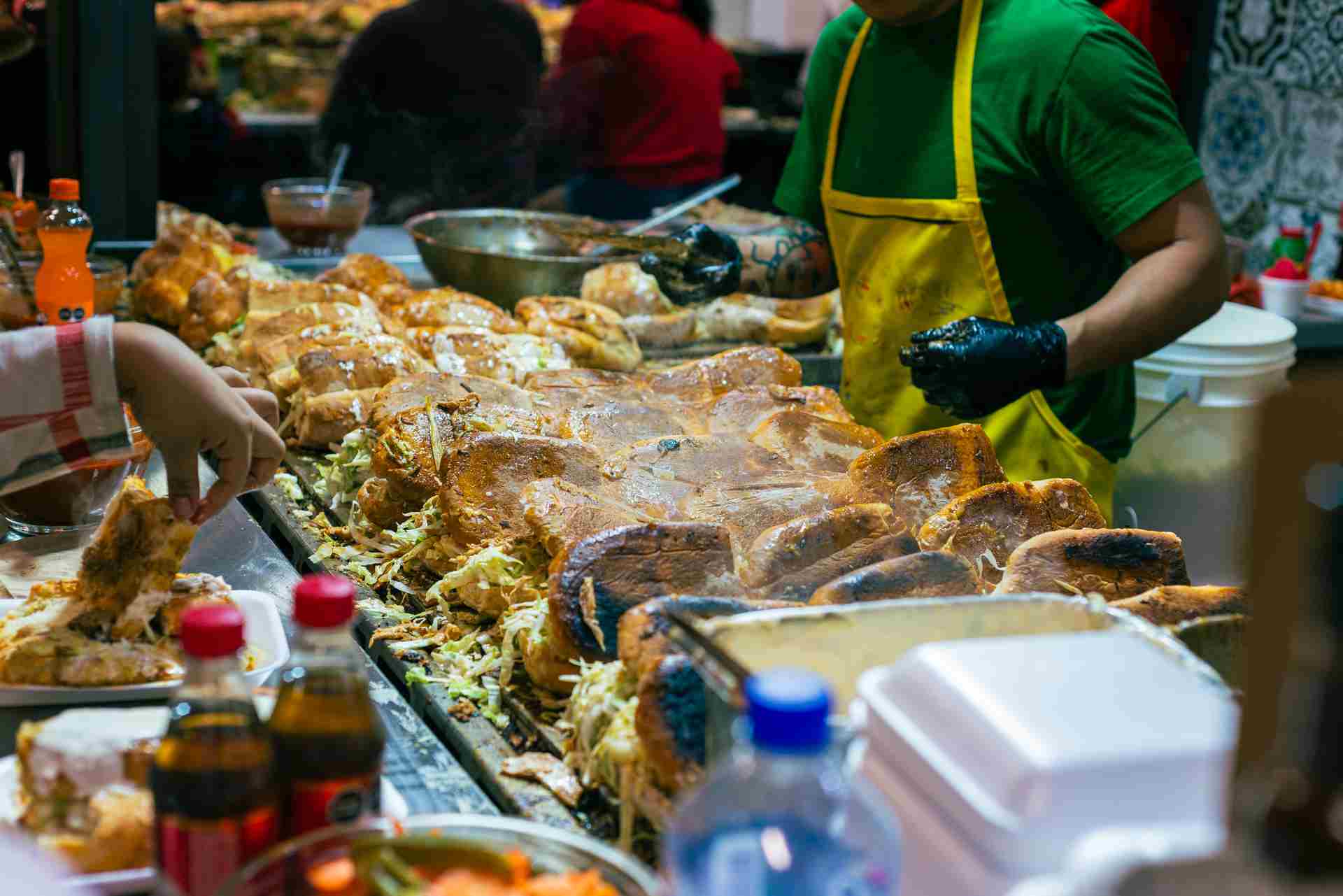
Mexico City refuses to pick a lane. Pujol in Polanco sits consistently among the world's top restaurants. Two kilometers away in Colonia Navarte, family-run taquerías have been doing the same thing for 80 years — no mood lighting, no reservations, just braised meat and flour tortillas. La Tonina in San Rafael has been running since the 1940s. Beatricita in Zona Rosa is pushing 110 years of the same recipe. Street tacos in residential neighborhoods cost 20–25 MXN each (just over $1). Dinner in Roma Norte at a proper restaurant: $25–$40 USD. Eat Mexico runs tours through Navarte and Coyoacán starting around $45 per person, going specifically to spots locals actually use. Culinary Backstreets has a deeper version with a guide named Paco who has encyclopedic knowledge of taco variations by neighborhood. I've eaten at taco stands I can't find on any map because someone pointed me down an alley — that's the real game in this city.
Tokyo: Precision Eating at Every Price Point
Tokyo has more Michelin stars than any other city on earth. Also ramen that costs $8. That's the thing — the precision applied to a three-star kaiseki meal is the same precision applied to the tonkotsu at the neighborhood shop. Nothing gets done carelessly here. Tsukiji Outer Market (the inner wholesale market moved to Toyosu, but the outer market is still very much running) is the best morning food walk in Asia. Sushi Dai, just outside the market, does an omakase set — nine pieces of nigiri plus a roll — for 5,500 JPY (about $37). That's remarkable value for the caliber. Unitora Iori specializes in uni and averages around 10,000 JPY for dinner. Standard ramen in central Tokyo: 900–1,200 JPY. Ginza Hachigo serves Michelin-starred ramen using duck consommé and foie gras wontons for around 2,500 JPY. Magical Trip runs well-reviewed Tsukiji morning tours; food tour prices range $95–$211 per person depending on the operator.
Naples: The Pizza You Think You Know, Made Right
Naples is not subtle. The food isn't refined — it's bold, generous, and cooked by people who would take personal offense if you left the table not completely full. A Margherita at Da Michele on Via Cesare Sersale costs €5–6 and has been made the same way since 1870. Cash only, no reservations, two options on the menu: Margherita or Marinara. Gino Sorbillo on Via dei Tribunali runs the same price range. For pizza fritta (fried pizza — the original version before wood-fired ovens became standard), La Masardona near the train station does to-go orders for about €3. Pizza a portafoglio — the wallet-folded walking version — is €1.50–2.50 from vendors along Via dei Tribunali. Sit-down restaurants add a coperto of €1.50–3 per person; street stalls don't. Naples is the cheapest major food city in Western Europe and it's not a close contest. I spent €25 in one day eating extremely well — market vegetables, fried dough, house wine, and dessert. Rome would've charged twice that for half the experience.
Istanbul: Every Meal Feels Like a Discovery
Istanbul sits at a literal crossroads — Europe on one side, Asia on the other — with food culture shaped by centuries of Ottoman rule, Silk Road trade, and Mediterranean farming. Kadıköy on the Asian side is the neighborhood most worth your time if you want to eat like a local. Stuffed mussels (midye dolma) from Bosphorus-side vendors: 5–10 TL each (fractions of a dollar). A proper doner kebab from a non-tourist-facing shop: 80–120 TL ($2.50–$3.80). On Hoca Pasa Street near Sirkeci — a tiny covered lane with traditional restaurants — a full meze spread plus grilled fish runs about $15–20 per person. Istiklal Avenue has the density but also the tourist markup; go there for atmosphere, go to Kadıköy for the actual meal. Bab-ı Hayat near Eminönü does a breakfast spread — olives, cheese, tomatoes, eggs, fresh bread — for about $8. That breakfast will recalibrate your understanding of what mornings should feel like.
New Orleans: America's Most Serious Food City
Every American city has food. New Orleans has a cuisine — built over centuries of French, Spanish, African, and Creole influences, and genuinely impossible to replicate anywhere else. Café Du Monde has been serving beignets with café au lait since 1862. Three beignets cost $5.50, arrive covered in powdered sugar that will destroy whatever you're wearing, and they're perfect. For something more substantial, Dooky Chase's Restaurant in Tremé serves gumbo z'herbes that's been on the menu for decades — around $18 a bowl. Destination Kitchen runs French Quarter food tours with five to seven tastings for $55–$65 per person. Emeril's holds two Michelin stars. Commander's Palace in the Garden District does a Saturday jazz brunch for $60–$80 per person before drinks — book at least two weeks ahead. New Orleans doesn't do indifference to food. People here have opinions. Strong ones, held loudly.
Do's and Don'ts for Food Travel
| Do's | Don'ts |
|---|---|
| Book small-group food tours at least a week ahead — they fill fast in peak season | Don't eat at the restaurant directly adjacent to the main tourist attraction |
| Eat breakfast where locals eat — cheapest and most honest meal of the day | Don't judge a place by decor — best food often comes from the most basic-looking setup |
| Learn 2–3 words in the local language for ordering — changes how you're treated | Don't overplan every meal; leave two slots per day for spontaneous finds |
| Carry small cash — best street food stalls and old-school restaurants are cash only | Don't stick only to neighborhoods listed in major guidebooks — one street over is usually better |
| Ask your accommodation host where they personally eat, not where they send tourists | Don't skip the market — covered food markets are the fastest way into a city's food culture |
| Go early to famous spots (Da Michele, Sushi Dai) — queues are half as long before 11 AM | Don't assume cheaper means worse — in Bangkok a $2 noodle bowl beats most restaurant meals |
| Try the dish you can't get anywhere else first — that's what you came for | Don't try to rush through too many cities; you can't eat properly in 36 hours |
| Download Google Translate with offline language packs — menus aren't always translated | Don't rely only on Michelin stars; TasteAtlas and Migrationology cover the real gaps |
| Eat at the counter or bar when available — better service, better conversation | Don't skip the fried version of things — fried pizza, tempura, beignets — frying is a skill |
| Keep a running note of what you ate with neighborhood and price — you'll need it when people ask | Don't eat at anywhere with a host outside physically waving you through the door |
FAQs
What is the single best food city in the world for first-time culinary travelers?
Bangkok is the easiest entry point. The food is extraordinary, extremely inexpensive, and the variety is hard to overstate — Thai, Chinese, Vietnamese, and Indian food coexist on a single road. Guided tours through Bangkok Food Tours or A Chef's Tour give context without overwhelming, and solo exploration works fine because street food culture is completely visible. A full day of eating well costs under $15 USD. That combination of quality, value, and accessibility is rare.
Which city has the best street food specifically?
Bangkok wins on volume and variety, but Mexico City is genuinely close. Bangkok's street food is more immediately visible — carts everywhere, 24-hour stalls, markets that don't really close. Mexico City's best requires more navigation — the right neighborhood, the right type of taquería, the right corner. Both offer meals under $3 that outperform most restaurant food back home. Istanbul deserves a mention: midye dolma from a Bosphorus-side cart for pennies is a food experience with zero equivalent in the Western world.
Is Tokyo worth visiting just for the food?
Completely. Tokyo is the only city where you can have an $8 ramen for lunch and a $300 omakase for dinner and have both qualify as among the best versions of those dishes you've ever had. The food culture runs so deep that 7-Eleven and Lawson convenience stores sell onigiri and hot food that beats many sit-down restaurants in other countries. Budget 10–14 days minimum for a Japan food trip — Tokyo, Osaka, and Kyoto each deserve their own eating schedule.
How much should I budget for food per day in these cities?
Bangkok: $10–$25/day eating mostly street food, $40–$80 with some restaurant meals. Mexico City: $15–$30/day mixing tacos and one sit-down dinner. Tokyo: $25–$50/day for street-level eating, $100+ with one nice dinner factored in. Naples: €20–€35/day is generous — the city is cheap. Istanbul: $15–$25/day at local spots and markets. New Orleans: $40–$70/day realistic once you count Commander's Palace territory.
Do I need to book restaurants in advance?
Top-end places, yes — often months ahead. Sukiyabashi Jiro requires reservations through very specific channels. Commander's Palace books out for brunch weeks ahead. Da Michele in Naples takes no reservations — you queue, full stop. Most street food and mid-range experiences in all six cities don't need advance booking. Small-group food tours are the exception: reserve these before you leave home, especially in Bangkok and Mexico City during high season (November–February and October–December respectively).
What's the best time of year to visit these cities for food travel?
Naples is best April–June and September–October — summer heat makes standing in a Da Michele queue significantly less fun. Bangkok is more comfortable November–February, though the food is excellent year-round. Mexico City has near-perfect weather most of the year; March–May is especially clear. Tokyo in October–November hits a sweet spot: ideal weather, excellent seasonal menus. Istanbul in September–October — warm enough to eat outside, not so crowded that Kadıköy becomes impassable. New Orleans in the fall, post-hurricane season, pre-Mardi Gras: the weather finally drops to something actually walkable.
Are food tours worth the money?
In most cities, yes — especially for the first day. A good tour does three things: shows you spots you'd never find alone, gives context for what you're eating, and calibrates your price expectations so you stop overpaying for the rest of the trip. Eat Mexico in Mexico City is consistently recommended by people who live there. Bangkok Food Tours' Yaowarat walk is excellent value. For Tokyo, Magical Trip's Tsukiji morning tour makes the market significantly more understandable. Budget one good food tour per city — treat it as orientation, not the full experience.