Rio Carnival Travel Guide: How to Experience It Without the Chaos

February in Rio is something else entirely. The city doesn't just celebrate Carnival — it becomes Carnival. Drumlines warm up at 7 AM. Strangers in feathered headdresses share their breakfast spot with you. Entire neighborhoods shut down for blocos that pull half a million people onto the same stretch of road. My first trip there, I booked a hotel in Lapa thinking I was being clever about being "central" — and spent three nights listening to parties through the walls and zero nights actually sleeping. This Rio Carnival travel guide exists precisely so you don't repeat that particular mistake. The 2026 edition runs February 13–21, with the elite samba school parades anchoring Sunday the 15th through Tuesday the 17th. That's your window. Everything else — the blocos, the street parties, the beach sessions — orbits those three nights.
The thing that trips most first-timers up isn't logistics. It's expectations. People arrive thinking Carnival is one thing happening in one place. It's not. It's dozens of parallel events spread across a city of 6 million, each with its own crowd, vibe, price point, and risk profile. The Sambadrome parade is spectacular but requires tickets booked months in advance and the stamina to stay up until 6 AM. The street blocos are free and chaotic and genuinely joyful but demand a completely different kind of preparation. Get clear on which experience you actually want before you land, and the whole week becomes manageable. Keep it vague, and you'll spend four days sweating in lines and missing things.
When to Book Sambadrome Tickets — and Which Section to Choose
Start here. Nothing else matters if you haven't sorted the Sambadrome. For the 2026 Grupo Especial nights — the ones featuring Mangueira, Portela, Beija-Flor, and the other nine elite schools — tickets sell out by October 2025 at the latest. If you're reading this in November, check riocarnaval.org immediately. Seats still show up there.
The Sambadrome itself runs 700 meters and holds around 90,000 people across several distinct seating types. The Arquibancadas (grandstands) are concrete bleachers with an aerial view — sectors 6 and 7 are the sweet spot, sitting directly at the judges' stand where the schools bring their absolute best. Grandstand tickets for the elite nights run $230–$350 USD. Worth every cent for the view alone. If budget is tighter, the Série Ouro parades on Friday and Saturday (the 13th and 14th) feature 16 schools competing for promotion, and grandstand tickets start from just $20. Not the same as Sunday night, but a genuinely great show.
Step up to Frisas (ground-level open boxes, $110–$500) and you're literally feet from the floats. Intimidatingly close, actually — the percussion alone will rattle your chest. Camarotes (VIP boxes, $440–$490+) come with food, drinks, and air conditioning, which sounds obscene until it's 3 AM and 34°C and you're on your fourth caipirinha. Sector 7 consistently gets the recommendation for best overall views regardless of seating type.
The Samba Schools: Who's Who in 2026
Twelve schools parade in the Grupo Especial. Three names you absolutely need to know.
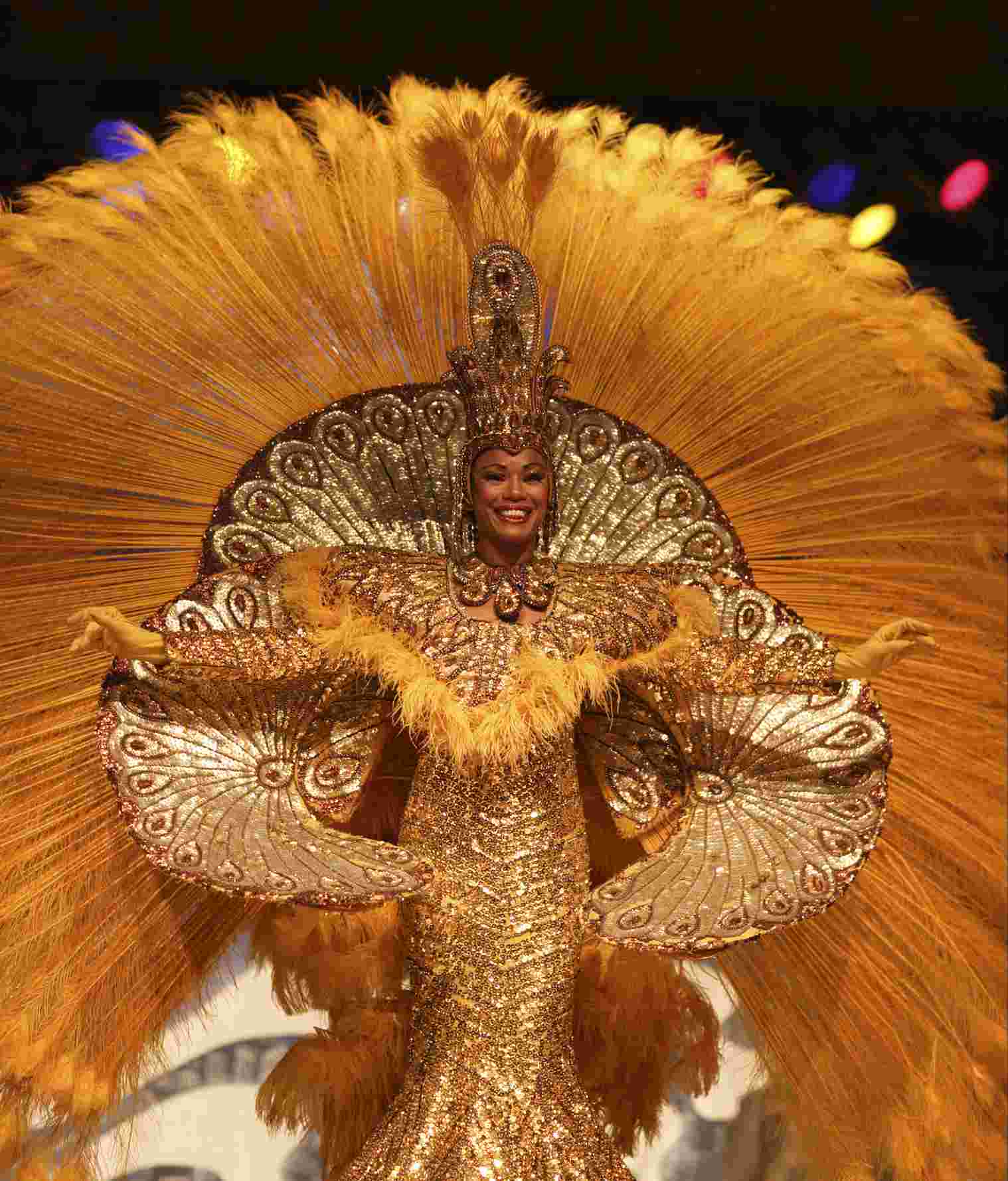
Mangueira parades Sunday the 15th. Founded in 1928, they're one of the oldest and most beloved schools in Rio — the pink-and-green colors are iconic — and their 2026 theme honors Mestre Sacacá, a traditional healer and cultural leader from the Amazon. Expect an emotionally charged presentation; Mangueira leans into storytelling over spectacle. They've won the championship 21 times and the crowd reaction when they enter is unlike anything else at the Sambadrome.
Portela is also on Sunday the 15th. Blue and white, founded 1923, the most championship-winning school in history with 22 titles. Their 2026 theme, "The Mystery of the Prince of Bará," blends African heritage and Candomblé spirituality. Rich, layered, visually dense. A friend who's been to Rio six times told me Portela is always the one that gives him goosebumps.
Beija-Flor de Nilópolis takes the track Monday the 16th. Known for over-the-top production values — think floats the size of buildings — they've won 14 championships and rarely disappoint on spectacle. Their 2026 theme, "Bembé do Mercado," draws from Afro-Brazilian religious traditions in Bahia. Buy a seat on the Monday if the Sunday options are gone. Four schools perform each night starting around 9–10 PM, running until well after dawn.
Street Blocos: The Free Alternative That Deserves More Credit
Most people planning their first Rio Carnival obsess over the Sambadrome and completely underrate the street blocos. That's backwards, honestly. The blocos are where locals actually are. There are 462 of them in 2026, 238 scheduled between Carnival Friday and Ash Wednesday alone.
Cordão da Bola Preta is the one everyone names first — founded in 1918, it draws 200,000+ people in the Centro area on the Saturday before Carnival. Loud, massive, total chaos, brilliant. Banda de Ipanema runs through Ipanema streets and has been proudly inclusive since the 1960s, often described as one of the safest and most welcoming for international visitors. Simpatia é Quase Amor is the more relaxed Ipanema option. Bloco do Sargento Pimenta plays the entire Beatles catalog in samba rhythm, which sounds bizarre and is somehow perfect. Schedules get released in January — follow @riofanatico on social or check riocarnaval.org for the official program as it drops.
One thing nobody warns you about: blocos start early. Like, 8 AM on a Saturday morning early. Locals pound a beer and hit the streets before you've finished your hotel breakfast. Set alarms accordingly.

Where to Stay: Copacabana vs Ipanema
Pick the southern zone. Full stop. Copacabana and Ipanema are the two neighborhoods that get the balance of safety, access, and energy right during Carnival week.
Copacabana is louder and more budget-accessible. The JW Marriott Hotel Rio de Janeiro on Avenida Atlântica sits right on the beach strip — regular rates hover around $96/night, but expect 3x that during Carnival. Good pool, two restaurants, and crucially, a 15-minute Uber to the Sambadrome. The Copacabana Palace, a Belmond Hotel, is the classic choice if you want old-Rio glamour — it's been there since 1923, faces the beach directly, and rooms run around $500+ during Carnival. Worth it if you can swing it.
Ipanema is calmer, slightly more upscale, and the go-to for people who want to enjoy the blocos without the rougher edges of Copa. The Hotel Fasano Rio de Janeiro on Avenida Vieira Souto is a design hotel right on Ipanema beach — rooms from $729 during the festival. If you're traveling as a couple and want style over convenience, it's hard to beat. For mid-range, check the Arpoador Inn at the Ipanema-Copacabana border: solid views, reasonable rates (relatively), and walking distance to both neighborhoods.
Book by September at the absolute latest. By October 2025, the good properties were already gone for 2026.
Carnival Rio Safety: What Actually Matters
The standard advice is "don't carry valuables" — fine, but incomplete. Here's the real picture.
Leave your passport at the hotel. Take a photo of it. Bring a small amount of cash (R$150–200 max) and a backup card tucked in a front pocket. The biggest practical threat at blocos is phone snatching — gangs on bicycles have been known to grab phones out of people's hands mid-video. Never stand in the middle of a bloco crowd with your phone raised; stay on the edges and keep it in a pocket when you're not actively using it. Step into a shop to check maps. It sounds paranoid until someone tells you about their $1,200 iPhone disappearing in three seconds.
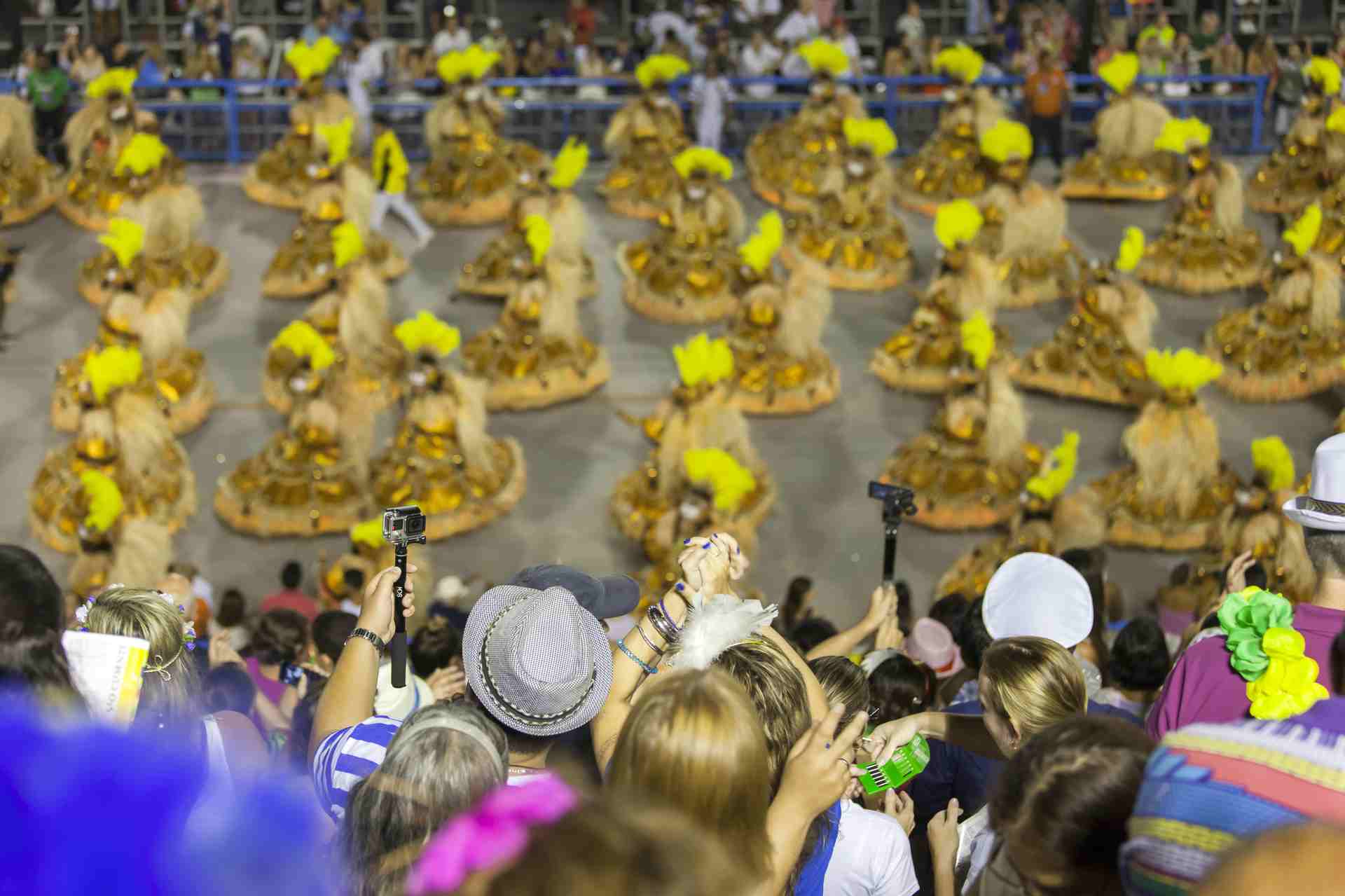
The Metro is your friend during Carnival — it runs 24/7 and is air-conditioned. Uber works reliably in Copacabana and Ipanema. Avoid Centro and the North Zone after dark unless you're with a local who knows where they're going. The Sambadrome neighborhood (around Praça XI) has heavy police presence on parade nights, which makes it safer than its surroundings suggest, but go straight there and come straight back.
One scam that keeps coming up: someone spills something on you, then offers to help clean it up. It's a distraction for pickpocketing. Walk away immediately.
What to Wear and Pack for Parade Nights
The Sambadrome is an outdoor venue and parade nights run 10 PM to 6 AM. Temperatures hover around 28–32°C, but it's humid and you'll be sweating within an hour. Light cotton or linen — not synthetics. Comfortable closed-toe shoes are better than sandals; the grandstand concrete is unforgiving over eight hours. Earplugs. Genuinely, bring earplugs — the bateria (percussion section) of a top samba school hits around 110 decibels. Wear them between schools and take them out when the drumline hits.
Cash is better than cards at the Sambadrome food stalls. Bring a small crossbody bag with a zipper. Sunscreen matters less at night, but you'll want it for bloco mornings. A light rain jacket takes up almost no space and saves you when the pre-dawn downpour shows up unannounced (it usually does).
Getting Your Timing Right: The Week's Shape
Most first-timers try to do everything and end up exhausted by day three. Here's how the week actually plays out:
Friday Feb 13: Série Ouro parade night starts. Good entry point — cheaper tickets, serious schools, and the crowd is less overwhelming than the weekend. Saturday Feb 14: Second Série Ouro night, plus the big blocos start. Cordão da Bola Preta is Saturday morning. Pace yourself. Sunday Feb 15 and Monday Feb 16: Elite school parades. Mangueira and Portela on Sunday, Beija-Flor on Monday. These are the pinnacle nights. Tuesday Feb 17 (Fat Tuesday): More elite schools plus street parties everywhere reach peak intensity. Wednesday Feb 18 (Ash Wednesday): Champion's parade — the top finishers replay their performances with no judging pressure, just joy. Tickets are cheaper and the atmosphere is pure celebration. If you only do one Sambadrome night, some argue this is it.
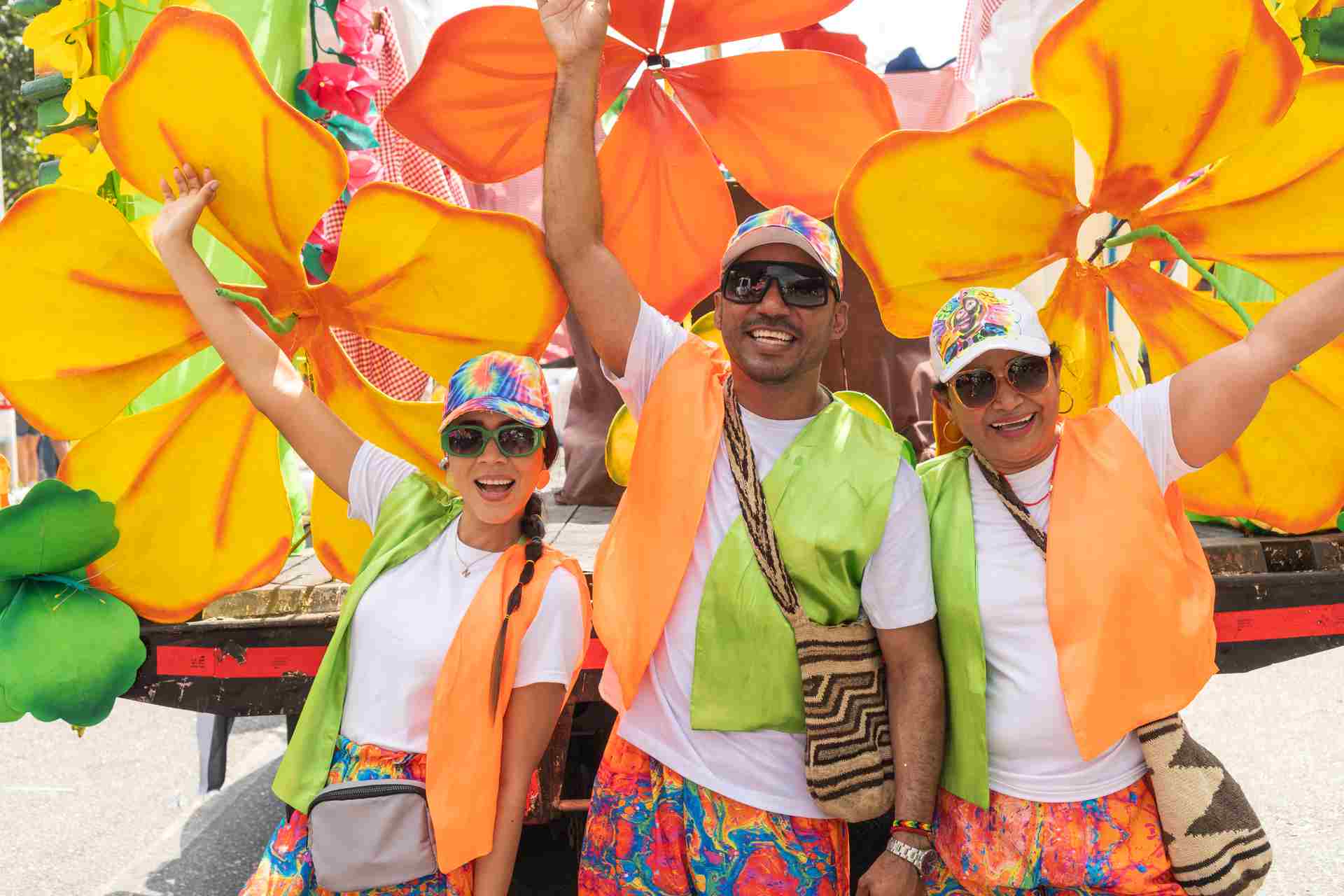
Don't try to attend every parade night. Pick two Sambadrome nights and fill the rest with blocos and beach time.
Do's and Don'ts for Rio Carnival
| Do's | Don'ts |
|---|---|
| Book Sambadrome tickets on riocarnaval.org 6+ months ahead | Wait until January to look for elite parade tickets — they're gone |
| Stay in Copacabana or Ipanema for safety and beach access | Book accommodation in Lapa or Centro thinking you're being clever |
| Use the Metro — it runs 24/7 during Carnival week | Take taxis from random spots; use Uber or call one through the app |
| Arrive at bloco parties early — serious ones start at 8 AM | Show up at noon expecting to find a good spot in the crowd |
| Carry R$150–200 cash max and leave valuables at the hotel | Walk around with your passport, laptop, or good camera gear |
| Wear closed-toe shoes to the Sambadrome for overnight standing | Wear sandals and then spend 8 hours on concrete regretting it |
| Bring earplugs for parade nights — the bateria is extremely loud | Stand directly next to a percussion section without ear protection |
| Buy a bloco abadá (costume shirt) early — they sell out fast | Wait until parade day then pay double from street vendors |
| Check the official riocarnaval.org for bloco schedules in January | Rely on outdated schedules from travel blogs written 3 years ago |
| Stay on the edges of bloco crowds, not in the center | Stand in the middle of a large bloco with your phone raised |
| Pre-arrange your hotel return for post-Sambadrome (4–6 AM) | Assume Ubers will be easy to find at 5 AM after 90,000 people leave the same venue |
| Eat a full meal before parade nights — food stall queues are brutal | Skip dinner and plan to eat at the Sambadrome; the options are fine but slow |
FAQs
How much do Rio Carnival 2026 Sambadrome tickets cost?
Prices vary significantly by seating section and parade night. For the elite Grupo Especial nights (February 15–17), grandstand tickets run $230–$350 USD, assigned chairs go for $300–$400, and VIP camarotes start around $440. If those prices sting, the Série Ouro parades on February 13–14 feature grandstand tickets from as low as $20 USD — and the competition schools performing those nights are still excellent. The Champion's Parade on the Saturday after Carnival also offers cheaper tickets and a relaxed atmosphere. Always book through riocarnaval.org directly to avoid reseller markups that can hit 40–60%.
Which is the best Sambadrome sector to sit in?
Sector 7 is the consistent recommendation — it sits at the midpoint of the 700-meter track, directly opposite the judges' stand, which is where the schools perform at their most precise. Sectors 6 and 9 are solid alternatives if Sector 7 is sold out. Avoid Sector 1 (the entry point — schools are still finding their formation) and Sector 13 (near the exit — energy drops off). For the best ground-level experience, Frisas in Sector 7 put you literally feet from the floats. If budget allows, a camarote in the center sectors balances views, food and drink access, and comfort for a very long night.
Is Rio Carnival safe for solo travelers?
It's manageable but requires active attention. Stick to the southern zone — Copacabana, Ipanema, and Leblon are well-policed and full of international visitors. At blocos, stay on the crowd's edges. Never have your phone out while walking. Use Uber rather than hailing cabs on the street. A money belt worn under clothing is worth the minor awkwardness. Solo female travelers in particular should pre-read about the "hand of God" (unwanted groping in crowds) — staying on bloco edges and traveling with even one other person reduces this dramatically. The Sambadrome itself has heavy security on parade nights and is generally one of the safer Carnival experiences.
What's the difference between Mangueira, Portela, and Beija-Flor?
They're three of the most decorated schools in Carnival history, and each has a distinct personality. Mangueira (pink and green, 21 championships) leans emotional and politically engaged — their parades often tackle social themes and draw the strongest audience reaction. Portela (blue and white, 22 championships — the most in Carnival history) is known for musical precision and Afro-Brazilian spiritual themes. Beija-Flor (blue and white with gold, 14 championships) goes hard on production spectacle — larger floats, more elaborate costumes, more visual drama. All three are elite, all three are worth watching. In 2026, Mangueira and Portela parade Sunday Feb 15; Beija-Flor is on Monday Feb 16.
When do Rio Carnival blocos take place and are they free?
Yes, all blocos are free to attend — no ticket required. They start as early as three weeks before the official Carnival week and peak intensity around the main weekend (Feb 14–17). The schedule is released each January on riocarnaval.org and the Prefeitura do Rio's official site. Most neighborhood blocos run in the morning and early afternoon. Evening and night blocos exist but are less common. The Banda de Ipanema in Ipanema, Cordão da Bola Preta in Centro, and Simpatia é Quase Amor in Ipanema are three of the most accessible for international visitors. Grab a can of Skol or an água de coco from a vendor and just show up.
How far in advance should I book accommodation for Rio Carnival 2026?
If you haven't booked by the time you're reading this in 2026, your options are limited and prices are brutal. Realistically, Copacabana and Ipanema properties at any quality level should be booked by September 2025 — most solid properties sell out by October. During Carnival week, budget hostels charge $80–$150/night, mid-range hotels hit $400–$600, and luxury properties like the Copacabana Palace or Hotel Fasano can reach $1,000–$2,500 with minimum stay requirements. If you're looking now and finding nothing in Copacabana or Ipanema, consider Botafogo — it's 10–15 minutes by Metro to both the beach neighborhoods and the Sambadrome, and it has a solid food and bar scene.
Do I need to speak Portuguese to enjoy Rio Carnival?
Not at all — the tourist zones of Copacabana and Ipanema are well set up for English speakers, and Carnival's energy largely transcends language anyway. That said, a few phrases earn enormous goodwill: "Obrigado/Obrigada" (thank you), "Com licença" (excuse me), and "Quanto custa?" (how much?). At blocos, knowing "Feliz Carnaval!" will get you high-fives from strangers all day. Download Google Translate with Portuguese offline before you go — it's genuinely useful for menus and signs. Uber drivers rarely speak English, so have your destination typed out in Portuguese before you get in.
What should I do on Ash Wednesday if I'm still in Rio?
Ash Wednesday marks the end of Carnival but Rio doesn't fully deflate for another day or two. Hit the beach — Ipanema and Copacabana are peaceful and beautiful after the crowds thin out. Many top restaurants that were closed during the festival week reopen. Santa Teresa, the bohemian hilltop neighborhood, is wonderful on a quiet post-Carnival Wednesday — take the bonde (tram) up and walk around. The Champion's Parade at the Sambadrome is technically on the following Saturday, so if you can extend your trip, that's an excellent low-pressure way to see the elite schools one more time for less money.