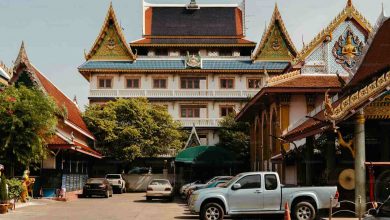
Best Things to Do in Vietnam: A Complete Travel Guide
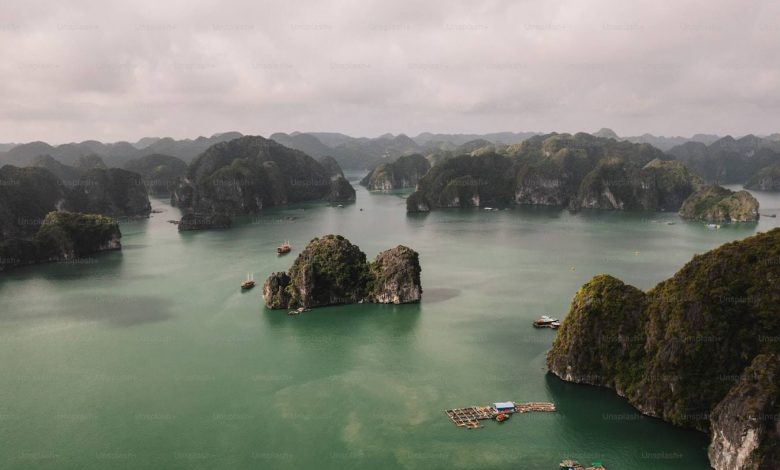
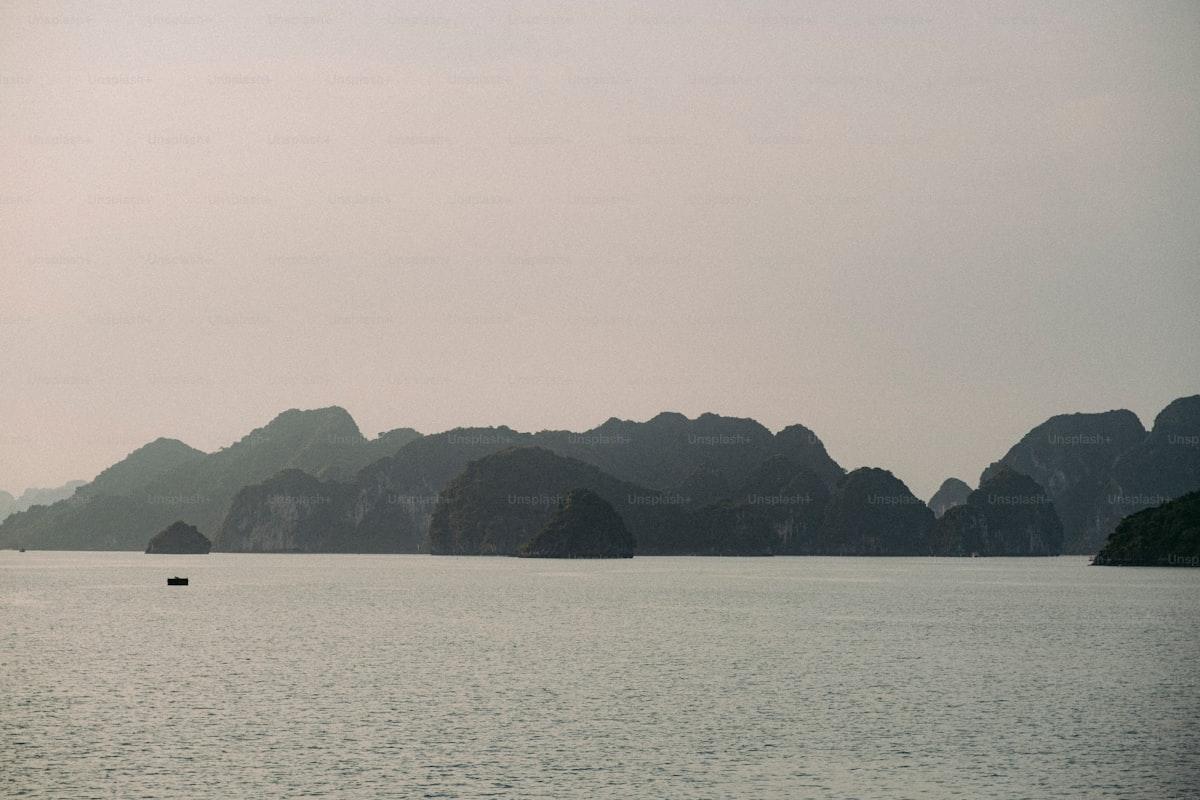
I almost missed Ha Long Bay entirely. On my first trip to Vietnam I'd booked a two-night cruise through a random guesthouse in Hanoi's Old Quarter, and the guy behind the desk kept insisting I could "see it in a day." I almost listened. Don't. Two nights on the water, waking up inside that limestone karst fog at 6 AM with nothing but the sound of rowboats and distant roosters — it genuinely rearranged my priorities about travel. Vietnam has a way of doing that: arriving like it's just going to be another Southeast Asia tick-box and leaving as the trip you end up recommending to everyone. The things to do in Vietnam range wildly, from cave systems the size of small cities to 50-cent bowls of bún chả eaten on a plastic stool three inches off the sidewalk. Altitude, coastline, ancient towns, French colonial city blocks, communist monuments and rice wine — all in one narrow country.
This guide covers the real version of Vietnam in 2026, not the sanitized tour-brochure version. I've broken it down by region and experience type so you can build an actual Vietnam itinerary 2 weeks long that doesn't feel like a race. Accommodation picks lean toward properties worth the money — places like Amanoi and Six Senses Ninh Van Bay for the splurge end, and La Siesta Hoi An for that sweet spot of quality without regret. I'll also flag where to skip the tourist trap version of something and what to do instead. You'll find specific prices (in USD, 2026 rates), actual operators, and gear recommendations — because "pack light" isn't advice, it's a platitude.

Things to Do in Vietnam: Start in Hanoi's Old Quarter
Give Hanoi at least two full days. Most people rush it, and that's a mistake. The Old Quarter — 36 streets, each historically dedicated to a single trade like silk, silver, or paper — is genuinely one of the most walkable neighborhoods in Asia. It's loud, slightly chaotic, and about 40% motorbike fumes, which somehow adds to the appeal. Start early. Before 8 AM, Hoan Kiem Lake is ringed by locals doing tai chi and elderly men playing Chinese chess on folding tables. By 9 AM, the tour groups arrive. You do the math.
Food is the main event here. Phở Gia Truyền Bát Đàn on Bát Đàn Street opens at 6 AM and sells out by mid-morning — bone broth that's been simmering since before you woke up, thin-sliced beef, and an intensity of flavor that makes the versions back home taste like a polite suggestion. Bún chả at Bún Chả Hương Liên (the same spot Barack Obama famously ate with Anthony Bourdain in 2016) runs about 45,000 VND — roughly $1.80 — for a bowl of smoky grilled pork, vermicelli noodles, and a tangle of fresh herbs. Train Street is still functioning in 2026, though the café scene along it has thinned somewhat after city regulations; check current hours before showing up. The Temple of Literature is worth 45 minutes. The Ho Chi Minh Mausoleum is worth skipping on Mondays and Fridays — it's closed for maintenance.
Ha Long Bay: Don't Do the Day Tour
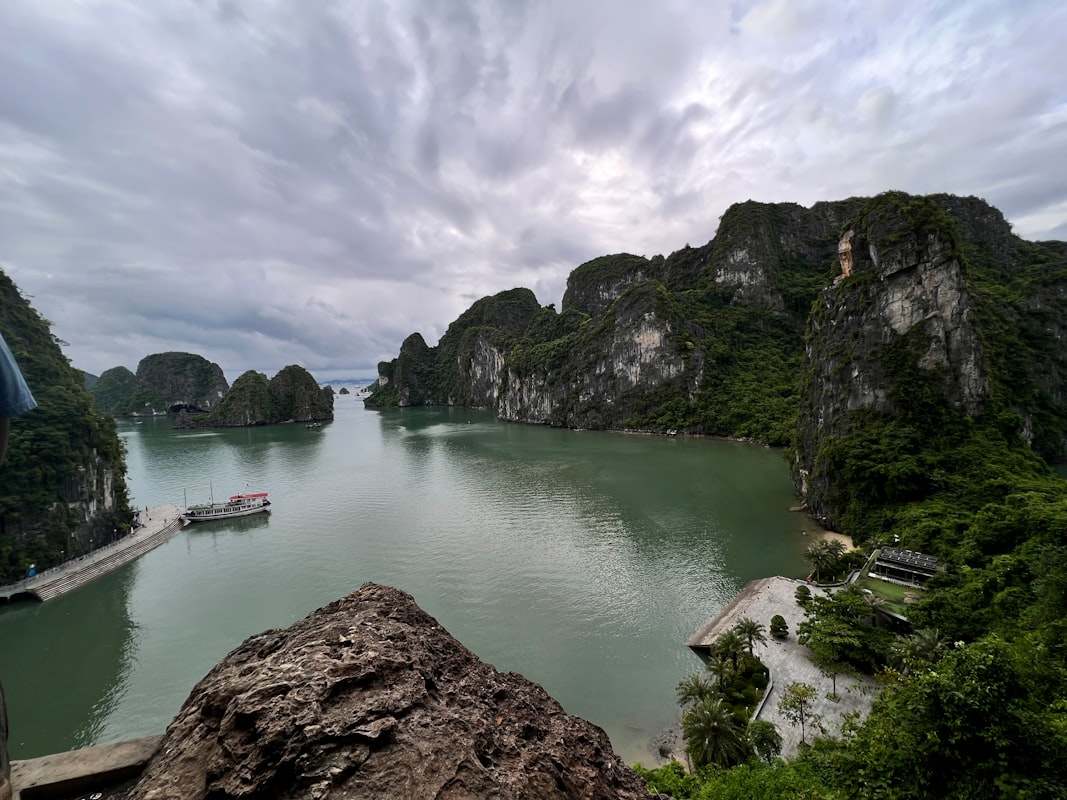
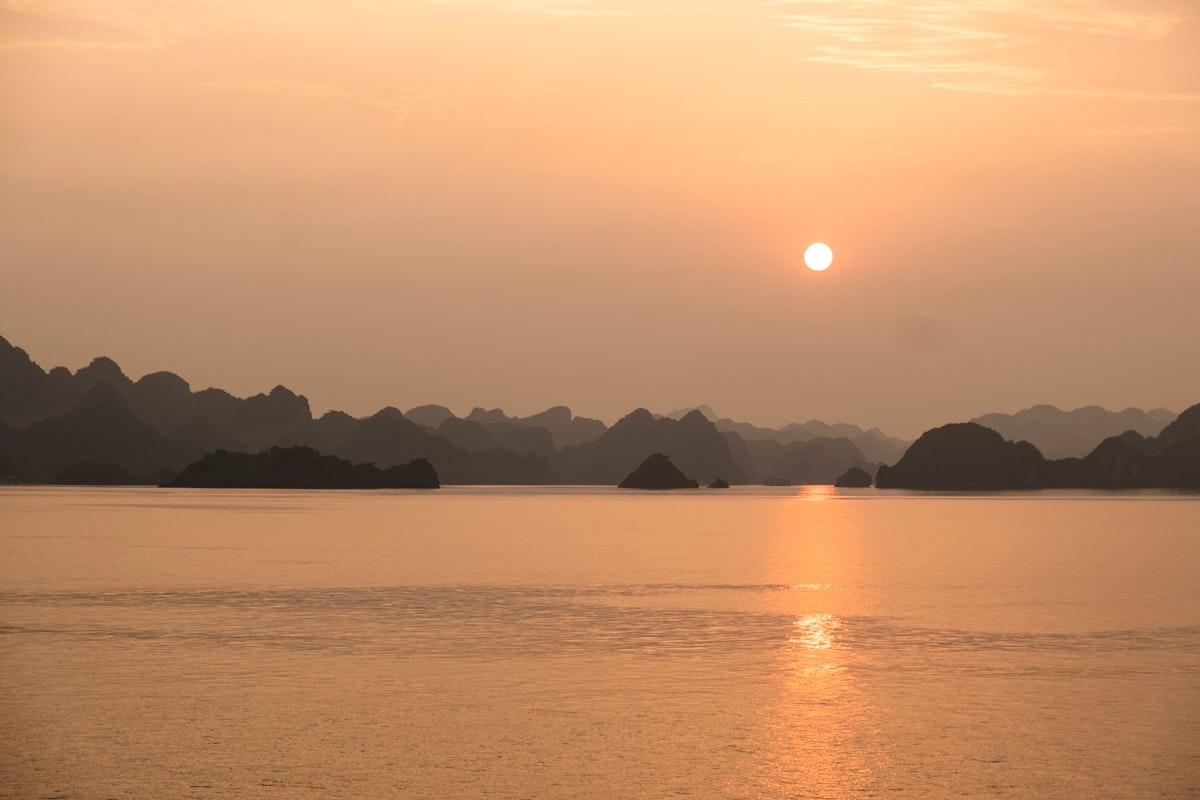
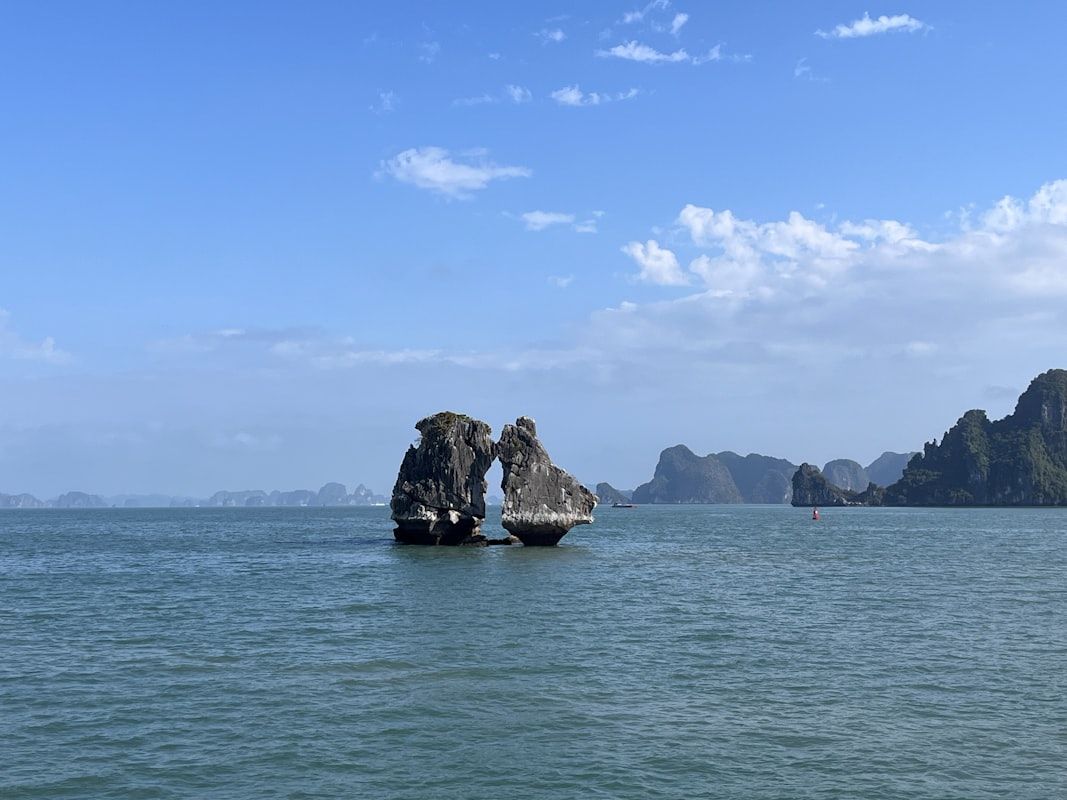
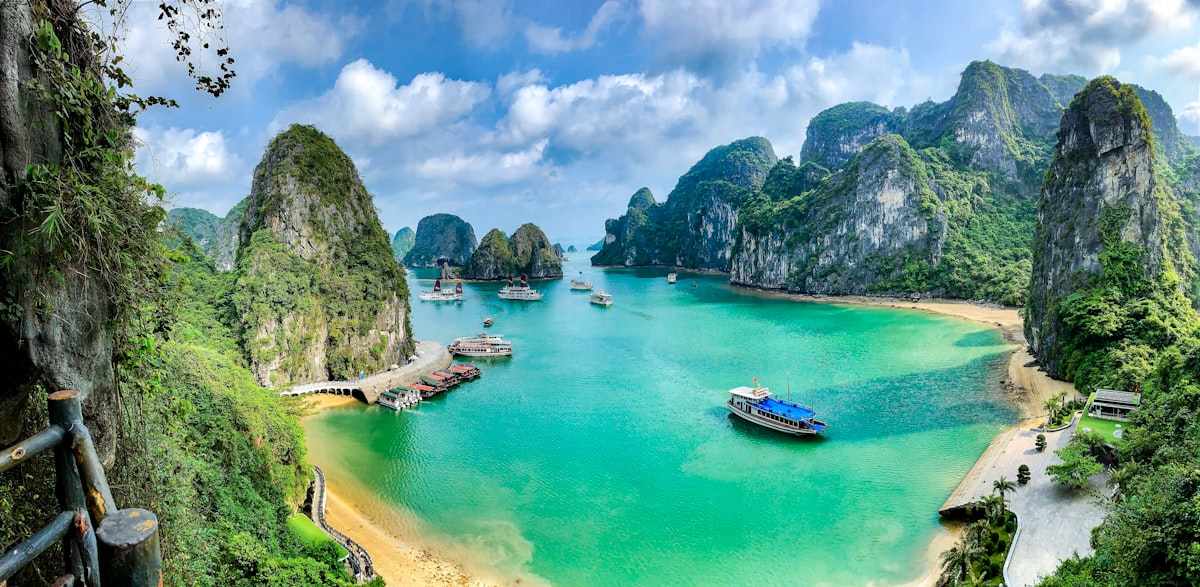
Ha Long Bay is a UNESCO World Heritage Site, and yes, it lives up to it. But the experience is entirely dictated by how you get there and who you go with. Day tours from Hanoi (3.5–4 hours each way, usually $50–$80) leave you about three hours on the water. Not worth it. The overnight cruises are the move.
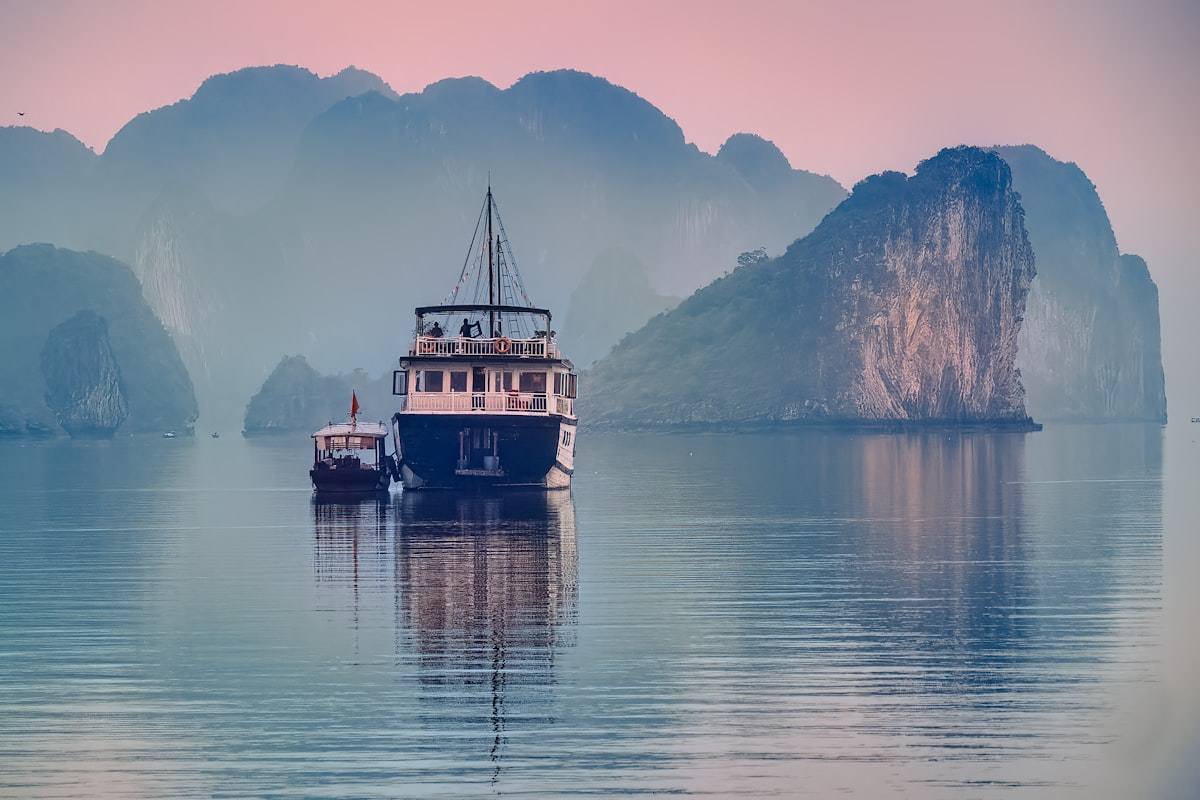
In 2026, Heritage Line Cruises and Paradise Cruises are running two-night options starting around $206–$280 per person, depending on cabin class. Heritage Line's Ylang ship is particularly well-run — smaller fleet, better guides, meals that aren't just an afterthought. The brand-new Azura Cruise launched in January 2026 as a 6-star operation with 30 cabins ranging from 34m² to 66m², all with private balconies; rates sit in the $350–$500/night range per person. For those who want to avoid Ha Long Bay's busier lanes entirely, Lan Ha Bay (serviced from Cat Ba Island) offers similar karst scenery with fewer boats. Book 6–8 weeks ahead between October and March. Kayaking through the floating fishing villages near Vung Vieng is the activity that gets talked about most. Rightly so.
Hoi An: The Ancient Town Gets Crowded — Here's How to Handle It
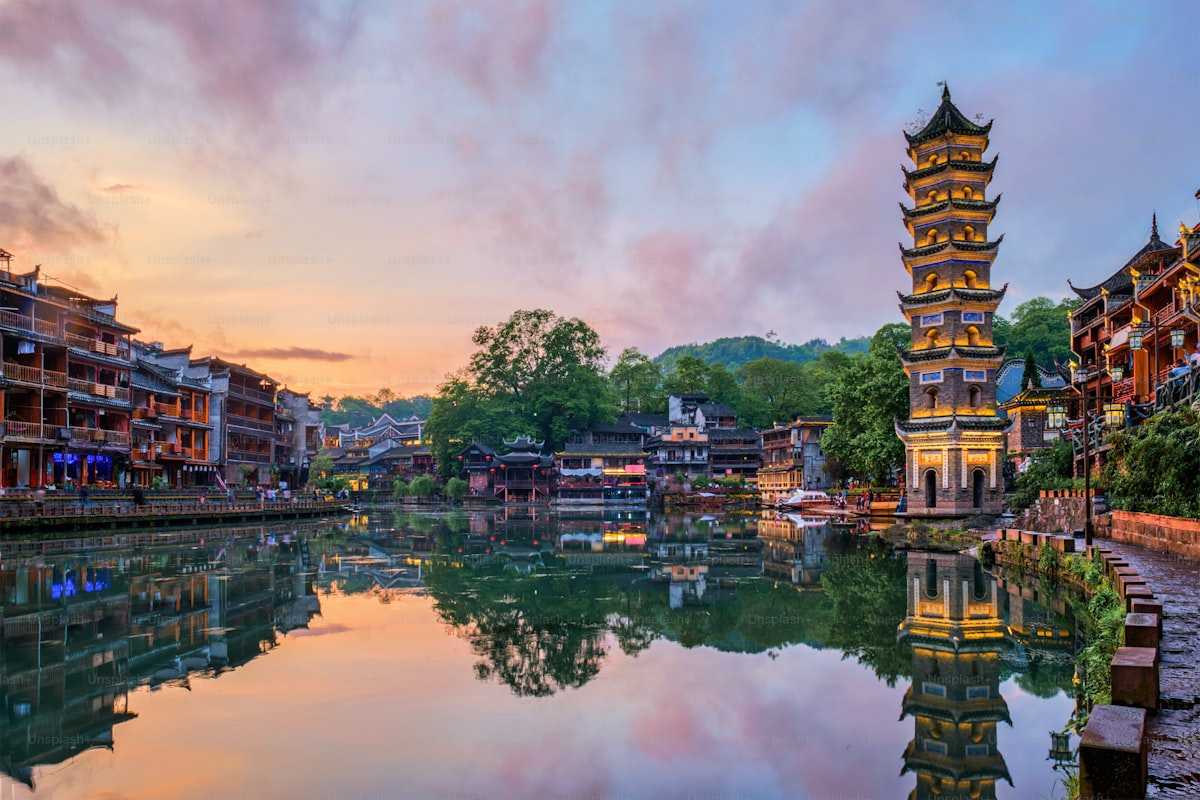
Hoi An's Ancient Town is the most photogenic stretch of street in Vietnam. Lanterns hang everywhere, the Thu Bon River reflects the lights at dusk, and the tailors on Tran Phu Street can turn around a custom suit in 48 hours for $80–$150 depending on fabric. It's also massively popular, which means by 10 AM the main drag feels like a theme park queue. The fix: walk the streets before 8 AM, or after 9 PM when day-trippers from Da Nang have left.
La Siesta Hoi An Resort & Spa is currently ranked second out of 457 hotels in Hoi An on TripAdvisor, and at $91–$109/night in shoulder season it punches far above its price. Four pools, a legitimately excellent spa (La Spa), complimentary shuttle to the Old Town, and a breakfast spread that had me skipping lunch twice. For a higher-end option, Anantara Hoi An Resort sits directly on the Thu Bon River and runs from $241/night — the colonial architecture and river-facing rooms are genuinely lovely, though you're paying partly for the address. Outside town, My Son Sanctuary (a cluster of ancient Cham Hindu temples) is a 45-minute drive and worth a half-day. Go early — it gets hot fast and the site has limited shade.
Hue: Imperial City Without the Rush
Most Vietnam itineraries for 2 weeks treat Hue as a quick stop between Da Nang and Ha Long Bay. It deserves more respect. The Imperial Citadel, modeled loosely on Beijing's Forbidden City, was heavily damaged in the 1968 Tet Offensive and restoration has been ongoing for decades — but the scale still impresses. Spend at least half a day inside the walls. The Forbidden Purple City section is the most interesting; the empty foundations and remaining royal theater give it a strange, haunted quality.
Food is Hue's underrated strength. Bún bò Huế — a spicier, more complex noodle soup than pho — is eaten here for breakfast by basically everyone. A bowl at a streetside stall costs 30,000–40,000 VND ($1.20–$1.60). Bánh khoái, the Hue version of a crispy rice crepe, is only really available here and at a handful of places in Hoi An; Lạc Thiện Restaurant on Dinh Tien Hoang serves one of the best versions and has been run by a deaf family for generations — order by pointing, tip generously. The Perfume River boat trips are fine but largely scenic; skip the organized sunset cruise package and just hire a local boat for an hour ($8–$12) to drift past the Thien Mu Pagoda.
Luxury Vietnam: Amanoi and Six Senses Ninh Van Bay
If you're building a trip around one splurge property, Vietnam has two that genuinely deserve the price tag. Amanoi sits inside Nui Chua National Park — a UNESCO Biosphere Reserve — overlooking Vinh Hy Bay in Ninh Thuan province. The design is understated Aman minimalism: stone, water, jungle, silence. It's far from Hanoi or Ho Chi Minh City (fly into Cam Ranh International Airport, then a 2-hour drive), which keeps the crowd away. Worth it if you have five nights minimum. Completely.
Six Senses Ninh Van Bay, near Nha Trang, is accessible only by boat — which is part of the point. All 58 accommodations are private pool villas, breakfast is included in the rate, and the wellness programs are taken seriously rather than as a hotel amenity checkbox. The resort is set against dramatic rock formations with the East Vietnam Sea in front and the jungle behind. Book the boat-access villa category if you're going; the walk-in villas are lovely but the water-access ones justify the trip entirely. Both Amanoi and Six Senses are running a complimentary fifth night offer for bookings through December 2026 — check their respective sites for terms.
Ho Chi Minh City: Two Days Is Enough (If You Plan Right)
Ho Chi Minh City — still called Saigon by everyone who lives there — is the engine of modern Vietnam. Staying in District 1 puts you near the Reunification Palace, the War Remnants Museum, and Ben Thanh Market without needing a taxi for everything. The War Remnants Museum is essential and genuinely confronting; plan about two hours and don't bring kids under 12. Entry is 40,000 VND ($1.60). The Reunification Palace has some of the strangest interior design in all of Asia — 1960s government aesthetic preserved in amber, complete with a rooftop helipad and underground war bunkers.
For food, head to Bến Thành Street Food Market rather than the tourist-facing Ben Thanh Market stalls — it's indoors, air-conditioned, and the bánh mì alone (35,000 VND at the carts near the entrance) is worth the cab ride. District 3 is quieter, has better coffee shops, and the Saigon Outcast venue runs rotating art markets and live music on weekends. Fly out of Tan Son Nhat International Airport; allow 2.5 hours ahead of departure — it gets busy.
Gear Worth Packing for Vietnam
Vietnam's terrain demands versatility. A 40–50L travel backpack is the right size — large enough for two weeks, small enough to carry on. The Tortuga Travel Backpack 40L ($249) is built specifically for this style of trip: suitcase-style opening, padded hip belt, fits most overhead bins. For electronics, a 20,000mAh Anker power bank ($45–$55) is non-negotiable on overnight trains from Hanoi to Da Nang where outlet availability is unreliable. Vietnam uses Type A, C, and occasionally G plugs — the Epicka universal adapter ($14) handles all three without bulk.
A packable rain jacket (the Patagonia Torrentshell 3L is the consistent recommendation at $149) is worth every gram, especially if you're hitting the north between May and September. Packing cubes — the Peak Design Packing Cube set ($79 for a trio) — transform a chaotic backpack into something that doesn't require unpacking entirely to find your second charger cable. If you're heading into Sa Pa for trekking, add lightweight trail runners (Salomon Speedcross 6, around $140) rather than sandals; the village paths get muddy and uneven fast.
Do's and Don'ts for Things to Do in Vietnam
| Do's | Don'ts |
|---|---|
| Book Ha Long Bay cruises 6–8 weeks ahead, especially Oct–Mar | Don't do Ha Long Bay as a day trip from Hanoi — 7 hours of transit for 3 hours on water |
| Arrive in Hoi An Ancient Town before 8 AM or after 9 PM | Don't attempt all the major sites in Hoi An in one afternoon |
| Eat bún chả and phở at local spots where locals actually queue | Don't eat at restaurants with picture menus and English-first signage near major sights |
| Carry 40–50 USD equivalent in VND cash for small vendors and transport | Don't rely solely on cards — many street stalls and guesthouses are cash only |
| Use VietJet Air or Vietnam Airlines for domestic hops (Hanoi to Da Nang from $40) | Don't take the bus for distances over 200km — trains and flights save full days |
| Try Sa Pa with Sapa Sisters (women-run Hmong-owned trekking org) for ethical cultural access | Don't join a large group package trek that visits villages as if they're exhibits |
| Book La Siesta Hoi An directly to get the best rate and free shuttle | Don't book through an OTA at check-out if the hotel has a direct-booking rate section |
| Use the overnight train between Hanoi and Da Nang (Reunification Express, 14–16 hours, soft sleeper ~$35) | Don't book the cheapest overnight sleeper bus — suspension quality varies dramatically |
| Pre-arrange a Grab (Southeast Asian Uber) from the airport — rates are fixed and clear | Don't accept unsolicited taxi offers outside airports without agreeing to a metered fare first |
| Carry a basic Vietnamese phrasebook or Google Translate offline pack | Don't assume English fluency outside of tourist areas — especially in Hue and the north |
| Respect temple dress codes — cover shoulders and knees | Don't show up to the Imperial Citadel in beachwear and expect entry |
| Give yourself a full day in Hue rather than treating it as a two-hour stopover | Don't skip Hue's food scene in favor of just the monuments — it's the best regional cuisine in Vietnam |
FAQs
How many days do you need in Vietnam?
Two weeks (14 days) is the sweet spot for a first visit that covers the highlights without feeling rushed. A practical Vietnam itinerary 2 weeks long runs Hanoi (2 nights) → Ha Long Bay overnight cruise (2 nights) → Hue (2 nights) → Hoi An (3–4 nights) → Ho Chi Minh City (2 nights), with an optional add-on of Phu Quoc Island (2 nights) for a beach finish. Anything under 10 days means you're dropping major destinations. Three weeks gives you room to add Sa Pa in the north or Nha Trang and the Amanoi/Six Senses properties in the south.
What's the best time of year to visit Vietnam?
The tricky answer is: it depends on where in Vietnam you're going, because the country spans nearly 1,650 km north to south and weather patterns differ dramatically by region. For a full north-to-south trip, March–April and September–October are the most reliable windows — temperatures are moderate across most regions and rainfall is manageable. Avoid the north in January–February if you dislike cold and drizzle. Central Vietnam (Hue, Hoi An) gets heavy rain October–November. December through February is peak season in the south.
What are the best luxury hotels in Vietnam?
Amanoi in Ninh Thuan province and Six Senses Ninh Van Bay near Nha Trang are the two consistent standouts for all-out luxury. Both operate private pool villas and are accessible from Cam Ranh International Airport. In Hoi An, Anantara Hoi An Resort (from $241/night) is the riverfront luxury pick. For a quality-to-price sweet spot, La Siesta Hoi An Resort & Spa runs $91–$109/night and delivers four pools, excellent spa services, and consistent five-star reviews. Ha Long Bay's new Azura Cruise (launched January 2026, 6-star rated) starts at roughly $350/night per person and is the highest-end overnight cruise option on the bay.
Is Vietnam safe for solo travelers?
Generally yes. Vietnam has a low rate of violent crime targeting tourists and a high density of fellow travelers in every major destination. The main risks are petty theft (bag snatching from motorbikes in Ho Chi Minh City's District 1 is a documented issue — wear your bag across the chest facing inward), and traffic. Crossing roads, especially in Hanoi and HCMC, requires a specific technique: walk steadily and predictably, don't stop suddenly, make eye contact with drivers who'll adjust around you. Solo female travelers consistently report Vietnam as one of the more comfortable solo destinations in Southeast Asia.
How do you get between cities in Vietnam?
Domestic flights are the fastest option for distances over 400 km — VietJet Air and Vietnam Airlines both run Hanoi–Da Nang and Hanoi–Ho Chi Minh City from $40–$70 if booked 2–4 weeks ahead. For the scenic middle ground, the Reunification Express train between Hanoi and Da Nang is 14–16 hours in a soft sleeper for around $35 and gives you a full night plus coastal views in the morning. Buses are fine for short regional hops (Hue to Hoi An is 3 hours, ~$5 on Phuong Trang coaches) but painful for anything over 6 hours.
What should I do in Sa Pa?
Sa Pa in Lao Cai Province is Vietnam's trekking hub — terraced rice fields, Black Hmong villages, and Fansipan Mountain (Vietnam's highest peak at 3,143m, cable car available from $22 round trip if you don't want to hike). The best trekking experience comes from hiring local guides rather than large group operators. Sapa Sisters, a women-run Hmong-owned organization, offers private treks with guides who grew up in the surrounding villages — rates start around $30–$40 per person for a full-day village trek. September–November is the best season when the rice paddies are golden before harvest.
What's the best way to experience Hoi An's Ancient Town?
The key is timing and walking pace. Pick up a UNESCO entrance ticket (120,000 VND, ~$5) which gives access to five heritage sites including the Japanese Covered Bridge and one assembly hall. The Tan Ky Merchant House on Nguyen Thai Hoc Street is the most atmospheric interior — low ceilings, family altars, and 200-year-old woodwork that survived French colonial modernization. For tailoring, Yaly Couture (multiple locations in the Old Town) is the most consistent recommendation among frequent visitors — allow 2–3 days for fitting and collection. Evenings are best spent along the riverside near the Hoi An Market, where lantern boats drift past after 7 PM.
How much does a two-week Vietnam trip cost?
It ranges significantly by style. Budget backpackers staying in hostels and eating street food can manage $750–$900 for two weeks including domestic flights. A mid-range trip with comfortable guesthouses, some guided activities, and restaurant meals runs $1,800–$2,800. Add a two-night stay at a place like Six Senses Ninh Van Bay and the budget climbs toward $4,500–$6,000+. The best value in Vietnam is the mid-range tier — hotels like La Siesta Hoi An ($91–$109/night) deliver what luxury hotels elsewhere charge $400 for.