Songkran Festival Thailand: Everything You Need to Know
Imagine stepping out of your hotel at 9 AM and immediately catching a bucket of ice-cold water square in the face. Not an accident. Not a prank. Everyone around you is laughing — the guy who soaked you is grinning and pointing at his own shirt, already drenched. Welcome to Songkran festival Thailand, the world's most chaotic, joyful, and genuinely unforgettable New Year celebration. For three to five days every April, the country puts down its usual pace and picks up a water gun. Streets in Bangkok's Silom district fill with pickup trucks loaded with barrels of water and strangers splashing each other with the enthusiasm of children at a waterpark. In Chiang Mai, the ancient moat that rings the Old City becomes a 6.5-kilometre splash zone that runs from 9 AM to 10 PM. It is loud, soaking, and brilliant.
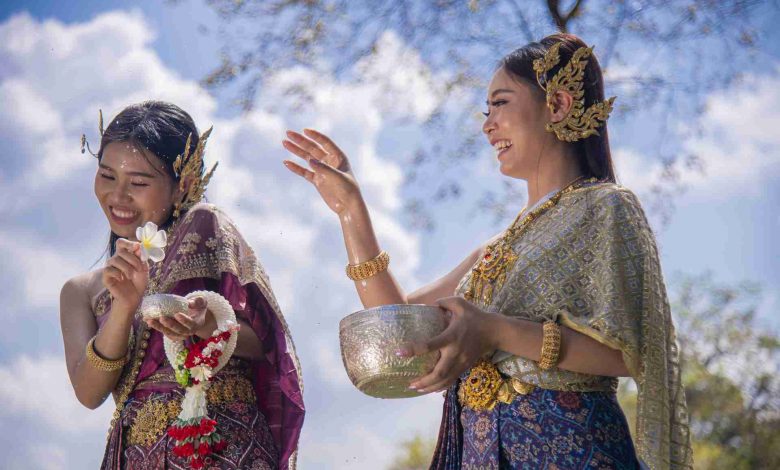
But here's what most people miss: Songkran is not just a water fight. It is the Thai New Year — dating back centuries — and beneath the Super Soakers and the street parties lies a genuinely moving cultural tradition. Families travel across the country to reunite. Younger members pour jasmine-scented water over their elders' hands in the rod nam dam hua ceremony, asking for blessings and forgiveness. Temples fill before dawn with people making merit offerings. UNESCO added Songkran to its list of Intangible Cultural Heritage of Humanity in 2023, which should tell you something. This guide covers everything: the official 2026 dates, the best spots in Bangkok and Chiang Mai, what to wear, what to carry, and where to stay. I've also done the time on which waterproof gear actually holds up and which Bangkok hotels put you within five minutes of the action. Read it before you book.
When Songkran 2026 Actually Happens (and It's Longer Than You Think)
The official Thai public holidays for Songkran 2026 run April 13–15. Most government offices and banks close April 11–16. That said, in practice the festivities start earlier and end later depending on where you are. Chiang Mai is the most extreme example — the city has confirmed 12 days of official Songkran celebrations in 2026, running April 6 through April 17. Bangkok's Maha Songkran World Water Festival is anchored around April 11–15, with events continuing at Lumphini Park through April 30 as part of the Saneh Art by Songkran Festival. In both cities, April 13 is the peak — Wan Songkran, the actual New Year's Day — and that is when the streets are most insane, most packed, and most worth showing up for. April 15 (Wan Payawan) is quieter and more culturally focused, with temple visits and family rituals taking priority over water fights. If you want both the chaos and the meaning, plan for at least five days.
Bangkok Songkran: Where to Go and When
Bangkok spreads Songkran across several distinct zones and each has a different vibe. Silom Road is the big one — a 5-kilometre stretch that closes entirely to traffic and turns into the city's main water-battle arena. The crowds here are dense, the music is loud, and at night Silom becomes a street party. Khao San Road attracts a younger, more international crowd and the energy is intense from morning through the early hours. Bring a water gun; show up empty-handed and you'll spend the day just absorbing hits. Sanam Luang hosts the Maha Songkran World Water Festival, which opened with a grand parade on April 11 at 6:30 PM and runs cultural performances and concerts daily from 5 PM to 10 PM. Benchakitti Park hosts family-friendly events with a slightly calmer atmosphere — good if you want Songkran without full-contact soaking. For hotels, Buddy Lodge on Khao San Road is the most convenient you can get — step out of the lobby and you're already in the splash zone, and the rooftop pool is useful for recovering between rounds. Near Silom, Mercure Bangkok Surawong and Lebua at State Tower both place you within walking distance of the main action while offering rooms where you can actually dry out.
Chiang Mai Songkran: The Old City Moat and Beyond
Chiang Mai is the spiritual home of Songkran in Thailand. If Bangkok is the party, Chiang Mai is the tradition — though it's also very much the party. The Old City moat is the centrepiece. That 6.5-kilometre loop of water becomes a continuous splash zone from April 12, running daily until late evening. The action clusters hardest around Thapae Gate (the East Gate) and Chang Puek Gate (the North Gate). Both spots have trucks backed up to the moat with barrels of water, pickup beds full of locals and tourists, and a general sense that no one is going anywhere dry. I spent two Songkrans in Chiang Mai and both times Thapae Gate felt like a different planet — the roar when a truck drives through a wall of water from both sides of the road is something else entirely. For a different scene, head to Nimmanhaemin Road, which is popular with the younger crowd. Maya Mall (April 11–15) and Think Park (April 12–15) both host concerts; One Nimman runs a kids' pool party through April 15. For hotels, InterContinental Chiang Mai The Mae Ping sits in the city centre with a rooftop bar that gives you a genuine aerial view of the chaos. Novotel Chiang Mai Nimman Journeyhub runs Songkran packages with buffet breakfast and discounted rates — worth it for the convenience if you're staying in the Nimman area. Book both months in advance. Prices triple during Songkran. That's not an exaggeration.
The Cultural Side You Shouldn't Skip
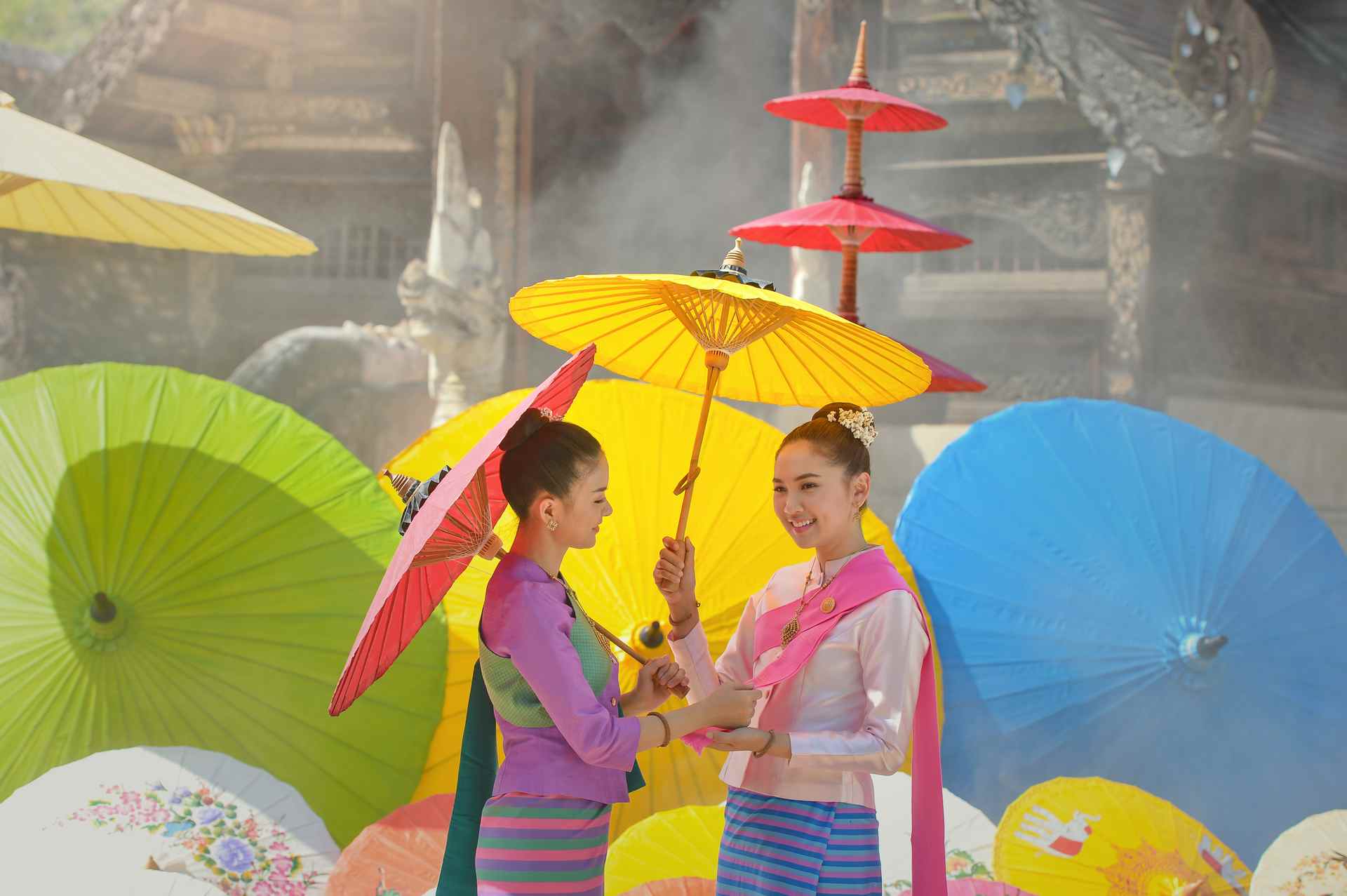
Here's the thing about focusing only on water fights: you'll miss the part that actually stays with you. Early morning on April 13, Thai families visit local temples to offer food to monks and bathe Buddha images with scented water — a purification ritual that washes away the bad luck of the previous year. Wat Phra Singh in Chiang Mai and Wat Pho in Bangkok both hold traditional ceremonies that are open to respectful visitors. The rod nam dam hua ceremony is more private but deeply moving to witness — juniors pour water over the hands of parents and grandparents, ask for forgiveness and blessings, and receive small gifts in return. It's gentle and quiet, completely unlike the water chaos outside. If you're in Chiang Mai, the procession of the Phra Buddha Sihing image through the Old City streets on April 13 draws enormous crowds but maintains a reverent atmosphere. Sand stupas are constructed at temples — people carry sand in to "replace" what has been walked out on shoes over the year. These traditions are acknowledged by UNESCO as cultural heritage. Go to at least one temple morning before the street fights start.
What to Wear and What to Carry
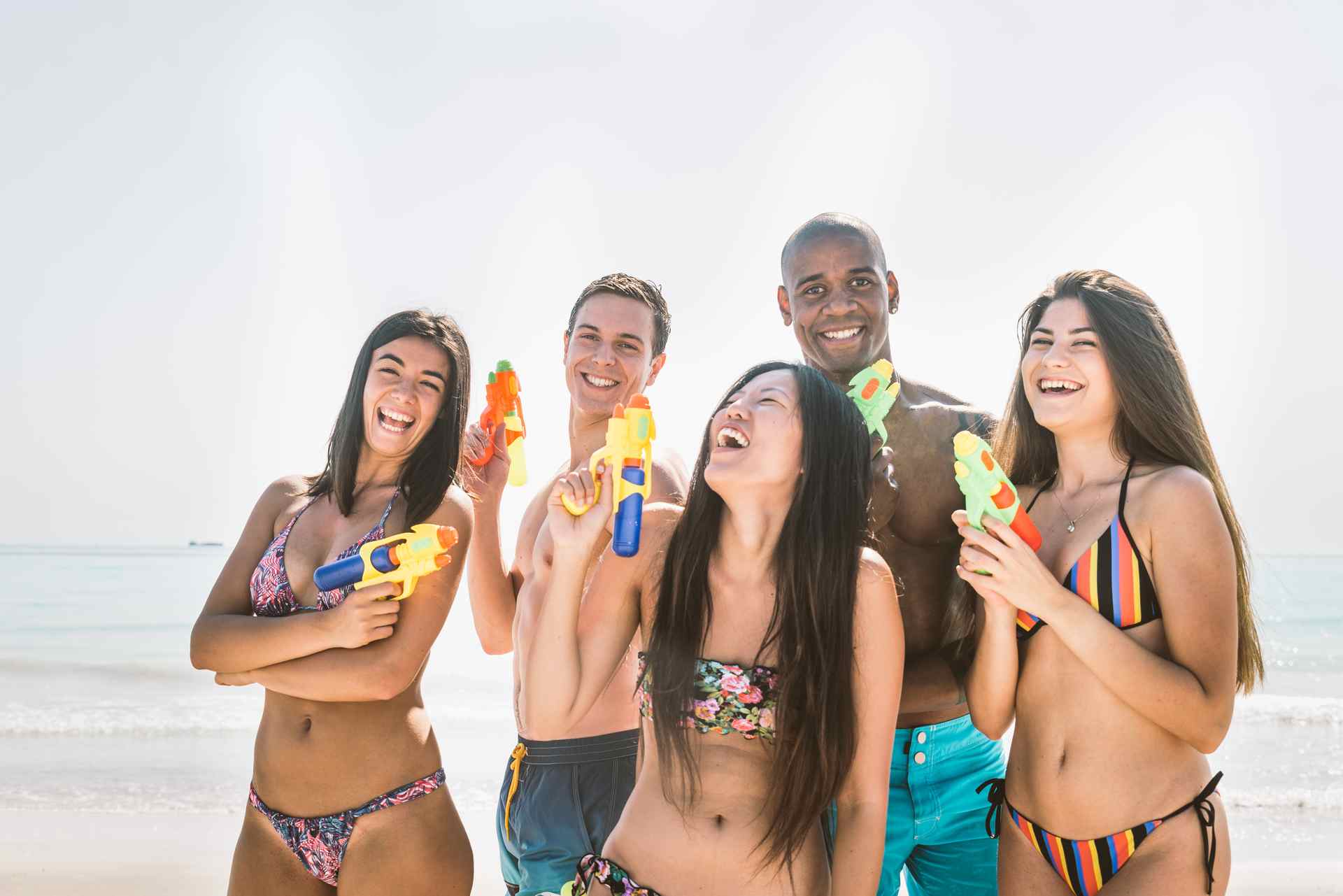
Get this wrong and you'll spend Day 1 at a 7-Eleven buying dry clothes. Everything you wear will be soaked within ten minutes of leaving the hotel. Old clothes or quick-dry synthetics only. Linen and cotton take hours to dry; board shorts and a rash guard dry in 20 minutes. Flip-flops are tempting but the streets get slippery and sometimes cut glass from broken bottles is an issue — go with rubber-strap sandals with a heel strap or proper water shoes. Sunscreen is mandatory. April in Thailand runs 35–40°C and you won't feel it because of the water, but the burns are real. Use waterproof SPF 50. For your gear, this is where the investment pays off. An Aquapac Heavyweight Waterproof Drybag — available in 7L, 15L, and 25L — is specifically designed for full submersion and has a detachable shoulder strap so your hands stay free. The 15L hits the sweet spot for a day bag: spare clothes, power bank, snacks, small towel. OverBoard dry bags are another solid option, particularly their Pro-Sport Waterproof Backpack line, which seals properly and doesn't just splash-resistant. For your phone specifically, a hard-case Aquapac phone pouch with a double-lock clip and neck lanyard is worth the £20. Don't trust zip-lock bags. Don't test this theory on a 35,000-baht phone. Bring minimal valuables. Leave your passport in the hotel safe.
Songkran Bangkok vs Chiang Mai: Which Should You Choose?
Neither is wrong. They're just different things. Bangkok Songkran is enormous — millions of people, multiple zones running simultaneously, world-class concerts, and the general energy of a megacity letting completely loose. If you've never experienced it, the scale is staggering. Silom alone has more people than most music festivals. Chiang Mai Songkran has more tradition packed into a smaller space, which makes it feel more intense in a different way. The Old City moat loop concentrates thousands of people into a geography you can actually walk, and the mix of ancient temples and absolute water chaos creates something Bangkok can't replicate. My honest take: if this is your first Songkran, go to Chiang Mai. If you've done it once and want spectacle, add Bangkok. If you're doing both, start in Bangkok on April 11–12, catch the opening events, then take the overnight train or a short flight to Chiang Mai for April 13–15 peak days. The train from Hua Lamphong to Chiang Mai costs around 800 baht for a sleeper and drops you right into the Old City chaos.
Do's and Don'ts for Songkran Festival Thailand
| Do's | Don'ts |
|---|---|
| Book hotels in Old City Chiang Mai or Silom Bangkok at least 2 months ahead — prices triple during festival week | Show up without a waterproof bag — your phone, wallet, and passport will get soaked |
| Use an Aquapac or OverBoard dry bag for all valuables and keep your phone in a sealed neck pouch | Wear white or light-coloured shirts — they become transparent immediately |
| Visit a temple early on April 13 before the street fighting starts — Wat Phra Singh in Chiang Mai opens at 6 AM | Aim water at monks, elderly people, or anyone who clearly doesn't want to participate |
| Apply waterproof SPF 50 sunscreen before leaving the hotel and reapply mid-afternoon | Underestimate the heat — 38°C feels manageable when you're wet, until you collapse |
| Wear water shoes or heel-strap sandals with rubber soles for grip on wet streets | Bring your main camera or expensive electronics unless they're in a proper waterproof case |
| Carry 200–400 baht in a small waterproof wallet for street food and drinks | Drink alcohol near the moat or in crowded water-fight zones — it's both unsafe and legally restricted in some areas |
| Book accommodation on the edge of the Old City if you want action access but a quiet room to sleep | Drive or ride a motorbike during peak festival hours — roads are chaos, visibility is near zero |
| Carry a small reusable water gun — it's the fastest way to make friends | Use ice-cold water on people who are actively participating in temple ceremonies |
| Pack two full changes of quick-dry clothes in your dry bag for mid-day swaps | Forget to charge your power bank the night before — you'll be far from your hotel |
| Respect the rod nam dam hua ceremony if you witness it — it's sacred, not a photo opportunity | Leave valuables at street-food stalls or on open tables while playing in the water |
FAQs
When exactly is Songkran festival Thailand in 2026?
The official Thai public holidays are April 13–15, 2026, which mark the core Songkran dates nationwide. In practice, Bangkok's Maha Songkran World Water Festival begins April 11 with opening ceremonies and runs through April 15, with satellite events continuing at Lumphini Park through April 30. Chiang Mai has confirmed the most expansive schedule — 12 official festival days running April 6 through April 17. If you're flying in specifically for Songkran, April 12–15 covers the peak action in both cities.

Is Songkran safe for solo travellers and families?
Generally yes, though it comes with conditions. The main water-fight zones in Silom and around Chiang Mai's Old City moat are chaotic but not dangerous if you keep your wits. Families with young children often gravitate toward the One Nimman pool party in Chiang Mai or the Benchakitti Park events in Bangkok, which are calmer. Solo travellers — particularly women — should use the same common sense as any crowded festival. Stay in well-lit, populated areas in the evenings and be aware that alcohol is part of the street scene. The vast majority of Songkran experiences are joyful and safe. The main practical risks are heatstroke, slippery streets, and a drowned phone.
What's the best waterproof gear to bring to Songkran?
The two brands that come up consistently for serious protection are Aquapac and OverBoard. Aquapac's Heavyweight Waterproof Drybag (15L is the most practical size) handles full submersion and has a proper roll-top seal — not the kind that lets water seep in through the edges. Their phone pouches with double-lock clips are worth getting separately even if you have an IP68 phone, because water pressure from point-blank buckets can exceed phone ratings. OverBoard's Pro-Sport Waterproof Backpack is another solid option for people who want a traditional backpack silhouette rather than a roll-top dry bag. Either way, don't rely on zip-lock bags or "splash-proof" cases — both will fail by midday.
What hotels should I book for Songkran Chiang Mai?
The two main location choices are inside the Old City moat or in the Nimmanhaemin area. Inside the moat puts you within walking distance of Thapae Gate and Chang Puek Gate, the two hottest spots, but expect noise until late. InterContinental Chiang Mai The Mae Ping is a luxury option with a rooftop bar and central access. Novotel Chiang Mai Nimman Journeyhub is better placed for the Nimman concert scene. Budget travellers can find good guesthouses along Moonmuang Road inside the Old City for roughly 800–1,500 baht per night outside festival pricing — but during Songkran those same rooms often hit 3,000–5,000 baht. Book by February at the latest, ideally earlier.
What's the cultural meaning behind the water throwing?
The water originates from a purification ritual — pouring scented water over Buddha images and elders' hands to wash away bad luck and sins from the previous year. In the rod nam dam hua ceremony, younger family members pour jasmine-scented water over their elders' hands and ask for blessings in return. Over time, street water fights evolved from this tradition as a way of extending the purification blessing to the wider community. UNESCO formally recognised Songkran as Intangible Cultural Heritage of Humanity in 2023, which underscores that it's far more than a giant party — though it's that too.
Do I need a water gun for Songkran or will I be given one?
You can buy cheap plastic water guns on nearly every street corner for 50–150 baht as soon as you land. Most hotels near festival zones also sell or give them to guests. That said, bringing a medium-sized backpack sprayer (the kind used for gardening) from home gives you serious range advantage and a longer reservoir — locals use these and they're extremely effective at Thapae Gate. You will absolutely be soaked regardless of whether you're holding a gun. Passive participation is not an option.
Is it worth experiencing Songkran in a smaller Thai city rather than Bangkok or Chiang Mai?
Absolutely, and it's often underrated. Ayutthaya hosts Songkran with water fights around the ancient temples — an unusual and genuinely striking combination of ruins and water chaos. Phuket's Songkran concentrates in Patong Beach and feels different again — more international, beachier, and with a longer party tradition. Pai, north of Chiang Mai, runs a smaller but deeply local festival that feels much more connected to the cultural roots and far less overrun with tourists. If you've already done Chiang Mai once, Pai for Songkran is a strong second choice.