Japan Honeymoon Guide: Romantic Ryokans, Cities, and Experiences
If you'd asked me two years ago where couples were rushing off to for their honeymoons, I'd have said Bali or the Amalfi Coast. Now? Japan. And honestly, once you've seen why, you get it immediately. A Japan honeymoon isn't just a trip — it's the kind of thing you talk about for decades, because nowhere else fuses a private outdoor hot spring at dusk, a meticulously plated kaiseki dinner with 11 courses, and a walk through a bamboo forest the next morning into one seamless experience. I spent two weeks in Japan in April 2024 and came back completely recalibrated about what a romantic destination could actually be. The country is genuinely obsessive about hospitality — the Japanese concept of omotenashi means anticipating your needs before you express them, which makes the whole trip feel like the world has been quietly arranged in your favor.
This guide covers the full picture for a Japan honeymoon in 2026: where to stay (specific ryokans and luxury hotels, not vague suggestions), which cities to prioritize and in what order, what experiences are actually worth it versus overrated, plus honest practical notes on timing, budget, and getting around. Japan can feel overwhelming before you arrive — the transit system alone is a master's thesis — but with the right blueprint, it flows better than almost any destination on earth. Cherry blossom season in late March runs about ¥40,000–¥80,000 per night for top ryokans, so this guide also flags when to book and what's worth the splurge versus what isn't.
Where to Base Your Tokyo Honeymoon
Tokyo is the right starting point. Three nights minimum, four if you can manage it. You need a day to recover from the flight and absorb the city before you can actually enjoy it. For a Tokyo honeymoon with genuine wow-factor, Aman Tokyo in Otemachi is the benchmark — rooms start around $1,769/night but deliver panoramic views of the Imperial Palace Gardens from floor-to-ceiling windows, and the spa is legitimately world-class. If that's out of range, Park Hyatt Tokyo in Shinjuku starts around $749 and still pulls off something remarkable: it's the hotel from Lost in Translation, and the New York Bar on the 52nd floor has views that will ruin most city bars for you permanently.
Hoshinoya Tokyo is the middle path that genuinely surprises people. Rates from $392/night and it operates as a modern ryokan right in the Otemachi financial district — tatami floors, yukata robes, and a rooftop communal bath, but with urban convenience that traditional ryokans can't match. The check-in ritual involves removing your shoes and padding upstairs to a lounge that feels nothing like being in a skyscraper. For couples who want the ryokan experience without commuting three hours outside the city, this works extremely well. Whatever you book, stay near Shinjuku or Otemachi — not Asakusa, which is charming but puts you on the wrong side of the city.
Hakone: Onsen, Mount Fuji, and the Best Night of the Trip
Hakone is two hours from Tokyo by Romancecar (the private express train, name is not ironic — it's actually designed for couples, with forward-facing seats and massive windows). Book it. This is where the honeymoon really starts. Gora Kadan is the standard recommendation for a reason: built on the grounds of a former Imperial Family villa, it charges ¥80,000–¥150,000 per person per night depending on season, and each room comes with a private open-air onsen and a dedicated attendant who brings your kaiseki course-by-course. One friend of mine stayed here in June 2025 and paid roughly CAD $2,000/night for two — steep, but she said it was the best 48 hours of the trip.
If Gora Kadan is beyond budget, Kinnotake Tonosawa offers private onsen rooms at about half the price, and Hakone Ginyu sits within Hakone National Park with riverside rock baths. The full Hakone loop — Hakone Open-Air Museum, the cable car over volcanic Owakudani, a clear morning view of Fuji across Lake Ashi — takes a full day and is one of those genuinely rare things where the cliché photographs don't capture how good it actually feels to be there. Two nights in Hakone is the right call.
Kyoto for Couples: Neighborhoods and Ryokans That Deliver
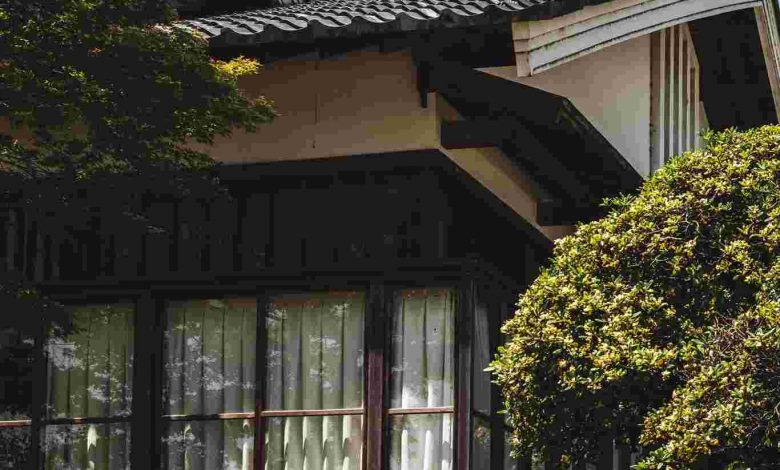
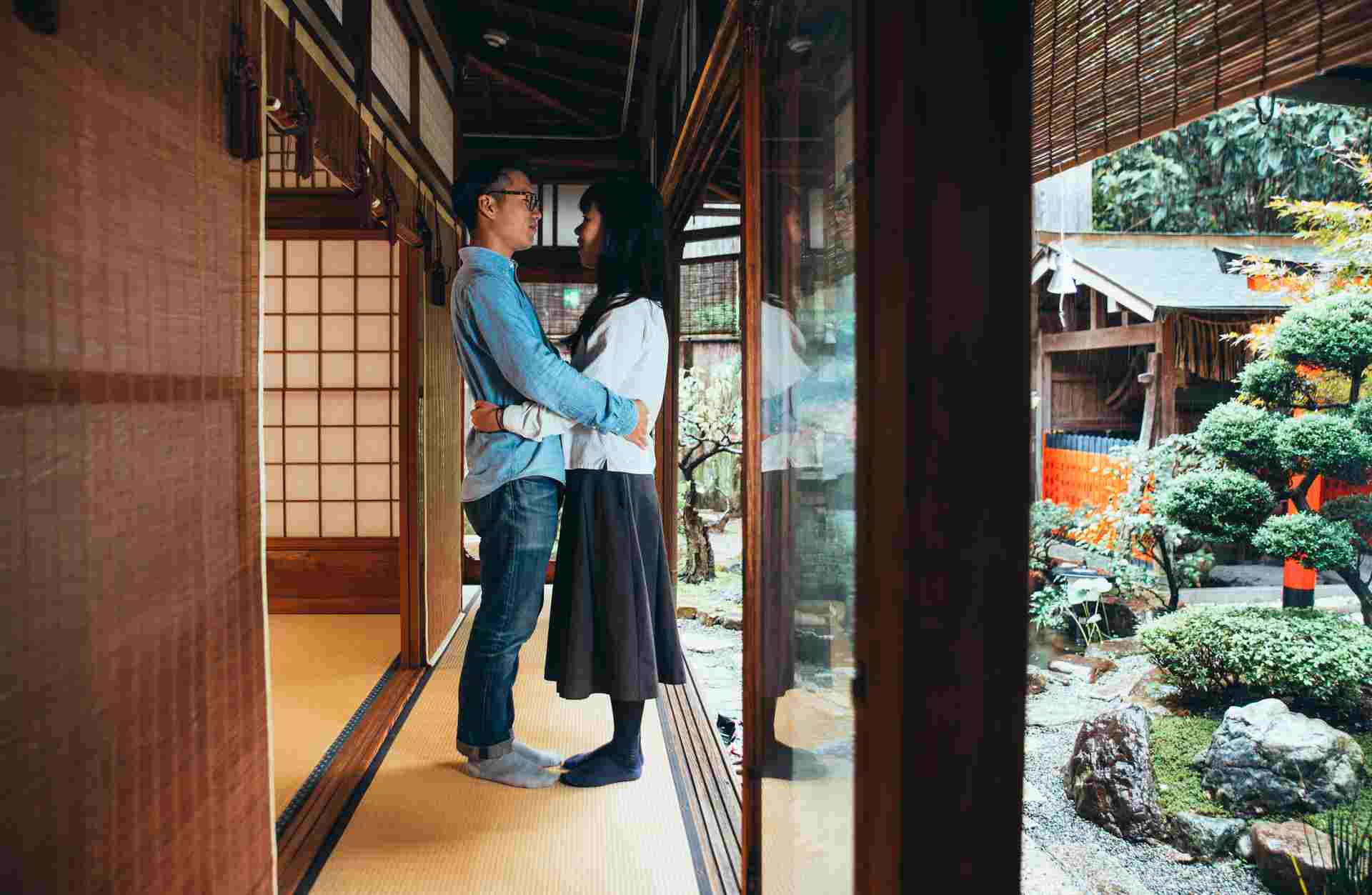
Kyoto is the heart of a romantic Japan trip, but it matters enormously where you stay. Avoid central Kawaramachi for a honeymoon — it's convenient but noisy and feels like a shopping district. Instead, aim for Arashiyama in the west or Higashiyama in the east. Arashiyama Benkei sits right along the Katsura River, a ten-room ryokan where most rooms have open-air onsen baths with garden views, and the Togetsukyo Bridge is a ten-minute walk. It's small enough that service is personal in a way that big hotels never quite replicate.
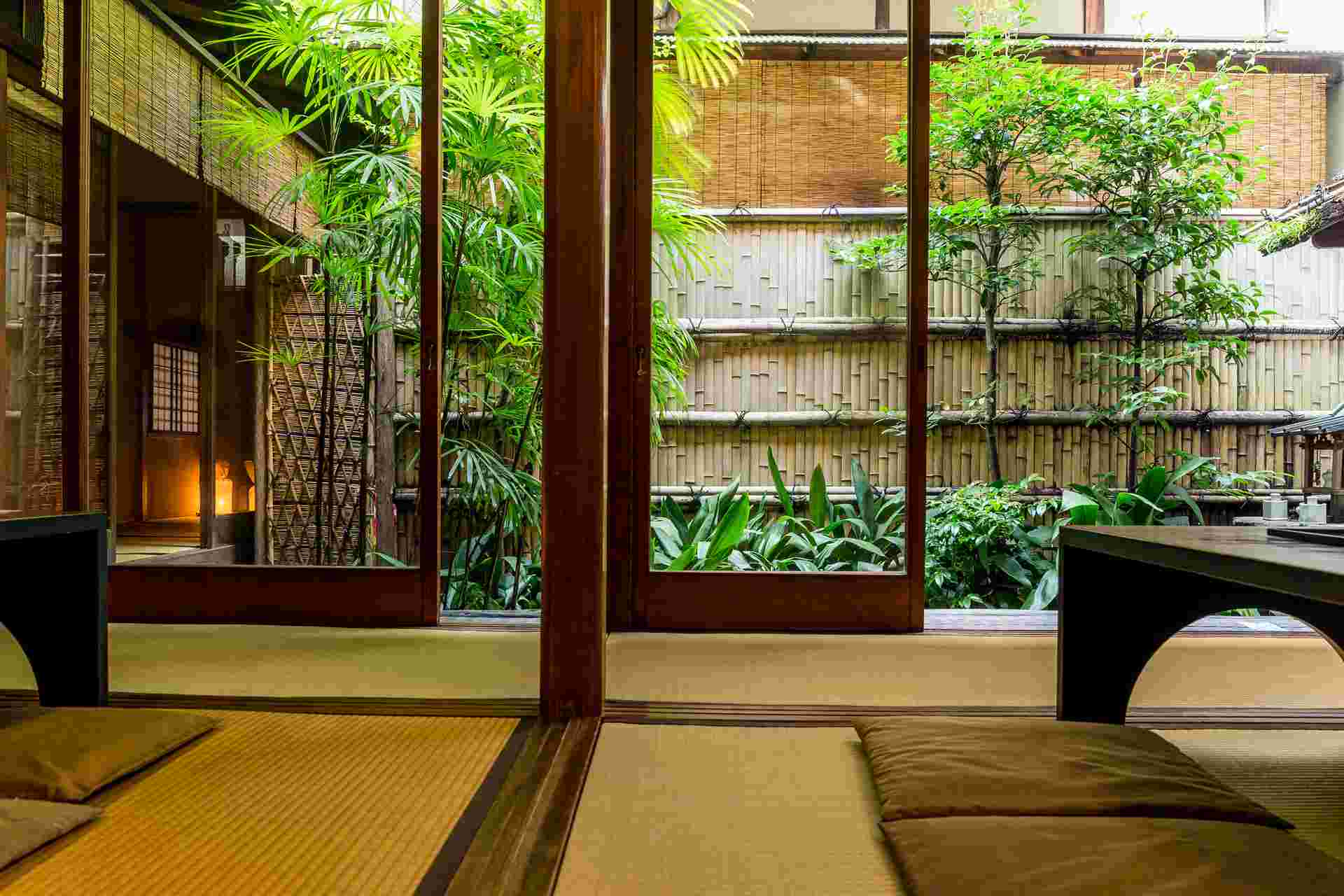
Hoshinoya Kyoto is the other must-consider option — you arrive by boat along the Oi River, which tells you everything about the experience. It's accessible only by a short river ferry from Arashiyama Station, the property is surrounded by forested hills, and the rooms blend contemporary minimalism with tatami and shoji screens in a way that photographs well but feels even better in person. For couples wanting something more intimate, a private machiya (renovated Kyoto townhouse) rental through platforms like Airbnb can run ¥30,000–¥60,000/night and gives you your own walled garden and breakfast setup. Specifically, the Nishiki machiya listings near Fushimi Inari have some excellent properties — look for ones that include a tsuboniwa (inner courtyard garden). Worth the search.
Kyoto Experiences Worth Booking in Advance
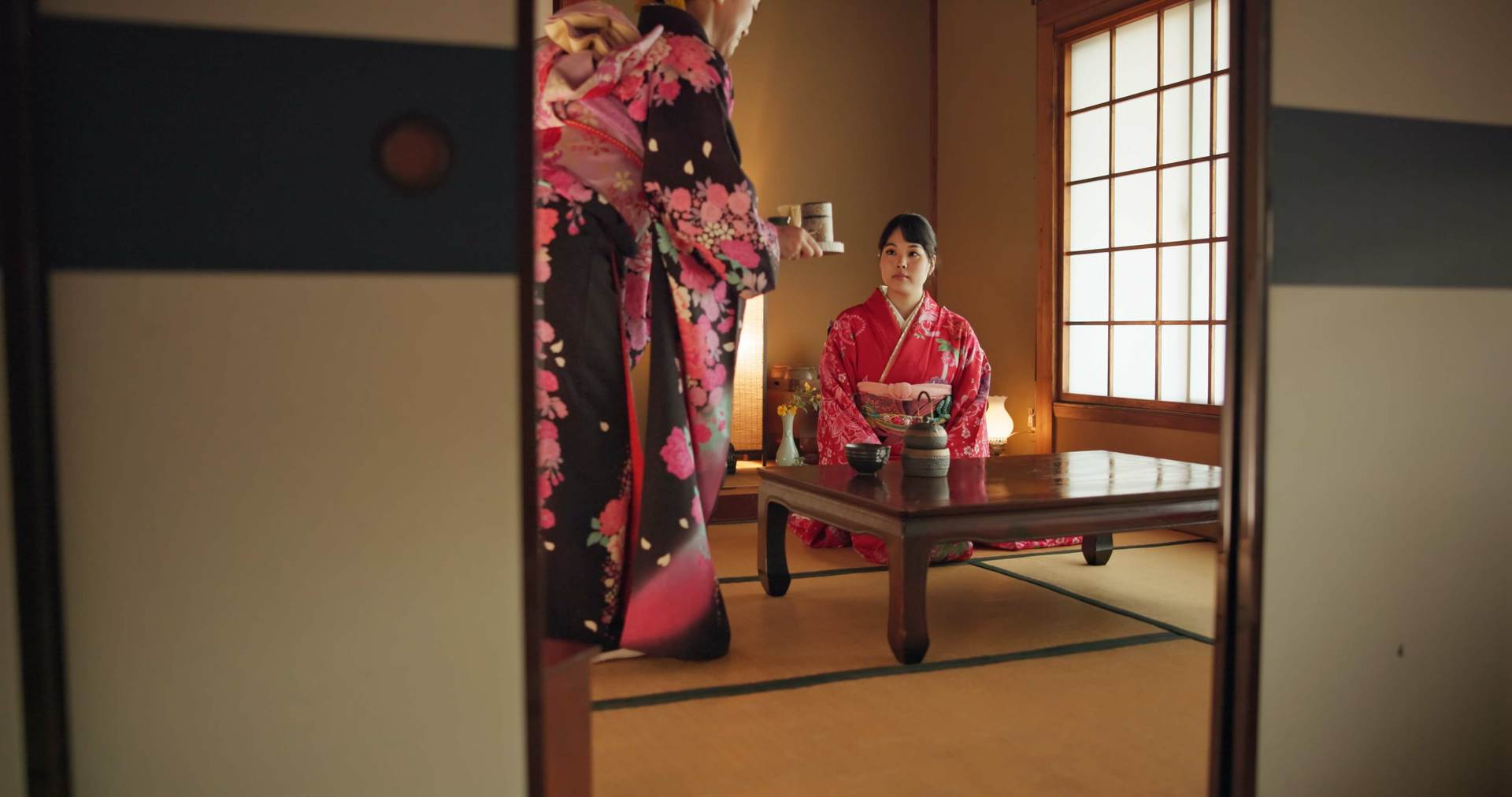
Kyoto's tourist infrastructure in 2026 is under real pressure — popular spots have timed entry, and the best experiences sell out weeks ahead. That said, here's what's genuinely worth the pre-trip planning. A private tea ceremony at Urasenke (the main school of tea in Japan, very different from the tourist-format ceremonies near Kinkaku-ji) runs about ¥10,000–¥15,000 per person and involves a 90-minute session with a trained teacher, matcha, and seasonal wagashi sweets. Not a performance. An actual lesson.
Kimono rental in Higashiyama for ¥3,000–¥5,000 sounds cheesy, doesn't it? Do it anyway. Walking the Ninenzaka and Sannenzaka stone-paved lanes in a matching set of kimono with Kodai-ji temple in the background is the shot that makes the whole trip feel real. Fushimi Inari at 5 AM — before the tour groups arrive — is a completely different place than the midday chaos: silent, misty, and worth setting an alarm for. Also: the Katsura Imperial Villa garden requires a reservation through the Imperial Household Agency website, costs ¥1,000/person, and is genuinely one of the most beautiful designed landscapes in the world. Most tourists skip it. Don't.
Nara: Half a Day That Feels Like Nothing Else
Nara is 35 minutes from Kyoto by express train. It doesn't need more than a half-day but rewards it completely. The deer in Nara Park are not behind fences — they wander freely among 8 UNESCO World Heritage sites, bow back at you (a trained behavior, adorably), and will eat the shika senbei crackers right from your hand. Todai-ji temple houses a 15-meter bronze Buddha and remains one of the largest wooden structures ever built. Kasuga Taisha shrine, deeper in the forest, has hundreds of moss-covered stone lanterns lining the approach path that create an atmosphere that doesn't photograph well but sticks in memory. A couple I know spent their last morning in Japan at Kasuga Taisha at opening time in late March with cherry blossoms falling across the stone lanterns and said it was their clearest image of the entire trip.
Osaka: Two Nights, Zero Apologies for Eating Too Much
Don't skip Osaka. Every Japan itinerary tries to rush through it or skip it entirely in favor of more Kyoto time. Wrong call. Osaka is the food city, and for a honeymoon it's where you get to eat irresponsibly well without anyone judging you. Dotonbori at night — the neon-lit canal district — makes for genuinely good evening wandering: takoyaki from Kukuru (¥700 for 6 pieces), fresh crab from the Kuromon Market stalls, and okonomiyaki at Mizuno where you sit at the counter and watch the cook build it in front of you. That last one requires a queue of about 40 minutes. Worth it. Completely.
For accommodation in Osaka, the Conrad Osaka on floors 33-57 of the Nakanoshima Festival Tower West has rooms starting around $300/night with river views that rival Tokyo. More low-key and romantic: a machiya rental in the Tennoji area, near Shitenno-ji temple, for around ¥25,000/night gives you the rare experience of a quiet residential neighborhood within one of Japan's noisiest cities.
Practical Notes: JR Pass, Timing, and Travel Gear
A 14-day JR Pass in 2026 costs approximately ¥100,000 ($670 USD) per person — buy it before you leave home because it's substantially cheaper abroad than purchasing in Japan. The pass covers Shinkansen, the Haruka Express to Kyoto from Osaka Airport, and most intercity trains. Pair it with a Suica IC card (available at any major JR station, or on your iPhone Wallet now) for local subway rides, convenience store payments, and vending machines. The combination handles 95% of transit needs without touching cash.
Cherry blossom season (late March to mid-April) is the most romantic time but also the most expensive and crowded — book 6–9 months ahead for ryokans. Late October to early November is arguably the better call: autumn foliage (koyo) is as beautiful as sakura, crowds are slightly thinner, and ryokan availability is easier. For travel gear, a lightweight universal adapter handles Japan's Type A sockets. A good noise-canceling set — Sony WH-1000XM5 or Bose QuietComfort 45 — makes the 14-hour flight livable. Most importantly: a portable battery pack (Anker PowerCore 20000 or similar) because you'll be navigating on Google Maps all day and your phone will not survive without one.
Do's and Don'ts for Your Japan Honeymoon
| Do's | Don'ts |
|---|---|
| Book ryokan stays 3–6 months ahead, especially for cherry blossom or autumn foliage season | Don't book your ryokan for just one night — two nights is the minimum to actually settle in |
| Take the Romancecar from Shinjuku to Hakone for the scenic ride | Don't take the standard Odakyu Limited Express — the Romancecar is worth the premium |
| Reserve a private onsen bath time slot at your ryokan the moment you check in | Don't assume private baths are automatically available — they book out quickly at smaller ryokans |
| Pre-book Katsura Imperial Villa through the Imperial Household Agency website (¥1,000/person) | Don't rely on same-day entry for popular experiences like Fushimi Inari early morning walks |
| Use a Suica IC card loaded on your iPhone Wallet for seamless transit and convenience store payments | Don't carry only cash — most convenience stores and train systems now prefer IC card or card payment |
| Try a private tea ceremony at Urasenke rather than the tourist-format ceremonies near Kinkaku-ji | Don't wear shoes you can't slip on and off easily — you'll remove them at every ryokan, temple, and many restaurants |
| Pack one formal outfit — kaiseki dinners at places like Gora Kadan have a smart-casual dress code | Don't wear strong perfume in an onsen area — it disrupts the communal bathing culture |
| Visit Fushimi Inari at 5 AM before tour groups arrive | Don't photograph other guests in communal onsen baths — it's a serious breach of etiquette |
| Buy your JR Pass before leaving home — it's roughly 30% cheaper abroad than purchasing in Japan | Don't exchange currency at the airport — 7-Eleven ATMs in Japan accept most international cards at better rates |
| Plan at least one private kaiseki dinner experience as a special evening | Don't pack heavy — most ryokans provide yukata, towels, toiletries, and slippers, so you need less than you think |
| Ask your ryokan about special honeymoon arrangements when booking — many add in-room flowers or sake without extra charge | Don't try to cram more than two cities into four days — travel days eat your energy |
FAQs
How long should a Japan honeymoon itinerary be?
Two weeks is the ideal length. Any shorter and you're rushing between cities without time to actually exhale. A good two-week structure: 3 nights Tokyo → 2 nights Hakone → 4 nights Kyoto (with a day trip to Nara) → 2 nights Osaka → optional 2-night extension to Hiroshima/Miyajima. If you can only manage 10 days, cut Hiroshima and trim Osaka to one night. Don't cut Hakone.
What is the best time of year for a Japan romantic getaway?
Late March to mid-April for cherry blossoms, or late October to mid-November for autumn foliage — both are spectacular. The sakura season (around March 20–April 10, 2026) is peak romance but also peak prices and crowds, with ryokan rates jumping 30–50% above standard. Autumn is slightly less expensive, foliage is just as dramatic, and the weather is crisp and clear. Avoid Golden Week (late April to early May) — every hotel doubles in price and popular spots become genuinely unpleasant.
Which ryokans are best for a honeymoon in Japan?
Gora Kadan in Hakone (¥80,000–¥150,000/person/night, Imperial Villa grounds, private onsen), Hoshinoya Kyoto (river-access only, contemporary ryokan, from around ¥50,000/person/night), and Arashiyama Benkei in Kyoto (riverfront, 10 rooms, onsen baths with garden views) are all genuinely excellent choices. For Tokyo, Hoshinoya Tokyo (~$392/night) gives you the ryokan experience inside the city. Book well ahead — the top properties, especially in Hakone, fill up months in advance for peak seasons.
Is Japan expensive for a honeymoon?
Highly variable. You can spend $300/night total or $3,000/night. A mid-range Japan honeymoon — think Park Hyatt Tokyo instead of Aman Tokyo, Hoshinoya Kyoto instead of Gora Kadan — runs approximately $400–$700/night per couple including accommodation and one nice dinner per day. Budget roughly $2,000–$3,000 per person for a 10-day trip at that level. Luxury tier (Aman Tokyo, Gora Kadan for two nights) pushes the total toward $8,000–$12,000 per person. Transport via JR Pass is about $670/person for 14 days.
Do we need to speak Japanese for a Japan honeymoon?
No, but a few words help enormously. Sumimasen (excuse me/sorry), arigatou gozaimasu (thank you), and eigo wa hanasemasu ka? (do you speak English?) will cover most situations. In Tokyo and Osaka, English is common in tourist areas. In smaller ryokans or rural spots, staff may speak limited English but are exceptionally patient — most now use translation apps. Google Translate's camera function handles menus, signs, and brochures in real time. Download the Japan offline map on Google Maps before you board the flight.
How do we get from Tokyo to Kyoto?
Shinkansen (bullet train) from Tokyo Station to Kyoto Station takes exactly 2 hours 15 minutes on the Nozomi service. With a JR Pass, the Hikari train (which the pass covers, unlike Nozomi) takes about 2 hours 40 minutes — the difference is minimal. Seats in the Green Car (first class) are ¥5,000–¥8,000 extra per person on top of the pass and worth it for a honeymoon: more space, quieter, and a genuinely different experience from regular Shinkansen carriages. Book Green Car seats in advance at the station or online.
Are there unique Airbnb-style stays in Japan for honeymoons?
Yes, and they're underused by most visitors. Private machiya (traditional wooden townhouse) rentals in Kyoto, particularly in the Nishiki, Fushimi Inari, and Higashiyama areas, range from ¥25,000–¥60,000/night for the whole property — meaning complete privacy, your own garden, and a full kitchen. Search Airbnb for "machiya Kyoto" or "traditional townhouse Kyoto" and filter for Superhosts with 50+ reviews. In Tokyo, smaller properties in Yanaka (the old shitamachi neighborhood) offer a completely different experience from hotel stays and run around ¥20,000–¥35,000/night for a couple.
What travel gear is essential for a Japan honeymoon?
A Suica IC card (or load it on Apple Wallet before you arrive), a portable battery like the Anker PowerCore 20000, and a universal AC adapter for Japan's Type A sockets. If you're going in sakura or autumn season, pack layers — temperatures swing between 8°C mornings and 20°C afternoons. For long flights, Sony WH-1000XM5 noise-canceling headphones are worth every dollar. Also: a small day bag that fits under ryokan storage — wheeled luggage is awkward in traditional inns — and a lightweight packing cube set to organize two weeks of clothes into a single carry-on.