Best Ski Resorts in the World for Every Type of Skier
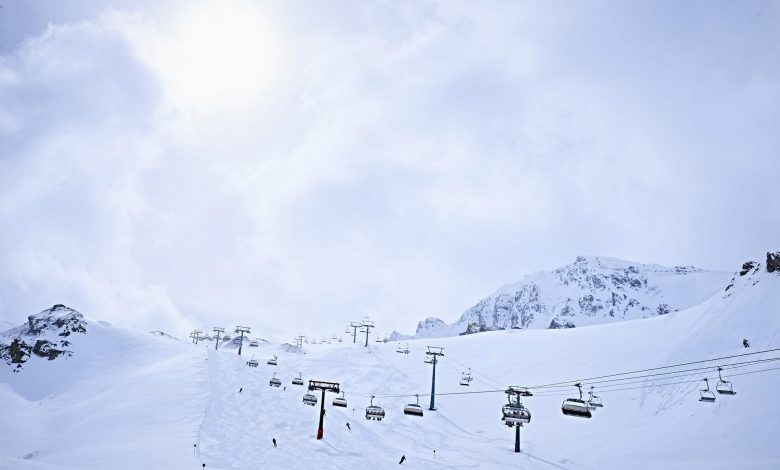
I showed up at Niseko Village for the first time in February with rented gear, jet lag, and genuinely low expectations. By the third run down an ungroomed powder field at 9 AM — chest-deep snow, zero other skiers in sight — I was already mentally rearranging my entire annual leave around coming back. That's the thing about the best ski resorts in the world: they don't just deliver a good day on the slopes. They reset your whole idea of what skiing can feel like. You stop comparing them to other mountains and start comparing your life before and after visiting them.
The problem with picking a "best" list is that the right resort depends entirely on what you're chasing. First-time skiers need groomed greens and patient instructors, not 2,000-metre vertical drops. Powder hounds need deep, dry snow and off-piste access, not ice-hard groomed blues. Couples want ambiance, good food, and a spa that's actually worth the price — not a glorified locker room. This list covers all of it: five resorts across Japan, Canada, Switzerland, the USA, and France, each picked because it genuinely wins in its category. Real lift prices, specific hotels, and the stuff most ski guides leave out.
Niseko Village, Japan — Best for Powder Obsessives
Niseko averages around 15 metres of snowfall per season. Not 15 feet. Metres. The snow comes in from Siberia across the Sea of Japan, and by the time it hits Hokkaido it's dry, feather-light, and absolutely relentless from December through February. I've skied powder in Utah, in the Dolomites, and in Austria. None of it compares to a January morning at Niseko Village when it's dumped 60 cm overnight and you're among the first on the gondola.
Niseko Village is one of four interconnected ski areas under the Niseko United pass — the others being Grand Hirafu, Hanazono, and Annupuri. The United All Mountain day pass for adults runs around ¥9,800 (roughly USD 65) for the 2025-26 season, with early-bird season passes at ¥85,000 if you buy before October. The mountain itself has 30 courses, with beginner slopes low on the hill and serious ungroomed powder terrain accessed via the Niseko Gondola from around the 1,000-metre mark. Off the back side — if conditions allow — is some of the most surreal powder skiing you'll ever have. There's a gate system for backcountry access, and guides from outfitters like Niseko Powder Guides will take you places the groomed maps don't show. For accommodation, Hilton Niseko Village sits ski-in/ski-out at the gondola base. Good rooms, solid breakfast, zero fuss about where you leave your wet boots.
Whistler Blackcomb, Canada — Best All-Rounder
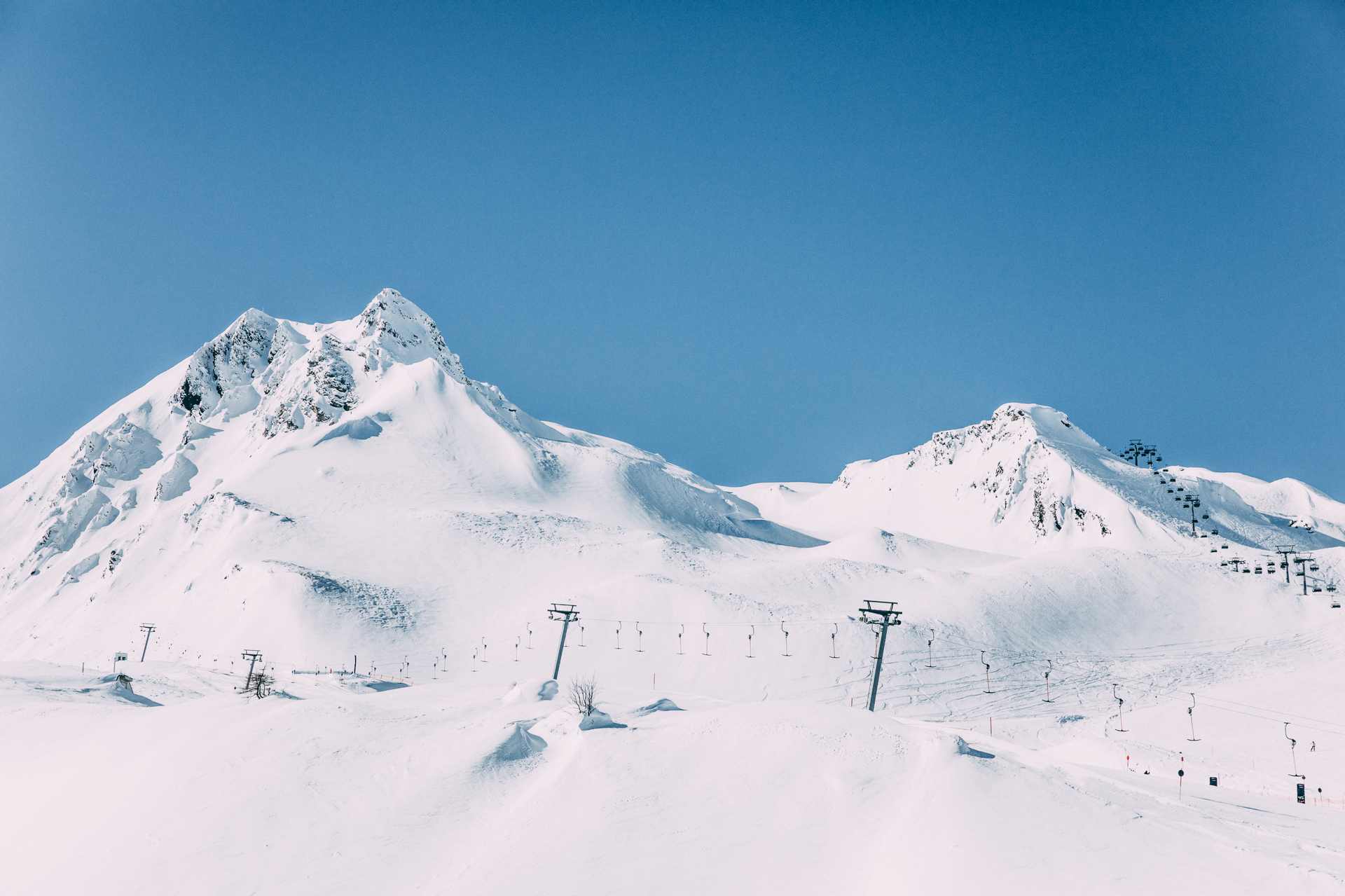
Whistler Blackcomb is two mountains stitched together across 8,171 acres with 200-plus runs, 16 alpine bowls, and 3 glaciers — all accessible on one lift pass. It's North America's largest ski resort, and the sheer variety means you genuinely can't run out of things to ski in a week. The terrain breaks down as roughly 20% beginner, 52% intermediate, and 28% expert. That ratio is exactly why groups with mixed ability levels work here when they'd struggle somewhere more extreme.
Day tickets for the 2025-26 season come in around CAD $239 on a peak day if you book a month ahead — or up to CAD $351 if you show up at the window on a holiday. The Epic Pass covers Whistler Blackcomb for USD $1,051 and also unlocks resorts in the US and Europe, which makes the math reasonable if you're doing multiple trips. Beginners should anchor at Olympic Station on Whistler Mountain and build up to the long green cruiser Burnt Stew — almost 5,000 vertical feet of descent with mountain views that make the runs feel shorter than they are. Experts head to Couloir Extreme on Blackcomb and the high-alpine bowls that require a short hike to access. In Whistler Village itself, the Four Seasons Whistler charges around CAD $800/night in peak season and is worth it if you want to ski hard and not think about logistics. For a mid-range option, the Aava Whistler Hotel runs CAD $250-350 and puts you a short walk from the gondola.
Zermatt, Switzerland — Best for the Classic Alpine Experience
The Matterhorn is right there. Every run, every chairlift, every overpriced coffee you drink at 3,000 metres — the Matterhorn is there. That's either deeply romantic or mildly absurd depending on your mood, but it's undeniably one of the great backdrops in skiing. Zermatt's Matterhorn Ski Paradise covers 360 km of marked runs across Switzerland and Italy (the Klein Matterhorn links across to Cervinia), making it one of the most extensive ski areas on the continent.
Lift passes use dynamic pricing, so six-day passes range from CHF 1,750 in early season to CHF 2,070 in peak weeks. Day passes typically land around CHF 95-105 in mid-season. Kids under 9 ski free, and under-16s get 50% off — worth knowing if you're travelling with family. The Omnia in Zermatt is a proper standout hotel. Perched on a rock above the town and accessed via a private tunnel elevator, it has 30 rooms, Matterhorn views from most of them, and the kind of staff-to-guest ratio that means your skis are ready and your room is warm when you get back. Rates start around USD $564/night. The town itself is car-free — you arrive by train from Täsch, which takes about 12 minutes and costs CHF 10 each way. That detail matters for planning, because you're hauling ski bags.
Vail, Colorado, USA — Best for Groomed Runs and Après-Ski
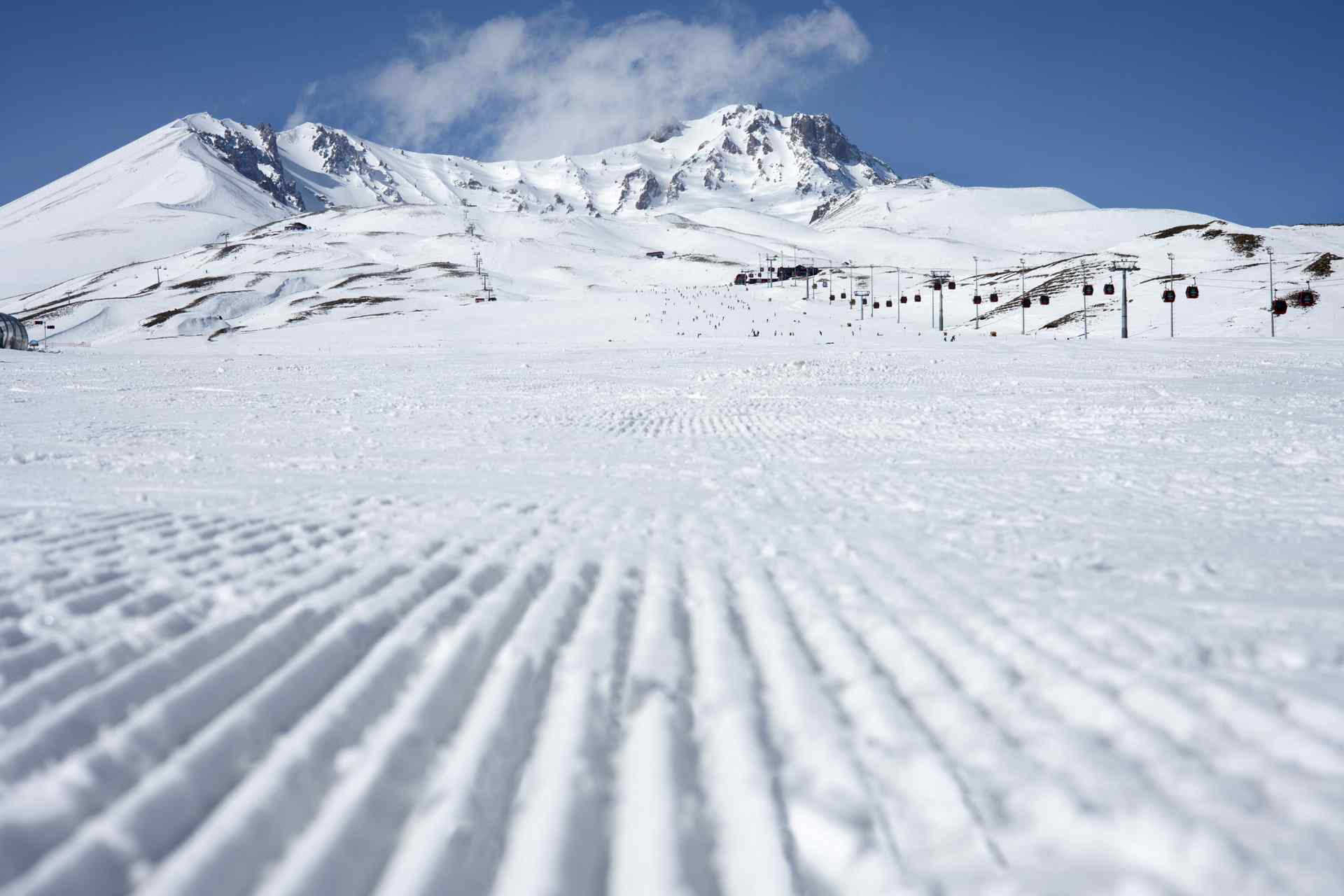
Vail is where American ski culture went all-in on doing things properly. The Back Bowls — seven of them, totalling around 3,000 acres — are open powder terrain accessed from the top of the mountain, and they get a kind of light, dry snow that Colorado is known for. But what Vail does better than almost anywhere is groomed intermediate terrain. Blue routes across Vail Mountain are impeccably maintained, wide enough that you're not fighting for space, and long enough that you actually get a proper run in before you're back on the lift.
Peak-day window tickets hit USD $356 in 2025-26 — yes, genuinely — but booking 30-plus days ahead drops that by over USD $100 per day. The Epic Pass at USD $1,051 makes far more sense if you're skiing more than four days. The Sebastian Hotel in Vail Village is the resort's best boutique option: 68 luxury rooms, 36 residential suites, and a thing called Base Camp — a private ski valet service at the mountain base where staff hand you warm boots and walk you to the first lift. The resort fee is $45/night on top of room rate, which feels like a lot until you've experienced ski valets at 8 AM. Vail Village itself has solid après-ski at Garfinkel's (decent wings, no pretension) and a fine-dining scene if you want to dress up after your third bowl of the day.
Chamonix, France — Best for Expert Skiers
Chamonix is not a beginner resort. Nobody at Chamonix is pretending it is. The Vallée Blanche — a 24-km off-piste glacier descent from the Aiguille du Midi at 3,842 metres — is the defining run here, and it requires a guide, crampons for the ridge traverse at the top, and the kind of comfort with variable snow conditions that comes from years of experience. The resort covers multiple ski areas in the Chamonix Valley, and the Mont Blanc Unlimited pass extends coverage to Les Houches, Megève, and across the border to Courmayeur in Italy. High-season passes (late December through late March) run around EUR 330-380 for six days.
The Hameau Albert 1er is the hotel the valley deserves. A Relais & Châteaux property run by the Carrier family since 1903, it has 37 rooms and a two-Michelin-star restaurant — the Albert 1er — that somehow manages to be extraordinary without being stuffy. The hotel offers a free ski shuttle, ski storage, and rates that start around EUR 400/night in season. The restaurant alone is worth building a Chamonix trip around. On the slopes, Grands Montets is the terrain that expert skiers come for — sustained steep pitches, reliable off-piste, and a top-station view across the Mont Blanc massif that makes you stop skiing for a moment and just look. Chamonix also draws serious freeriders and ski mountaineers in a way that no other resort on this list quite does. If you want the mountain to push back, come here.
How to Choose: Matching Resort to Skier
Here's what most ski guides don't tell you: the ranking doesn't matter as much as the fit. A beginner who books Chamonix based on its reputation will have a miserable trip. A powder obsessive who books Vail for the grooming will be bored by Tuesday. Narrow it down by asking three questions: What's your ability level honestly, not aspirationally? Are you skiing with mixed abilities? And is the mountain the whole point, or do you want a destination with good food and nightlife too?
For pure beginners: Whistler Blackcomb. The learning zones are isolated from fast traffic, and the village is entertaining enough that a rest day doesn't feel like a waste. For intermediate skiers who want variety without stress: Vail. For powder chasing: Niseko, no contest. For alpine scenery and prestige: Zermatt — there's nothing quite like it. For experts who want to actually be challenged: Chamonix, and hire a guide for the Vallée Blanche on day two.
Do's and Don'ts for Ski Vacation Planning
| Do's | Don'ts |
|---|---|
| Book lift tickets 30+ days in advance — saves USD $100+ per day at Vail and Whistler | Don't buy window tickets at peak season resorts unless you enjoy paying the maximum |
| Get ski travel insurance that covers medical evacuation — Zermatt helicopter rescues cost thousands | Don't skip insurance thinking your regular travel policy covers mountain rescues (it often doesn't) |
| Rent gear at the resort on your first trip to test what you actually need | Don't ship your own skis across the world until you know your preferred ski type |
| Hire a local guide for at least one day — they'll take you off the map | Don't rely on the trail map alone in Chamonix — off-piste conditions need local knowledge |
| Book ski school in advance, especially at Niseko — English-language lessons fill fast in January | Don't assume beginner lessons are available last-minute at peak powder season |
| Check dynamic pricing calendars — Whistler's off-peak days are meaningfully cheaper | Don't book a non-refundable lift pass before checking the weather window |
| Stay ski-in/ski-out at least two nights to understand how much easier mornings get | Don't accept a hotel shuttle as equivalent — 20 minutes in ski boots is not the same as walking to the lift |
| Learn a few words in the local language — at Niseko especially, it goes a long way | Don't assume English menus exist everywhere in Hokkaido's apres-ski bars |
| Pack layers, not one heavy jacket — temperature swings of 20°C happen on a single run | Don't bring cotton base layers — they hold moisture and make cold days genuinely dangerous |
| Research apres-ski before you go — the best bars in Chamonix fill by 4 PM | Don't leave apres-ski planning to the last minute in small resort towns |
FAQs
What is the best ski resort in the world for powder skiing?
Niseko, Japan — specifically Niseko Village and Grand Hirafu — consistently tops global powder rankings, and honestly it's not close. The resort receives an average of 15 metres of snowfall per season, with the snow arriving cold and dry off the Sea of Japan via Siberian airflows. December through February is peak powder season, with late January and early February delivering the deepest conditions. The Niseko United All Mountain day pass costs around ¥9,800 (USD $65) for the 2025-26 season, which is remarkably affordable by world standards. If you've skied powder elsewhere and thought it was good, Niseko will make you question your previous benchmarks.
How much do lift passes cost at Whistler Blackcomb in 2026?
Whistler Blackcomb uses advance-purchase pricing, so what you pay depends heavily on when you book. Peak-day tickets purchased 30-plus days ahead run around CAD $239; the same ticket at the window on a holiday can hit CAD $351. The Epic Pass at USD $1,051 covers unlimited Whistler access plus resorts in the US and Europe, making it the best value if you're planning multiple trips. Local residents in Canada and Washington State can access EDGE Cards from CAD $85/day, which is a significant discount.
Is Zermatt good for beginner skiers?
Zermatt has beginner terrain, but it's not the resort's strength — and you'll know it the moment you see how intimidating the upper mountain looks. The resort does have dedicated easy runs on the Sunnegga and Riffelberg areas, and the Matterhorn views are spectacular even from green runs. That said, a true first-timer would have a better experience at Whistler or Vail, where the beginner zones are specifically designed and separated from expert traffic. Zermatt rewards skiers who are at least comfortable on blue runs and want to progress to reds in a dramatic setting.
What is the Vallée Blanche in Chamonix and do I need a guide?
The Vallée Blanche is a 24-km off-piste glacier descent from the Aiguille du Midi cable car station at 3,842 metres down to Chamonix valley. It's one of the most famous ski routes in the world — not because it's technically extreme, but because the approach involves a narrow arête ridge walk in crampons above a significant drop, and the route crosses live glacier terrain with crevasse risk. You need a certified mountain guide. Full stop. Guides typically charge EUR 60-90 per person for a group run. Don't do it with just a trail map and confidence — people get into serious trouble every season trying exactly that.
Which is better for families — Vail or Whistler Blackcomb?
Both are excellent family resorts, but Whistler Blackcomb edges it slightly for mixed-age groups. The dedicated learning areas (Olympic Station on Whistler, Magic Chair on Blackcomb) keep beginners separated from fast skiers, the ski school is well-organized, and Whistler Village has enough non-skiing activities — ice skating, snowshoeing, tubing at Coca-Cola Tube Park — to keep kids engaged on rest days. Vail's Back Bowls are incredible for advanced family members, and the village infrastructure is top-tier, but the price point (USD $356 peak-day tickets) adds up fast with multiple children.
How do I get to Niseko Village from Tokyo?
Fly Tokyo (Haneda or Narita) to New Chitose Airport in Sapporo — around 90 minutes. From New Chitose, you have two options: the Niseko Express bus from the airport directly to Niseko (around 2.5 hours, JPY 2,800), or a JR train to Niseko Station via Sapporo (around 3 hours, covered by JR Pass). Most ski operators run shuttle services from the airport during peak season. Budget around half a day from Tokyo door-to-resort, which sounds like a lot until you're knee-deep in powder on day two and completely fine with it.
What's the best time of year to ski in Zermatt?
Zermatt's winter season runs from November through late April, and the Klein Matterhorn glacier keeps skiing possible year-round. For the best combination of snow conditions and mountain access, January through March is the sweet spot — reliable snow base, most lifts open, and the full 360 km of piste accessible. December can be iffy for snow at lower altitudes. If you're a strong skier interested in the Italian side (Cervinia), check that the Theodul Pass link is open — it sometimes closes in poor visibility. Spring skiing (late March–April) offers cheaper prices and longer daylight, though the snow is heavier and wetter.
Do I need ski experience to enjoy a ski resort vacation?
No — but be honest with yourself about what a beginner trip looks like versus an advanced one. Resorts like Whistler Blackcomb and Vail have entire dedicated learning areas with patient instructors, and beginner group lessons typically run around USD $150 for a half-day. You won't ski the entire mountain on your first trip, and that's fine — but you also don't need to. The village life, the mountain air, the food and après-ski at these resorts are genuinely enjoyable whether or not you're on skis all day. Book lessons in advance — January lessons at Niseko in particular sell out well before the season.