What to Wear in Dubai: A Style Guide for Every Season and Setting
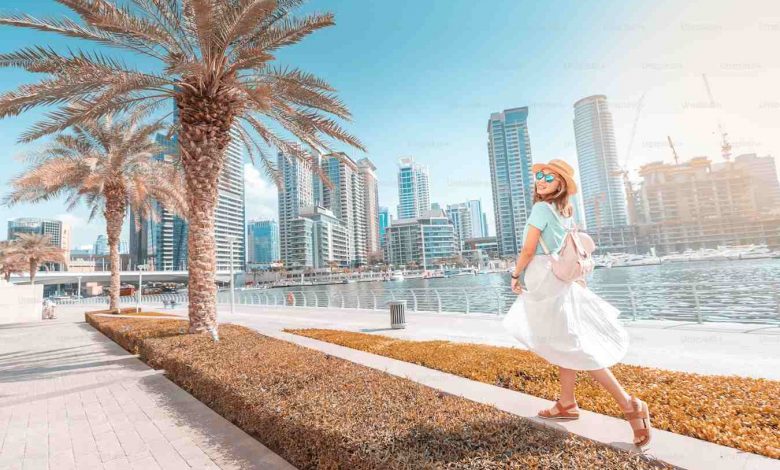
The first time I flew into Dubai, I genuinely stressed about packing. I'd read about dress codes and cultural rules, then panicked and stuffed my suitcase with maxi skirts I never wore. Here's the truth: figuring out what to wear in Dubai is a lot simpler than the internet makes it sound. It's not Saudi Arabia. It's not Las Vegas either. It sits somewhere in the middle — a cosmopolitan city with Muslim roots, where modesty is respected but nobody's policing your wardrobe at the mall door. You just need to know which setting calls for what.
I've been back three times since that first trip, and I've cracked the code. Dubai has distinct environments — souks and mosques that genuinely require modesty, beach clubs where a bikini is not just acceptable but expected, desert safaris where looking good is secondary to staying comfortable in 40°C heat, and shopping malls where anything from linen trousers to a midi dress works fine. This guide breaks it all down by setting, by season, and by specific brands that actually stock what you need. No vague advice. Real outfit formulas.

Understanding the Dubai Dress Code: The Basics
There's no single dress code for the entire city. That's the most important thing to understand. Dubai's rules shift based on where you are — public streets and transport versus private resorts, malls versus mosques, tourist beaches versus community parks. In public spaces, shoulders and knees covered is the general baseline. In practice, most tourists in Dubai Mall are wearing jeans and sleeveless tops, and nobody stops them — but a bikini top and shorts in a souk is a different matter and will attract stares at minimum.
The legal side is real. Dubai does have public decency laws, and while enforcement is inconsistent, being called out in a souk or market for overly revealing clothing does happen. The smarter play is just to dress contextually. A sarong costs nothing. A light linen button-down weighs almost nothing in your bag and covers everything that needs covering the moment you leave the beach. Think modular — outfits you can layer on or strip down based on the stop.

What to Wear in Dubai Mall and Shopping Centers
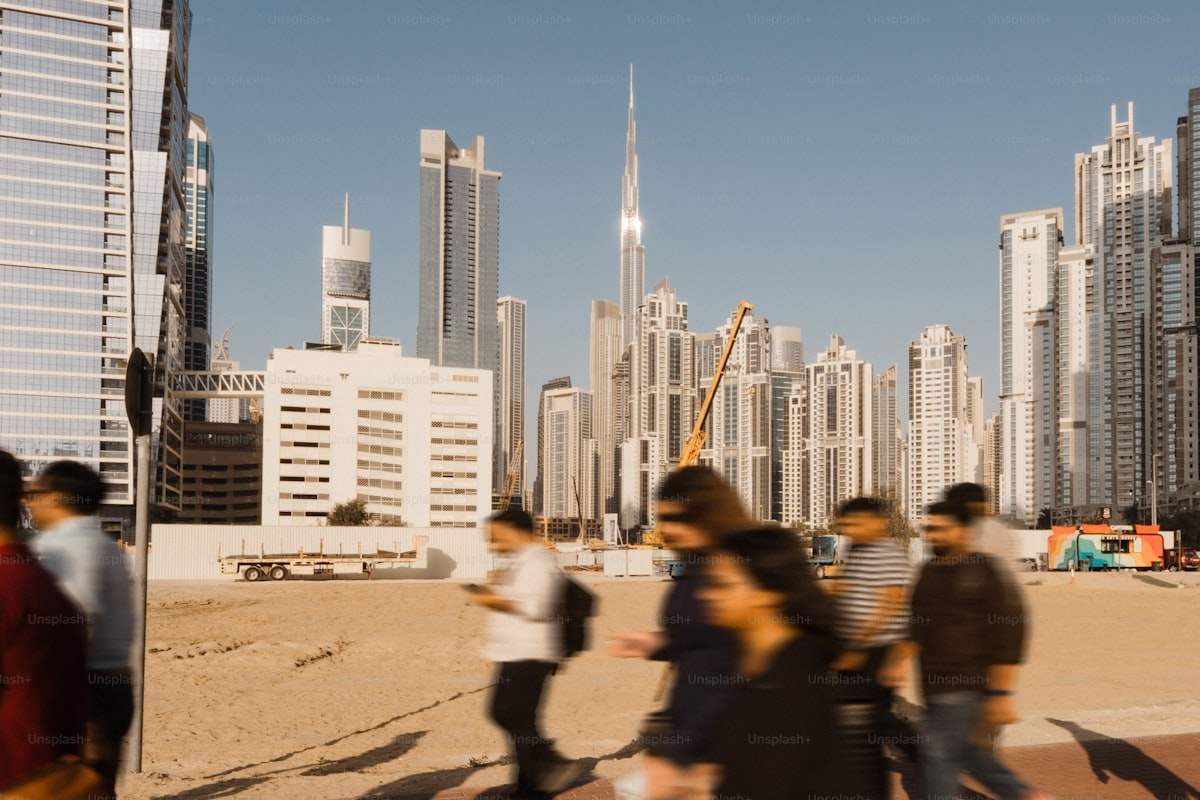
Dubai Mall is the most-visited shopping mall on the planet. JBR Walk, Mall of the Emirates, City Walk — all similar vibe. The official dress code asks that clothing covers shoulders and knees, no midriffs, no see-through fabrics. In practice, people dress the way they would in any upscale European mall. What actually works well: wide-leg linen trousers from COS paired with a fitted cotton tank under a linen shirt, or a midi wrap dress from Zara in a breathable fabric.
COS is particularly well-suited to Dubai dressing. Their structured linen pieces — the linen wide-leg trousers at around AED 350, the relaxed open-collar shirts — look polished without being stuffy. Zara's UAE store (at Dubai Mall itself, among other locations) stocks linen wrap dresses and printed midi skirts that hit right at or below the knee, which is the sweet spot. One thing most people miss: malls are aggressively air-conditioned. You'll go from 38°C outside to 21°C inside in thirty seconds. A light cotton cardigan or a pashmina scarf tucked into your bag solves this fast. Reef sandals are a solid choice for a long mall day — supportive enough for hours of walking, flat enough to not destroy your feet on marble floors.
Desert Safari Outfit: What Actually Works
Desert safaris are where outfit choices genuinely matter for comfort, not just appearances. The temperature swing is wild — easily 42°C during afternoon dune bashing, dropping to 18°C by the time the bonfire starts at camp around 9 PM. A single outfit that covers both is harder to pull together than it sounds.
My go-to formula: loose cotton or linen trousers (not leggings — sand gets everywhere and linen breathes), a cotton long-sleeve shirt in a light colour, and a pair of closed-toe shoes or sturdy sandals with ankle straps. Reef sandals with proper straps work for the camp section but you'll want closed shoes for the dune walk itself — sand gets into everything and the heat radiating off the dunes through thin soles is genuinely uncomfortable. Bring a light fleece or bomber jacket in your bag for the evening — the temperature drop is abrupt and happens fast. Light, neutral colours: beige, white, khaki. Dark colours absorb heat in a way that feels personal out there.
One thing that always surprises first-timers: the sand itself. Fine, powdery, it gets into every fold of clothing. Avoid wide-leg trousers for the dune climbing section specifically — the fabric scoops sand. Zara's linen-blend tapered trousers are genuinely better for this than anything flowy. And leave the white linen dress for another day.
Dubai Beach Dress Code: Public Beaches vs. Beach Clubs
Public beaches — JBR Beach, Kite Beach, Jumeirah Public Beach — are relaxed about swimwear. Bikinis and one-pieces are standard and expected. The rule is about leaving the beach, not being on it. Cover up before you walk to the parking area or a nearby restaurant. A sarong, a shirt dress, or a kaftan does this job. Reef sandals are ideal here — they handle wet sand, hot pavement, and the walk back to the car without becoming unusable.

Beach clubs are a different world entirely. Zero Gravity, Nikki Beach, Cove Beach at Caesar's — these are more like upscale European beach clubs with a UAE twist. Stylish swimwear is absolutely fine poolside and at the beach. As you move into the restaurant or lounge section, cover-up rules apply: a kaftan or a linen shirt dress keeps you within the smart-casual expectation. From late afternoon onward at venues like Nikki Beach, the vibe shifts — women switch to sundresses or resort-wear jumpsuits, which also serve as a cover-up if you're coming straight from the pool. One thing to note: at some beach clubs, walking into the lounge or bar area in just a swimsuit will get you turned away. Not rudely, but firmly.
What to Wear at a Mosque in Dubai
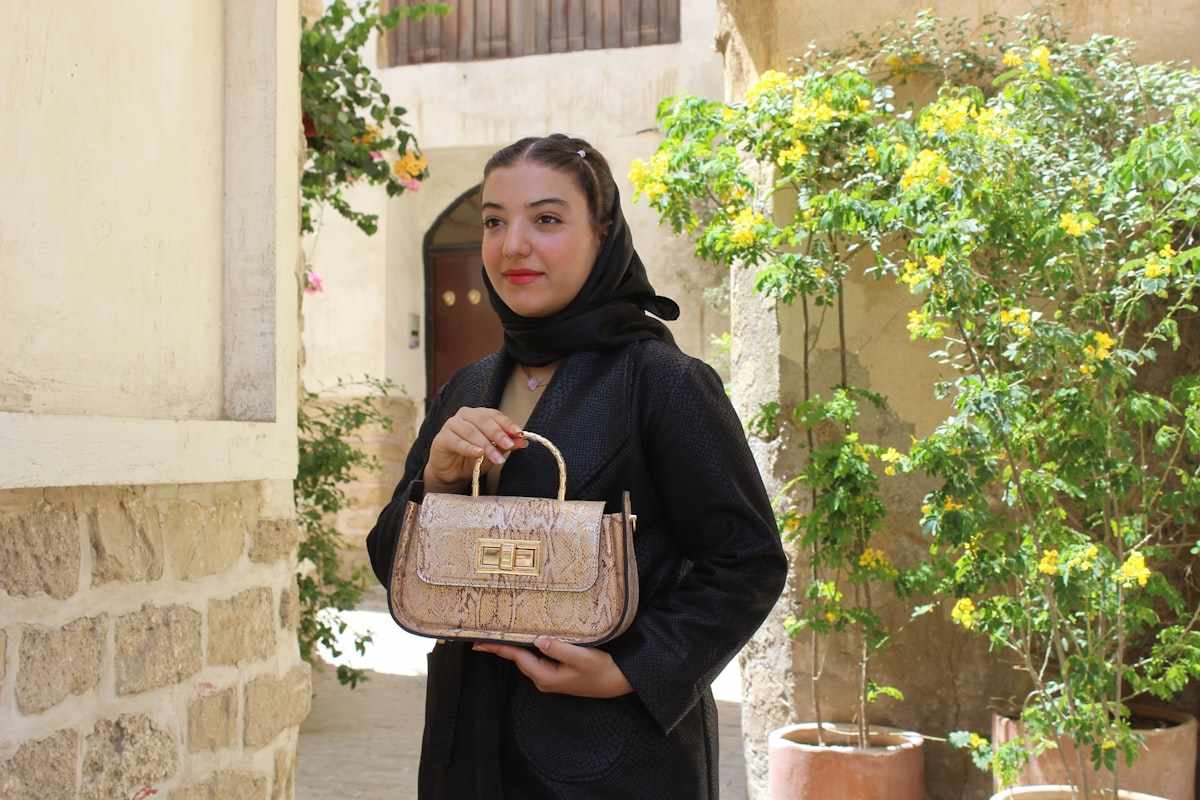
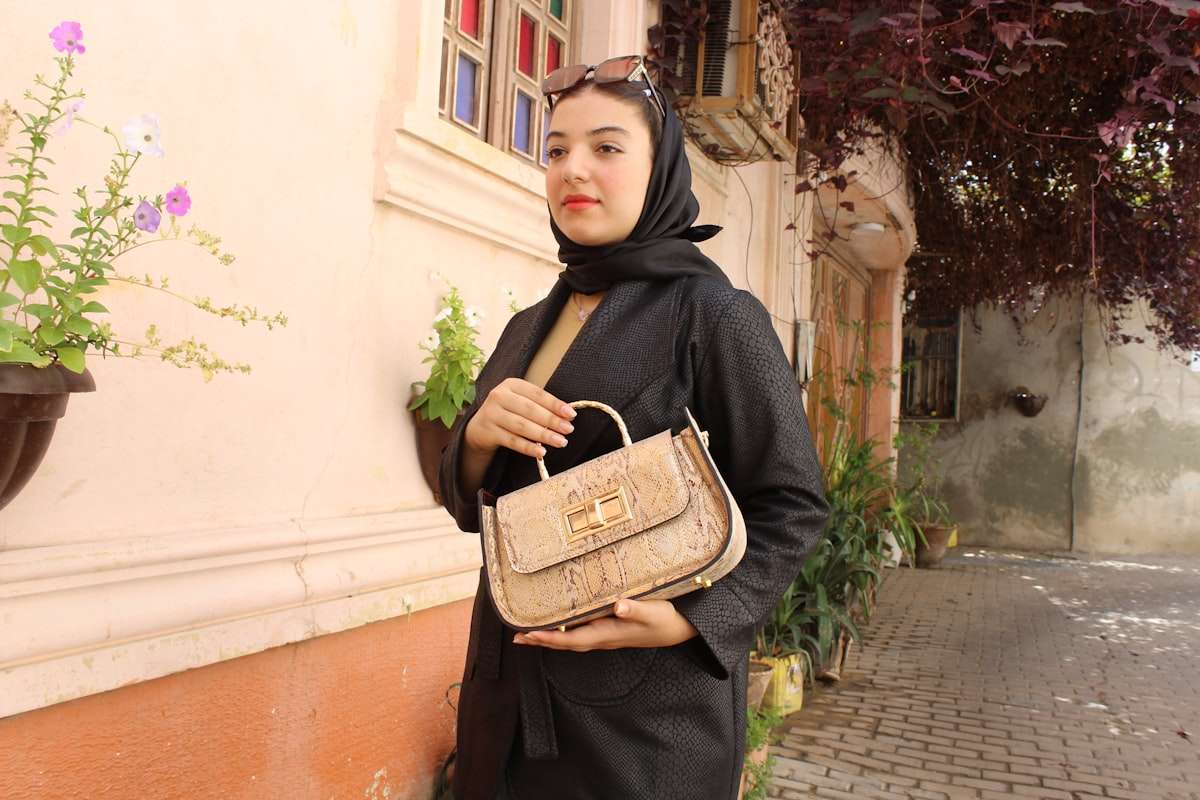
This is where the dress code is non-negotiable. Jumeirah Mosque in Dubai — one of the few mosques in the UAE that runs non-Muslim visitor tours — requires women to cover their arms fully to the wrist, legs to the ankle, and hair. Not "sort of" covered. Fully covered. Jumeirah Mosque provides abayas on-site as part of the entry experience (their tours are AED 35 per person as of 2026), so you can dress normally and change there. If you're visiting the Sheikh Zayed Grand Mosque in Abu Dhabi, it's stricter — you need to arrive in full-coverage clothing, and since the pandemic, the free abaya rental they used to offer is gone. You either buy an abaya at the mosque's adjacent souk (around AED 60-120) or bring your own.

A practical shortcut if you're mosque-visiting frequently: buy a lightweight abaya from one of the souk shops near the Grand Mosque or at Dubai's Gold Souk area. Around AED 70-100 gets you a decent one that folds small enough to keep in your day bag. That way, any spontaneous mosque visit is covered — literally. Make sure shoes are easy to remove and put back on quickly.
Packing for Dubai by Season
Winter (November through March) is when most tourists visit, and it's legitimately pleasant — highs around 25°C, cool evenings that can dip to 15°C. Pack like you would for a warm Mediterranean spring. Light trousers, linen shirts, a couple of midi dresses, one light jacket for evenings and air-conditioned spaces. You won't need heavy outerwear.
Summer (June to September) is when temperatures hit 42°C with humidity that makes it feel hotter. This is when breathable, light-coloured, loose clothing isn't just a preference — it's survival. COS linen pieces genuinely perform here. So does Linen Fox, an online brand popular for travel-ready linen clothing that ships to the UAE. The inside of malls and hotels will be cold enough to need a layer regardless of outside temperatures. Spring (April-May) and autumn (October) are transitional — daytime heat, pleasant evenings, very manageable if you pack for both warm and cool.
Shoes That Work for Dubai
Reef sandals come up constantly for good reason — they're durable, comfortable on hot pavement, look decent enough for casual dining, and cost around USD 50-70 for a good pair. For more versatile coverage: a pair of strappy flat sandals handles beach clubs, mall walks, and casual dinners. Sneakers are smart for desert safaris and any long walking day. Heels are viable for evening venues and nice restaurants. Skip white shoes — the heat and dust of a Dubai street will destroy them by day two.

What genuinely doesn't work: flip-flops as your only shoe. They're fine at the beach and resort pool, but they'll wreck your feet across the vast marble floors of Dubai Mall over several hours. Reef's arch-support sandals split the difference nicely.
Do's and Don'ts for Dressing in Dubai
| Do's | Don'ts |
|---|---|
| Cover shoulders and knees in malls, souks, and public streets | Wear bikini tops or swimwear off the beach or pool area |
| Pack a light linen shirt or sarong to layer over beach outfits | Walk through a hotel lobby or mall in just a swimsuit |
| Wear closed shoes or ankle-strap sandals for desert safaris | Wear tight, flowy wide-leg trousers for dune walking |
| Carry an abaya or buy one near the Grand Mosque for mosque visits | Assume free abaya rentals are still available at the Abu Dhabi Grand Mosque |
| Choose linen and cotton fabrics in light, neutral colours for summer | Wear dark colours during outdoor summer activities — they trap heat fast |
| Bring a pashmina or cardigan for aggressively air-conditioned malls and restaurants | Pack only one outfit type — Dubai's settings vary too much |
| Wear supportive sandals (Reef, flat strappy sandals) for long mall days | Rely on flip-flops for extended walking — they won't hold up |
| Dress smart-casual for beach club restaurant and lounge areas at sunset | Expect the same freedom at a public beach as at a private beach club |
| Cover hair and arms fully (not just partially) for mosque entry | Arrive at Jumeirah Mosque without checking if their tour times suit your schedule |
| Use breathable fabrics year-round — even winter has midday heat | Overpack heavy fabrics thinking Dubai winters are cold |
FAQs
Can women wear shorts in Dubai?
Yes, in most areas. Knee-length or just-above-knee shorts are fine in shopping malls, restaurants, hotel lobbies, and tourist areas. Very short shorts — mid-thigh or higher — are acceptable at beaches and beach clubs but will attract attention in souks, public markets, and more local neighbourhoods. A general rule: if you're heading somewhere more culturally traditional, swap the shorts for linen trousers. It takes thirty seconds and avoids any awkwardness.
Is there a strict dress code at Dubai Mall?
Dubai Mall technically asks visitors to cover shoulders and knees and avoid midriff-baring or see-through outfits. Enforcement is inconsistent — you'll see plenty of tourists in sleeveless tops and above-knee dresses without issue. That said, if you're dressed in a way that staff consider too revealing, they can and do ask you to change or cover up. A simple midi dress from Zara or linen wide-leg trousers with a fitted top keeps you well within the lines without sacrificing style.
What should I wear on a desert safari?
Loose, light-coloured cotton or linen trousers, a long-sleeve cotton shirt or top, and closed shoes or ankle-strap sandals for the dune sections. Avoid white (sand stains), avoid anything too flowy on the legs (scoops sand), and bring a fleece or light jacket for evening — temperatures at desert camp drop sharply after sundown. Zara's linen-blend tapered trousers are a practical choice. Skip the maxi dress for this one.
Do I need to cover up completely at Dubai beaches?
On the beach and at pools, standard Western swimwear — bikinis, one-pieces, swimshorts — is completely fine and expected. The rule kicks in the moment you leave beach territory: before walking to a shop, restaurant, car park, or public street, throw on a cover-up. A sarong tied at the waist is the easiest version. At beach clubs like Zero Gravity or Nikki Beach, you can stay in beachwear throughout the pool area but should cover up when entering the restaurant or bar sections.
What do I wear to visit the Jumeirah Mosque in Dubai?
Jumeirah Mosque provides abayas for women at the door as part of their guided tour experience (AED 35 per person, tours run multiple times daily). You don't need to arrive in specific clothing because they'll cover you on arrival. If you're visiting the Sheikh Zayed Grand Mosque in Abu Dhabi, arrive already in full-coverage, loose-fitting, non-see-through clothing, and bring a headscarf — the mosque requires hair to be covered and no longer provides free rentals.
Which brands work best for packing for Dubai?
COS is reliable for clean linen pieces that travel well and hit the right modest-but-stylish note. Zara's UAE line stocks linen dresses, midi skirts, and linen trousers that work across Dubai's settings. For sandals, Reef's arch-support styles handle both beach and long city days. Linen Fox is a smaller online brand worth looking at if you want genuinely lightweight, packable linen basics. Avoid overly synthetic fabrics — they retain heat in a way that becomes unpleasant outdoors.
Is it cold inside Dubai malls?
Genuinely cold, yes. Air conditioning in Dubai's malls runs aggressive — 20-21°C is standard, sometimes lower in certain sections. If you're heading out in a sundress, carry a light cardigan or pashmina. You'll use it in every mall, in taxis, and in most restaurants. The transition from 40°C outside to 20°C inside is abrupt enough to give you chills.
Can I dress up for nightlife in Dubai?
Yes, and Dubai's nightlife venues generally expect it. For women, a short dress, a stylish jumpsuit, or smart trousers with heels are standard for nightclub and rooftop bar entry. Beachwear, shorts, and flip-flops will get you turned away at upscale venues. The rules around dress aren't about modesty in evening venues — they're about smart-casual minimum. Think what you'd wear to a nice restaurant in London or Sydney, and you'll be fine.