First Class vs Business Class: Which Is Actually Worth It
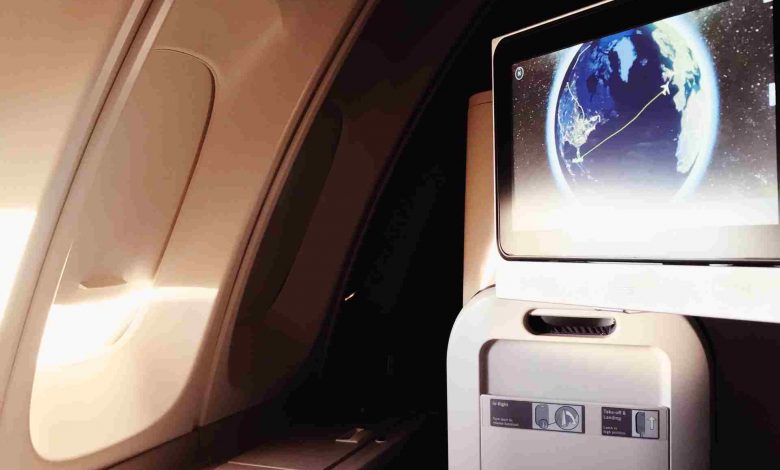
I remember the exact moment I sat in an Emirates First Class suite for the first time — Dubai to New York, door closed, Dom Pérignon in hand, shower booked for hour six of the flight. It was absurd. It was magnificent. And it cost roughly $12,000 more than the Business Class seat two rows back, which also had lie-flat beds, Bvlgari amenity kits, and a minibar I could raid at midnight. The question that nagged at me the whole flight wasn't "is this amazing?" It obviously was. The question was whether I'd have noticed the difference if I'd spent that extra twelve grand on, say, three weeks in Japan instead. That is the first class vs business class question nobody gives you a straight answer on — and it deserves one.
In 2026, the gap between top-tier business class and first class is both wider and narrower than it's ever been, depending on which airline you pick. Qatar Qsuite and ANA The Room have pushed business class so close to a private cabin experience that the line genuinely blurs. Meanwhile, Emirates First Class on the A380, Singapore Airlines Suites, and Etihad Apartments have doubled down on the full hotel-in-the-sky concept, justifying price tags that start at $8,000 one-way and climb past $20,000. This breakdown covers the real hardware, the actual prices, and the honest verdict on which premium cabin flying decision makes sense — for which kinds of travelers.
What You're Actually Paying For in Each Cabin
Business class on a major carrier in 2026 runs roughly $3,500–$7,000 one-way on a transatlantic route. New York to Dubai in Emirates Business Class? Around $4,600–$6,400 depending on the fare bucket. New York to Singapore on Singapore Airlines Business Class starts at about $4,000 and tops out near $7,000. You get a lie-flat bed — genuinely flat, not that 2009 "angled" nonsense — a privacy divider or partial door, noise-cancelling headphones, lounge access, and solid dining. On the best carriers, you're sleeping in something close to a queen bed with real linen.
First class pricing is a different universe. Emirates First Class on the same New York–Dubai route runs $12,000–$20,000+ one-way depending on the season — that's AED 75,000–95,000 at the rack rate. Singapore Airlines Suites (their A380-only product with six private cabins per plane) typically prices at $13,000–$20,000 one-way. Etihad Apartments on the A380 run roughly $9,000–$14,000 one-way from JFK to Abu Dhabi, with The Residence three-room cabin going all the way to $25,000 round trip for two. You're not paying double. You're often paying triple.
Emirates First Class: The Gold Standard, For a Reason
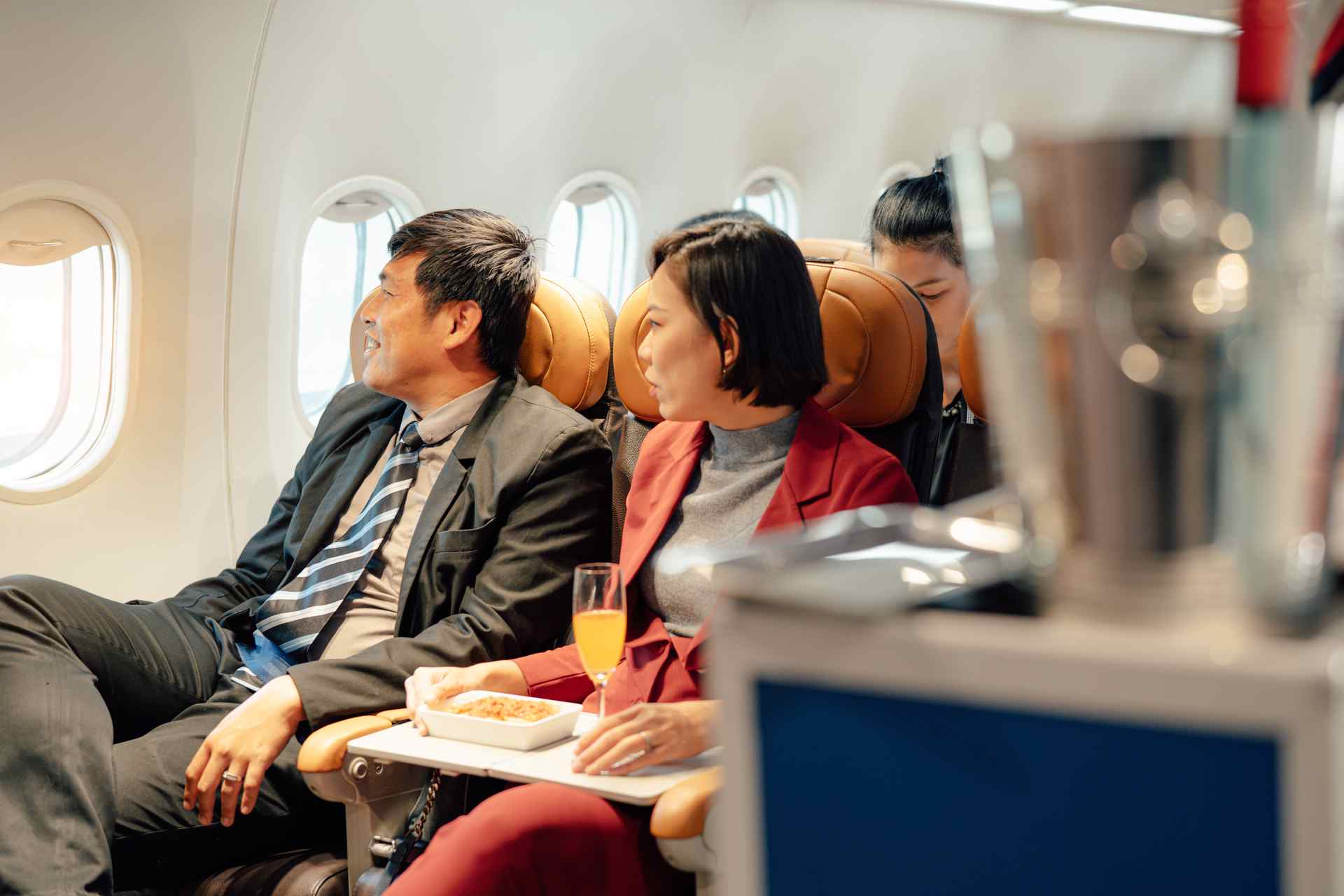
Emirates First Class on the A380 is the one people mean when they say "first class" like it's a myth they half-believe in. The product is private suites with full-length closing doors — not a curtain, not a partition, an actual door. Inside: a seat that converts to a proper flat bed, a vanity mirror, a minibar stocked before you board, and a wardrobe for hanging clothes. But the thing that makes it genuinely different from everything else at 40,000 feet is the shower spa. Two of them, on the upper deck, bookable mid-flight. I spent 35 minutes in there somewhere over the Atlantic and emerged in pajamas that cost more than my first laptop.
The soft product matches. Crew-to-passenger ratios in First Class cabins run around 1:4 rather than the 1:8 or worse you see in Business. They remember your name without looking at a card. Caviar on request. Dom Pérignon as the default pour. Compare that to Emirates Business Class — which is genuinely excellent — and you're talking about the difference between a great hotel and a private villa. Same city. Different experience entirely.
Singapore Airlines Suites vs Business Class: Six Doors vs No Doors
Singapore Airlines runs its Suites cabin exclusively on the A380, exclusively on select routes — Singapore to London, Singapore to New York, Singapore to Sydney. Six suites per plane. They're not seats. They're enclosed cabins with sliding doors, a proper ottoman, a separate full-length bed that a butler makes up with a duvet, and a window seat with its own separate chair so you can actually sit up and eat rather than balancing a plate on a lie-flat mattress. Two Suites can also be combined into a "double" for couples, with the partition wall folding down.
Singapore Airlines Business Class — branded as "Book the Cook" compatible, with dine-on-demand on most routes — is widely considered the best non-enclosed business cabin flying. Flat bed, good privacy, genuinely great food. It costs $4,000–$7,000. Suites start at $13,000. The premium cabin flying question here is pretty honest: if you're doing Singapore–New York (18+ hours), the Suites upgrade is defensible. If you're doing Singapore–Sydney (seven and a half hours), Business Class is the obvious call. Sleep, eat, land. Done.
Qatar Qsuite and ANA The Room: Business Class That Blurs the Line
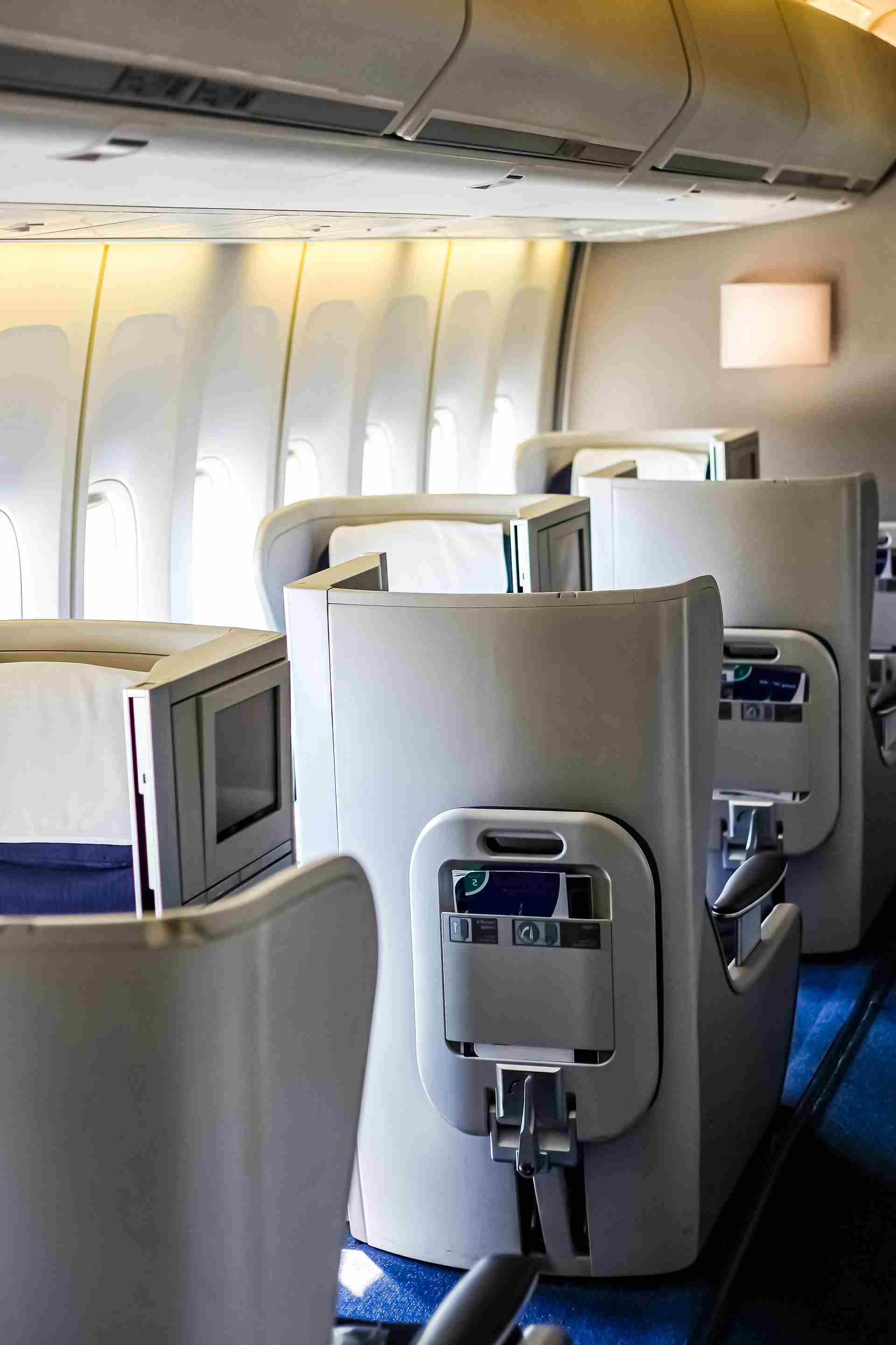
Qatar Qsuite exists in a specific category: business class that genuinely challenges first class on everything except name. The product features a fully closing door (not a full suite, but close), a 21-inch screen, and a configuration where two or four Qsuites can be combined into a shared "cabin" for couples or families. It's clever design. On a Qatar Business Class ticket running $3,800–$5,500 from JFK to Doha, you're getting enclosure, privacy, and excellent food with none of the first class price overhead.
ANA The Room on the 777-300ER goes even further. Each seat is fully enclosed — a proper door, not a swinging panel — with 38 inches of width reclined. A first-class-caliber footwell. Storage that's actually designed for humans. The screen is sharper than most competitors' first class screens. ANA The Room runs $5,000–$8,000 from Los Angeles to Tokyo, which is less than half what ANA First Class (still available on some 777s) costs at $14,000–$18,000. The first class review argument for ANA is genuinely hard to make when The Room exists and costs this much less.
Lounges, Ground Experience, and the Stuff That Happens Before You Board
Here's the first class vs business class comparison that most people skip: the airport experience is genuinely different, and it starts before you land at the airport. Emirates First Class passengers get a dedicated car service from home to the terminal in Dubai — not at the departure city, but it exists. At DXB, the First Class Terminal is a separate building. Not a lounge. A separate building with a spa, a library, gourmet dining, a pool (now under renovation but coming back), and no queues of any kind. Emirates Business Class uses the excellent Business lounge, which is still good — but you're in the same building as everyone else.
Qatar First Class passengers use the Al Safwa lounge in Doha, consistently ranked the world's best. Singapore Airlines Suites passengers use The Private Room, which seats about 25 people and requires either Suites or a top-tier frequent flyer card to enter. These are not trivial upgrades. If your connection is three hours, a quiet private room with table service changes the day.
When First Class Is Actually Worth It (And When It Isn't)
Ultra-long-haul. That's really the answer. If you're flying New York to Singapore (18h30m non-stop on SQ), the difference between a first class suite and a business class flat bed becomes material. You'll sleep better, eat better, and arrive less wrecked. The first class worth it calculation looks different on a 14-hour flight than a 7-hour one. Etihad Apartments on JFK–AUH at about 13 hours? Probably worth it if someone else is paying, defensible on points. On cash? Hard to say yes at $12,000+ when Business at $4,500 does the job.
For special occasions — anniversary, honeymoon, celebrating something real — first class makes the trip, not just the destination. One of my friends flew Singapore Suites on her honeymoon, JFK to Singapore in the double-bed configuration. She didn't stop talking about it for four months. That's not nothing. But for a regular business trip or a standard vacation flight, business class comparison math almost always wins. Qatar Qsuite at $4,200 and ANA The Room at $6,000 are not compromises. They're genuinely great products.
Do's and Don'ts for Premium Cabin Flying
| Do's | Don'ts |
|---|---|
| Book First Class on ultra-long-haul (14h+) where sleep quality is genuinely different | Book First Class on sub-8-hour flights — the price premium rarely translates to proportional comfort |
| Use points for First Class whenever possible — Emirates Suites through partner programs can be had for 85,000–100,000 miles | Pay full cash rack rate for First Class without checking points availability first |
| Request the shower spa slot early on Emirates A380 First Class — slots fill up fast | Wait until after takeoff to ask about shower availability on Emirates First |
| On Singapore Airlines Suites, book the double-bed configuration for couples by calling directly | Assume all A380 routes offer Suites — only JFK, LHR, SYD, and a few others have it |
| Choose Qatar Qsuite when you want near-first-class privacy at business class prices | Confuse Qatar Qsuite availability — not all Qatar routes have the Qsuite product, always verify |
| Eat before boarding if you want the full ANA The Room dining experience — kitchen quality drops on the second meal service | Skip the dine-on-demand window on long-haul — ANA's menu changes mid-flight and the early service has better options |
| On Etihad Apartments, request your bed be made up right after takeoff — turndown service takes about 20 minutes | Book Etihad First Class on routes that don't use the A380 — the 787 product is good but not the same experience |
| Compare lounge access at layover airports before choosing between carriers — Al Safwa (Doha) alone makes Qatar worth considering | Choose an airline purely on seat specs without researching the food — Singapore Airlines Business beats several competitors' First Class on dining |
| Use first class for honeymoons or milestone trips where the memory matters | Assume the "upgrade to First" button at check-in is a good deal — last-minute cash upgrades often cost more than buying First outright |
| Set a clear points budget before searching award space — Emirates First is 85k miles one-way on partner programs, Singapore Suites runs 57k–86k Krisflyer miles | Book First Class refundable fares as a hedge without reading the actual change fee — some "flexible" first class fares still charge $300+ to rebook |
FAQs
Is first class worth it over business class in 2026?
For most travelers paying cash, business class delivers the essential experience — lie-flat bed, premium dining, lounge access, decent privacy — at roughly one-third to one-half the price of first class. The honest answer is that first class is worth it on flights over 14 hours, on carriers where the product gap is genuinely large (Emirates, Singapore Airlines, Etihad), and when you're either using points or marking a significant occasion. Qatar Qsuite and ANA The Room have compressed the gap so much that cash-based first class upgrades are harder to justify than they were five years ago.
What's the actual price difference between first class and business class?
On most major international routes in 2026, first class runs 2–4x more than business class. Emirates Business Class from New York to Dubai starts around $4,600 one-way; Emirates First Class on the same route runs $12,000–$20,000. Singapore Airlines Business starts at $4,000 from JFK; Suites start at $13,000. Etihad Business on JFK–AUH runs $3,500–$5,000; Apartments run $9,000–$14,000. The gap narrows slightly on shorter routes and widens on ultra-premium products like The Residence.
What makes Emirates First Class different from Business Class?
The main differences are the enclosed suite with a full-length door, the A380 shower spa (two onboard, bookable mid-flight), a dedicated butler, unlimited caviar service, Dom Pérignon as standard pour, and a separate First Class Terminal at Dubai airport. Emirates Business Class is excellent but seats are open-top — there's a privacy screen but no door. First Class is a genuinely different product in hardware, not just an upgraded version of the same thing.
Is Qatar Qsuite better than some airlines' first class?
On hard product, yes — Qatar Qsuite beats several legacy carriers' first class cabins that haven't been updated in years. The closing door, wide flat bed, and dine-on-demand service are equal to or better than first class on airlines like American, Lufthansa, or Air France. Where it falls short compared to Emirates, Singapore, or Etihad first class is the lack of a shower, less personalized crew ratios, and no private terminal. For the price — $4,000–$6,000 versus $15,000+ — Qsuite is the rational choice most of the time.
Which airlines still have first class in 2026?
Emirates, Singapore Airlines, ANA, Cathay Pacific, Lufthansa, Japan Airlines, Etihad, Qatar (on select routes), and Korean Air still operate dedicated first class cabins on certain aircraft. Many carriers — Air France, British Airways, and several others — have eliminated first class on most routes in favor of premium business products. If first class is a priority, verify before booking: the same airline can fly Business-only on one route and First Class on another.
Should I use points for first class or business class?
Points for first class is where the math actually works. Singapore Airlines Suites price at about 57,000–86,000 KrisFlyer miles one-way depending on the zone — that's a product retailing at $13,000+ for miles you might have sitting in a credit card account. Emirates First Class through partner programs like Alaska Mileage Plan can go for 85,000–110,000 miles one-way on flights that cost $15,000+ in cash. Business class, by contrast, can often be had for $3,000–$4,000 in cash during sales, making the points-to-cash comparison less compelling. Use points to close the premium that cash can't justify.
Does first class include better lounge access?
Yes, materially better. Emirates First Class passengers use the standalone First Class Terminal at Dubai, not the main lounge. Singapore Airlines Suites passengers access The Private Room, a 25-person exclusive lounge that's separate from the regular SilverKris Lounge. Qatar First Class uses Al Safwa, widely rated the world's best airline lounge. Etihad First Class uses the First & Business Lounge in Abu Dhabi, which is good but not separate. If you have a long connection, the lounge difference alone can change your opinion on whether the upgrade was worth it.
What is ANA The Room and how does it compare to first class?
ANA The Room is an ANA Business Class product on the 777-300ER on select routes including Tokyo–Los Angeles and Tokyo–London. It's a fully enclosed private suite with a closing door, 38-inch-wide bed, and exceptional storage — hardware that competes directly with first class on most carriers. The catch: it's technically business class, so it prices at $5,000–$8,000 from the US rather than ANA First Class's $14,000–$18,000. If you can get The Room, it's one of the strongest first class comparison arguments for staying in business.