Romantic Tuscany: The Perfect Couples Trip to Italy Wine Country
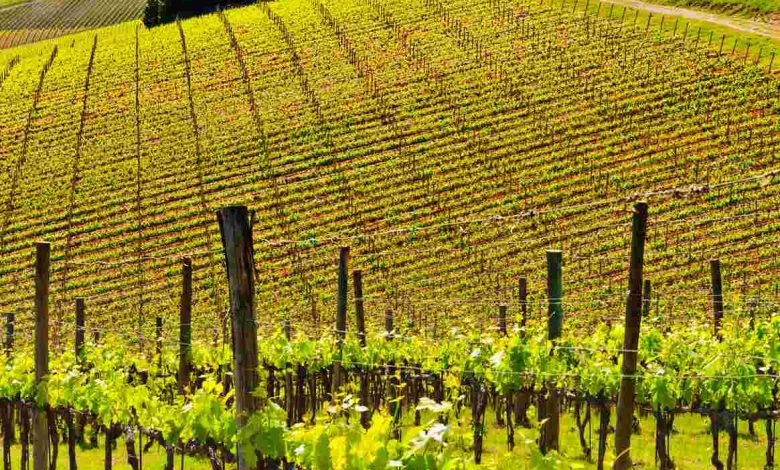
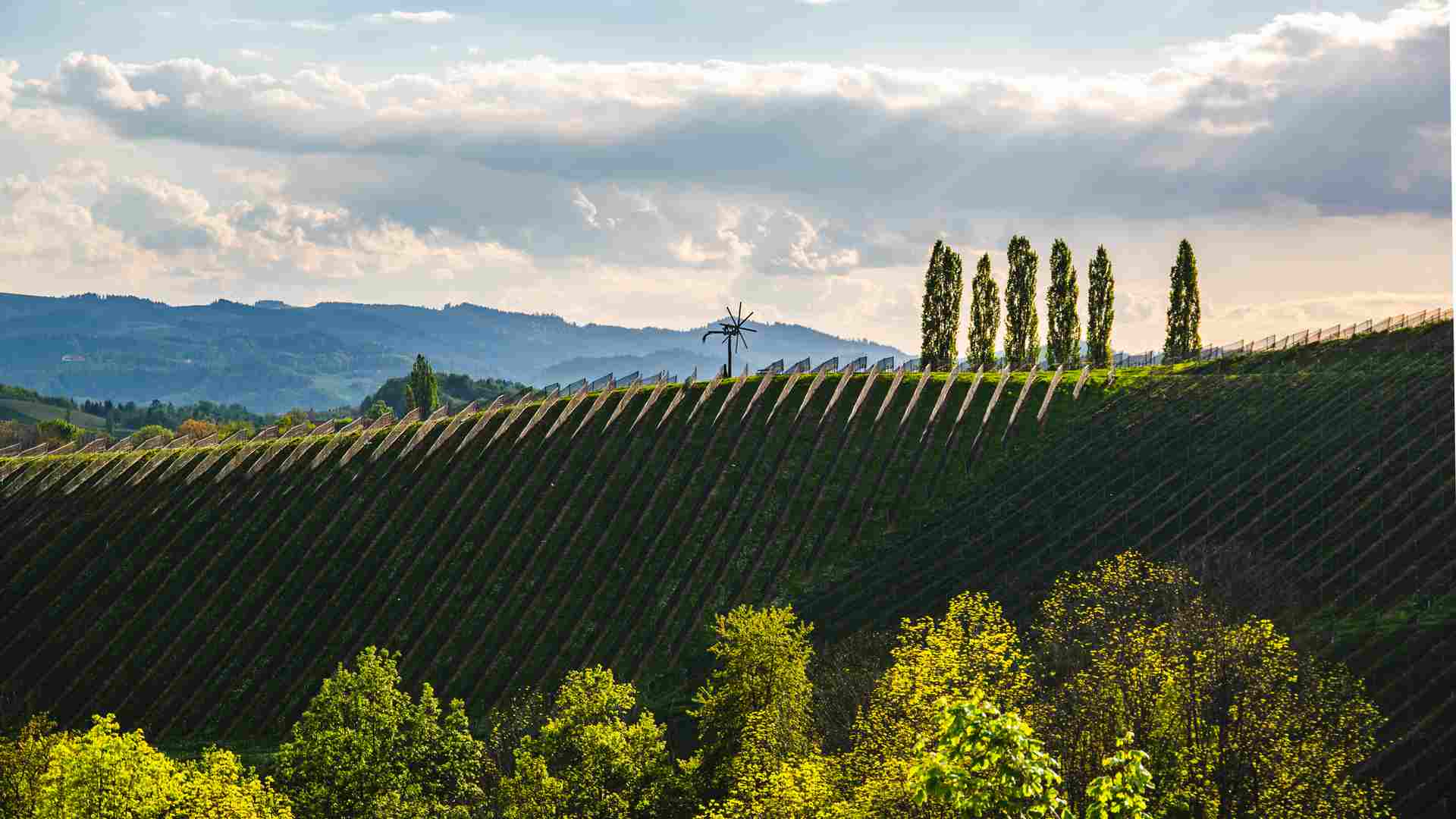
There's a specific moment that happens on almost every Tuscany couples trip — you're sitting on a stone terrace with a glass of Brunello di Montalcino in hand, the cypress trees are cutting dark lines across a golden hillside, and neither of you can think of a single thing to say because honestly, what is there to say? I had that moment at the winery bar inside Castello Banfi in Montalcino, watching the sun drop behind the Val d'Orcia, and I remember thinking this is exactly what we came for. Not the flights. Not the luggage juggle at Fiumicino. This specific hour, this exact wine. Tuscany has a way of collapsing your to-do list into exactly two things: eat and drink. In that order, with long gaps for walking between them. For couples, it works even better — you're not rushing a group, not negotiating with kids, not checking a shared itinerary every twenty minutes. You move at whatever pace feels right, which in Tuscany is almost always slower than you planned.
This guide is built around what actually makes a Tuscany couples trip worth the transatlantic flight — not just a list of places you already know about. We'll cover which wine region fits your travel style (they're not interchangeable), which properties actually earn their price tags, where the private tour operators outperform the group buses, and how to structure a 7-10 day trip without running yourself ragged. I've done this route twice, read far too many mediocre travel roundups, and spent time pulling together 2026-accurate pricing and ground-level details. The goal is simple: you should leave this page with a plan, not just inspiration.
When to Go — and Why April, May, or September Win
Skip July and August. Full stop. The Chianti region between Florence and Siena is spectacular from late April through early June, and again in September through mid-October. Temperatures sit between 65°F–78°F, the sunflower fields are alive, the tourist crush hasn't hit its summer peak, and the wineries are running full tastings rather than the overwhelmed pour-and-move-on sessions you get in peak summer. May is probably the sweet spot for couples — wildflowers everywhere, hotel prices roughly 20-30% below July rates, and long evenings that beg for a bottle of Vernaccia on a San Gimignano terrace. October gets the harvest crowds, but the light is extraordinary and the wine scene buzzes with energy during vendemmia (harvest season), which frankly makes for a memorable trip even if booking windows shrink. The shoulder seasons reward couples willing to trade guaranteed sunshine for genuine atmosphere. I've visited in both May and September — September edges it slightly for wine reasons.
Where to Base Yourselves: Regions That Actually Feel Different
Most couples default to Florence as a base, which is fine — great, even. But Tuscany is big enough that where you sleep changes the whole trip. Three zones to consider:
Florence — ideal if you want city romance mixed with day-trip wine country. The Oltrarno neighborhood (south of the Arno) is quieter and more residential than the tourist corridor near the Duomo. Book a stay at Portrait Firenze, which sits right on the Arno and operates more like a private residence than a hotel — 36 suites, most with river views, starting around €700/night in shoulder season. Expensive, yes. Worth it for a honeymoon? Completely.
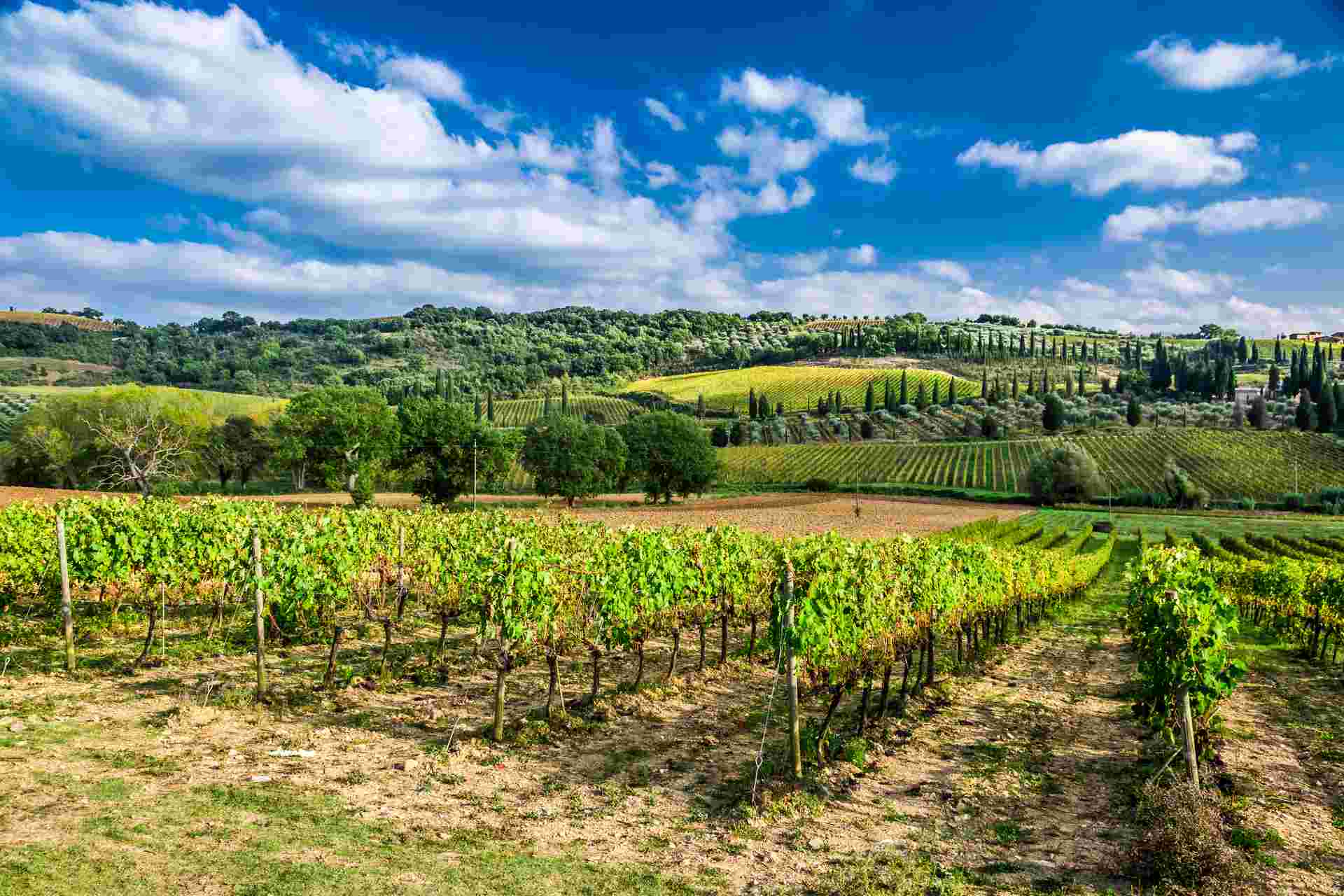
Chianti Classico — the corridor between Florence and Siena, anchored by towns like Greve in Chianti, Panzano, and Castelnuovo Berardenga. Borgo San Felice, a Relais & Châteaux property near Castelnuovo Berardenga, is a restored medieval hamlet with a Michelin-starred restaurant (Poggio Rosso), two pools, and direct access to some of the most expressive Sangiovese wines in the region. Rooms from around €450–€700/night depending on season.
Montalcino / Val d'Orcia — further south, more dramatic landscape, home to Brunello di Montalcino. This is where the big-money Tuscany properties cluster: Rosewood Castiglion del Bosco sits on a 5,000-acre private estate within the UNESCO-listed Val d'Orcia Natural Park and has 42 suites plus 11 private villas — it feels less like a hotel and more like borrowing someone's Tuscan estate for a week. Castello Banfi – Il Borgo (Relais & Châteaux) has only 14 rooms and suites inside a working medieval castle, with a wine museum and a Michelin-starred restaurant on the estate. Neither is cheap, but both are in a different category from anything you'll find elsewhere in Italy.
The Wine Tour Question: Group Bus vs. Private vs. DIY
This choice matters more than most articles admit. Group wine tours from Florence — the kind departing from Piazza della Repubblica at 9 AM with 15 strangers and a bus — will get you to Chianti, show you a winery or two, and get you back by 5. They're fine. They're not a Tuscany couples trip. They're a Tuscany couples excursion. Different thing.
Private tours are the move here. Companies like Scenic Wine Tours in Tuscany and Angela Personal Tuscan Tour run private van experiences for 2-4 people, typically priced €400-€550 for a full day including a winery lunch and 2-3 estate visits. You control the pace. You stop at a salumeria in Greve if you want. You linger at the third winery if the Barrique room is remarkable — and it often is.
Airbnb Experiences also hides some legitimately great options for couples. The "Explore Three Wineries with Sommeliers" experience (rated 4.96 from 200+ reviews) runs in small groups of 6 max and operates out of Florence, visiting boutique producers rather than the names you'd find on a Whole Foods shelf. The "Unforgettable Wine Tasting in Chianti with Lunch" (rated 4.95) covers three Chianti Classico estates and includes a full Tuscan lunch — around €130-€150 per person. Both punch well above their price point.
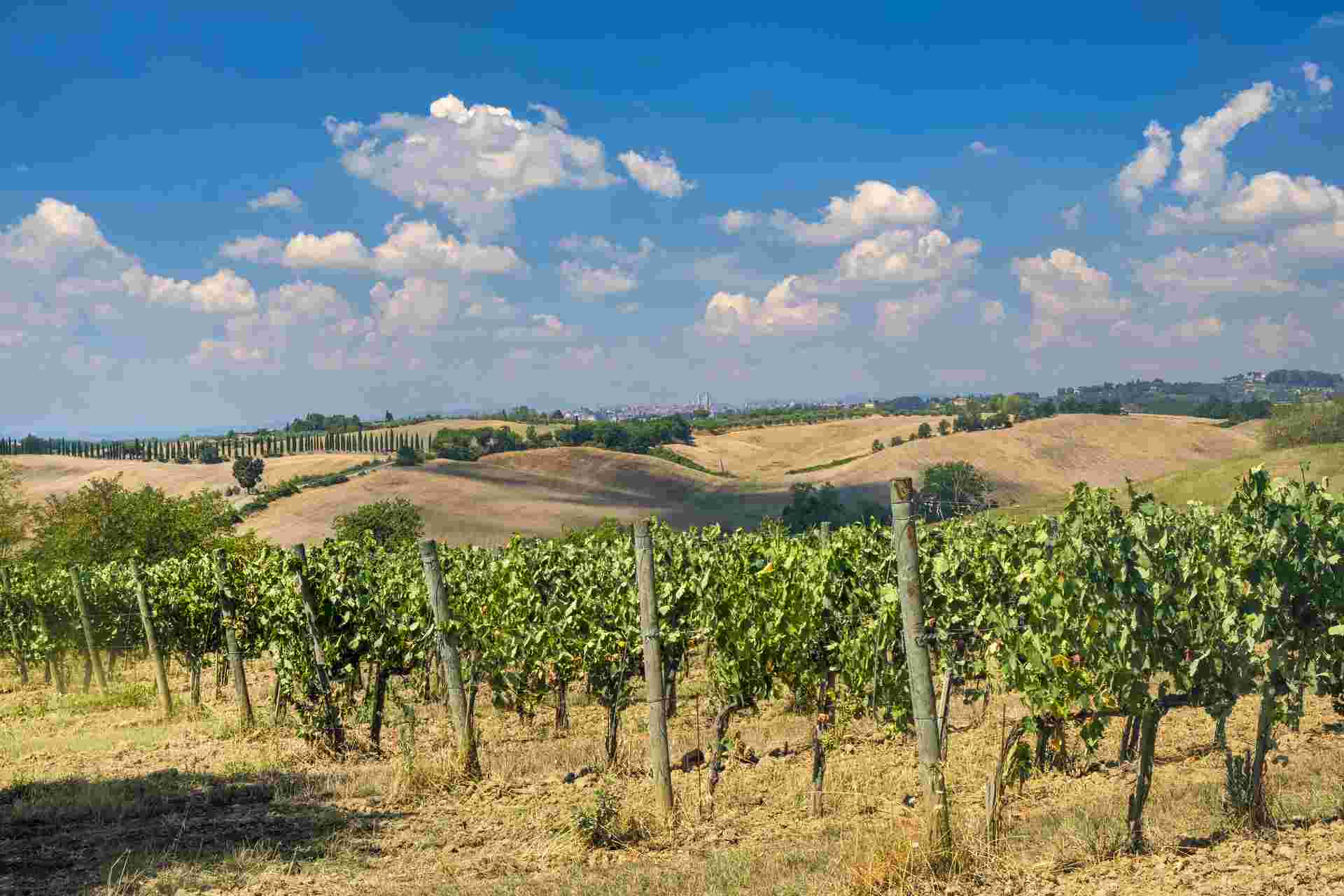
DIY, renting a car and doing your own winery circuit, works best if you're comfortable with Italian country roads (narrow, uneven, occasionally unmarked). Designate a driver, download the Waze Italy maps, and hit Fontodi in Panzano, Badia a Coltibuono near Gaiole in Chianti, and Antinori nel Chianti Classico near Bargino — the last one has a stunning Frank Lloyd Wright-adjacent building that's worth seeing even if you don't drink wine.
Florence for Two: What to Actually Prioritize
Florence romantic travel writing tends to stack the same five things: Uffizi, Accademia, Ponte Vecchio, gelato, Duomo. All of it's worth seeing. None of it needs to dominate your trip. A Tuscany couples trip is best served by using Florence as texture rather than checklist. Here's what I'd actually prioritize for couples:
The Bardini Garden over the Boboli, always. Smaller, less crowded, and the views across Florence from the upper terrace are among the best in the city. €10 entry. The Uffizi for two hours maximum — book the skip-the-line ticket in advance (€30/person) and go straight to the Botticelli rooms and the Michelangelo corridor. More than two hours and the sensory overload becomes counterproductive. The Oltrarno neighborhood for dinner — specifically the area around Via dei Serragli and Via Maggio has excellent trattorias without the tourist markup. Buca Mario and Osteria dell'Enoteca Simone are both consistently strong picks. For aperitivo, Il Santino (the wine bar attached to Enoteca Nazionale Pinchiorri's neighborhood) does extraordinary Negronis and cicchetti starting around 6 PM.
Siena and San Gimignano as Day Trips
Both are easy drives from Florence (Siena about 75km south, San Gimignano about 55km southwest) and genuinely deserve a half-day each. San Gimignano's medieval towers are famous for good reason — the skyline is unmistakably dramatic — but the town is small enough that an hour of wandering clears most of it. The real reason to stop is Gelateria Dondoli in Piazza della Cisterna, which has been winning international gelato competitions since the 1990s and still earns it. Get the Vernaccia cream flavor if it's on the seasonal menu.
Siena is the more interesting stop for couples. The Piazza del Campo is one of the great public spaces in Europe — fan-shaped, sloping gently toward the Palazzo Pubblico, surrounded by cafes where €4 gets you an espresso and two hours of watching Italian life. The Siena Duomo (Cathedral of Santa Maria Assunta) is technically more ornate than Florence's, and the interior's inlaid marble floor — covered most of the year, uncovered September through October — is something most visitors don't know about and almost never forget.
Airbnb Farmhouse Stays Worth Knowing About
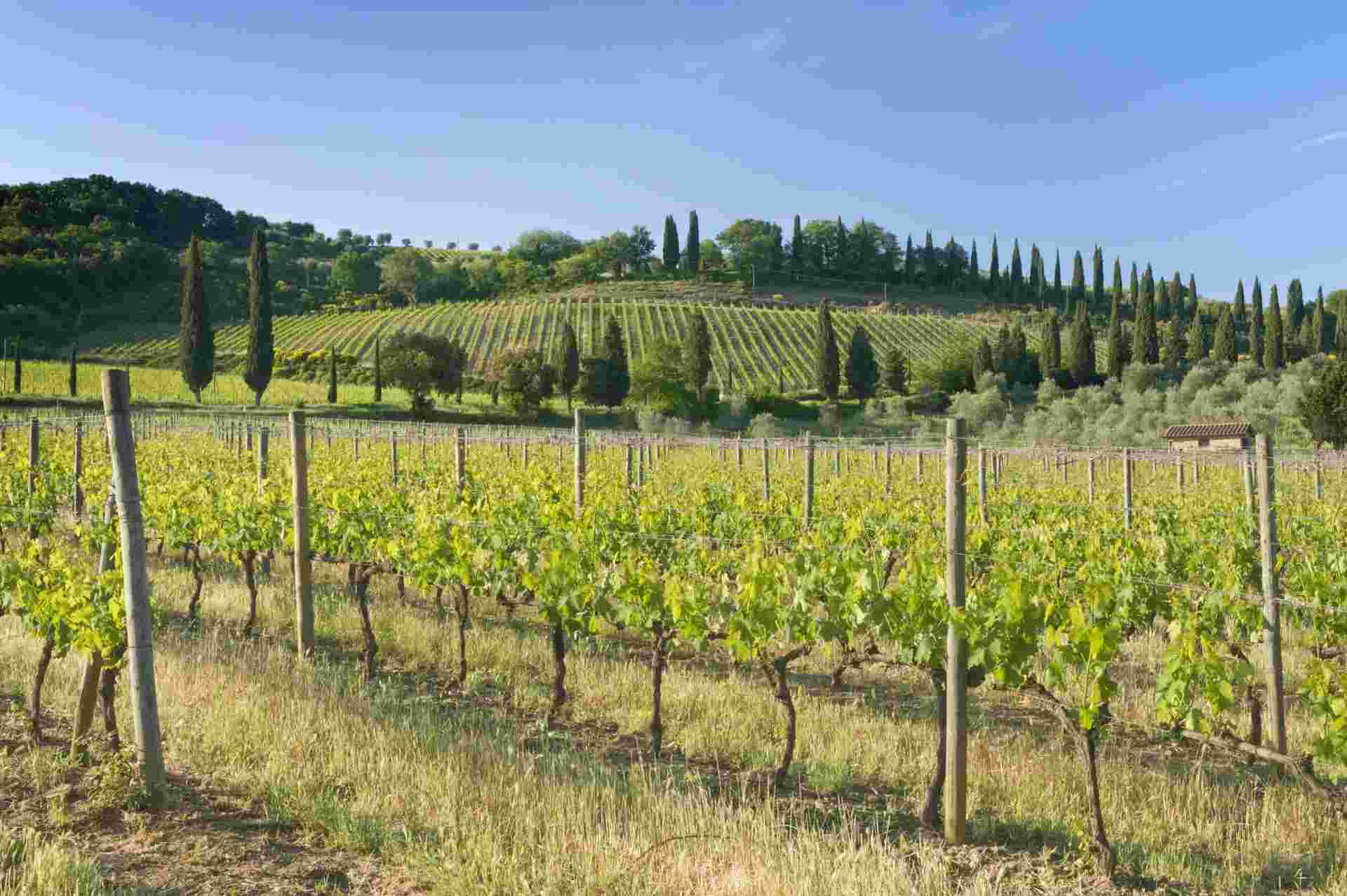
If a traditional hotel isn't the vibe, Tuscany's Airbnb farmhouse market is genuinely excellent. The Agriturismo format — a working farm with guest rooms or apartments — is deeply embedded in Tuscan culture and produces some of the most authentically local stays in Italy. On Airbnb, search for "agriturismo" plus the sub-region you want (Chianti, Montalcino, Maremma) and filter for entire homes with at least 20 reviews. Two that consistently surface with near-perfect ratings: a stone farmhouse near Radda in Chianti sleeping two, with private pool and vineyard views for around €280-€320/night in May; and a converted olive mill near Pienza in the Val d'Orcia for similar pricing. Neither is branded or polished. Both feel like staying inside the Tuscany you came looking for.
Travel Gear Worth Packing for Tuscany
Tuscany's terrain involves cobblestones, gravel vineyard paths, and the occasional steep medieval street. Wear the wrong shoes and day three becomes miserable. Allbirds Wool Runners are the right answer for most couples — they pack flat, breathe well, and look reasonable enough for dinner at Borgo San Felice without looking like you've come straight from a trail. For the actual wine country hiking (and there's real hiking to be done around Montepulciano and the Via Francigena), Salomon X Ultra 4 GTX shoes are 500g and handle both wet vineyard paths and cobblestones.
For bags, the Peak Design Travel Backpack 35L handles a week-long Tuscany trip as a carry-on if you pack intelligently, and the front-zip opening makes winery-day access much easier than a top-loader. Osprey Fairview 40L is the women's equivalent. Both avoid the check-bag gamble at Florence's Peretola airport. For day use, a small crossbody — Travelon Anti-Theft bags are $45-$55 and take the edge off crowded Florence streets — is worth it.
Do's and Don'ts for a Tuscany Couples Trip
| Do's | Don'ts |
|---|---|
| Book vineyard hotels (Borgo San Felice, Castello Banfi) 4-6 months ahead for summer | Don't rely on walk-in winery visits in July–August — many require reservations |
| Visit San Gimignano early morning before tour buses arrive around 10 AM | Don't miss Gelateria Dondoli — it genuinely is as good as the reviews claim |
| Designate a driver for winery day and book a recovery dinner the same evening | Don't attempt Florence, Siena, and a wine tour in a single day — you'll enjoy none of them |
| Use private wine tour operators for the actual tasting days | Don't book the 9 AM group coach tour from Piazza della Repubblica unless budget is tight |
| Pack cobblestone-appropriate shoes — Allbirds Wool Runners or similar | Don't wear heels or dress sandals on a Chianti vineyard visit |
| Reserve Uffizi tickets online at least 2 weeks ahead (€30/person, skip-the-line) | Don't spend more than 2 hours in the Uffizi — sensory overload sets in fast |
| Try the Bardini Garden over the overcrowded Boboli Gardens | Don't default to tourist-row restaurants near Ponte Vecchio for dinner |
| Take a cooking class together — La Cucina del Garga in Florence runs 3-hour couples sessions | Don't try to self-drive Tuscany in a large rental car — country roads are narrow |
| Use May or September for best balance of weather and fewer crowds | Don't visit in August if you want relaxed winery access and reasonable prices |
| Base in Chianti Classico for 2+ nights to actually experience the landscape | Don't fly into Rome and try to do Tuscany as a day trip |
| Try an Airbnb agriturismo for at least one segment of the trip | Don't skip a sunset aperitivo at any hilltop town — it's the real Tuscany ritual |
FAQs
How many days do you need for a Tuscany couples trip?
Seven to ten days is the sweet spot. You can do Florence in two days (one for museums, one for neighborhoods and food), spend two nights in Chianti Classico, a day or two in Montalcino or the Val d'Orcia, and a half-day each in Siena and San Gimignano. Fewer than five days and you'll spend more time driving between places than actually settling into any of them — which defeats the point of going to Tuscany in the first place. If you're combining with Rome, give Tuscany at minimum four full days.
What's the best area to stay for a romantic Tuscany wine tour couples experience?
Chianti Classico is the most accessible and varied. The stretch between Greve in Chianti and Castelnuovo Berardenga has the highest density of excellent wineries, great countryside accommodation, and proximity to both Florence and Siena. For something more remote and dramatic, Montalcino (home to Brunello) delivers — but you'll need a car for almost everything and the pace is slower. Properties like Rosewood Castiglion del Bosco and Castello Banfi – Il Borgo anchor the Montalcino experience at the luxury end.
Is Florence romantic for couples?
Very much so, especially if you stay in or near the Oltrarno neighborhood rather than the tourist center. The Arno at dusk, the aperitivo culture in the backstreets, and the relatively manageable scale (Florence is walkable in a way Rome isn't) all contribute to it. The Bardini Garden at golden hour, followed by dinner in Buca Mario, is one of the better evenings you can plan in Italy.
How much does a private wine tour cost in Tuscany in 2026?
Private van tours for two people typically run €400–€550 for a full day, including transport from Florence, visits to two or three estates, a winery lunch, and a guide. This is per group, not per person — so for couples it's genuinely competitive with two people doing a group tour. Half-day private options run €200–€280. Airbnb Experiences in the €130-€150 per person range hit a nice middle ground if you don't mind a small group of 6 or fewer.
When is the best time to visit Tuscany for couples?
May and September are both excellent. May has the best wildflower scenery, lower hotel rates than summer, and long evenings. September overlaps with harvest season (vendemmia) in many wine regions, which adds a genuine energy to winery visits that's hard to replicate any other time of year. Avoid late July and August — the heat in Siena and the Val d'Orcia exceeds 95°F regularly, crowds are at their worst, and prices peak accordingly.
Do you need a car for a Tuscany couples trip?
For a mostly-Florence and day-trip itinerary, you can manage without one by using private tours and the Florence-Siena bus (FlixBus or SITA, about €14 each way, 90 minutes). But if you're basing in Chianti Classico or Montalcino, a rental car is essentially required — the agriturismo farms and vineyard hotels are not on public transport routes. Book through AutoEurope or Sixt, and specify a small car — the lanes on unclassified rural roads in Chianti are genuinely tight.
What Airbnb experiences are worth booking in Tuscany?
Two that consistently deliver for couples: "Explore Three Wineries with Sommeliers" (rated 4.96, small group max 6, departs Florence) and "Unforgettable Wine Tasting in Chianti with Lunch" (rated 4.95, includes a full Tuscan lunch). Both visit boutique producers rather than mass-market names. Book 2-3 weeks ahead in shoulder season; 6-8 weeks ahead for June.