Switzerland Honeymoon Guide: Alps, Lakes, and Romance
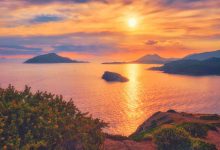
Switzerland doesn't do romance quietly. It does it with the Matterhorn silhouetted at dusk, a fondue pot between two people who just got married, and a cogwheel train grinding its way up to 3,000 meters while you sit in a panoramic carriage holding hands. A Switzerland honeymoon is one of those rare trips where the backdrop does half the work — you just have to show up. My first visit there, I landed in Zurich expecting a clean, efficient banking city. What I got instead was a lake blazing orange at sunset and a cheese shop near the Rathaus where the owner handed me a slice like we were old friends. That set the tone for everything that followed.
This guide covers the real Switzerland honeymoon — not the generic "visit the Alps and take a boat" version you've read everywhere else. Concrete hotel names, actual train tickets, Airbnb chalets worth booking, and the exact kind of practical intel that stops you from spending CHF 400 on a restaurant that could've been CHF 120. The country is genuinely expensive, so you need to be smart about where you splurge and where you don't. We'll move through Zermatt, Interlaken, and Lucerne — three very different romantic moods — and give you enough specifics to actually plan the trip, not just dream about it.
Zermatt: The Most Dramatic Romantic Getaway in Europe
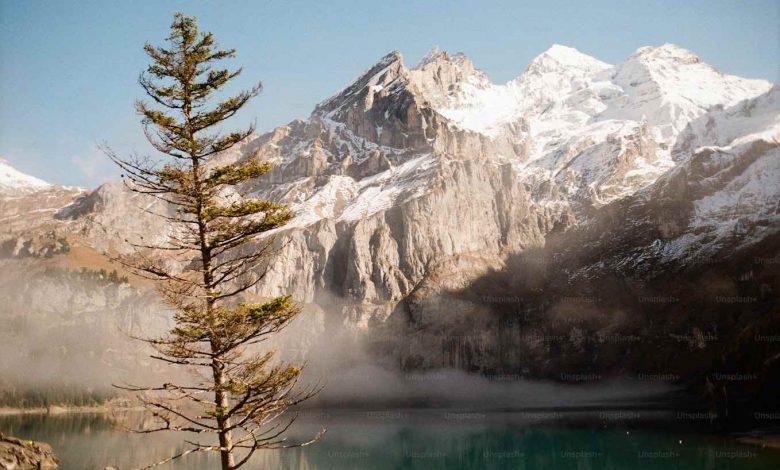
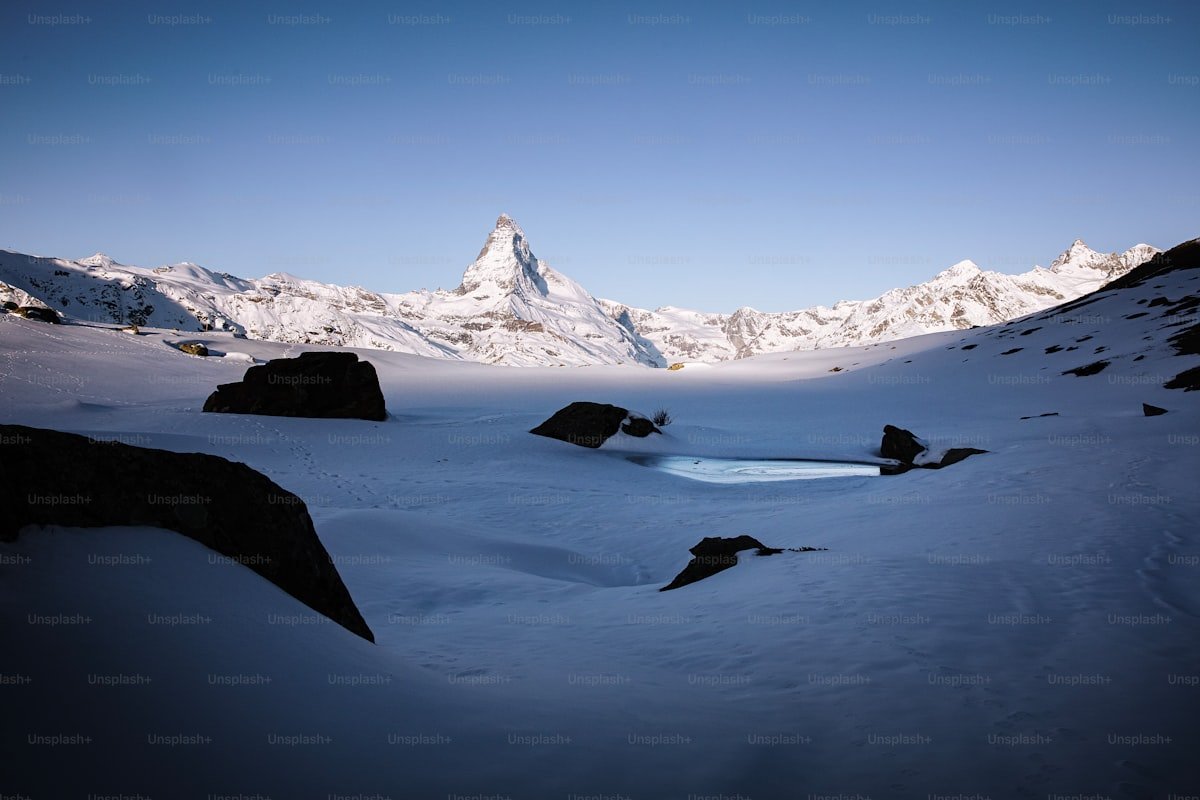
Zermatt earns its reputation every single day. The car-free village, the Matterhorn looming over everything like a stage set that someone forgot to take down — it's almost too much. Almost. The village itself is tiny and walkable, which is exactly what you want on a honeymoon when you don't want to think about logistics. Restaurants, hot chocolate, a cheese shop that stays open past 7 PM — it's all within fifteen minutes on foot.
For accommodation, The Omnia is the standout. Perched 45 meters above Zermatt on an actual rock, accessed through a tunnel elevator, it's one of the most dramatic hotel entrances in the world. Rooms start around CHF 550–600/night (that's roughly USD $600–$680) but the floor-to-ceiling windows facing the Matterhorn justify every franc. The in-house spa uses Aesop and Farfalla products — not generic hotel-brand stuff — and they have two pools with the same uninterrupted mountain view. Book six months ahead for summer or peak ski season. Alternatively, for a more private stay, Chalet Helena on Airbnb (Steinmatte district, Zermatt) offers a balcony with village views around CHF 280–350/night — good if you want to cook a private dinner in and pop a bottle of local Valais wine.
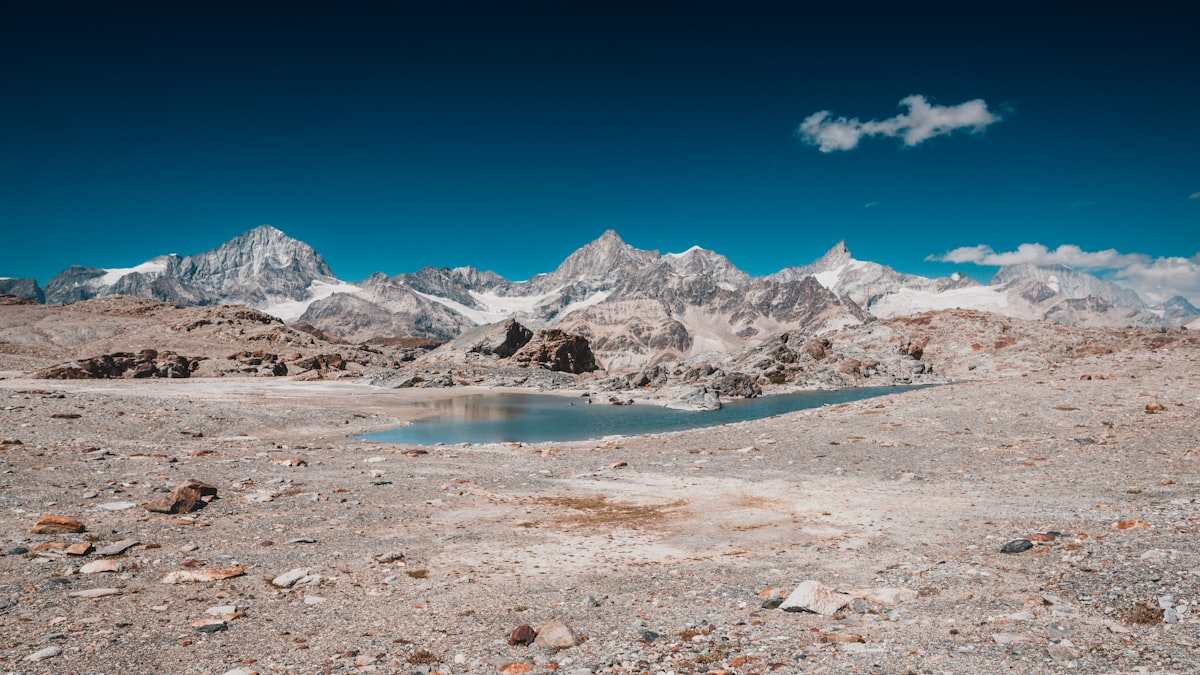
For gear, a pair of Salomon X Ultra 4 hiking boots is non-negotiable if you plan to walk any of Zermatt's mid-level trails like the Five Lakes Walk (Fünf-Seen-Wanderung). Comfortable, waterproof, and they won't destroy your feet on day two. Skip the cheap alternatives — the paths are genuinely uneven.
The Glacier Express: Seven Hours of Switzerland from a Single Seat
You don't need to hike a single step to see the Swiss Alps at their most dramatic. Book a first-class seat on the Glacier Express — the scenic train linking Zermatt to St. Moritz — and the mountains come to you. The full journey covers 291 km, crosses 291 bridges, passes through 91 tunnels, and takes about 7.5 hours. It sounds long. It's not. You forget time exists.
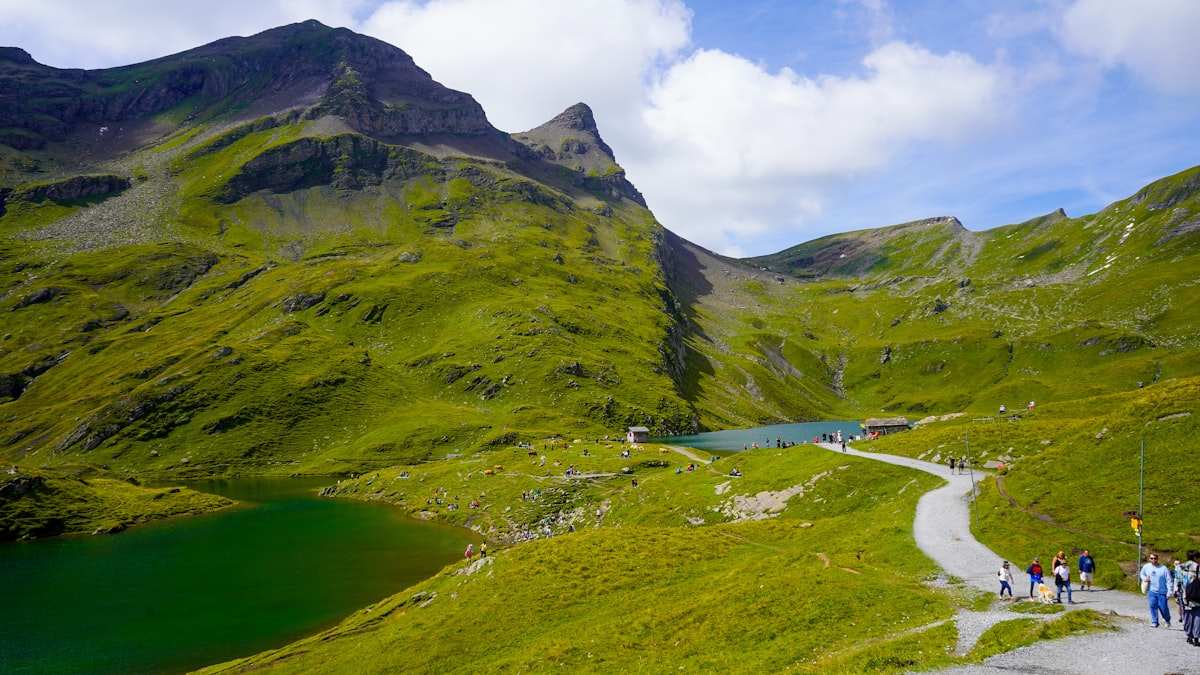
First class matters here specifically because you can book a face-to-face table for two — so you're sitting opposite each other with a panoramic window framing the entire Rhône Valley, the Oberalp Pass at 2,033 meters, and the Rhine Gorge. Standard class costs around CHF 150–170; first class runs CHF 200–230. If you have a Swiss Travel Pass, the base ticket is covered — you'll just pay a seat reservation fee of about CHF 44. Book directly at sbb.ch at least two weeks out in peak summer (July–August). The dining car does a proper three-course lunch for around CHF 60–75 per person — I've had worse meals at city restaurants that charged double.
The Bernina Express is the other one worth knowing. It runs from Chur to Tirano (Italy), takes about 4 hours, and covers the Bernina Pass at 2,253 meters. CHF 60–100 depending on segment. You'll pass the Landwasser Viaduct — a curved stone arch viaduct that genuinely looks like something from a fantasy novel — and drop from glaciers to palm trees in a single afternoon. Different energy from the Glacier Express, more dramatic in a shorter window.
Interlaken Honeymoon: Lakes, Spa Dinners, and the Jungfrau
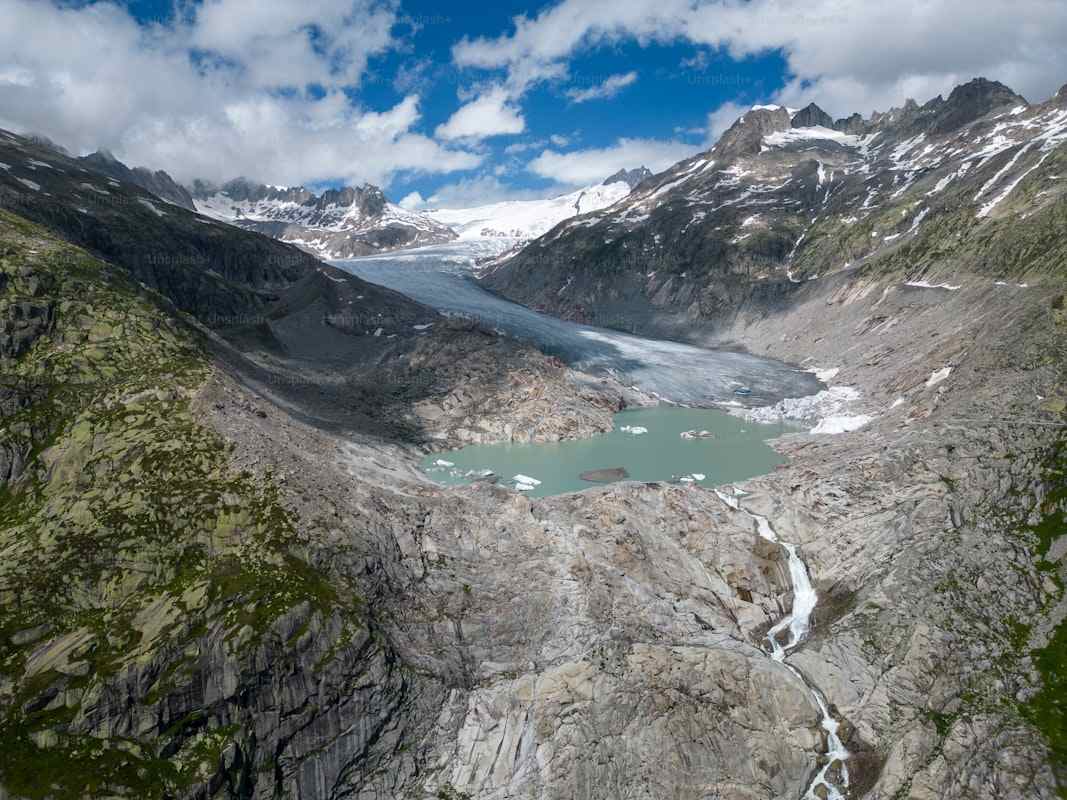
Interlaken sits between Lake Thun and Lake Brienz, with the Jungfrau massif filling the entire southern skyline. It's more town-sized than Zermatt, which means more restaurant options, easier logistics, and a slightly less rarified (read: slightly more affordable) atmosphere. It's also a better base if you want day-trip variety — Grindelwald is 45 minutes away, Lauterbrunnen's waterfalls are 25 minutes, and the Jungfraujoch summit train runs from nearby Interlaken Ost station.
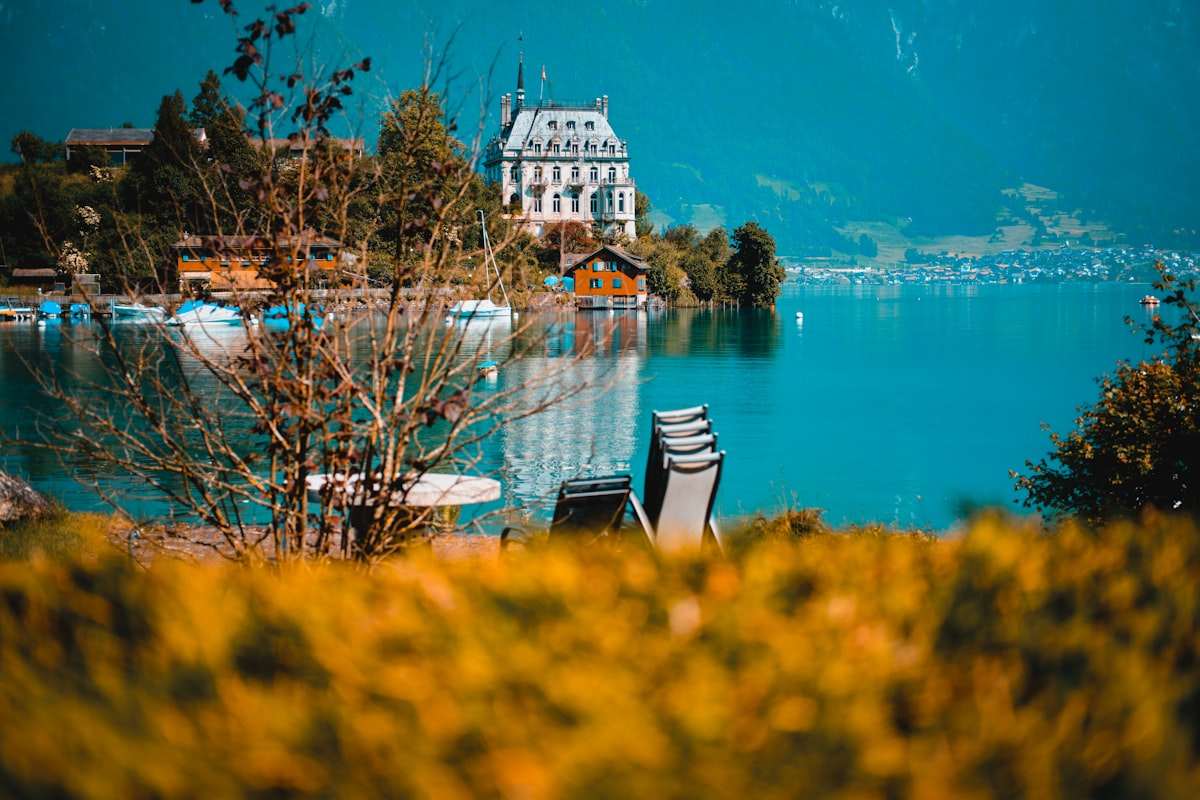
The Victoria-Jungfrau Grand Hotel & Spa is the property to know in Interlaken. Five stars, opened in 1865, with a facade that looks like it was designed specifically for a honeymoon photograph. Rates start around CHF 500–600/night. The NESCENS Spa is 5,500 square meters and offers private spa suites for two — you book a two-hour private slot with pool, steam room, and relaxation room all to yourselves for around CHF 300–400. Worth it. The Radius restaurant by Stefan Beer does serious European fine dining; count on CHF 120–180 per head for the full experience with wine pairing.
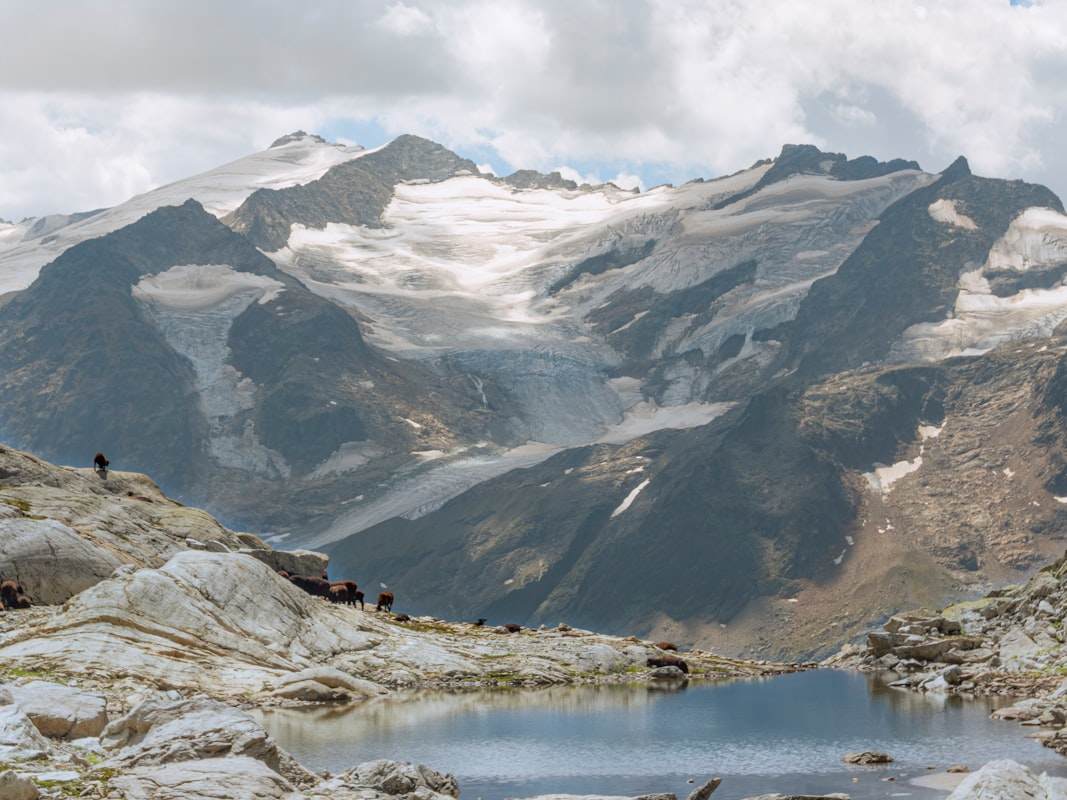
If the Victoria-Jungfrau is beyond budget, Chalet Egglen on Airbnb (above Lake Thun in Sigriswil) has a whirlpool, two balconies, and a grill with postcard views over the lake — around CHF 180–250/night depending on season. Good for couples who want to cook, drink local wine, and not interact with anyone for two days. Which, for a honeymoon, is sometimes exactly right.
Lucerne: The Easiest Yes in Switzerland
If Switzerland had a most-romantic-city argument, Lucerne would win on pure aesthetics. The Chapel Bridge (Kapellbrücke) — wooden, 14th century, crossing the Reuss River with the mountains behind it — is the shot everyone comes for. But Lucerne is more than that one photograph. The Altstadt (Old Town) has medieval frescoed façades, independent chocolate shops, and a promenade along Lake Lucerne that feels genuinely unhurried even in high summer.
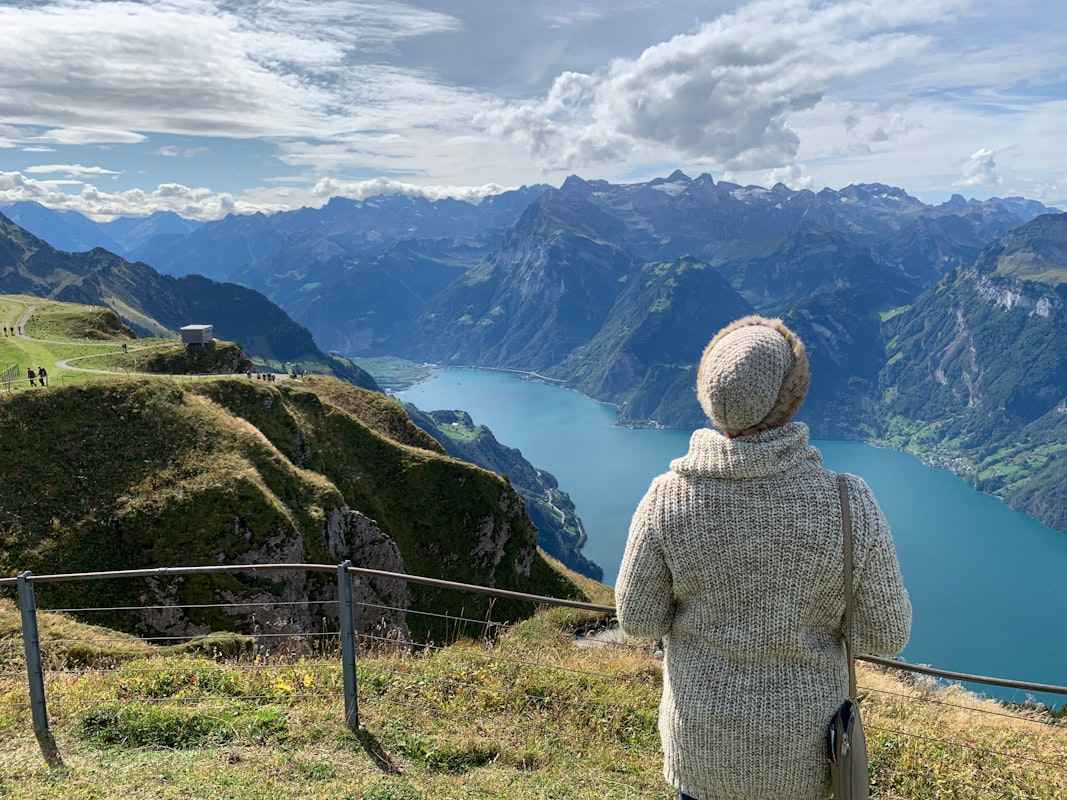
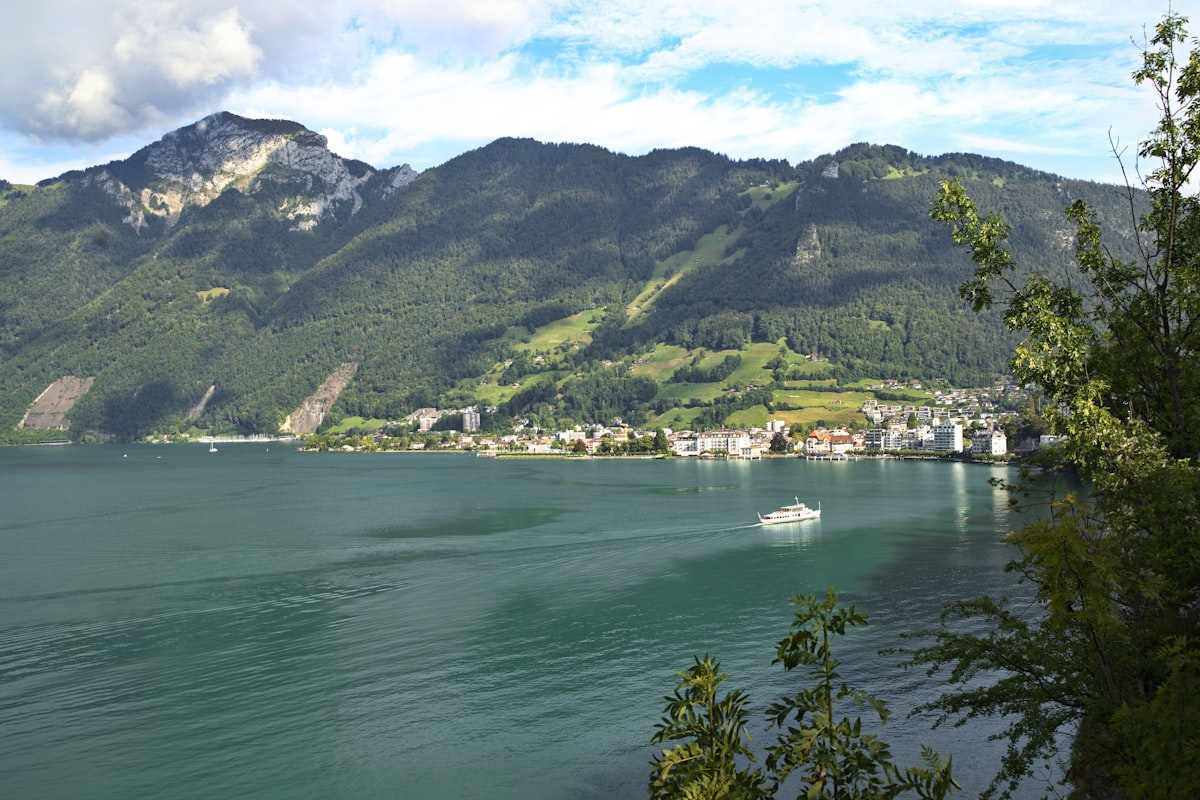
Take the lake cruise. Boat departs from right outside the main train station — you can't miss it — and a standard circuit on one of the vintage steam-powered boats takes about 1.5 hours for CHF 35–50 per person (Swiss Travel Pass covers this). Spring for a sunset departure if you can. Hotel des Balances in the Old Town is a classic Lucerne pick — rooms overlook the Reuss River, rates around CHF 280–400/night, far better value than equivalent properties in Zermatt. Alternatively, Hotel Schweizerhof Luzern on the lakefront runs CHF 350–500/night and has a rooftop bar called the Penthouse with an outdoor terrace looking straight across Lake Lucerne to the Alps. Drinks at the Penthouse at 8 PM when the light goes golden. Don't skip that.
Swiss Food and Wine: What Honeymooners Should Actually Eat
Swiss food gets a bad rap because people fixate on cheese and chocolate and call it done. That's barely scratching it. Raclette — melted cheese scraped over boiled potatoes, pickles, and pearl onions — eaten at a proper mountain hut restaurant is one of the best things you'll eat on this trip. Not a fancy thing. Around CHF 25–35 per person. But a memory that sticks.
Fondue belongs on a cold evening in Zermatt or Grindelwald, not in Lucerne in August. Context matters. A bottle of Chasselas (Fendant) from the Valais region — the dry, mineral white wine that locals actually drink — runs CHF 30–50 in a restaurant and is far more interesting than whatever generic house white they'll try to pour you first. Ask for it by name. In Interlaken, Restaurant Benacus does excellent Italian-Swiss fusion — CHF 35–55 for a main — and the team there is genuinely warm rather than stiffly hospitable in the way some Swiss restaurants can be. For chocolate, skip the airport shops and go to Läderach (they have locations in Zurich, Interlaken, and Lucerne) or Confiserie Sprüngli in Zurich if you pass through — the truffles from Sprüngli don't survive the flight home, which means you have to eat them there. Terrible problem to have.
Best Time and Budget for a Switzerland Honeymoon
May–June and September–October are the windows that give you the best weather-to-crowd ratio. July–August is peak: full trains, higher prices, booking availability tightens. December–February is winter wonderland if you ski; January can be very quiet and very cold, which some couples love. Spring (late April–May) gives you wildflower meadows and lower hotel rates — easily 20–30% cheaper than July.
Budget honestly: Switzerland is expensive. Flights from the US run USD $1,800–$3,000 roundtrip per couple, accommodation CHF 250–600/night, a Swiss Travel Pass for 8 days CHF 365 per person, food CHF 80–150/day mixing restaurants and Coop supermarket runs. Realistically USD $6,000–$10,000 for a week depending on where you sleep. The Airbnb chalet route cuts accommodation 40–60% without losing the scenery. Get travel insurance that includes mountain rescue — emergencies can run CHF 5,000–15,000 and most standard policies don't cover it.
Do's and Don'ts for Switzerland Honeymoon
| Do's | Don'ts |
|---|---|
| Book Glacier Express first class and reserve a table-for-two seat — costs CHF 44 extra and is worth it | Don't wait until three weeks before your trip to book Zermatt hotels in July — they sell out fast |
| Buy a Swiss Travel Pass for 8 days (CHF 365/person) — covers trains, boats, and many cable cars | Don't rely on rideshares or taxis between cities — Swiss rail is faster and more scenic |
| Stay at The Omnia in Zermatt for the Matterhorn view — splurge here, save elsewhere | Don't eat every meal at hotel restaurants — you'll pay 40% more for the same food |
| Book a private spa session at Victoria-Jungfrau's NESCENS Spa for CHF 300–400 | Don't visit Jungfraujoch (Top of Europe) on a cloudy day — you'll see nothing and pay CHF 130–170 each |
| Try raclette at a mountain hut restaurant in Grindelwald for CHF 25–35 per person | Don't buy Swiss chocolate at the airport — go to Läderach or Sprüngli instead |
| Take the Bernina Express to Tirano, Italy for a half-day excursion (CHF 60–100) | Don't drive between Zermatt and major cities — Zermatt is car-free; take the train to Täsch and walk or take the shuttle |
| Book Chalet Egglen or Chalet Sofia on Airbnb for private hot tub and mountain views | Don't travel without mountain rescue coverage in your travel insurance policy |
| Get up for the sunrise in Zermatt — the Matterhorn at 6 AM turns pink before anyone else is awake | Don't schedule major hikes on day one — give yourself a day to adjust to the altitude |
| Pack Salomon X Ultra 4 hiking boots even if you don't plan serious trails | Don't dismiss shoulder season — May and September offer the same landscape for 20–30% less |
| Ask for Valais Fendant (Chasselas) at restaurants — local white wine at CHF 30–50 that most menus don't feature | Don't exchange currency at the airport — Coop and Migros accept Visa/Mastercard, and ATMs give better rates |
| Cruise Lake Lucerne on a vintage steamboat at sunset — CHF 35–50, Swiss Travel Pass covers it | Don't cram more than three cities into one week — you'll spend half your trip on trains and half arriving exhausted |
FAQs
How much does a Switzerland honeymoon cost for two people?
Budget honestly, because Switzerland will surprise you if you don't. A realistic one-week trip for two runs USD $6,000–$10,000 depending on where you stay. Flights alone are $1,800–$3,000 per couple. Hotels in peak season run CHF 500–1,000/night at places like The Omnia or Victoria-Jungfrau. A Swiss Travel Pass for two (8 days) is CHF 730. Going the Airbnb chalet route — Chalet Egglen, Chalet Helena, Chalet Sofia — cuts accommodation costs 40–60% without losing the scenery.
When is the best time to visit Switzerland for a honeymoon?
May–June and September–October hit the sweet spot — green meadows, clear skies, no July peak pricing. June in Zermatt specifically is excellent: trails are snow-free, the Matterhorn is reliably visible, and you're not queuing with 500 other tourists at every viewpoint. Winter (December–February) works if you ski or want Christmas markets in Lucerne. Avoid early April if hiking is the plan — higher passes may still be closed.
Is Zermatt or Interlaken better for a Switzerland honeymoon?
Different moods entirely. Zermatt is more dramatic and more intimate — a car-free village where the Matterhorn follows you everywhere, with boutique luxury hotels and a very contained atmosphere. Interlaken is more active and accessible — better for couples who want adventure options (paragliding, Jungfraujoch train, Lauterbrunnen waterfall walks) alongside their romantic dinners. My honest take: spend two nights in Interlaken, three in Zermatt. That combination gives you both worlds without feeling rushed.
Do I need a car in Switzerland for a honeymoon?
No, and renting one might actually make the trip worse. The Swiss rail network (SBB) is one of the best in the world — trains run on time to the minute, connect every significant town, and the scenery from train windows is the entire point. Buy a Swiss Travel Pass (8-day: CHF 365/person in 2026) and it covers trains, most lake boats, some cable cars, and entry to several museums. Zermatt is car-free by law, so you'd have to park in Täsch anyway. Skip the car.
What are the most romantic hotels in Switzerland?
Three properties that genuinely deliver for honeymoons: The Omnia in Zermatt (from CHF 550/night, Matterhorn views, spa with Aesop products, unique rock-top location), Victoria-Jungfrau Grand Hotel & Spa in Interlaken (from CHF 538/night, NESCENS private spa, fine dining at Radius), and Hotel Schweizerhof Luzern in Lucerne (from CHF 350/night, lakefront Penthouse rooftop bar). For private Airbnb chalets, Chalet Sofia in Mürren has an outdoor hot tub and Jungfrau views; Chalet Egglen above Lake Thun has a whirlpool and both cost significantly less than hotel rates.
What should I pack for a Switzerland honeymoon?
Pack for four seasons in one week. Merino wool base layers (Icebreaker makes great ones), a waterproof shell jacket (Patagonia Torrentshell or Arc'teryx Beta LT), and Salomon X Ultra 4 boots if you're hiking at all. A couple of smarter evening outfits for dinner — Lucerne and Zurich restaurants do notice jeans. The Osprey Farpoint 40 or Rick Steves carry-on backpack handles cobblestones and trail access equally well.
Is Switzerland a good honeymoon destination for non-skiers?
Completely. The Glacier Express, Bernina Express, and Jungfraujoch train run regardless of skiing. Lake cruises on Lucerne, Thun, and Brienz operate spring through autumn. Summer hiking ranges from flat lakeside strolls to serious Alpine trails. Chocolate workshops in Lucerne, thermal baths at Leukerbad, the Kunsthaus Zürich art museum — there's no shortage of non-ski content for couples.
What travel insurance do I need for a Switzerland honeymoon?
Get a policy that covers mountain rescue. Emergency helicopter rescue can run CHF 5,000–15,000 and most standard policies don't include it. World Nomads Explorer plan covers hiking and winter sports; Allianz Travel and Mondial Assistance both have adventure tiers. Buy before you fly — you can't add mountain rescue after departure.