Best Diving and Snorkeling Spots in Southeast Asia
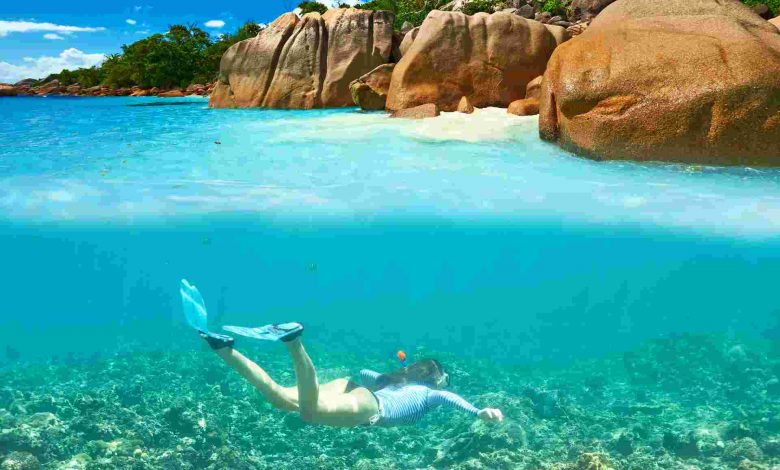
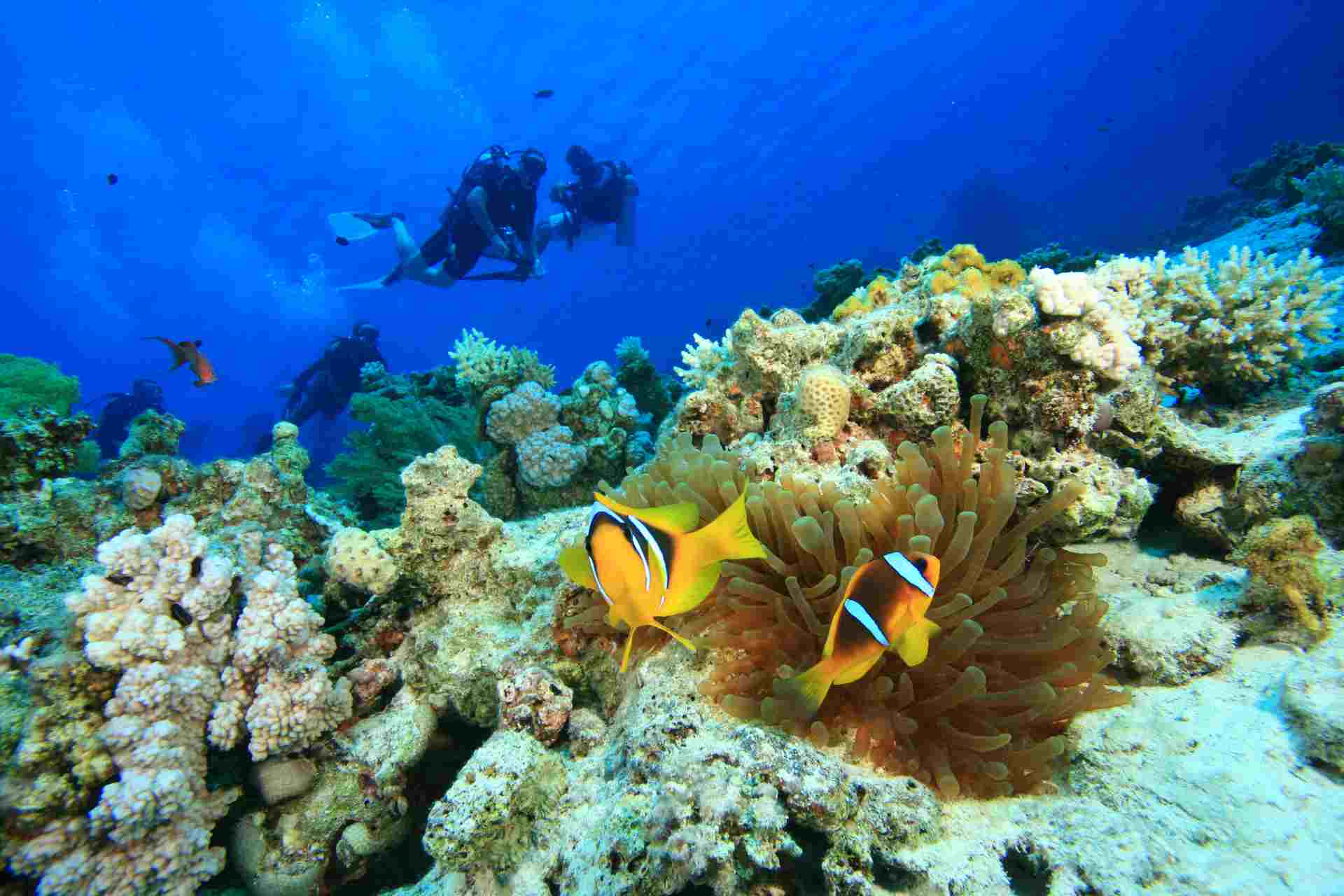
I remember standing on the deck of a boat somewhere between Koh Tao and Chumphon Pinnacle, mask on my face, fins hanging off the ladder, and thinking: this is it. The water below was a shade of blue that doesn't really translate to photos. We went in and within three minutes a bumphead parrotfish the size of a golden retriever cruised past. That was the moment Southeast Asia stopped being a region I visited and became a place I kept returning to — specifically for what lives under the water. If you're researching the best diving spots Southeast Asia offers, you've already made a smart decision. This part of the world holds roughly 70% of the earth's marine biodiversity, and it packs those creatures into relatively small, accessible patches of ocean that don't require a trust fund to explore.
What I want to do here is cut through the generic "top 10 dive destinations" lists and give you the real breakdown — which spots are actually worth the flight, which months matter, what the gear situation is on the ground, and what you'll pay. I've dived Koh Tao, the Similans, Malapascua, and Komodo. I've gotten certified at Big Blue Diving and done a liveaboard in Raja Ampat that cost more than I'd like to admit but remains the most extraordinary thing I've ever seen underwater. I'll also flag the spots that are great for snorkeling if you're not certified yet — because some of these places are just as spectacular from the surface.
Koh Tao, Thailand: Where Most People Get Their Card
Koh Tao is the place that's certified more divers than almost anywhere else on earth. It's not hype — the island has a genuine infrastructure problem (in the best way): there are over 50 dive shops crammed onto one small island, and competition keeps prices honest. A PADI Open Water certification runs around 10,000–12,000 THB (roughly $280–$340 USD in 2026), which includes all your dives, equipment, and materials. That's cheaper than most courses back home. Big Blue Diving, operating on Sairee Beach since 1991, is the largest on the island with three boats and a strong reputation for instructor quality. If you want something smaller and more boutique, Black Turtle Dive and Isla Tortuga Divers are both worth looking at. Fun dives for already-certified divers start at 800 THB per dive, which is absurdly good value. The best sites — Chumphon Pinnacle, Sail Rock, and Southwest Pinnacle — regularly deliver whale sharks from February through April and schools of barracuda year-round. January to May is the sweet spot for visibility, though Koh Tao dives year-round without major issues.
Similan Islands, Thailand: The Manta and Whale Shark Circuit
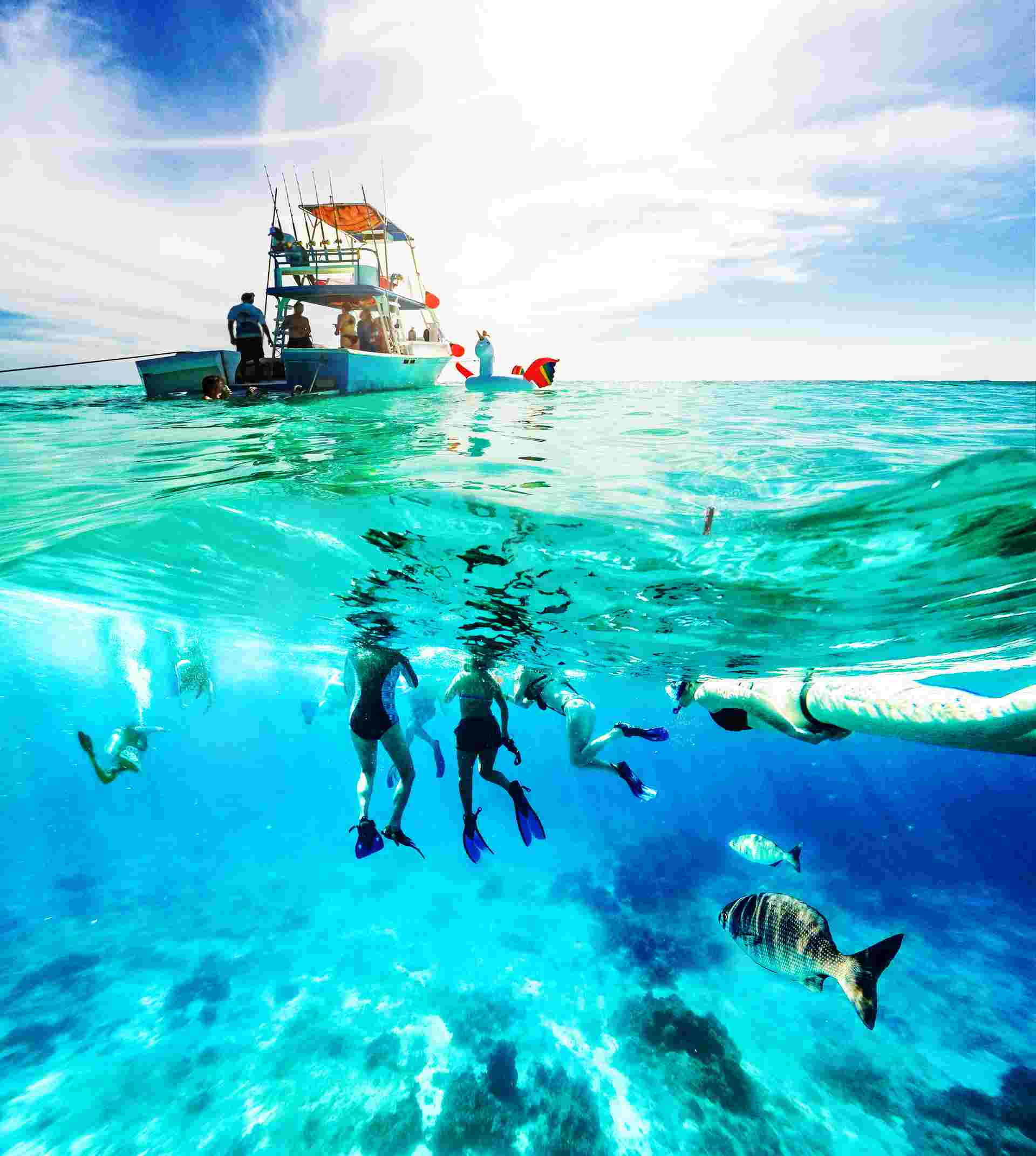
If Koh Tao is the classroom, the Similans are the graduation exam. The national park sits about 84km off the coast of Khao Lak and is only accessible from mid-October to mid-May — the park physically closes during the southwest monsoon. For whale sharks and manta rays, February through April is when the odds stack in your favor. Richelieu Rock, a pinnacle just outside the main Similan chain, is the crown jewel. It's a manta ray cleaning station and the single most famous dive site in Thailand — and justifiably so. I've done it four times and seen whale sharks on two of those. Most people visit on a liveaboard from Khao Lak, which runs about $500–$900 USD for a 3–4 day trip depending on the vessel. Day trip operators run from Khao Lak too, but you'll burn a lot of time on the boat for fewer dives. Snorkelers can join day trips and see plenty around the shallower reef systems, though the serious stuff is below 18 meters.
Komodo National Park, Indonesia: Strong Currents, Bigger Rewards
Komodo is one of those places where the dive briefing is basically a safety manual. The currents here are strong — sometimes very strong — because the Indonesian Throughflow funnels cold, nutrient-rich water through the park and that's what makes the marine life so extraordinary. Manta rays are the headliner. Manta Point near Komodo Island gets busy in the mornings but the sightings are reliable from April through November. The park entered a new phase in 2026 with stricter visitor quotas — a cap of 1,000 visitors per day across core zones — so booking ahead matters more than it used to. Most divers base themselves in Labuan Bajo on Flores and join day trips or liveaboards from there. Liveaboards dedicated to Komodo diving range from budget wooden phinisi boats at around $150–$200 USD per night to mid-range operations in the $250–$350 USD per night bracket. Dive Komodo and Neptune Liveaboards both run scheduled 2026 departures. For snorkelers, the shallower sites around Gili Lawa Laut are spectacular and calmer — pink and orange soft coral down to about 5 meters that's visible from the surface on a good day.
Malapascua Island, Philippines: Thresher Sharks at Dawn
Malapascua is a tiny teardrop of an island off the northern tip of Cebu, and it has one attraction that no other place on earth can reliably offer: encounters with thresher sharks at a cleaning station. Kimud Shoal (threshers moved here from Monad Shoal around 2022) sits at about 12 meters depth, which means it's accessible to anyone with a basic Open Water cert. Thresher Shark Divers, the premier PADI 5-Star IDC center on the island, reports roughly a 90% sighting rate — and in a good morning you might see eight to ten sharks in one session. You don't need a 4am alarm anymore; the sharks have been showing up all morning, not just at first light. A typical 3-night package with 6 dives runs around PHP 25,000 ($450 USD) per person. The dive itself is meditative — you kneel on the sand at about 12m and wait as these long-tailed sharks circle overhead through the cleaning station. Absolutely nothing else like it in Southeast Asia.
Sipadan, Malaysia: The Pinnacle Experience
Sipadan is the only oceanic island in Malaysia, rising from 600 meters of deep water to a tiny patch of coral that is genuinely one of the richest dive sites on earth. The catch: the Malaysian government caps permits at 120 divers per day. You don't dive Sipadan whenever you feel like it — you dive when your operator gets you a permit, which often means waiting a day or two on nearby Mabul or Kapalai first. Scuba Junkie, based in Semporna on the Sabah mainland, is Asia's leading sustainable dive operation and the most reputable way to book Sipadan access. Their packages require you to dive 5 days minimum to guarantee a Sipadan permit day, which keeps groups small and the experience high quality. Marine life at Sipadan is jaw-dropping: green and hawksbill turtles are so abundant they're almost boring (they're not), massive schools of barracuda and jackfish spiral around the island in tornadoes, and hammerhead sharks appear regularly at the more advanced sites like Drop-Off and Hanging Gardens.
Raja Ampat, Indonesia: The Numbers Are Staggering
Raja Ampat is the superlative answer to almost every marine biodiversity question. Over 75% of the world's coral species live here. More than 1,300 fish species. Pygmy seahorses on fan coral. Wobbegong sharks resting on the reef looking like old carpets. I spent 10 days on a liveaboard here a few years back — budget option at around $2,400 USD for 9 days — and it still feels like the best money I ever spent on travel. Cape Kri, in the Dampier Strait, holds a world record for fish diversity counted on a single dive. Manta Sandy is exactly what it sounds like: a cleaning station where mantas stack up like queuing planes. The best months are October through April for calm seas and excellent visibility. The marine park fee runs about $100 USD per diver for a week-long visit, on top of your liveaboard cost. Budget operators start around $1,500 USD for 7 nights; mid-range sits at $2,500–$3,500 USD. Day-resort diving is available around Waisai but liveaboards cover far more ground and that's what Raja Ampat is really designed for.
Indonesia Snorkeling: Raja Ampat and Gili Islands
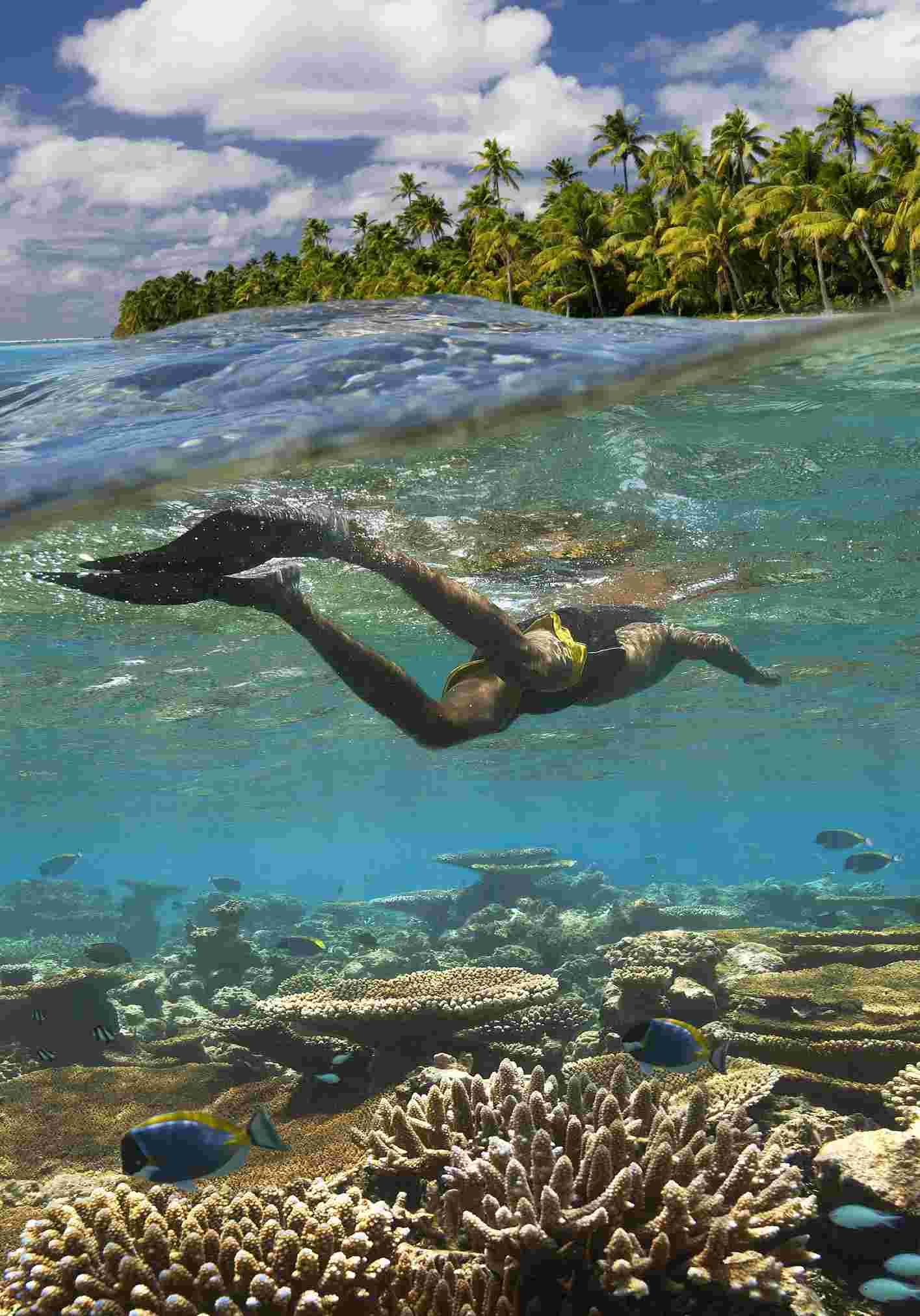
Not everything underwater in Southeast Asia requires a tank. The Gili Islands — specifically Gili Meno — have house reefs you can swim off from the beach and see sea turtles within five minutes of getting in the water. No boat, no operator, no booking. Just mask and fins. On Gili Trawangan (the party island), snorkeling is slightly less pristine but still genuinely good. In Raja Ampat, the reefs around Piaynemo and Pianemo Lagoon are shallow enough for snorkelers and visually extraordinary — coral gardens starting at one meter depth. For non-divers doing Southeast Asia, the Gili Islands are the highest-value snorkeling stop on any itinerary. Koh Lipe in Thailand's southern Andaman is another strong option — clear water, easy access, and day trips to surrounding islands for under 1,000 THB.
Do's and Don'ts for Diving and Snorkeling in Southeast Asia
| Do's | Don'ts |
|---|---|
| Book Sipadan dive packages at least 3 months ahead — permits sell out | Don't assume a cheap Open Water course includes all materials; check the fine print |
| Get your PADI Open Water cert on Koh Tao — it's genuinely the most affordable place globally | Don't dive Komodo without a dive briefing; the currents catch even experienced divers off guard |
| Visit Malapascua's Kimud Shoal early morning for thresher shark cleaning sessions | Don't skip the Similan Islands season window (Oct–May) — the park literally closes in the off-season |
| Use Scuba Junkie for Sipadan access — their permit system is the most reliable in Semporna | Don't book a Raja Ampat trip without factoring in the $100 USD marine park fee |
| Check Raja Ampat liveaboard departure schedules months in advance — spots fill up fast | Don't neglect neutral buoyancy practice before diving sites with corals — a single fin kick can take decades to regrow |
| Pack a 3mm wetsuit for Thailand and 5mm for Raja Ampat and deeper Indonesian sites | Don't bring reef-unsafe sunscreen; many sites and operators now enforce this strictly |
| Use Big Blue Diving on Koh Tao if you want a large, well-resourced certification course | Don't plan a Komodo liveaboard without checking the new 2026 visitor quota rules before booking |
| Snorkel the Gili Islands' house reefs independently — Gili Meno is best for turtles | Don't touch marine life, even friendly-looking reef fish — it's damaging and often illegal in marine parks |
| Learn hand signals before your first dive — non-verbal communication matters at depth | Don't book Tubbataha liveaboards outside March–June; the park is closed and the Sulu Sea is dangerous |
| Budget for nitrox fills if doing multi-day liveaboards — it reduces fatigue on 3–4 daily dives | Don't underestimate seasickness on long crossings to Raja Ampat or Tubbataha — bring medication |
FAQs
What is the single best diving spot in Southeast Asia for a first-time diver?
Koh Tao in Thailand is the answer, without much debate. The infrastructure is specifically built around training new divers — dozens of schools, calm bays for confined water practice, and beginner-friendly sites like Japanese Gardens and Twins that have coral gardens at 6–12 meters. Big Blue Diving has trained tens of thousands of divers since 1991 and offers everything from SSI Open Water to instructor courses. The PADI Open Water cert runs around 10,000–12,000 THB and takes 3–4 days. You finish certified and immediately have access to great dive sites. The island is also cheap to stay on, with good food and a lively enough social scene that you won't be bored on your surface intervals.
When is the best time to dive in Southeast Asia?
It depends on which country, because the monsoon seasons run in opposite directions. In Thailand, the Andaman coast (Similans, Koh Lanta) is best from November to April. The Gulf of Thailand (Koh Tao, Koh Samui) dives well from March to September. The Philippines is generally best November to May. Indonesia's best diving runs year-round in places like Komodo (April–November for visibility) and Raja Ampat (October–April for calm seas). Basically, there's always somewhere excellent to dive in Southeast Asia — just plan by destination, not by "region best season."
How much does a PADI Open Water certification cost in Southeast Asia?
In Koh Tao, Thailand, expect to pay 10,000–12,000 THB (about $280–$340 USD in 2026), which is all-in — dives, gear, and materials. In the Philippines (Cebu, Puerto Galera), prices are similar, often $300–$350 USD. These prices undercut equivalent courses in Australia, Europe, and the US by a significant margin. Always confirm what's included before booking: some budget schools list a low headline price and add equipment rental, certification card fees, and course materials on top.
Do I need to be a certified diver to visit Komodo National Park?
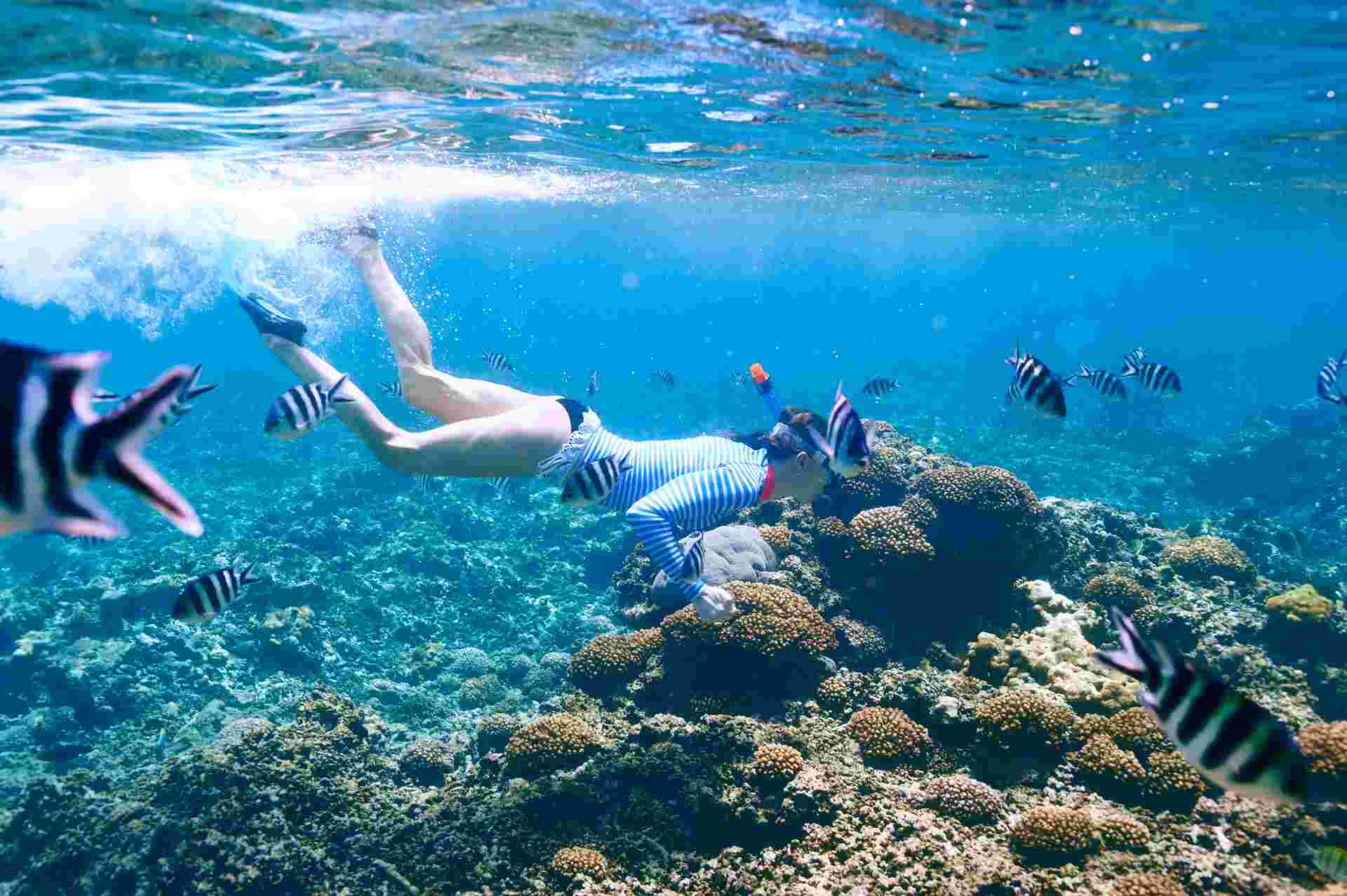
No — there are snorkeling options at several sites within the park, including the shallower reefs around Gili Lawa Laut and Gili Lawa Darat. Some operators offer introductory "try dives" for non-certified visitors at calmer locations. That said, the most impressive diving in Komodo — Manta Point, Batu Bolong, Crystal Rock — is firmly in the intermediate to advanced range and requires certification. The strong currents at Komodo can be disorienting, so diving here without at least 20 logged dives is not recommended regardless of certification level.
Is Sipadan worth the hassle of getting a permit?
Yes. Emphatically. The permit cap of 120 divers per day has actually preserved what makes Sipadan special — the marine life density is unlike anywhere else in Southeast Asia. Turtles rest on the bottom in groups. Jackfish tornadoes wrap around the island. Hammerheads and grey reef sharks cruise the wall. The logistics of booking through an operator like Scuba Junkie aren't complicated; you just need to plan at least 2–3 months ahead and accept that you'll probably spend a day or two on Mabul waiting for your permit day. Mabul itself has excellent muck diving, so that waiting time isn't wasted.
What gear should I bring versus rent in Southeast Asia?
Rental equipment is universally available at all major dive destinations in Southeast Asia, and quality at reputable shops (Big Blue, Scuba Junkie, Thresher Shark Divers) is generally good. If you're doing a lot of diving, bringing your own mask, fins, and wetsuit is worth it for comfort and fit — those three items make a bigger difference than anything else. Regulators and BCDs are fine to rent for most recreational diving. For liveaboards especially, a Garmin Descent or similar dive computer is worth owning rather than renting — you'll use it constantly and rental computers aren't always available on smaller boats.
Can you snorkel in Raja Ampat without diving?
Absolutely. Some of the best snorkeling in the world is available in Raja Ampat, and the shallow reef systems around Piaynemo and the lagoons near Misool are stunning even at 1–3 meters depth. Many liveaboards allow non-diving passengers or snorkel-only guests at a reduced rate. The catch is that most of the extraordinary marine life — the wobbegong sharks, the manta rays at cleaning stations, the pygmy seahorses — lives below snorkeling depth. But if you're a non-diver traveling with divers, you won't be staring at empty water while they're below; Raja Ampat's surface is genuinely exceptional.
What marine life can I realistically expect to see diving in Southeast Asia?
That depends heavily on where and when you go, but across the region the list is remarkable. Koh Tao delivers reef fish, moray eels, reef sharks, and seasonal whale sharks. The Similans add mantas and whale sharks more reliably. Malapascua's thresher sharks are nearly guaranteed (90% sighting rate). Sipadan has turtles, sharks, and tornado fish schools. Komodo has mantas and pygmy seahorses at Tatawa Besar. Raja Ampat tops everyone with wobbegong sharks, manta rays, and a coral density that turns every dive into a sensory overload. Budget a few destinations for a Southeast Asia diving trip and you'll see more marine megafauna in two weeks than most divers see in years of local diving elsewhere.