Best Overwater Villas and Bungalows in the World

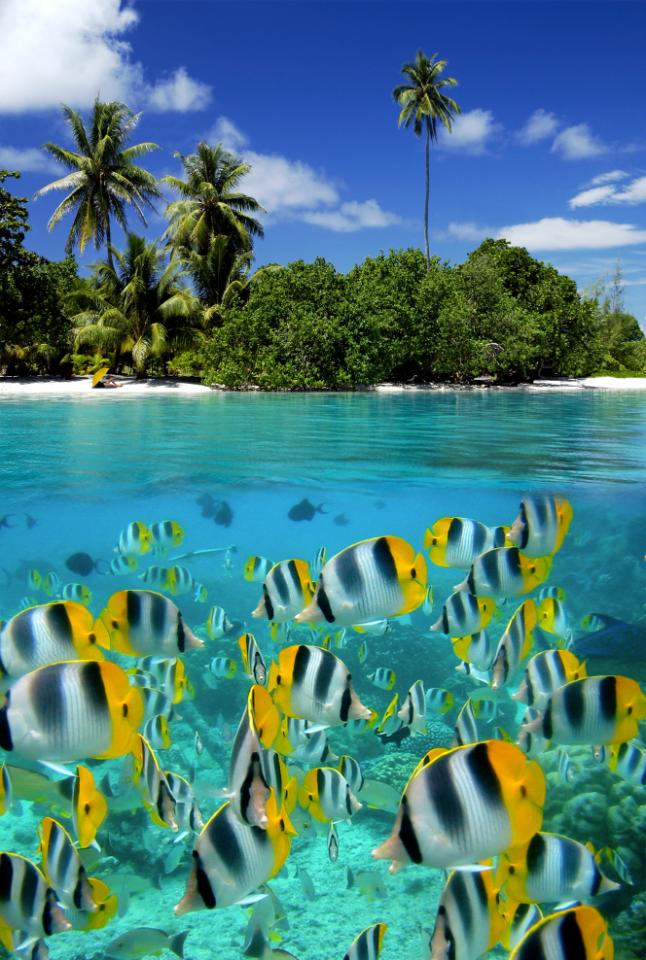
There's something about waking up over water that resets your entire nervous system. No road noise. No neighbors. Just the lap of the lagoon beneath the floorboards and, if you're lucky, a glass panel in the floor showing a parrotfish doing laps below your coffee table. I first stayed in an overwater bungalow at Conrad Maldives back when I'd scraped together points for years to make it happen — and I spent the first two hours just standing on the deck, slightly stunned. That feeling doesn't wear off. The best overwater bungalows in the world aren't just rooms with a view; they're a completely different relationship with the ocean. You don't just see it — you're on it, in it, surrounded by it.

The problem is that "overwater bungalow" has become a catch-all label that covers everything from a $400-a-night stilted room in the Maldives with a tiny porthole to a $7,000-a-night villa with a water slide, a catamaran net over the ocean, and a butler called a Barefoot Guardian. They are not the same experience. This guide focuses on the genuinely exceptional ones — the six resorts that consistently deliver something you can't get anywhere else. Some are iconic. One is so remote that only serious divers and eco-travelers know it exists. All of them have prices worth knowing before you start daydreaming too hard.

Soneva Fushi, Baa Atoll — The One With the Water Slide
Soneva Fushi operates on a "barefoot luxury" philosophy, which sounds like marketing fluff until you arrive and realize they genuinely mean it. No shoes anywhere. No formality. Just a sprawling, jungle-draped island in the Baa Atoll UNESCO Biosphere Reserve with some of the most dramatic overwater accommodations ever designed. The Water Reserves — there are eight of them — are genuinely unlike anything else. Each one has a private pool stretching over the lagoon, a retractable roof above the master bed for stargazing, and a water slide that launches you straight into the Indian Ocean. One-bedroom Water Reserves start around $4,800 per night in low season and climb to roughly $6,200 high season. Two-bedroom versions push higher. The all-inclusive rate, which bundles meals, drinks, and activities, runs around $7,300 per night peak season — eye-watering, yes, but seaplane transfers from Malé are included. Every guest gets a personal Barefoot Guardian butler. The house reef at Soneva Fushi is considered one of the best in the Maldives, teeming with manta rays from June through November. That's the detail most people skip when they're comparing Instagram photos.

Conrad Maldives Rangali Island — Two Islands, One Underwater Bar
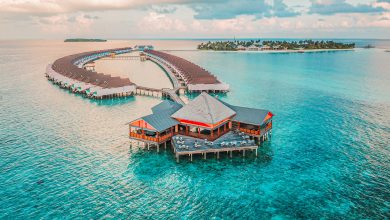
Conrad Maldives sits on two private islands connected by a 500-meter bridge, which is already a slightly absurd premise — and they lean into it completely. The overwater Water Villas with Pool start around $1,271–$1,635 per night based on recent KAYAK bookings, making it one of the more accessible luxury options in the Maldives. The thing that sets Conrad apart is the Ithaa Undersea Restaurant: a fully submerged dining room where you eat surrounded by 270-degree coral reef views. It books out months in advance. Do that at dinner, not lunch — the light at sunset through the panels is otherworldly. Their most extreme option is the Muraka, a two-level residence with an underwater bedroom inside a 180-degree acrylic dome. That one costs $50,000 per night and comes with its own chef, butler team, and boat. The regular overwater villas are far more approachable, each with a private sundeck, direct lagoon access, and a glass coffee table in the floor — so you can watch the reef traffic from the comfort of a sofa. The South Ari Atoll location means whale sharks cruise through seasonally, which adds a wild card to your snorkeling.

Four Seasons Bora Bora — Overwater Done Right in French Polynesia
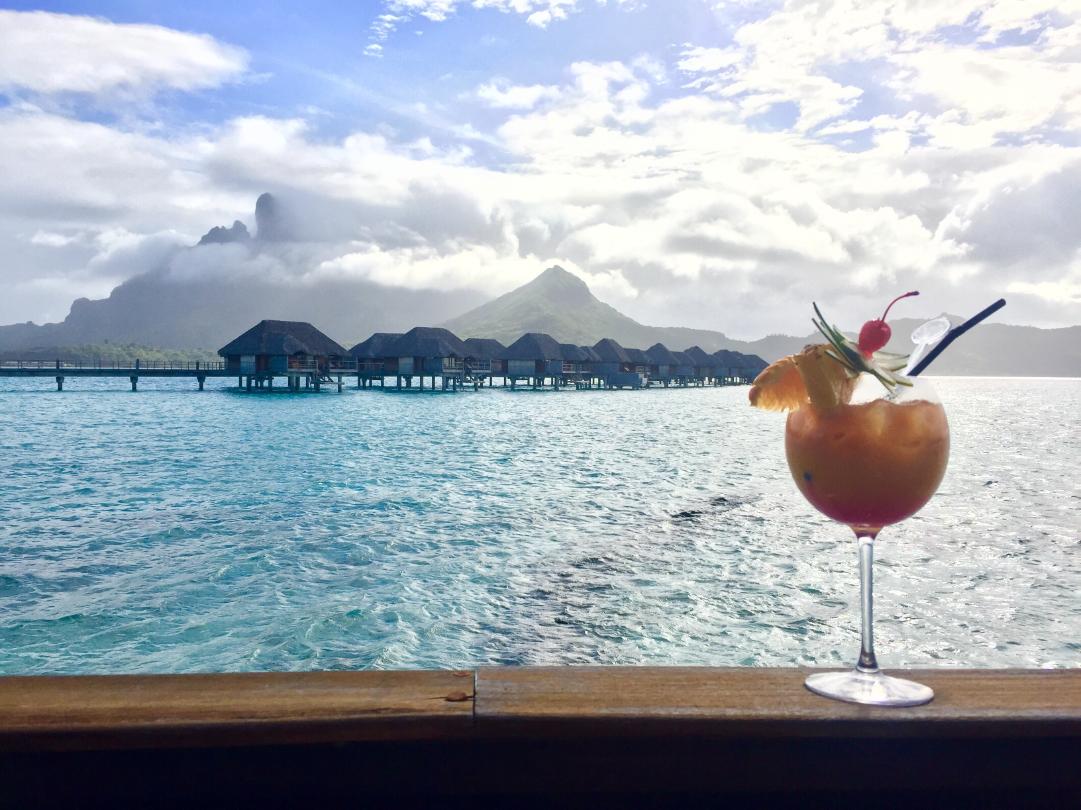
Bora Bora overwater bungalows are where the whole concept started, and the Four Seasons Resort is still the benchmark for doing it properly. It sits in the lagoon just off Motu Tehotu with uninterrupted views of Mount Otemanu — a volcanic peak that makes every photo look staged. There are 108 overwater bungalows across different categories, from the entry-level Overwater Bungalows to the Otemanu Overwater Bungalow Suite with its own plunge pool. A 7-night package for two in a Beachview Overwater Villa starts around $18,200 — roughly $2,600 per night — while peak season overwater room-only rates for the standard category typically land above $1,800. You can step directly into the lagoon from the private deck stairs. Breakfast at Tere Nui restaurant is worth lingering over; they do a Tahitian vanilla French toast that sounds basic but isn't. I've had people tell me the snorkeling directly off the bungalow deck beats anything they'd done with a guide, because the coral in the Four Seasons lagoon section is still healthy and untrafficked. One practical note: book May or September. You avoid the peak rate spike and the humidity is manageable.

St. Regis Maldives Vommuli — Architecture That Earned Its Price Tag
The St. Regis Maldives Vommuli Resort opened in 2016 on a tiny island in Dhaalu Atoll, and the design team clearly had a brief that said "make everything slightly excessive." The overwater villas here are some of the most architecturally striking in the Maldives — curved thatched rooftops, dramatic wooden walkways, each villa with its own plunge pool positioned to catch the best light at whatever time of day. Overwater St. Regis Villas start from around $2,840 per night based on recent actual bookings, with the more premium options — sunset-facing two-bedroom configurations — pushing past $4,000. Every guest gets the St. Regis butler service, which means your bar is stocked before you ask, your evening draw-down happens automatically, and someone deals with every logistical detail you'd rather not think about. The house reef drops sharply about 50 meters from the villas, and the resort's location means far less boat traffic than the atolls closer to Malé. Quieter water. Clearer visibility. Worth the extra 30-minute seaplane leg from Malé compared to resorts in the northern atolls.

Song Saa Private Island, Cambodia — The One Nobody Talks About
Song Saa sits on two small islands in the Koh Rong Archipelago off the coast of Sihanoukville, and it's doing something genuinely different. The overwater villas here are 135 square meters of teak and glass — king bed, sunken bathtub, private pool, outdoor deck that floats over the sea, glass floor panels below the bed. Rates start from around $432 per night for their entry-level villas, while the full overwater villa configurations land closer to $1,000–$1,500 depending on season. That's dramatically cheaper than Maldives comparisons, and the experience is legitimately good. What you're trading is crowd recognition: Song Saa doesn't get the Instagram traffic of Bora Bora, which also means the staff ratio is high and the vibe is deliberately quiet. The surrounding marine reserve — managed partly by the resort itself — means snorkeling that rivals the Maldives. Cambodia as a destination also means that your surrounding country is interesting: Angkor Wat is a short domestic flight from Sihanoukville. Some people string both into a single trip. It's a smart pairing.

Misool Eco Resort, Raja Ampat — For People Who Actually Dive
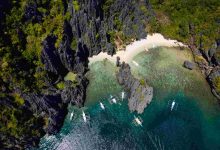
Misool is in the South Raja Ampat archipelago in Indonesian Papua, which is about as remote as luxury gets. You fly to Sorong and then take a speedboat for around two hours. The eight Water Cottages here are built on stilts over the North Lagoon — classic overwater bungalow structure, but what you're actually paying for is the water. Raja Ampat consistently ranks as the most biodiverse marine environment on Earth. The reef beneath Misool's Water Cottages has species counts that marine biologists still argue about. A seven-night package including accommodation, all meals, and diving runs around $11,050–$11,850 per person for double occupancy. That's comprehensive: you're not nickeled for dive tanks or guides. The resort operates a no-take marine reserve covering 1,220 square kilometers around the property, which is why the fish here are so absurdly large and plentiful — they've had years of protection. Come for the manta rays in October through April. The main dining area and communal spaces are themselves built over the water, which makes sundowners feel cinematic every single evening.

Do's and Don'ts for Best Overwater Bungalows
| Do's | Don'ts |
|---|---|
| Book 6–12 months ahead for peak-season Maldives resorts — Soneva Fushi Water Reserves sell out 9–10 months before high season | Don't assume all overwater villas have direct lagoon steps — confirm before booking if this matters to you |
| Request a sunset-facing or overwater villa location specifically — "lagoon view" can sometimes mean you're looking at a beach area | Don't skip travel insurance when paying $5,000+ per night — cancellation policies are non-refundable at most luxury resorts |
| Ask about complimentary snorkeling gear and house reef quality before choosing a resort — it varies enormously | Don't book Conrad Maldives without reserving Ithaa restaurant at the same time — it fills up weeks in advance |
| Use Marriott Bonvoy points at St. Regis Maldives Vommuli — the redemption value here is exceptional compared to cash rates | Don't assume Bora Bora is hot and dry year-round — May through October is the cooler dry season, best for visibility |
| Pack reef-safe sunscreen only — resorts like Misool and Song Saa enforce this strictly, and you won't find alternatives on-island | Don't visit Raja Ampat in July or August if you dislike choppy seas — the July–August swell can be uncomfortable |
| Arrive a day early in Bora Bora — jet lag in a new time zone hits hard, and wasting your first full day in an $1,800/night room is a waste | Don't go straight from a long-haul flight to Conrad Maldives' seaplane without eating — the 30-minute low-altitude flight is turbulent on an empty stomach |
| Check whether meals are included before comparing prices — Soneva Fushi's all-inclusive changes the cost equation significantly | Don't underestimate the brightness — mornings over white sand and turquoise water are genuinely blinding; pack high-quality polarized sunglasses |
| Choose Misool if you're a serious diver rather than a resort swimmer — the marine biodiversity justifies the remote logistics completely | Don't bring excessive luggage to seaplane-access resorts — Maldives seaplanes enforce 20kg limits strictly |
| Time a Maldives trip for June through November at Soneva Fushi to catch manta rays on the house reef — the Baa Atoll aggregations are spectacular | Don't book overwater without looking at orientation — east-facing means sunrise from bed; west-facing means sunset from your deck |
FAQs
What is the best overwater bungalow in the world in 2026?
It depends on what you mean by "best." For sheer luxury engineering, the Soneva Fushi Water Reserves are hard to beat — a private water slide into the Indian Ocean, catamaran net over the lagoon, retractable ceiling, and 20-meter pool is an extraordinary combination. For diving, Misool Eco Resort in Raja Ampat is genuinely unmatched anywhere on Earth. For the classic Tahiti bungalow fantasy with a famous volcanic backdrop, the Four Seasons Bora Bora delivers exactly what every photo promises. Most "world's best" lists that pick a single winner are selling something. These six are the tier that matters, and the right choice depends entirely on your priorities.

How much do the best overwater bungalows cost per night in 2026?
The range is wider than most people expect. Song Saa Cambodia starts around $432 per night on the lower end. Conrad Maldives overwater villas run $1,271–$1,635 per night for standard bookings. St. Regis Maldives Vommuli averages $2,840–$4,145 depending on season and villa type. Soneva Fushi Water Reserves range from $4,800 in low season to $6,200+ in high season. Misool Eco Resort packages in Raja Ampat run around $11,050–$11,850 per person for 7 nights all-inclusive, which is actually more cost-efficient than it sounds once you factor in meals and diving. None of these are cheap. Budget a minimum of $1,500 per night if you're targeting genuine luxury.
When is the best time to visit Bora Bora overwater bungalows?
May through October is the dry season and the most popular booking window — lower humidity, calmer seas, better snorkeling visibility. July and August are peak months and the priciest. May and September are the sweet spots: good weather, fewer crowds, and marginally lower rates at the Four Seasons and St. Regis properties. November through April is rainy season, though the storms are usually short afternoon bursts rather than all-day wash-outs. Some travelers actually prefer this period for the dramatically lower rates — a 30% reduction isn't unusual.
Are overwater bungalows in the Maldives worth the price?
For the right traveler, absolutely. What you're paying for isn't just a room — it's total immersion in the ocean environment. Waking up to the sound of the lagoon, snorkeling directly off your private deck at 7am before breakfast, watching reef sharks cruise past your glass floor panel — these aren't experiences you can replicate with a beach villa. The caveat is that you should be genuinely interested in the water. If you're someone who primarily uses the pool and the spa, you're paying a large premium for an ambient view you could get from a beach villa at half the price.
What's the difference between an overwater bungalow and an overwater villa?
Mostly marketing and square footage, though villa tends to indicate larger, more premium configurations — often with their own plunge pool, separate living areas, and a higher staff-to-guest ratio. A bungalow usually refers to a single room or studio-style structure built on stilts. Conrad Maldives and Four Seasons Bora Bora both use "villa" for their bigger overwater options, which can run 120–200 square meters. Song Saa's overwater units are technically villas at 135 square meters with a pool, despite being priced more like a premium bungalow elsewhere. Don't let the naming convention mislead you — read the square footage and amenity list.
Is Song Saa Cambodia comparable to Maldives or Bora Bora?
Comparable in concept — you're sleeping over water in a beautifully designed private villa — but different in feel. Song Saa is more intimate, less polished, and considerably cheaper. The marine environment is genuinely impressive, and the resort's conservation work is serious, not performative. What you lose compared to the Maldives: the sense of total isolation (you can see other islands) and the strip-of-sand-in-the-middle-of-the-ocean experience. What you gain: an interesting surrounding country worth exploring, a lower price point, and a quieter guest dynamic. A solid choice if you've already done Maldives and want something less expected.
Do overwater bungalows have air conditioning?
Every resort on this list does, yes — and genuinely effective systems. Soneva Fushi goes a step further with solar-powered cooling throughout. In practice, many guests sleep with the doors open to hear the ocean, which is the point, but a decent AC system is essential in the humidity of the tropics. The one exception is Misool Eco Resort, which uses ceiling fans and natural ventilation in some cottage configurations — check with them specifically if strong AC is non-negotiable for you.
What's the best overwater bungalow for a honeymoon?
Four Seasons Bora Bora for the classic romantic backdrop — the Mount Otemanu views from the deck at sunrise are genuinely affecting, and the resort's service for couples is attentive without being intrusive. St. Regis Maldives Vommuli is the runner-up: the butler service anticipates everything before you ask, and the sunset-facing villas are designed for exactly this. If budget is a constraint, Song Saa Cambodia punches well above its price point for romance, with a beautifully remote setting and high service quality at roughly a third of the Maldives rate.