Gorilla Trekking Uganda: What to Expect at Bwindi
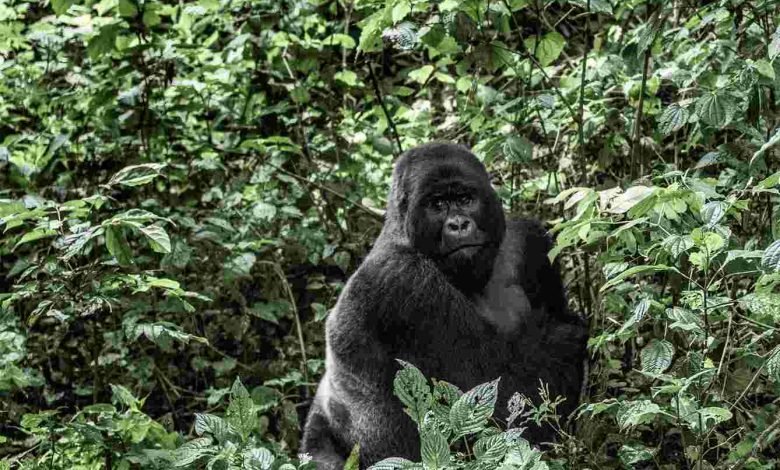
I still remember standing at the Buhoma briefing point at 7:30 AM, pulling on mud-caked gaiters while a ranger explained that the Mubare gorilla group — one of Bwindi's oldest habituated families — had been spotted about two hours into the forest. Two hours in. Uphill. Through mud that had a personal grudge against my boots. Gorilla trekking Uganda is not a gentle nature walk, and nobody should go in thinking it is. The Bwindi Impenetrable Forest is not called impenetrable because of its charm. Elevation between 2,500 and 3,000 meters. Dense canopy. Slopes that feel more vertical than diagonal. And then, after all of it, you push through a curtain of ferns and there is a 400-pound silverback sitting six meters away, peeling a branch with his fingers as if he has nowhere to be. Nothing else compares. Genuinely. Nothing.
This is a practical guide to doing the Bwindi gorilla trek right in 2026 — permit prices, which lodges are worth the money, which sector fits your fitness level, and how Uganda stacks up against Rwanda. I've pulled the latest Uganda Wildlife Authority (UWA) pricing and cross-referenced recent traveler reports. If you want the version that tells you everything is magical and effortless, look elsewhere. This one tells you what it costs, what to pack, and where people go wrong.
How the Uganda Gorilla Permit Works
The UWA controls all gorilla trekking permits, and in 2026 the standard price for a foreign non-resident is $800 USD per person. That buys you one hour with a habituated gorilla family. Foreign residents pay $700, African nationals $500. One hour sounds stingy until you're in it — at which point an hour somehow feels both infinite and gone in seconds.
Low season (April, May, November) brings permits down to $600 USD, which is a real discount if your schedule is flexible. The rain in those months is heavier, but the forest is emptier and the lodges cut their rates too. If you can tolerate some mud — and you will get muddy regardless — the value calculation in the green season is hard to argue with.
For the Gorilla Habituation Experience (GHEX), where you spend up to four hours with a semi-habituated family and watch rangers and researchers work, the price jumps to $1,500 USD. It's a very different experience — less curated, longer, more raw. I'd call it the better one for anyone who actually wants to understand gorilla behavior rather than just photograph it.
Book early. Peak season slots (June–September, December–February) sell out 6 to 12 months ahead. The UWA booking portal has improved, but going through a licensed safari operator in Uganda is still faster and less painful.
Choosing Your Sector: Buhoma, Ruhija, Rushaga, Nkuringo
Bwindi has four trekking sectors, and the choice matters more than most first-timers realize. Buhoma in the north is the most established — solid infrastructure, more lodges nearby, slightly more forgiving trails. Good starting point for occasional hikers. Ruhija sits higher and offers panoramic ridge views, though the altitude sharpens the climbs.
Rushaga in the south hosts the most habituated gorilla groups — six families at last count — and is the only sector for the GHEX. Trails can get punishing when groups move deep overnight. Nkuringo is the most dramatic: a steep descent into a valley, then an equally steep climb back up, with the Nyiragongo Volcano visible on a clear morning across the Congo border. Spectacular. Brutal. Experienced hikers only.
Fit and regular hikers: Rushaga or Nkuringo. First serious hike in years: Buhoma.
Where to Stay: Three Lodges Worth Booking
Bwindi Lodge sits on a forested hillside in Buhoma — eight bandas with log fireplaces (Bwindi nights hit 11°C, so you'll use it) and a wraparound deck that stares into the treeline. The kitchen is good. Rates around $400–$600 per person per night full board, which is honest value for the location.
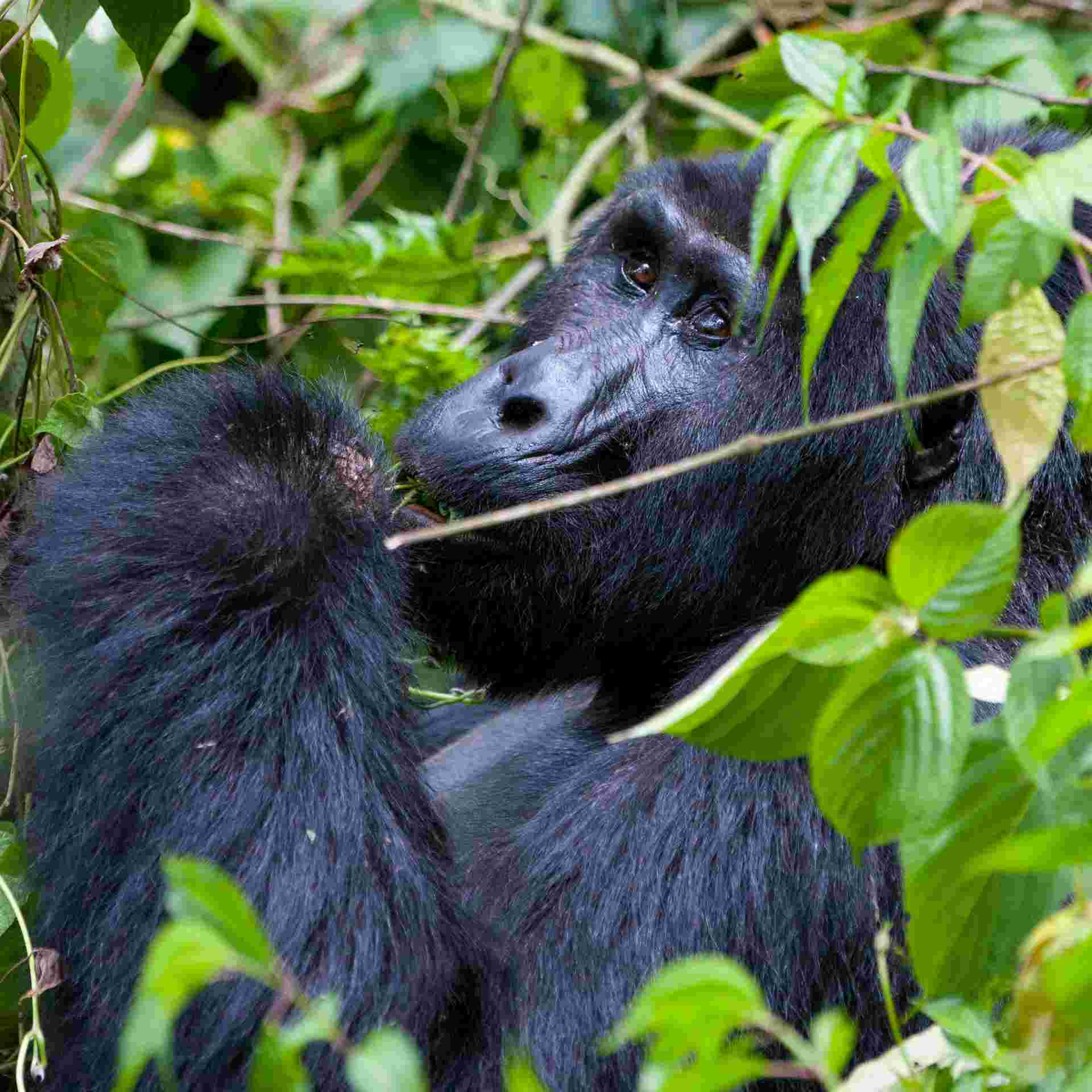
Sanctuary Gorilla Forest Camp, now running as Gorilla Forest Lodge (an A&K Sanctuary) after a major rebuild in 2025, is the only lodge inside the national park. Ten expanded villas, a new spa, and forest buffalo occasionally wandering past your veranda. A resident gorilla family visits the camp four to six times a month. Most immersive option available.
Clouds Mountain Gorilla Lodge near Nkuringo is built from volcanic stone with eight fireplaced cottages and direct sightlines to the Virunga Volcanoes across the Congo. The location saves 15–20 minutes on your morning drive to the gate — small thing that matters at 7:30 AM briefings.
Rwanda vs Uganda Gorillas: The Honest Take
Rwanda's Volcanoes National Park permits cost $1,500 USD per person in 2026 — nearly double Uganda's rate. That single number ends most budget debates. For the cost of one Rwanda trek, you could book two Uganda permits and still have $200 left.
Rwanda has real advantages: Kigali is a polished gateway city, the bamboo-forest terrain on volcanic slopes is less brutal than Bwindi's jungle, and the tourism infrastructure is extremely well-organized. If you're pairing gorillas with a Lake Kivu retreat, Rwanda makes sense.
Uganda has over 20 habituated gorilla families across Bwindi and Mgahinga versus Rwanda's 12, which translates to more daily slots and less booking stress. The forest is denser and rawer — some people love that; others find it claustrophobic. My take: cost matters or you want a wilder experience, Uganda wins. Want a smoother all-round trip and $700 extra doesn't sting, Rwanda delivers.
What the Trek Actually Feels Like
You get briefed at the park gate at 7:30 AM, usually by a ranger who has been tracking the family since dawn and has a rough idea of how long you'll walk. Groups are capped at eight trekkers. From there the work begins — you follow a ranger and armed guide through increasingly dense vegetation, often on trails that exist only because someone walked them recently.
The ground is almost always wet. Roots, vines, and sudden drop-offs appear without warning. Hired porters (about $15–$20 for the day, which is also a direct community income contribution) carry bags and offer a steadying hand on steep descents. Take one. Seriously. It's not weakness — it's smart.
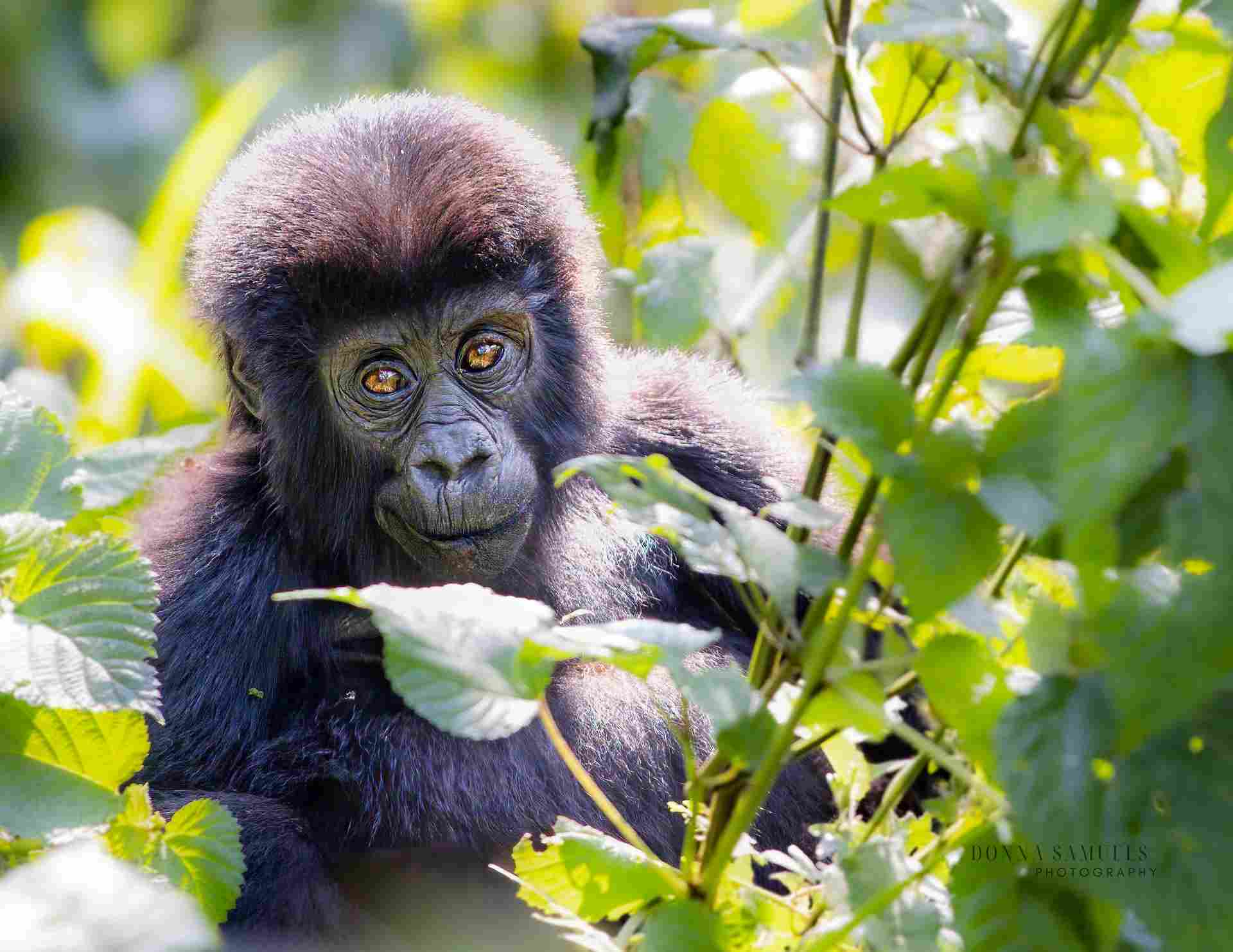
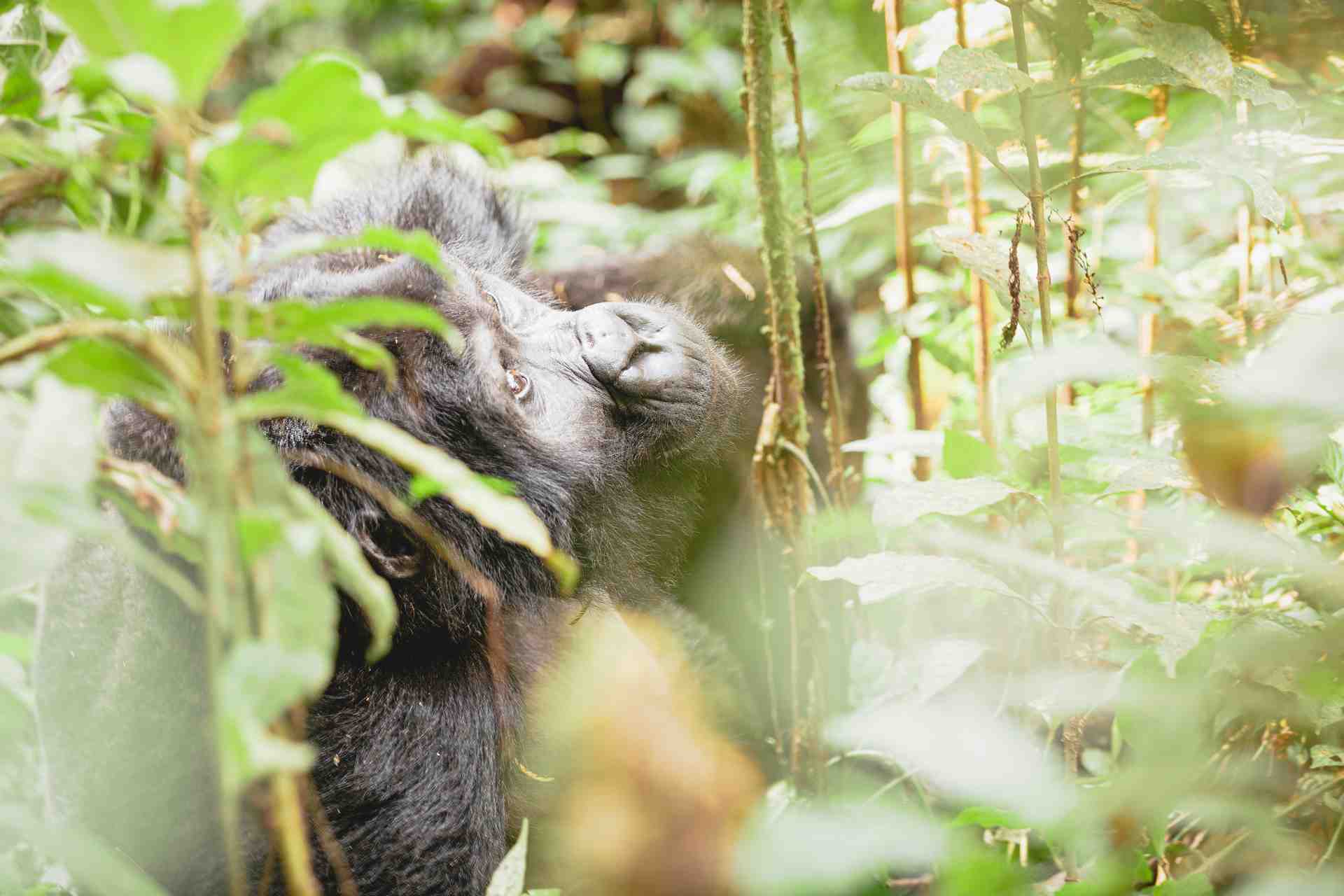
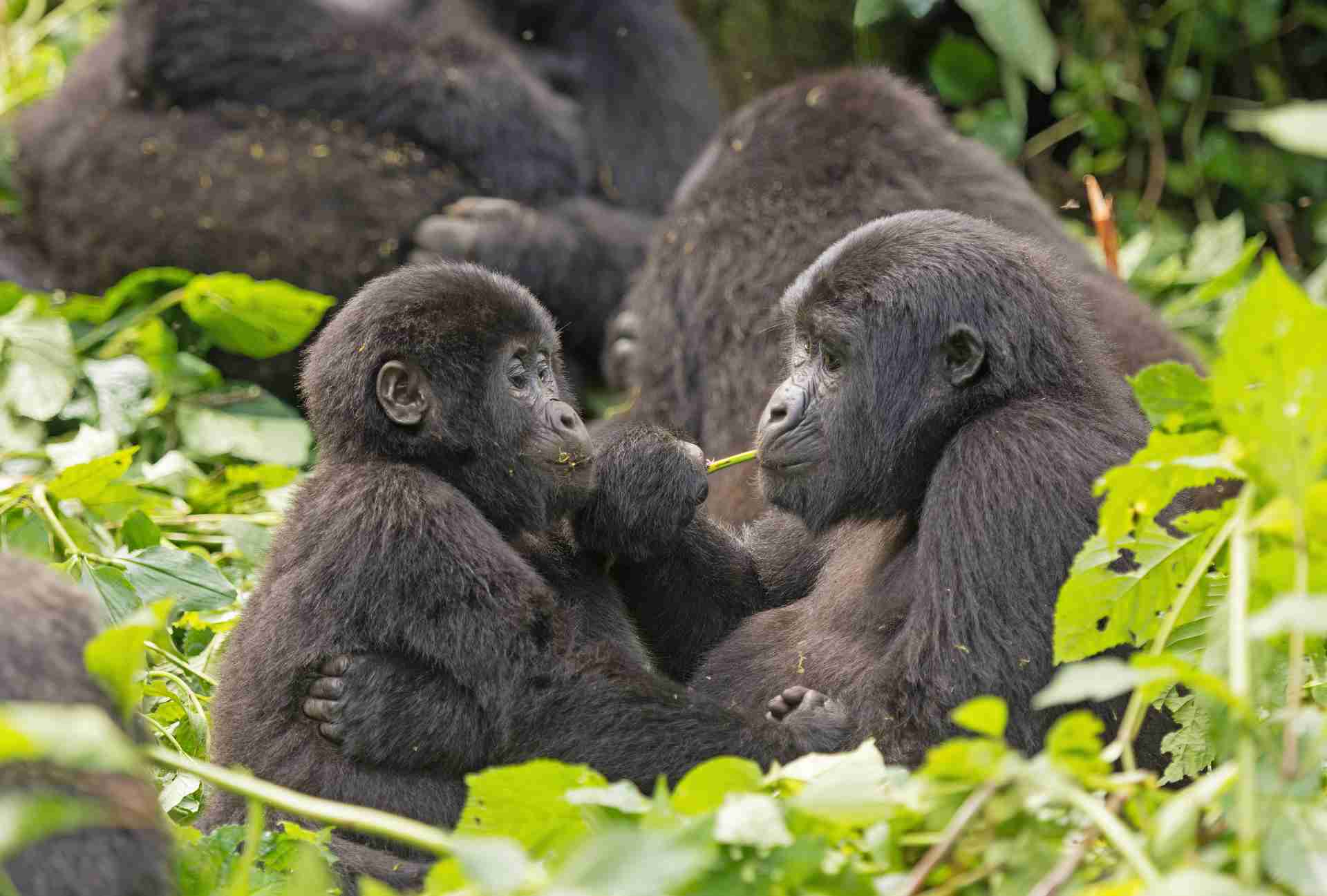
When you reach the gorillas, the one-hour clock starts. The guide manages proximity; you stay at least seven meters away, though young gorillas frequently ignore this rule and wander closer. No flash photography. Masks on within that distance. The silverback will likely glance at you once, decide you're not interesting, and go back to eating. The juveniles, on the other hand, will perform.
Packing for the Bwindi Gorilla Trek
Waterproof ankle-support hiking boots. Non-negotiable — break them in before you fly. Trekking trousers tucked into socks (safari ants enter trouser legs with no hesitation). Long-sleeved shirt. Rain jacket with hood, even in dry season. Gaiters help.
Specific picks: Salomon X Ultra 4 GTX boots, Outdoor Research Helium Rain Jacket for weight savings, Buff gaiters or mid-height neoprene. Cheap garden gloves beat hiking gloves for grabbing vegetation on steep drops. Two liters of water, energy bars, headlamp for very early starts. Camera flash disabled. A small dry bag inside your pack beats any hard-sided camera case on these slopes.
Do's and Don'ts for Gorilla Trekking Uganda
| Do's | Don'ts |
|---|---|
| Book your Uganda gorilla permit at least 6 months ahead for June–September | Don't assume you can buy permits at the gate — you cannot |
| Hire a porter; it's $15–$20 and the income goes directly to local communities | Don't tip your ranger in cash at the gate — tip after the trek, directly |
| Wear neutral, earth-tone colors (khaki, olive, brown) | Don't wear bright colors or anything with blue — gorillas read blue as a threat signal |
| Tuck trousers into socks before entering the forest | Don't leave ankles exposed — safari ants are not polite |
| Break in your waterproof hiking boots at home before the trip | Don't buy new boots for the trip and wear them for the first time on trek day |
| Carry a mask and put it on when within 7 meters of the gorillas | Don't visit if you have a cold, flu, or respiratory illness — gorillas share our susceptibility to human viruses |
| Consider the low season (April, May, November) for $600 permits and thinner crowds | Don't dismiss the rainy season without doing the math on what you save |
| Choose your sector based on actual fitness level, not ambition | Don't book Nkuringo or Rushaga if you haven't hiked seriously in the last 12 months |
| Spend at least two nights near the park — one to acclimatize, one post-trek | Don't try to do the trek as a same-day round trip from Kampala (it's 8–9 hours each way) |
| Keep a fully charged camera battery — you can't swap mid-trek easily | Don't use flash photography around the gorillas under any circumstances |
| Listen to your ranger briefing — the rules exist for the gorillas' welfare | Don't try to get closer than 7 meters even if a junior ranger seems relaxed about it |
| Budget $50–$100 for community fees, porter tips, and souvenir crafts in Buhoma village | Don't skip the community walk — it's genuinely worthwhile and not just tourism checkbox |
FAQs
How much does a Uganda gorilla permit cost in 2026?
The standard Uganda gorilla permit for foreign non-residents is $800 USD per person in peak season, covering a one-hour encounter with a habituated gorilla family. Low-season months (April, May, November) drop that to $600 USD. Permits are issued per trek — so two treks means two permits. Foreign residents pay $700 in peak season, African nationals $500.
How difficult is gorilla trekking in Bwindi really?
Harder than most people expect. Treks run 1 to 6 hours depending on where the gorilla group moved overnight — on steep, muddy terrain at 2,500–3,000 meters. Moderate fitness handles Buhoma fine. Rushaga and Nkuringo are serious. Bad knees or unstable ankles: hire a porter and bring a pole.
When is the best time to go gorilla trekking in Uganda?
Dry season (June–September, December–February) means firmer trails and better weather — also the most crowded and fully-booked months. Green season (March–May, October–November) brings rain, $600 permits, and emptier forest. Most people who've done both say the trade-off is worth it. November is especially good value.
Is Rwanda or Uganda better for gorilla trekking?
Uganda: $800 permit, wilder forest, more group availability. Rwanda: $1,500 permit, smoother infrastructure, easier terrain. If cost matters: Uganda. If you want a polished all-in experience and budget isn't a constraint: Rwanda. Both are extraordinary. Pick based on what you're actually optimizing for.
Do I need special gear for the Bwindi gorilla trek?
Yes, and the boots matter most. Salomon X Ultra 4 GTX or equivalent waterproof ankle-support boots, broken in before you go. Add long-sleeved trekking trousers, rain jacket, gaiters, and garden gloves. Camera with flash off. Two liters of water. Mask is mandatory within 7 meters of gorillas and handed out at the briefing point.
How far in advance should I book gorilla trekking in Uganda?
Peak season (June–September, December–February): 6–12 months minimum. July and August weekends can be gone a full year out. Low season months allow more flexibility — 4–6 weeks sometimes works — but good lodges book fast regardless. Use a licensed Ugandan safari operator if you want permits and accommodation bundled.
What lodges are closest to gorilla trekking in Bwindi?
Bwindi Lodge (Buhoma, $400–$600/night full board) for mid-luxury with a solid kitchen. Gorilla Forest Lodge, an A&K Sanctuary — the only lodge inside the national park, rebuilt in 2025, top-end pricing. Clouds Mountain Gorilla Lodge near Nkuringo for volcanic-stone cottages and direct Virunga Volcanoes views.
Can I combine gorilla trekking Uganda with other wildlife experiences?
Yes, and most people do. Queen Elizabeth National Park is 3–4 hours from Buhoma and has tree-climbing lions in the Ishasha sector plus chimp tracking in Kyambura Gorge. Kibale National Park — East Africa's highest concentration of chimpanzees — sits about 5 hours north. A standard 8–10 day Uganda itinerary hits gorillas, chimps, and savannah without feeling rushed.